
Autumn · Seoul · Field listing
Jongno Hanbok Festival 2026
The essentials first: whether it is open, what it costs, how hard it is to reach and what to expect if you do not speak Korean.
When
Sep 11 — 12ConfirmedConfirmed dates
Where
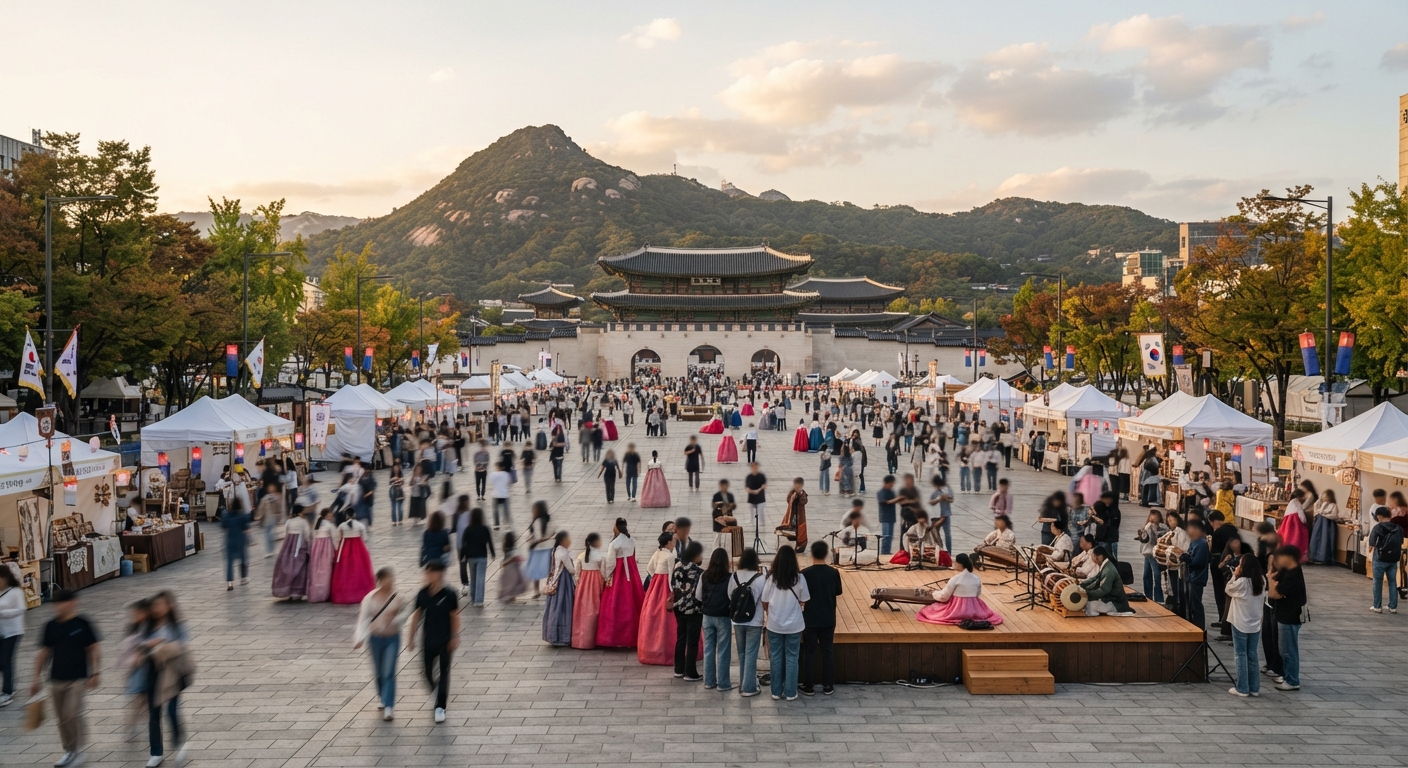
Gwanghwamun Square, Jongno-gu, SeoulSeoul
Type
Culture & arts
Admission
FREEGeneral admission is free. Some hands-on options such as hanbok rental at the on-site rental point are likely to be charged separately, but a reliable 2026 price list had not been published when this guide was written.
From Seoul
In central Seoul — a few minutes on foot from Gwanghwamun StationThe festival is in central Seoul, so there is no intercity leg. Take Seoul Subway Line 5 to Gwanghwamun Station and use exit 2 or exit 9, which open directly onto the square, or Line 3 to Gyeongbokgung Station for the northern end by the palace.
Hours
15:00-21:00 (per the official Seoul festival listing)
Organiser
Jongno-gu Office / Jongno Culture Foundation, 02-6203-1164
Is this one for you?
Who it suits. This suits visitors already in Seoul who want a low-commitment afternoon of hanbok, traditional Korean music and hands-on culture in a central, fully walkable spot, and it works well for families because of the hanbok playground, photo zone and try-on booths. It is a poor fit if you are hoping for a large multi-day spectacle or nightlife — it is a compact two-day event that runs only into the evening on an open, largely shadeless public square, so anyone who dislikes exposed crowds in early-autumn sun should plan their timing rather than expecting shelter.
When to go. The two anchor moments are fixed: the opening ceremony with the gugak orchestra and traditional performance runs Friday evening from about 19:00 to 21:00, and the hanbok showcase contest is Saturday at 15:00. Since the published hours are 15:00-21:00, there is no reason to arrive in the morning. Late afternoon into the evening is both the coolest part of the day on the open plaza and when the 'Under the Gwanghwamun Moonlight' photo zone comes into its own.
LOCAL WEATHER
Weather near the festival
The festival date is outside the current forecast window. Check again closer to your trip.
Korea Meteorological Administration forecast
Need something we do not list — a stall menu, a parking gate, a last bus? The Korea Travel Helpline answers in English around the clock: dial 1330 inside Korea, or +82-2-1330 from abroad.
The Jongno Hanbok Festival is Jongno-gu’s annual autumn culture festival on Gwanghwamun Square, in the heart of Seoul. The Ministry of Culture’s 2026 national plan lists it under the umbrella name “Jongno K Festival,” and Seoul’s festival portal files it as “Jongno K Festival (Jongno Hanbok Festival),” but the 2026 edition is staged and promoted specifically as the Jongno Hanbok Festival, built around a “hanbok × gugak” theme — Korean traditional dress paired with Korean traditional music. It first ran in 2016 and this is billed as its eleventh edition.
For 2026 the confirmed dates are Friday and Saturday, September 11-12, on Gwanghwamun Square. Admission is free, and the official Seoul festival listing gives operating hours of 15:00-21:00. This is a compact, central, two-day event rather than a sprawling multi-week festival — its appeal is that you can drop into it on an ordinary afternoon without leaving Seoul or buying a ticket.
One clarification worth making up front: this is not the Royal Culture Festival held inside the palaces. That is a separate event run by a different organisation. The Jongno Hanbok Festival is a Jongno-gu event on the open plaza, and mixing the two up will send you to the wrong place.
A second caution is about dates. The same annual festival ran in October 2025, branded that year as a broader “comprehensive traditional arts festival” for its tenth anniversary, with a longer festival week and slightly later evening hours. If you search the Korean name, you will still find that October 2025 information, and some listings carry it forward. Do not plan around it: the confirmed 2026 edition is the two days of September 11-12 described here, with a tighter hanbok-and-gugak focus. When the two conflict, use the September 2026 dates.
What you actually do here
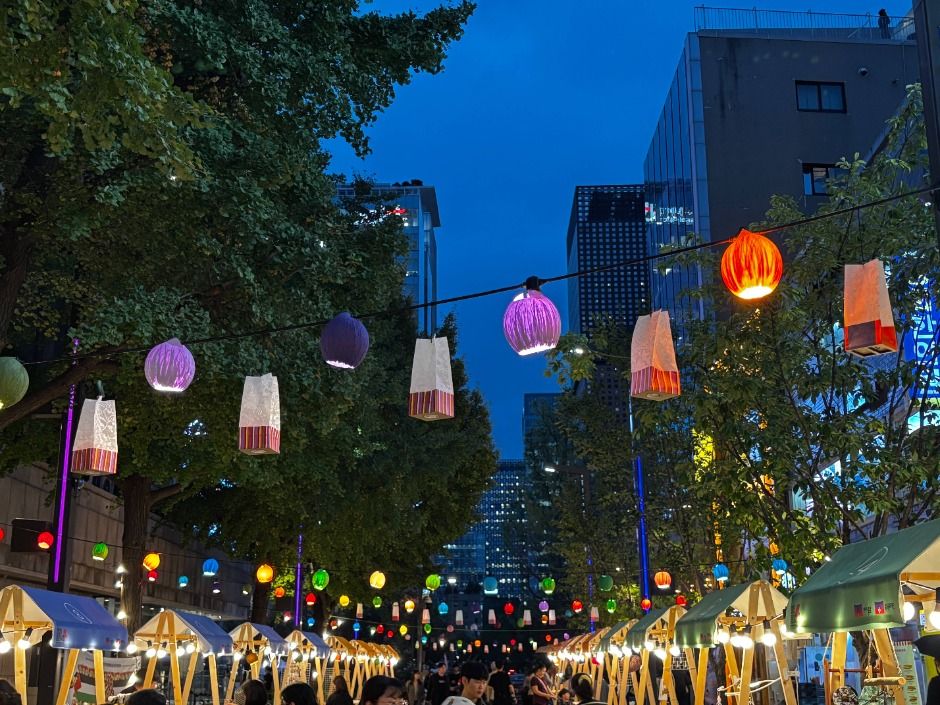
The core of the festival is wearing, watching and handling hanbok in a public space designed for it. The programme lists a hanbok playground, a hanbok rental point, try-on activities and a dedicated photo zone called “Under the Gwanghwamun Moonlight,” set against the backdrop of Gwanghwamun gate and the palace. The idea is participatory: you are meant to put on the clothes and move through the square, not just look at a display case.
Around that sits a set of exhibitions and experience booths. The 2026 curated exhibition is themed “Hanbok NEXT / Hanbok Fluttering / The Forest of Jongno,” staged at the centre of the square and in the Yukjo Madang area along its western side. Alongside it the organisers run traditional-culture experience booths, traditional games and a market, and the official site frames the whole thing around Korea’s “traditional culture top ten” — hanbok, Korean food, the Korean alphabet, hanji paper, gugak and more — with around forty participating groups and roughly a hundred scheduled programme slots across the two days.
There is also a lighter, family-facing side, including a vote for the best hanbok-wearing pet. None of this needs spoken Korean to enjoy, because it is visual and hands-on, but that is an observation about the format rather than a promise of English-language guidance, which has not been verified here.
Programme and timetable
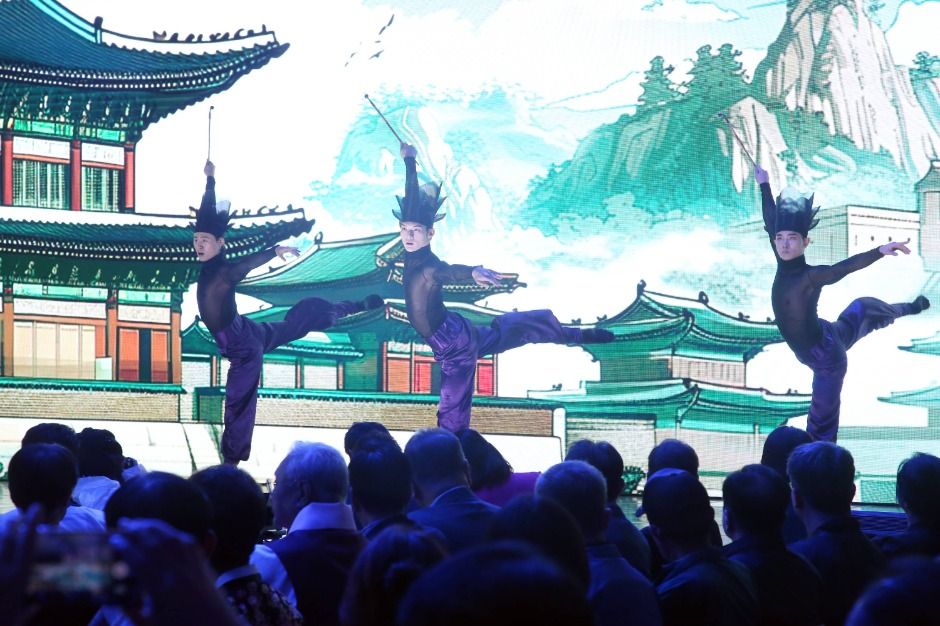
The two days are structured differently. Friday, September 11 is the ceremonial and performance day: the programme includes an “Eodina Stage” special performance, an opening march featuring around eighty local residents and the Seoul Children’s Chwita traditional wind-and-percussion band, and an opening ceremony with a gugak orchestra, choir and jeontong yeonhui traditional performance. News coverage puts the opening ceremony in the evening, roughly 19:00 to 21:00.
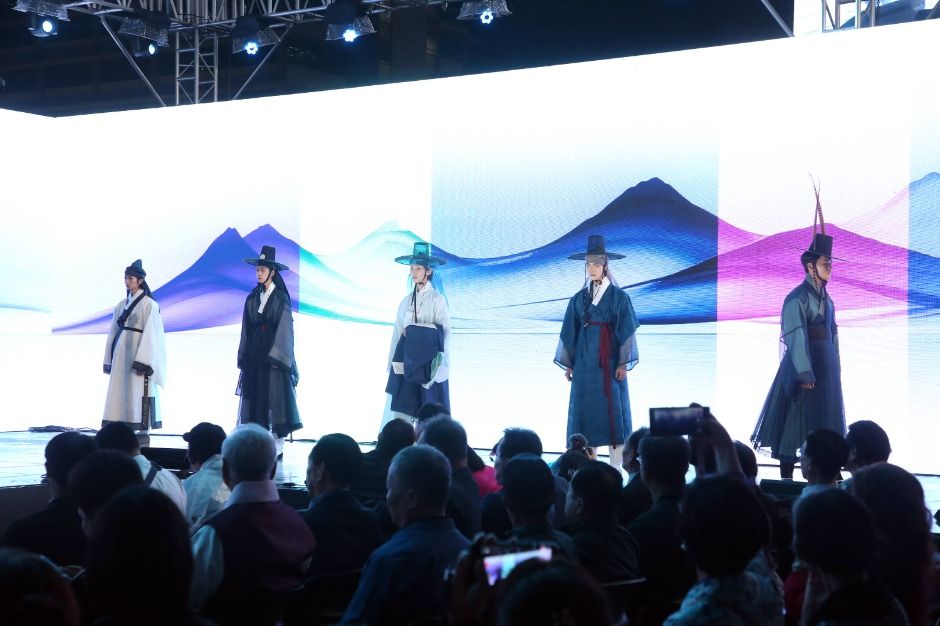
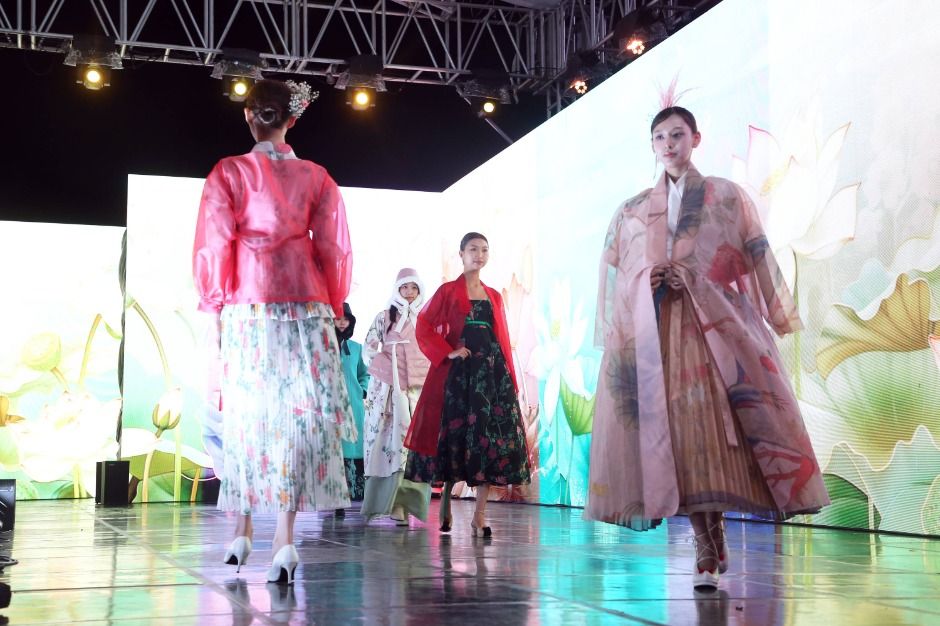
Saturday, September 12 centres on the hanbok showcase contest at 15:00, followed by an awards ceremony and a celebratory performance. The exhibitions, rental point, playground, booths and market run across both days within the published 15:00-21:00 window.
The detail that a same-day visitor most needs is that the headline moments are at opposite ends of that window: an evening ceremony on the Friday and a mid-afternoon contest on the Saturday. If a specific performance is your reason for coming, confirm the current running order on the official site shortly before you travel, because a two-day event on a public square can adjust its schedule close to the date.
What is free and what costs extra
There is no entry ticket. General admission to the square, the exhibitions and the performances is free, and this is consistent between the Korea Tourism Organization’s listing and 2026 Seoul news reports. That makes it genuinely easy to attend on impulse.
Free admission is not the same as everything being free. The programme lists a hanbok rental point, and rental in Korea is normally a paid service with a deposit or time limit. A dependable 2026 rental price, and whether any experience booths charge a materials fee, had not been published when this guide was written, so this article does not quote a figure. Bring a payment option and check the price on the day rather than planning around an amount from an earlier year or another venue.
Getting there without a car
Because the festival is in central Seoul, there is no intercity journey to plan — the practical question is simply which subway exit to use. Gwanghwamun Square sits directly above Gwanghwamun Station on Line 5, and the station shares the square’s address (Sejong-daero Jiha 172). Use exit 2 or exit 9; exit 9 was built with the square itself and leads straight onto it, while exit 2 surfaces near the King Sejong statue at the centre. This is confirmed across multiple independent transit references.
For the northern end, by Gyeongbokgung Palace, Gyeongbokgung Station on Line 3 is the closer option. City Hall (Lines 1 and 2) and Jonggak (Line 1) are also within an easy walk if you are already on those lines. Driving is a poor idea: central Jongno parking is scarce and expensive, and a festival occupying the plaza changes the pedestrian and traffic pattern around it. The subway is faster and drops you at the event.
Honest assessment
The strength of this festival is its accessibility in every sense. It is free, it is in the most central spot in Seoul, it is built for participation rather than passive viewing, and the hanbok-on-the-plaza concept photographs well against a genuinely grand backdrop. For a traveller already in Seoul who wants a couple of hours of Korean traditional culture without committing a whole day or a train fare, it is an easy yes, and the family-oriented activities make it more than a photo stop.
Its limitations are the flip side of the same facts. It is small and short — two days, six hours a day — so it rewards a targeted visit more than an all-day plan, and the headline events are an evening ceremony on the Friday and a mid-afternoon contest on the Saturday rather than a continuous show. Gwanghwamun Square is a large, hard, open space with little shade, which matters in early-September sun and in a crowd. And the practical details that change a visit — exact rental prices, the full performance running order, whether specific booths charge — were still firming up at the time of writing.
The fair plan is to treat it as a flexible drop-in: go in the late afternoon as the plaza cools, catch either the Friday evening ceremony or the Saturday afternoon contest depending on your dates, leave time to actually wear a hanbok and use the photo zone, and check the official site for the final schedule before you set out. On those terms it delivers what it promises; it does not need to be oversold as a major destination festival to be worth an afternoon.
Questions worth asking
Is the Jongno Hanbok Festival free?
General admission is free, confirmed by the Korea Tourism Organization's listing and 2026 Seoul news coverage. Entry to the square, the exhibitions and the performances costs nothing. Some hands-on options, most likely hanbok rental at the on-site rental point, are usually charged separately, but no dependable 2026 price had been published when this guide was written.
What are the 2026 dates and hours?
The festival runs Friday and Saturday, September 11-12, 2026, at Gwanghwamun Square. The official Seoul festival listing gives operating hours of 15:00-21:00. Two times are fixed within that window: the opening ceremony on the 11th runs roughly 19:00-21:00, and the hanbok showcase contest on the 12th begins at 15:00.
How do I get to Gwanghwamun Square by subway?
Take Seoul Subway Line 5 to Gwanghwamun Station; exits 2 and 9 open directly onto the square, with exit 9 leading straight to it. Line 3 to Gyeongbokgung Station serves the northern end by the palace. The station shares its address with the square (Sejong-daero Jiha 172), so no car or transfer is needed.
Is this the same as the Royal Culture Festival at the palaces?
No. The Royal Culture Festival (Gungjung Munhwa Chukjeon) is a separate event run by the Korea Heritage Service inside Seoul's palaces. The Jongno Hanbok Festival is organised by Jongno-gu and the Jongno Culture Foundation on Gwanghwamun Square. They are sometimes confused because both are autumn cultural events in the same district.
Can I rent and wear a hanbok on site?
The programme lists a hanbok rental point and a hanbok playground alongside try-on and photo activities, so wearing hanbok is part of the intended experience. A confirmed 2026 rental price and any deposit or time limit had not been published at the time of writing, so check on site or with the organiser before relying on it.
Before you goFestival Etiquette in Korea: What Visitors Get WrongBooking KTX Trains and Intercity Buses as a Foreign VisitorGetting Out of Incheon Airport and On to a FestivalKorean Festivals With Children: Toilets, Strollers and TimingStaying Online in Korea: SIM, eSIM and the Apps That MatterEating at a Korean Festival Without Speaking KoreanRain, Typhoons and Cancelled Festivals: How to Plan Around ThemHow to Pay for Things in KoreaT-money and Transit Cards in KoreaWhat to Wear to a Korean Festival, Season by Season
LAST UPDATED · Sep 8, 2026