
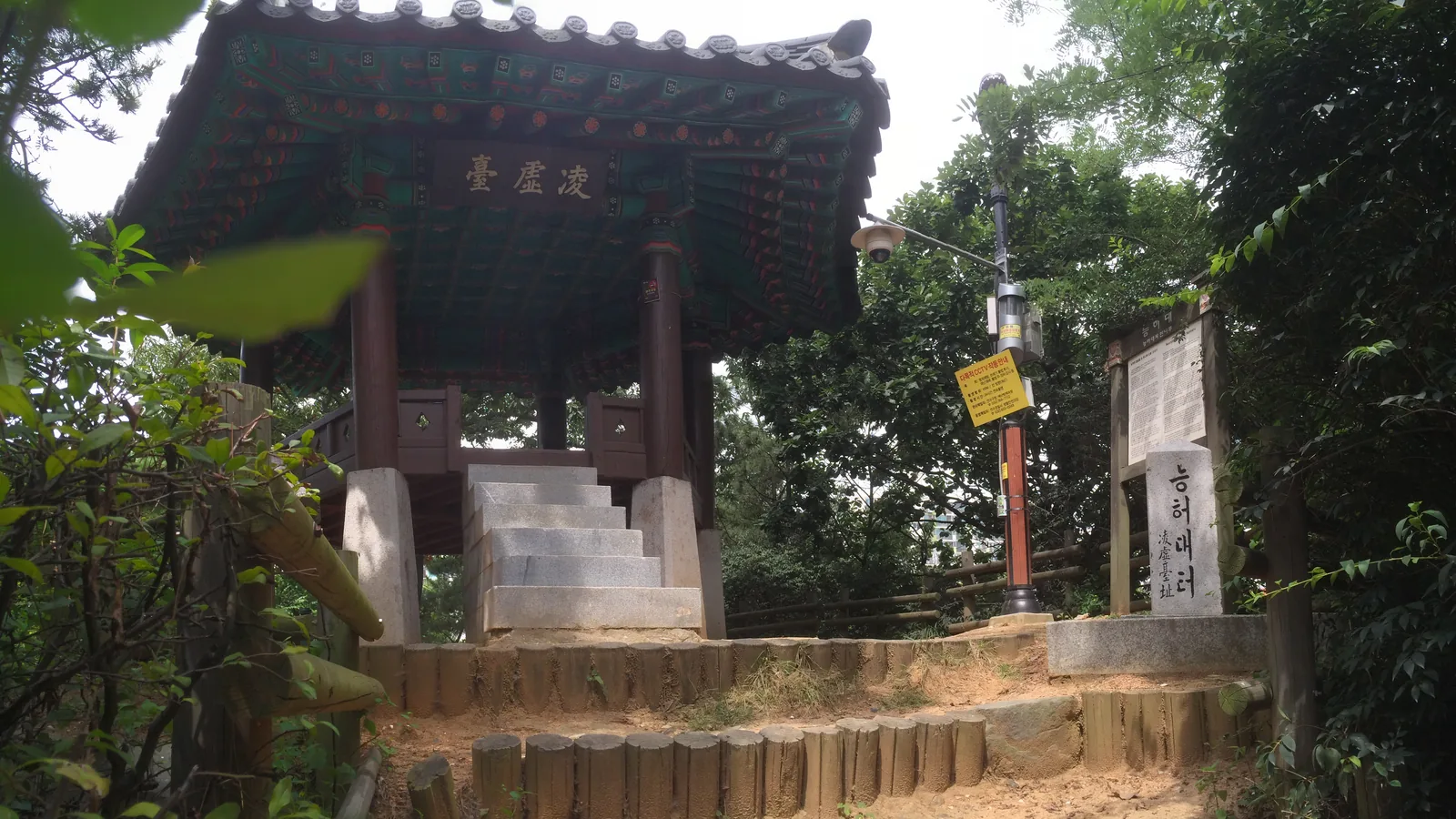
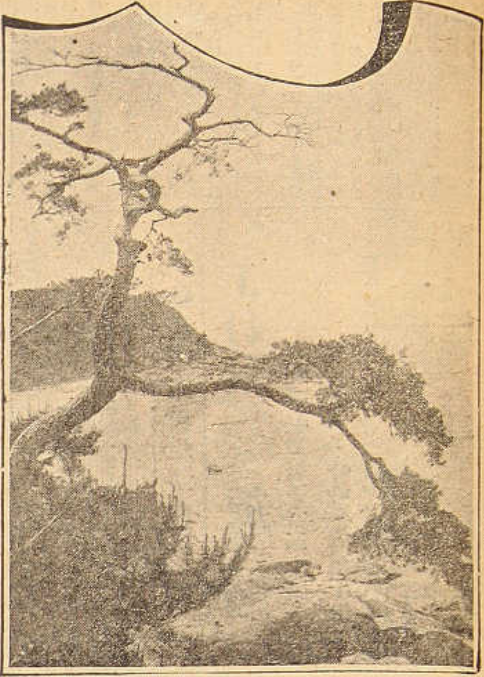
Neungheodae Festival is Yeonsu-gu’s annual community festival, and for 2026 it is the 14th edition, held on October 9-10 across two public parks in this southern district of Incheon. Its name comes from Neungheodae, a historic site on the old Incheon coast. From the reign of the Baekje king Geunchogo (372) until the kingdom moved its capital in 475, Neungheodae was the point from which Baekje envoys set out by sea for China, then ruled by the Eastern Jin. The site was designated Incheon Monument No. 8 in 1990, and a pavilion marks it today. The 2026 festival builds its whole identity on that maritime-diplomacy story, under the theme “The Voyage of Light.”
The practical thing to understand before planning is that the festival uses two separate venues. The main programme — the concerts, the ceremonies and the drone show — takes place at Yeonsu Hanmaeum Park (연수한마음공원), a large new grass plaza in Seonhak-dong, inland in Yeonsu-gu. Neungheodae Park (능허대공원), the small heritage site in coastal Okryeon-dong that gives the event its name, sits several kilometres away. The official phrasing “Yeonsu Hanmaeum Park and Neungheodae Park area” can read as if they are one place; they are not.
What you actually do here
The centrepiece is a two-day programme of performance, procession and, on the first night, a large drone spectacle. On Friday, October 9, the festival opens with a “Global Baekje Envoy Procession” — Yeonsu-gu describes about 1,000 participants, including delegations from its international sister and friendship cities, multicultural families living in the district, and local residents, re-enacting the departure of the Baekje mission. Day 1 also carries the 31st Yeonsu Citizens’ Day ceremony, traditional performance, and an evening concert.
After dark on the first night comes the headline: a light show using roughly 2,000 drones, which the organiser says will draw a Baekje envoy ship’s difficult sea crossing across the night sky, followed by a fireworks segment. This is the single element most of the 2026 news coverage leads with, and it is the clearest reason to prioritise the Friday evening if you are choosing one of the two days.
Saturday, October 10 is lighter and more participatory. The published elements include a residents’ singing contest, a “Dream Connection” running event, a community-centre talent competition, and a closing performance called “Light Dance” (빛 춤타) that combines traditional percussion with contemporary dance and LED elements, again ending with fireworks. Across both days the grounds carry about 60 experience and promotional booths plus a food market. None of this requires Korean to enjoy, but the day-two programme is aimed squarely at residents, so a visitor travelling specifically for a spectacle will get more out of Day 1.
Programme across the two days
Because the two days are so different in character, it is worth being explicit about the split rather than treating the festival as one continuous event.
Day 1 (Friday) is the ceremonial and spectacle day. It carries the envoy procession, the Citizens’ Day ceremony, the main concert and the drone-and-fireworks show at night. The confirmed Day 1 concert acts are the singers Lisenne, Ailee and Shin In-seon. Ailee in particular is a nationally known vocalist, which gives the first-night stage more draw than a typical district festival.
Day 2 (Saturday) is the community day. Its concert names Park Seo-jin, Kim Feel and Hong Jin-young — a mix of trot and ballad performers — before the “Light Dance” finale. The running race, singing contest and centre competitions are built for local participation. If you are coming from outside Incheon, Day 2 is pleasant but is not where the festival puts its production budget.
What is not published is the minute-by-minute grid: the organiser and the 2026 news reports give the running order in broad terms but not exact start times for the parade, the concerts or the drone show. If a specific act or the exact drone-show time is your reason for travelling, wait for the dated schedule on the Yeonsu-gu notice board rather than planning around an assumed clock time. This guide deliberately leaves the daily hours blank instead of inventing them.
The drone show and the history behind it
The drone show is worth understanding on its own terms because it is the reason the festival reworked itself around “The Voyage of Light.” Rather than a generic aerial display, the roughly 2,000 drones are used to depict the specific local history: Baekje envoys leaving Neungheodae and crossing the sea to China some 1,600 years ago. That is an unusually literal link between a light show and the ground it stands on — the same shoreline the festival is named after.
It also explains the festival’s structure. The daytime envoy procession and the night-time drone voyage are two halves of one idea: the same journey re-enacted first on foot by 1,000 people and then in the sky. Travellers who read the festival only as “a drone show in Incheon” will miss that framing, which is the part that distinguishes it from the many autumn light events now held around the country.
Getting there without a car
The main venue, Yeonsu Hanmaeum Park, is in Seonhak-dong, inland in Yeonsu-gu, and the nearest rail is Incheon Metro Line 1 at Seonhak or Woninjae stations. Unlike a regional festival that needs an intercity train, this one sits inside the Seoul-Incheon metro network, which makes it genuinely easy to reach on public transport.
From Seoul there is no single direct line. The two standard approaches are to take Seoul Subway Line 1 to Bupyeong and transfer to Incheon Metro Line 1 southbound, or to take the Suin-Bundang Line to Woninjae and transfer to Incheon Metro Line 1 there. Either way, budget roughly an hour and a half from central Seoul, plus a short local bus or taxi for the last stretch to the park. Use a Korean map app such as Naver or Kakao on the day of travel, because bus routes and any festival-day diversions are the kind of detail that changes and was not published in advance.
The historic Neungheodae Park in Okryeon-dong is a separate trip toward the old Songdo coast and is not on the metro; if you want to see the namesake pavilion as well as the main grounds, treat it as its own short bus or taxi journey rather than a walk from the festival. Note too that October 9 is Hangeul Day, a public holiday, so expect heavier trains and roads than on an ordinary Friday.
Food on site and nearby
The festival runs a food market alongside its roughly 60 booths, and Yeonsu-gu has said it will steer visitors toward the nearby Seonhak-dong dining area around the main venue. That means there will be food on the ground, but it does not justify naming a particular stall, dish or price in advance, none of which was published.
This guide does not list a regional specialty for the festival, and that is deliberate. The government’s “local-specialty” tags for this part of Incheon — Incheon rice, the Chinatown jajangmyeon festival, a farm-produce festival — all belong to Jung-gu, the old open-port and Chinatown district, not to the Yeonsu-gu host area. Jajangmyeon’s origin story is Jung-gu’s Chinatown, not Yeonsu-gu, so presenting it here as a Yeonsu specialty would be misleading. Yeonsu-gu’s own tourism pages name no single signature dish, so rather than borrow another district’s food, this article leaves the specialty out.
Honest assessment
The strength of Neungheodae Festival is the tight fit between its spectacle and its subject. The drone show is not decoration bolted onto a generic autumn festival; it retells the specific Baekje sea voyage that gives Neungheodae its name, and the daytime procession re-enacts the same journey on the ground. For a visitor from Seoul, the ease of access is a real advantage — this is one of the few festivals of its kind reachable entirely on the metro, without an intercity train or an overnight stay.
Its weaknesses are worth stating plainly. The two namesake venues are apart, so anyone expecting a single compact site should plan for that. The programme is front-loaded onto the first evening, which makes the choice of day matter more than usual: Day 1 for the parade, headline concert and drone show; Day 2 for a quieter, resident-focused schedule. And the missing daily timetable is a genuine planning gap — the broad running order is known, but exact times for the drone show and the stages were not released, so confirm them on the official notice before committing to a tight return. Treat this as a strong, easy evening out from Seoul for the Friday-night spectacle, rather than a full-day heritage experience at the historic site itself.