
Autumn · Seoul · Field listing
Seoul Hanok Week 2026
The essentials first: whether it is open, what it costs, how hard it is to reach and what to expect if you do not speak Korean.
When
Oct 2 — 11ConfirmedConfirmed dates
Where
Bukchon Cultural Center and public hanok across Bukchon and Seochon, Jongno-guSeoul
Admission
MIXEDMost of the programme is free. The Seoul festival portal says all but seven of the 82 citizen programmes are free: the paid ones are a walk at Honggeonik House, Korean flower arranging at the Bukchon Cultural Center, parfait making at the Seochon Lounge, the Moonlit Tea Room at Unhyeongung, Korean painting at the Go Hui-dong Art Museum, archery at Hwanghakjeong, and a Korean-medicine experience at the Seoul Oriental Medicine Center. Prices for those seven were not published in the sources checked. Several free programmes needed advance registration and a lottery.
From Seoul
Already in Seoul: about 5 minutes on foot from Anguk Station (Line 3, Exit 3) to the Bukchon Cultural CenterTake Seoul Subway Line 3 to Anguk Station and leave by Exit 3. The Seoul Hanok Portal says to walk toward Gyedong for about five minutes; the Bukchon Cultural Center, at 37 Gyedong-gil, is on the left. Seochon venues are covered by the portal's separate Seochon map; this guide has not checked individual walking routes to them.
Hours
Varies by programme; the Bukchon Cultural Center is normally closed on Mondays
Organiser
Seoul Hanok Week secretariat 02-550-2548; Seoul city Hanok Architectural Assets Division 02-2133-5580
Is this one for you?
Who it suits. This suits people who like looking inside real, lived-in Korean houses and don't mind doing it at a walking pace: architecture and craft fans, repeat visitors to Seoul who have already done the palaces, and anyone who wants to see Bukchon with programming around it. It is a weaker choice if you want one big stage event or a fixed schedule you can turn up to, because the programme is 82 separate items spread over two neighbourhoods and many of the guided ones needed advance registration. It is also not a place for loud groups, since the city itself has asked visitors to keep quiet in a residential area.
When to go. The two clearest drop-in days are the Saturdays, October 3 and October 10, when the public hanok in Bukchon are open for self-guided visits using a map and paper wristband from the Bukchon Cultural Center. Plan the Bukchon alleys for 10:00-17:00, since tourist access to the restricted lane area is only allowed in those hours. The Cultural Center is normally closed Mondays, so avoid October 5 for that base.
LOCAL WEATHER
Weather near the festival
The festival date is outside the current forecast window. Check again closer to your trip.
Korea Meteorological Administration forecast
Need something we do not list — a stall menu, a parking gate, a last bus? The Korea Travel Helpline answers in English around the clock: dial 1330 inside Korea, or +82-2-1330 from abroad.
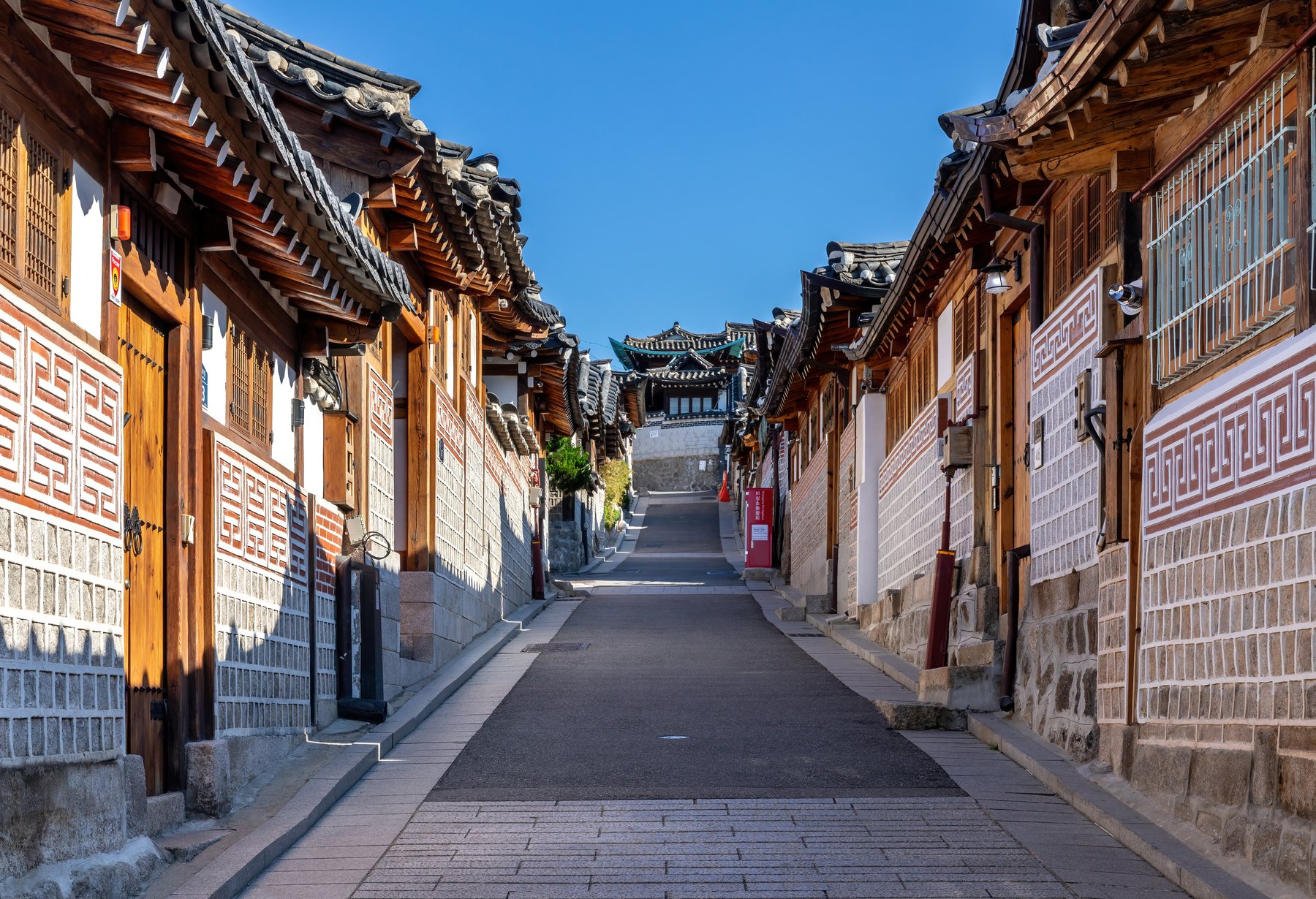
Seoul Hanok Week is a ten-day programme of exhibitions, tours, workshops and concerts held in and around the city’s hanok, the traditional Korean houses of Bukchon and Seochon. The Korea Tourism Organization lists it as the fourth edition, organised by the Seoul Metropolitan Government’s hanok division. The city says about 74,000 people came last year, and this year’s programme has grown from 66 to 82 items. The theme is “Seoul Hanok Daily Life”: hanok shown as places people still live in, not only as scenery.
The confirmed dates are October 2-11, 2026. Because this guide was updated on October 5, the festival is already under way, so the practical advice below leans toward what is still open.
What you actually do here
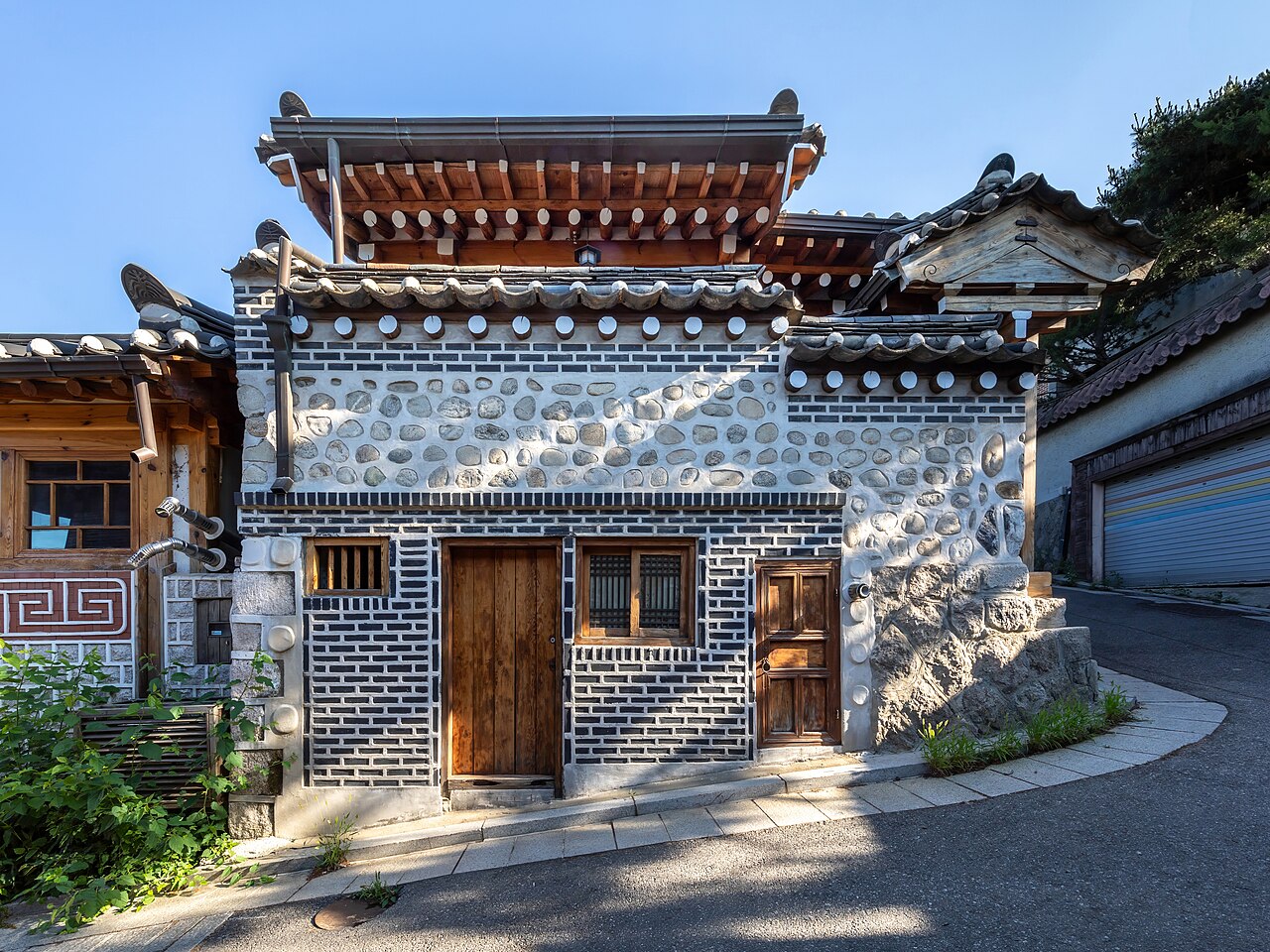
The programme is divided into five kinds of activity. The Seoul government’s release counts 17 exhibitions, 15 tours, 29 hands-on programmes, nine performances and 12 events. Most are small and tied to a particular house or museum, which is a good thing: you pick a thread and follow it rather than queue for one main attraction.
The headline new item is an exhibition pairing hanok with interior-living brands, shown in six public hanok, three in Bukchon and three in Seochon. Rooms are themed, for example a living room at Gahoe-dong and a sitting room at the Bukchon Cultural Center, and the participating brands and designers are named in the KTO programme text. It runs the whole ten days and, per KTO, is closed on Mondays.
The tours include 12 docent courses across Bukchon, Seochon and Eunpyeong. The best-known is “Beyond the Gate, Hanok”, an open house for hanok that are normally closed to the public. Its advance registration was marked closed on the festival portal, so treat it as a missed opportunity unless the organisers release no-show places.
Hands-on programmes cover flower arranging, silk embroidery, calligraphy, tea, traditional liquor, a carpentry class and archery. The Seoul festival portal lists seven paid programmes in total, and the rest are free.
Exhibitions beyond the headline show
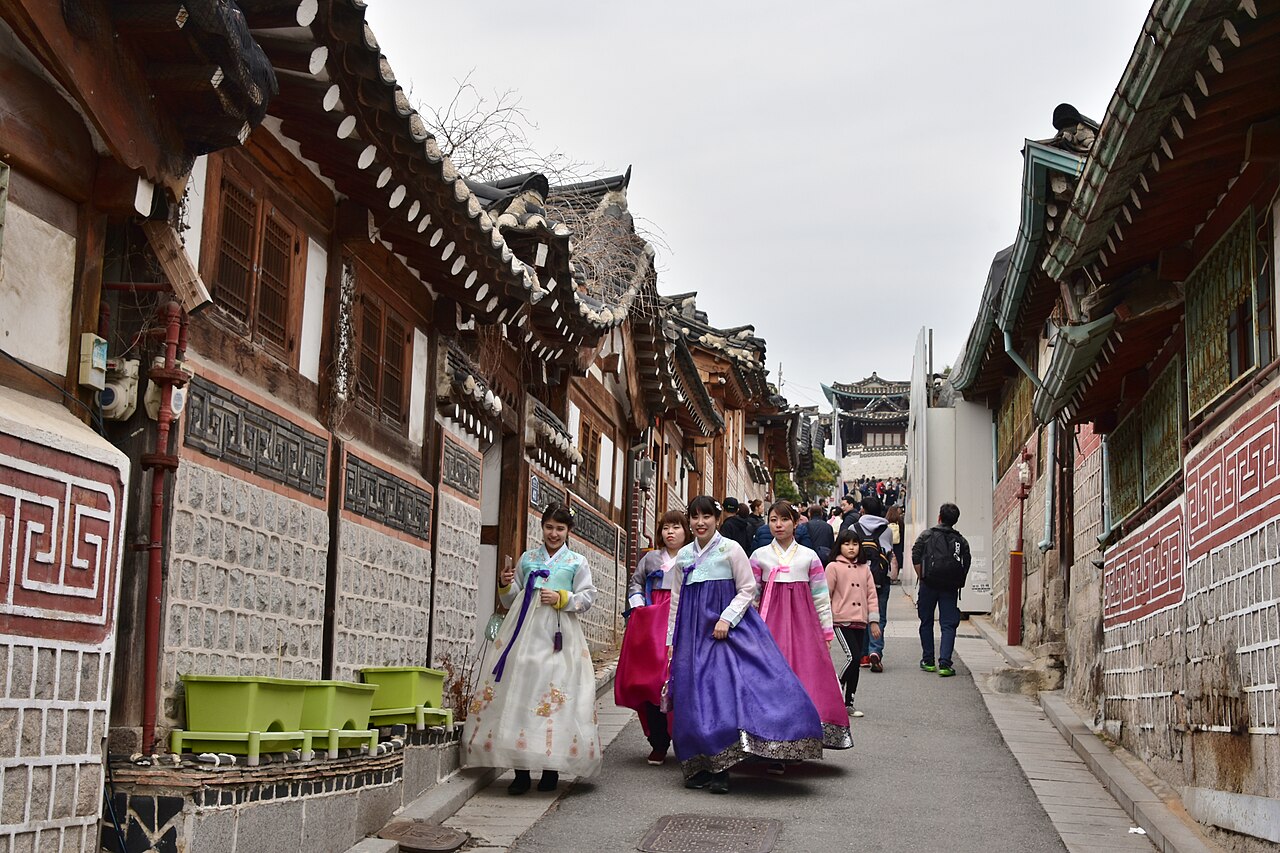
The Seoul festival portal’s exhibition list is longer than the living-space show, and some entries suit people who don’t care about interior design. In Bukchon it includes an exhibition of photographs of the five houses chosen as Seoul Excellent Hanok in 2025, and two shows at the Bukchon Cultural Center itself: “Patch 1.0”, with furniture and sculpture by Choi Won-seo, and “Hanok, Blooming”. In Seochon, the portal lists a reopening exhibition at the Go Hui-dong Art Museum, an anniversary exhibition at the Park No-soo Museum, and a show at Mugyewon run with the Jongno Cultural Foundation.
Three exhibitions are in Eunpyeong, at the Eunpyeong History Hanok Museum and a nearby gallery, which is well away from Bukchon and Seochon. Check where an item is before you plan a route around it.
Programme and timetable
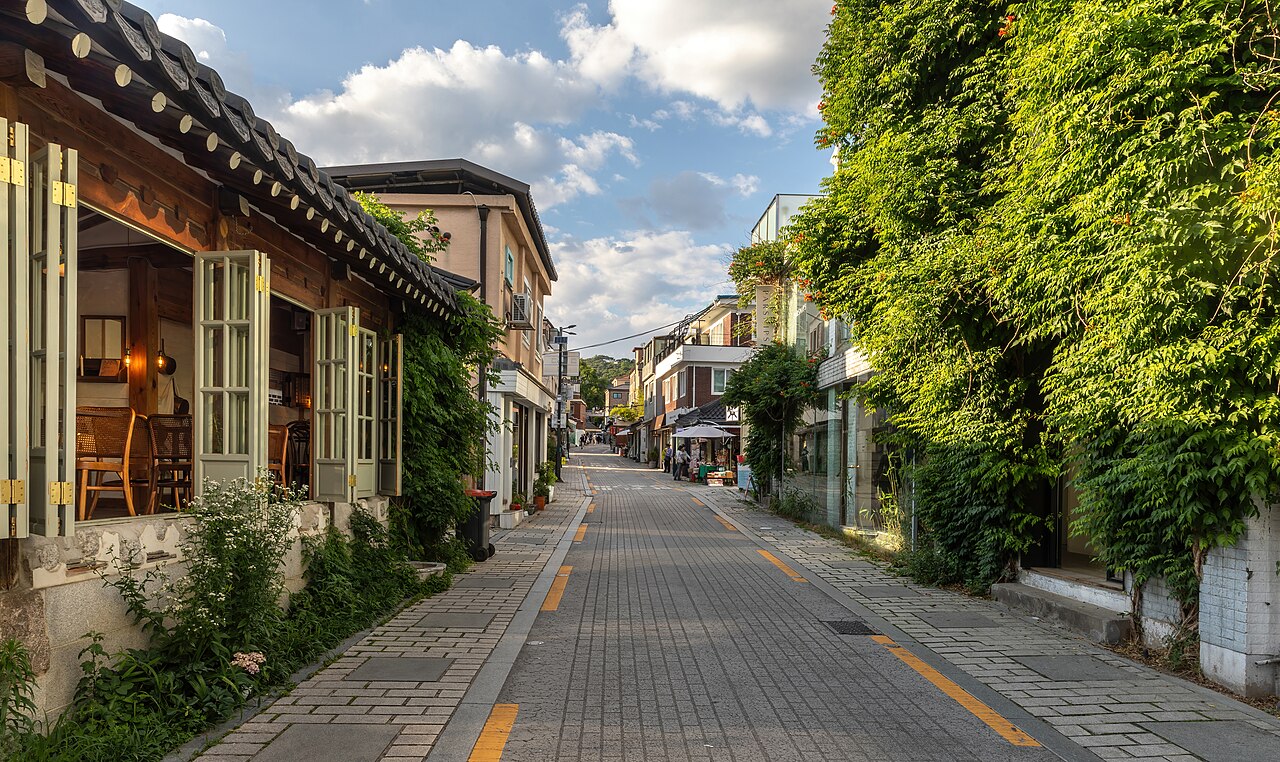
There is no single schedule for the whole week. KTO says only that hours differ by programme. A few anchors are documented:
-
October 3 and 10 (Saturdays): Bukchon’s public hanok are open for self-guided viewing, with a map and paper wristband from the Bukchon Cultural Center.
-
October 3, 17:30-18:10: “Today’s Hanok”, a 40-minute concert of flute, gayageum and cello crossover music, at Bukchon Hanok-cheong, per KTO.
-
Mondays: the only Monday in the run is October 5. KTO lists the main exhibition as closed on Mondays, and the Bukchon Cultural Center is normally closed on Mondays too.
-
October 8-9 (Thursday and Friday): a foreigners-only walking tour, “Seoul Hanok Tour – A Walking Tour To Explore Hanoks”, with 60 places, according to the Seoul government’s English release.
-
Docent courses: Korean press coverage of the 12 docent courses names several still ahead on the calendar today: a Seochon course on October 6 visiting Ungyeong Gotaek and Honggeonik House, Bukchon courses on October 7 (with Professor Ahn Chang-mo, on a 100-year-old house) and October 8 (with architect Hwang Doo-jin, on Gahoe-dong hanok), and a Seochon course on October 11. These were registration-and-lottery items, so assume they are full unless the portal says otherwise.
The Seoul Hanok Portal publishes maps for Bukchon and Seochon and a list of programmes that need booking. Use those rather than guessing which programme is where.
Where the living-space exhibition sits
The Korea Tourism Organization’s programme text names the six public hanok of the headline exhibition and who furnished each. The Gahoe-dong house (35-2 Gahoe-dong) is fitted out by Ohou (오늘의집); the Wonseo-dong house (24 Wonseo-dong) by Segment; the Bukchon Cultural Center (37 Gyedong-gil) by Kitu, Jeongwon-nori and Lumir; and the Pirun-dong house (180-1 Pirun-dong) by Hongrimhoe. In Seochon, the Seochon Lounge (27-4 Pirundae-ro) hosts PDF Seoul, Pagemail, Cuisine Seoul and Park Jong-jin, and the Seoul Hanok Promotion Hall (45 Pirundae-ro) hosts Viac. Walking distances between them were not checked, so use the portal’s Bukchon and Seochon maps to group the stops by neighbourhood.
Tickets, fees and booking
There is no festival-wide ticket. For free programmes you either turn up or, if the programme required registration, you applied by the deadline. Registration opened on September 18 at 11:00 through the Seoul Hanok Portal. Where demand was high, places were drawn by lottery, and Korean-language guides to the process say some programmes accepted up to three times the capacity before the draw. The festival portal also notes that no-show places may be released to walk-ins on the day, depending on the programme.
The seven paid programmes are named in the fact box above. Their prices were not published in the sources checked here, so this guide gives none. Contact the Hanok Week secretariat on 02-550-2548 (or the city hanok division on 02-2133-5580) if a paid session matters to you.
A separate contest invites visitors to post reviews and photos. Korean press reports say the ten best entries win a free night at a Seochon public hanok stay. It is not part of planning a visit.
The Seoul Hanok Portal’s own Hanok Week page lists no prices and no timetable; it points to a programme guide and a booking roundup. The festival portal, which does list the programmes, also gives no fee amounts, so treat any price you read on a blog as unconfirmed until it appears on the programme’s own booking page.
Getting there without a car
The simplest base is the Bukchon Cultural Center, at 37 Gyedong-gil in Jongno-gu. From Anguk Station on Line 3, use Exit 3 and walk toward Gyedong for about five minutes; the Seoul Hanok Portal says the building is on the left. Pick up the printed map there on the open days.
One wrinkle: the Seoul festival portal’s listing gives Anguk Station Exit 2 as the nearest exit to the festival area, at roughly 880 metres. That is a figure for the district as a whole. For the Bukchon Cultural Center, follow the Hanok Portal’s Exit 3 directions above.
Seochon’s venues, including Honggeonik House and the Seochon Lounge, are separate from the Bukchon ones. This guide did not verify walking routes between the two neighbourhoods, so rely on the portal’s Seochon map and a Korean map app.
Parking, shuttles and traffic control
None of the official pages checked gave a parking plan or a festival shuttle. Bukchon’s lanes are residential and narrow, so a car is a poor idea whatever the festival says. Use the subway.
The one real rule is about hours. In the Bukchon-ro 11-gil restricted lane area, tourists are allowed only between 10:00 and 17:00. The Seoul government’s notice gives the fine for being there outside those hours as about 100,000 won. The city also asked Hanok Week visitors to keep quiet because residents live there.
Day trip or overnight
This is a Seoul event, so the question is only whether to give it a day. The paid and registered programmes run at fixed times, but the open days let you drift between public hanok. Half a day in Bukchon plus a few hours in Seochon is a sensible limit for most visitors. If you do want to stay, the Seoul government’s release says Bukchon Binkwan, Rakkojae and all Butler Lee Seoul locations take 10% off accommodation with the code “hanokweek”. The release did not give a booking window or room limits, so check with the hanok before relying on it. The festival ends on October 11, and this guide has not checked last-train times, so it makes no overnight recommendation.
Honest assessment
The appeal is access. Many of these houses are public or normally closed, and a week of programming around them gives you a reason to go inside instead of looking over a wall. The mix of exhibitions, crafts and small concerts is also unusual for a Seoul event.
Weaknesses are practical. A lot of the best-known items were registration-and-lottery based and were already closed by the time this guide was updated, so a last-minute visitor is mostly choosing from walk-in programmes and the open days. Information is scattered across a festival portal, the Hanok Portal and individual venue pages, and English detail is thinner than Korean. The Bukchon lanes are also homes, which is why the city has restricted visiting hours and asked for quiet.
Go on a Saturday open day if you can, start at the Bukchon Cultural Center, keep to 10:00-17:00 in the restricted lanes, and treat any paid programme as something to confirm directly with the organiser.
Questions worth asking
Is Seoul Hanok Week free?
Mostly. The Seoul festival portal says all but seven of the 82 programmes are free. The paid ones are a Honggeonik House walk, Korean flower arranging, parfait making at the Seochon Lounge, the Moonlit Tea Room at Unhyeongung, Korean painting at the Go Hui-dong Art Museum, archery at Hwanghakjeong and a Korean-medicine experience. Prices were not listed in the sources checked.
Do I need to book in advance?
Only for some programmes. Advance registration opened on September 18 at 11:00 through the Seoul Hanok Portal, and places were allocated by lottery. Some programmes, such as the Beyond the Gate hanok open house, were already marked closed on the festival portal. Others take walk-ins, and a few have no-show places released on the day through the operations desk at the venue. Check the programme's own page for its status.
Can I just show up and walk around?
Yes, on Saturdays October 3 and October 10, when Bukchon's public hanok are open for self-guided viewing. Pick up a map and a paper wristband at the Bukchon Cultural Center, 37 Gyedong-gil. On other days, check which programmes accept walk-ins.
How do I get to the Bukchon Cultural Center?
Take Line 3 to Anguk Station and use Exit 3. The Seoul Hanok Portal gives about five minutes on foot toward Gyedong, with the Cultural Center on the left.
Are there restrictions on visiting Bukchon?
Yes. In the Bukchon-ro 11-gil restricted lane area, tourists may visit only from 10:00 to 17:00, and the city has set a fine of about 100,000 won for visits outside those hours. Seoul also asked Hanok Week visitors to keep quiet because people live there.
Is there parking or a festival shuttle?
None of the official sources checked gave a parking plan or a shuttle service. The event is spread across residential lanes, so use the subway and check the Seoul Hanok Portal's maps for the latest notices.
Is there English support?
Partly. The Seoul government's English release lists a foreigner-only walking tour, "Seoul Hanok Tour – A Walking Tour To Explore Hanoks", on October 8-9 with 60 places, and the festival portal also lists a Seochon walk at Honggeonik House for foreign visitors. The Korea Times reports English audio guides at participating sites. Whether places remain was not confirmed, and English detail for individual programmes is thin.
Is there a hanok-stay discount?
Yes. The Seoul government's release says Bukchon Binkwan, Rakkojae and all Butler Lee Seoul locations give 10% off accommodation when you enter the code "hanokweek". The booking window and room restrictions were not stated in the sources checked, so confirm with the hanok before you book.
Before you goFestival Etiquette in Korea: What Visitors Get WrongBooking KTX Trains and Intercity Buses as a Foreign VisitorGetting Out of Incheon Airport and On to a FestivalKorean Festivals With Children: Toilets, Strollers and TimingStaying Online in Korea: SIM, eSIM and the Apps That MatterEating at a Korean Festival Without Speaking KoreanRain, Typhoons and Cancelled Festivals: How to Plan Around ThemHow to Pay for Things in KoreaT-money and Transit Cards in KoreaWhat to Wear to a Korean Festival, Season by Season
LAST UPDATED · Oct 5, 2026