
Autumn · Chungcheongnam-do · Field listing
Anmyeondo Beach Shrimp Festival 2026
The essentials first: whether it is open, what it costs, how hard it is to reach and what to expect if you do not speak Korean.
When
Sep 12 — 19ConfirmedConfirmed dates
Where
Baeksajang Port (Baeksajang-hang), Anmyeon-eup, TaeanChungcheongnam-do
Type
Food & local produce
Admission
FREEEntry to the festival grounds at Baeksajang Port is free. What you pay for is the seafood: shrimp bought by weight at the harbour and cooked for you, plus paid hands-on programmes. In 2026 several visitors and local outlets complained that the service charge at some sauce-house (chojang-jip) restaurants near the third parking lot was not clearly posted before ordering, so confirm the per-person or preparation fee in advance.
From Seoul
About 2 h 30 m by express bus (no train)There is no rail to Anmyeondo. Take an express bus from Seoul's Central City Terminal to Anmyeon terminal (about 2 h 28 m, roughly 19,200 won, four departures a day at 07:40, 10:40, 14:05 and 18:00), then continue by local bus or taxi to Baeksajang Port at the northern end of the island. Check the return timetable before you go, because the last useful Seoul-bound bus leaves well before the evening events end.
Organiser
Anmyeondo Baeksajang Shrimp Festival Promotion Committee, 010-2433-2283; Taean County Fisheries Policy Team, 041-670-2875
Is this one for you?
Who it suits. This is for travellers whose main interest is eating fresh autumn shrimp at the harbour where it is landed, ideally people who like a working fishing port over a staged spectacle. It is a weak choice if you want a headline show, English-language programming or a tightly run event: it is a small food festival on a working quay, the 2026 edition drew public criticism over site cleanliness and unclear pricing, and there is no rail access, so a car-free visitor from Seoul spends most of a day getting there and back.
When to go. Go on a clear-weather day and treat this as a lunch or early-dinner trip rather than a night out, because the express-bus connection back toward Seoul thins out in the evening. The opening ceremony, celebrity concert and fireworks fell on the first evening (September 12), so anyone who wanted those had to stay overnight nearby; on ordinary festival days the draw is the daytime harbour, the auction show and the shrimp itself.
LOCAL WEATHER
Weather near the festival
The festival date is outside the current forecast window. Check again closer to your trip.
Korea Meteorological Administration forecast
Need something we do not list — a stall menu, a parking gate, a last bus? The Korea Travel Helpline answers in English around the clock: dial 1330 inside Korea, or +82-2-1330 from abroad.
The Anmyeondo Beach Shrimp Festival is a food event on a working fishing quay, not a staged attraction. It takes place at Baeksajang Port on Anmyeondo, an island in Taean County on Korea’s west coast, and its single reason for existing is the autumn shrimp — daeha — that the boats land there. Taean County and the Korea Tourism Organization both describe Baeksajang as the country’s largest landing and distribution point for wild autumn large shrimp, and the festival simply puts visitors next to that catch while it is freshest.
One thing to settle first: the 2026 edition has already ended. A national festival-planning list circulated dates in early October, but Taean County and a range of Korean outlets reported that the 25th festival actually ran September 12-19, 2026, and it has now concluded. The festival is annual, held each autumn, so the practical value of this guide is for planning a future visit. Do not travel to Anmyeondo now expecting the 2026 event to still be running, and confirm the next year’s dates with Taean County before making any booking.
What you actually do here
The core activity is buying and eating shrimp at the source. Boats unload at Baeksajang, the shrimp is sold by weight, and harbour-side sauce houses grill, steam or serve it raw for you. The signature preparation is salt-grilling — the whole shrimp cooked on a hot pan over a bed of coarse salt until the shell chars — and that, more than any performance, is the reason people make the trip. If seafood is not your interest, there is not much of a second act here.
Around the eating, the festival adds participation rather than spectacle. Taean County’s programme describes daily bare-hand shrimp and fish catching, mudflat experiences, a free-tasting session, and an auction show where the harbour’s trade is turned into a piece of live entertainment. For families there is a children’s experience zone and a designated “family mat zone” where you can sit and take in the port at a slower pace. These are small-scale, hands-on things: good for an afternoon with children, not a reason in themselves to cross the country.
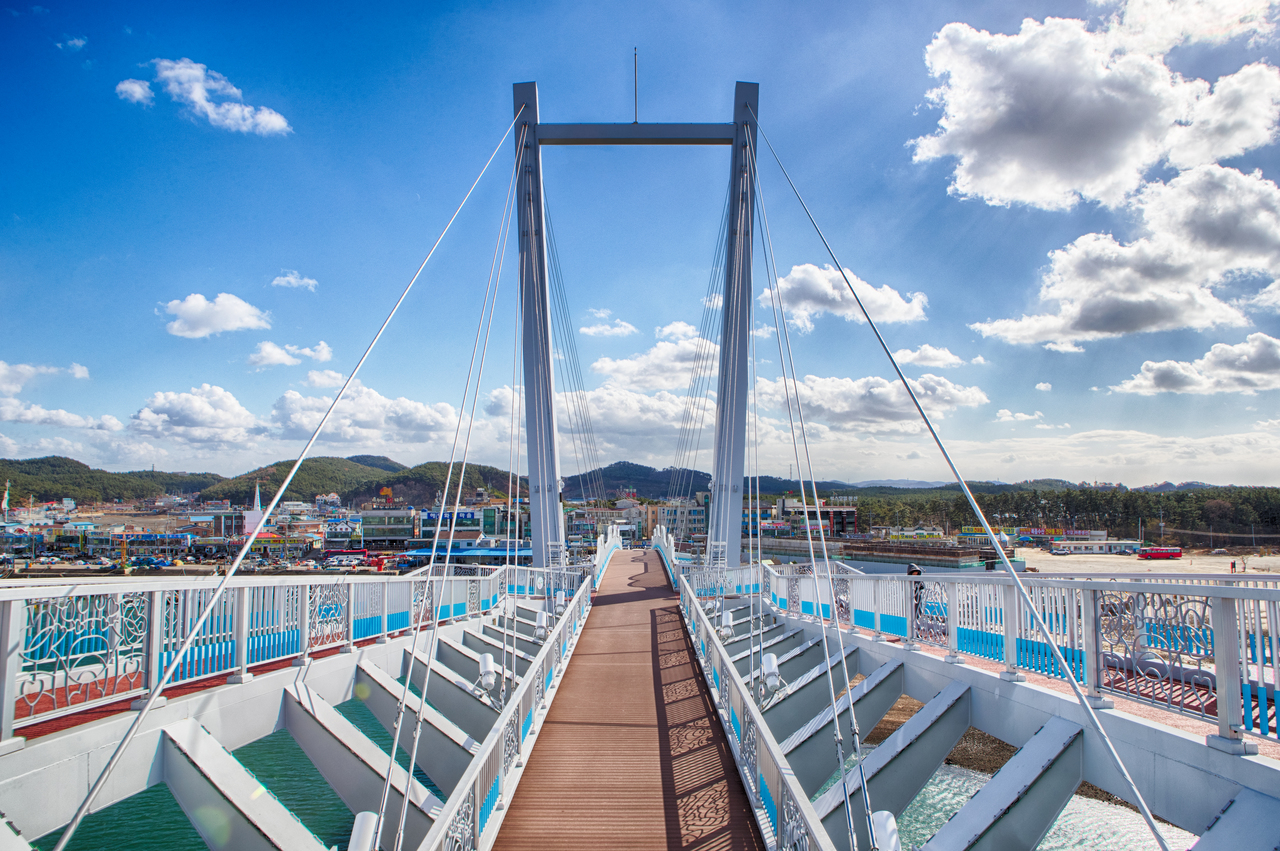
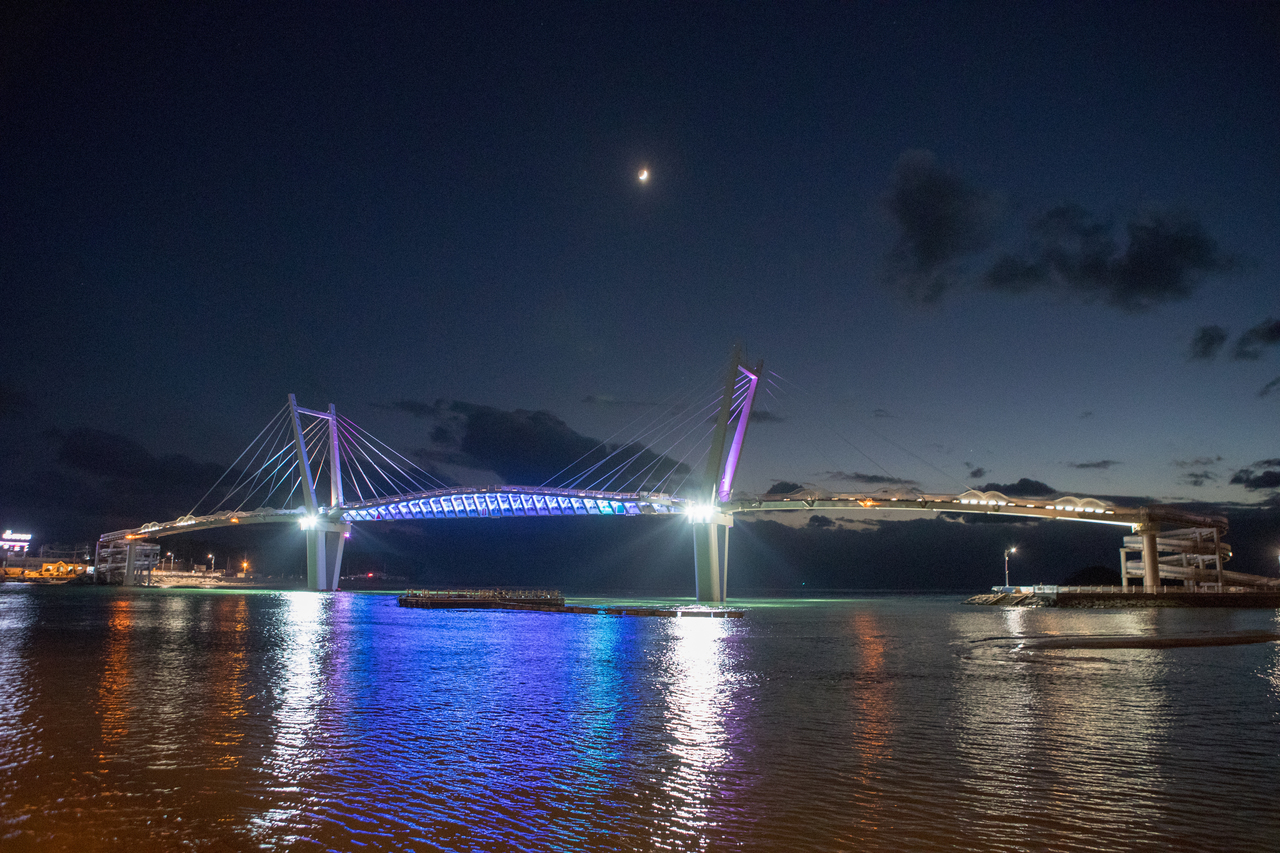
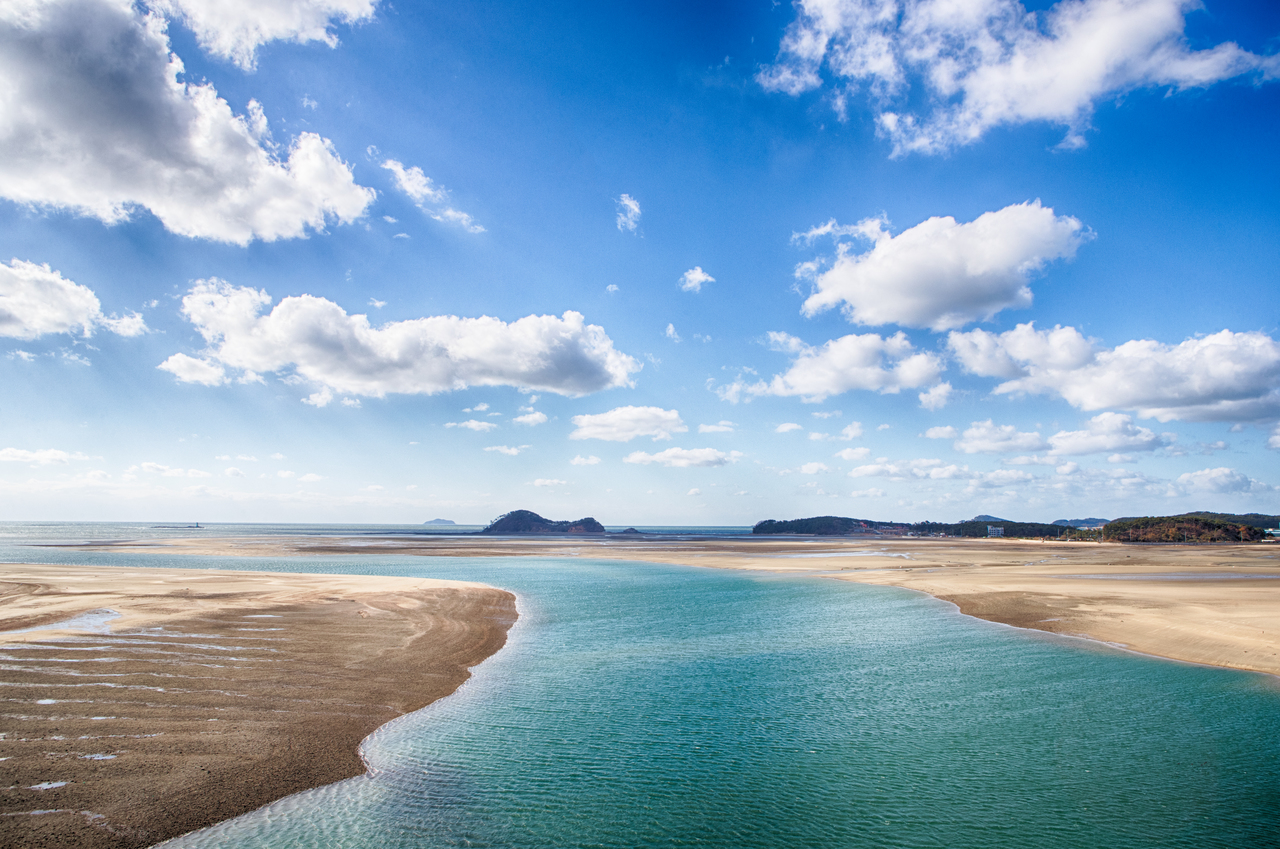
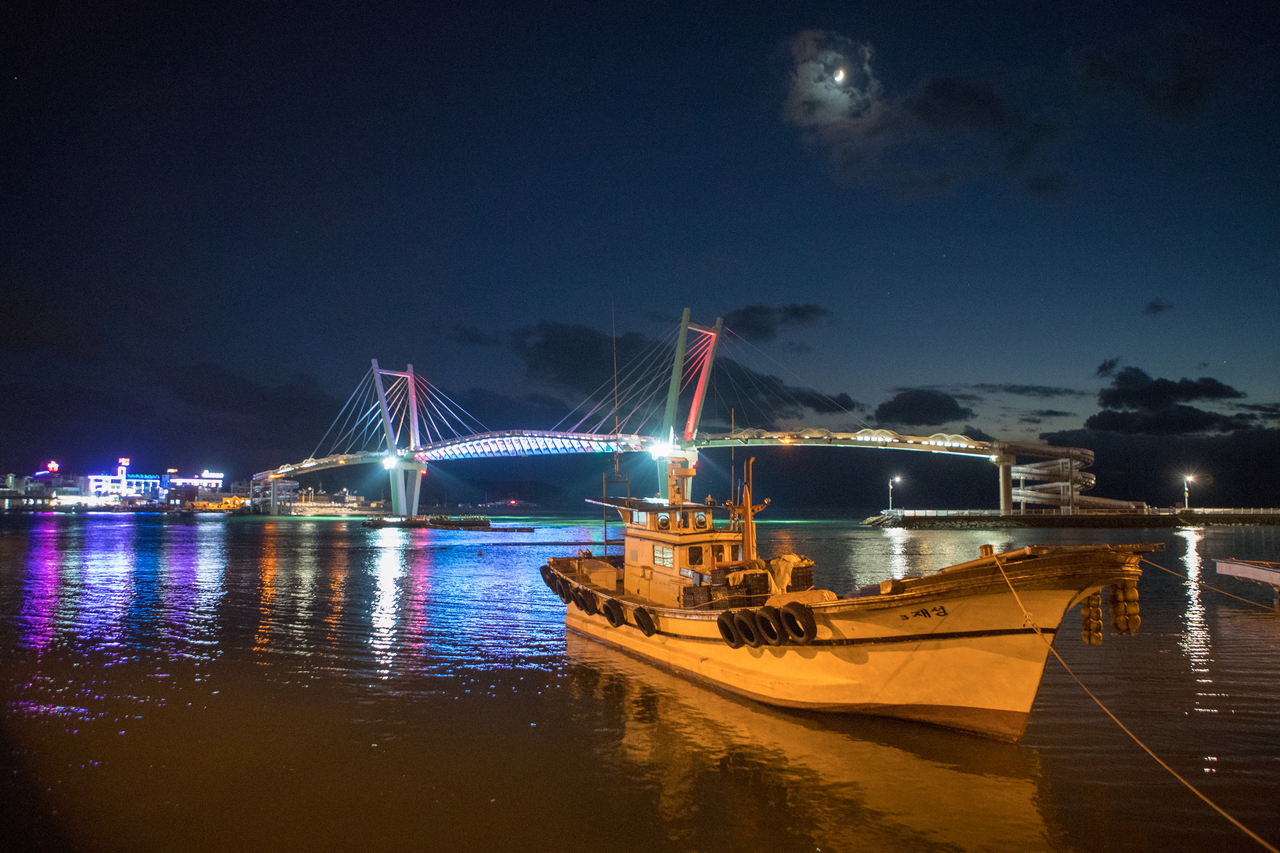
Because the setting is a real port rather than a built festival ground, part of “what you do here” is simply reading the harbour — the fishing boats, the fish market and the pedestrian sea-bridge that locals nickname the “shrimp-and-crab bridge.” It photographs well, especially in the evening, but it is a place of work first and a venue second.
Programme and timetable
The opening night set the tone for the whole run. On the first evening — September 12 at 19:00 — the festival held its opening ceremony with a celebrity concert and fireworks. That was the single biggest scheduled event; the rest of the eight-day run leaned on the daily harbour programmes rather than nightly headline acts. Local coverage noted that a popular singer was booked for the opening, but no performer was confirmed in a way solid enough to name here, so this guide does not list one.
For an ordinary festival day, the rhythm follows the harbour: the market and sauce houses operate through the day, the catching experiences and free tasting run on a daily basis, and the auction show is the recurring set-piece. A precise hour-by-hour daily grid was not published in a form reliable enough to reproduce, so if a specific programme — the auction, a tasting slot, a children’s activity — is the reason for your visit, contact the organiser for that day’s timings rather than assuming a fixed schedule.
The important planning point is that the marquee entertainment was front-loaded onto opening night. Anyone whose main goal was the concert and fireworks needed to be on the island that first evening, which in practice meant an overnight stay, because the bus connection back toward Seoul does not support a late return. On the remaining days, the festival is a daytime food outing.
Tickets, food and the sauce houses
Admission to the grounds is free. The money goes on the shrimp and the paid experiences. You buy the catch by weight, and a nearby chojang-jip — a sauce house — grills or prepares it for a charge. This is the normal model at Korean harbour food festivals, and it means your bill depends entirely on how much seafood you order and what the preparation fee is.
That preparation fee is where the 2026 edition attracted criticism. Korean local media and online reviewers reported that the service or table charge at some sauce houses near the third parking lot was not clearly posted before customers ordered, producing complaints about “elastic” pricing. None of this makes the shrimp itself worse, but it is a real reason to ask the per-person and preparation price before you sit down, rather than assuming a fixed rate. Bring a payment method without relying on card acceptance being universal at a temporary quay-side stall; card handling here was not verified.
Getting there without a car
Anmyeondo has no rail service, so every car-free route ends in a bus. The cleanest option from Seoul is an express bus from Central City Terminal to Anmyeon terminal, which timetable aggregators list at about 2 hours 28 minutes for roughly 19,200 won, running four times a day (07:40, 10:40, 14:05 and 18:00). From Anmyeon terminal, which sits in the middle of the island, you still need a local bus or taxi onward to Baeksajang Port at the northern tip; it is not a short walk, so budget for that last leg.
The return is the part to plan carefully. Evening departures back toward Seoul are limited, which is why the opening-night concert and fireworks are hard to combine with a same-day round trip. If you want the daytime festival — the market, the auction show, a salt-grilled lunch — an early bus down and a mid-afternoon bus back is workable. If you want the evening programme, plan to stay overnight on or near the island and check the first morning bus home. Verify the exact return times when you travel, because seasonal timetables change.
The 2026 edition, honestly
This festival went ahead in 2026 under a cloud of local complaints, and it would be dishonest to leave that out. In the days around the opening, Korean outlets reported that discarded fishing gear, suspected leachate and dumped litter were left around the parking and quay areas, and that clean-up during the event lagged rather than kept pace. Separately, there was reporting of a contract dispute between the organising committee and an event agency over how performers were booked and paid. These are governance and site-management problems, not reasons the shrimp is any less fresh, but they are the kind of thing a visitor deserves to know before travelling a long way.
The fair reading is that the product — autumn shrimp landed and eaten at the harbour — is genuine and good, while the surrounding operation in 2026 was rough. If you go in a future year, arrive with modest expectations about tidiness and organisation, and judge the trip on the food and the port rather than on polish.
Honest assessment
The strength of Anmyeondo Beach Shrimp Festival is authenticity of place. You are eating a regional specialty at the working harbour that lands it, at the peak of its short autumn season, and salt-grilled daeha at the quay is a genuinely good reason to make the trip if you like seafood. The market, the boats and the sea-bridge give the day a real sense of the west-coast coast rather than a manufactured one.
Its weaknesses are equally clear. This is a small food festival, not a spectacle; the headline entertainment was a single opening night; the 2026 run drew public criticism over cleanliness and unclear pricing; and the transport is genuinely inconvenient for anyone without a car, since there is no train and the last leg to Baeksajang needs a local connection. For a seafood-minded traveller already interested in Korea’s west coast, it is worth timing a trip around. For someone seeking a marquee cultural event or an easy day trip from Seoul, it is not the right choice. Either way, treat the government planning date with suspicion, confirm the next edition’s dates and pricing directly with Taean County, and go for the shrimp.
Local specialties to try
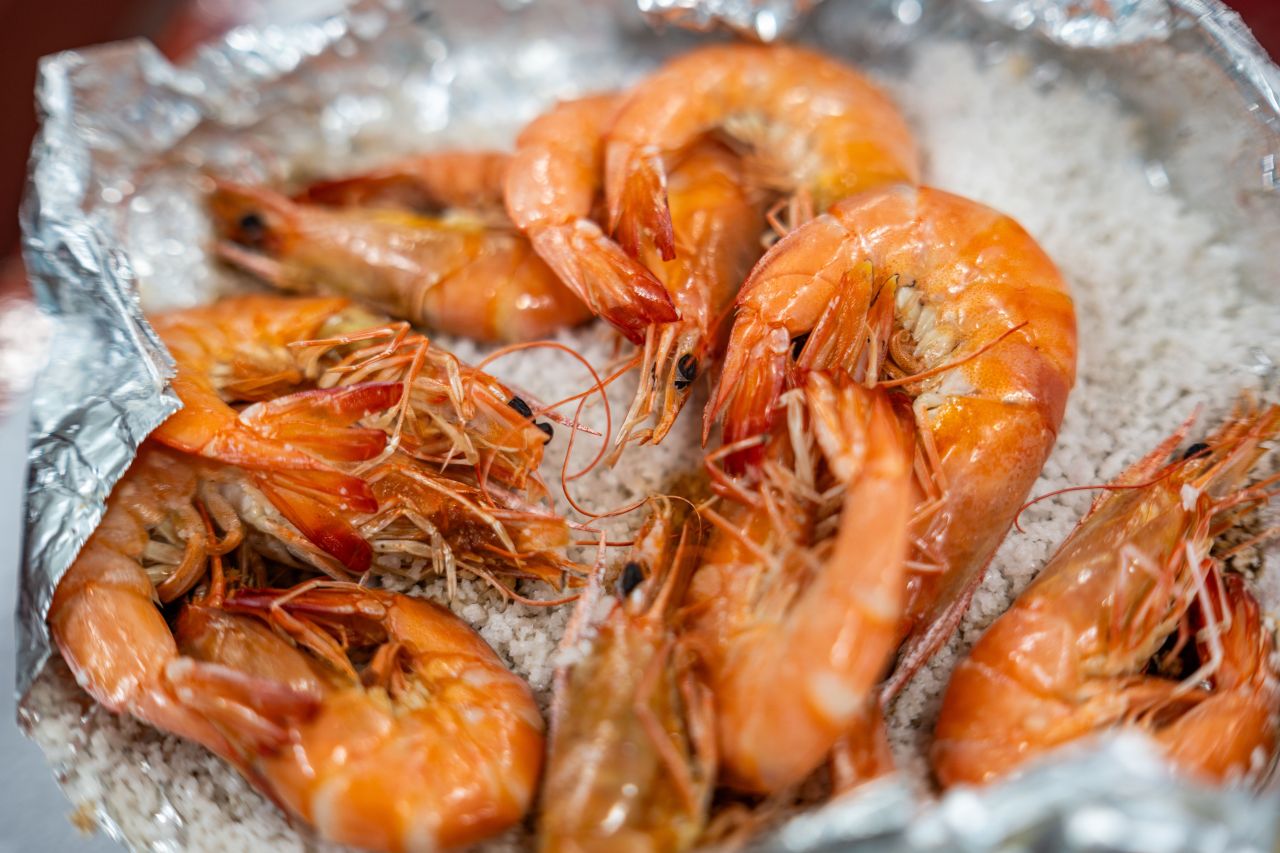
Autumn daeha (large shrimp) (대하)
Baeksajang Port is described by Taean County and the Korea Tourism Organization as the country's largest landing point for wild autumn daeha, the large shrimp that come into season on the west coast from late summer. The usual way to eat it here is salt-grilled (daeha soguui): shrimp laid on a hot pan over a bed of coarse salt. It is also served raw or steamed. This is a regional product of the Taean coast, which is what makes the harbour the natural place to eat it — the festival is built around it rather than merely selling it.
Questions worth asking
Has the 2026 Anmyeondo Beach Shrimp Festival already happened?
Yes. Despite a government planning list that showed early October, Taean County and multiple Korean news outlets reported that the 25th edition ran September 12-19, 2026, and it has now finished. Anmyeondo runs this festival every autumn, so this guide is useful for planning a future year, but do not travel expecting the 2026 event to still be on. Confirm the next dates with Taean County before booking.
Is the festival free?
Walking into the festival grounds at Baeksajang Port is free. The cost is the food and the paid experiences. Shrimp is bought by weight and the harbour-side sauce houses charge to grill or prepare it, and in 2026 some visitors said those preparation fees were not clearly displayed in advance. Ask the price before you order.
How do you eat daeha?
The standard method at Baeksajang is salt-grilling: the whole shrimp is cooked on a hot pan over coarse salt until the shell chars, then peeled and eaten. It is also served raw as hoe or steamed. You buy the shrimp fresh at the harbour or market and a nearby sauce house cooks it for a fee.
Can I get there without a car?
Yes, but it takes planning. There is no train to Anmyeondo. Express buses run from Seoul's Central City Terminal to Anmyeon terminal in about two and a half hours, four times a day, and from there you need a local bus or taxi to Baeksajang Port. Check the return departures carefully, because evening buses back toward Seoul are limited.
Where do you park, and is the site well managed?
The festival uses harbour-side lots including a third parking area. Be aware that in 2026 local reporters documented discarded fishing gear, suspected leachate and litter left around the parking and quay areas during the event, so conditions on the working port are not always tidy. Follow on-site signage and treat this as an active fishing harbour rather than a landscaped venue.
Before you goFestival Etiquette in Korea: What Visitors Get WrongBooking KTX Trains and Intercity Buses as a Foreign VisitorGetting Out of Incheon Airport and On to a FestivalKorean Festivals With Children: Toilets, Strollers and TimingStaying Online in Korea: SIM, eSIM and the Apps That MatterEating at a Korean Festival Without Speaking KoreanRain, Typhoons and Cancelled Festivals: How to Plan Around ThemHow to Pay for Things in KoreaT-money and Transit Cards in KoreaWhat to Wear to a Korean Festival, Season by Season
LAST UPDATED · Sep 20, 2026