
Autumn · Gyeongsangbuk-do · Field listing
Cheongsong White Porcelain Festival 2026
The essentials first: whether it is open, what it costs, how hard it is to reach and what to expect if you do not speak Korean.
When
Sep 11 — 13ConfirmedConfirmed dates
Where
Cheongsong Baekja (White Porcelain) Pottery Village, Juwangsan-myeon, CheongsongGyeongsangbuk-do
Type
Culture & arts
Admission
FREEGeneral admission is free. The Korea Tourism Organization listing states that some hands-on programmes cost extra (일부 체험 프로그램 유료); the 2026 per-activity prices were not published when this guide was written.
From Seoul
About 4 hours by intercity bus (there is no train to Cheongsong)Take an intercity bus from Dong Seoul Bus Terminal to Cheongsong. Current timetables show roughly 3 hours 57 minutes and only about three departures a day, so the schedule, not the distance, is the real constraint. The festival site is in Juwangsan-myeon, not next to the Cheongsong town terminal, so budget a further local bus or taxi leg to the pottery village.
Organiser
Cheongsong-gun / Cheongsong Culture and Tourism Foundation, 054-874-0101
Is this one for you?
Who it suits. This suits travellers interested in Korean ceramics who want to watch potters, try the wheel and buy work directly from makers, and anyone already heading to Juwangsan National Park who wants a small, unhurried county festival rather than a spectacle. It is a poor fit if you are coming for a big-name concert — no guest line-up was published and this is a modest three-day craft event — or if you rely on public transport but dislike long rides, because there is no train and only a few daily buses. Do not expect English-language guiding.
When to go. The festival runs Friday to Sunday, September 11-13, so there is no weekday-versus-weekend choice; weekend crowds will simply concentrate around the craft market, food stalls and stage. Because no daily timetable was published, plan the day around also walking the pottery village and the porcelain transmission hall beside it, and check the last bus back toward Seoul before you commit, since departures from Cheongsong are limited.
LOCAL WEATHER
Weather near the festival
The festival date is outside the current forecast window. Check again closer to your trip.
Korea Meteorological Administration forecast
Need something we do not list — a stall menu, a parking gate, a last bus? The Korea Travel Helpline answers in English around the clock: dial 1330 inside Korea, or +82-2-1330 from abroad.
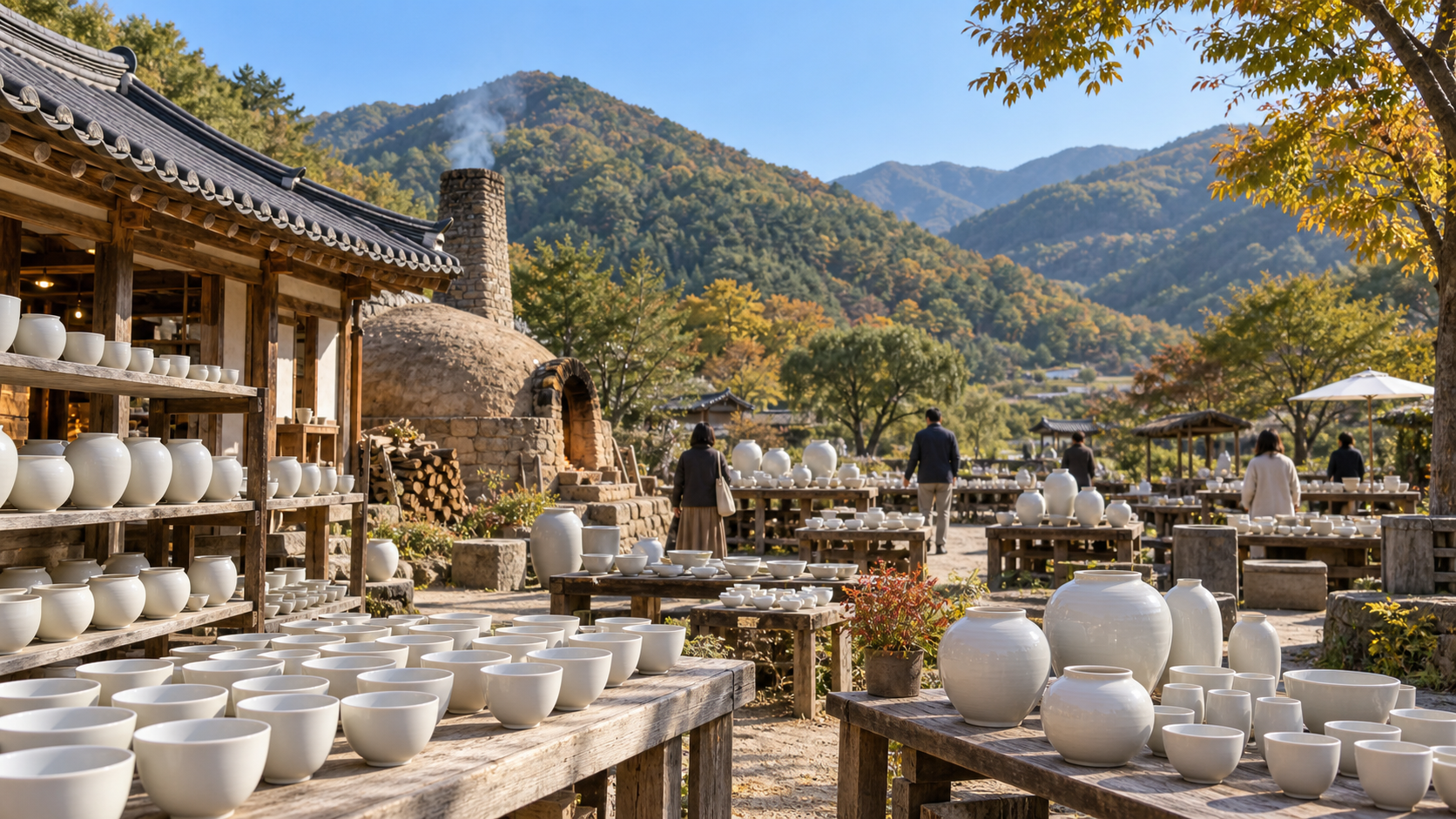
Cheongsong sits deep in the mountains of northern Gyeongsangbuk-do, better known to Korean travellers for Juwangsan National Park and its apples than for a festival. The White Porcelain Festival is a small, three-day county event built around a single local craft: Cheongsong baekja, the white porcelain once made in these valleys. For 2026 it runs September 11-13, a Friday to Sunday, at the white-porcelain pottery village in Juwangsan-myeon. Both the Ministry of Culture’s 2026 regional-festival plan and the Korea Tourism Organization festival portal give those dates and that venue, and general admission is free.
This is not a large, ticketed spectacle. It is closer to a working craft fair in a mountain village, and understanding why the porcelain matters is most of the point of coming.
The porcelain, and why Cheongsong
White porcelain was made in Cheongsong through the Joseon dynasty, then died out: the Digital Cheongsong Cultural Archive records that the tradition broke around 1958, when cheap aluminium (yangeun) dishes pushed the old kilns out of business. The county reopened the craft deliberately. It built a porcelain transmission hall (baekja jeonsugwan) in 2009 to revive the work, recreating a traditional workshop and wood-fired kiln, and it even preserves the cut faces of an old pottery-stone mine on the site.
That pottery stone is the distinctive part. Cheongsong porcelain is made from local stone that is crushed rather than from ordinary potter’s clay — news coverage of the 2026 festival described it as “a luxury shaped from stone powder” — which gives the finished ware a soft ivory tone rather than a bright bluish white. The same coverage noted that Cheongsong baekja drew attention at a Seoul department-store pop-up earlier in 2026 before returning home for this festival. If you have seen Korean white porcelain in a museum, the interest here is seeing where a regional version of it is still made, by hand, beside the stone it comes from.

What you actually do here
The Korea Tourism Organization listing breaks the programme into four strands, and they are worth reading before you go because they set expectations for a county festival rather than a big urban one.
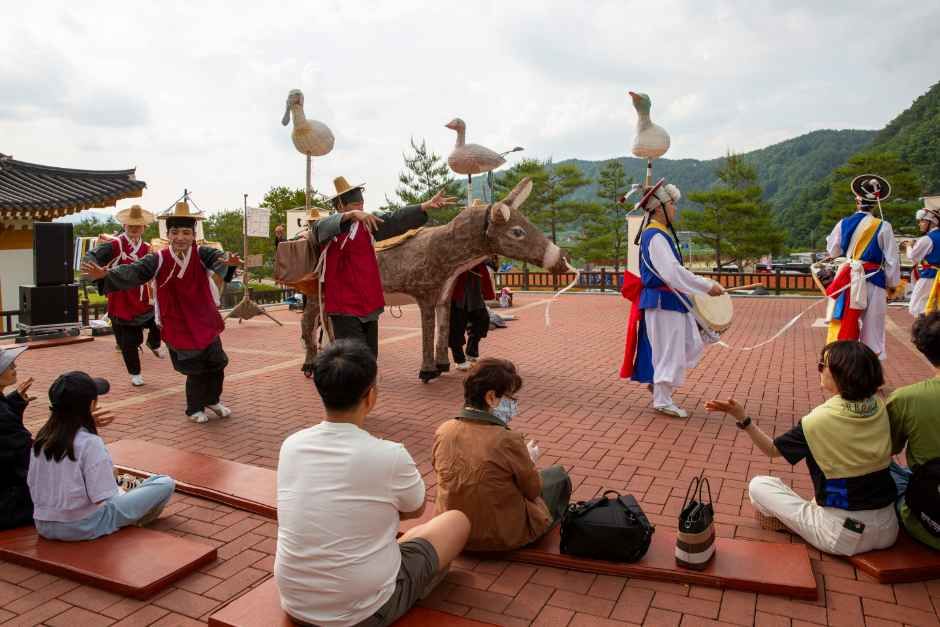
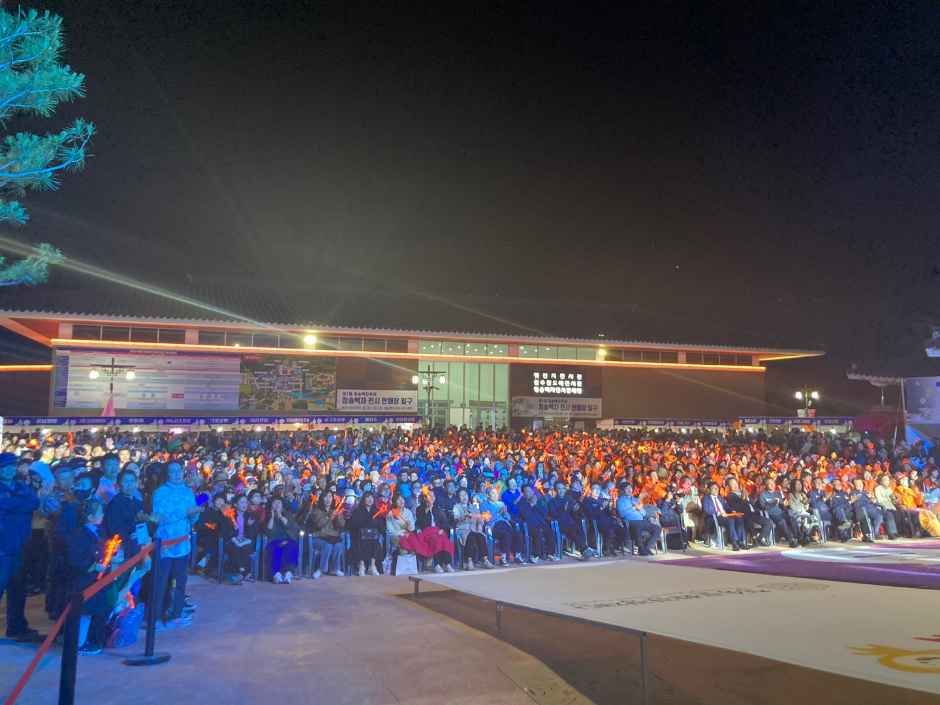
Performances include opening and closing-ceremony shows, madanggeuk (outdoor folk theatre), a puppet show, samulnori percussion, street performances and sets by local groups. These are the kind of stage and roving acts you encounter between other activities rather than a single headline concert — and, importantly, no named guest line-up had been published when this guide was written, despite that being one of the most-searched questions about the event.
Exhibitions are the quieter half: a porcelain photography display, collaborative works by artists, a showing by the local porcelain research society, and pieces by residents. If the craft is your reason for coming, budget real time here rather than treating it as filler.
Hands-on experiences are the reason many families make the trip. The published activities are a potter’s-wheel experience, hand-painting on porcelain, a white-porcelain play activity for children, a wish wind-chime hanging, and a stamp trail. Some of these are charged separately (see below), and no capacity figures were published, so treat a wheel session as likely rather than guaranteed at any given hour and ask when you arrive.
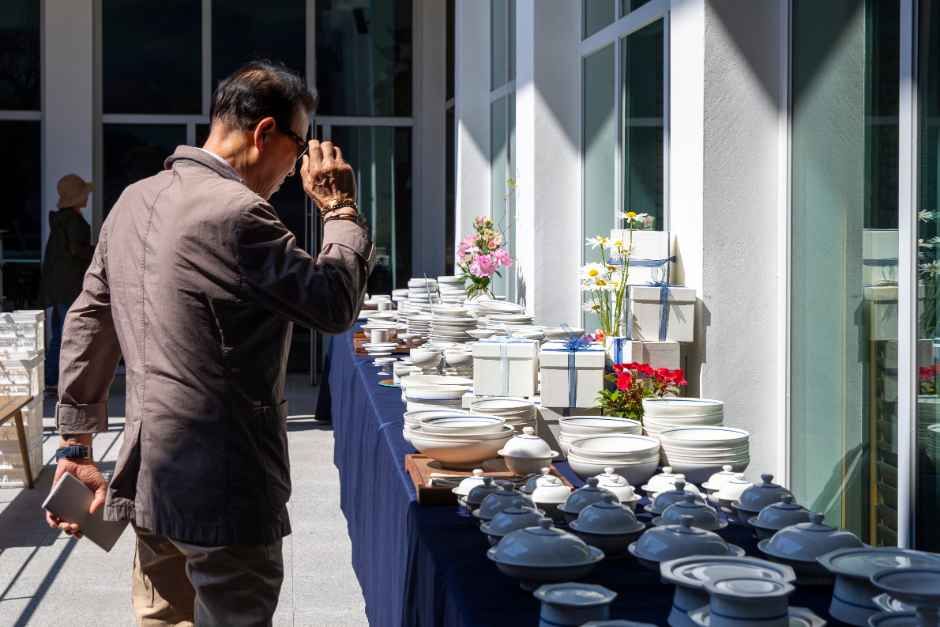
Sales and food round it out: a white-porcelain sales zone where you can buy directly, a craft market, food trucks and traditional makgeolli-and-snack tents (jumak). Buying a piece from the makers is one of the more meaningful things you can do here, and it is the part of the festival least dependent on a schedule.
Tickets, fees and experiences
There is no gate ticket: admission is free, and the tourism portal states it plainly. That is not the same as everything being free. The same listing notes that some hands-on programmes cost extra, and the 2026 per-activity prices were not published when this guide was written. Bring a payment option and check the price posted at each experience booth rather than planning around a figure from an earlier year.
Because capacity and timing for the paid experiences were not published either, do not build a tight plan around a specific wheel-throwing slot. If a hands-on session is the main reason you are travelling this far, contact the organiser — the Cheongsong Culture and Tourism Foundation on 054-874-0101 — before committing to the trip.
Getting there without a car
This is the honest sticking point, and it is worth being clear about. There is no train to Cheongsong. The practical public route from Seoul is an intercity bus from Dong Seoul Bus Terminal. Two timetable sources put the ride at roughly 3 hours 57 minutes with only about three departures a day — timetables have shown roughly 08:40, 12:00 and 15:30 — so the schedule, not the distance, is what constrains a visit. Check the live timetable for your date; a missed bus here is not a twenty-minute wait.
The second complication is that the festival is in Juwangsan-myeon, not beside the Cheongsong town terminal. Cheongsong’s terminal is described as a convenient base for Juwangsan National Park and other sights, but the pottery village still needs a further local bus or taxi leg. Some buses run toward the Juwangsan area directly; confirm the exact routing on a Korean map app or with the terminal on the day rather than assuming the festival is walkable from where you step off the intercity coach.
If you are driving, the trip is more forgiving on timing but longer than the mileage suggests, because the last stretch is mountain road. A dated 2026 parking or shuttle plan was not published, so treat on-site parking as unconfirmed and check the organiser’s notices close to your travel date.
Day trip or overnight
A Seoul day trip is technically possible and practically awkward. Eight hours or more of round-trip bus travel, only a handful of departures, and a local transfer at each end leave a thin window at the festival itself. If all you want is to see the pottery village, buy a piece and eat, an early bus out and a confirmed late bus back can just about work — but confirm that return departure before you leave, because options are limited.
One night in the area is the better fit if the porcelain, the transmission hall or Juwangsan National Park are part of the plan. Juwangsan is genuinely close, and pairing the festival with a park walk is the strongest reason to come this far; the park’s own autumn foliage arrives a little later in the season, so mid-September is more about the craft than the colour. This guide does not recommend a specific hotel because availability and prices were not independently verified.
Food and local specialty
The festival’s own food is stalls, food trucks and jumak tents rather than a documented food programme, so this guide will not promise a particular dish, price or vegetarian option — eat there as a convenience, not a destination.
For a verifiable local product away from the stalls, Cheongsong’s is straightforward: apples. Cheongsong is one of Korea’s most recognised apple counties, and Cheongsong apple is a registered geographical-indication product. Local sources credit the highland orchards — many above 250 metres — together with a wide daily temperature swing of about 13°C, relatively low rainfall and long sunshine hours for firm, sweet fruit; by the county’s 2024 figures apples are its dominant crop by a wide margin. The dedicated Cheongsong Apple Festival is a separate autumn event later in the year, but the fruit itself is in season and sold across the county, and it is the honest thing to bring home from a September visit here. This is a regional-specialty note, not a claim that every festival stall will be selling apples.
Honest assessment
The strength of this festival is its narrowness. It is one place, one craft, and a real revival story: porcelain that stopped being made in the 1950s, brought back by the county through a transmission hall and a working pottery village, shown and sold where the pottery stone actually comes from. For anyone who likes ceramics, or who wants to buy directly from makers rather than a gift shop, that focus is the appeal. The hands-on wheel and painting sessions make it workable with children, and Juwangsan National Park is close enough to justify the journey on its own.
The weaknesses are equally plain. It is small and short — three days — and the details travellers most want are missing: no published daily timetable, no confirmed performer line-up despite that being the top search question, and no dated shuttle or parking plan. Getting there without a car is the real barrier: no train, a four-hour bus with only a few departures, and a further local leg to a mountain-valley venue. If you want a big evening concert or an easy public-transport day trip, this is not it. If you want a quiet, specific craft festival and are willing to plan the buses carefully or stay a night near Juwangsan, it rewards the effort. Use the confirmed dates and the free admission now, and check the organiser’s official site and festival Instagram for the daily schedule before you travel.
Local specialties to try
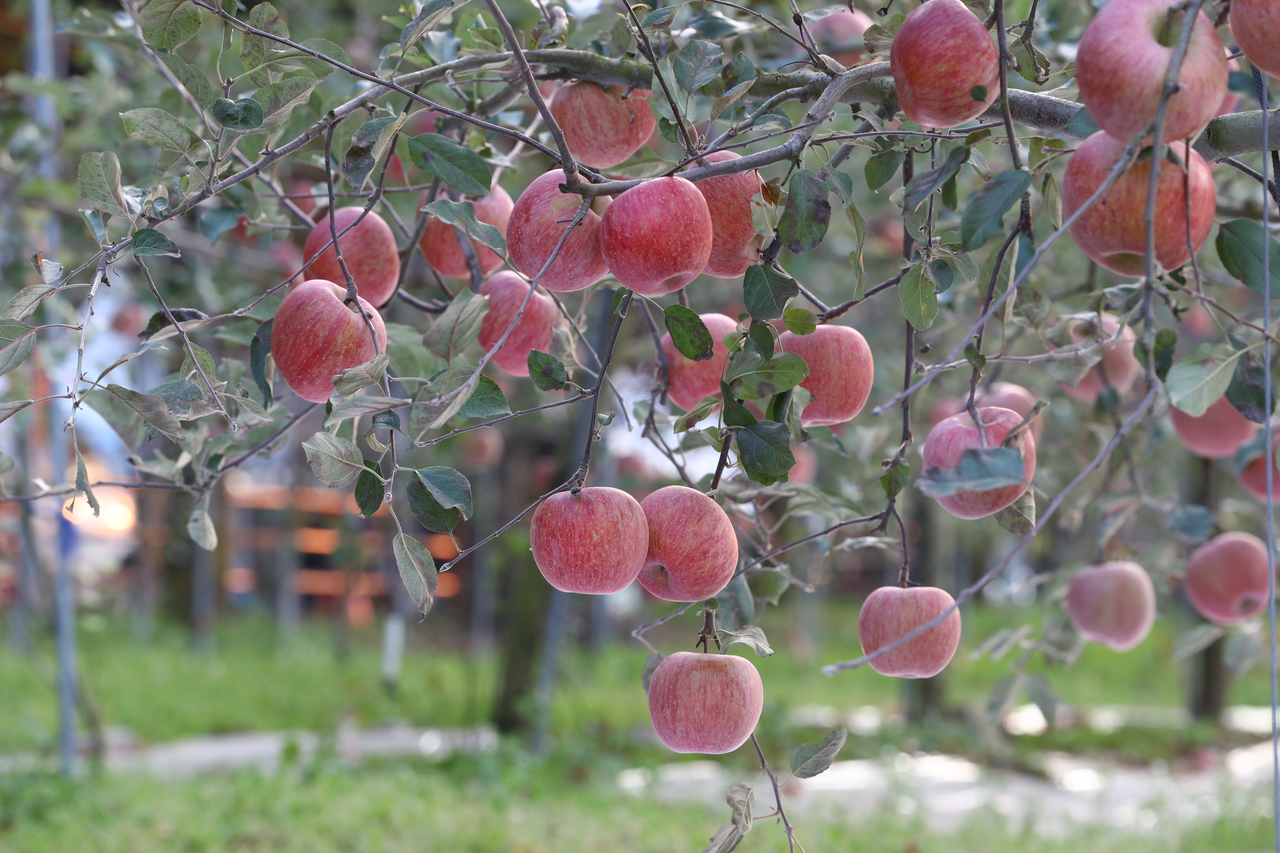
Cheongsong apple (청송사과)
Cheongsong is one of Korea's best-known apple counties, and Cheongsong apple is a registered geographical-indication product. Local sources credit the highland setting — orchards above 250 m, a wide daily temperature swing of about 13°C, relatively low rainfall and long sunshine — for firm, sweet fruit. It is the county's flagship crop, not a promise about what any festival stall will sell.
Questions worth asking
When is the 2026 Cheongsong White Porcelain Festival?
September 11-13, 2026, a Friday to Sunday. The dates appear in the Ministry of Culture's 2026 regional-festival plan and on the Korea Tourism Organization festival portal, which both give the venue as the white-porcelain pottery village in Juwangsan-myeon, Cheongsong.
Is admission free?
Yes, general admission is free. The tourism listing notes that some hands-on programmes are charged separately, but the 2026 prices for individual experiences were not published when this guide was written. Bring a payment option rather than budgeting around an unconfirmed figure.
Is there a guest-singer line-up?
This is one of the most searched questions about the festival, but no confirmed 2026 performer line-up had been published when this guide was written. The programme lists opening and closing performances, madanggeuk outdoor theatre, a puppet show, samulnori percussion and street acts; for any named performer, check the organiser's official site or its festival Instagram before travelling.
Can I actually make pottery there?
The published programme includes a potter's-wheel experience, hand-painting and a stamp activity, alongside white-porcelain sales and a craft market. Some experiences cost extra and capacity was not published, so treat wheel-throwing as likely-but-not-guaranteed on a given hour and ask on site.
How do I get there without a car?
There is no train to Cheongsong. Take an intercity bus from Dong Seoul Bus Terminal — about four hours, with only around three departures a day — then a local bus or taxi to the pottery village in Juwangsan-myeon, which is not beside the town terminal. Check the live timetable and the last return departure before you travel.
Can I do it as a day trip from Seoul?
It is possible but tight. Eight hours or more of round-trip bus travel, few departures and a local transfer at each end leave a short window on site. If the pottery village, the transmission hall or nearby Juwangsan matter to you, one night in the area is the more workable plan.
Before you goFestival Etiquette in Korea: What Visitors Get WrongBooking KTX Trains and Intercity Buses as a Foreign VisitorGetting Out of Incheon Airport and On to a FestivalKorean Festivals With Children: Toilets, Strollers and TimingStaying Online in Korea: SIM, eSIM and the Apps That MatterEating at a Korean Festival Without Speaking KoreanRain, Typhoons and Cancelled Festivals: How to Plan Around ThemHow to Pay for Things in KoreaT-money and Transit Cards in KoreaWhat to Wear to a Korean Festival, Season by Season
LAST UPDATED · Sep 10, 2026