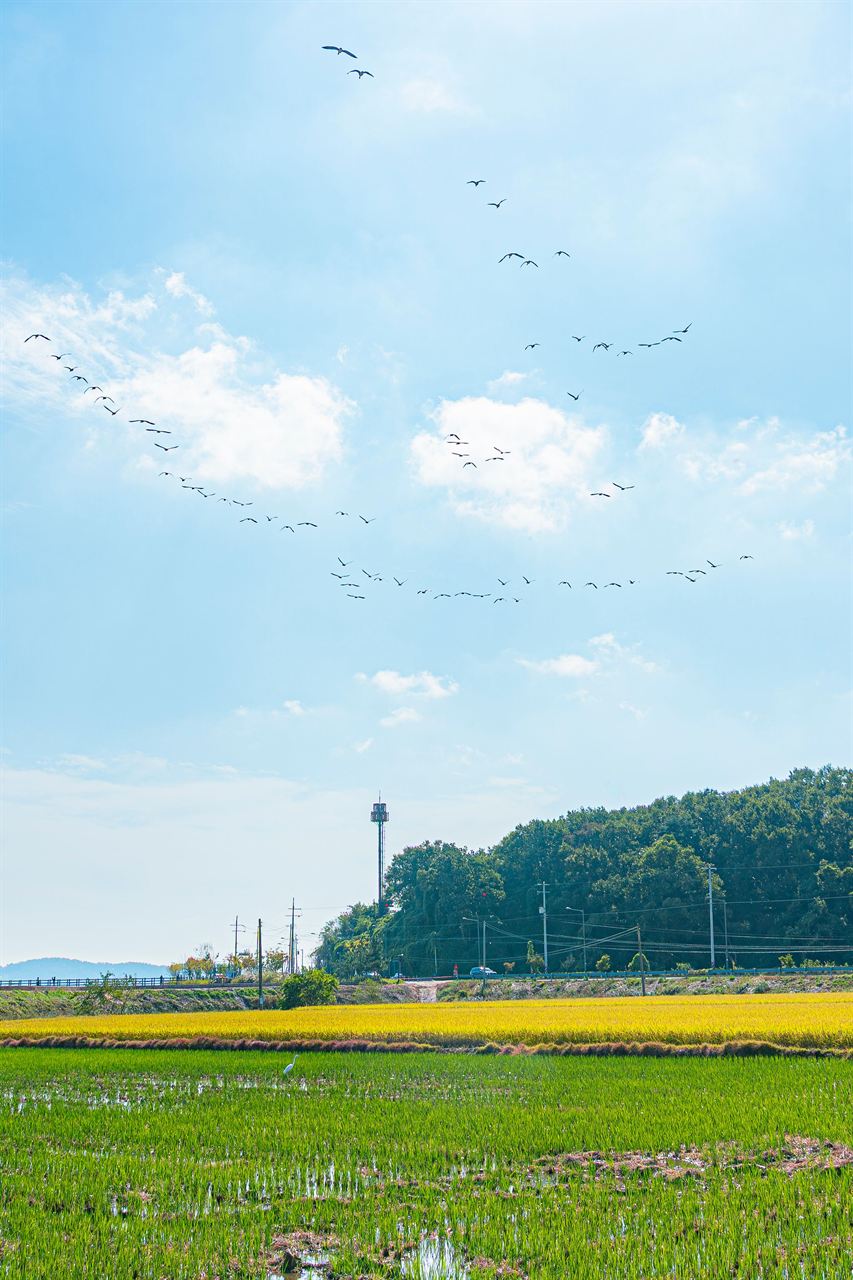
Cheongju City runs this festival — its English tourism office calls it the Cheongwon Organic Life Festival — as an autumn showcase for the region’s farm produce. It is held at the Miraeji Rural Theme Park in Ochang-eup, on the northern edge of Cheongju in Chungcheongbuk-do, and the 2026 edition runs October 2-11, ten days, with the slogan “Abundant Autumn, Taste Cheongwon Life.” The event has run since 2008 and grew out of an earlier rice festival; its purpose is to promote the Cheongwon Life brand of eco-friendly agricultural products, so the core of it is a large direct-sales market rather than a single headline show.
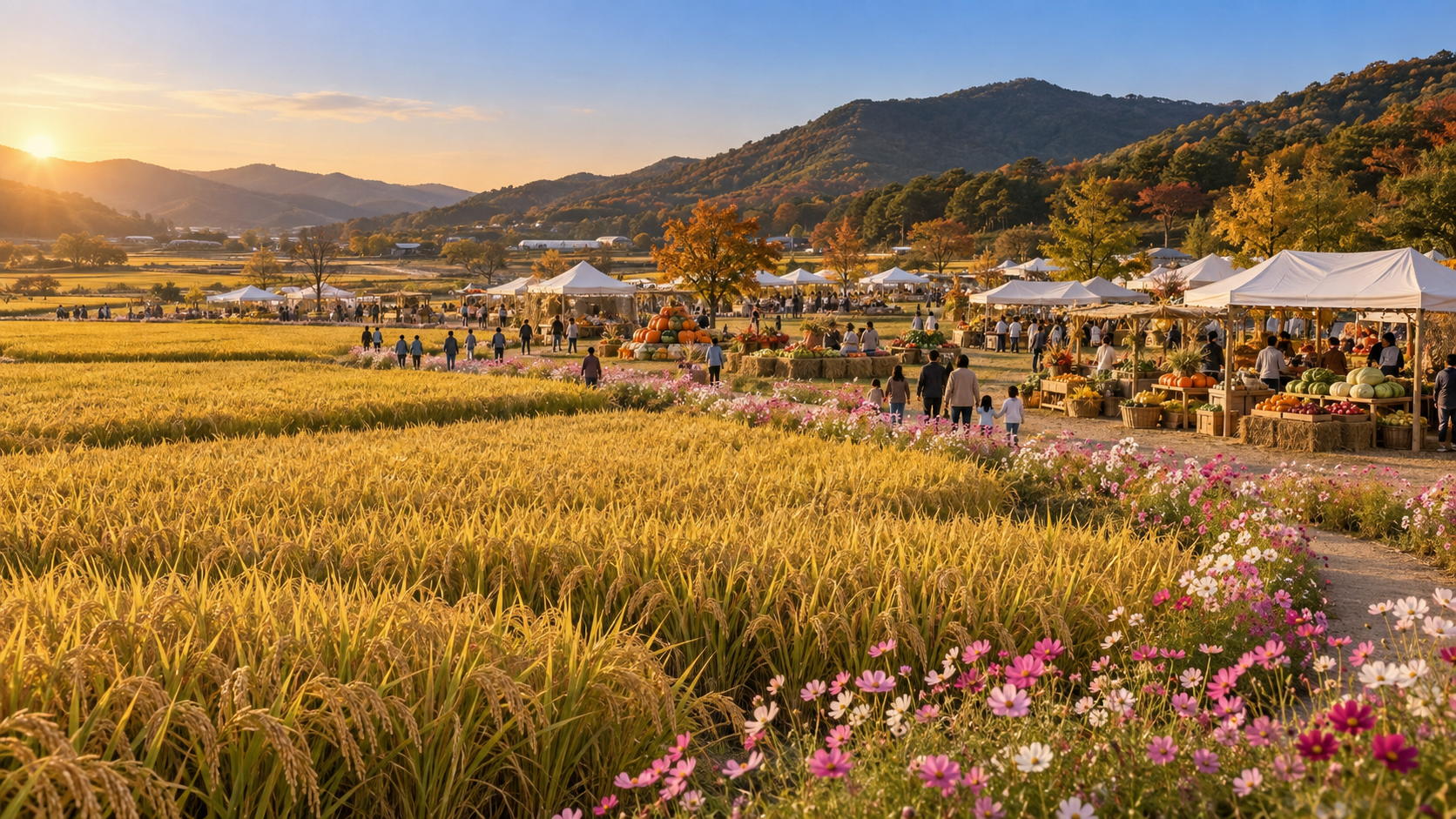
The practical shape is a country fair on open theme-park grounds: golden rice fields and cosmos-lined paths, rows of white marquees, harvest experiences, a food zone and evening performances. It is a genuinely local, family-oriented event, not an international spectacle — worth setting expectations for before you plan a trip around it.
What you actually do here
The centre of the festival is the market. The Korea Tourism Organization’s programme lists agricultural and livestock direct-sales booths alongside stalls from social-economy enterprises and youth startups, and this is where the 5,000 won admission does its real work: the ticket amount comes back to you as vouchers to spend on produce inside. Walking the sales area, sampling and buying regional food is the main activity for most visitors, so treat it as a shopping-and-eating outing as much as a sightseeing one.
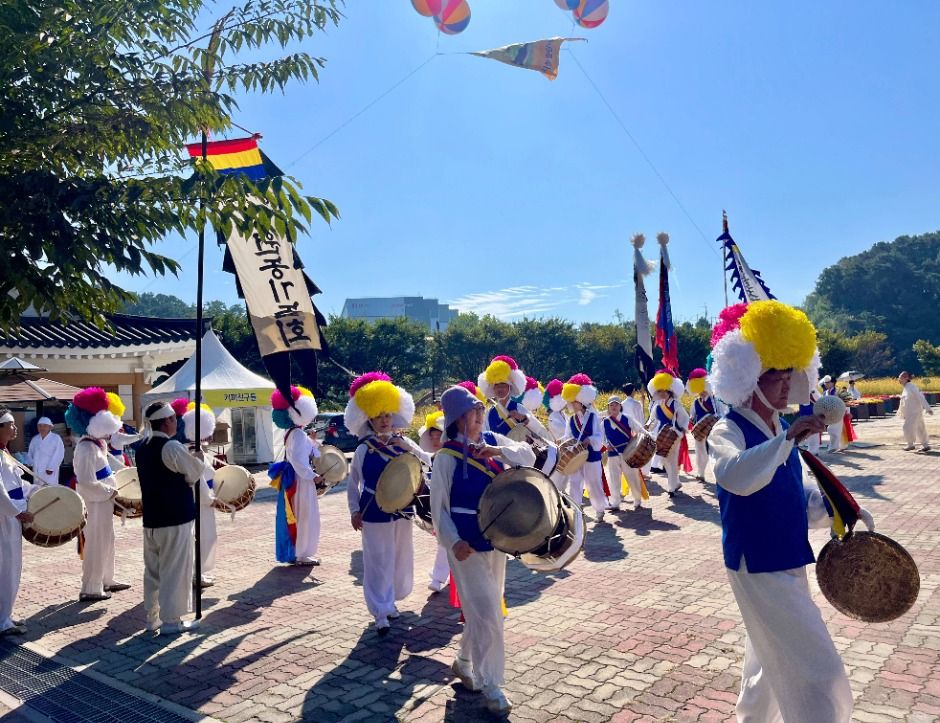
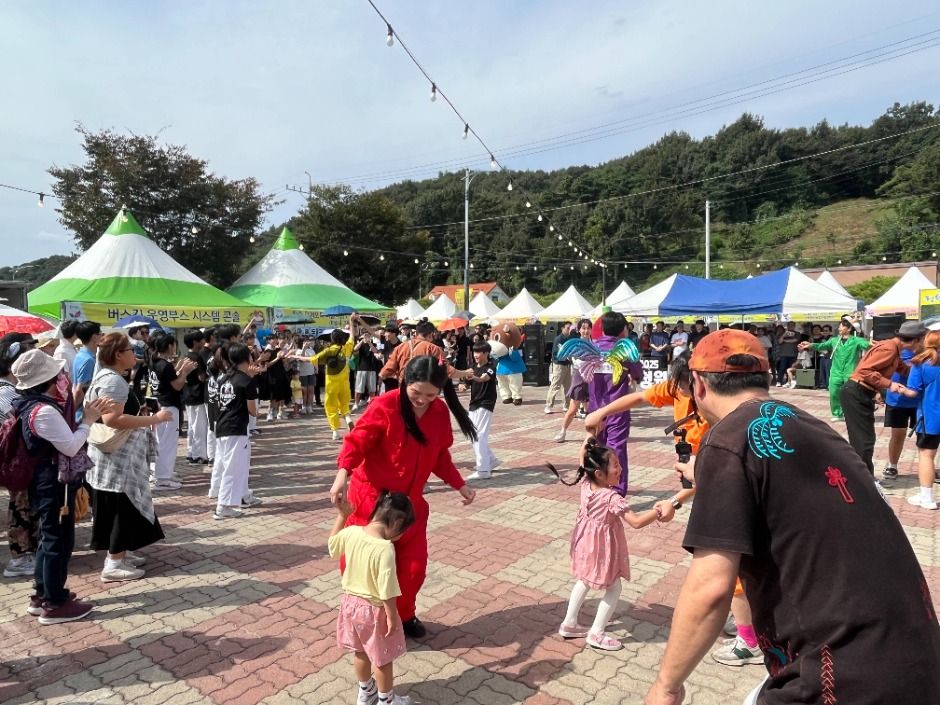
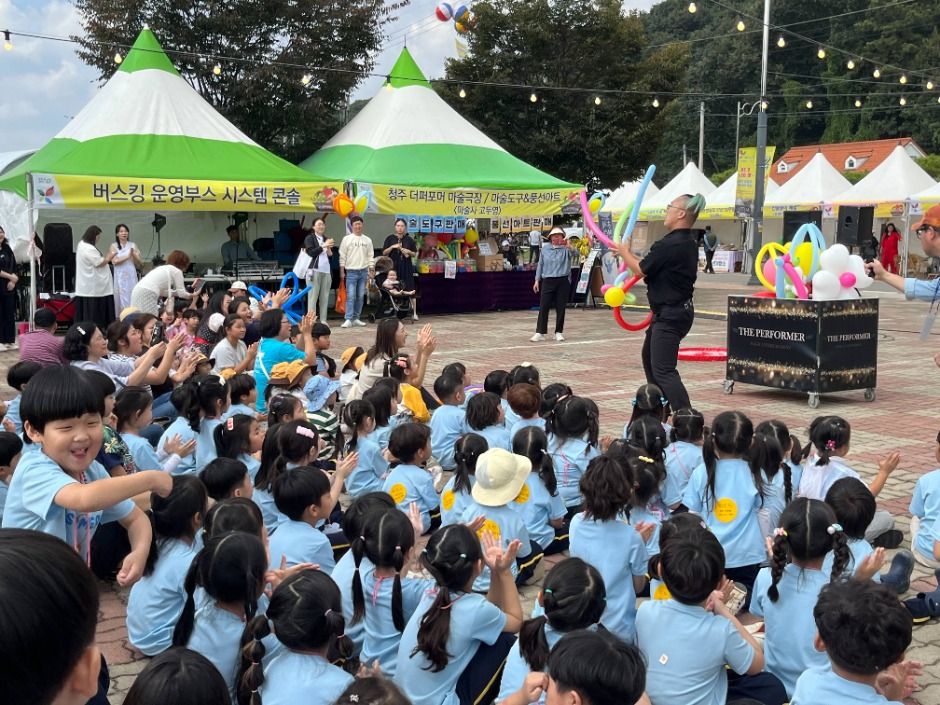
Around the market sit the performance and exhibition strands. The official programme covers an opening ceremony, celebratory performances and a closing event, plus stage acts described as a super concert, local art troupes and busking. The 2025 grounds included a pungmul (farmers’ percussion) procession in traditional white dress, the kind of parade that reads clearly without any spoken explanation. For 2026 the city says it has added a night laser show for the first time and emotional landscape lighting to give evening visitors more to see.
The event is spread across the theme park rather than concentrated on one plaza, so plan on a fair amount of walking between the market, the stages, the experience zones and the flower paths. None of it requires Korean to enjoy, but the signage and announcements are aimed at a domestic audience.
Programme and timetable
The site operates 10:00-20:00 each day across the October 2-11 run. That is the operating window, not proof that every stage is running continuously, and the detailed 2026 daily grid — which act plays when — had not been published when this guide was written. The city has said the programme totals more than 110 performances and parades, including an “8090 Super Concert” pitched at retro-minded evening crowds, but no named line-up with stage times was available. If you are travelling specifically for one performer, wait for the official schedule rather than a rumoured list.
A useful way to think about the day is daytime versus evening. Daytime is the market, the harvest experiences and the family programmes. The evening additions — the laser show and the landscape lighting — are the reason the festival now waives admission after 18:00, encouraging people to come after work. Because the grounds close at 20:00, the after-dark window is short, so if the night content is your priority, arrive in good time rather than at the very end of the day.
Harvest experiences and family activities
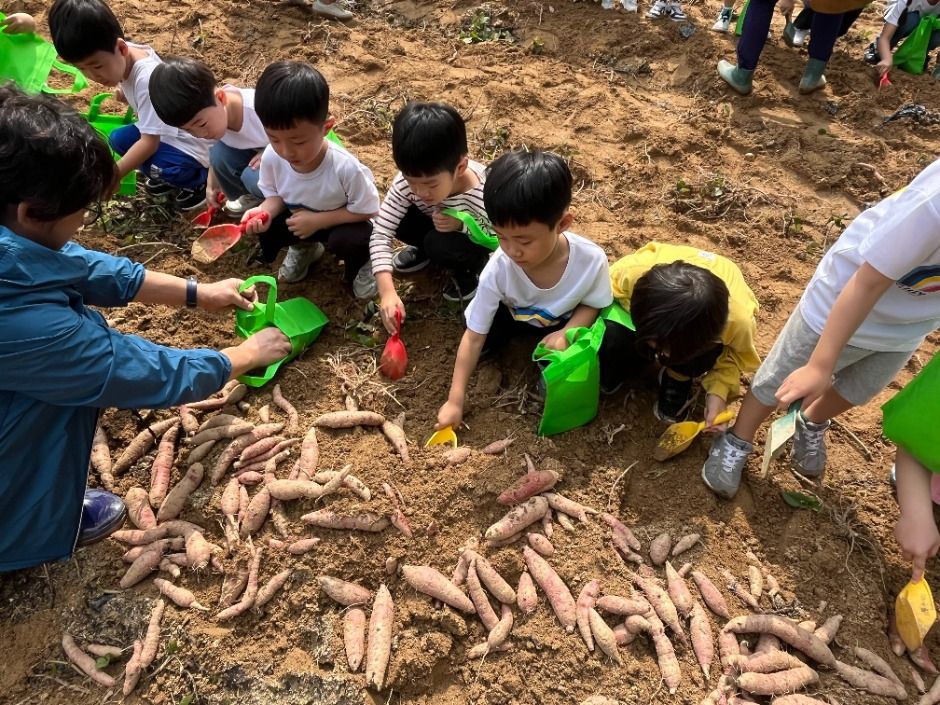
This is where the “life” theme becomes hands-on, and it is the strongest reason to bring children. The KTO programme lists participatory activities including a sweet-potato harvesting experience, traditional-farming culture experiences, and dedicated children’s and family activities, plus lighter fare such as a retro DJ box. The city has also promoted a citizens’ orienteering walking event along the Ochang Reservoir eco-trail near the grounds, tying the festival to the surrounding countryside.
Digging your own sweet potatoes or trying an old-fashioned farm task is exactly the sort of thing that makes a rural festival land with younger visitors, and it distinguishes this event from a purely commercial food fair. Some experiences may carry a small separate charge on top of admission; those per-programme prices were not published when this was written, so bring a payment option and don’t budget around an unconfirmed figure.
Tickets, fees and what the 5,000 won buys
The admission structure is unusual enough to explain carefully, because “paid” is technically true but misleading on its own. General admission is a 5,000 won day ticket, and the city has confirmed the full amount is returned as vouchers to spend on local farm and livestock products inside the venue. In effect you are pre-paying for produce, not paying to get in. The presale opened on July 27 through district administrative welfare centres in Cheongju, major agricultural cooperatives across Chungbuk, and the festival command centre.
Two exemptions widen access further. Entry is free for everyone after 18:00 each day, which is the mechanism behind the evening push. And the KTO listing states that children and teenagers, pregnant women and seniors enter free at any time. Taken together, a family with young children can spend very little at the gate, and an evening-only visitor pays nothing at all.
What the ticket does not cover is any individual experience or performance that charges separately. Those amounts were not published, so check the price at each booth rather than assuming everything is included.
Getting there without a car
There is no KTX station in central Cheongju, so the rail gateway is Osong Station, on the high-speed line about 45 minutes from Seoul Station. From Osong you still need a second leg: the festival grounds are in Ochang, roughly 20 km away, reached by local city bus or taxi. Osong and the venue are not adjacent, so build that transfer into your timing rather than expecting to step off the KTX at the festival.
For the last stretch, the festival has in past years run circulating shuttle buses from Ochang Plaza to the venue, with regular city buses feeding into that hub. Because temporary festival routes, stops and intervals are set fresh each year, the safest plan is to open the official 2026 transport notice shortly before you travel and follow the shuttle instructions there rather than an old timetable. A taxi from Osong or central Cheongju is the simplest option if you are not tied to a bus.
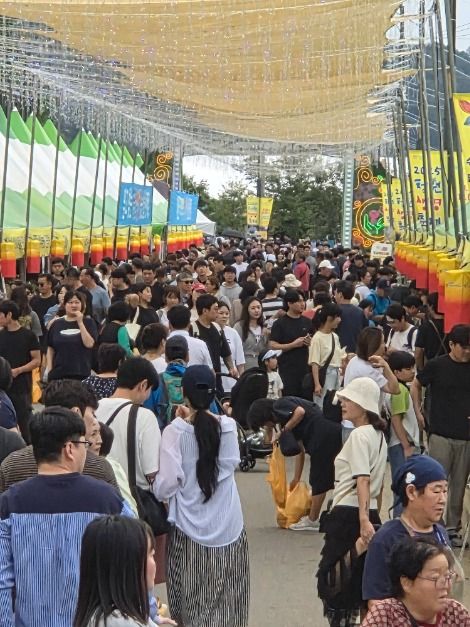
Driving is possible — the city says it secured about 4,000 parking spaces and reorganised the lots for 2026 — but weekend traffic around a festival that drew roughly 650,000 people in 2025 is a real consideration, and the shuttle-and-transfer route may be less stressful on a busy day.
Food on site and nearby
Food is central here, not incidental. The official programme lists a campfire grill zone, a Cheongju gourmet zone, a “Cheongwongol” makgeolli tavern and food trucks, alongside the produce market where the admission voucher is spent. This is the part of the festival most worth arriving hungry for, and it fits the event’s identity as a celebration of regional agriculture.
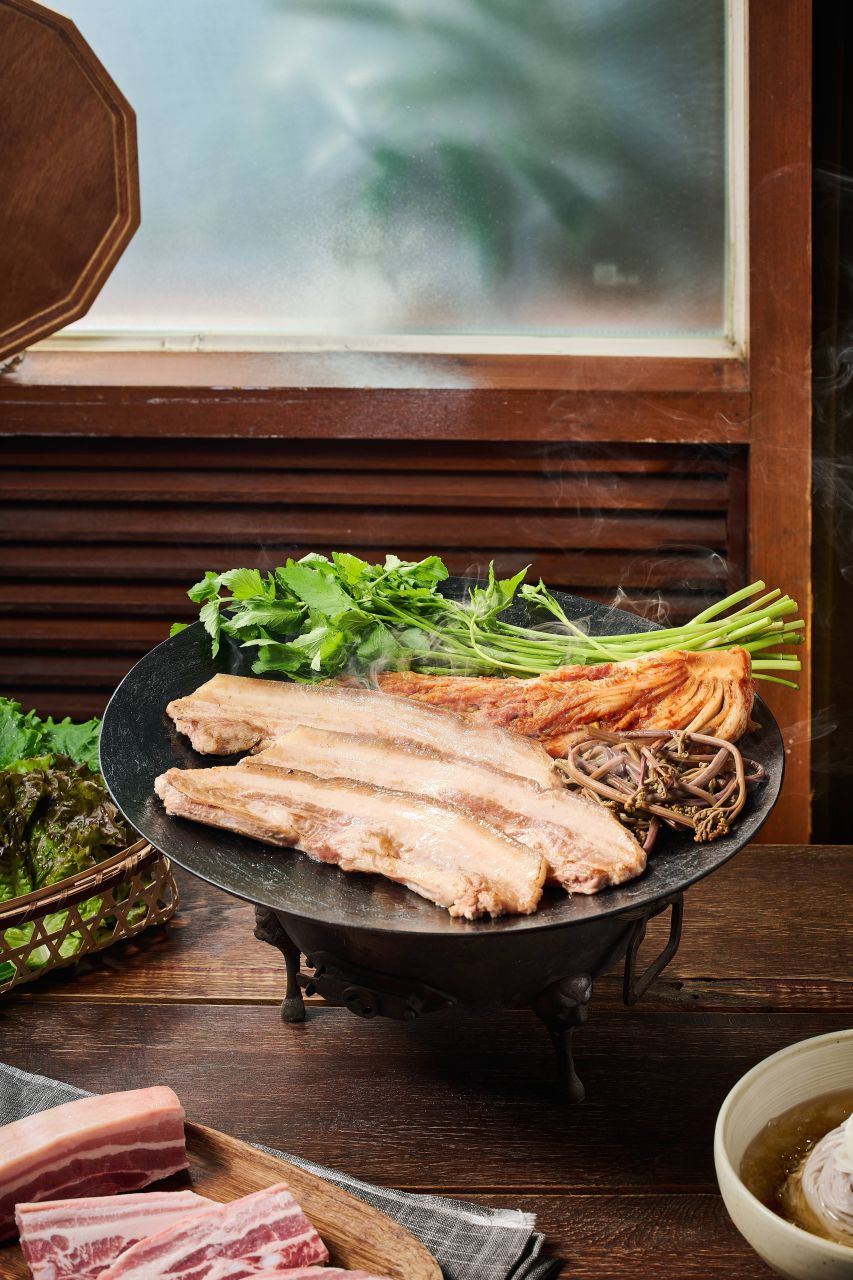
Away from the temporary stalls, two Cheongju specialties are worth knowing. The festival’s own flagship is Cheongwon Life rice (Cheongwon saengmyeong ssal), which the city describes as an eco-friendly, low-carbon, LOHAS-certified premium rice grown on the alluvial soil of the Miho River — you can buy it at the direct-sales market. For a sit-down meal, Cheongju promotes samgyeopsal (grilled pork belly) as a signature local food, with a dedicated samgyeopsal street at Seomun Market in the city. Neither is a claim about what a given festival stall will serve; both are regional specialties to seek out.
Honest assessment
The Cheongwon Organic Life Festival is best understood for what it is: a well-run regional agricultural fair with a genuinely clever admission model. The 5,000 won ticket coming back as produce vouchers, free evening entry and free entry for children and seniors make it inexpensive and family-friendly, and the harvest experiences give it more substance than a market alone. The rural theme-park setting — rice fields, cosmos paths and, for 2026, a night laser show — is pleasant and photogenic in autumn.
Its limits are the flip side of the same character. There is no confirmed concert line-up, the programme is domestic in focus with little English support, and the grounds close at 20:00, so this is not a night-life destination or an international headliner event. It also draws large weekend crowds, and the trip from Seoul involves a KTX ride to Osong plus a transfer, which is easy but not a one-seat journey.
For a traveller already near Cheongju, Sejong or Osong, or one specifically interested in Korean farming life and regional food, it is an easy and rewarding half-day — come in daytime, spend the voucher, try a harvest activity, and eat well. For someone seeking a marquee cultural spectacle, it will feel modest, and that is worth knowing before you build a long trip around it.