
Autumn · Chungcheongnam-do · Field listing
Cheongyang Chili and Goji Berry Festival 2026
The essentials first: whether it is open, what it costs, how hard it is to reach and what to expect if you do not speak Korean.
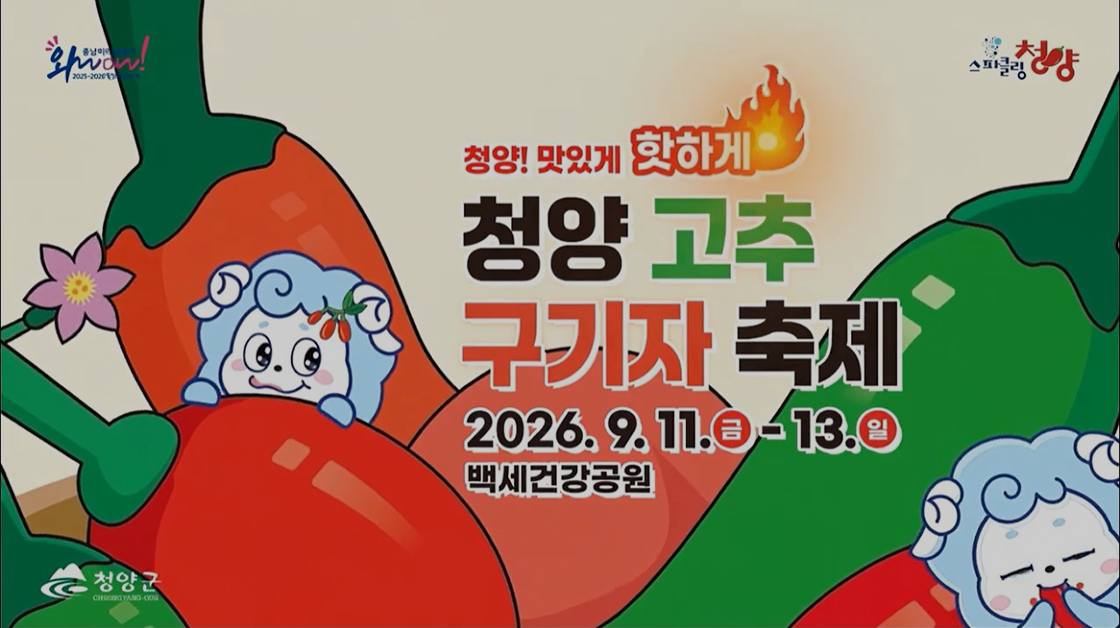
When
Sep 11 — 13ConfirmedConfirmed dates
Where
Cheongyang Baekse Health Park, Cheongyang CountyChungcheongnam-do
Type
Food & local produce
Admission
FREEGeneral entry is free — confirmed on the festival's own listing, the Korea Tourism Organization's KFES portal and Chungnam Province's tourism page. Some hands-on programs and individual food stalls charge separately on site; organizers have not published exact prices for 2026.
From Seoul
About 2 h 10 mExpress bus from Seoul's Central City Terminal (Gangnam, next to Express Bus Terminal station) to Cheongyang Intercity Bus Terminal — six departures a day. Seoul Nambu Terminal also lists a Cheongyang route, but it runs only once a day and is not a practical option for a day trip.
Organiser
Cheongyang Chili and Goji Berry Festival organizing committee, 041-940-2301~5 (Cheongyang County tourism division: 041-940-4852)
Is this one for you?
Who it suits. This suits people who want to buy Cheongyang chili and goji berries at the source for less than a Seoul supermarket charges, and anyone curious about a working county agricultural fair rather than a polished tourist attraction. Families are well served, with a Teenieping sing-along, character photo zones and craft corners. It is a poor fit if you need English signage or a programme you can follow without Korean, or if you want stalls and workshops with published fixed prices rather than pay-on-the-day cash.
When to go. The programme peaks after dark, when the trot concerts take the main stage, so plan an evening if the line-up is your draw and the daytime market if it is not. Early-to-mid September afternoons inland can be genuinely hot, which is why the organizers set up heat-relief shelters, so treat the middle of the day as the stretch to pace yourself through. The confirmed 2026 dates are September 11 to 13, and with no general gate hours published you should build a visit around the concert you want and the last bus back rather than an assumed opening time.
LOCAL WEATHER
Weather near the festival
The festival date is outside the current forecast window. Check again closer to your trip.
Korea Meteorological Administration forecast
Need something we do not list — a stall menu, a parking gate, a last bus? The Korea Travel Helpline answers in English around the clock: dial 1330 inside Korea, or +82-2-1330 from abroad.
Cheongyang grows the chili pepper most Koreans picture when they say something is spicy, and this festival is the county’s biggest showcase for it, alongside the other local specialty, goji berries. It runs at Baekse Health Park on the edge of Cheongyang-eup, the county seat — a working agricultural fair with a concert stage attached, not a production built around visitors. For 2026 the confirmed dates are September 11-13, entry is free, and the county is running it under the slogan “Cheongyang, deliciously — and HOT.”
What you actually do here
The core of it is a food and produce market. Vendors sell dried chili powder, chili paste, fresh peppers and dried goji berries at prices well below what the same grade costs in a Seoul department store, and the county says the farm-produce sales area has been relocated and the food court expanded for 2026 — county-press coverage puts the number of food booths at 28 this year, up from 17. If buying produce to take home is your main reason for coming, that is the part of the site to head for first.
Alongside the market, the programme leans toward entertainment and hands-on activities. Trot singers headline the evening stages, with a senior fashion show, a Chungnam regional music-festival slot, a national high-school cooking competition and a cooking show by chef Yeo Gyeong-rae filling out the daytime schedule. For families there is a “Catch! Teenieping” sing-along show, character photo zones, a “Cheongyang and Friends” experience hall, and woodcraft and VR corners. None of this is festival marketing copy — it is what county newspapers reported the organizers had lined up in their late-August preview.
The participatory events are built around the two crops. Announced 2026 activities include a “spiciest-pepper” eating contest, making a giant batch of fresh geotjeori (unfermented kimchi), a goji-rice-cake mosaic, and making chili-shaped accessories. These are the kind of thing you can join without much Korean, though the instructions and the schedule board will be in Korean.
Budget two to three hours if you are mainly there for the market, longer if you want to catch one of the evening concerts.
Programme and timetable
The single most searched-for detail every year is the concert line-up, and for 2026 the county-press previews are consistent: Song Ga-in and Park Ji-hyun on the opening night (September 11), and Park Hyun-bin and Solji on the second day (September 12). Song Ga-in’s booking was reported separately in entertainment coverage as well, which is the strongest confirmation available for a headline act this far out. Treat any specific stage times as provisional — the county had not published a full hour-by-hour grid when this was written, and line-ups for regional festivals do shift.
The official microsite describes the festival’s shape rather than a timetable, and it is worth knowing so you can pace a visit: the county’s own description has the three days opening with fireworks, running performances, experiences and a food market through the middle, and closing with a daljip-taeugi — the burning of a large wooden “moon house” — while the crowd releases coloured balloons. If that closing rite matters to you, confirm its date and time on the official notice before building an evening around it, because the site describes the tradition without pinning a 2026 clock time to it.
There is no confirmed general opening and closing hour published for 2026, so this guide does not state one. An outdoor agricultural fair of this kind typically runs from mid-morning into the evening, but “typically” is not a schedule, and inventing a closing time is exactly the sort of guess this site avoids. Plan around the concert you want to see and the last bus back rather than an assumed gate time.
Tickets, fees and booking
General admission is free — that is confirmed on the festival’s own listing, the Korea Tourism Organization’s KFES portal and Chungnam Province’s tourism page, and there is no gate ticket to buy in advance. That makes it easy to turn up for the market and the free stages without committing to anything.
Free entry is not the same as everything being free. Some hands-on programs and individual food stalls charge separately on site, and the organizers had not published a 2026 price list for those when this was written. Bring cash: a rural produce fair is not a place to assume every vendor and workshop takes cards, and this site has not verified card acceptance on the ground. If a particular paid experience is essential to your visit, the festival organizing committee can be reached on 041-940-2301~5, with the county tourism division on 041-940-4852.
Getting there without a car
Cheongyang County has no train station, so the bus is the only public transit option from Seoul. Six express buses a day run between Seoul’s Central City Terminal (in Gangnam, next to Express Bus Terminal station) and Cheongyang Intercity Bus Terminal, taking a little over two hours each way. The first bus leaves Seoul at 07:20 and the last one back to Seoul leaves Cheongyang at 19:40 — workable for a day trip, but you are locked into that schedule since buses run roughly every two hours rather than continuously.
Do not go to Seoul Nambu Terminal expecting the same frequency — it also serves Cheongyang, but only once a day, which makes it a poor choice unless that single departure happens to match your plans.
Fares run about 12,000 KRW for a standard seat and 17,500 KRW for the deluxe (“premium”) buses, based on the fare tables published alongside the schedule. Cheongyang’s bus terminal sits inside Cheongyang-eup itself, the same small town center as the festival grounds — this is not a rural terminal miles from anything, though the exact walking distance to Baekse Health Park was not consistent enough across sources to state as a fixed number here. Set the festival name or Baekse Health Park (백세건강공원) as your destination in a Korean map app rather than just “Cheongyang,” because the town has more than one landmark a taxi driver might assume.
Parking, shuttles and traffic control
If you are driving, the county’s 2026 preview describes about 750 parking spaces plus temporary overflow parking, on top of a shuttle bus running for the festival period. Neither the shuttle route and hours nor the overflow-lot locations were published in enough detail to repeat as hard numbers here, so treat them as “planned” and confirm at the terminal or the festival information tent when you arrive rather than navigating straight to a lot that may be full.
The same preview lists on-site facilities that matter more than they sound: seven restroom blocks and three heat-relief shelters. Early-to-mid September in inland Chungcheong can still be genuinely hot in the afternoon, and the shelters are there for a reason — this is a festival where the middle of the day can be the hardest part, not the evening. The county has set a target of drawing about 110,000 visitors across the three days, so expect the busiest crush around the evening concerts rather than the daytime market.
Food on site and nearby
On site, the draw is the market rather than a curated restaurant row: dried chili powder and paste, fresh peppers, and dried goji berries sold direct, plus the expanded food court of roughly 28 booths. This site has not verified individual stall menus, prices, vegetarian options or payment methods for 2026, so treat what is operating on the day as a convenience rather than a confirmed food programme, and eat before the evening concert crush if a reliable meal matters.
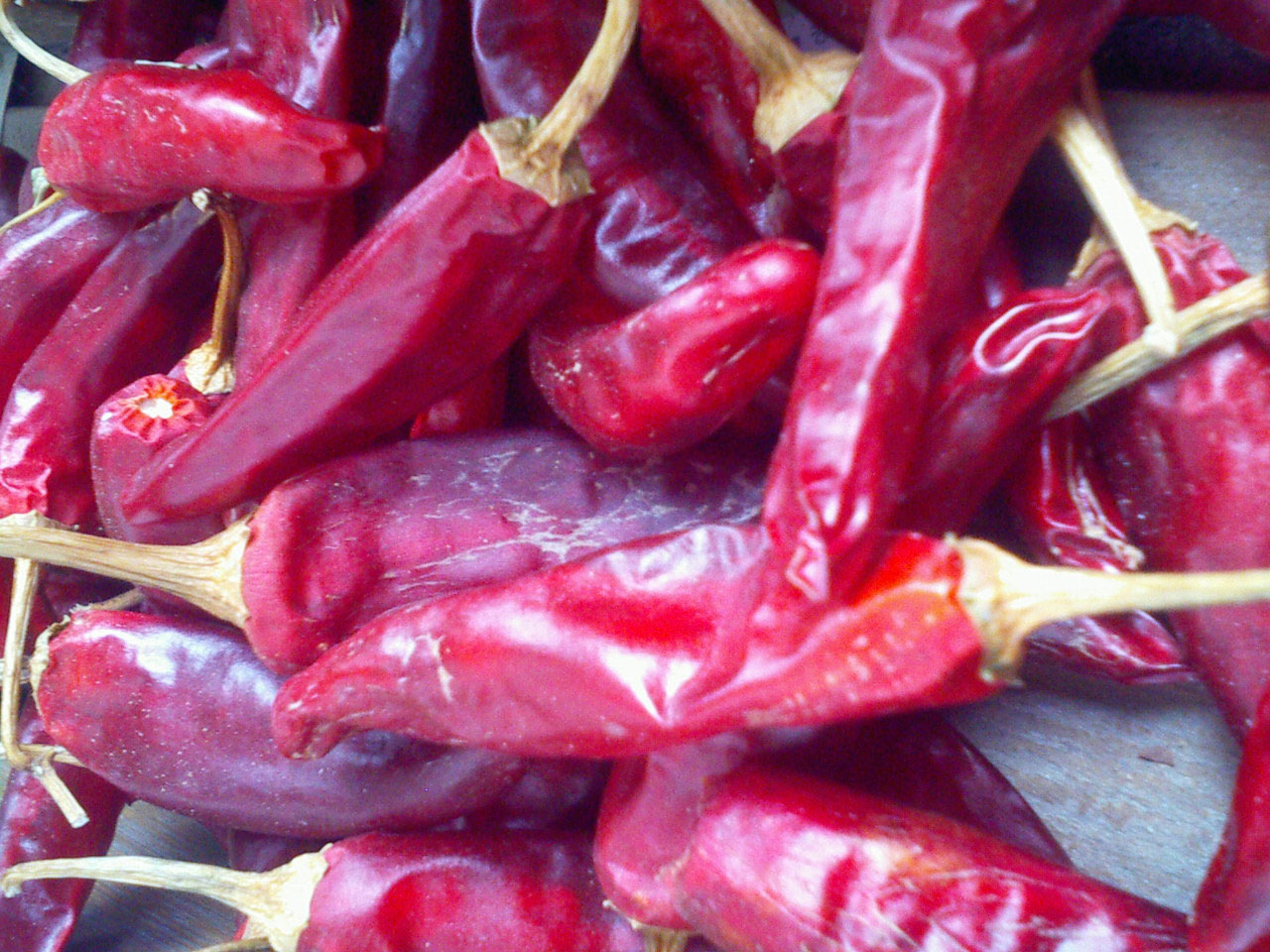
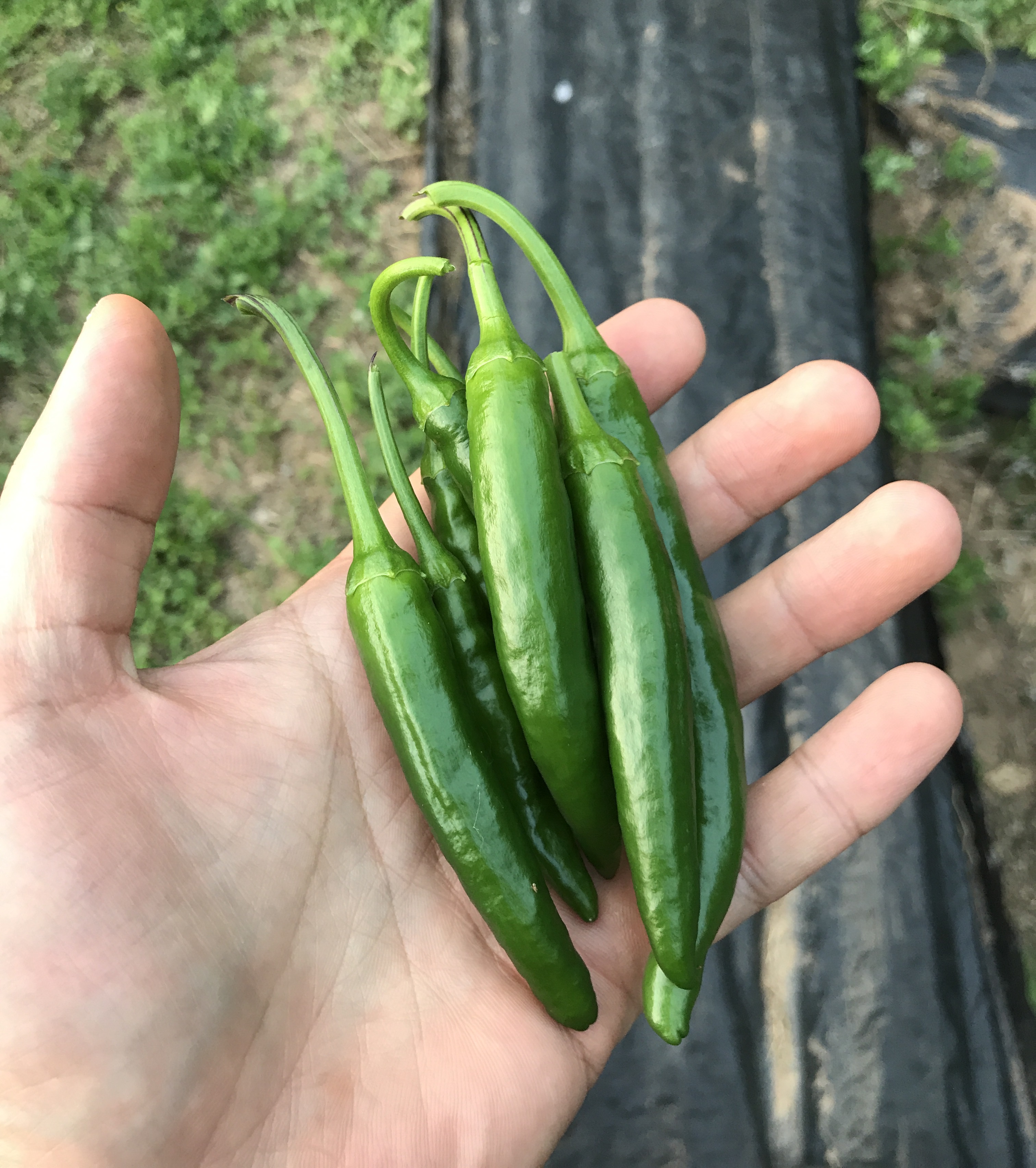
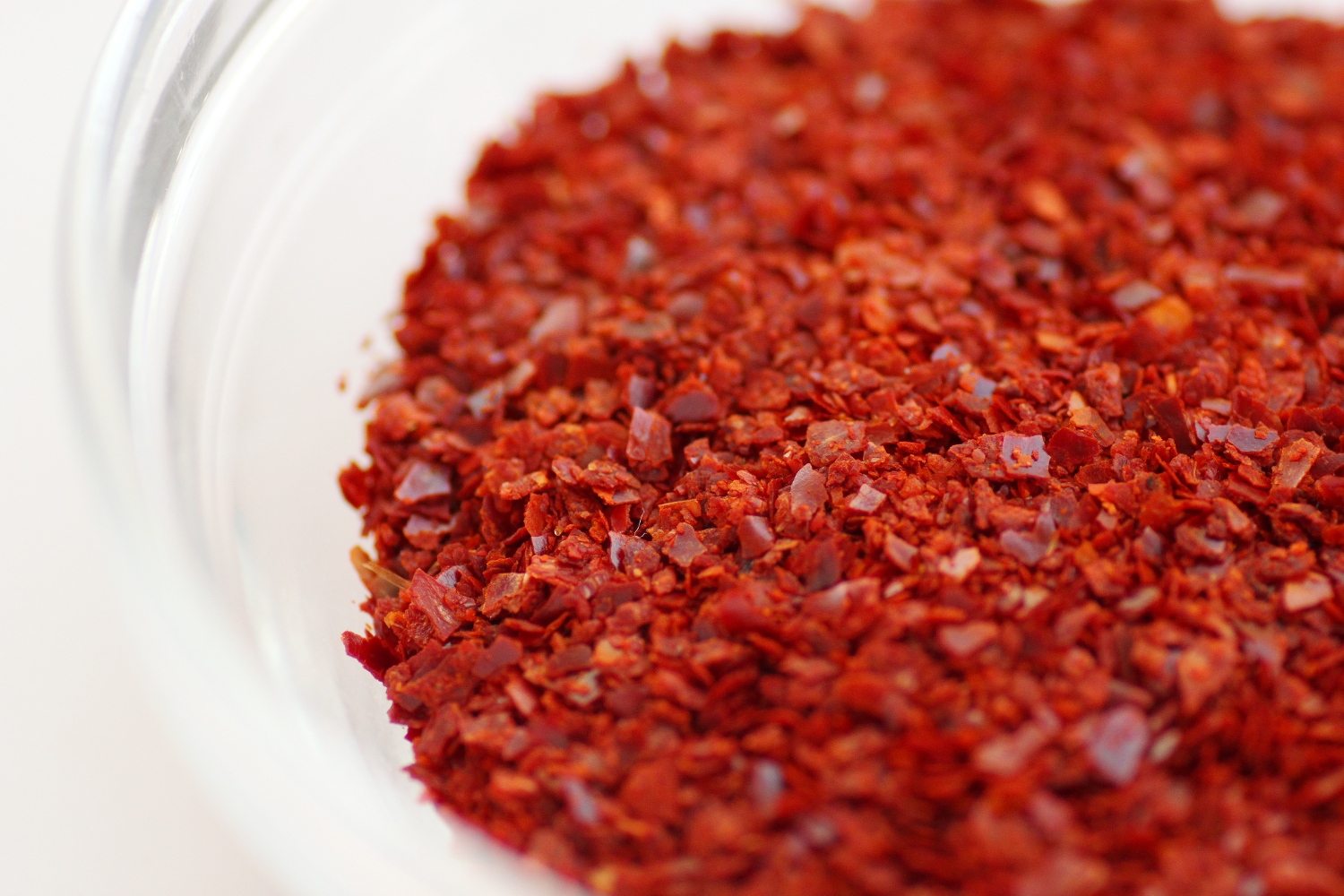
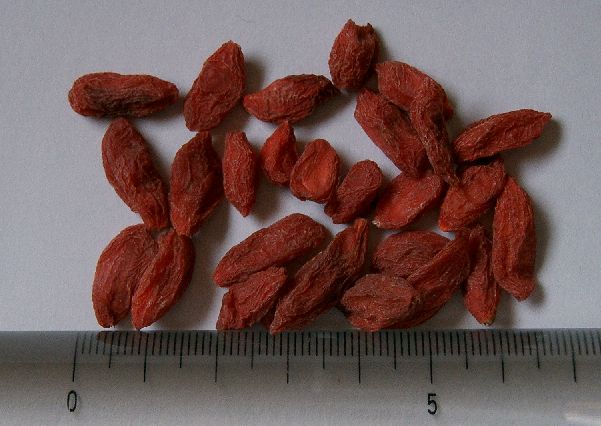
To set expectations for what the market actually sells, the photographs on this page show the crops themselves rather than the festival ground, which we could not source under an open licence: the small, very hot Cheongyang red chilies, the same peppers laid out to dry in the sun, the dried chili powder (gochugaru) they become, and the dried goji berries (gugija) sold for tea and tonics. Each is credited to its Wikimedia Commons photographer and licence; none is a picture taken at this festival.
Away from the temporary stalls, the two things genuinely worth carrying home are the county’s own registered specialties. Cheongyang goji berry (gugija) has the strongest official backing of anything at the festival: it is a registered geographical-indication product and was designated National Important Agricultural Heritage No. 19 in late 2024, with the county accounting for roughly two-thirds of national production. It is sold dried, for tea and tonics, not eaten fresh. Cheongyang chili is the festival’s namesake and a registered geographical-indication product for the county — with one honest caveat covered below. Both are cheaper and fresher here than in a Seoul supermarket, which is a large part of why domestic visitors come.
One honest note on the chili, because this is a site about not inventing things. The very hot pepper Koreans call cheongyang-gochu was, according to the national seed authority as reported by Maeil Sinmun, developed in 1983 and named by combining one character each from Cheongsong and Yeongyang counties in Gyeongsangbuk-do — a different place from Cheongyang County in Chungnam, where this festival is held. Cheongyang County disputes that account and points to its own long history of growing chili. Both things are true at once: Cheongyang is a real chili-growing region that registered the crop as a local specialty, and the variety’s name has a contested origin. You are not being misled by coming here for chili; you are just buying it in a county whose claim on the pepper’s name is argued over.
Honest assessment
This is a genuine regional festival, not a polished tourist product, and that is both the appeal and the catch. If you want to see a Korean county fair built around its own agricultural identity — trot concerts, a produce market and hands-on events rather than an experience redesigned for international visitors — this delivers, and the free entry is meaningful rather than nominal. If you need English signage or a programme you can follow without Korean, you will be working from a Korean map app and a translation app the whole time; the county has said multilingual support is a work in progress, not a finished product.
The transit logistics are the main planning hurdle: no train, and only six practical buses a day on the route that actually serves this town. Get the bus schedule right and it is an easy day trip; get it wrong and you are stuck in Cheongyang for hours longer than planned. The other honest warning is heat — early September afternoons here can be punishing, which is why the organizers put up dedicated cooling shelters. Come for the market and one evening concert, buy your goji berries and chili from the source, use the shelters in the afternoon, and check the concert line-up on the official channels before you travel rather than trusting last year’s poster.
Local specialties to try
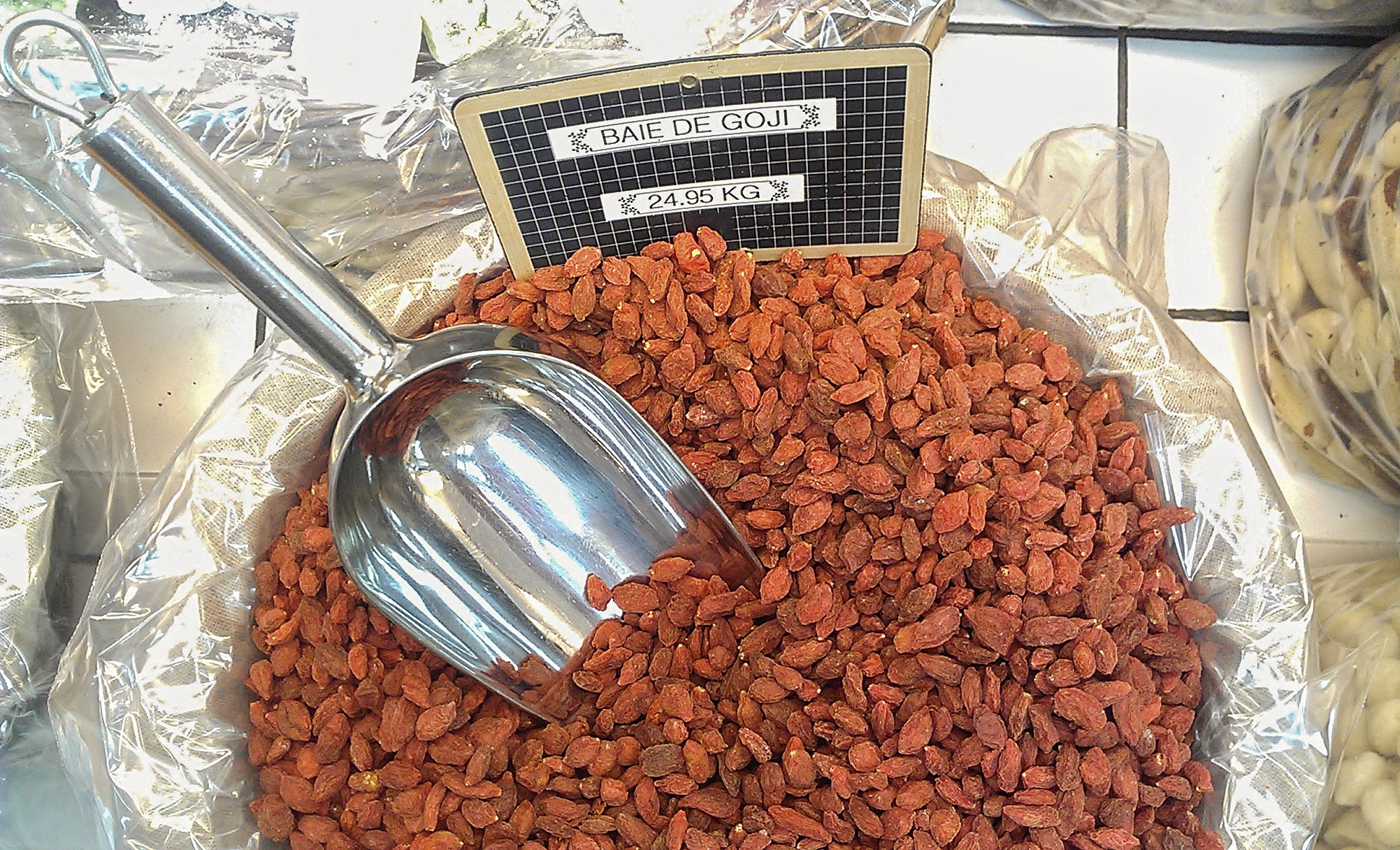
Cheongyang goji berry (청양 구기자)
This is the specialty with the strongest paperwork behind it. Cheongyang County goji berry is a registered geographical-indication product (Korea Forest Service registration No. 11) and was designated National Important Agricultural Heritage No. 19 in late 2024. Cheongyang County's own figures put the county at about 66% of national goji production in 2022, from roughly 94 hectares farmed by around 900 households, with a cultivation history of about a century. The dried berries are used in tea, in soups and in health tonics rather than eaten fresh; this is a regional product to buy at the market, not a promise about what a festival stall will cook.
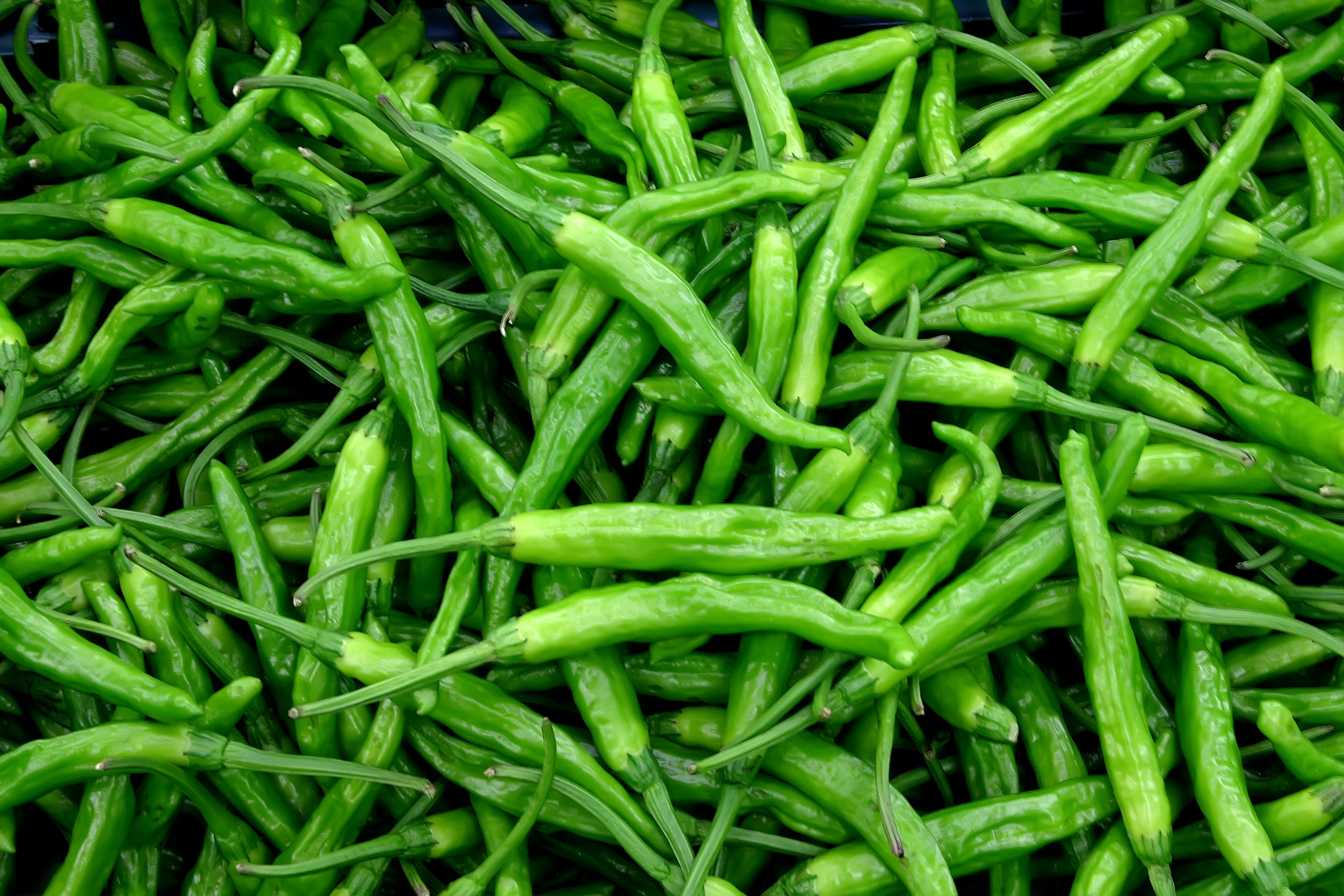
Cheongyang chili (Cheongyang pepper) (청양고추)
The county grows and sells the small, very hot red chili that shares this name, and Cheongyang lists it as a registered geographical-indication product. Worth knowing honestly: the pepper *variety* called cheongyang-gochu was, according to the national seed authority as reported by Maeil Sinmun, developed in 1983 and named by joining one character each from Cheongsong and Yeongyang counties in Gyeongsangbuk-do — not from Cheongyang County in Chungnam. Cheongyang County disputes this. Either way, the county is a genuine chili-growing area and the festival is its main showcase for the crop as dried powder, paste and fresh peppers.
Questions worth asking
Is this festival set up for foreign visitors?
Not really, not yet. The county has said it wants to expand multilingual signage, but as of this year the festival is still built for a local and domestic audience — Korean-language stages, trot concerts, and a food market that assumes you can read Korean labels.
Can I do this as a day trip from Seoul?
Yes, if you plan around the bus schedule. The first express bus from Seoul's Central City Terminal leaves at 07:20 and gets you in before 10:00; the last bus back leaves Cheongyang at 19:40. That gives close to ten hours on the ground, which is more than enough for the market and one evening concert.
Is admission actually free?
General entry, yes — confirmed on the festival's own site, the Korea Tourism Organization portal and Chungnam Province's tourism page. Some cooking classes, workshops and individual food stalls are paid separately, but nobody has published a 2026 price list for those yet, so budget for cash on hand rather than a fixed number.
Is there a train to Cheongyang?
No. Cheongyang County has no operating rail line at all — the bus is the only public transit option from Seoul, which is unusual even by rural-Korea standards.
Who is performing in 2026?
County-press previews name Song Ga-in and Park Ji-hyun on the opening night and Park Hyun-bin and Solji on day two, alongside a senior fashion show, a Chungnam music-festival slot and a national high-school cooking competition. Line-ups can change, so confirm on the official site or the festival's social accounts before travelling for a specific act.
Where do I park, and is there a shuttle?
The county's 2026 preview describes about 750 parking spaces plus temporary overflow parking and a shuttle bus for the festival period. The exact lot locations, shuttle route and service hours had not been published in detail when this was written — ask at the bus terminal or the festival information tent when you arrive.
Before you goFestival Etiquette in Korea: What Visitors Get WrongBooking KTX Trains and Intercity Buses as a Foreign VisitorGetting Out of Incheon Airport and On to a FestivalKorean Festivals With Children: Toilets, Strollers and TimingStaying Online in Korea: SIM, eSIM and the Apps That MatterEating at a Korean Festival Without Speaking KoreanRain, Typhoons and Cancelled Festivals: How to Plan Around ThemHow to Pay for Things in KoreaT-money and Transit Cards in KoreaWhat to Wear to a Korean Festival, Season by Season
LAST UPDATED · Sep 10, 2026