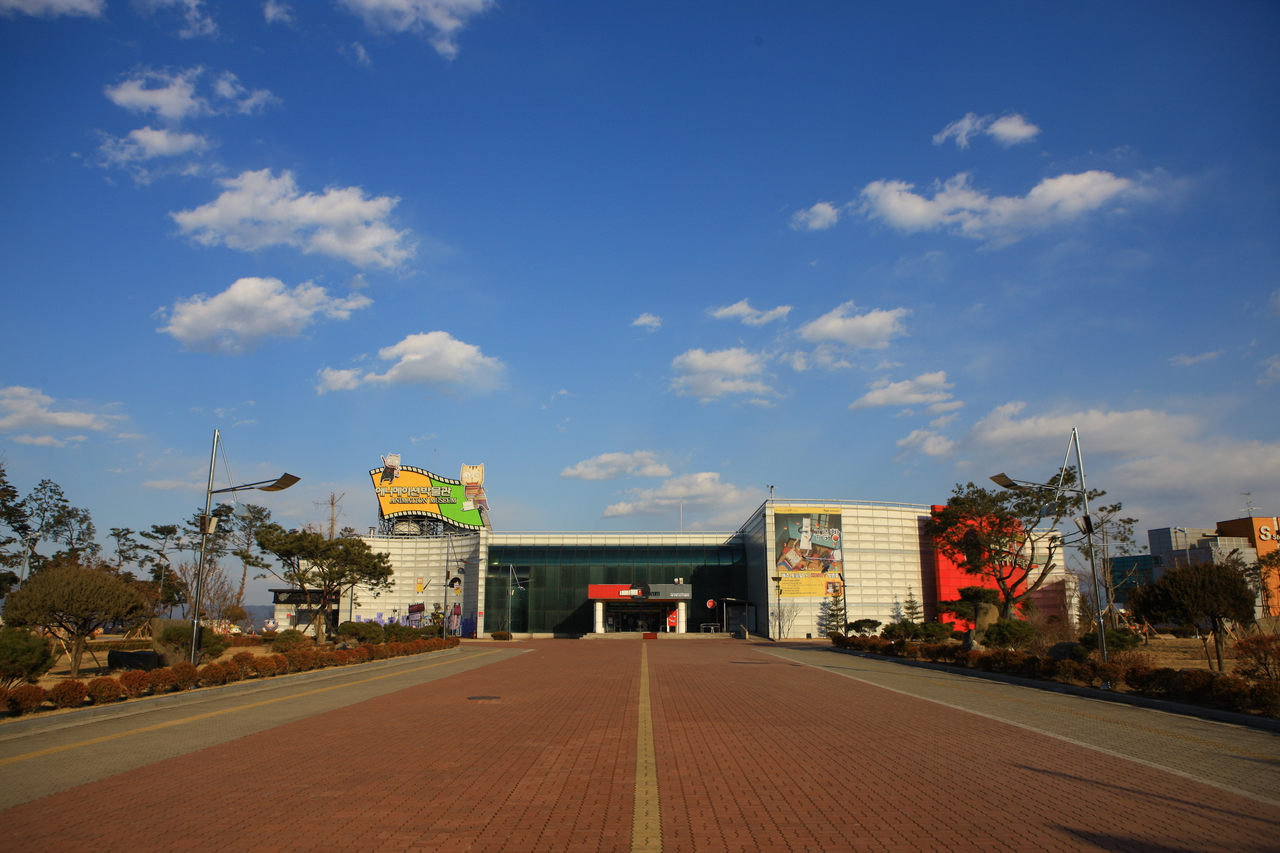
Chuncheon’s animation-and-toy festival is a family event held on the grounds of the Chuncheon Animation Museum in Seo-myeon, on the western side of the city across Uiam Lake. For 2026 it runs October 3-5, its 29th edition, and the confirmed hours are 11:00-17:00 each day. The city of Chuncheon hosts it and the Gangwon Information & Culture Industry Promotion Agency runs it. The festival grew out of Chuncheon’s identity as an animation town — the museum and the adjoining Toy Robot Studio are permanent attractions, and the festival wraps a weekend of stages, play zones and experience booths around them.
The single most useful thing to know before planning is that this is a daytime children’s festival, not a night event and not an industry showcase. The dates land on the Gaecheonjeol long weekend, October 3 is a public holiday and Monday October 5 is a substitute holiday, so all three days are holiday days. That makes it easy to attend but also means the busiest crowds of the year for this site.
What you actually do here
The festival is organised around a few clear zones rather than one central spectacle. On the main stage the announced 2026 line-up includes character sing-along shows with Bebefin (베베핀) and GoGoDino (고고다이노), stages by popular children’s YouTubers, and, on the opening day, a special magic show by the magician Choi Hyun-woo. Between the stage sets, busking performers cycle through magic, bubble and balloon acts around the grounds, so there is usually something happening even when the stage is being reset.
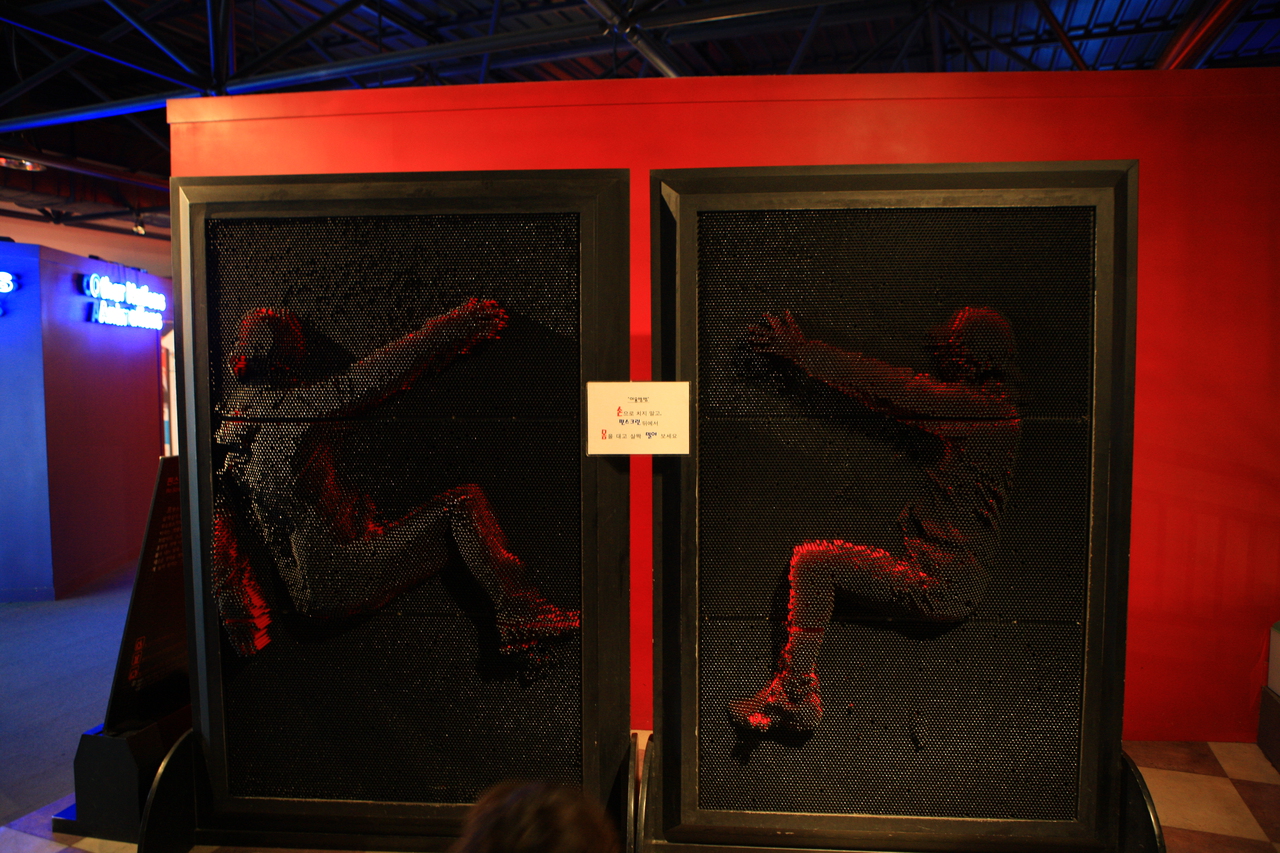
The larger draw for younger children is the free experience area on the grassy plaza. The organiser lists a large air-bounce structure, twelve kinds of eco-friendly wooden playgrounds, a retro arcade and an old-style stationery shop, all run as free booths. A separate AI Play Ground lets children create characters using AI tools, which ties the activity back to the festival’s animation theme. The organiser also describes character exhibitions, displays of work by regional creators, toy experience zones and a kids’ flea market, though the exact stall list varies year to year.
Because so much of the programme is visual and hands-on, you do not need any Korean to make a worthwhile visit with children. The trade-off is scale: this is a compact site with a five-hour operating window, so it rewards a focused half-day rather than a full day of wandering.
Programme and stage schedule
The confirmed structure for 2026 is the 11:00-17:00 operating window across October 3-5, with the headline performances — the magic show and the character sing-alongs — anchored on the opening day. A complete hour-by-hour stage grid for all three days had not been published when this guide was written. If you are travelling specifically for one act, such as a named YouTuber or a particular character show, check the festival’s official site or its Instagram for the daily timetable shortly before you go rather than assuming a set appears on a particular afternoon.
The practical reading of the five-hour window is that it does not stretch. With performances, the play zones and a meal, a family can fill the day, but there is no evening extension to fall back on if you arrive late. Treat 17:00 as a firm close and build the visit around the morning and early afternoon.
Tickets, the museum and what costs money
Entry to the festival — the grounds, the stages and the outdoor experience booths — is free. The part that costs money is the permanent attraction on the same site. The combined ticket for the Animation Museum and Toy Robot Studio is 7,000 won for individuals, 5,600 won for groups of twenty or more and 5,000 won for Chuncheon residents, with free admission for children under 24 months and several other categories. You can spend the day at the festival without ever buying that ticket, so treat the museum as an optional add-on rather than a gate fee.
One timing detail is worth checking if the museum interior is a priority. The museum’s normal schedule is 10:00-18:00 with last entry at 17:00, and it is usually closed on Mondays. Its own rules state that when a Monday is a public holiday the closure moves to the following day, and Monday October 5 is a substitute holiday — so during this festival the museum should be open all three days. Confirm on the museum’s page before relying on it, because holiday scheduling occasionally changes.
Getting there without a car
From Seoul the simplest route is the ITX-Cheongchun from Yongsan Station, which also stops at Cheongnyangni, to Chuncheon Station. Current timetables put the ride at roughly one hour fifteen minutes to one hour thirty minutes depending on how many stops the specific train makes; search your travel date on Korail rather than treating one figure as fixed. The all-stop Gyeongchun Line metropolitan subway from Sangbong is cheaper but noticeably slower, and intercity or express buses run from Dong Seoul terminal to Chuncheon as an alternative.
The catch is the last leg. Chuncheon Station and the downtown are on the eastern side of the city, while the Animation Museum sits in Seo-myeon, across Uiam Lake, so the venue is not within walking distance of the train. Transfer by city bus or taxi for the final stretch, and set the museum — not simply “Chuncheon” — as your destination in a map app on the day, since local routes and any festival diversions can change. No dedicated festival shuttle from the station had been announced when this guide was written, so do not build your plan around one.
Day trip or overnight
This festival is well matched to a day trip from Seoul. The rail leg is short by Korean-festival standards, and the 11:00-17:00 hours fit inside a single day with margin for the transfer and a meal. A realistic plan is a mid-morning train, the festival through the early afternoon, a late dakgalbi lunch or early dinner in the city, and an evening train back. Because the event closes at 17:00, you are not fighting a late-night return.
An overnight makes sense only if you want to pair the festival with more of Chuncheon — Nami Island, the Uiam Lake area or the downtown food streets — rather than for the festival alone. If you do stay over on this holiday weekend, book early, since October 3-5 is a busy travel period across the country. This guide does not recommend a specific hotel because none was independently checked.
Food nearby
The festival grounds will have their own food stalls, but the stall list, menus and prices for 2026 were not published in a form worth quoting, so treat on-site food as a convenience rather than a plan. For a verifiable local meal, Chuncheon has two dishes it is genuinely known for.
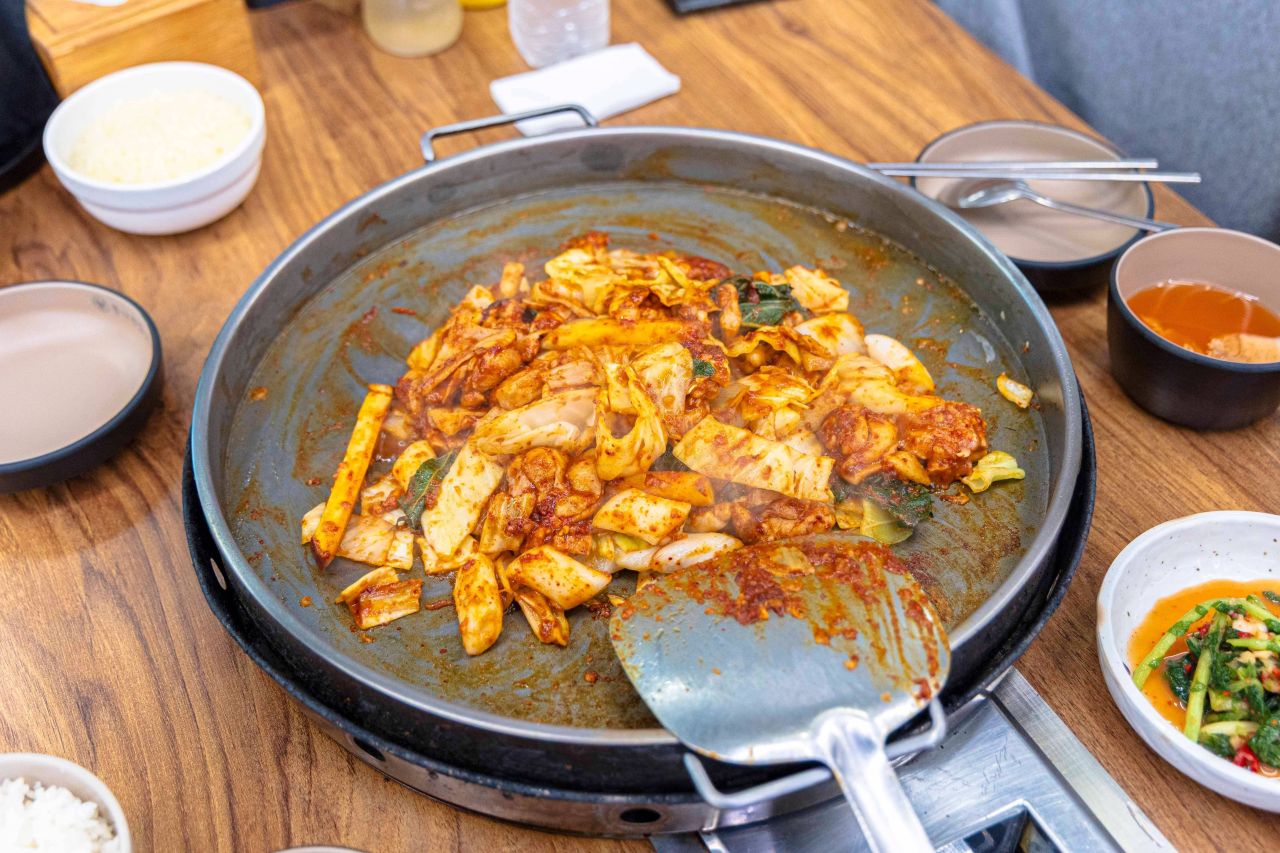
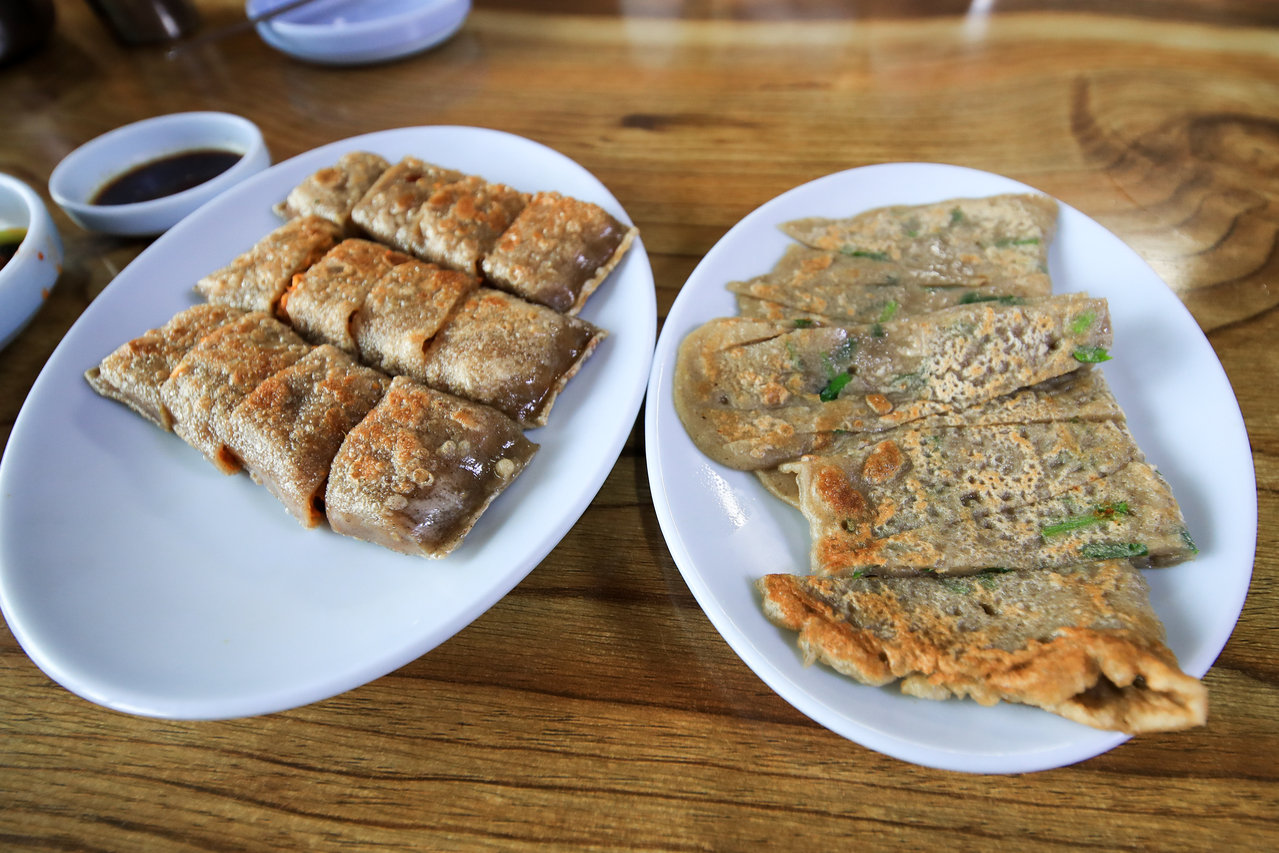
The first is Chuncheon dakgalbi (닭갈비), chicken marinated in a chilli-paste sauce and stir-fried on a hot plate with cabbage, sweet potato and rice cake. Chuncheon’s tourism office lists it as the city’s representative food, and the Myeongdong Dakgalbi Alley downtown is a cluster of restaurants that grew up around the dish from the 1970s-80s. The second is Chuncheon makguksu (막국수), cold buckwheat noodles served spicy or in a chilled broth, which the same tourism portal names as a second local specialty and which many dakgalbi restaurants serve as the noodle course. Both are city specialties recommended on their own merits — not a claim that either will be sold at the festival’s stalls.
Honest assessment
The strength of this festival is exactly what it says on the label: a low-cost, easy day out for families with young children, on a compact site, reachable from Seoul on a short train ride. The character sing-alongs, the AI play zone, the wooden playgrounds and the toy exhibits give small children plenty to do without any language barrier, and the free grounds admission means the only unavoidable cost is transport and food. Paired with a dakgalbi lunch, it makes a clean, self-contained day trip.
Its limits are just as clear. This is not a large or long festival — five daytime hours across a holiday weekend — and it is aimed squarely at younger kids, so adults travelling without children or anyone expecting a serious animation-industry programme or a headline concert will find it thin. The venue’s position across the lake from the station adds a transfer that catches people who assume the train drops them at the door, and the holiday-weekend timing means the busiest crowds of the year. Go for what it is, arrive near opening, and keep the plan to a focused half-day plus a meal rather than trying to stretch it to fill a full day.