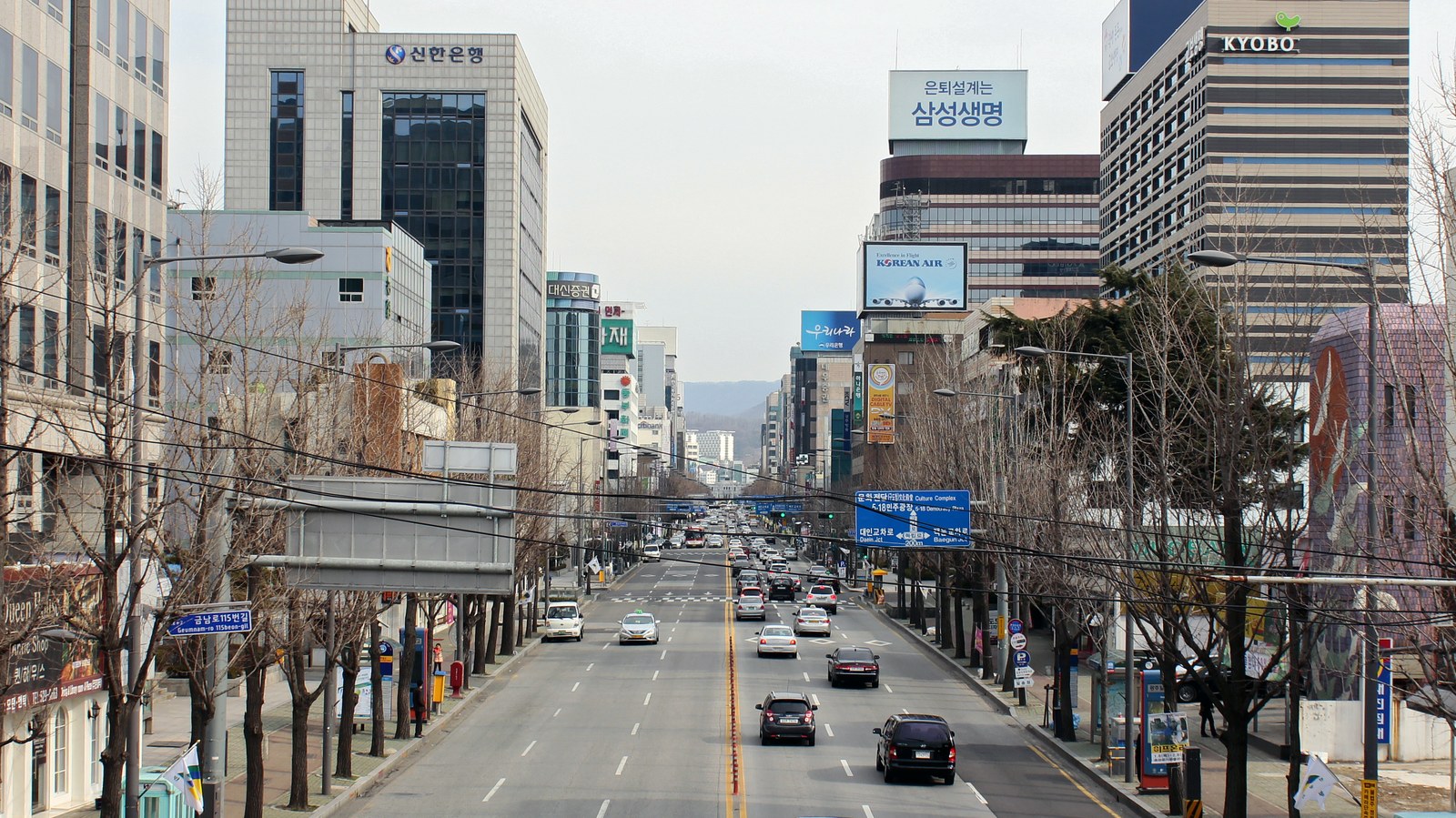
The Chungjang Street Festival of Recollection is Gwangju’s largest signature festival, and it is built around a single idea rather than a product or a season: memory. It began on Chungjang-ro, historically the busiest shopping street in the city’s old downtown, and it now spreads across Chungjang-ro, the wide avenue of Geumnam-ro, May 18 Democracy Square and the nearby Art Street. The Korea Tourism Organization calls it Korea’s first festival organised around the theme of nostalgia, and for 2026 the specific theme is “Songs of Recollection” — the music of past decades used as a way to connect generations.
Status as of October 5: the official site shows no postponement, cancellation or date change, and the opening is on schedule for October 7. Roads around the main stage are already closed to cars (details below).
For 2026 the confirmed dates are October 7-11, a Wednesday to Sunday. This is the 23rd edition. General admission is free, programme hours run 14:00-22:00, and the whole thing plays out on open city streets in Dong-gu rather than inside a fenced festival ground. That setting matters: the venue is a working downtown, and the festival’s own history is tied to it. Geumnam-ro and the square in front of the former South Jeolla Provincial Office — now the Asia Culture Center — were the centre of the 1980 Gwangju democratisation movement, and the festival is deliberately staged in that space.
What you actually do here
This is a walking-and-watching festival, not a single seated show. The programme is organised by day and by street, so the honest way to approach it is to pick the streets and the hours that match what you want, then move between them on foot. The main stage sits on Geumnam-ro; the participation zones, culture streets and market stalls fan out from there along Chungjang-ro and the side streets.
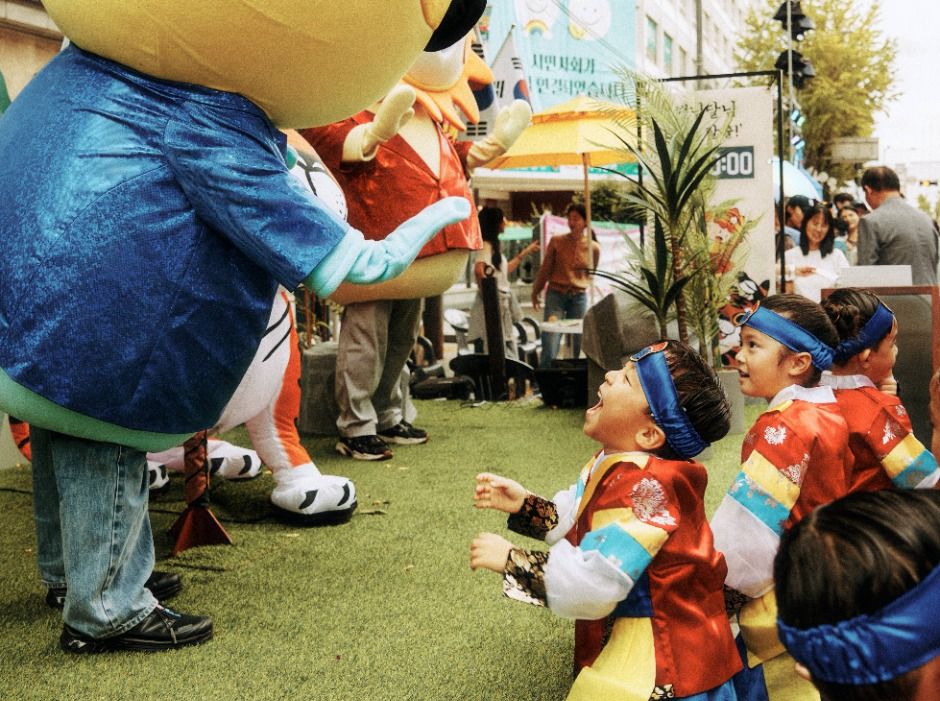
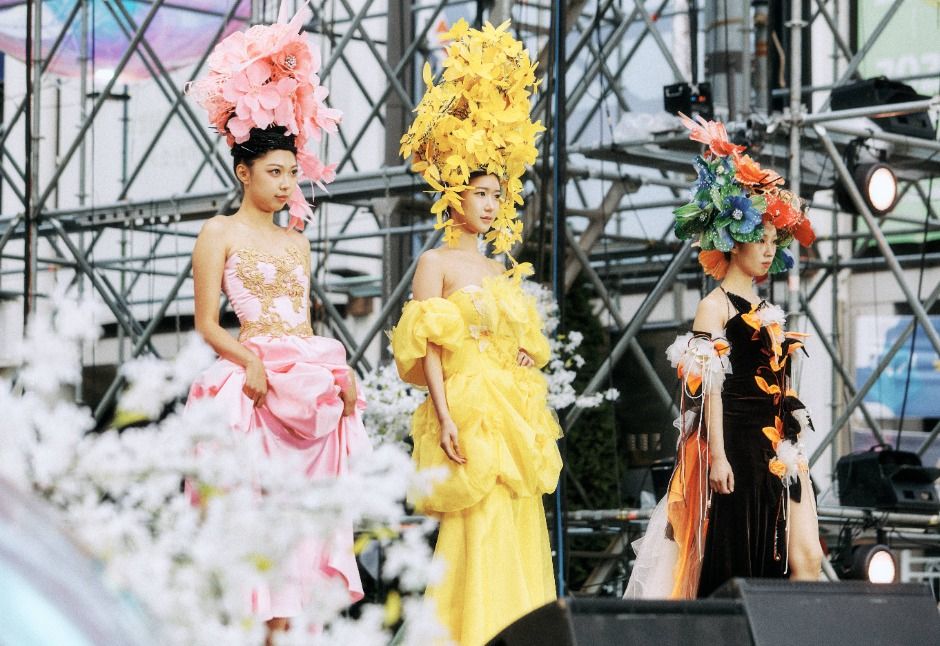
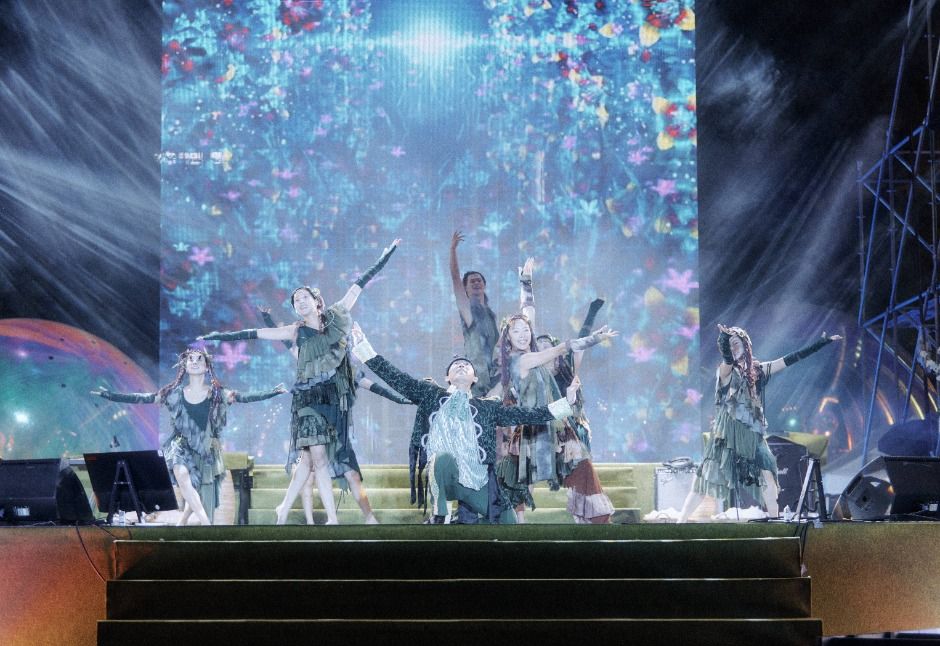
The confirmed 2026 building blocks include an opening show, a children’s programme, a youth dance event, a hanbok show paired with a K-beauty hair show, an Asia Culture Show and culture street, a rice-ball contest, several themed parades and a closing performance. Alongside the stages there are participation programmes — food trucks and rest zones, an administrative-district parade with symbol displays, a boxing event and a “Let’s Go! Just Dance” activity — plus a nostalgic-songs theme street and roving performers on the smaller Sinseoseok-ro, and street performances on Chungjang-ro and Art Street. The 5th Gwangju Busking World Cup runs as a linked event.
Because entry is free and the site is public, you can dip in and out. That is the festival’s real appeal for a foreign visitor: no ticket gate, no timed entry, and a compact downtown you can cover on foot between scheduled stages. The trade-off is that “there is always something on” is not the same as “the thing you wanted is on now.” Check the day-by-day schedule first.
Programme and timetable
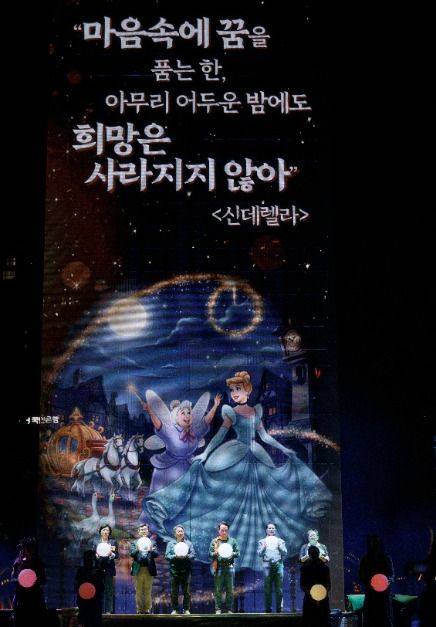
The official site publishes a genuinely useful day-by-day grid for 2026, and the anchor events are worth planning around. October 7 (Opening Day) is headlined by the opening show on the main stage in front of the Jeonil Building 245 from 19:00 to 21:30; press coverage describes it as a five-part show that opens with an aerial “Sky Band” act on crane lifts, continues with singer Kim San-ok and ends with the rock band YB. October 8 (Generation Empathy Day) runs a children’s festival in the afternoon (13:30-15:30), a youth “Chungjang Dance Festa” from 16:00 to 18:00, and the Chungjang Glow Night on the main stage from 19:00 to 22:30 — the latest-running event of the festival. Hyun Jin-young is reported as judge and performer at the dance event, and Park Nam-jung and Woo Yeon at Glow Night, alongside DJs.
October 9 (Asia Culture Day) is the international day: a hanbok show and K-beauty hair show from 14:00, an Asia Culture Street on Geumnam-ro 2-ga from 14:00 to 19:00, an Asia Culture Show in the early evening, and the Chungjang W Parade along Geumnam-ro from 20:00 to 22:00. October 10 brings the Gwangju rice-ball contest, “Uniting Namdo,” in the afternoon, then the Chungjang K Parade (17:00-19:00) and the Chungjang O Parade (19:00-22:00). October 11 closes with the Golden Parade (18:00-20:00) and a closing show from 20:00 to 21:00, which press reports say Park Mi-kyung will headline. Pressian’s October 4 preview adds that the W Parade brings 13 teams from countries including Singapore, the Philippines, Japan, Taiwan, Indonesia and Mongolia, and that the K and O parades involve 19 teams from around Korea plus residents of Dong-gu’s 13 neighbourhoods. A Dong-gu mayor’s cup boxing event is staged on a special stage in front of the fountain at May 18 Democracy Square.
Two practical notes. First, the parades are the festival’s signature and they are almost all in the evening, several running to 22:00 or later — plan your night around them, not your afternoon. Second, times can still shift at short notice. The grid above matches the official site on October 5, but if a specific act is the reason for your trip, check the site again on the day rather than trusting a news report.
Getting there without a car
From Seoul, the simplest route is the Honam-line KTX from Yongsan Station to Gwangju-Songjeong Station. Current schedules put the trip at roughly 1 hour 40 minutes to 1 hour 50 minutes, with departures through the day; individual trains vary with their stops, so check the exact service in Korail for your date. Gwangju-Songjeong is the high-speed terminus, but it is in Gwangsan-gu on the western edge of the city, not downtown — you still need a second leg.
That second leg is easy, which is unusual for a Korean regional festival. Gwangju-Songjeong Station is also a Gwangju Metro Line 1 station, and the festival area sits on the same line: ride east to Culture Complex station, which opens onto the Asia Culture Center and May 18 Democracy Square at the downtown end of Geumnam-ro. It is a single line with no transfer, about 13 stops. From the station exits you are already inside the festival footprint.
Intercity and express buses from Seoul are an alternative, arriving at Gwangju’s U-Square terminal in Gwangsan-gu; from there you again transfer by bus, metro or taxi to the downtown. For most visitors the KTX-plus-metro combination is the cleaner option, and it removes the need to drive into a downtown that will have road closures for the parades. If you do drive, see the closures and car parks below.
Road closures and parking (announced early October)
Dong-gu began closing roads before the festival. Per the district notice as reported by several Gwangju papers, Geumnam-ro between the Jeonil Building 245 and Geumnam-ro Park is closed to all vehicles from 15:00 on October 4 until 06:00 on October 12, and runs as a car-free street. The parade stretch at Geumnam-ro 4-5-ga is partly closed from 23:00 on October 8 to 22:00 on October 11, with one or two lanes each way kept open for residents. The Art Street, the Asia Culture Center and Chungjang-ro 4-5-ga are closed in stages according to the programme. Bus stops post diversion notices, so a bus that normally passes Geumnam-ro may be rerouted.
The festival’s official parking page lists more than 1,000 spaces in free and discounted lots around Dong-gu, including the Dong-gu Office lot on Seonam-ro. Some lots are free only on particular days or hours, and the discounted lots (20-30% off) are private car parks near Geumnam-ro 4-ga station and the Art Street. The page gave no shuttle-bus information, and the district itself is urging visitors to use public transport, so the KTX-plus-metro route above remains the easier plan.
Food on site and the local table
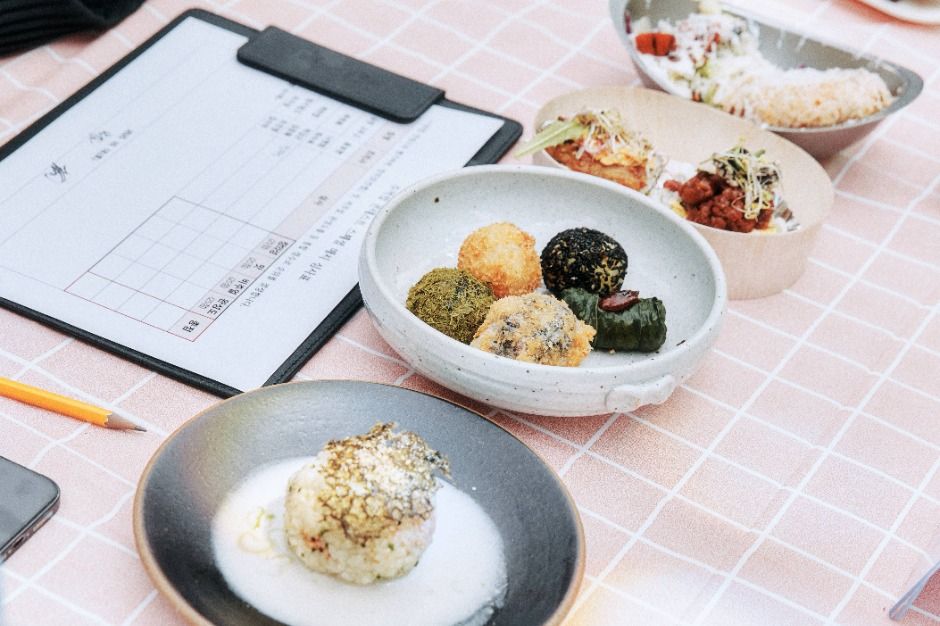
Food is part of the festival by design. The Korean listing describes food trucks and rest zones on Geumnam-ro, and October 10 features the Gwangju rice-ball (“jumeok-bap”) contest, presented under the banner of Namdo — the southwestern region — cuisine. The KTO listing is explicit, though, that its detailed food description still reflects the 2025 edition while the 2026 offering is being updated, so this guide will not name a specific 2026 stall, dish or price. Treat on-site food as a convenience, and eat before the most crowded evening parade window if a proper meal matters.
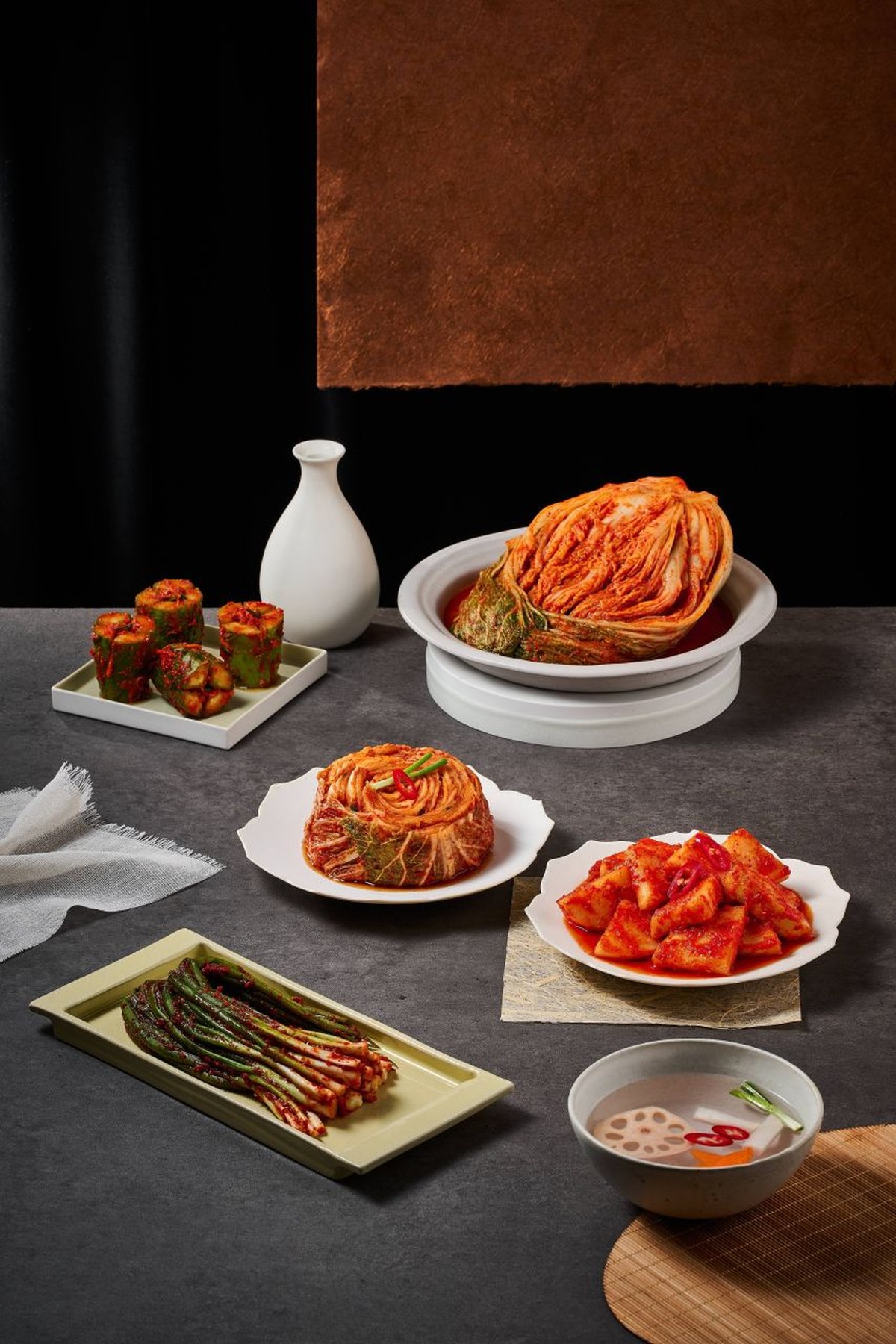
For a documented local meal away from the temporary stalls, Gwangju has a genuine food identity. The city’s tourism office lists Gwangju kimchi as a representative product, and Gwangju leans into that reputation with an annual kimchi festival and a dedicated Kimchi Town. The other headline specialty is the Mudeungsan watermelon, a large, thick-rinded fruit grown on the mountain’s slopes whose season overlaps the festival dates — though it is niche and expensive, so do not expect to trip over it. These are regional recommendations for a sit-down meal or a market, not claims about what the festival stalls will sell.
Day trip or overnight
A Seoul day trip genuinely works here, more so than for most festivals on this site, because the transport is fast and the venue is right at a metro station. If your interest is the daytime shows, the culture streets and an early-evening walk, you can be down and back in a day. The catch is the same as everywhere: the best content — the opening show, Glow Night and the parades — is after dark. A same-day return leaves little margin once you factor in the last convenient KTX from Gwangju-Songjeong and the metro ride back out to it.
If a parade or the closing show is the point of the trip, stay one night in central Dong-gu. That puts you within walking distance of Geumnam-ro, Chungjang-ro and the square, lets you watch a late parade without clock-watching, and gives you the old downtown’s restaurants and cafés on your doorstep. This guide does not recommend a specific hotel or quote prices, neither of which was verified.
Honest assessment
The strength of this festival is its setting and its openness. It is free, it is on real city streets, and it is one of the easiest Korean festivals to reach from Seoul without a car — KTX to a metro that drops you at the front door. The parades and the evening stage programme give it genuine spectacle, and the downtown location means the festival flows straight into the city’s shopping streets, the Asia Culture Center and a serious piece of modern Korean history at May 18 Democracy Square. For a visitor who likes an urban, people-watching kind of event, that combination is hard to beat.
The weaknesses are the flip side of the same coin. “Downtown streets over five days” means the programme is spread out and the crowd is concentrated onto a compact corridor during the evening parades — this is not a quiet or a nature outing, and it rewards planning over wandering. The most-searched question every year is the singer line-up. For 2026 it is now public, with YB on opening night and Park Mi-kyung at the close, but the festival is built around the streets and parades rather than any one concert. Go for those and for the free, easy access, and treat a headline act as a bonus.