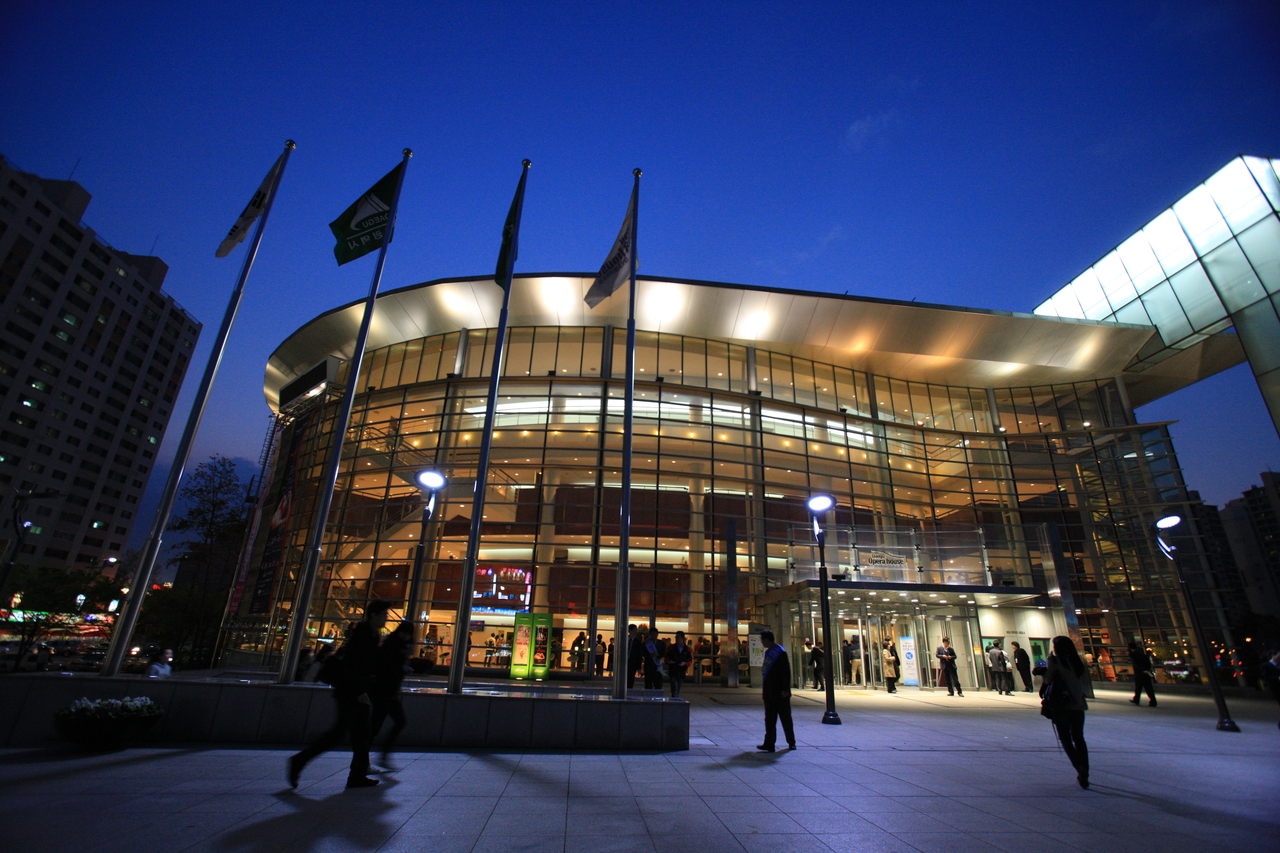
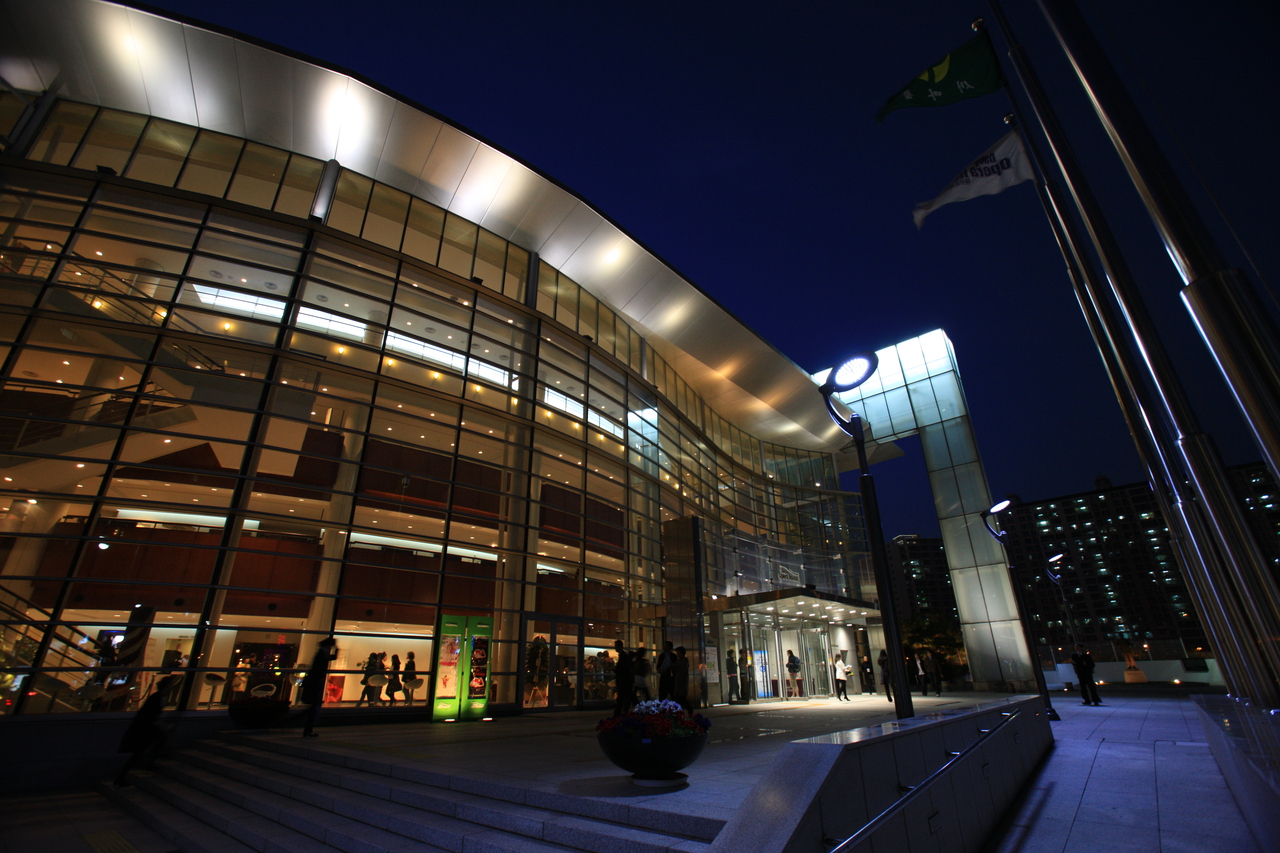
The Daegu International Opera Festival is Korea’s longest-running dedicated opera festival, and 2026 is its 23rd edition, running October 2-31. The important thing to understand before planning anything is that this is not a festival with a single ground you walk into. It is a month-long programme of staged operas and concerts sold performance by performance, and for 2026 it is unusually scattered: the Daegu Opera House, its normal home in Buk-gu, is being renovated, so the organisers have pushed the festival out across the city under the slogan “Bravo Daegu, Viva Opera.”
That change is the defining feature of this year. Instead of one building, the 2026 venues include the Kolon Outdoor Music Hall in Duryu Park, Suseong Artpia, the Daegu Culture and Arts Center, the Daegu Student Culture Center and Ayang Art Center. The festival frames this as “opera for everyone,” using the renovation year to bring the art form into neighbourhood halls and open air. For a visitor, the practical translation is simple: your ticket tells you which district to go to, and different performances are in different places on different nights.
What you actually do here
You go to a performance. This is a sit-down, ticketed arts festival built around full-length operas, not a strolling event with stalls and street food. The programme mixes international repertory staples with Korean creations, and the single most accessible piece is the opener.
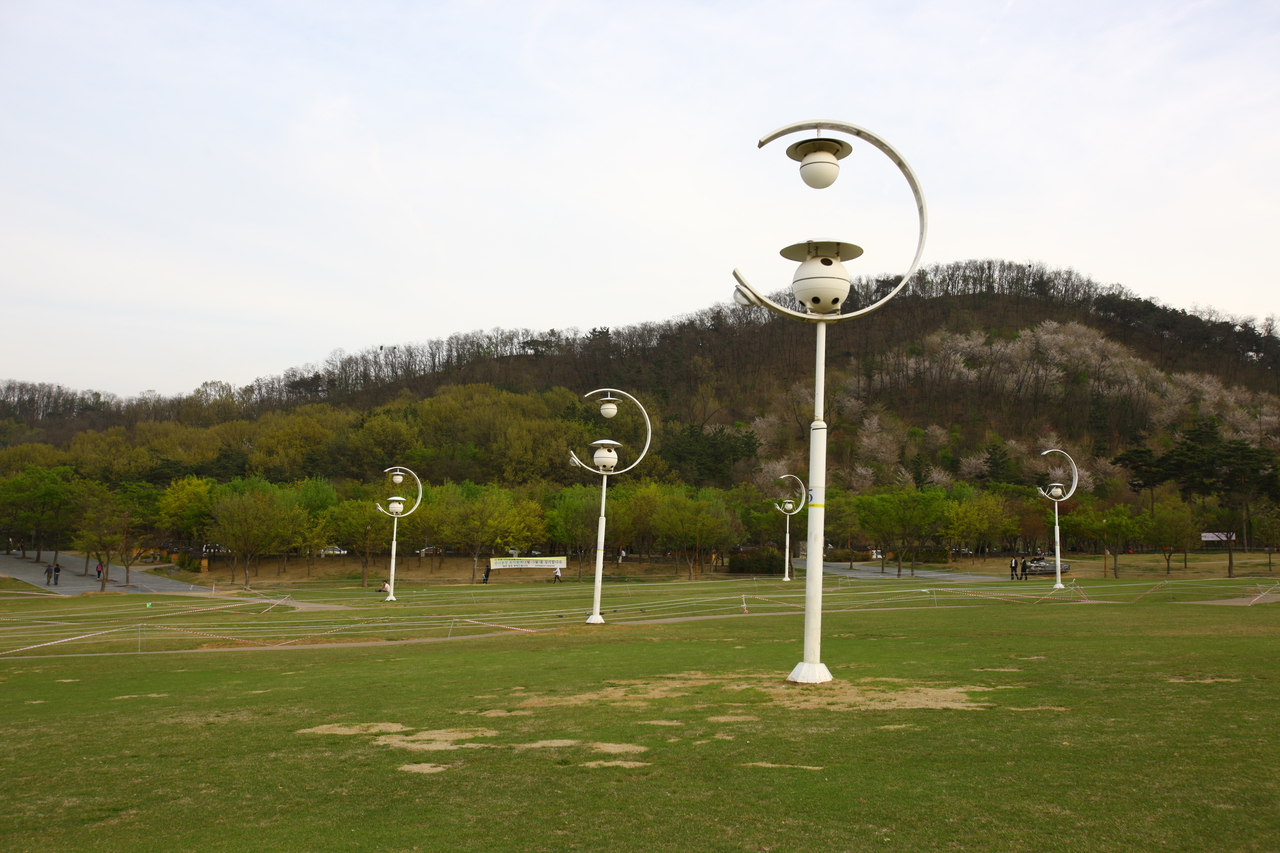
For the first time in the festival’s history the opening work is staged as an outdoor concert opera: Bizet’s Carmen, at the Kolon Outdoor Music Hall on October 2 at 7:00 pm, with a second performance on October 3. It is announced as free, with all seats reserved in advance, and it is conducted by Yang Jin-mo. At the pre-festival press conference the production’s Carmen, mezzo-soprano Kim Jung-mi, and its Escamillo, baritone Oh Seung-yong, performed the best-known arias — the “Habanera,” the “Toreador Song” — which is a fair signal of what the free opening night offers: the popular numbers of one of the most approachable operas ever written, outdoors, at no cost.
If you have never sat through an opera, the opening concert and the lighter productions are the sensible entry points. If you already follow the art form, the draw is the range across the month rather than any one gala.
The five main operas
The 2026 edition is organised around five principal operas, and they are deliberately varied in tone and difficulty.
Carmen is the free outdoor opener described above. Turandot is presented as a family-oriented production developed with the Italian company AsLiCo, part of a strand aimed at children and first-time audiences rather than a full grand-scale staging. The Magic Flute, Mozart’s fairy-tale opera, is the accessible classic of the group. Yangchon-ri Love Scandal takes Donizetti’s comedy L’elisir d’amore and resets it in a Korean rural village — a deliberate attempt to lower the psychological barrier to opera by putting a familiar setting on stage. The closing work, The Beauty (미인), is a world-premiere Korean commission by composer Jin Young-min, inspired by the classic painting Portrait of a Beauty.
Two things follow from this. First, the festival is not only imported European repertory; two of the five works are Korean-created or Korean-adapted, which is unusual and is part of why it markets itself as more than a museum of the canon. Second, because each opera is a separate ticketed event on specific dates, you cannot see “the festival” in one visit — you choose one or two productions and build the trip around them.
Tickets, fees and booking
Admission is genuinely mixed, so it is worth being precise. The opening Carmen is free, but not walk-up: every seat is reserved in advance through the Daegu Opera House website, so a free ticket still requires planning around the release. The main indoor operas are paid. A press summary of the programme put seats in an approximate 20,000-30,000 won range, with several productions around R 30,000 / S 20,000, which is inexpensive by the standards of full opera. Because that figure came from a single summary rather than a per-performance price list, treat it as indicative and check the exact price for the specific date and hall when you book.
Booking runs through the NOL Ticket call centre on 1661-5946 and the Daegu Opera House website; the same site is where the free Carmen reservations are handled. There is no single all-access festival pass implied by any source here, so plan on buying each performance you want separately. If a particular production is your reason for travelling, book it before arranging trains and rooms rather than after.
Getting there without a car
From Seoul the fast option is KTX from Seoul Station to Dongdaegu Station, roughly 1 hour 40 minutes; individual trains vary, so use the exact time Korail shows for your date. Dongdaegu is Daegu’s main intercity hub and connects to the city’s urban railway (metro), which is the natural way to reach most venues, with taxis widely available as a backup.
The catch specific to 2026 is the spread of venues. The Kolon Outdoor Music Hall sits in Duryu Park in the west of the city; Suseong Artpia is out toward Suseong-gu in the east; other halls are in other districts again. There is no one “festival stop.” Before you travel, look up the individual venue named on your ticket and plan the last leg from Dongdaegu to that specific hall, rather than navigating to the Daegu Opera House, which is not where the performances are this year.
An intercity or express bus from Seoul to Dongdaegu bus terminal is the alternative, but it is slower than the KTX and still leaves you with the same in-city transfer, so the train is usually the better choice for an evening performance.
Food on site and nearby
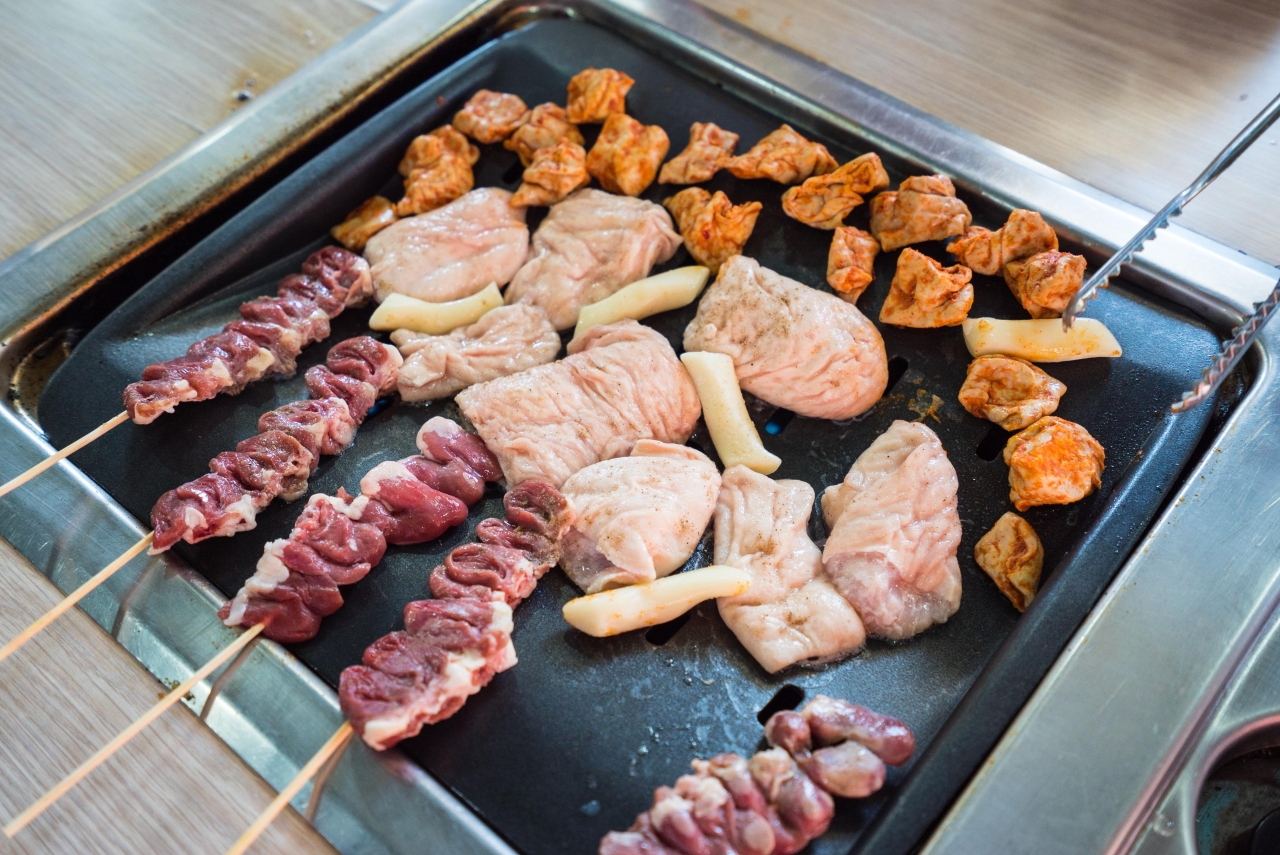
This is a performance festival, not a food festival, so do not plan to eat “at the festival” — plan to eat near whichever venue you are visiting. Daegu is a good city for that. Its signature dish is grilled intestines, makchang: charcoal-grilled pork or beef large intestine, usually eaten with a light dipping sauce and greens. The Korea Tourism Organization’s food pages list Daegu grilled intestines (daegu makchanggui) as a city specialty, and the style of grilling intestines this way is documented as having started in Daegu before spreading nationwide.
The most famous place to try it is Anjirang Gopchang Alley in Nam-gu, a street that filled up with grilled-intestine restaurants one copycat at a time until the whole block specialised in it. It is a Daegu food destination in its own right and reachable by metro. This is a regional recommendation about the city, not a promise about what any opera venue will serve.
Honest assessment
The strength of this festival is clarity of purpose and, this year, unusual accessibility. It is a real, long-established opera festival with a coherent five-opera spine, and the 2026 renovation year has produced two things a traveller can genuinely use: a free, outdoor opening of one of the most popular operas in the repertory, and a set of indoor tickets priced low enough that opera stops being a luxury purchase. The programme is also more than borrowed European classics, with Korean-created and Korean-adapted works in the main line-up.
The weakness is the same scattering that makes the accessibility possible. There is no single site to wander, no all-day grounds, and no all-access pass; you are committing to specific performances in specific halls across a large city, and getting the venue wrong is an easy mistake in the one year the festival is not at the opera house. It rewards planning and punishes turning up on spec.
So the fair recommendation is this: if you want opera or a free flagship concert, target the outdoor Carmen on October 2-3, or pick one of the five productions by date and book it, then build the trip — KTX to Dongdaegu, metro to the correct venue, a makchang dinner nearby — around that fixed point. If you were hoping for a festival ground to browse, this is not that, and it is better to know before you buy the train ticket.