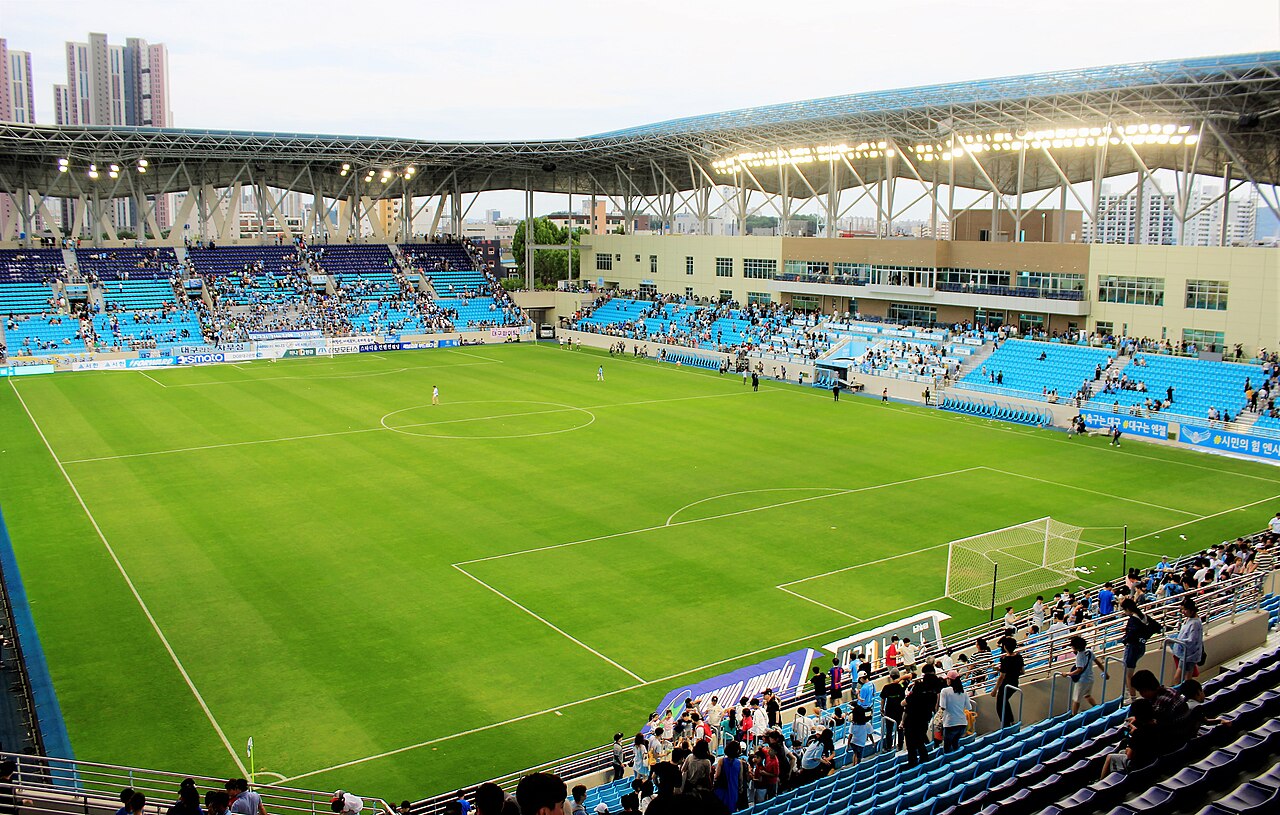
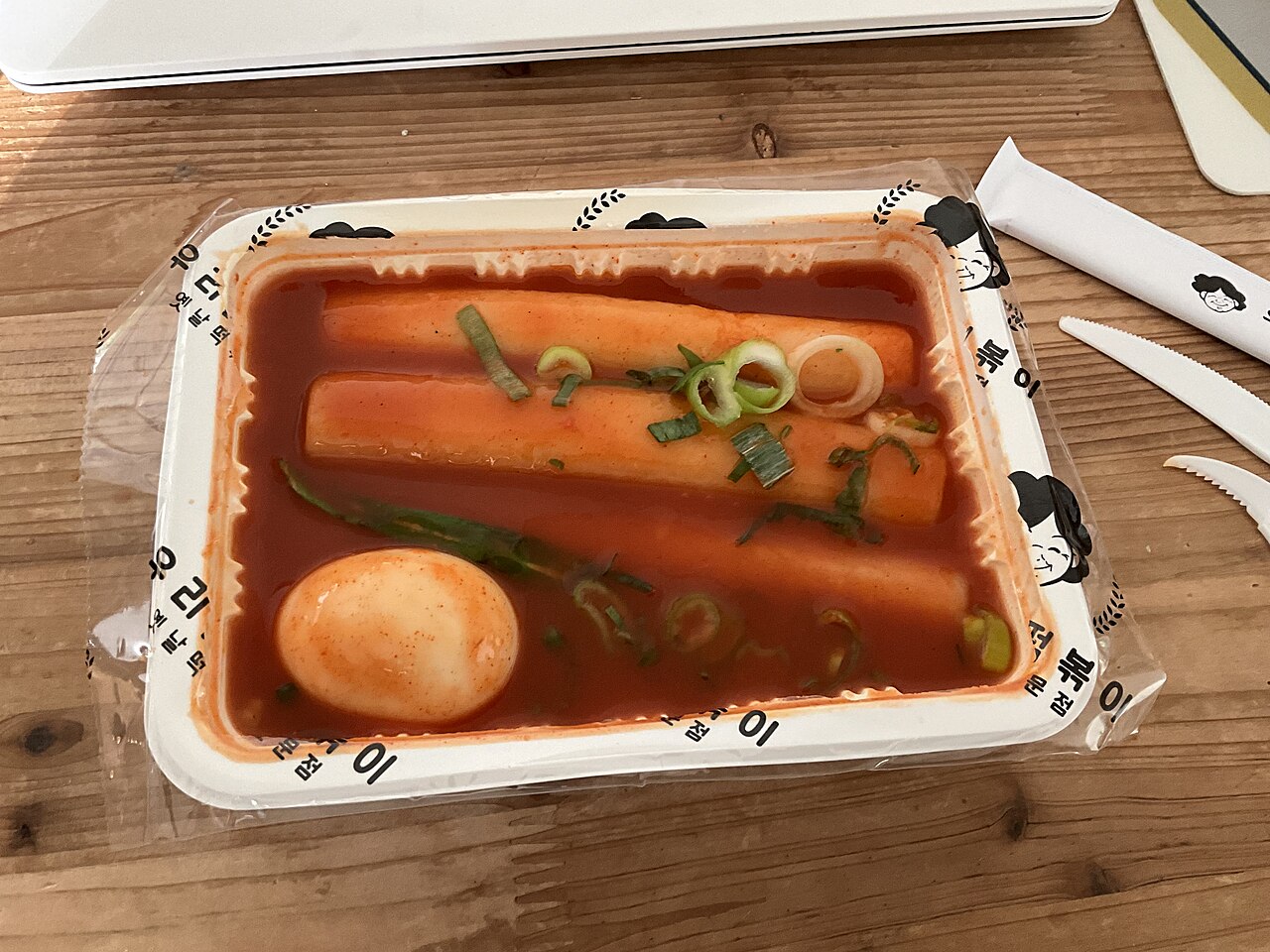
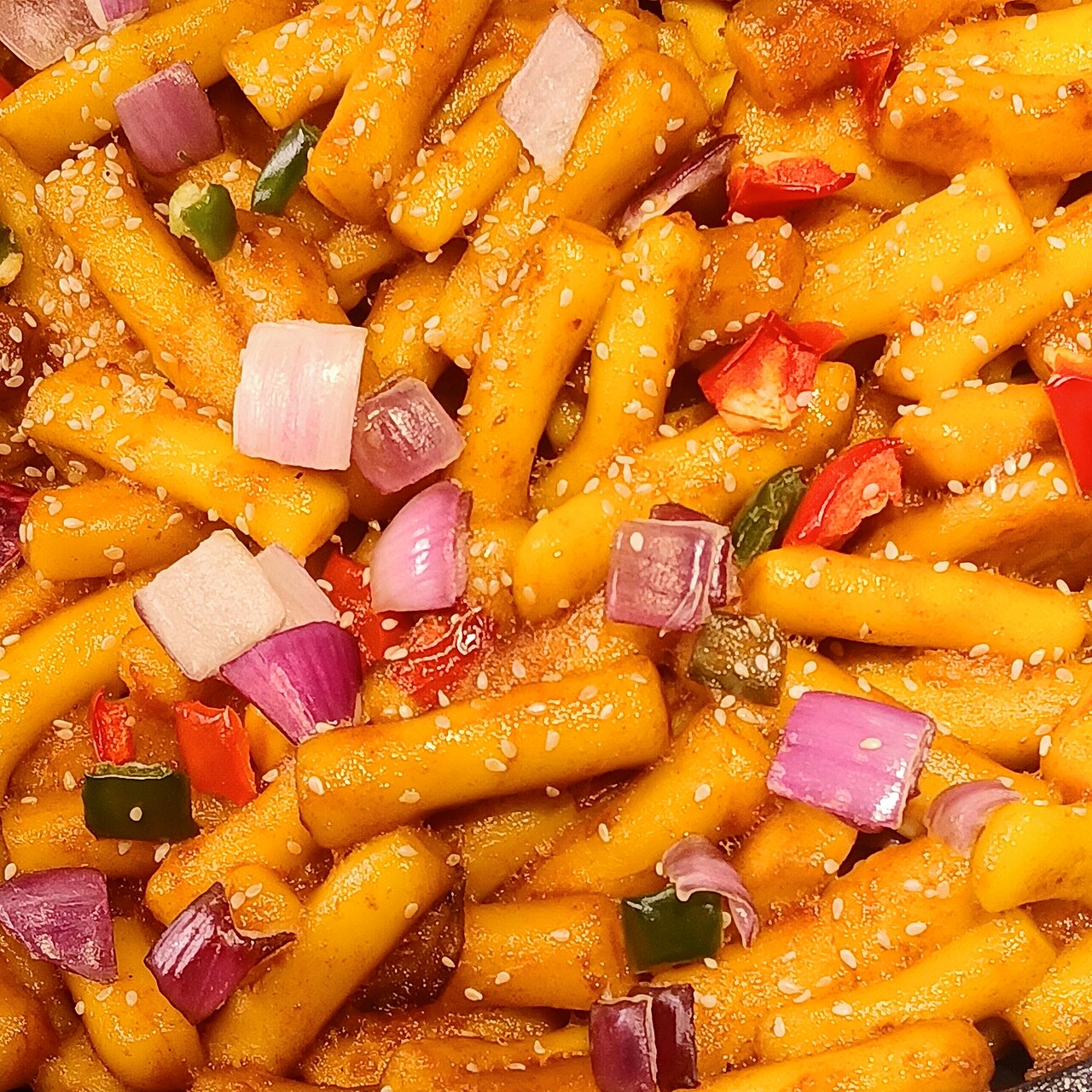
Tteokbokki, chewy rice cakes simmered in a sweet, hot chilli sauce, is a staple Korean snack. Korea.net traces Daegu’s reputation for it to the eateries that opened in front of schools in the 1960s and 70s, and Daegu’s Buk-gu district has turned it into a festival. The 6th edition runs 23-25 October 2026 (Friday to Sunday) in and around Daegu iM Bank PARK, the football stadium at 191 Gosung-ro. The district office is the organiser, and the festival is free to enter.
The festival has no formal English title. Korea.net and The Asia Business Daily call it the Tteokbokki Festival, and food guides add “Daegu”; this guide uses the same wording rather than inventing a translation. The ‘iM Bank’ in the venue name is a sponsor’s name and has changed before: older reports call the same ground DGB Daegu Bank Park.
Buk-gu describes this year’s format as a “3 no’s, 3 yeses” festival. The three things taken away are an official opening ceremony, celebrity performances and waiting lines; the three added are cross-generational appeal, participation and support for local businesses. Treat the no-queue part as an ambition. It is the organiser’s own wording, and how it will work at the stalls had not been explained in anything this guide could read.
What you actually do here
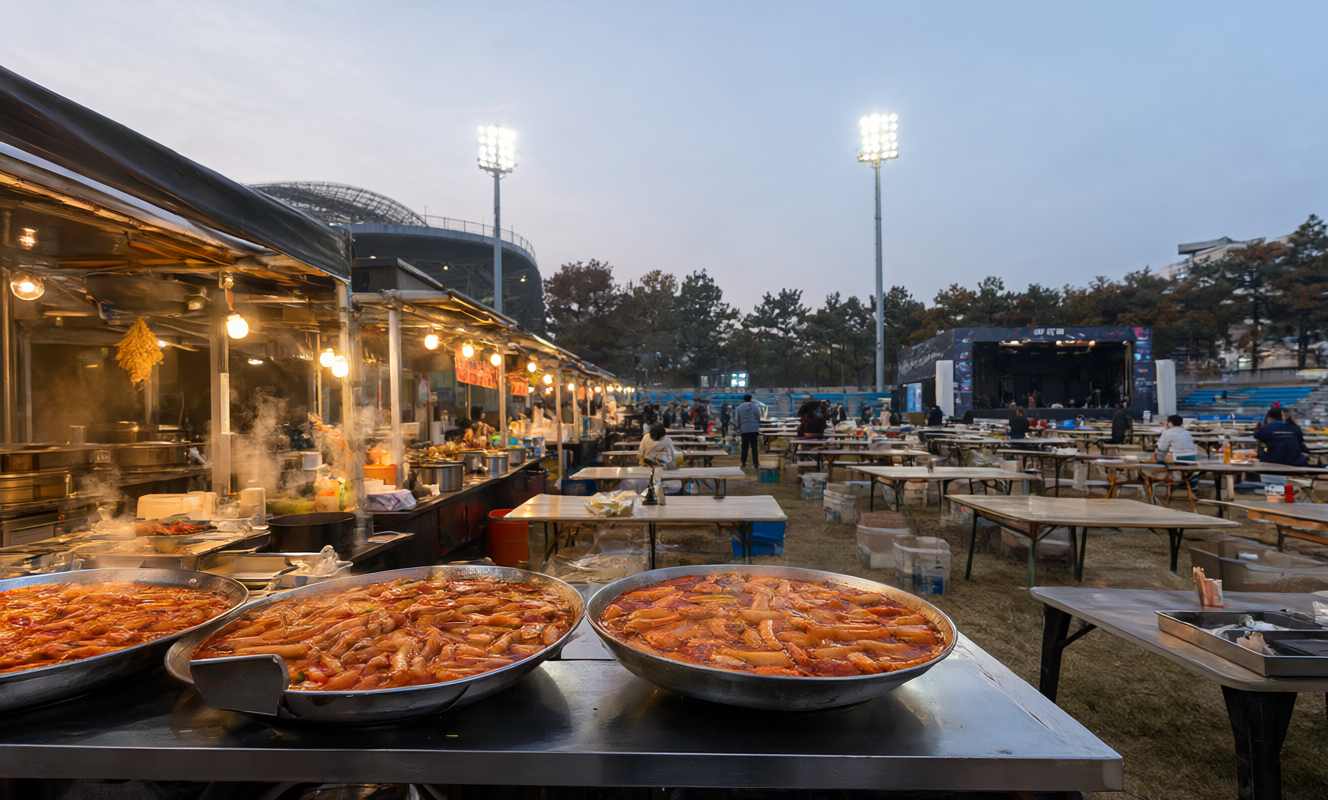
The core of the festival is a food zone where vendors from across Korea serve their own tteokbokki. Buk-gu Office announced that 37 vendors from nine provinces and cities were selected from 85 applicants after an evaluation of brand strength, menu distinctiveness and online reviews. By its count, 19 are returning from earlier editions and 18 are new. The split by home region is 15 from Daegu, 8 from Seoul, 3 each from Gyeonggi, North Chungcheong and North Gyeongsang, 2 from Busan, and 1 each from Incheon, Gangwon and Jeju. Daegu’s own vendors include one with a 54-year history, and some menus use local ingredients such as makchang (grilled pork intestine) and dried radish greens.
Beyond eating, the programme is built around the idea that “tteokbokki is the celebrity and the visitor is the star”. Korean press describes a main stage with a radio-style show built around visitors’ tteokbokki stories, an amateur singing contest and a tteokbokki OX quiz, plus a smaller busking stage with balloon shows, magic and clown acts. Most of this is in Korean, so it is entertainment you watch rather than follow.
Programme and timetable
Participation programmes are the part worth planning around:
- Tteok Road, a five-mission trail covering cooking tteokbokki, spotting hidden images, matching brands and answering trivia. Completing the stages earns a certificate and a souvenir.
- A royal-court tteokbokki cooking experience, a hands-on class on the court version of the dish.
- A tteokbokki “world tour” using toppings from other countries, which is also how the festival’s international theme is presented to visitors.
- A giant photo zone with a 3.5-metre version of the festival mascot, Ppo-gi, and a goods shop with 30 limited character items.
- Ppo-gi Land, an indoor children’s play area in the municipal gymnasium with six play spaces divided by age and rest areas for guardians. Other family offerings include comics, a drawing market, face painting, caricatures and an AR character experience, plus a “play lab” with a 3D immersive-media quiz.
- Smaller extras listed in the district’s announcement: a free screen-shooting corner, a cooking-education session on lower-salt, lower-sugar dishes, and experience booths run by Seoul City, the food-safety ministry and the organising committee of the World Shooting Championships.
Two items needed advance sign-up: the “Daegu Taste Map” promotion, in which part of what you spend in Daegu is returned as tteokbokki coupons (registration deadline 18 October), and the amateur singing contest (deadline 19 October). Other listings also name a “Tteokbokki Night” programme, a red-flavour lucky draw and a K-Tteokbokki cooking contest, but none of the Korean sources read for this guide gave their days or times. An English-language food guide describes the evening side as DJ sets, K-pop sing-alongs and disco time, again without hours. A day-by-day schedule should be on the festival’s own site, which blocked automated reading.
Tickets, fees and booking
There is no admission charge, and you do not need a reservation to walk in. Costs come from what you order. Last year’s report described a QR-code system for ordering and paying, set up at a check-in booth, and noted that some older visitors found it hard to use; the 2026 payment method was not confirmed. If you need to pay in cash or by card, check the festival’s notices before you go. For other questions, listing sites give the Buk-gu Office number as 053-665-2795.
Getting there without a car
From Seoul, a KTX to Daegu or Dongdaegu Station takes roughly 1 h 40 m to 2 h depending on the train, according to a Korail ticket distributor’s timetable. Check the exact train in the Korail app, because stopping patterns vary.
From the city, the nearest subway option is Line 3’s Bukgu-cheong Station, about a 17-minute walk from the stadium. Buk-gu says a shuttle runs between its Sangyeok building and the festival from 13:00 to 21:00 on all three days, and a newspaper report said Buk-gu raised the number of runs from two to four (the report did not say per hour or per day). Buk-gu also said it was considering extra runs between Daegu Station and the venue, but I could not find that confirmed. A taxi tie-in service is listed as well. If you take a taxi, set the destination as “대구iM뱅크PARK” or the Gosung-ro address.
Parking, shuttles and traffic control
A temporary car park operates in Chilseong-dong. A local newspaper criticised the absence of any regional shuttle for the festival. Buk-gu answered that its limited budget made a regional shuttle or demand-responsive bus unrealistic this year and said it would consider one for next year. No source gave the size of the Chilseong-dong lot, so do not count on a space; the shuttle and the subway are the safer plan. No road closures or traffic-control notices were found in the sources read.
Day trip or overnight
Daegu is close enough for a day trip, since the one-way journey is under two hours. This guide does not name a last train home, because the festival’s closing time was not confirmed: an earlier check of listing sites gave a start around 11:00 and an end of 21:00 or 21:30, but this time no source repeated those figures, so treat them as unverified. The shuttle’s 13:00-21:00 window is the only time range that every source agrees on. Check the Korail timetable for your own date before choosing between a day trip and a night in Daegu. Hotel availability and prices were not checked.
If you are staying the weekend, Daegu’s Dong-gu district runs its own Makchang Festival on 23-24 October at Dongchon Amusement Park, built around grilled pork intestines, with cooking contests, cooking experiences and an exhibition on the dish’s history. The district’s call for vendors asked for about 14 sales teams. It is in a different district and does not run on Sunday, so it suits a Friday or Saturday more than the festival’s last day.
Food on site and nearby
The festival’s food is the point, so eat there. Korean reports name some of the vendors: Seoul’s Wangsimni Alligator Tteokbokki and Tteoksan, Incheon’s Daewang Pan Tteokbokki, Yeongju’s Rantteok, Busan’s Darijip (described as 45 years old), Jeju’s Myeongrang Snack, and from Daegu Banhalmantteok, Beomgatgan and Simba Tteokbokki. Some regional versions use red crab, bean sprouts, makchang and seasoned radish greens. The district also appointed the chief executive of the Dookki tteokbokki chain and a creator known as Tteokbokqueen as ambassadors, and a Korean report says the creator has an exclusive menu at the festival. Menus and prices were not published.
On safety, a Buk-gu inspection of 40 restaurants near the site was scheduled for 14-16 October, and health officials plan on-site checks during the festival. A separate report counted 50 participating booths in total, more than the 37 tteokbokki vendors, without saying what the others are.
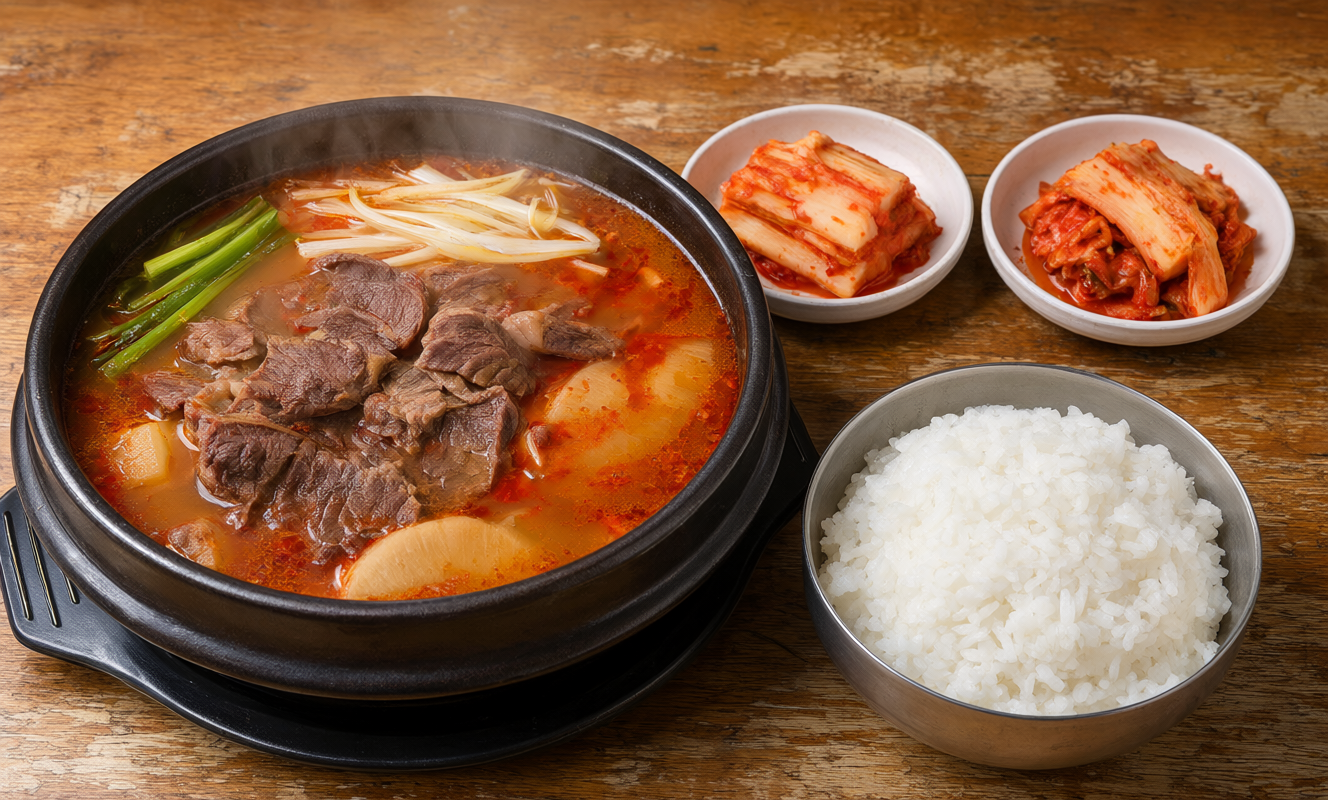
For an unrelated Daegu meal away from the stalls, Korea’s official tourism site describes ttaro-gukbap as a Daegu speciality, a beef bone soup with the rice served separately. It is a restaurant dish, not something the festival has said it will serve.
For scale, the 2025 festival had 29 tteokbokki vendors, 10 food trucks and 8 other food booths, and about 2,700 seats, 800 more than the year before. Korea.net reported about 130,000 visitors over the two days of the 2024 edition. Take those as an indication of how busy it can get, not as a forecast for 2026.
Honest assessment
This is a good festival if the main plan is to eat a lot of tteokbokki in an informal setting and see how different regions make the same dish. The district selected its vendors by evaluation rather than open sign-up, which gives the line-up more focus than a casual street-food event. Entry is free, and the mission trail and play area give families and first-time visitors something to do beyond queuing.
Its limits are practical. Most of the stage programme is in Korean, and what foreign visitors can expect on site is not documented beyond the names of a global lounge and zone. Queues for the best-known vendors were long in 2025, the organisers’ no-queue goal is unproven, payment may again be app-based, and the lack of a regional shuttle puts the weight on the subway and a 17-minute walk. The food is also spicy by default. Go for the eating, go early, and treat the programme as a bonus.