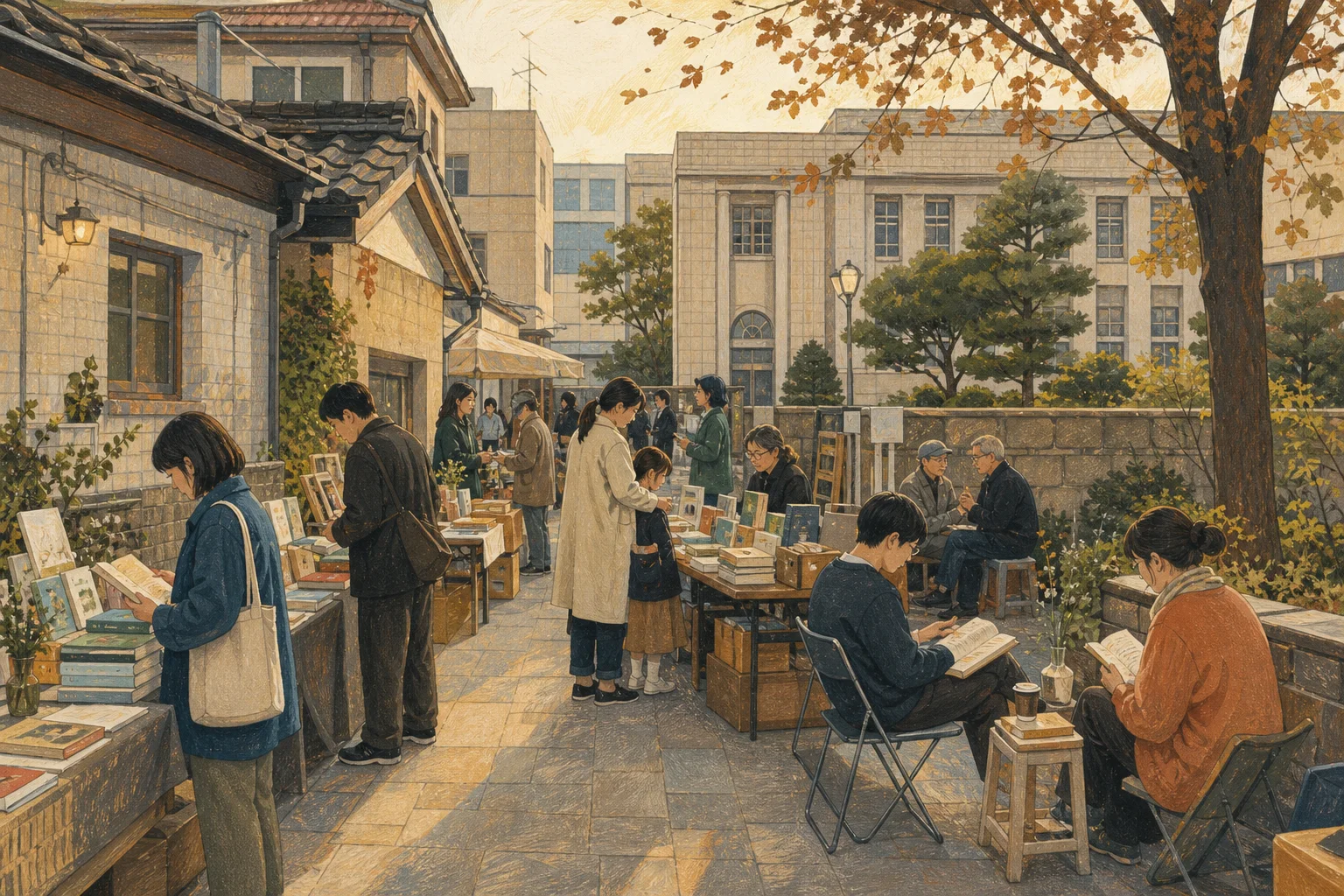
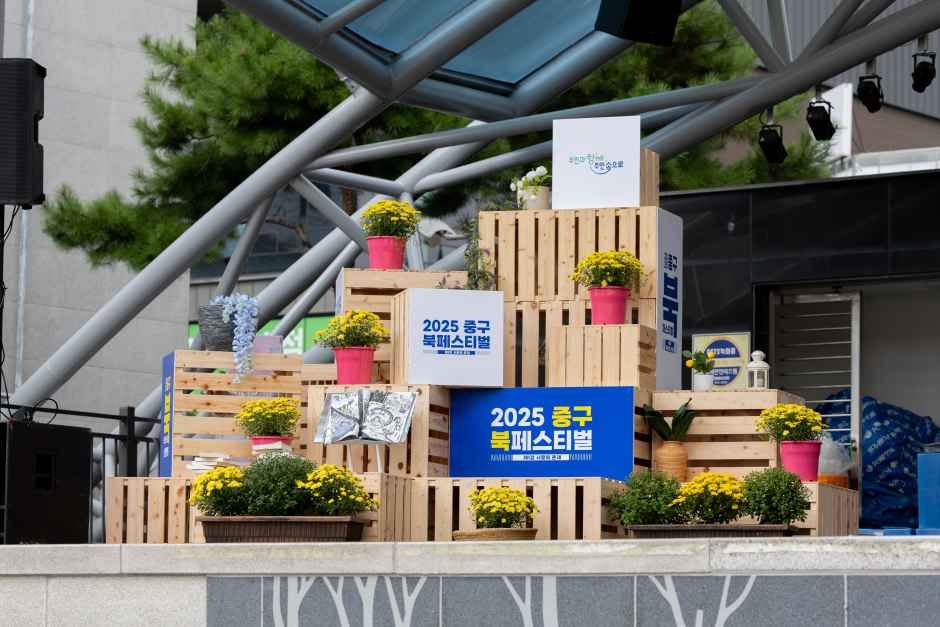
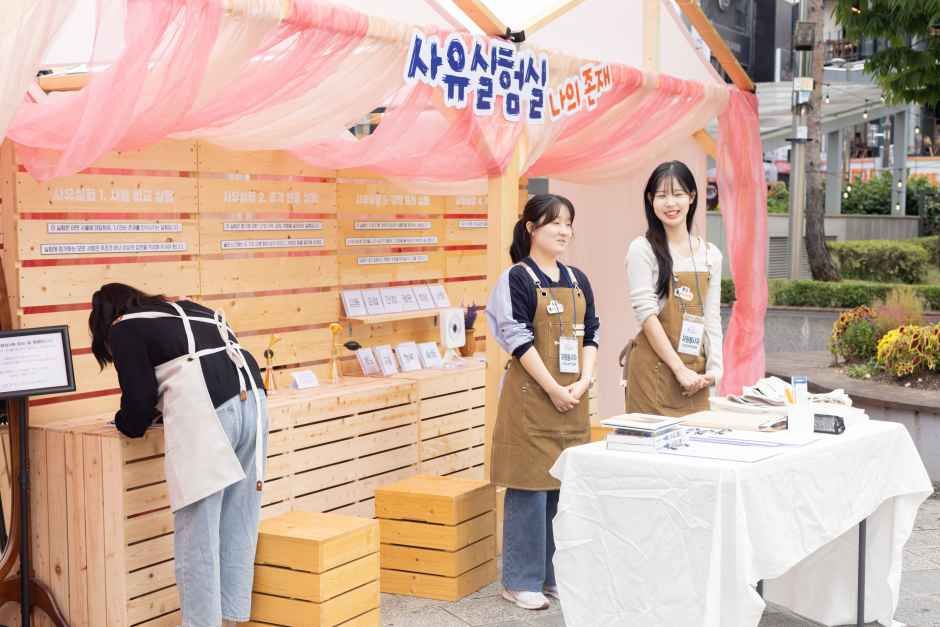
This two-day festival uses books to read Daejeon’s Jung-gu as a collection of connected stories: the old downtown, its alleys, memories and the people who live there. It takes place on Seonnidan-gil rather than in a convention hall, so the setting is part of the programme. The 2026 theme is the festival’s “second chapter,” built around connections between people, places, memory and reading culture. That is the organiser’s framework; the useful visitor-level facts are a compact street venue, an afternoon-to-evening schedule, several different ways to participate and no general admission charge.
The dates are Saturday, September 12, and Sunday, September 13, 2026, with published hours of 15:00–21:00 on both days. The official tourism record was last updated July 2. It confirms the programme categories below, but it does not yet give speaker names, musicians, individual start times, registration links or capacities. Plan around the parts that are confirmed, then use the official Instagram for the final grid and late changes.

What you actually do here
Come to browse and listen rather than to sit through one long literary conference. The announced centrepiece is Books-king, a stage format pairing a “human library” talk with musicians. A human-library session treats a person’s experience as the book: the audience listens to a speaker rather than borrowing a printed title. The listing confirms the format but not who will speak or perform, so do not build a train itinerary around a rumoured author or musician.
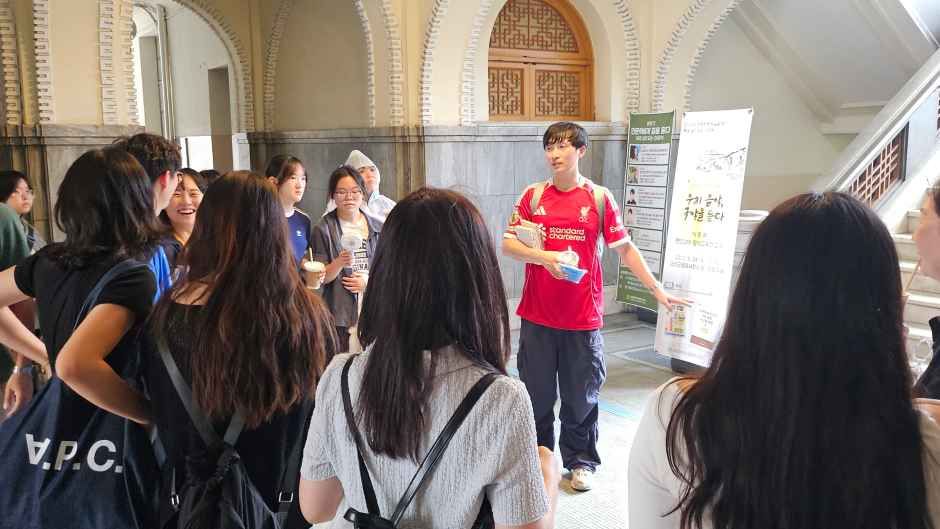
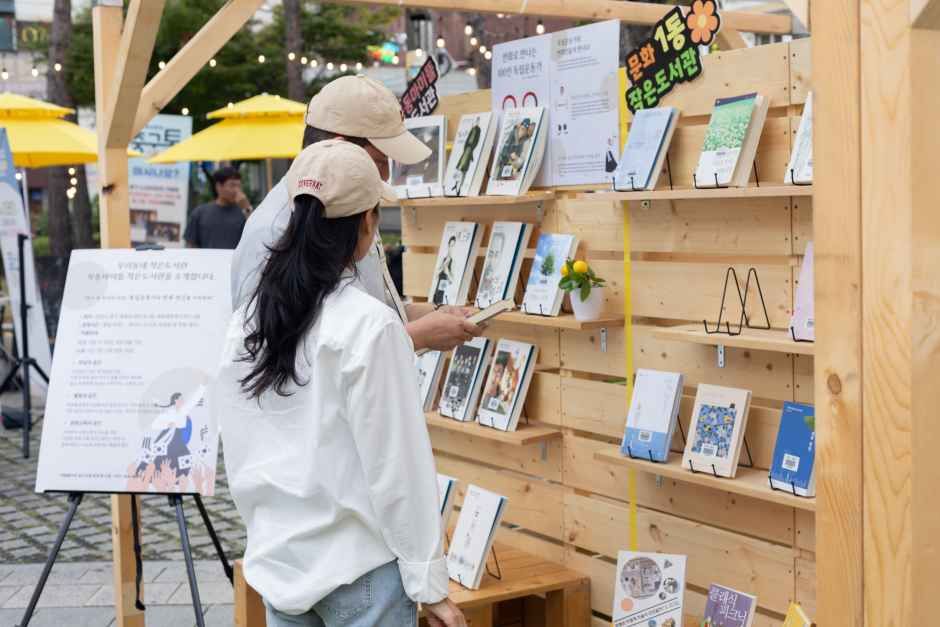
The other stage item confirmed for 2026 is a children’s puppet show. Around it, the organiser lists a book market and a second-hand market. Those are separate from the activity programme, which is described only as hands-on experiences at this stage. There is also a book-alley tour, framed as a humanities walk through local alleys and spaces connected with books. That tour matters because it takes the festival’s theme beyond temporary booths: visitors are meant to encounter the old centre as part of the reading experience.
None of the advance sources says that every activity runs continuously or gives a capacity for any session. A talk, puppet show or guided walk depends on its eventual start time, which is why the missing daily grid matters. When it appears, choose one timed item first, then fit browsing around it.
Programme and timetable
The operating window is 15:00–21:00, not a promise of six hours of continuous performance. The confirmed programme is Books-king, the human-library talks and music within that format, a children’s puppet show, book and used-goods markets, hands-on activities, and the book-alley humanities tour. The official description repeats those categories but supplies no session-by-session order.
For a practical visit, arrive near opening if a workshop or tour is important. That gives you time to locate the information point, read any on-site registration notice and adjust if a session fills. If your priority is atmosphere rather than a reserved activity, late afternoon into early evening covers both daylight browsing and the event after the street lights come on. This is advice based on the published hours, not a claim that a particular performance begins at dusk.
The 21:00 finish also makes a same-day Seoul return plausible, but only after checking the Korail schedule for your date and leaving enough time for the metro transfer. The organiser has not published an official “best time,” crowd-by-hour chart or final-stage programme. Saturday evening may feel busier than opening time, but there is no verified 2026 count that supports a precise crowd forecast.
Tickets, fees and booking
General admission is free. The Korea Tourism Organization record is equally clear that some experiences cost approximately 1,000–5,000 won. It does not assign a price to a named workshop, tour or performance, so those numbers should be treated as the published range for selected participation programmes, not as a flat activity pass.
No general admission reservation is listed. More importantly, the advance information does not state whether the book-alley tour or any hands-on session requires advance booking. Look for the final programme post before travelling and read the booth notice before joining. A free entrance does not guarantee a place in a capacity-limited session, and the published fee range does not prove that every activity accepts walk-ins.
Questions about a particular session can go to the festival contact published by KTO, 042-825-6781 within Korea (+82-42-825-6781 internationally). Card acceptance has not been field-checked, so this guide does not promise it. Carrying a small amount of won is sensible for low-cost activities, but that is preparation, not evidence of a cash-only policy.
Getting there without a car
KTX from Seoul Station to Daejeon Station takes about one hour. Daejeon City’s official transport guide gives the same one-hour figure, while individual Korail services vary with their stopping pattern. Book the train that actually appears for September 12 or 13 rather than treating the rounded duration as a timetable.
From Daejeon Station, stay on the rail network. Take Daejeon Metro Line 1 toward Jung-gu Office Station, then use Exit 4. The official access page for the civic complex at the festival’s published address—85 Jungang-ro—puts it about a two-minute walk from that exit. This is a more dependable final leg than choosing a similarly named stop or assuming the whole of Seonnidan-gil begins at the station door.
The same access page lists multiple city buses stopping around Jung-gu Office and Jung-gu Office Station. They can be useful from elsewhere in Daejeon, but routes can be diverted around a street event. Metro Line 1 avoids that road variable and directly links the intercity rail station with the nearest festival station.
An express bus between Seoul and Daejeon takes about two hours before the local connection, according to Daejeon City’s transport guide. It can cost less than KTX and is a workable alternative, but traffic affects the journey and the arrival terminal still requires a city transfer. The train is simpler for this particular venue because Daejeon Station and Jung-gu Office Station are on the same metro line.

Parking and local movement
No official 2026 festival parking lot, park-and-ride shuttle or road-closure map was available when this guide was updated. That absence is worth stating because “parking near Seonnidan-gil” and “festival parking” are not the same promise. Do not use a previous year’s social post as a current permit to enter or park on an event street.
If you must drive, check the organiser’s final notice and Daejeon traffic information before departure, then use only a signed public or private car park. The verified recommendation is public transport: the venue address is a two-minute walk from the metro, and the event itself occupies a street area. Once there, the market and main activity area are walkable; the book-alley tour, by definition, involves moving through nearby local spaces rather than staying at one stage.
Food nearby and two Daejeon specialties
The 2026 tourism listing does not promise a food zone, name vendors or publish food prices, so arrive fed or plan a meal in the old downtown rather than relying on an unconfirmed festival stall. Daejeon City did, however, formally designate bread, kalguksu and dubu duruchigi as its three representative foods in April 2026. Two are especially suitable for a sit-down meal near this book festival.
Daejeon-style kalguksu is knife-cut wheat noodle soup, not one rigid recipe. The city’s official food page describes spicy broth, plain hand-cut versions, clam kalguksu and seafood variations. The city’s historical account links the local noodle culture to the post-Korean War availability of flour and the rail hub around Daejeon Station. Choose by broth and toppings rather than expecting every shop to serve the same bowl.
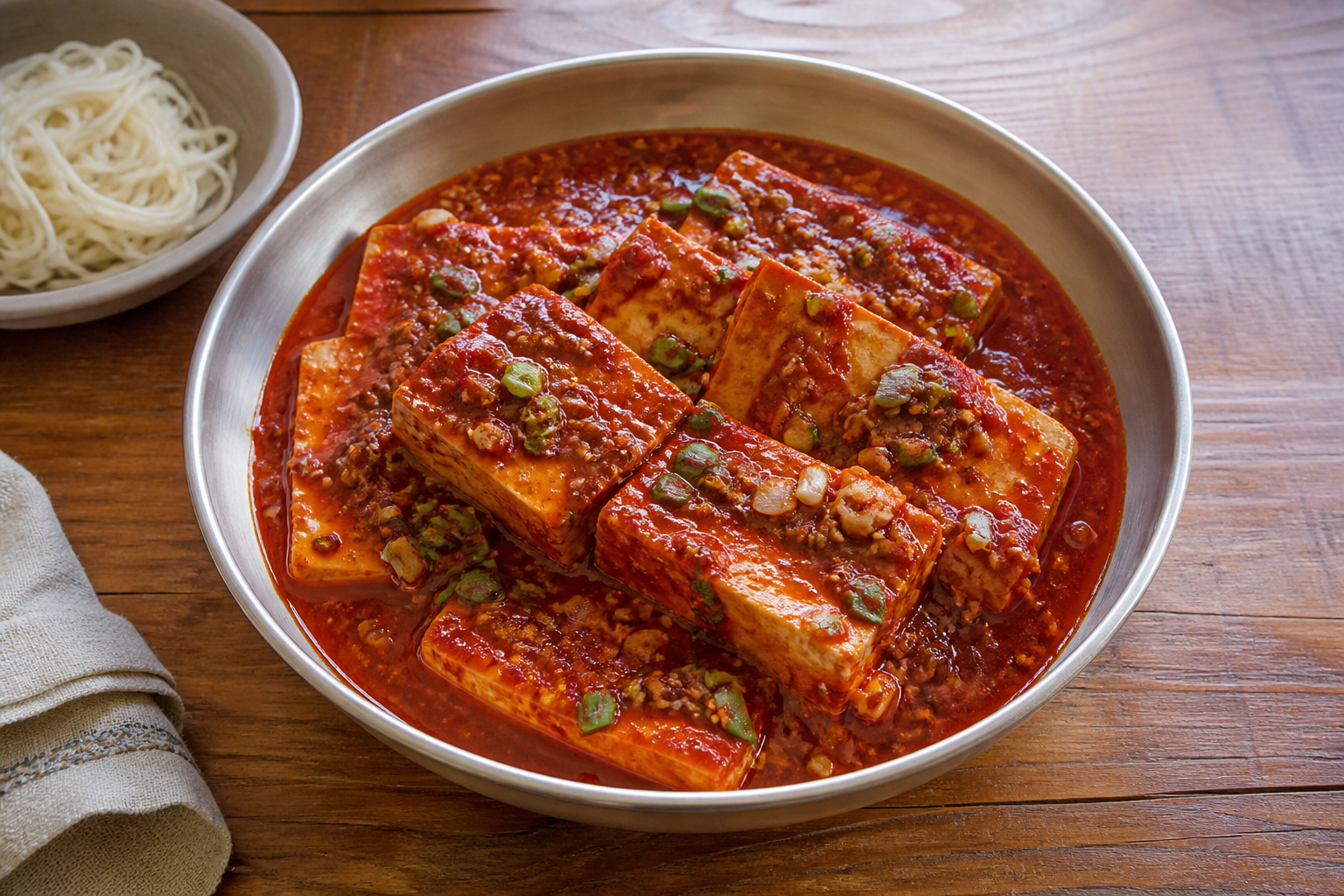
Dubu duruchigi uses thick pieces of tofu with a hot seasoning based on red-pepper powder, garlic, soy sauce and sesame oil. Daejeon’s version is often saucier than dry stir-fried duruchigi, and noodle additions are common. The city lists long-running examples in Jung-gu, including the old downtown, but recipes and heat levels vary. Neither dish is claimed as a festival programme item here; they are verified regional foods to seek out before or after the event.
Day trip or overnight
This works as a day trip from Seoul if you reserve the intercity legs. The fast rail journey is about an hour each way, the local transfer stays on Metro Line 1, and the festival closes at 21:00. Even so, check the exact last useful train rather than assuming every KTX stops at Daejeon at the same time. A visitor who wants the full evening should leave a realistic buffer for walking back to Jung-gu Office Station, the metro ride and finding the correct platform at Daejeon Station.
An overnight stay is optional, not a requirement established by the schedule. It makes sense if you also want time for Daejeon’s museums or a slower old-downtown food trip, but no festival lodging package or partner hotel was published. This guide therefore does not recommend a named property or quote an unverified festival rate.
Honest assessment
This is an easy day trip from Seoul and a low-commitment festival: the fast rail leg is short, the venue is beside a metro station and general entry is free. It is a better fit for readers, families looking for a modest afternoon programme and people interested in Daejeon’s old downtown than for anyone expecting a large concert festival or a trade-sized book fair.
Its most distinctive element is also the one that requires the most planning: the book-alley tour turns the neighbourhood into content rather than scenery. If that appeals, prioritise its eventual registration and start-time notice. If it does not, the combination of talks, music, a puppet show and markets still provides a flexible visit without committing the entire day.
The main uncertainty is the detailed programme. As of September 7, the organiser had published the dates, daily hours, theme, programme categories and fee range, but not a session-by-session schedule, named line-up, booking method, parking plan or traffic controls. Those omissions limit how precisely anyone can plan. Arrive with time to browse rather than building the trip around an unconfirmed appearance.
Because the site is a street area and the programme runs into the evening, weather matters more than it would in an indoor library. The official source warns that operating details can change with conditions. Check the organiser’s Instagram on the day, wear shoes suitable for an alley walk and keep the final train connection loose. Those simple choices fit what is actually known about the event without pretending that language support, card acceptance or a shuttle has been checked.