The Eonyang Hanu Bulgogi Festival is, at heart, a place to eat Korean beef in the region that made it famous. Ulju-gun in Ulsan is one of the country’s designated hanwoo-bulgogi special zones, and the town of Eonyang gives its name to a distinctive charcoal-grilled style of the dish. Ulsan Metropolitan City’s own English tourism page lists the event as the “Eonyang/Bonggye Hanu Bulgogi Festival,” reflecting a series that has historically alternated between the Eonyang and Bonggye beef zones. The 2026 edition is the Eonyang one, and it carries an unusual headline: after a decade off, the festival is coming back.
That gap matters for planning, so this guide is deliberate about what is confirmed and what is not. The dates and venue below come from the Ministry of Culture’s 2026 plan and the festival’s own late-August announcement; the programme, hours and prices were not published when this was written, and they are left blank rather than guessed.
What you actually do here
This is an eat-on-site food festival, not a stage event. The August 2026 announcement describes a large food market (meokgeori jangteo) set up on a lot near the Ulsan Exhibition and Convention Center, with hanwoo beef sold and grilled on site and a section of booths promoting local farm produce. The draw is straightforward: order Korean beef in the place that specialises in it, grill it, and eat.
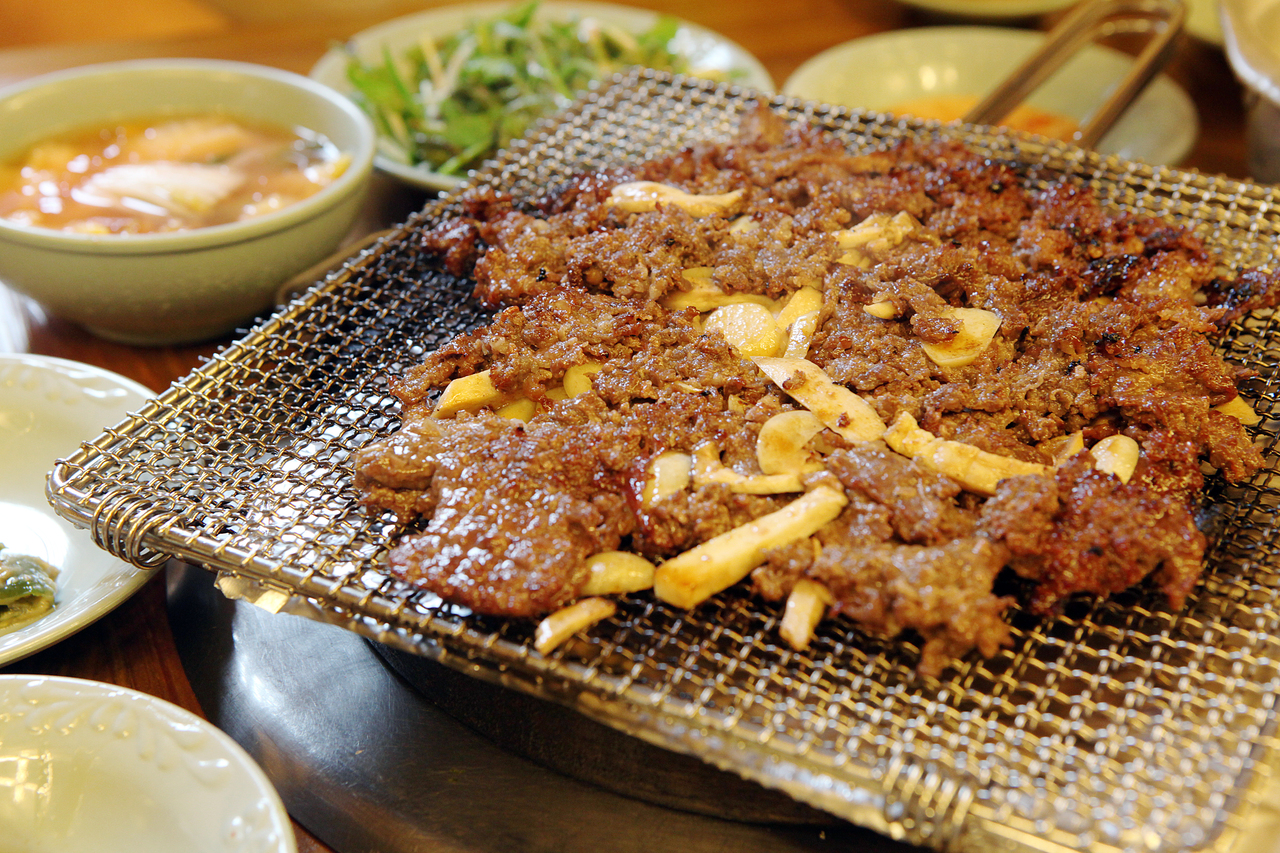
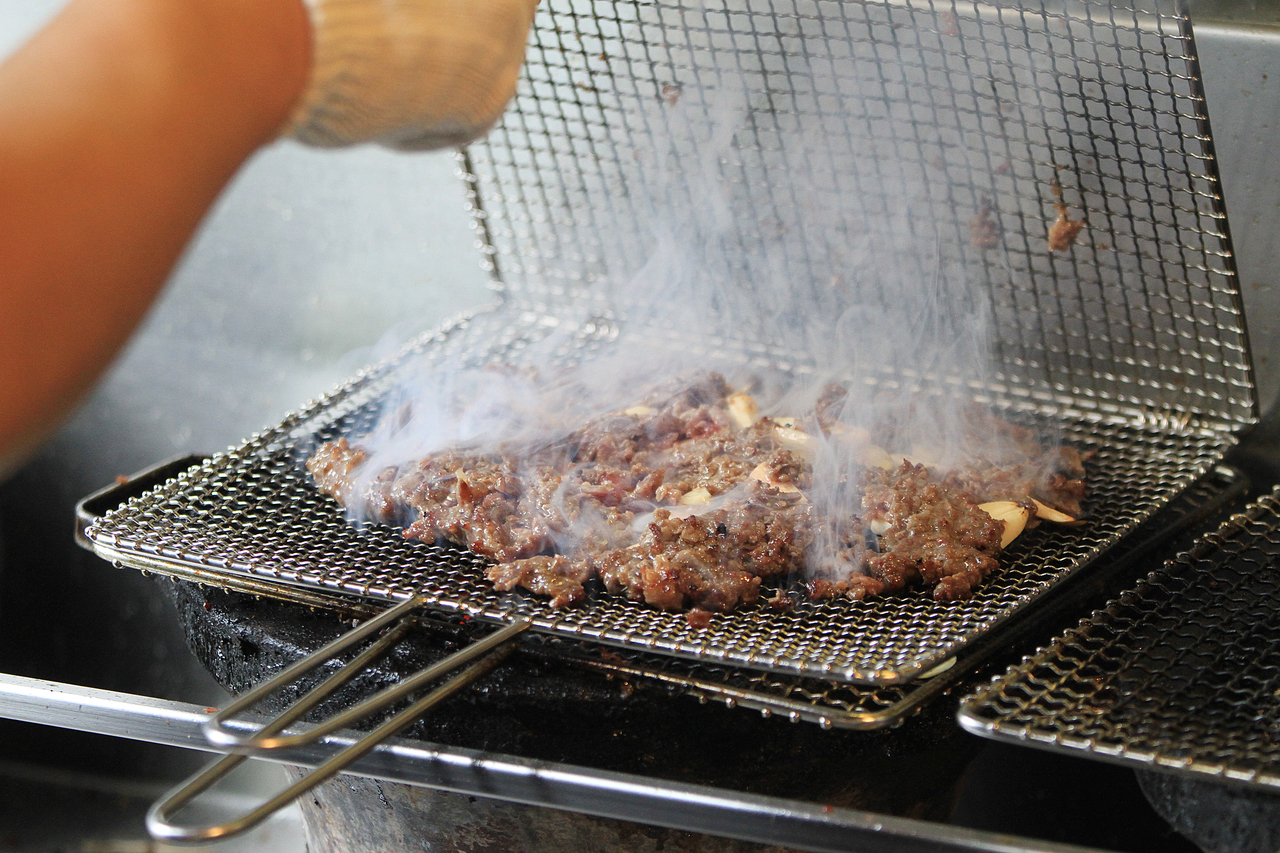
The specific thing to try is Eonyang bulgogi. It is not the marinated, soupy bulgogi many visitors know from restaurants abroad. The Eonyang style uses finely chopped or minced Korean beef, only lightly seasoned, pressed onto a wire grill over charcoal until the edges turn crisp. It is closer to a grilled beef patty of loose meat than to stir-fried strips, and locals treat the char and the quality of the beef — not a heavy sauce — as the point. Because Ulju is a hanwoo special zone, the beef sold at the festival is meant to be the regional article rather than a generic import.
Beyond the beef, expect the usual furniture of a Korean local-produce festival: stalls of regional agricultural goods, simple side dishes and market snacks. The organisers have framed 2026 partly around linking festival-goers to the wider Eonyang bulgogi restaurant district, so the event sits within a town that already sells this food year-round.
A festival returning after ten years
The context is more interesting than a standard food fair. The Eonyang and Bonggye beef festivals date back to 1999 and were unified into a single alternating event around 2010. This is the only hanwoo-bulgogi special-zone festival of its kind in Korea. But the Eonyang edition had not run since 2016: local reporting attributes the long pause to African swine fever, the COVID-19 pandemic and internal disputes among organisers.
The 2026 return is therefore a first edition in every practical sense — new site, new organising effort, no recent attendance record to lean on. Ahead of it, local institutions have been visibly preparing: in September 2026, Ulsan’s culture-and-tourism foundation and the Eonyang bulgogi merchants’ association signed a cooperation agreement to steer visitors between the convention-center area and the town’s restaurants. That activity is a good sign the event is real and backed, but it is not the same as a published, minute-by-minute programme, which had not appeared at the time of writing.
Dates: what is confirmed, and what isn’t
Here the honest answer is that the dates are not settled enough to promise. The Ministry of Culture’s 2026 regional-festival plan lists October 2-5, and the festival’s own announcement on August 31, 2026 gave the same window, placing the event on a lot in Samnam-eup near UECO. Two separate September 2026 news reports, however — both about the business-district partnership rather than the festival programme itself — referred to an October 9 opening.
Two credible-looking sources on each side is exactly the situation where this site does not pick a winner and present it as fact. The official Ulju county festival page had not posted a 2026 schedule when this guide was written. This article uses October 2-5 as the primary announced dates because that is what both the government plan and the dedicated festival-announcement article state, but it flags October 9 as a real alternative and marks the dates as unconfirmed. Before booking a train, confirm the dates directly with the organiser or the official site.
Getting there without a car
This is the festival’s strongest practical feature. Take a KTX from Seoul Station to Ulsan Station (the station is also branded Ulsan-Tongdosa); the ride is about two hours, with individual trains varying by their stops, so check the exact service for your date on Korail rather than treating one figure as fixed.
What makes the trip easy is geography. Ulsan Station is not in central Ulsan — it is in Samnam-eup, Ulju-gun, the same township as the festival, and it sits roughly one kilometre from the UECO grounds the event adjoins. For a regional Korean festival, that is unusually close; most leave you with a long secondary bus or taxi leg. Here you can finish with a short taxi ride or, depending on the exact lot, a walk. Set the venue or UECO — not simply “Ulsan” — as your destination, since central Ulsan is a separate trip east of the station.
Because of that proximity, a car is not needed and a same-day return is realistic. If you do drive, note that a returning festival’s parking and any temporary traffic control had not been published; check the official notice close to the date rather than assuming last year’s arrangements, which are a decade old.
Eonyang bulgogi, the local specialty
If you take only one thing from this festival, make it the beef. Eonyang bulgogi is Ulsan’s signature dish and one of the reasons Ulju holds a hanwoo special-zone designation. Both the Korea Tourism Organization and Ulsan’s tourism materials list it as a representative local food. The regional style — chopped Korean beef, lightly seasoned, grilled crisp over charcoal on a wire rack — is genuinely different from the marinated bulgogi sold as a national standard, and eating it at the source is the clearest reason to come.
One caution in keeping with this site’s approach: a specialty being famous regionally is not a promise about any single stall’s price, cut or seasoning on the day. Treat the recommendation as “this is what the area is known for,” and check the beef and price in front of you before ordering.
Honest assessment
The case for going is simple and real. You get the region’s signature Korean beef, in its home town, at a food market you can reach by KTX and finish on foot or with a one-kilometre taxi hop. For a beef-focused day trip from Seoul, the logistics are about as friendly as regional festivals get, and the Eonyang grilling style is distinctive enough to justify the trip for anyone who likes Korean barbecue.
The case for caution is equally real, and it comes down to newness and missing detail. This is the first edition in ten years, so there is no recent track record for crowds, queues or how well the beef supply keeps up with demand. The dates are reported two different ways, the opening hours and prices were not published, and no programme or performer line-up had been announced — appropriate for a food festival, but it means you should come to eat and browse rather than expecting a show. Vegetarians have little reason to attend.
The sensible plan is to confirm the date and hours with the organiser first, arrive earlier in the day on a weekend to beat the beef queues, and keep the visit built around a meal. Do that, and a returning Eonyang can be a genuinely good, low-effort Korean-beef outing; go in expecting a large, polished, predictable festival and this first edition may not match that yet.