
Autumn · Gyeongsangnam-do · Field listing
German Village Oktoberfest 2026
The essentials first: whether it is open, what it costs, how hard it is to reach and what to expect if you do not speak Korean.
When
Oct 9 — 11ConfirmedConfirmed dates
Where
German Village (Dogil-ro), Samdong-myeon, NamhaeGyeongsangnam-do
Admission
FREEEntry to the festival grounds is free according to the Korea Tourism Organization listing. Food, beer and the hands-on activities are sold or run separately; 2026 prices and the payment system (cash, card or tokens) were not published where we could check them.
From Seoul
About 4 h 30 m by express bus to NamhaeTake an express bus from Seoul Nambu Bus Terminal to Namhae bus terminal, then continue to the German Village by taxi or local bus. The final leg and any festival shuttle connection were not verified for 2026, so check them before you travel.
Hours
10:00-21:30
Organiser
Namhae County, 055-860-8603
Is this one for you?
Who it suits. This suits people who want a lively outdoor beer-festival day built around a real place — a village settled by Koreans who worked in Germany — with a parade, live bands and food stalls rather than a quiet cultural programme. It is a poor fit if you do not drink and want little else to do, if you dislike crowds, or if you need a car-free, short trip from Seoul: the bus alone is about four and a half hours each way, and organisers themselves describe parking as a recurring problem.
When to go. The only timetable we could read, for Friday October 9, puts contests from 13:30, a parade at 17:00 and the evening Oktobernacht show from 20:00, with the grounds listed as open until 21:30. If you want the parade and the evening bands, plan to be on site by mid-afternoon. We have not seen the Saturday and Sunday grids, so check the official programme page before choosing a day.
LOCAL WEATHER
Weather near the festival
The festival date is outside the current forecast window. Check again closer to your trip.
Korea Meteorological Administration forecast
Need something we do not list — a stall menu, a parking gate, a last bus? The Korea Travel Helpline answers in English around the clock: dial 1330 inside Korea, or +82-2-1330 from abroad.
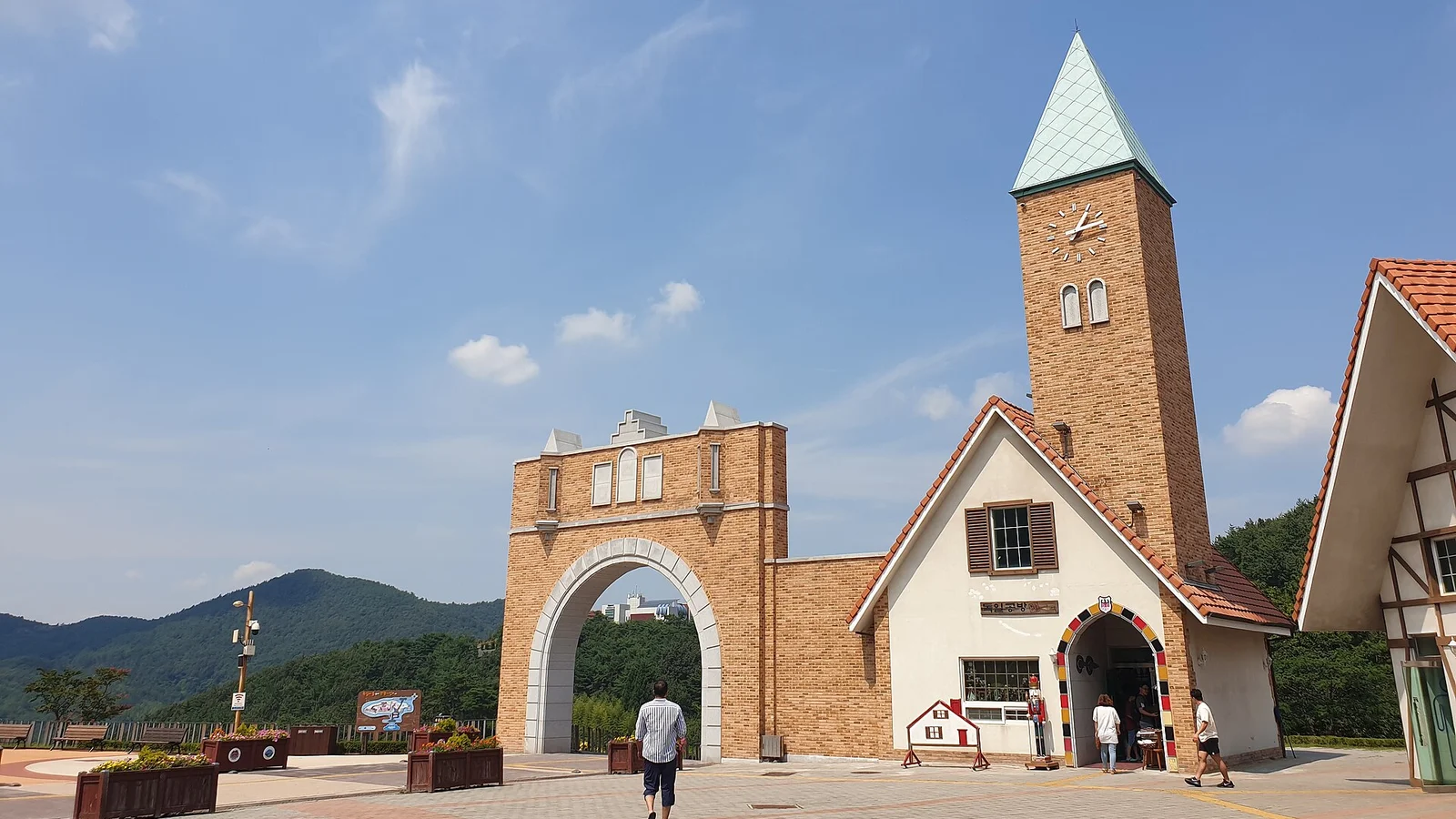
The German Village Oktoberfest is Namhae County’s main autumn festival, held each October in a hillside village of German-style houses above the south coast. The setting is not a theme park built for tourists. Koreans who worked in West Germany as miners and nurses in the 1960s and 1970s, and later returned, settled in this village, and the county presents the festival as both a beer party and a way to tell that history. The 2026 edition is the 14th, and it runs Friday October 9 to Sunday October 11, with the grounds listed as open 10:00 to 21:30. Entry is free, according to the Korea Tourism Organization (KTO) listing.
A note on scale before you plan: Korean coverage of last year’s edition reports about 340,000 visitors, and organisers have openly said parking is a repeated complaint. This is a big, busy, mostly outdoor event on narrow village roads, not a quiet regional fair.
What you actually do here
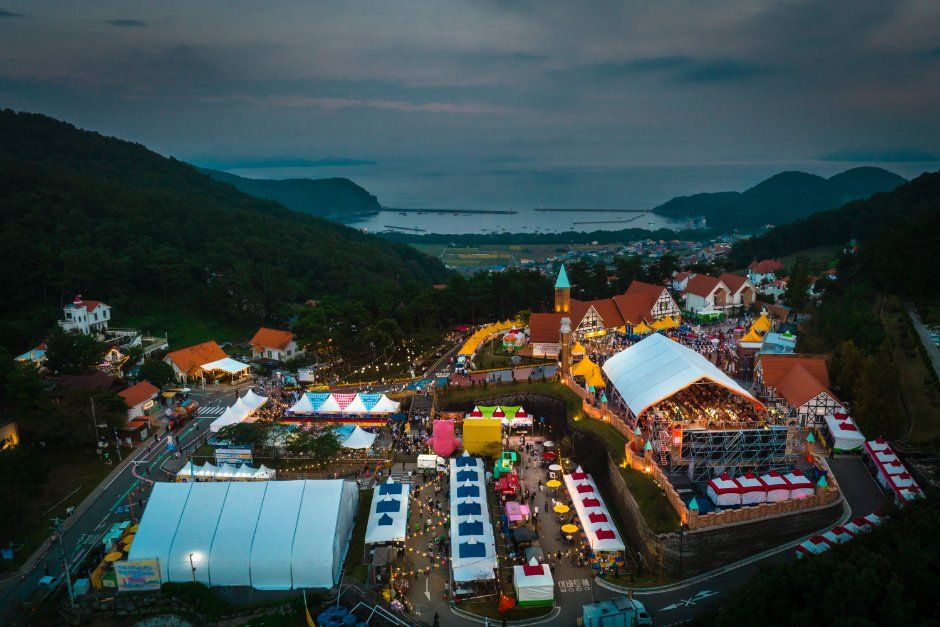
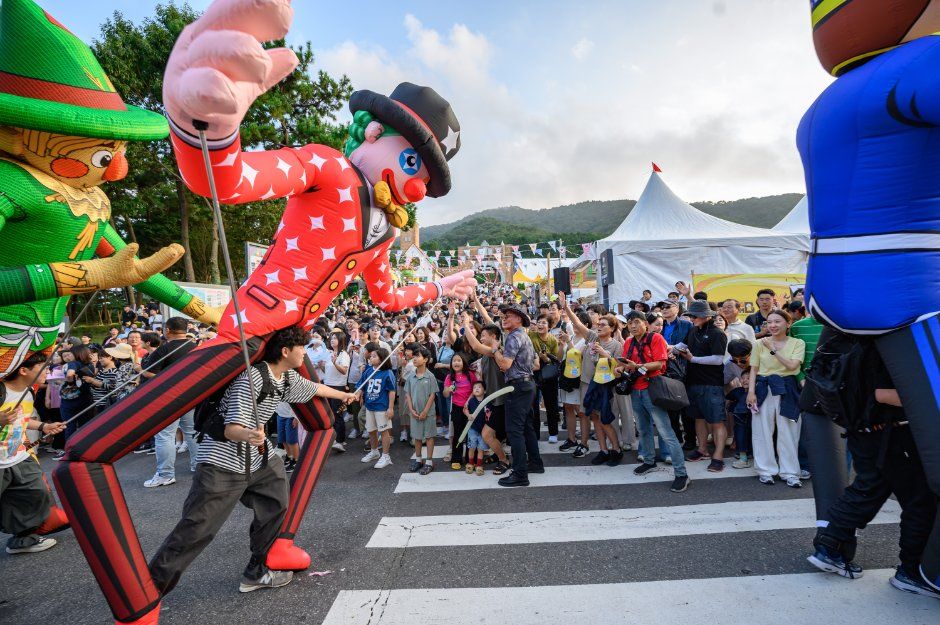
Most of the day is outdoors. The village streets and the main stage area hold food and beer stalls, a big tent for bands, and a stretch of road that becomes the parade route. KTO’s programme, copied from the county’s registration, groups the festival into four parts: the main programme, side programmes, visitor-participation programmes and extras.
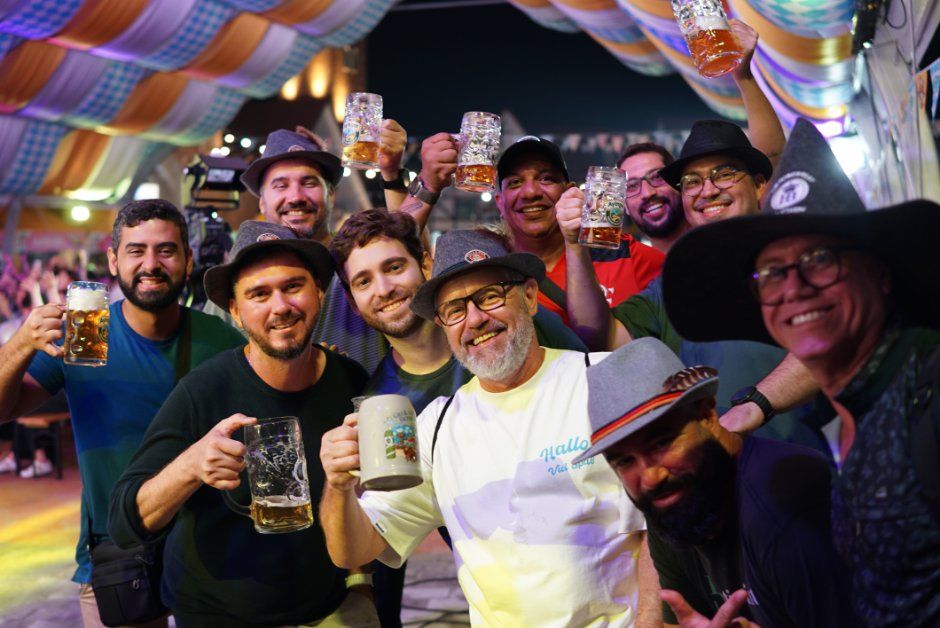
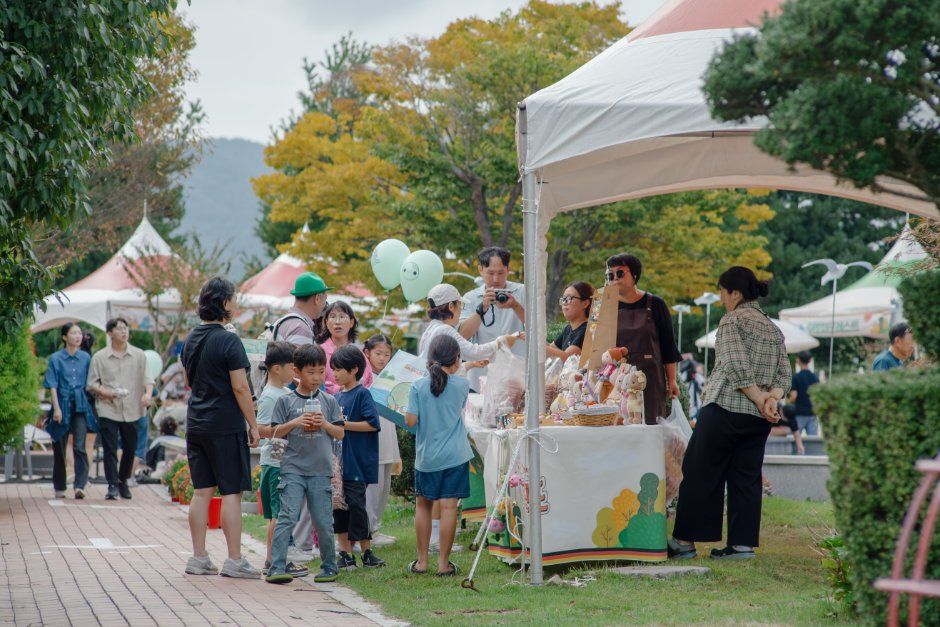
The main programme is beer stage performances, an evening “Oktobernacht” show, a beer-based cocktail competition, yodelling, a choir performance by the Gyeongnam provincial arts troupe and a talk concert about the Germany-bound workers’ history. The side programmes are hands-on: flower bracelets, caricatures, a photo booth, postcard making and balloon art, plus a Dorf market and an augmented-reality stamp tour. The visitor programmes are the food stalls and German souvenirs. KTO also notes a national healing-cocktail contest, reusable cups for an eco-friendly festival and English and German translation.
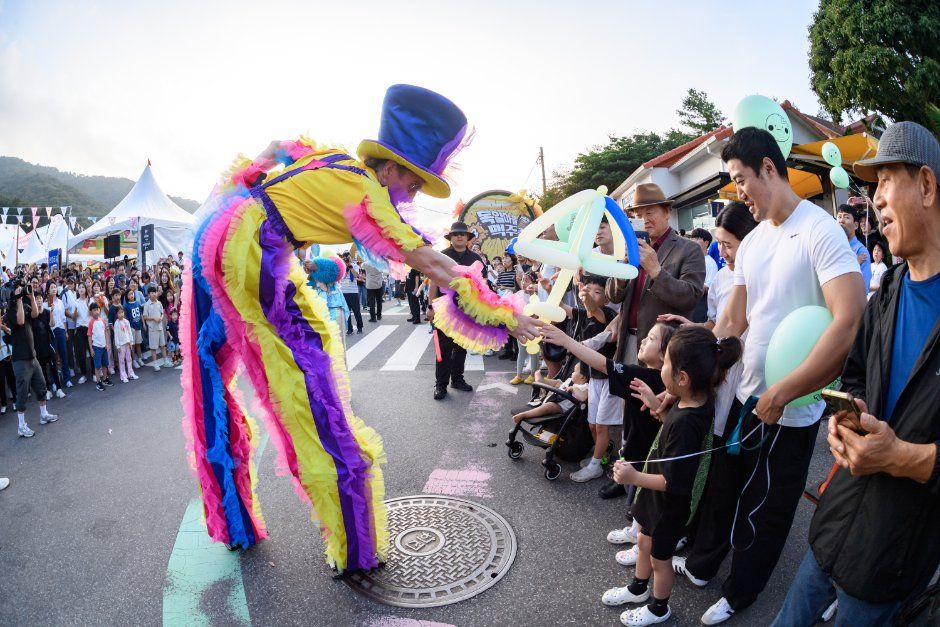
The official site adds a “best dresser” contest during the parade, and says pre-registration for parade participants was open. If you want to join in rather than watch, that is the page to read.
Programme and timetable
The only timetable we could read was Friday October 9, from the official programme page. It says the schedule can change depending on operating conditions.
- Main stage: creative healing cocktail contest 10:00-13:30; yodel performance 14:00-14:30; cocktail awards 15:00-16:00; opening ceremony with the German Village choir 18:00-19:30; Oktobernacht performances 20:00-21:30, with Audrey Girls and DJ Moshee named.
- Big tent: bands from 14:00 and 16:00, a fire show at 19:30 and a b-boy performance at 20:30.
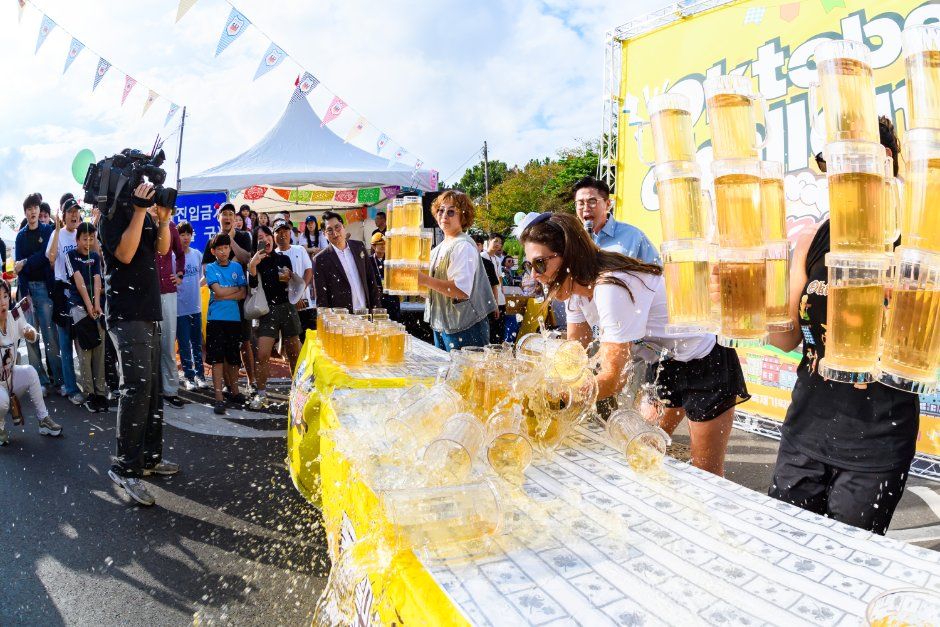
- Street activities: a beer-drinking contest at 13:30, a beer-carrying race at 15:30, a beer-identification game at 16:30 and the parade from 17:00 to 18:00.
We did not see grids for Saturday and Sunday, and some aggregator sites list singers we could not confirm on the official page, so none of those names are repeated here. If one act is your reason to go, check the official programme page the morning you travel.
Tickets, fees and booking
Entry is free. What you spend depends on how much you eat, drink and join in. The official food-and-drink page lists about 24 vendors, with German items such as pretzels, stollen and bratwurst, Korean items such as Namhae garlic pork belly, mulhoe and chicken skewers, and seafood snacks. It does not give prices or say how you pay, and we could not find out whether beer is sold by token, coupon or card. Bring both cash and a card, and expect queues at the busiest hours.
2026 is the first year organisers say they are using reusable cups. The guide map marks a cup-return point, but we could not find a deposit amount. A separate item for residents rather than tourists: Namhae County is running temporary Culture Nuri Card merchants on site, a welfare card for low-income Koreans.
For questions, the organiser contact in the KTO listing is Namhae County, 055-860-8603.
Getting there without a car
From Seoul, the practical public route is an express bus from Seoul Nambu Bus Terminal to Namhae bus terminal. Timetable pages and route planners put the ride at about four and a half hours, so confirm the departure and the last return on the day you travel, because timetables change. We did not verify a bus or shuttle that runs between the terminal and the village in 2026. Plan on a taxi or a local bus, and check the festival notice for any shuttle.
Korean coverage in October says Namhae tourism taxis run through October and November with a 50% fare discount when booked through the T-money app. We have not tested that, so treat it as something to check, not a guaranteed way in.
Parking, shuttles and traffic control
If you drive, expect trouble. A local guide notes that the village’s internal roads are narrow and that vehicle access is very congested during the festival, and the county’s own planning meeting recorded parking shortage as a recurring complaint. For 2026 the county says it will widen the shuttle network, add more stops where people can get on and off, and expand parking. The dated lot list and shuttle hours had not been published where we could read them.
At earlier editions Hwaam car park, Samdong Elementary School and Kkotnae Middle School were used as temporary lots with free shuttle buses. That is background, not a 2026 promise. Park where the notice tells you and take the shuttle. Do not drive home after drinking; use a designated driver service, a taxi, or stay the night.
Day trip or overnight
A day trip from Seoul means roughly nine hours on a bus before you have bought a beer, and we do not know the last bus back. If the evening programme matters, treat this as a trip with a night in or near Namhae. Prices and availability were not checked, so no hotel is recommended here; Korean guides suggest booking well ahead for a festival weekend.
The festival also spreads beyond the village. A September report says it extends to the Horticultural Art Village, where a small-business festival with youth-start-up booths and busking is planned. Namhae County also lists the PADOK exhibition hall on the same street, which is the place to understand why the village exists.
Food on site and nearby
Look at the official food page rather than assuming a menu. It lists German street food, Korean grills and snacks and seafood. For a documented local product, Namhae County registers its garlic as Geographical Indication No. 28, and the festival page names Namhae garlic pork belly. Namhae is also known for jukbang anchovies from the Jijok Strait, a traditional weir fishery. Both are regional specialties, not a guarantee that any given stall serves them.
Honest assessment
The strongest part of this festival is the combination: a real settlement with a real history, a parade and live acts, and a village that is photogenic at dusk when the tents are lit. The official timetable for opening day is dense enough to fill an afternoon, and it includes things you can join in, like the parade and the cocktail contests. For first-time visitors it is easier to follow than a festival that depends on knowing Korean.
The weak points are the ones organisers admit to. Parking is a known problem, the village roads are narrow, the trip from Seoul is long, and some of the practical details that matter most, such as the 2026 shuttle plan, beer prices and the payment system, were not visible when we checked. If you do not drink, the programme still has the parade, stalls, crafts and a stamp tour, but this is a beer festival at heart.
Go on Friday if the timetable we could read matches what you want; for Saturday or Sunday, wait for the official grid. Arrive early, drink water, and leave a margin for the bus home.
Local specialties to try
Jukbang anchovies (죽방멸치)
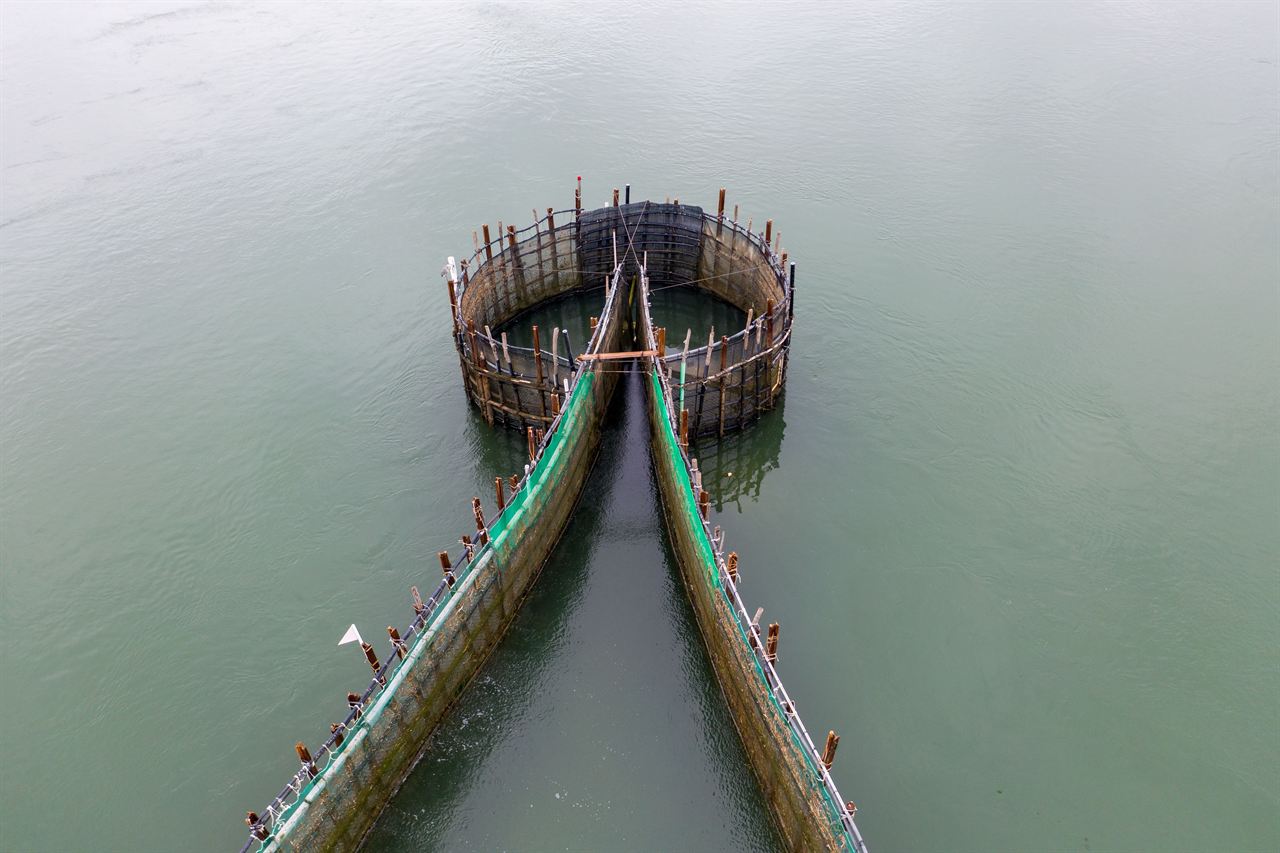
Anchovies caught in V-shaped bamboo-stake fish weirs set in the Jijok Strait off Namhae. The weir fishery is a designated Important National Fisheries Heritage site, and the catch is regarded locally as a premium anchovy. This photo shows one of the weirs, not the fish itself. A regional specialty, not a promise about what the festival stalls will serve.
Namhae garlic (남해마늘)
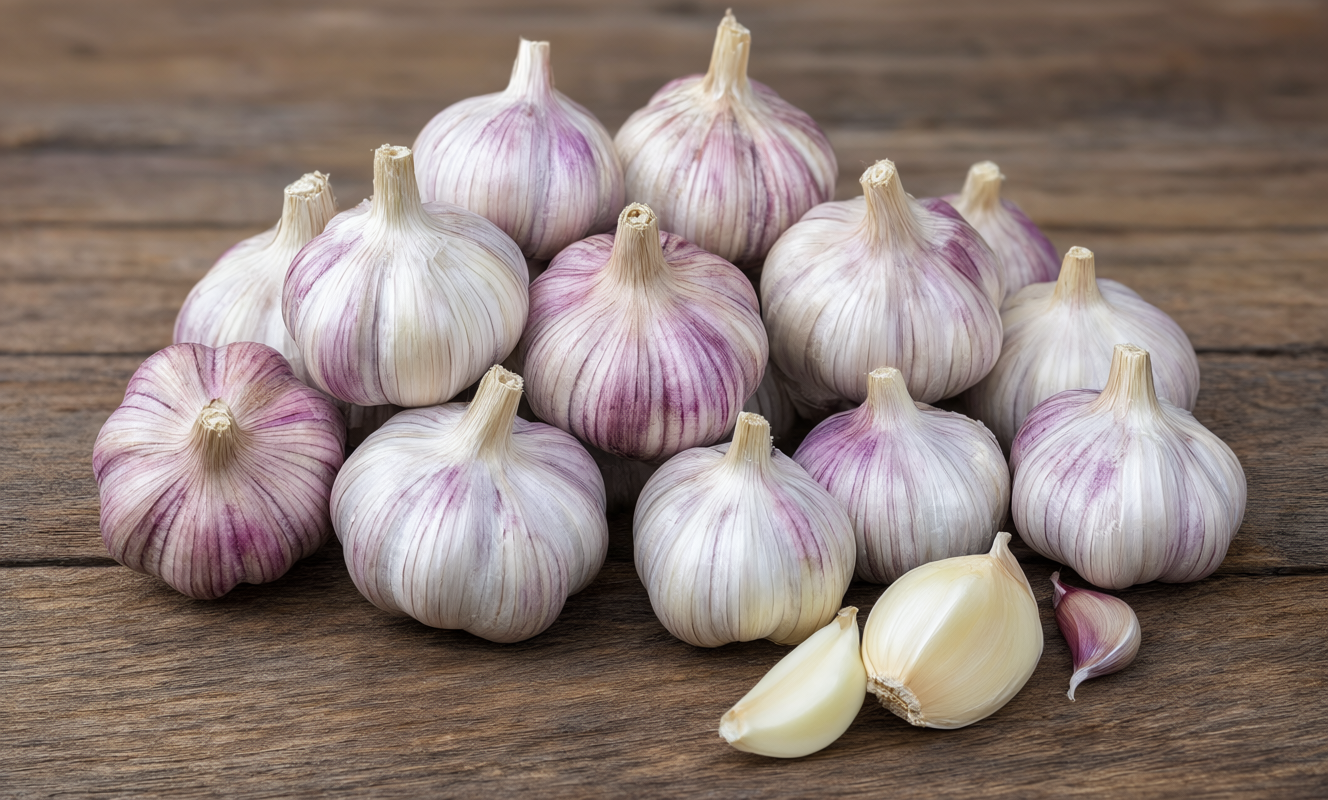
Namhae County lists garlic as one of its main crops; the local variety is mainly Namdo garlic, described by the county as sharp and pungent and well suited to kimchi seasoning. It is registered as Geographical Indication No. 28. The festival's food page lists Namhae garlic pork belly among its stalls, but we cannot say which vendors will be open. The image is an illustration of garlic in general, not a photo of Namhae garlic.
Questions worth asking
Is the German Village Oktoberfest free?
Entry is listed as free by the Korea Tourism Organization, which takes it from Namhae County's registration. Beer, food and some activities are sold separately, and we could not find 2026 prices or the payment method, so bring both cash and a card and check the official F&B page.
Why is there a German village in Korea?
The village was settled by Koreans who went to West Germany to work as miners and nurses in the 1960s and 1970s and later returned home. The festival is modelled on Oktoberfest and is tied to that history; a PADOK exhibition hall on the same street covers the migration story, according to Namhae County.
What is on the programme on Friday, October 9?
The official site lists a cocktail competition from 10:00, a beer-drinking contest at 13:30, a beer-carrying race at 15:30, a parade at 17:00, an opening ceremony at 18:00 and an Oktobernacht show at 20:00. A fire show and a b-boy performance are in the big tent in the evening. The page says the schedule may change with operating conditions.
Is there parking, and how do I avoid driving?
Organisers have said parking shortages are a recurring complaint and that more parking and a wider shuttle network are planned for 2026, but the dated plan was not published where we could read it. At earlier editions Hwaam car park and two school grounds were used with shuttle buses. Check the official notice before leaving, and do not drive if you plan to drink.
Can I visit as a day trip from Seoul?
It is hard. The express bus from Seoul Nambu Terminal to Namhae takes about four and a half hours, plus a local transfer, and we did not verify last-bus times. A night in Namhae is the safer plan if you want the evening programme.
Will there be English help?
Namhae County says it is introducing multilingual guidance this year, and the programme lists English and German translation as part of the festival. We have not checked how much English signage or staffing there will be on site.
Before you goFestival Etiquette in Korea: What Visitors Get WrongBooking KTX Trains and Intercity Buses as a Foreign VisitorGetting Out of Incheon Airport and On to a FestivalKorean Festivals With Children: Toilets, Strollers and TimingStaying Online in Korea: SIM, eSIM and the Apps That MatterEating at a Korean Festival Without Speaking KoreanRain, Typhoons and Cancelled Festivals: How to Plan Around ThemHow to Pay for Things in KoreaT-money and Transit Cards in KoreaWhat to Wear to a Korean Festival, Season by Season
LAST UPDATED · Oct 6, 2026