
Autumn · Gyeongsangnam-do · Field listing
Gimhae National Heritage Night 2026
The essentials first: whether it is open, what it costs, how hard it is to reach and what to expect if you do not speak Korean.
When
Oct 16 — 18ConfirmedConfirmed dates
Where
Royal Tomb of King Suro, Sureungwon Garden and Daeseong-dong Tumuli, GimhaeGyeongsangnam-do
Type
History & tradition
Admission
FREEGeneral entry to the 2026 festival is listed as free on the Gyeongnam provincial festival portal. The organiser's website does not publish prices for hands-on programmes, the food zone or market stalls, so treat anything you buy or join on site as separately priced until you see a board.
From Seoul
About 2 h 15 m to 2 h 30 m by KTX to Busan, then a metro and light-rail transferTake a KTX from Seoul Station to Busan Station, ride Busan Metro Line 2 to Sasang, then take the Busan-Gimhae Light Rail to Royal Tomb of King Suro Station (station 17). Gimhae has no KTX stop on this route, so the light-rail leg is a second journey with its own timing.
Hours
18:00-22:00 on October 16-18. Parade 18:30-19:30 and opening ceremony 19:30-20:00 on Friday, October 16 only.
Organiser
Gimhae Culture and Tourism Foundation, festival office 070-8824-0347; Gimhae City listing 055-330-3923
Is this one for you?
Who it suits. This suits visitors who like an unhurried evening walk linking three Gaya-era heritage sites, with light projections, local market stalls and some hands-on tables, and who want free entry. It is a weaker choice if you want one headline concert or a seated show, because most of the programme is spread along a walking route. The organiser's programme pages are in Korean and I found no English interpretation details, so first-time visitors who need guided explanation should expect to rely on what they can see.
When to go. Friday, October 16 is the only night with the parade (18:30), the opening ceremony (19:30) and the mini outdoor theatre (18:00-21:00). Saturday and Sunday still run the media-facade, market and walking programmes from 18:00 to 22:00, but not those Friday-only items. Arrive close to 18:00 and plan the tomb-side media facade for after full dark; the plogging tour stops an hour earlier, at 21:00.
LOCAL WEATHER
Weather near the festival
Korea Meteorological Administration forecast
Need something we do not list — a stall menu, a parking gate, a last bus? The Korea Travel Helpline answers in English around the clock: dial 1330 inside Korea, or +82-2-1330 from abroad.
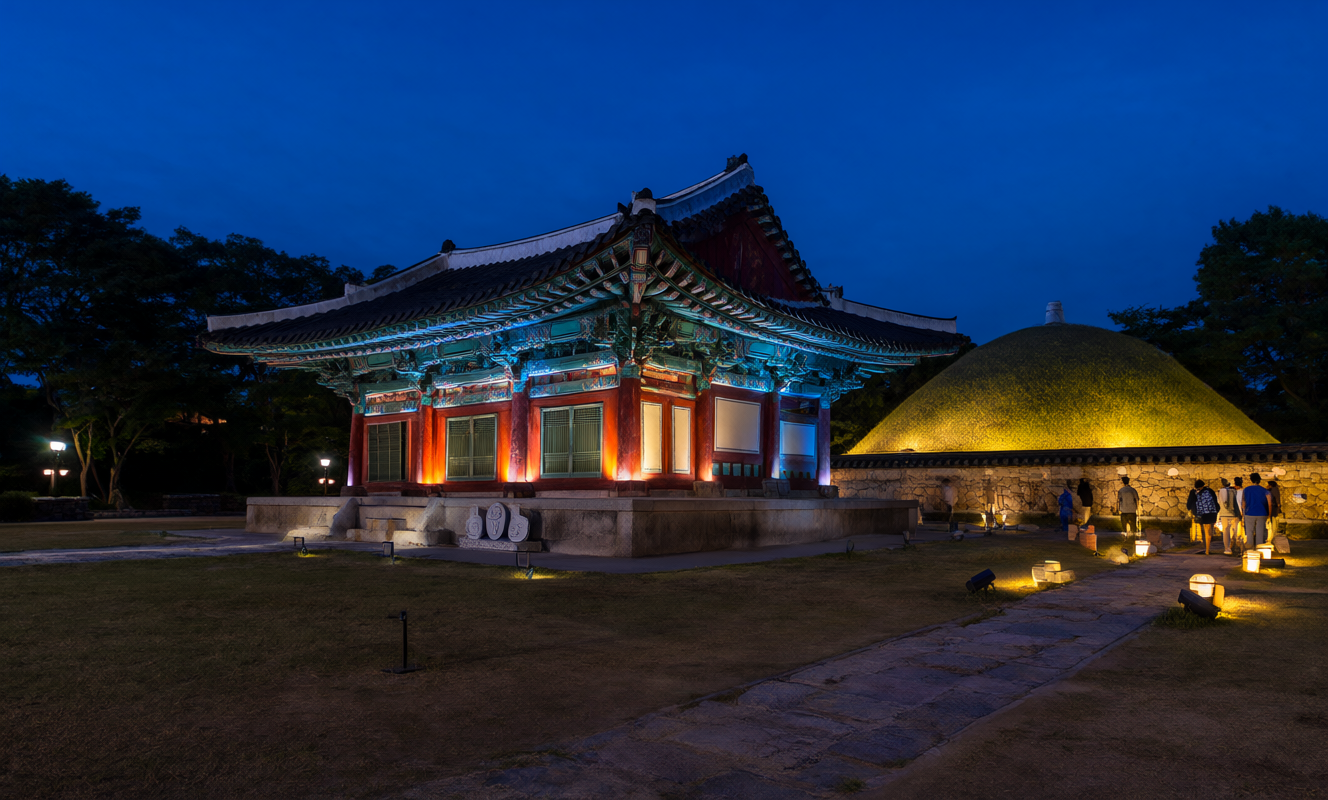
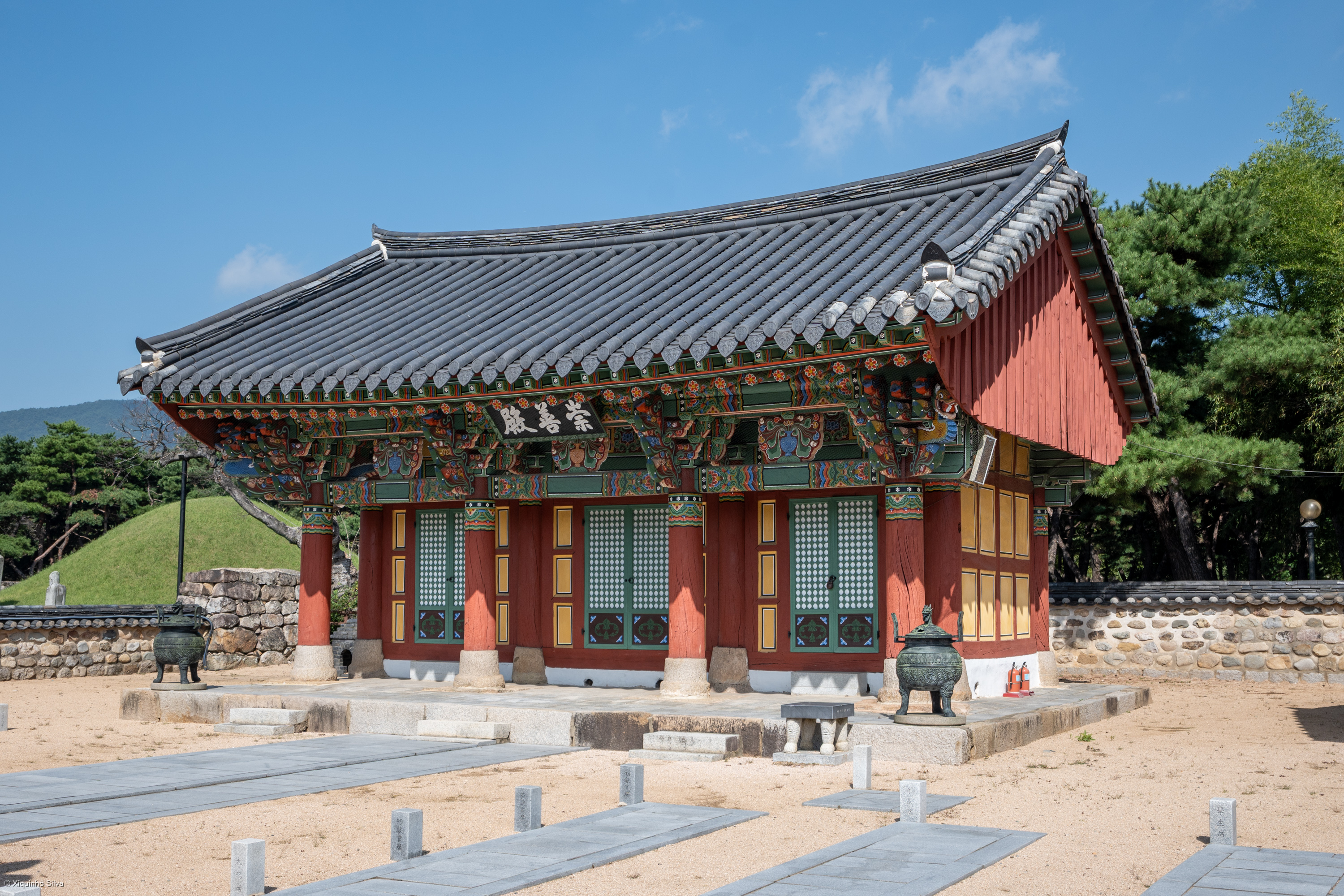
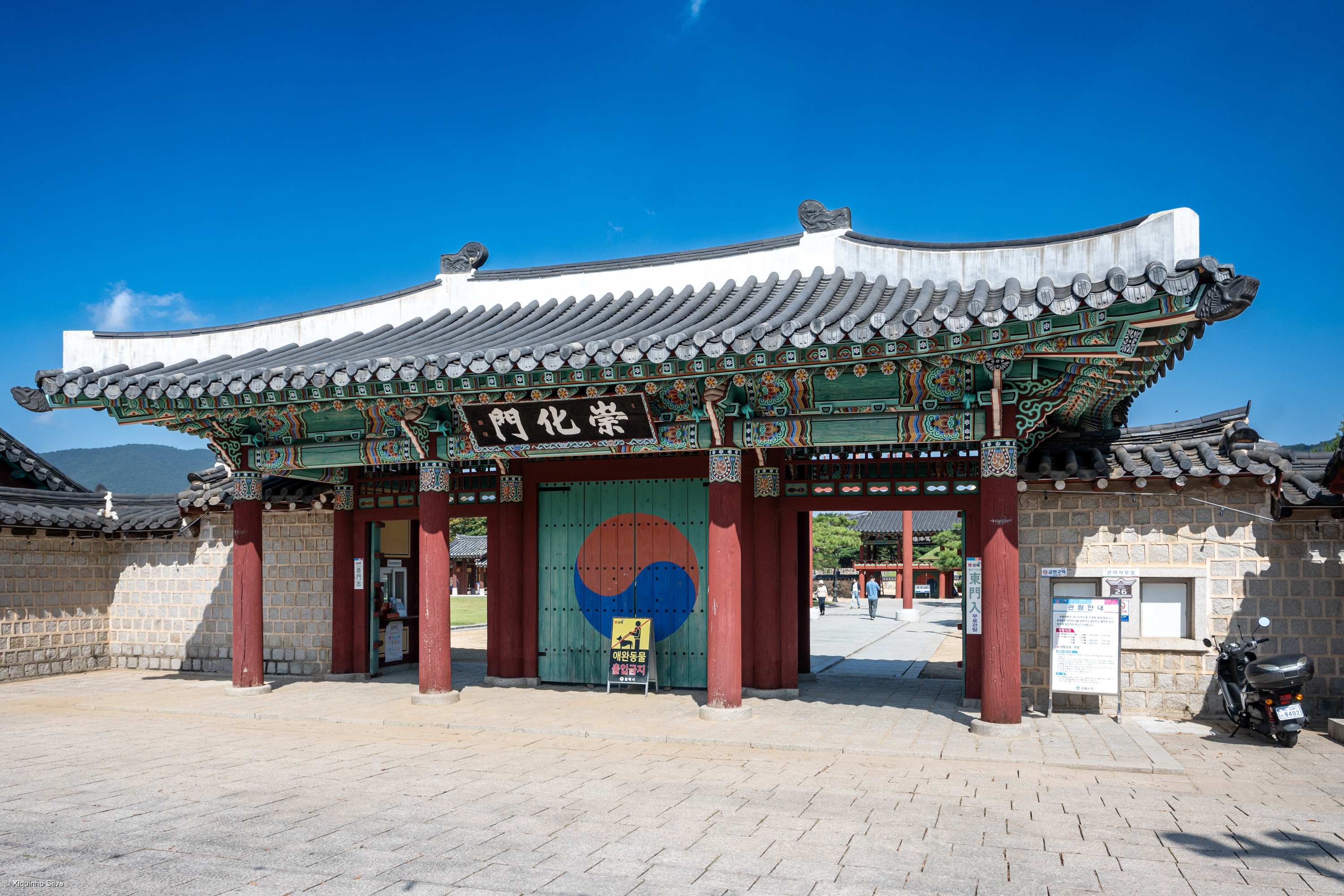
Gimhae was the centre of the Gaya confederation, and the festival uses that history as its set. The 2026 edition, themed “A Night Walking Through Suro’s Time”, links three heritage sites on foot: the Royal Tomb of King Suro, the adjoining Sureungwon Garden, and the Daeseong-dong Tumuli. It is the festival’s tenth anniversary, and it is organised by the National Heritage Administration, Gyeongsangnam-do and Gimhae City, with the Gimhae Culture and Tourism Foundation running it.
It runs October 16-18, 2026 (Friday to Sunday), 18:00-22:00 each night. General entry is listed as free. The programme is branded as “nine nights”, each one a category of activity, which is a useful way to see what is actually on offer.
What you actually do here
The anchor is a media-facade show at the tomb, “Light Flowing Through Gaya”. The organiser describes it as the Gaya founding myth told in light: Queen Heo arriving across the sea, King Suro’s birth and the meeting of two lights, and Gaya-era artefacts flowing through projected light. It runs all three nights. A second piece, “Connecting Gaya’s Lines to the City”, marks a walking route between Sureungwon and the tomb, and “Gaya MOON” turns the Daeseong-dong Tumuli into a participatory light landscape. Local reporting describes the participatory element as a group ring dance.
Beyond the light shows, the “nine nights” are: Night Paths (AR history tours and a plogging tour), Night Stories (stage performances and an outdoor micro-theatre), Night History (hands-on craft and an immersive screening room), Night Paintings (hanji lantern and children’s artwork displays), Night Market, Night Food, Night Stay, and Night Connections (the parade). That adds up to 18 named programmes plus the opening ceremony.
Treat the AR tour and the market as the practical core. The AR tour, “Walking Suro’s Memories”, has two courses, one around the royal tomb and one around the Bongnidan-gil neighbourhood, and the schedule says people who complete a tour receive a gift. The plogging tour, “Memories of Bibidan”, combines picking up litter near the venues with cultural commentary, visits to facilities and an astronomy-observation session. I could not confirm whether either needs advance registration, how long a tour takes, or whether commentary is available in English.
Programme and timetable
Most things run every night from 18:00 to 22:00. The exceptions are the ones to plan around:
- Parade, “Gaya’s Connection” (multicultural parade): Friday, October 16, 18:30-19:30, moving through Sureungwon, the tomb and Wangneung-gil.
- Opening ceremony: Friday, October 16, 19:30-20:00, on the lawn at the tomb: a gayageum performance, the parade arriving and lining up, then the opening and a media-facade round.
- “Moon Shadow of Suro”, a one-person mini puppet theatre: Friday only, 18:00-21:00, at the tomb.
- The plogging tour, “Memories of Bibidan”: 18:00-21:00 all three nights, a shorter window than the rest.
The stage programme, “Gaya Told by the Night”, is listed for all three nights at the tomb and Sureungwon. It includes a gayageum and dance opening, a yoga session, and a costume runway. The official schedule does not give a time for each act, so do not plan around a particular performance starting at a particular minute. Exhibitions include hanji lanterns at the tomb and Daeseong-dong, children’s Gaya-heritage artworks at Sureungwon, and the “Moonlight Screening Room”, an interactive immersive installation at the tomb.
Tickets, fees and booking
The Gyeongnam provincial festival portal lists admission as free, and the festival is an open-air walk through public heritage sites, so there is no ticket to buy for the general programme. What the organiser has not published is any price for the hands-on stalls (“Hand-Shaped Gaya” has 17 participating groups run by local merchants), for the flea market and art market, or for the food zone. If a particular craft matters to you, ask at the stall before joining.
Pre-registration lists for stalls, volunteers, the “Gaya MOON” participants and the night-stay lodging closed in September or earlier. I found no 2026 reservation system for visitors, and last year’s booked history-tour sessions should not be assumed to repeat. For questions, the festival office number is 070-8824-0347; Gimhae City’s listing gives 055-330-3923.
Getting there without a car
Gimhae is not on the KTX main line, so a trip from Seoul is two journeys.
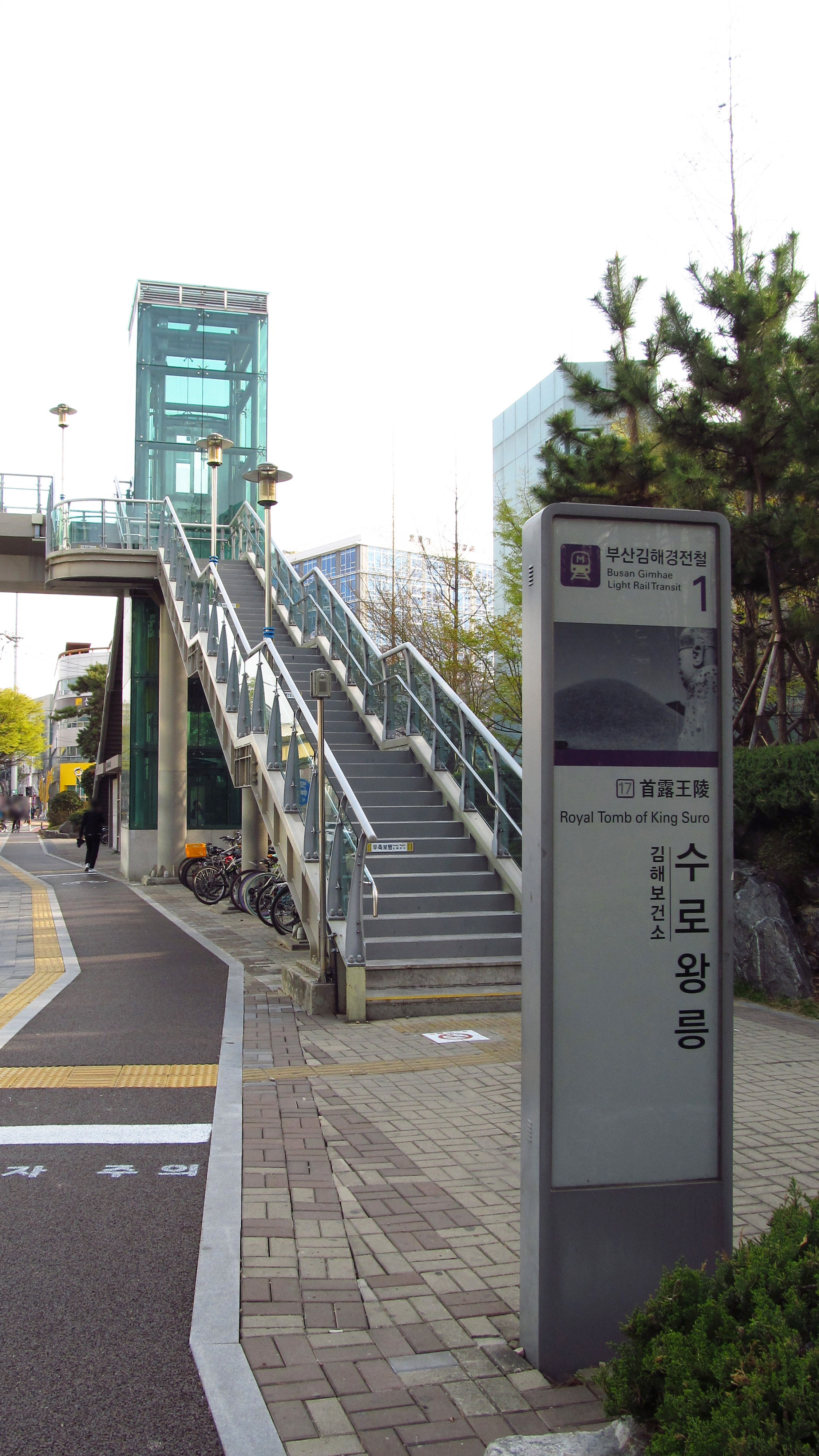
By rail. Take a KTX from Seoul Station to Busan Station (about 2 h 15 m to 2 h 30 m on direct trains). Then ride Busan Metro Line 2 to Sasang; travel guides put that at roughly 20 minutes. At Sasang, change to the Busan-Gimhae Light Rail, an automated line with 21 stations, and ride to Royal Tomb of King Suro Station, station 17, which is 16 stops from Sasang. The station’s exit is close to the tomb. One travel source puts the walk at about five minutes, which I have not timed myself.
By bus. An express bus from Seoul Express Bus Terminal to the Gimhae terminal is listed at about 4 h 40 m, with 14 daily departures in the timetable aggregators I checked. The light-rail station was originally named “Gimhae Terminal”, which suggests the bus terminal is nearby, but I did not verify the walking route.
I could not confirm the light rail’s last train, which matters because the programme ends at 22:00 and returns to Busan or the airport come after that. Check the operator’s timetable for Friday to Sunday before you go.
Parking, shuttles and traffic control
If you drive, the organiser’s directions page lists six parking points, but only by name: P1 Gimhae Gubong Elementary School, P2 Gimhae Construction Technical High School, P3 Gimhae Girls’ Middle School, P4 Gimhae Hapseong Elementary School, P5 the Daeseong-dong Tumuli Museum car park, and P6 the Bongwhang-dong Site car park. P5 carries a note that it cannot be used on “the 17th (Fri)”. October 17, 2026 is a Saturday, so the page’s day label and date disagree; read the signs on site rather than relying on either.
I found no shuttle plan and no road-closure notice for 2026. That does not mean there are none; it means they were not published where I could read them. The light rail removes the problem for most visitors.
Day trip or overnight
A Seoul day trip is possible in principle, but the main programme only starts at 18:00. With roughly 2 h 15 m each way by KTX plus the metro and light-rail legs, you would arrive around the time the lights come on and need a tight return. I have not checked the last Busan-Seoul departure, so confirm it before planning a same-night return. This is why the festival markets itself as an overnight format: the “Night Stay” programme runs guesthouse stays in Bongnidan-gil, 11:00-23:00 on October 16-18, and the Hanok Experience Hall (October 14-16) offered stays to winners of a social-media draw, so it is not an open booking. I verified no hotel prices.
Food on site and nearby
The “Night Food” programme has two parts: “Suro’s Night Table”, a food alley with a multicultural concept near the Daeseong-dong Tumuli, and a janggun-tea relaxation programme at the tomb and Sureungwon. The organiser also recruited food trucks, about ten teams, and up to 60 flea-market teams. Which stalls actually appear, their menus and their prices are not published.
For a documented local meal, see the specialty notes: Gimhae City designated a dwit-gogi (mixed pork trimmings) street in 2024 between Bonghwang-dong and Buwon-dong, and Gimhae janggun tea is produced only in the city.
Honest assessment
This works best as a short, free, walkable evening that combines something to look at (the tomb media facade and lantern displays) with local stalls. Its heritage setting is real: the Royal Tomb of King Suro is Historic Site No. 73, and the Daeseong-dong Tumuli are Historic Site No. 341 and part of the Gaya Tumuli World Heritage listing.
The practical weaknesses are the same as for many regional night events. The best-defined items, the parade and opening ceremony, happen only on Friday. The details most useful to a first-time visitor, such as prices of hands-on programmes, the order of stage acts, shuttle plans and English guidance, are not in the organiser’s public material. Bring a plan for getting back after 22:00, and check the official site’s schedule for any last-minute change.
Local specialties to try
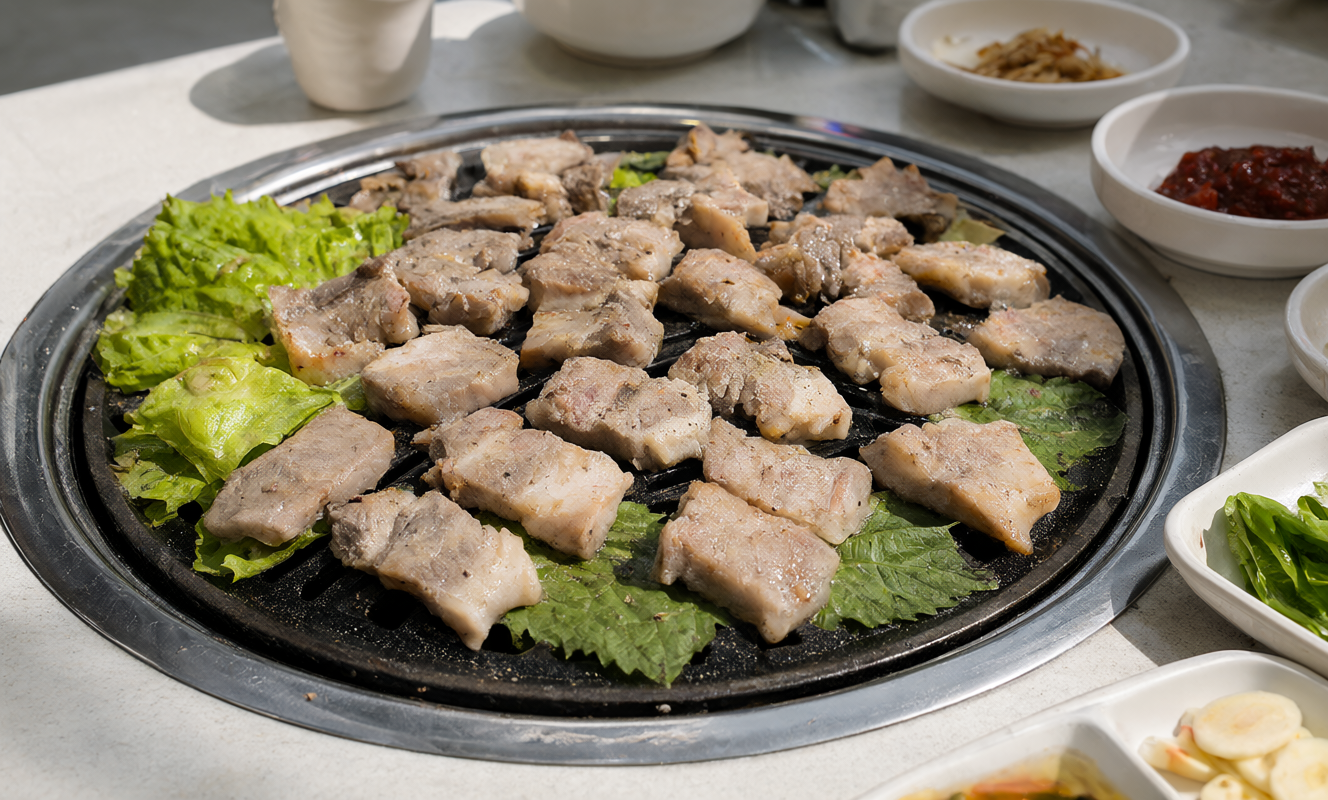
Gimhae dwit-gogi (김해 뒷고기)
Gimhae City describes dwit-gogi as the mixed pork trimmings left over when meat is butchered and portioned: cheap, plentiful and chewy. In 2024 the city designated a roughly 600-metre dwit-gogi street running between Bonghwang-dong and Buwon-dong with 15 specialist restaurants. It is a city food worth seeking out, not a claim about what festival stalls will sell.
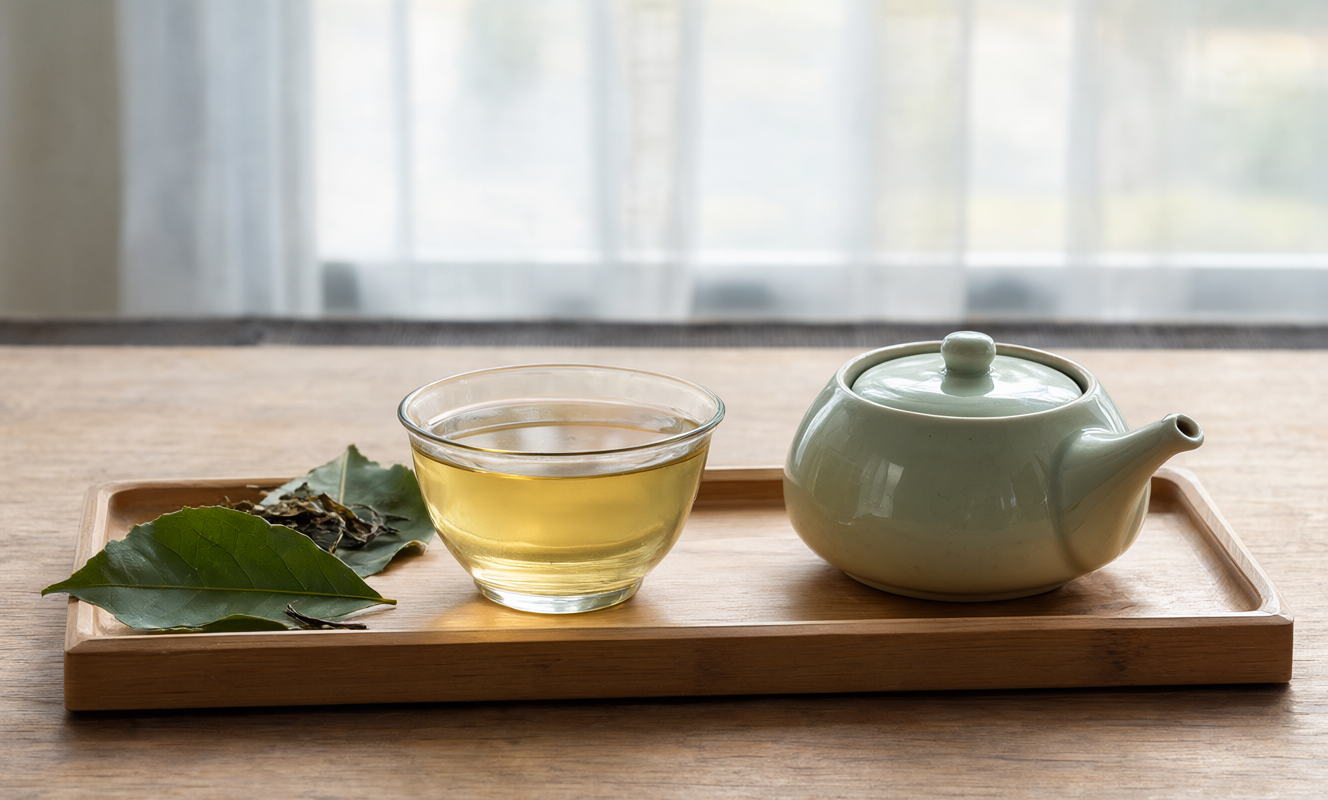
Gimhae janggun tea (김해 장군차)
Local reporting describes janggun tea as produced only in Gimhae, by 13 farming households on about 25 hectares, and tied by tradition to Queen Heo, who is said to have brought tea seeds from India. It has been named a 'Korea's best tea' 11 times. The festival programme itself lists a janggun-tea relaxation activity at the tomb and Sureungwon, though what is served is not detailed.
Questions worth asking
Is the Gimhae National Heritage Night free?
General entry is listed as free by the Gyeongnam provincial festival portal. The organiser has not published prices for hands-on programmes, the food zone or market stalls, so carry some cash or a card in case you join something or buy a meal.
What hours does it run?
The main programme runs 18:00-22:00 on October 16, 17 and 18, 2026. The plogging cultural tour ends earlier, at 21:00, and a few items such as the opening ceremony and parade happen only on the Friday.
Which night should I choose?
Friday, October 16 if you want the parade (18:30-19:30), the opening ceremony (19:30-20:00) and the mini outdoor theatre. Saturday and Sunday still offer the media facade, markets, exhibitions and walking tours, but without those Friday-only events.
How do I get there from Seoul?
The usual rail route is KTX from Seoul Station to Busan Station (about 2 h 15 m to 2 h 30 m), Busan Metro Line 2 to Sasang, then the Busan-Gimhae Light Rail to Royal Tomb of King Suro Station. An express bus from Seoul Express Bus Terminal to Gimhae is listed at about 4 h 40 m. I did not time the light-rail leg or confirm last trains.
Is there parking or a shuttle?
The organiser's directions page lists six parking points (P1-P6), mostly school grounds and heritage-site car parks. I found no shuttle timetable or road-closure notice. P5, the Daeseong-dong Tumuli Museum lot, is marked unavailable on one day that the page labels 'the 17th (Fri)'; October 17 is a Saturday, so check the signs on site.
Before you goFestival Etiquette in Korea: What Visitors Get WrongBooking KTX Trains and Intercity Buses as a Foreign VisitorGetting Out of Incheon Airport and On to a FestivalKorean Festivals With Children: Toilets, Strollers and TimingStaying Online in Korea: SIM, eSIM and the Apps That MatterEating at a Korean Festival Without Speaking KoreanRain, Typhoons and Cancelled Festivals: How to Plan Around ThemHow to Pay for Things in KoreaT-money and Transit Cards in KoreaWhat to Wear to a Korean Festival, Season by Season
LAST UPDATED · Oct 15, 2026