
Autumn · Gyeonggi-do · Field listing
Goyang Autumn Flower Festival 2026
The essentials first: whether it is open, what it costs, how hard it is to reach and what to expect if you do not speak Korean.
When
Oct 1 — 11ConfirmedConfirmed dates
Where
Ilsan Lake Park, Ilsandong-gu, GoyangGyeonggi-do
Type
Nature
Admission
FREEGeneral admission is free. Two activities are separately priced. The water flower bicycle costs 14,000 won for two people and 21,000 won for three, operating from 09:00 until sunset. A ticketed talk concert (poetry and music) runs October 9-11, 14:00-16:00, at the Flower Book Cafe in the Flower Exhibition Hall, at 20,000 won for a single day or 50,000 won for a three-day pass. Everything else — theme gardens, photo zones, the flower market and the hands-on booths — is free to walk through, though buying flowers or goods obviously costs money.
From Seoul
About 1 hour by Seoul Subway Line 3 to JeongbalsanTake Seoul Subway Line 3 to Jeongbalsan Station, the stop closest to the theme-plaza area and the Goyang Flower Exhibition Hall. Madu and Juyeop stations, one stop either side, also border Ilsan Lake Park; from any of the three the park is reached on foot in a few minutes. GTX-A reaches Kintex from Seoul Station quickly but lands at the north-western end of the district, farther from the festival plaza.
Hours
09:00-18:00 daily
Organiser
Goyang International Expo Foundation, 031-908-7750
Is this one for you?
Who it suits. This suits families, casual autumn day-trippers and anyone who likes walking through large planted flower beds and posing at photo zones, all for free and easily reached by subway from Seoul. It is a weak choice if you are hoping for a headline concert, nightlife or the drone show people associate with the name — those belong to a different Goyang event — and it is not the place for a quiet rural nature escape, since this is a manicured city park that can fill up on fine autumn weekends and closes in the early evening.
When to go. Treat it strictly as a daytime outing: the grounds run 09:00-18:00 and there is no evening or after-dark programme, so plan to be inside the gardens in good light rather than arriving late. A weekday or an early weekend morning gives you the flower beds and photo zones with fewer people and softer light for photos. If you want the water flower bicycle, note it stops at sunset; if you want the concurrent art fair, that only runs October 1-4, while the indoor craft and living-art events and the ticketed 14:00-16:00 talk concert fall on the final weekend, October 8-11.
LOCAL WEATHER
Weather near the festival
The festival date is outside the current forecast window. Check again closer to your trip.
Korea Meteorological Administration forecast
Need something we do not list — a stall menu, a parking gate, a last bus? The Korea Travel Helpline answers in English around the clock: dial 1330 inside Korea, or +82-2-1330 from abroad.
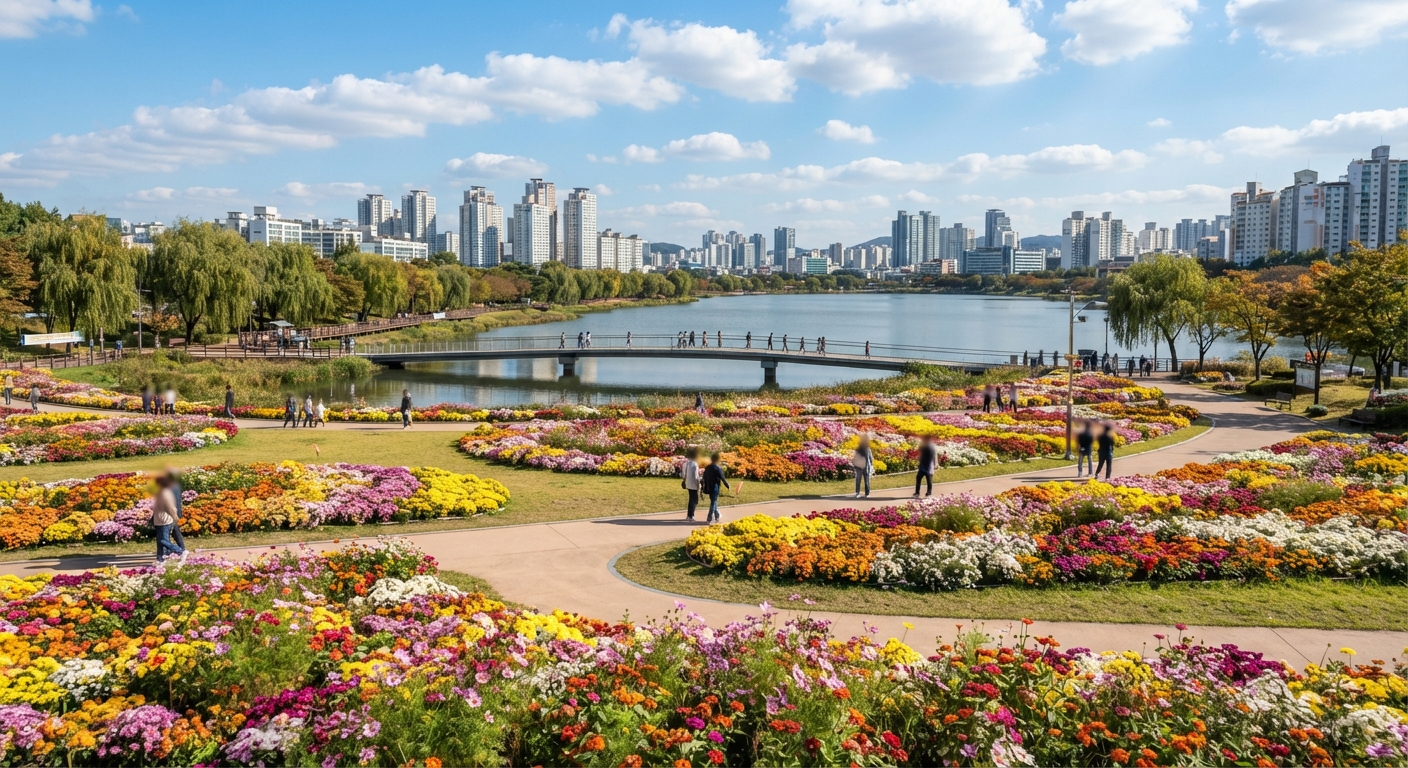
Goyang’s autumn flower festival is a free, daytime event held on the theme-plaza side of Ilsan Lake Park (일산호수공원), the large artificial-lake park in the new-town district north-west of Seoul. For 2026 the confirmed dates are October 1-11, open daily from 09:00 to 18:00, with general admission free. The organiser is the Goyang International Expo Foundation, the same body that runs the city’s much larger spring flower exhibition.
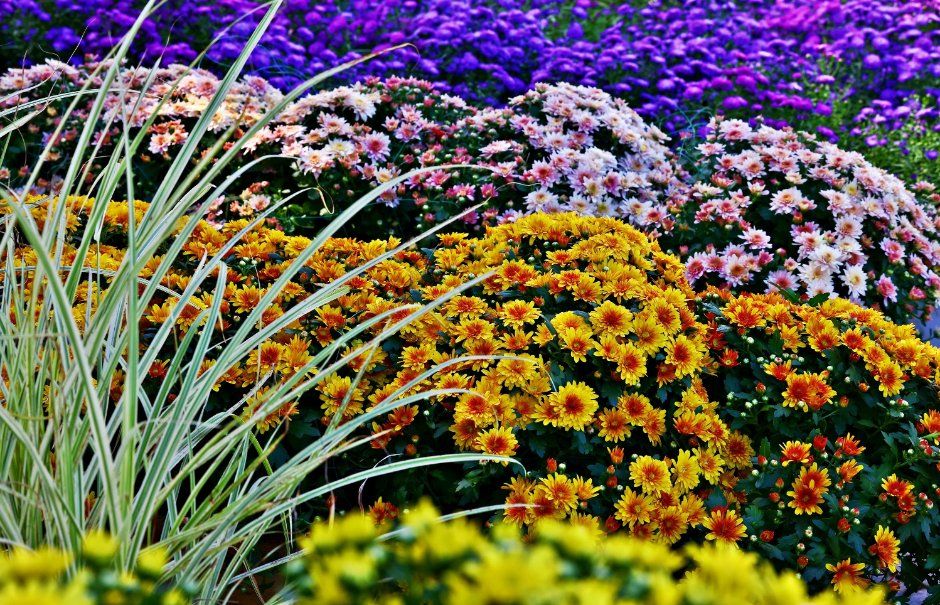
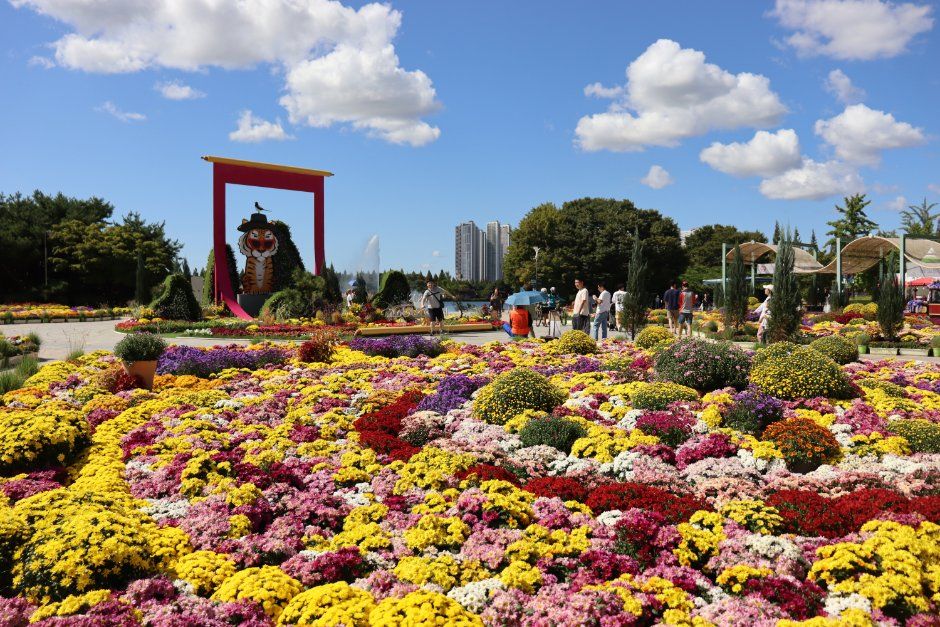
The 2026 theme is “Autumn Palette” (가을 빠레뜨), and the idea is literal: chrysanthemums, cosmos, zinnias and other autumn flowers are massed in mixed colours across the lawns and beds like paint on a palette. This is a park-and-garden event rather than a stage festival. You come to walk among the flowers, use the photo zones, browse a flower market and try a few light hands-on activities — not to watch a headline concert. Knowing that in advance is the difference between a good afternoon and a disappointed one.
One point worth clearing up first, because it drives a lot of searches: there is no drone show at this festival. The drone light show associated with the “Goyang” name belongs to a separate event, the Goyang Lake Arts Festival, which is held in mid-September at the same park. The autumn flower festival is a quieter, daytime affair.
What you actually do here
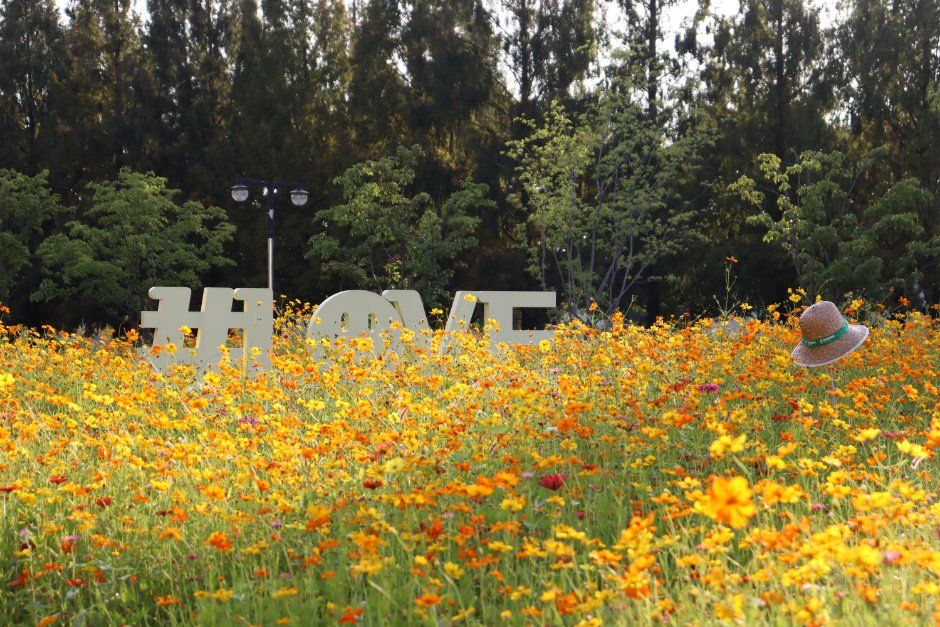
The core of the visit is simply walking the planted beds. The foundation’s programme lists autumn theme gardens and photo zones built around the “Autumn Palette” idea, so expect broad sweeps of chrysanthemums and cosmos with set-piece installations to pose at. Because it is laid out across an open lake park rather than a fenced showground, you can combine the festival with a normal lap of the lakeside path, the willow-lined water’s edge and the bridges that cross it.
Two of the photo zones have a specific hook for 2026. One is a commemorative flower bed marking the 100th anniversary of Hangul Day, using flowers and planting to reference the Korean alphabet. The other previews the 30th edition of the Goyang International Flower Festival, due in 2027, with a special photo zone and a visitors’ message wall where you can leave a note. These are stationary displays, not timed shows, so they are there whenever you visit within opening hours.
The park setting is the real strength. Even setting the festival aside, Ilsan Lake Park is a pleasant place to spend a couple of hours, and the flower beds give a fine-weather autumn walk a clear focus. If you are travelling with older relatives or small children, the flat paved paths and the option to sit by the water make this an easy outing compared with a hillside or riverside festival.
Programme and photo zones
Beyond the gardens, the foundation lists a set of hands-on booths and themed spaces. A few named ones for 2026: a storytelling exhibit about “Bap Halmeoni,” a figure remembered as one of Joseon’s earliest female righteous-army leaders, presented with a message wall and a drawing activity; a “travelling plant clinic” where staff diagnose sick houseplants and give care advice; a promotion hall for Goyang’s city mascot, anchored by a five-metre “Goyang Goyang-i” character sculpture that doubles as a photo spot; a pressed-flower “flower fishing” game with small prizes; a “Flower B.I.N.G.O.” trail that rewards you for seeing and photographing set spots; and the 30th-anniversary message tree. None of these needs Korean-language fluency to enjoy, though the explanatory signage is likely to be mostly in Korean.
Treat the hands-on list as a bonus rather than the reason to come. The programme can be adjusted, and specific booth hours were not published in a dependable per-day form when this guide was written. If one particular activity is the point of your trip, check the official page’s notices close to your visit.
The flower market and what to buy
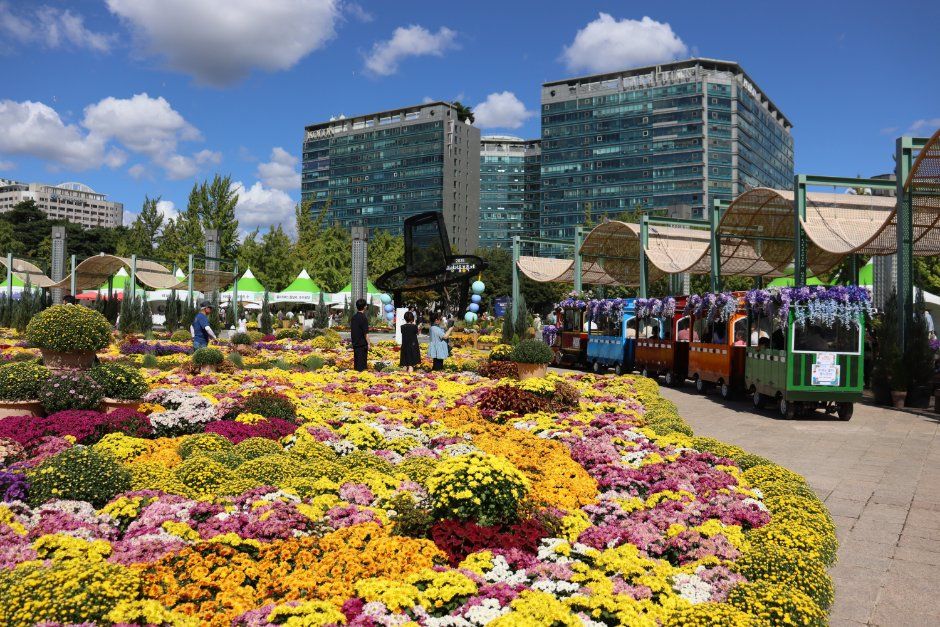
The flower market is the part that connects the festival to the city around it. Goyang is Korea’s largest flower-growing city: it was designated the country’s first flower-industry special zone in 2006, its rose beds are the largest in the nation, and local growers export a large share of their roses abroad. That is why the market here is not a generic craft row — it is stocked by Goyang’s own flower farms, selling chrysanthemums, air-purifying houseplants, potted plants, orchids, cacti, bonsai and succulents.
For a visitor this is the most authentic souvenir option on site: a potted plant or cut flowers grown in the same district you are standing in. If you are staying in Korea for a while and can look after a plant, it is a better buy than a mass-produced trinket. If you are only passing through, the market is still worth a slow browse for the colour alone.
On food, the official materials for 2026 did not confirm a specific food-stall or food-truck line-up, so this guide does not promise one. The upside of the location is that Jeongbalsan Station sits beside Ilsan’s main dining and shopping strips — the La Festa and Western Dom complexes — so a proper meal is a few minutes’ walk away rather than dependent on temporary stalls.
Tickets and the two paid activities
There is no admission ticket. You walk in free, and the gardens, photo zones, market and booths are all open to anyone within the 09:00-18:00 window.
Two things are separately priced for 2026. The first is the water flower bicycle, a pedal-boat-style ride on the lake decorated with flowers. The official page gives 14,000 won for two people and 21,000 won for three, running from 09:00 until sunset. That sunset cut-off matters in October, when daylight shortens quickly: if the ride is a priority, do it earlier in the afternoon rather than leaving it to the end of the day.
The second, confirmed on the official page as the dates neared, is a ticketed talk concert pairing poetry with music. It runs on the festival’s final weekend, October 9-11, from 14:00 to 16:00, in the Flower Book Café inside the Flower Exhibition Hall, and costs 20,000 won for a single day or 50,000 won for a three-day pass. This is an optional indoor add-on, not part of the free garden visit, so book it deliberately if a two-hour seated concert is what you want; otherwise skip it. Everything else on the programme is free to look at, so a family can have a full visit without paying anything if neither the boat nor the concert appeals.
What else is on during the festival
Goyang has deliberately clustered several events around the flower festival, which can make a single trip more rewarding if you time it right. PIATE 2026, a contemporary art fair showing work by ten invited artists from seven Asian countries alongside other Korean and international creators, runs October 1-4 and shares a joint opening with the flower festival, pairing gardens outdoors with art indoors. From October 8-11, the Goyang Flower Exhibition Hall hosts indoor programmes including a small-business “living art” expo and a Gyeonggi craft-culture festival, both built around browsing, hands-on activities and buying directly from makers. The ticketed poetry-and-music talk concert (see the tickets section) also falls in this final-weekend window, on October 9-11.
The practical takeaway is that the first weekend leans toward the art fair, while the second leans toward the indoor craft and living-art events. If either interests you, plan your date around it, and confirm each event’s own hours and exact hall, because they do not all run for the full eleven days.
Getting there without a car
The simplest route from Seoul is Seoul Subway Line 3 to Jeongbalsan Station, which is the closest stop to the theme-plaza area and the Goyang Flower Exhibition Hall. Madu and Juyeop stations, one stop on either side, also border Ilsan Lake Park, so if your hotel is nearer one of those, use it — all three put you within a few minutes’ walk of the park across a footbridge. From central Seoul the ride is roughly an hour, though the exact time depends on where you start; check a map app for your specific origin.
GTX-A is faster on paper — it reaches Kintex from Seoul Station in well under half an hour — but Kintex sits at the north-western end of the district, away from the festival plaza, so you would still need a bus or a further transfer to reach the lake park. For most visitors heading straight to the flowers, plain Line 3 to Jeongbalsan is the more direct choice.
Driving is possible but not recommended on autumn weekends. Ilsan Lake Park has public parking, but a specific 2026 festival parking and traffic plan was not published when this guide was written, and the lots can fill in fine weather. If you must drive, check the organiser’s notices shortly before travelling rather than assuming a space.
Honest assessment
The strength of this festival is exactly what it looks like: a large, free, well-planted flower park that is genuinely easy to reach by subway and pleasant to walk for an hour or two, with the added weight of being run in Korea’s main flower-growing city. The colour is real, the setting is comfortable for families and older visitors, and the flower market gives you something local and honest to take home. As a low-commitment autumn outing from Seoul, it is a fair recommendation.
Its limits are just as clear. This is a daytime garden event that closes at 18:00, with no concert, nightlife or drone show, so anyone arriving expecting a spectacle will be let down — the drone show they may have read about is a different festival entirely. The hands-on booths and photo zones are pleasant but modest, and much of the on-site signage will be in Korean. On a fine autumn weekend the beds and photo zones get busy, and the park’s parking fills, which is another argument for the train and for a weekday or early-morning visit.
The fairest plan is a couple of unhurried hours in good daylight: walk the flower beds, use a few photo zones, browse the market for a potted plant, and eat at the nearby Ilsan dining strips rather than counting on festival food. Add the art fair on the first weekend or the indoor craft events on the second if you want more, and keep it a day trip — there is no reason to build an overnight stay around this one.
Local specialties to try
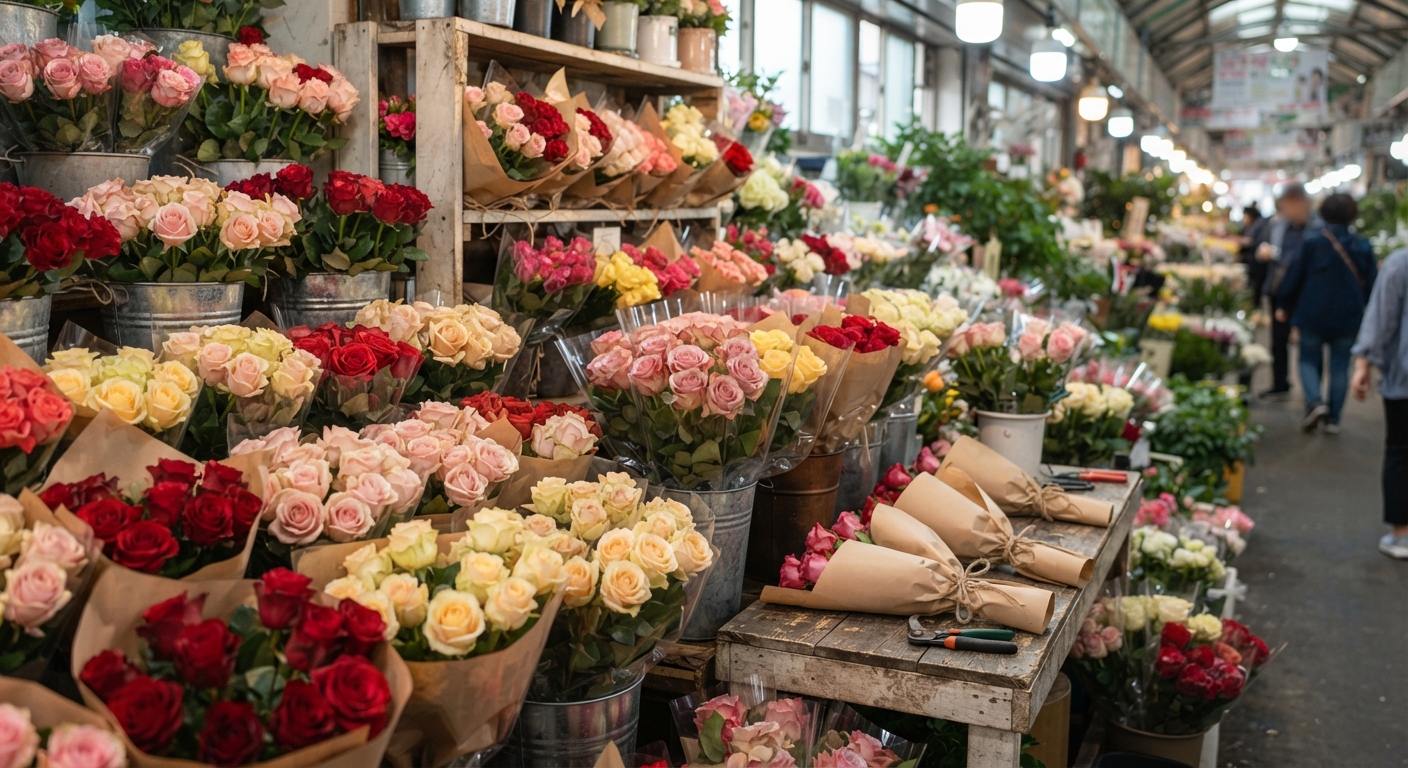
Goyang cut flowers (고양 화훼)
Goyang is Korea's largest flower-growing city and was designated the country's first flower-industry special zone in 2006. Its rose beds are the largest in the nation, and city growers export a large share of their roses to Japan. The festival's flower market is stocked by these Goyang farms, so cut flowers and potted plants are the genuine local product to look at or buy here — a regional specialty, not a claim about festival food.
Questions worth asking
Is the Goyang Autumn Flower Festival free?
Yes. General admission is free and open to anyone during the October 1-11 run. Two things are separately priced: the water flower bicycle on the lake, at 14,000 won for two people and 21,000 won for three, running from 09:00 until sunset; and a ticketed poetry-and-music talk concert on October 9-11, 14:00-16:00, at 20,000 won for one day or 50,000 won for a three-day pass. Everything else — the gardens, photo zones, the flower market and the hands-on booths — is free to enter, though buying flowers or goods costs money.
Is there a drone show at the Goyang Autumn Flower Festival?
No. The drone light show that many people search for is part of a different event, the Goyang Lake Arts Festival, which ran in mid-September at the same park. The autumn flower festival (October 1-11) is a daytime flower-garden event running 09:00-18:00 with no drone show or night programme.
What are the dates and opening hours?
The festival runs October 1-11, 2026, open daily from 09:00 to 18:00 at Ilsan Lake Park's theme-plaza area. It closes in the early evening, so plan a daytime visit.
How do I get there from Seoul without a car?
Take Seoul Subway Line 3 to Jeongbalsan Station, the closest stop to the theme plaza and the Goyang Flower Exhibition Hall; Madu and Juyeop stations also border the park. From any of them the park entrance is a short walk. This is simpler than driving, since the festival falls on autumn weekends when the park's own lots fill up.
Is there parking, and will it be busy?
Ilsan Lake Park has public parking, but a dedicated 2026 festival parking or traffic-control plan was not published when this guide was written, and the lots can fill on fine autumn weekends. If you can, use Line 3 instead of driving, and check the organiser's notices shortly before you travel rather than assuming a free space on arrival.
What else is happening during the festival?
Several events are timed to overlap. PIATE 2026, a contemporary art fair with ten invited artists from seven Asian countries, runs October 1-4 with a joint opening. From October 8-11, indoor shows at the Goyang Flower Exhibition Hall include a small-business living-art expo and a Gyeonggi craft-culture festival, and a ticketed poetry-and-music talk concert runs October 9-11 from 14:00 to 16:00. These are separate programmes, so check each one's venue, dates and any ticket price rather than assuming everything runs on all eleven days.
Before you goFestival Etiquette in Korea: What Visitors Get WrongBooking KTX Trains and Intercity Buses as a Foreign VisitorGetting Out of Incheon Airport and On to a FestivalKorean Festivals With Children: Toilets, Strollers and TimingStaying Online in Korea: SIM, eSIM and the Apps That MatterEating at a Korean Festival Without Speaking KoreanRain, Typhoons and Cancelled Festivals: How to Plan Around ThemHow to Pay for Things in KoreaT-money and Transit Cards in KoreaWhat to Wear to a Korean Festival, Season by Season
LAST UPDATED · Sep 23, 2026