Autumn · Gyeongsangbuk-do · Field listing
Gumi Ramyun Festival 2026
The essentials first: whether it is open, what it costs, how hard it is to reach and what to expect if you do not speak Korean.
When
Nov 6 — 8ConfirmedConfirmed dates
Where
Around Gumi Station: Yeokjeon-ro, Munhwa-ro, Geumridan-gil and Saemaeul Jungang Market, GumiGyeongsangbuk-do
Admission
FREEEntry is free, according to both the Korea Tourism Organization listing and the festival's own FAQ. Food and activities are a separate matter: dishes at the ramyeon restaurants are ordered on site, and the 2026 menus and prices had not been published when this guide was written.
From Seoul
About 1 h 30 m by KTX to Gimcheon-Gumi Station, plus a bus transfer of roughly 30 minutesTake a KTX from Seoul Station to Gimcheon-Gumi Station, then bus 5000 to Gumi Station, which is the festival's centre. Conventional (Mugunghwa) trains stop at Gumi Station itself, within walking distance of the site. A paid Kakao T shuttle from Seoul is also planned, depending on demand.
Hours
10:00-21:00
Organiser
Gumi City operations office, 054-480-2651 to 054-480-2653
Is this one for you?
Who it suits. This suits people who like street-food festivals and are curious about how a city built around a noodle factory turns that into a weekend out. Come with friends or family and expect to eat standing up or at long shared tables. It is a weaker choice if you hate queues or dense crowds, or if you want a quiet, scenic trip: the site is a closed-off stretch of city streets, and last year's visitor numbers were large.
When to go. Friday, November 6 is the likeliest day for shorter lines: reported figures for the 2025 edition were about 90,000 visitors on the first day and 150,000 on the second. Opening hours are 10:00-21:00, so aim for the daytime or early afternoon, before the evening rush after work, and eat your priority dish first, since food waits are the main cost. Leave time for the surrounding old-town streets, which are part of the festival area.
LOCAL WEATHER
Weather near the festival
The festival date is outside the current forecast window. Check again closer to your trip.
Korea Meteorological Administration forecast
Need something we do not list — a stall menu, a parking gate, a last bus? The Korea Travel Helpline answers in English around the clock: dial 1330 inside Korea, or +82-2-1330 from abroad.
Gumi is a factory city, and the festival starts from that fact. Nongshim, one of Korea’s best-known instant noodle makers, has a plant in Gumi, and the city decided to turn the product into a weekend event. The official site says the festival began in 2022, built on the idea of eating freshly fried ramyeon straight from the factory’s home town. By 2025 it had grown into a three-day street event reported at about 350,000 visitors.
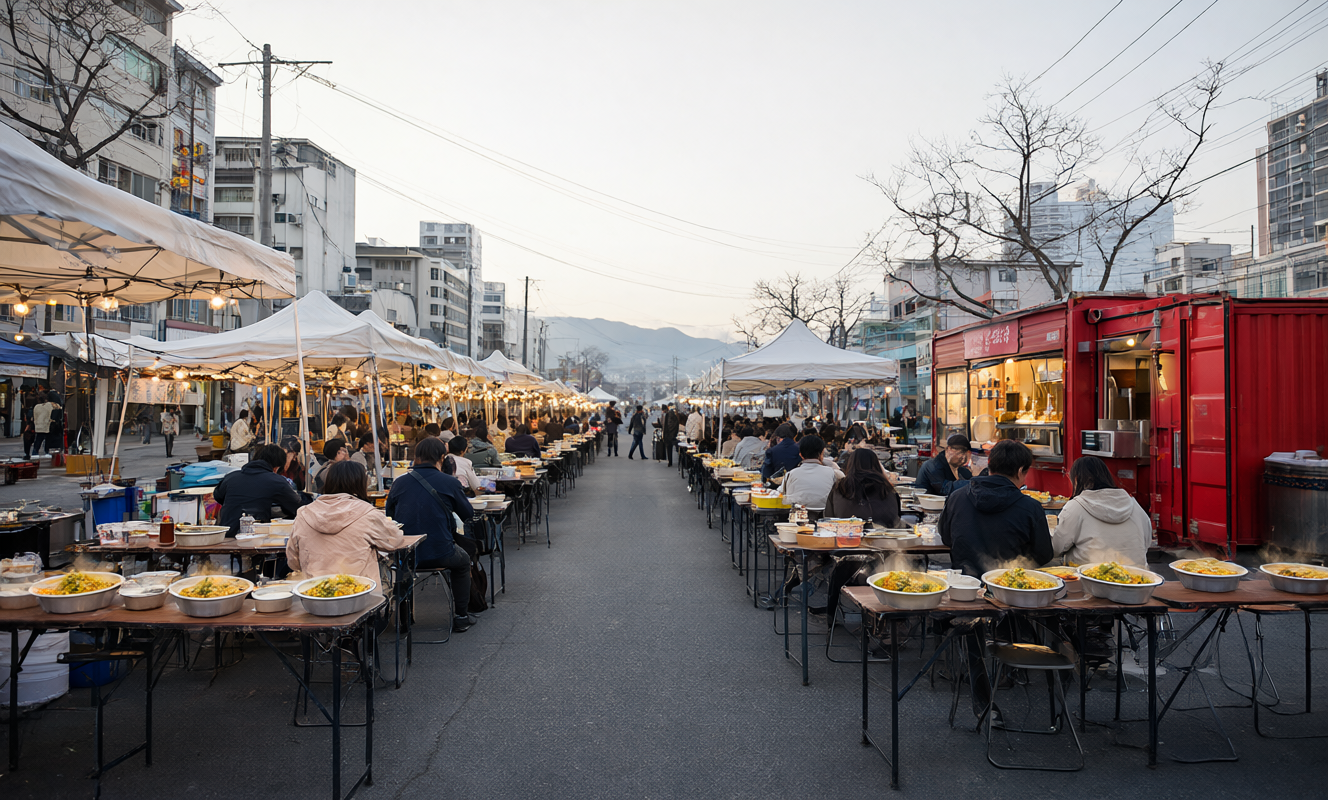
For 2026 the dates are November 6-8, with listed hours of 10:00-21:00. The festival is held in the old downtown around Gumi Station: Yeokjeon-ro, Munhwa-ro, Geumridan-gil and the Saemaeul Jungang Market all count as festival space. Entry is free. The Korea Tourism Organization (KTO) registers Gumi City as the host and gives the operations office as 054-480-2651 to 054-480-2653.
What you actually do here
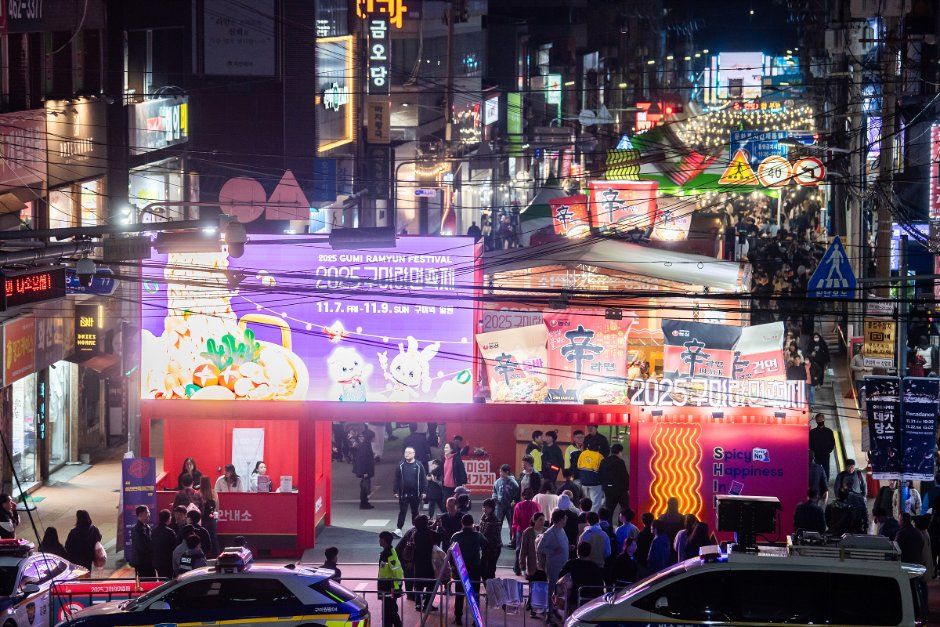
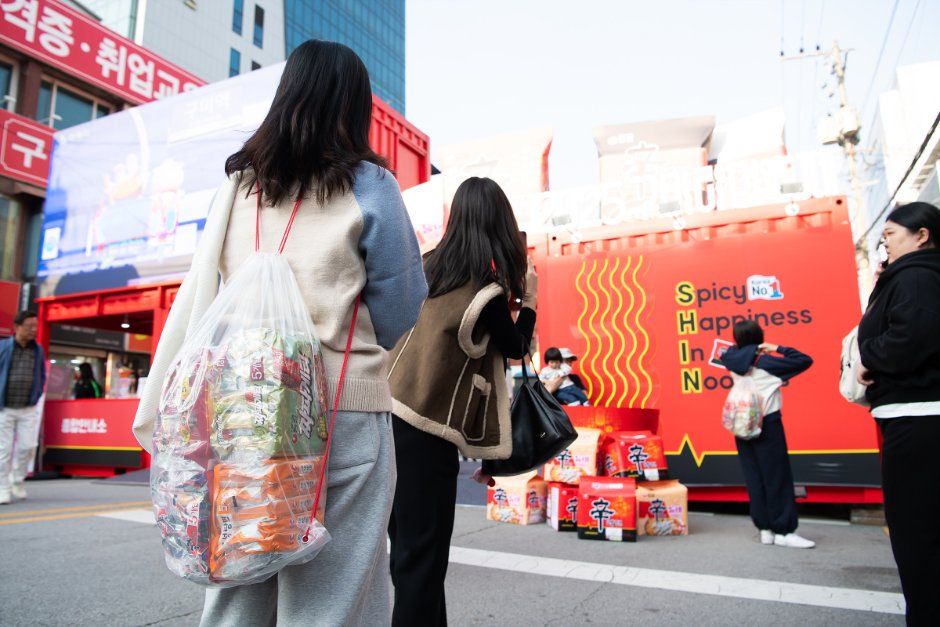
This is an eating festival. The core is the Ramyeon Restaurant, a set of stalls where restaurants and companies serve their own versions of ramyeon. The official site sorts the 2026 stalls into categories that include “half-half” ramyeon, unusual ramyeon, premium and international noodles, and ramyeon trucks. A report on the July 9 briefing says 52 businesses attended, and that restaurants are chosen through a document screening followed by cooking evaluations. The final 2026 stall list and menu prices were not available in the sources checked, and KTO warns that its own food section still describes the 2025 edition and is being updated.
The other named programmes, per the KTO listing, are Freshly Fried Ramyeon (the festival’s signature food, made from noodles fried on the spot), Gat Land (ramyeon-themed experiences and content), the Global Ramyeon Challenge (a participation programme for domestic and international entrants), and the Hururuk Lounge, a resting area with performances. Visitors can also make their own ramyeon and try an activity KTO lists as “Sprap”. The overview text adds a robot chef.
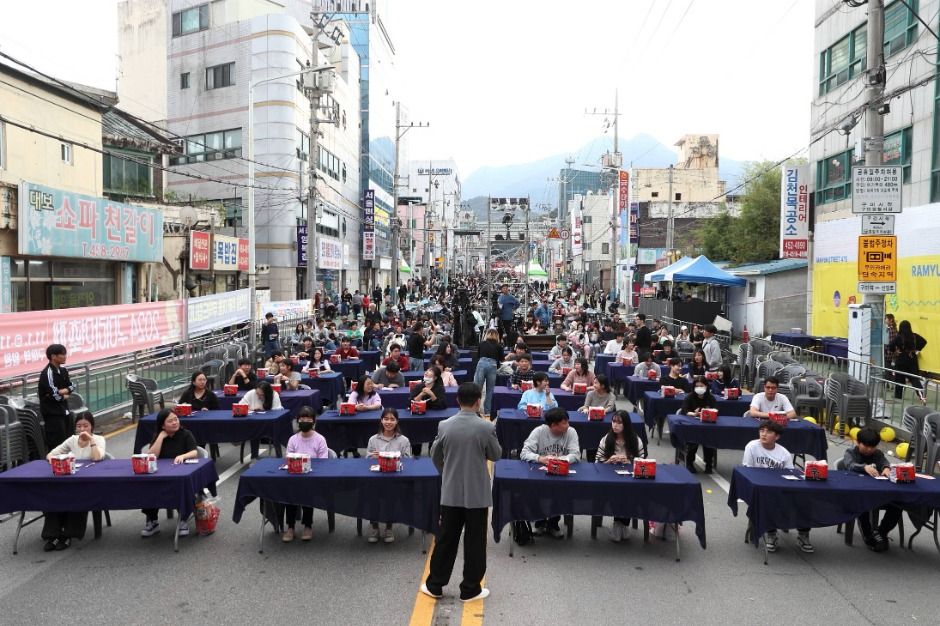
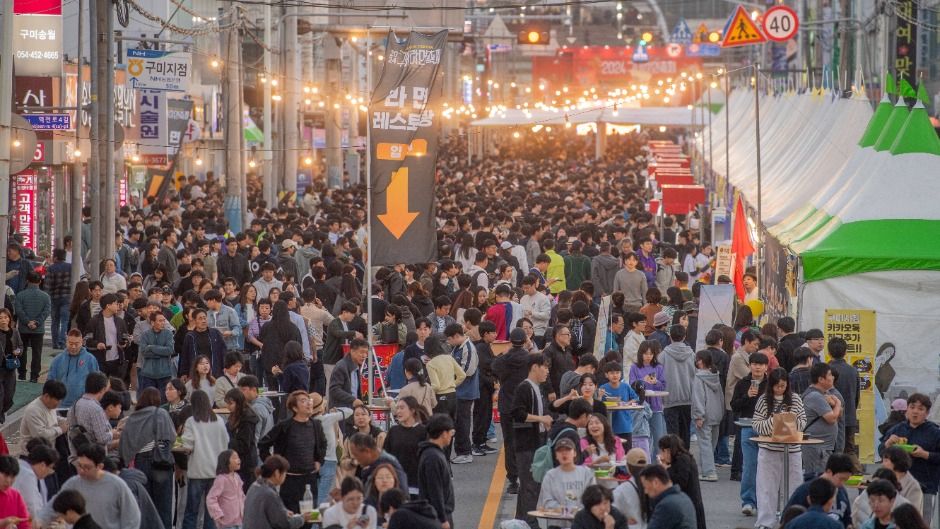
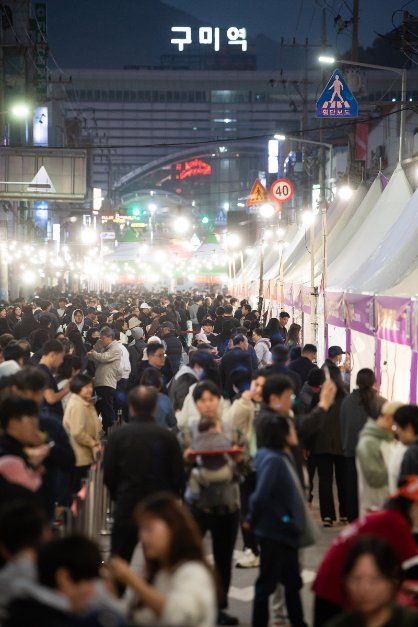
The photographs here come from KTO’s gallery for the festival. Several show 2025 signage, so treat them as a guide to the scale and layout rather than the 2026 setup.
Programme and timetable
No day-by-day 2026 timetable could be confirmed for this guide. The one operational statement is the 10:00-21:00 window from KTO. The city says it will spread performances out to reduce crowding at peak times, but it has not, in the sources checked, published a schedule or named artists. The article therefore names no performers and no showtimes. If a specific stage act is your reason to come, check the official site’s programme page a few days before November 6.
The festival area is not one fenced plaza. It follows the streets from the station into the old centre, so the same walk takes you past the main stalls, the surrounding restaurants and the market. KTO’s description lists local restaurants and the old-town shopping streets as part of the festival’s design, with the city saying it wants them to share in the visitors.
Tickets, fees and booking
There is no entry ticket. Both KTO and the festival’s FAQ describe entry as free. The costs are the dishes you order and any paid experiences, and 2026 prices had not been published when this guide was written, so none are given. Do not plan around a price from a blog about 2025.
The city says it is introducing QR-code ordering and KakaoTalk waiting alerts this year, so that you order, get a notification and collect without standing in a line the whole time. KakaoTalk is a Korean messaging app, and whether an English ordering screen exists, or whether a visitor without a Korean account can receive the alert, is not confirmed, so ask staff on the day. Reports on the 2025 edition also describe a QR ordering system, so QR ordering itself is not new.
Getting there without a car
Rail is the simplest route. Gumi Station is the centre of the festival. Korail’s rail-trip notice for this festival, carried by several outlets on October 22, says Mugunghwa-class trains stop at Gumi Station, within walking distance of the festival. KTX passengers get off at Gimcheon-Gumi Station and take bus 5000 to Gumi Station. A published timetable example shows that bus leaving Gimcheon-Gumi at 06:32 and arriving at Gumi Station at 07:02, so allow around half an hour for the transfer, plus waiting.
Timetable aggregators put Seoul Station to Gimcheon-Gumi Station at about 1 h 30 m by KTX, and Seoul to Gumi Station by conventional train at roughly 2 h 50 m. Treat both as approximate and check Korail for your date. The practical difference is the transfer: the KTX is faster, but the bus adds a second leg, so the two options come out closer in total time than the train times suggest.
The Kakao T shuttle is the other car-free option. Gumi City has arranged paid shuttles with Kakao Mobility on seven routes. Three start in the Seoul area (Seoul Station, Jamsil Station and Sadang Station) and four elsewhere (Daegu, Busan, Daejeon and Gwangju). Reported round-trip fares are 59,000 won from Seoul, 25,000 won from Daegu and 45,000 won from Busan. The riders pay, booking is through the Kakao T app, and the reports say a route runs depending on how many people sign up. Because of that, do not rely on a shuttle until the route you want shows as confirmed in the app.
Parking, shuttles and traffic control
A dated 2026 parking and road-closure plan was not available in the sources checked. What the city does say is that it will expand regional and local shuttle buses and will try to reduce traffic around the site. In short: the streets around the station are the festival, and they will be crowded. Arriving by train or shuttle is a more reliable way to do it than looking for a space near the site. If you must drive, look for the official traffic notice just before November 6, and expect local shuttle stops to be the point where you switch.
Day trip or overnight
From Seoul, a day trip by KTX looks workable on paper: about an hour and a half each way plus a bus transfer, with the festival open to 21:00. This guide does not give a last train, because the return depends on your date and was not checked, so check Korail before buying the outbound ticket. No accommodation was verified here and none is recommended.
Food on site and nearby
Ramyeon is the point, so plan to eat more than one bowl or to share. The KTO listing mentions the main programmes only in general terms, so specific dishes and prices are not given here. If you want food beyond the festival, the city says local restaurants around Gumi Station and the old-town streets are part of the event.
For a regional product that is not part of the festival menu, Gumi City is a rice-growing area: the Seonsan and Haepyeong plains along the Nakdong River grow rice that the city sells under its own local brand. That is a local product, not a promise that it will appear in a festival dish.
Honest assessment
The festival’s main strength is its focus. The theme is clear, the city is the host, and the setting is a real downtown, not a purpose-built ground, so you can see how the event spills into the local streets and market. Entry costs nothing, and the city says it is targeting queues, the obvious weak point of a crowded food event, with QR ordering, waiting alerts, more seating and spread-out performances.
Its weakness is the same as its success. With about 350,000 visitors reported over three days in 2025, you should expect crowds, waiting and a rush for food at peak hours, and it is hard to promise that the 2026 fixes will fully work. It is also a narrow food-and-street event: if you do not eat ramyeon, there is little else here to recommend a trip. Several useful details, notably the performance timetable, parking and menu prices, were still unpublished in the sources checked, so look at the official site again in the week before November 6.
If ramyeon appeals, Friday is the sensible day to try, and the rail route is more dependable than a car. Come with an empty stomach, decide your first dish before you arrive, and leave time to walk the old-town streets rather than standing in one line for the whole visit.
Local specialties to try
Gumi rice (구미 쌀)
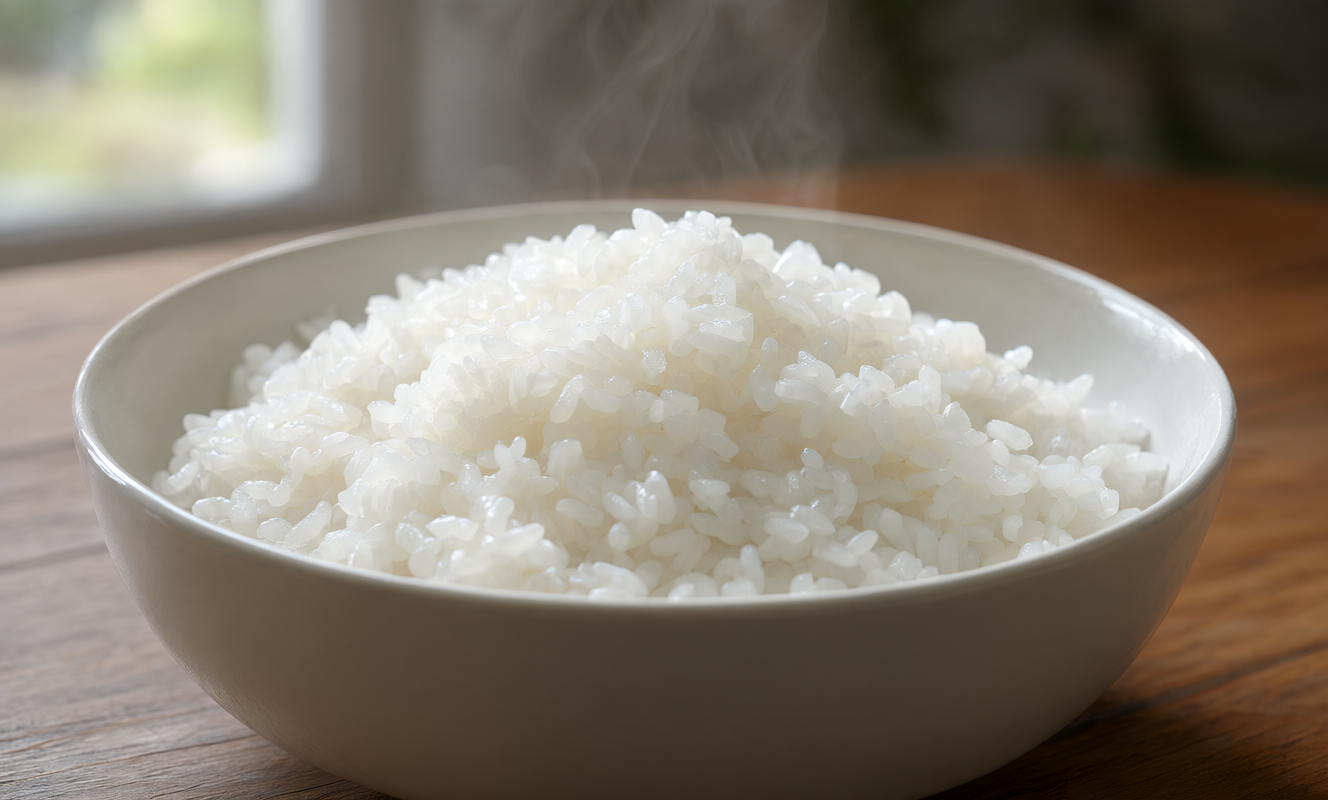
Rice is grown on the wide Nakdong River plains around Seonsan and Haepyeong in Gumi, and the city sells it under its own local brand. Gumi City and local reporting both describe it as a main farm product of a city better known for factories. It is a regional specialty, not a statement about what festival stalls will serve.
Questions worth asking
Is the Gumi Ramyun Festival free?
Entry is free, according to the Korea Tourism Organization listing and the festival's own FAQ. Eating is not: you order ramyeon dishes on site, and the 2026 menu and prices had not been published when this guide was written.
What are the 2026 dates and hours?
November 6-8, 2026 (Friday to Sunday), with listed hours of 10:00-21:00. The festival is held in the streets around Gumi Station, not in a single ticketed venue.
How do I get to Gumi from Seoul without a car?
Take a KTX from Seoul Station to Gimcheon-Gumi Station (about 1 h 30 m on timetable aggregators), then bus 5000 to Gumi Station. Korail's own notice for this festival recommends exactly that transfer, and says conventional trains stop at Gumi Station within walking distance of the site. Check the live Korail timetable for your date.
Is there a shuttle bus?
Yes. Gumi City is running a paid Kakao T shuttle on 7 routes: Seoul Station, Jamsil Station and Sadang Station in the capital area, and Daegu, Busan, Daejeon and Gwangju elsewhere. Reported round-trip fares are 59,000 won from Seoul, 25,000 won from Daegu and 45,000 won from Busan. Whether a route actually runs depends on how many people book it, and booking is through the Kakao T app. The city also says it is expanding regional and local shuttles, but the local stops and times were not published in the sources checked.
Is there parking?
A verified 2026 parking plan was not available in the sources checked. The festival fills the streets around Gumi Station and the city's stated approach is to push visitors onto shuttles, so driving into the centre is not a plan. Check the official site's traffic notice shortly before you go.
Who is performing in 2026?
No named lineup could be confirmed for this guide, so none is given. The city says performances will be spread across the festival to reduce crowding, but a dated stage timetable should come from the official site.
How crowded does it get?
Very. Reported figures say about 350,000 people came over the three days in 2025, up from about 171,000 in 2024, with about 90,000 on the first day and 150,000 on the second. For 2026 the city is adding QR ordering, KakaoTalk waiting alerts and more seating to cut waits.
Before you goFestival Etiquette in Korea: What Visitors Get WrongBooking KTX Trains and Intercity Buses as a Foreign VisitorGetting Out of Incheon Airport and On to a FestivalKorean Festivals With Children: Toilets, Strollers and TimingStaying Online in Korea: SIM, eSIM and the Apps That MatterEating at a Korean Festival Without Speaking KoreanRain, Typhoons and Cancelled Festivals: How to Plan Around ThemHow to Pay for Things in KoreaT-money and Transit Cards in KoreaWhat to Wear to a Korean Festival, Season by Season
LAST UPDATED · Oct 23, 2026