
Autumn · Seoul · Field listing
Gwanak Gang Gam-chan Festival 2026
The essentials first: whether it is open, what it costs, how hard it is to reach and what to expect if you do not speak Korean.
When
Oct 16 — 18ConfirmedConfirmed dates
Where
Nakseongdae Park, Gwanak-gu, SeoulSeoul
Admission
FREEGeneral admission is free. KTO lists the entry fee as free, and 2026 press coverage describes the Youth Dream Concert and the youth art programmes as free. One programme is not walk-in: the Gang Gam-chan quiz show on 17 October took 300 pre-registered participants only, and registration closed on 30 September. The official site also lists several mission activities with small rewards as 'coming soon', so check there before assuming they run.
From Seoul
About 25–30 minutes by metro from Seoul Station, plus a 10-minute walkTake Line 4 from Seoul Station to Sadang, change to Line 2 for one stop to Nakseongdae Station, then leave by Exit 4 and walk about 10 minutes to Nakseongdae Park. The official site also lists a bus stop called Nakseongdae-ipgu, about 5 minutes on foot.
Hours
12:00-21:00 (daytime programme 12:00-19:00, evening programme 19:00-21:00)
Organiser
Gwanak Cultural Foundation festival team, 02-828-5766 (KTO lists 02-828-5765)
Is this one for you?
Who it suits. This suits visitors who like seeing how a Seoul district celebrates its own history — a hero's birthplace, a shrine, a stage programme and a market of neighbourhood restaurants, all on one hillside park. It is a weaker choice if you want a large international headline event or English-led programming: the talks and the quiz are built for a Korean-speaking audience, and I could not confirm any interpretation. The visit is also hard to enjoy if you dislike evening crowds on a compact site, since the biggest shows are scheduled after dark.
When to go. Saturday 17 October is the strongest single day on paper: the history talk starts at 13:00 and the 10th-anniversary special performance runs 19:00-20:40, so you can see daytime booths and the evening show in one visit. Friday evening suits you if the Youth Dream Concert at 19:00 is the draw, and Sunday suits the 11:00 living-arts programme. Arrive well before the evening shows and leave margin, because everyone leaves for the metro on the same 10-minute walk after the 20:40 finish.
LOCAL WEATHER
Weather near the festival
Korea Meteorological Administration forecast
Need something we do not list — a stall menu, a parking gate, a last bus? The Korea Travel Helpline answers in English around the clock: dial 1330 inside Korea, or +82-2-1330 from abroad.
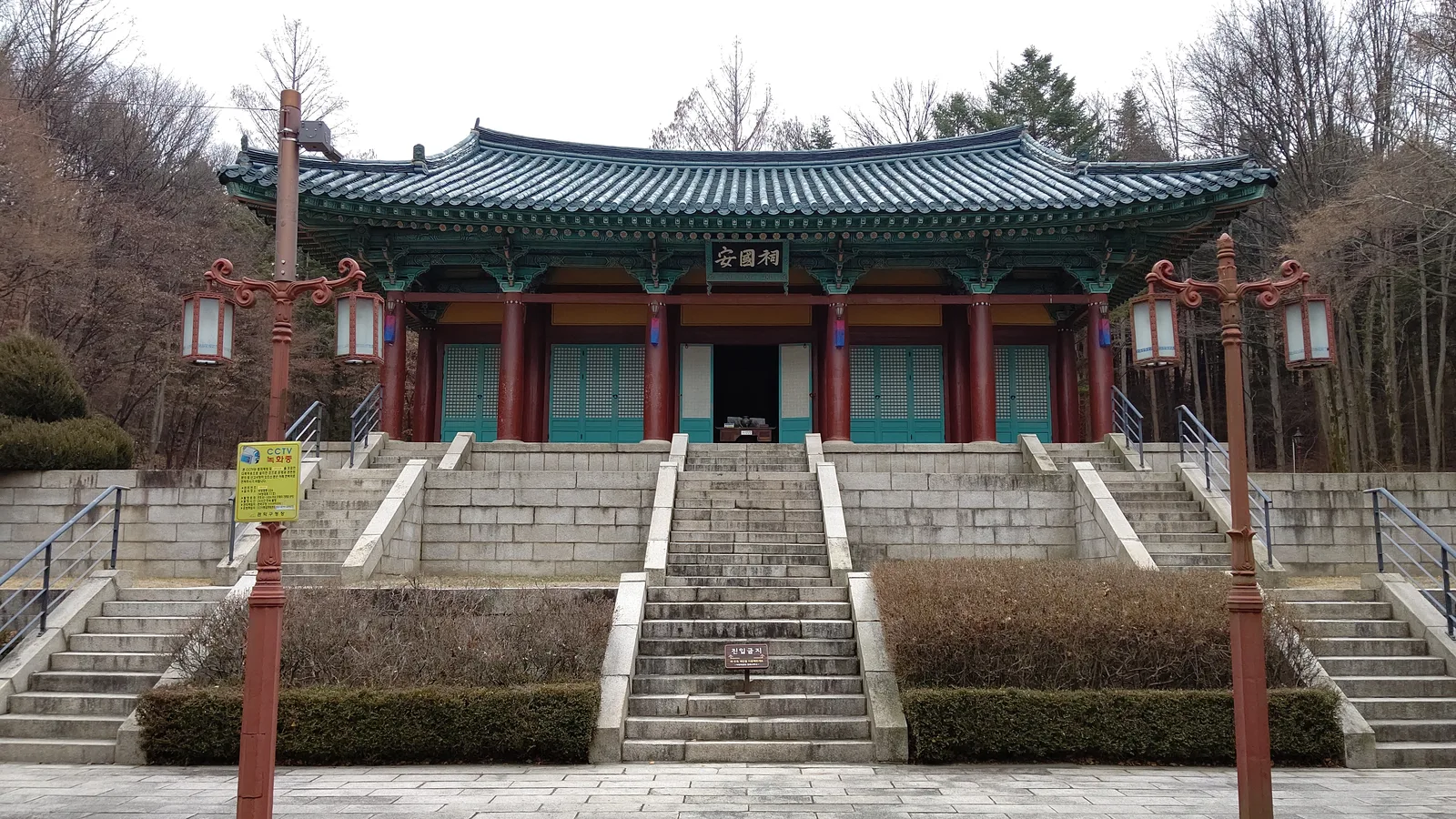
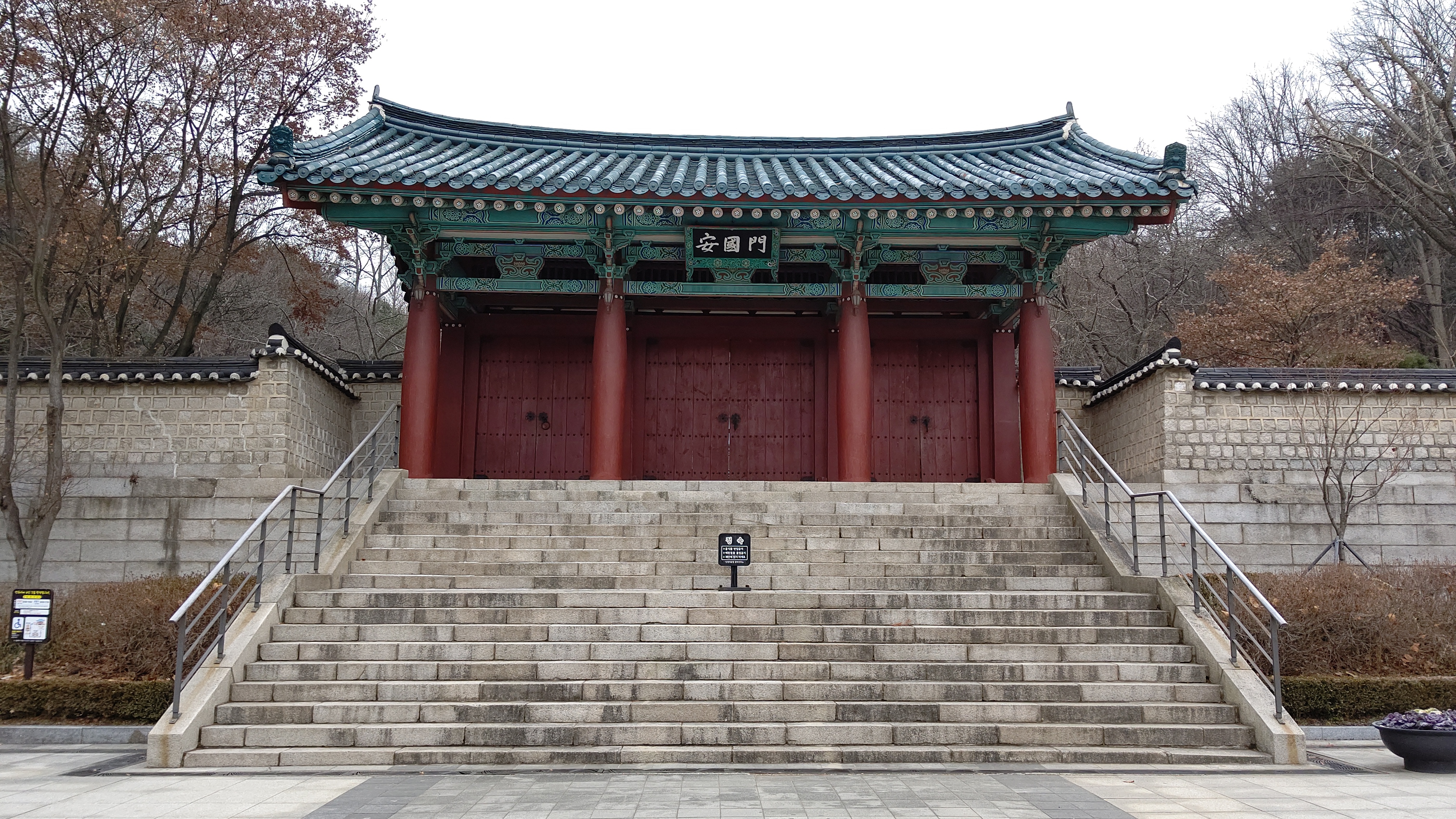
Nakseongdae Park is where Gang Gam-chan, the Goryeo general who led the defence against a Khitan invasion, is said to have been born. The name means roughly “place where a star fell”: according to the local legend, a star dropped from the sky at the moment of his birth. The Gwanak Gang Gam-chan Festival is built around that story and that place, and the park holds Anguksa, a shrine to the general built in 1973-74 inside a stone wall about 409 metres in circumference.
The festival began in 2016, and 2026 is its 10th edition. The 2026 theme is “TOMORROW — opening the future” (미래를 열다). KTO lists the dates as 16-18 October 2026, Friday to Sunday, at Nakseongdae Park, 77 Nakseongdae-ro, with general admission free and operating hours of 12:00-21:00. The Seoul city festival portal splits that into a daytime programme (12:00-19:00) and an evening programme (19:00-21:00).
This is a district festival run by the Gwanak Cultural Foundation for local residents first. The official site describes it as resident-led and based on hands-on participation, which is useful to know before arriving: it is a place to see a neighbourhood’s own history events, not a ticketed international show.
What you actually do here
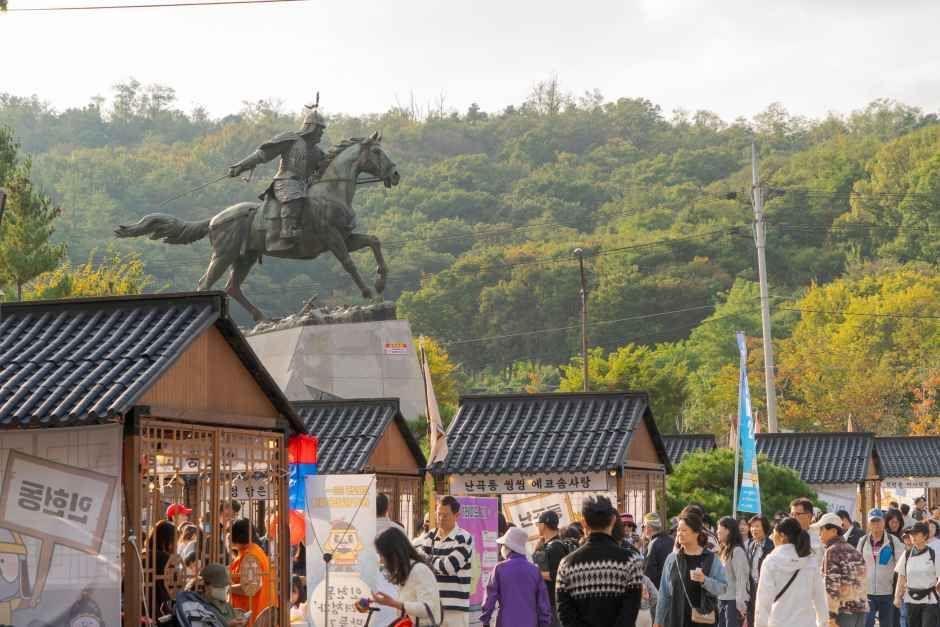
The core of the visit is walking the park, which combines a stage area (the Main Plaza), the Anguksa shrine area and a Goryeo-themed market. Four things are listed as running through the festival, according to the Seoul city portal: the Goryeo market (고려장터), where local restaurants take part according to press coverage; a 10th-anniversary archive exhibition; a “21 neighbourhood tour” built around Gwanak’s 21 administrative neighbourhoods; and a children’s play area called Star Playground. The stage programmes change each day.
The official site also advertises four “mission” activities: an augmented-reality treasure hunt at ten spots in the park, a stamp quest with a time-capsule message, a 10,000-step walking and litter-collecting challenge, and a mobile-leaflet lucky draw each day at 17:00. At the time the page was read, all four were marked “coming soon”, and pre-registration was marked “being prepared”. Treat them as possible, not confirmed, and look at the site before you plan around the rewards (a medal keyring, an eco tumbler, a restaurant voucher).
Programme and timetable
The daily grid below comes from the Seoul city festival portal and 2026 press. Anything not listed here was not published in a form I could rely on, so the full hourly timetable is still incomplete.
Friday 16 October. A 10th-anniversary academic conference, and a youth exchange between Chungnam and Gwanak. According to Sports Kyunghyang, young artist teams from Chungcheongnam-do perform at 15:00 on the Main Plaza stage. At 19:00 the Youth Dream Concert takes the Main Plaza stage, listed as free. The named performers are the rapper SINCE and the duo Dynamic Duo, plus five university hip-hop clubs (from Seoul National University, the University of Seoul, Seoul Institute of the Arts, Sookmyung Women’s University and Sungkyunkwan University). This is the biggest evening draw for younger visitors.
Saturday 17 October. The Gang Gam-chan talk show starts at 13:00 on the main stage. The speaker is the history lecturer Seol Min-seok, whose talk is titled “The man who saved the nation with a brush” and lasts about an hour, followed by questions. At 14:30 comes the quiz show, a knockout format for 300 pre-registered participants (an OX round to cut down to 100, then a “Golden Bell” style final). Prizes are gift certificates of 1 million won for first place, 500,000 won for second and 300,000 won for third. Registration closed on 30 September, so you can watch in the park but not join. The day also lists a children’s sketch contest and a “find little Gang Gam-chan” activity. In the evening, the Seoul city portal lists a special performance, “Gang Gam-chan, Descending from the Stars & Aerial Fireworks Performance”, from 19:00 to 20:40 at the Main Plaza. This is the 10th-anniversary headline, and the details of the show are not published beyond its title.
Sunday 18 October. The festival’s third day is called Citizens’ Day in press coverage. The Gwanak Living Arts Festival begins at 11:00 and, per Cnbnews, runs until 17:30, with 26 community arts clubs, about 16 stage performances (dance, choir, orchestra, theatre) and around 10 hands-on booths such as leather craft, pottery and calligraphy. The Seoul portal also lists a citizens’ pungnyu (music) event.
Tickets, fees and booking
There is no gate fee. Entry to the park and the festival grounds is free according to KTO. What you pay for is food and anything sold at stalls; no menu or price list was published for the Goryeo market, so I have no figures. Whether stalls take cards is unverified, so carry some cash.
Booking applies to only two things I found. The quiz show was by online pre-registration through the Gwanak Cultural Foundation site, and it is now closed. The official site also mentions a pre-registration for other programmes as “being prepared”. If you want to take part in a hands-on activity, check the official page the week before.
Getting there without a car
The park is easy to reach for Seoul’s metro-based visitors. Nakseongdae Station on Line 2, Exit 4, is the closest station; the official site gives a 10-minute walk, and an independent English-language guide gives 10-15 minutes. The route runs along Nambusunhwan-ro and then onto Nakseongdae-ro. The official page also lists a bus stop, Nakseongdae-ipgu, about 5 minutes on foot from the park.
From Seoul Station, journey planners show Line 4 to Sadang (about 18 minutes), then one stop on Line 2 to Nakseongdae, which comes to roughly 25-30 minutes of travel before the walk. That is a planner estimate, not a timetable guarantee, so check the live route. The last metro after the 20:40 finish is not something I verified, so look it up before you rely on a late return.
Parking, shuttles and traffic control
The festival’s official guidance is plain: roads around Nakseongdae Park may be congested, and visitors should use the subway or bus if possible. If you drive anyway, nearby public car parks (the notice names the Nakseongdae Park car park) are available and the organiser says it will point drivers to other car parks when they fill up. The official site also gives a drive of about 20 minutes from Seoul National University Station towards Gwanaksan for those coming by car.
No festival shuttle bus, no specific road-closure map and no parking prices were published when I checked. A Money Today article on 10 October notes that several Seoul festivals share the same weekend, including a prehistoric culture festival in Gangdong-gu on the same dates, and it raises traffic and safety concerns without giving a plan for Nakseongdae in particular. Given that, I would treat parking as a gamble and not a plan.
Day trip or overnight
This is a single-visit outing if you are staying in Seoul, with no overnight needed. The question is timing rather than distance: the daytime programme (12:00-19:00) and the evening shows (from 19:00) are sensible to combine only if you are happy to spend most of a day at one park. For a shorter visit, choose either the 13:00 talk on Saturday or one of the evening shows, rather than trying to see everything. I did not verify nearby hotels, so none is recommended.
Food on site and nearby
Press coverage describes a Goryeo market, with restaurants from the area taking part. The sources do not list the vendors, dishes, prices or vegetarian options, so I cannot say what you will find. Plan to eat there as a bonus rather than as a guaranteed meal, and eat before or after the 19:00 shows if you want a sit-down dinner.
For a documented local dish, Gwanak District Office lists the Sillim sundae village among its local food sights. Sillim-dong’s “Sundae Town” is known for stir-fried sundae with vegetables, a dish that first appeared in Sillim market around 1977. It is a district speciality, not a festival item, and it is a separate trip from the park. Sundae is made with pig’s blood, so skip it if that does not suit you.
Honest assessment
The festival’s strength is that it has an actual reason to be in this place. The shrine, the gate and the birthplace legend are real, and the 10th-anniversary programme adds a history talk, a youth concert and an evening show with fireworks in the park, all free. For a visitor already in Seoul, a metro ride to a hillside park for an evening show costs little.
Its limits are practical. The programmes I could verify are mostly in Korean, with no interpretation announced, and several of the participatory activities were still marked “coming soon” on the official page, so the full set of daily events was not confirmed. The most distinctive item, the 17 October evening show, is known only by its title and time slot, and I cannot tell you what to expect from it. If you go, go on Saturday for the combination of talk and evening show, arrive before 19:00, take the metro, and treat the fireworks as listed rather than guaranteed. Rain and weather policy were not published.
Local specialties to try
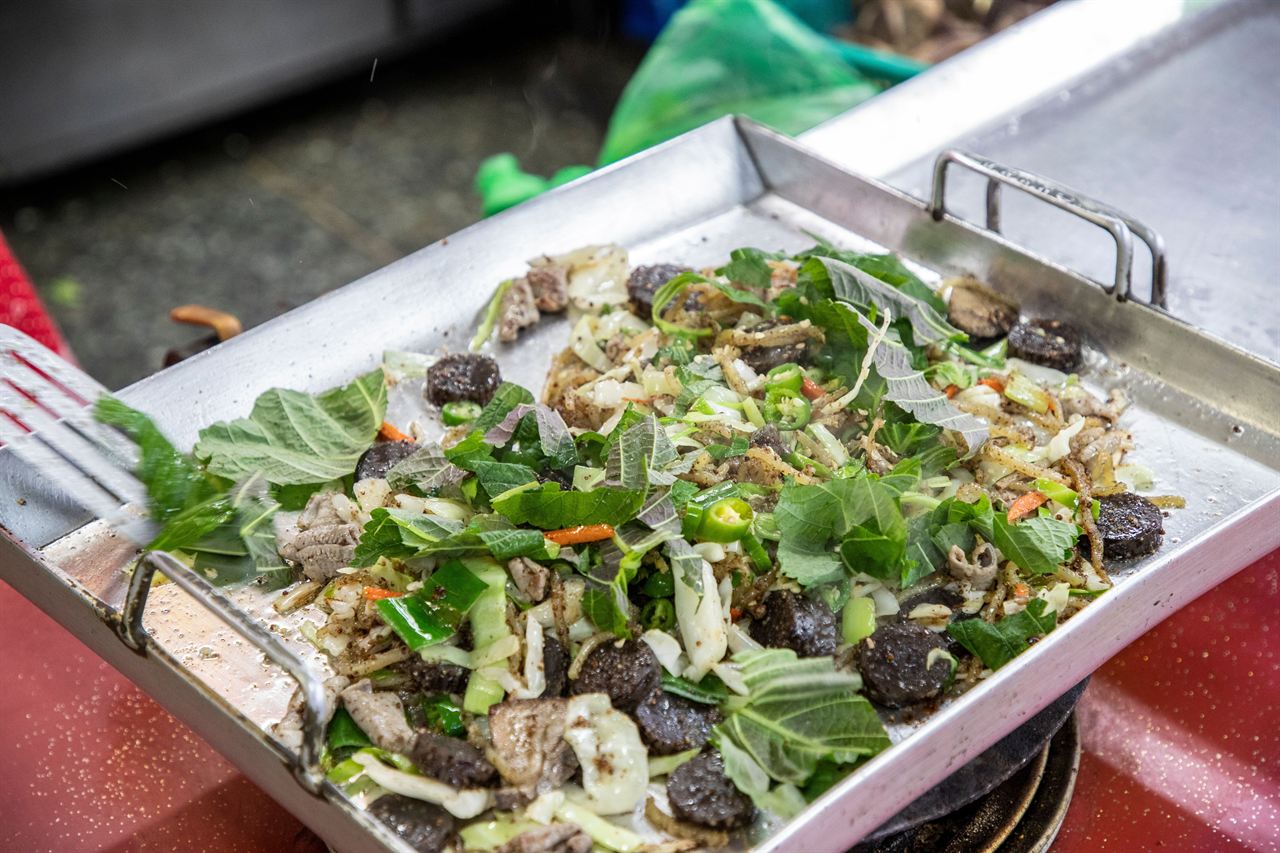
Sillim stir-fried sundae (신림동 순대타운 (순대볶음))
Sillim-dong, a neighbourhood of Gwanak-gu, is known for 'Sundae Town', a lane of restaurants serving stir-fried sundae (Korean blood sausage) with vegetables and perilla leaves. Gwanak District Office lists the Sillim sundae village among its local food sights, and the area traces back to a stir-fried sundae dish sold in Sillim market from around 1977. It is a district speciality, not something the festival says it will serve.
Questions worth asking
Is the Gwanak Gang Gam-chan Festival free?
Yes. KTO lists general admission as free, and the youth concert and youth art programmes are described as free in 2026 coverage. The exception is the Gang Gam-chan quiz show on 17 October, which was limited to 300 people who registered online by 30 September, so it is not something you can join on the day.
What time should I go on 17 October?
The history talk by lecturer Seol Min-seok starts at 13:00 on the main stage and runs about an hour with questions. The 10th-anniversary special performance, titled 'Gang Gam-chan, Descending from the Stars & Aerial Fireworks Performance' in the Seoul city portal's listing, is shown there as 19:00-20:40 at the Main Plaza of Nakseongdae Park. The festival grounds run 12:00-21:00 in total.
Where should I park, and should I drive?
The festival asks visitors to use the subway or bus where possible, because roads around Nakseongdae Park may be congested. It says nearby public car parks, including the Nakseongdae Park car park, can be used and that alternatives are offered when they are full. No shuttle bus or dated traffic-closure plan was published when this guide was written.
How do I get there from central Seoul?
Nakseongdae Station is on Line 2, exit 4, and the official site gives about 10 minutes on foot. From Seoul Station, journey planners show Line 4 to Sadang and then one stop on Line 2, roughly 25-30 minutes station to station. Check the live route on the day.
Is there English help or English information?
The official site links an English leaflet download, but I could not open its contents, so I cannot say what it covers. No interpretation service was announced in the sources I found, and the talk show and quiz are Korean-language programmes. Language support is therefore recorded as not checked.
Is anything else happening in Seoul the same weekend?
Yes. Press coverage on 8 and 10 October lists the Gangdong Prehistoric Culture Festival in Gangdong-gu on the same dates, 16-18 October, and notes concern about traffic and safety when several festivals run at once. That mainly affects road traffic, so the subway is the safer choice.
Before you goFestival Etiquette in Korea: What Visitors Get WrongBooking KTX Trains and Intercity Buses as a Foreign VisitorGetting Out of Incheon Airport and On to a FestivalKorean Festivals With Children: Toilets, Strollers and TimingStaying Online in Korea: SIM, eSIM and the Apps That MatterEating at a Korean Festival Without Speaking KoreanRain, Typhoons and Cancelled Festivals: How to Plan Around ThemHow to Pay for Things in KoreaT-money and Transit Cards in KoreaWhat to Wear to a Korean Festival, Season by Season
LAST UPDATED · Oct 11, 2026