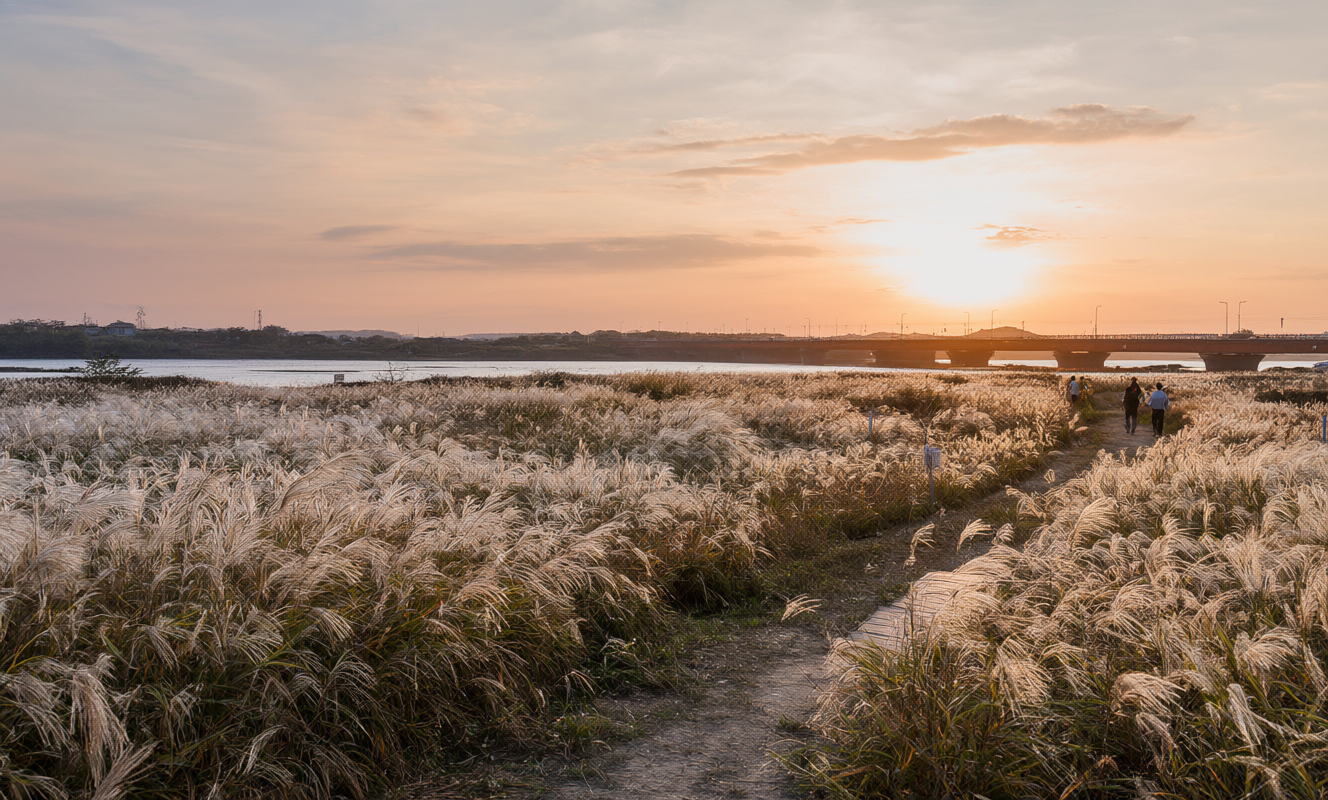
The Seochang Silver Grass Festival sits on the bank of the Yeongsan River in Seo-gu, on the western side of Gwangju. The 2026 edition is the 11th, and the district has framed it as a walking festival: the theme is an autumn walk among silver grass, and much of the programme is about moving slowly, listening and resting rather than watching a stage.
Final-days check (14 October): nothing has been postponed, cancelled or moved. The district’s festival site and the press reports of 13 October all still give opening on Thursday 15 October. The one thing to watch is the weather: the Korea Meteorological Administration forecast issued on the evening of 13 October expects rain on the afternoon of Sunday 18 October, and no rain plan has been published.
The confirmed dates are 15 to 18 October 2026. KTO lists the venue as the area in front of the Yeongsan River Bicycle Path Information Center, at 377 Seochangduk-gil. District announcements describe the festival ground as the river stretch between Geungnak Bridge and Seochang Bridge, in the Nanumnuri Forest. Hours are 13:00-18:00 each day, and entry is free.
What you actually do here
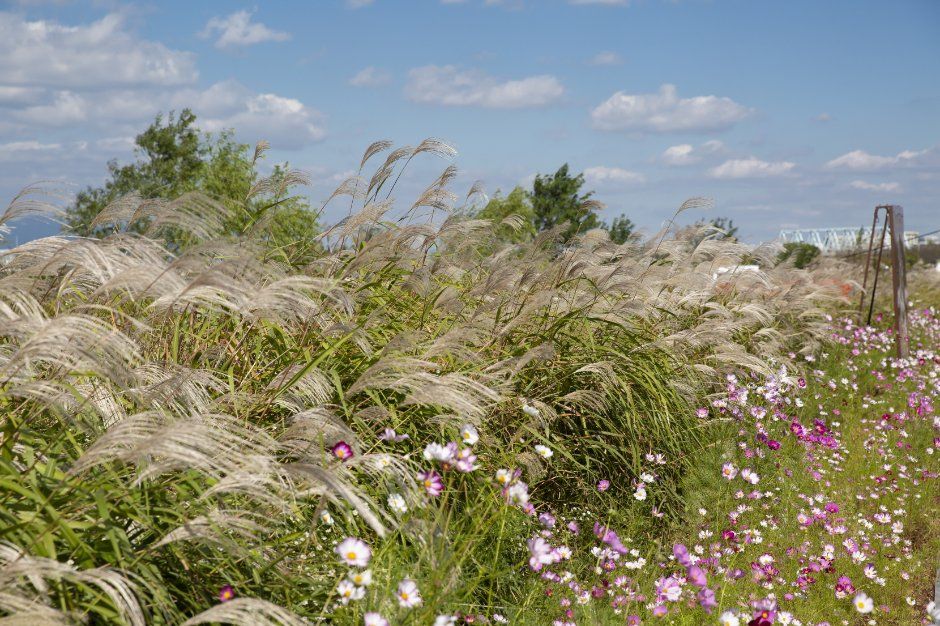
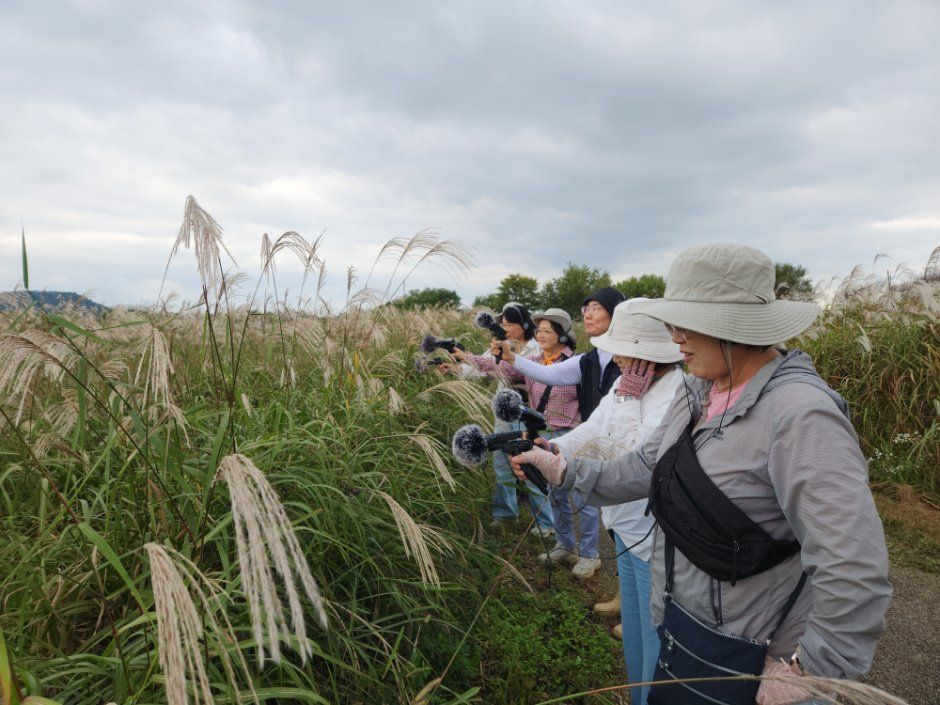
KTO’s own description is brief: themed walking paths beside the river, with walking programmes and photo spots. The district’s programme fills in the detail. There is a walking route with music playing along it, a sound-walking map for noticing and recording the sounds of the site, an LP-listening lounge with seating, and a sunset-viewing programme at the water. On the final day, the district says, visitors can lie in the field and read or listen to music for an hour.
Local residents and artists also take part. The district mentions traditional games, village tours and recycling workshops, plus a sunset-themed makgeolli tent run by the community. Press coverage adds busking, sunset live music and family concerts. These are the district’s descriptions of the programme, and the daily running order was not published.
The district’s opening-week announcement names three flagship programmes and a handful of smaller ones:
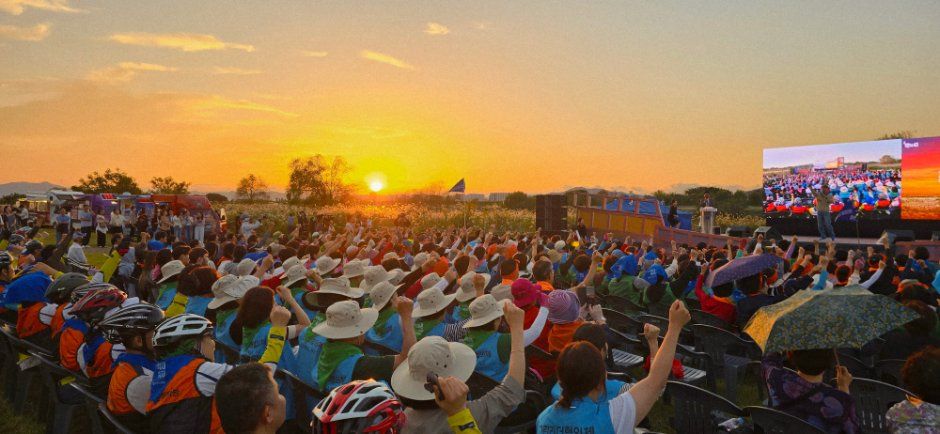
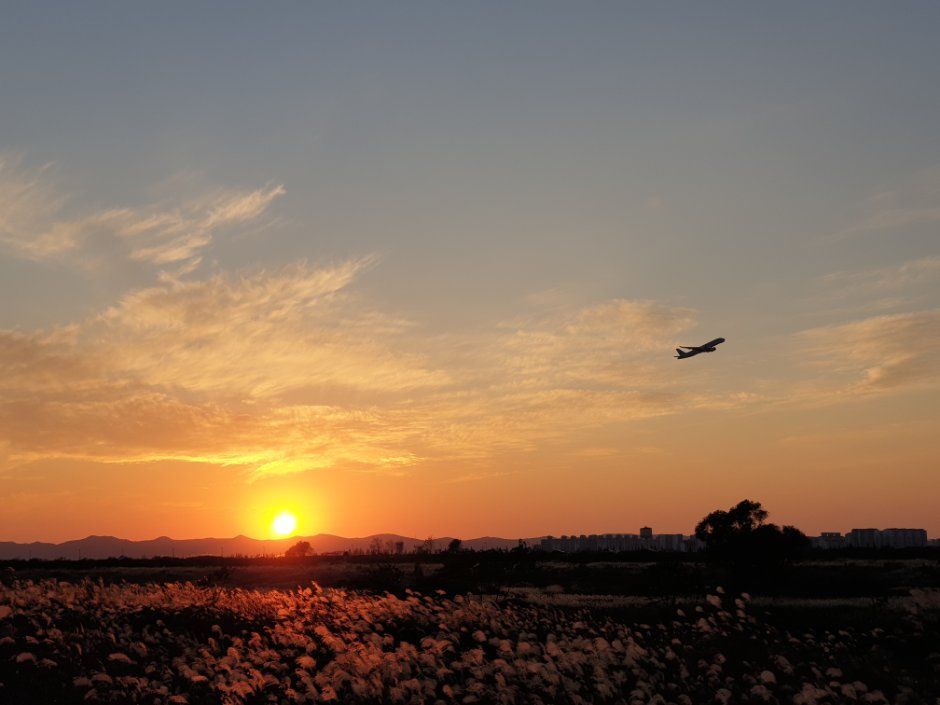
- Sunset 530, daily from 15:00 to 18:00 at the Seochang viewpoint. Professional photographers take portraits of visitors against the sunset, which is at its best around 17:30, with prints on the spot or online delivery.
- Find the Rest King, 18 October, 15:00-17:00 at the main stage in the “healing” silver-grass zone. Participants lie in the grass, read or meditate, and the judges give prizes from a total pool of 1 million won, with categories such as being at one with nature and the “pajama” look.
- The pet walk, 18 October, 13:00-14:30, with a photo zone, a pet-tricks showcase and snacks for dogs and owners.
- A piano and jazz walking path, a silver-grass lounge playing records from turntables, a 1,000-won picnic and a trolley bus. The press gives the picnic price but not what it includes, and gives no route, fare or hours for the trolley bus, so treat both as unconfirmed until you see them on site.
The result sounds closer to a long picnic with activities than to a festival with a fixed show. If you want a single schedule to build your day around, the registration programmes below are the most concrete part.
Programme and timetable
Four programmes need registration, which opened on 28 September on the festival website and the festival Instagram account:
- “Find the Rest King” on 18 October, 15:00-17:00, at the main stage, for 50 people. It is a contest in doing nothing: the district says participants spend the time resting completely.
- A silver-grass exploration for children, daily at 14:00, 15:00 and 16:00, with 20 children per session. Children walk through the grass completing small missions.
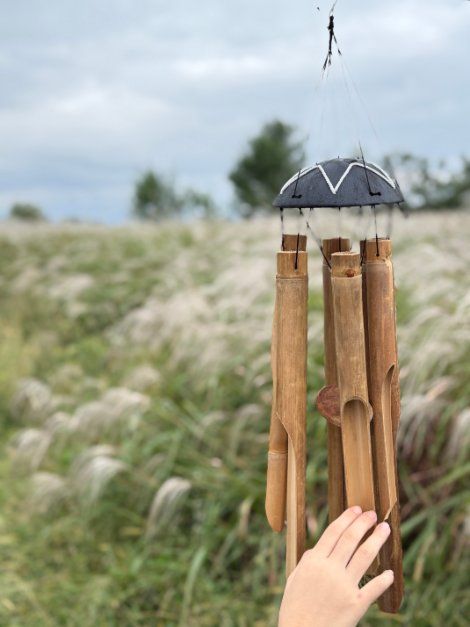
- A silver-grass sound walk, daily, with 10 people per session. You walk the reeds listening to natural sounds. Session times were not stated.
- A pet walk on 18 October at 13:00 (running until about 14:30) for 30 people, limited to dogs under 10 kg.
Three programmes need no registration. Children’s horse riding runs on 17 and 18 October. The 16th Bitgoeul literary contest is on 17 October at 13:00. The first Seochang Sunset Marathon starts at 16:00 on 17 October, running along the river. The marathon’s distance, route and entry fee were not given in the coverage found, so ask the district before planning around it.
Saturday 17 October is therefore the busiest day on paper, and the final Sunday has its own anchor events at 13:00 and 15:00.
One date warning: a single news outlet printed the festival as running from 5 to 18 October. The district’s own page, KTO’s listing and every other report found give 15 to 18 October, which is the range this guide uses. Earlier editions also ran at different times, so do not carry hours over from last year’s coverage when you plan the day.
Tickets, fees and booking
There is no entry ticket. KTO lists admission as free, with separate charges possible for activities, and a press report adds that food and some experiences cost money. None of the announcements we found gave a price for any programme, and the registration notices mention no fee. The only price that has appeared is the 1,000-won picnic. Fees for Sunset 530 portraits and the trolley bus were not stated. If an activity matters to your trip, call the district on 062-350-4792, the number listed by both KTO and the organiser.
Registration is online. The four capped programmes are small, from 10 to 50 people, so treat them as limited. On-site programmes such as the horse riding are listed as walk-up.
Getting there without a car
From Seoul, a KTX runs to Gwangju-Songjeong Station. Timetable aggregators put the journey at roughly 1 h 50 m to 2 h depending on the train. Songjeong Station also has a stop on Gwangju’s Line 1 metro. The site is not beside the station, so you need a local bus or a taxi for the last leg.
The district’s directions page names two bus stops: Seochang Ipgu, served by routes 1046, 1695 and 2133, and Seochang Sagori, served by route 2129. That page does not say how to get from Songjeong Station to those stops, and we did not independently confirm a route. Use a Korean map app with the festival address, or take a taxi if time is short. During a festival, bus stops may shift, so look at the live bus information on the day.
Parking, shuttles and traffic control
The district says it is running shuttle buses between the Gwangju Outlet and the Seochang Dunchi parking lots to reduce traffic and parking congestion, and that it will post staff at the main entrances and car parks. Shuttle hours, intervals and pick-up points were still not published a day before opening, although the festival site has a shuttle page. The festival’s directions page contains no parking instructions. If you drive, follow the staff signage at the entrances and look at the official site or Instagram shortly before you go.

Day trip or overnight
Day-trip feasibility depends on the train, not the festival. The opening hours of 13:00-18:00 leave a short window, and the KTX takes about two hours each way plus the local leg. A visitor leaving Seoul in the morning can arrive in time for the afternoon programmes, but we did not check the evening trains back, so look up the specific return before you buy the outbound ticket. If you would rather stay, Gwangju has other places to visit, though we did not verify accommodation or prices and we do not recommend a specific hotel.
Food on site and nearby
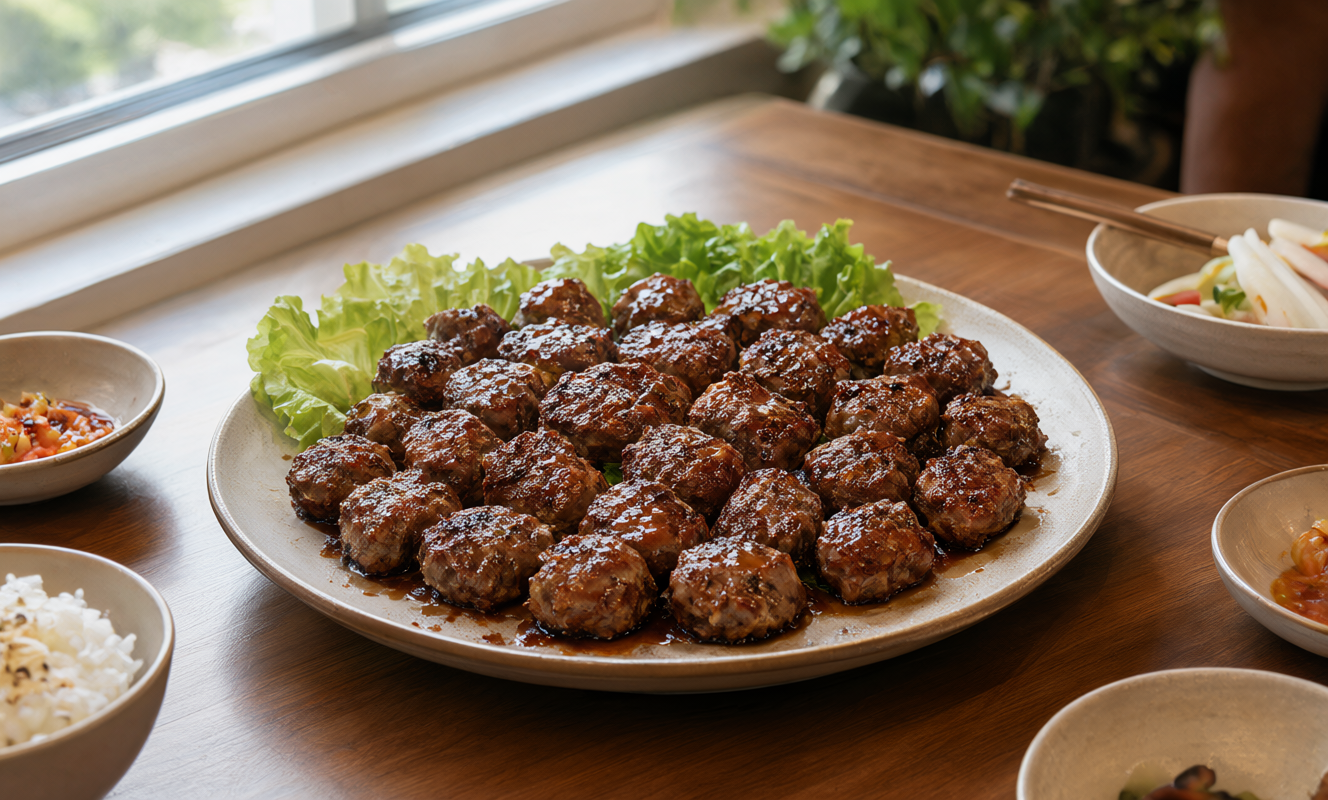
Press coverage confirms that food on site is paid, and the district mentions a community makgeolli tent. We found no menu, price list or vegetarian information for 2026, so we do not name any stall or dish. For a documented local meal, Gwangju’s tourism site presents Songjeong tteok-galbi, grilled chopped short-rib patties, as one of the city’s five culinary specialties. The Songjeong area, where your train arrives, is known for a street of restaurants serving it. Ask about the ingredients first if you avoid beef or pork, since the version described on the tourism site combines beef short rib with pork belly. This is a city recommendation and not a claim about what the festival sells.
Honest assessment
The festival’s strength is its simplicity. Free entry, a riverside setting, and an agenda built around walking and resting make it an easy, inexpensive afternoon, and the small registered programmes, such as the sound walk and the Rest King session, are more unusual than a standard stage-and-stalls event. The marathon is new this year, which gives Saturday some extra energy.
Its weaknesses are the short opening window and the gaps in the published information. There was no daily running order, no named performers and no shuttle timetable in the sources found, and the capped programmes can fill. Sunday’s forecast rain falls on the very afternoon that holds the pet walk and the Rest King session, and a lying-down contest in wet grass would likely be affected, though no weather plan has been announced. Expect a modest local festival rather than a major attraction, and note that the grounds close at 18:00, so the sunset programme is a late-afternoon visit rather than an evening one. If you are making a special trip from Seoul, check the festival’s official Instagram the day before for any change to hours, programmes or traffic.