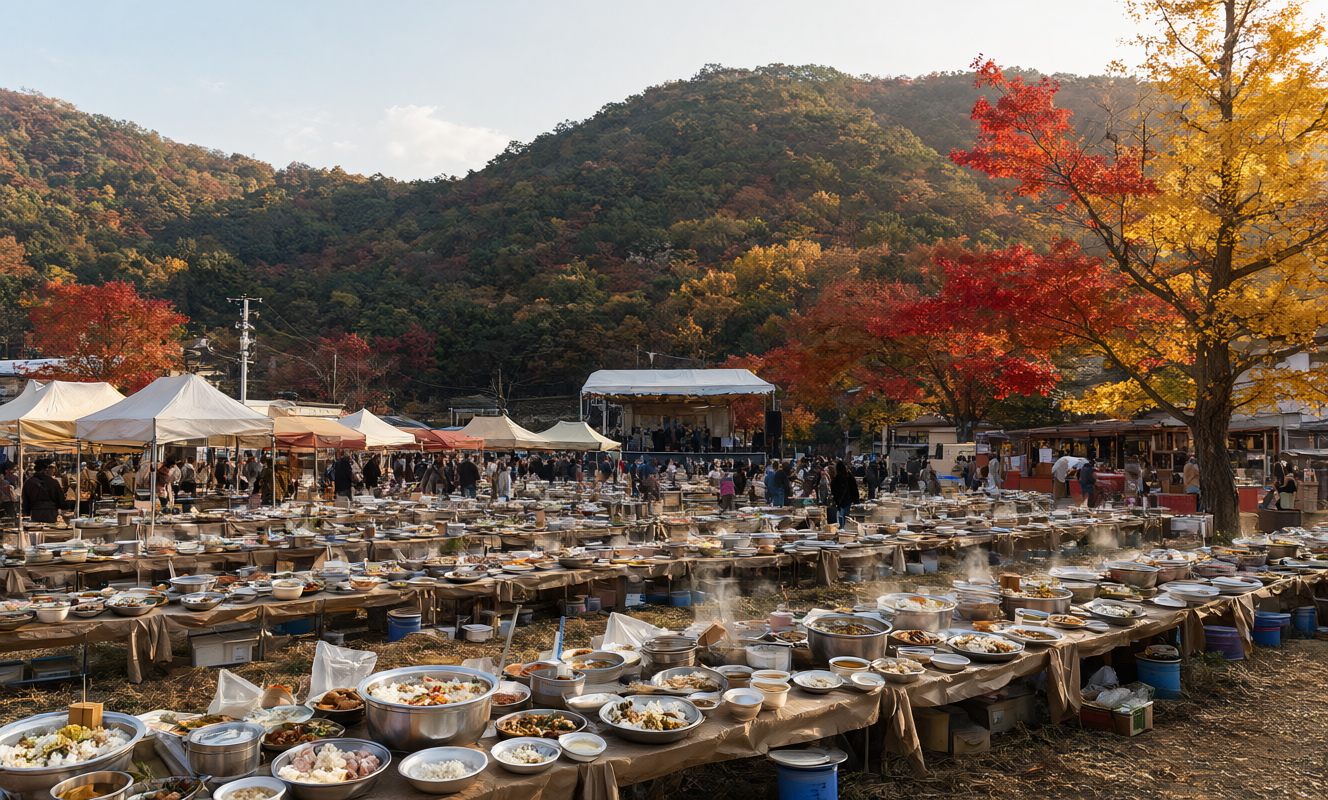
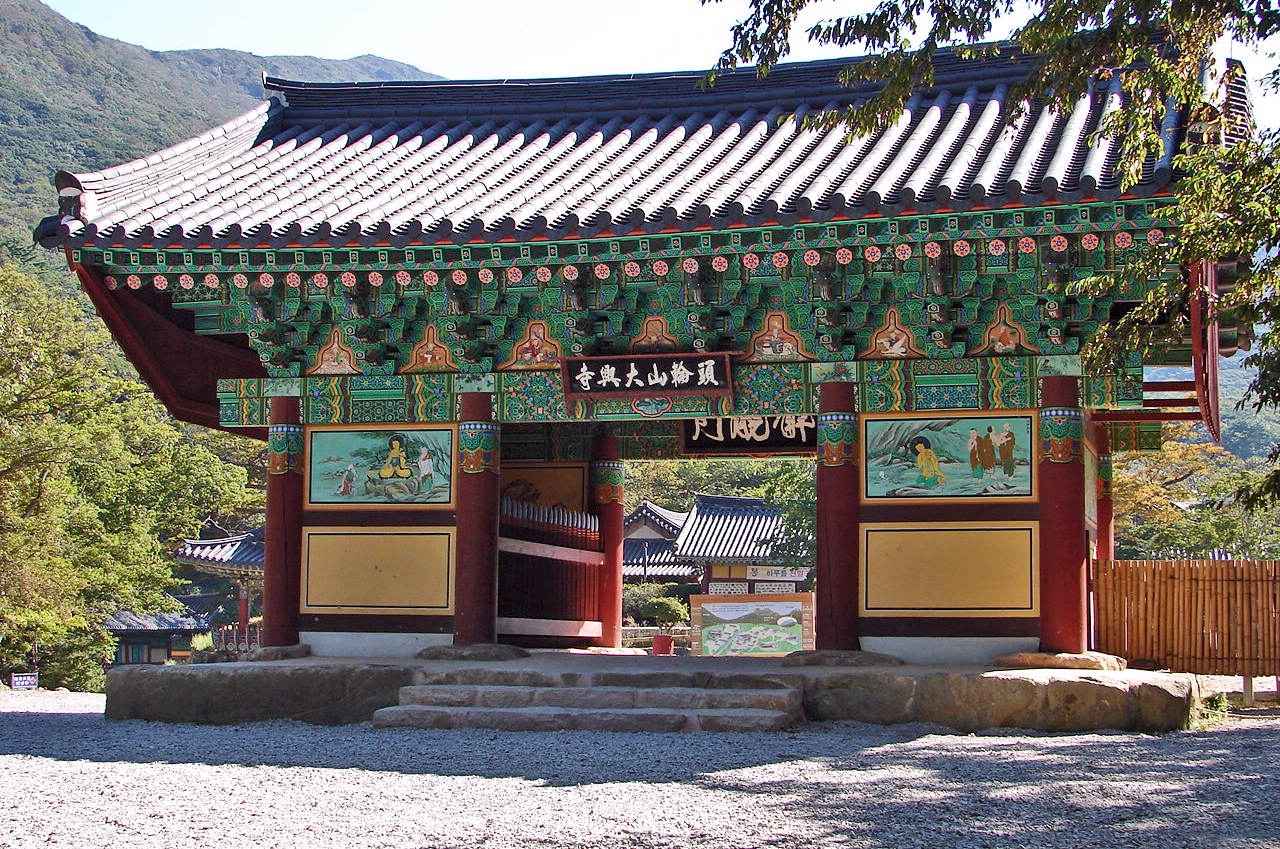
Haenam is at the southwestern tip of the Korean peninsula, and its autumn festival is an excuse to eat what the county grows. The name is a pun: “minam” means “handsome man” in Korean, and the festival writes it with the Chinese characters for “taste of the south”. It began in 2019 and moves around the harvest calendar, being held in late October or early November in the forested park at the foot of Duryunsan, close to Daeheungsa temple, a UNESCO World Heritage site.
For 2026 the confirmed dates are Friday, October 30 to Sunday, November 1, in the Duryunsan Provincial Park area of Samsan-myeon. The theme crop is Haenam rice, and the headline attractions are a rice pavilion, a roughly 1,000-seat food hall, a large kimchi bibimbap event and two evening shows by trot singers. The county reported about 243,000 visitors for the 2025 edition, which gives a sense of the crowds to expect.
What you actually do here
Most of a visit is eating and walking between tents. The Minam Food Hall seats about 1,000 people and is run by local restaurants, with the county’s “Haenam 8-mi” (eight flavours) dishes as the showcase. Press coverage lists items such as a chicken course, barley-wrapped rice and Korean beef; one report mentions duck soup, bibimbap, wild-boar wraps and raw beef and raw fish dishes. A separate snack pavilion is run by resident committees, food-research groups and local businesses, with desserts, fried snacks and rice cakes.
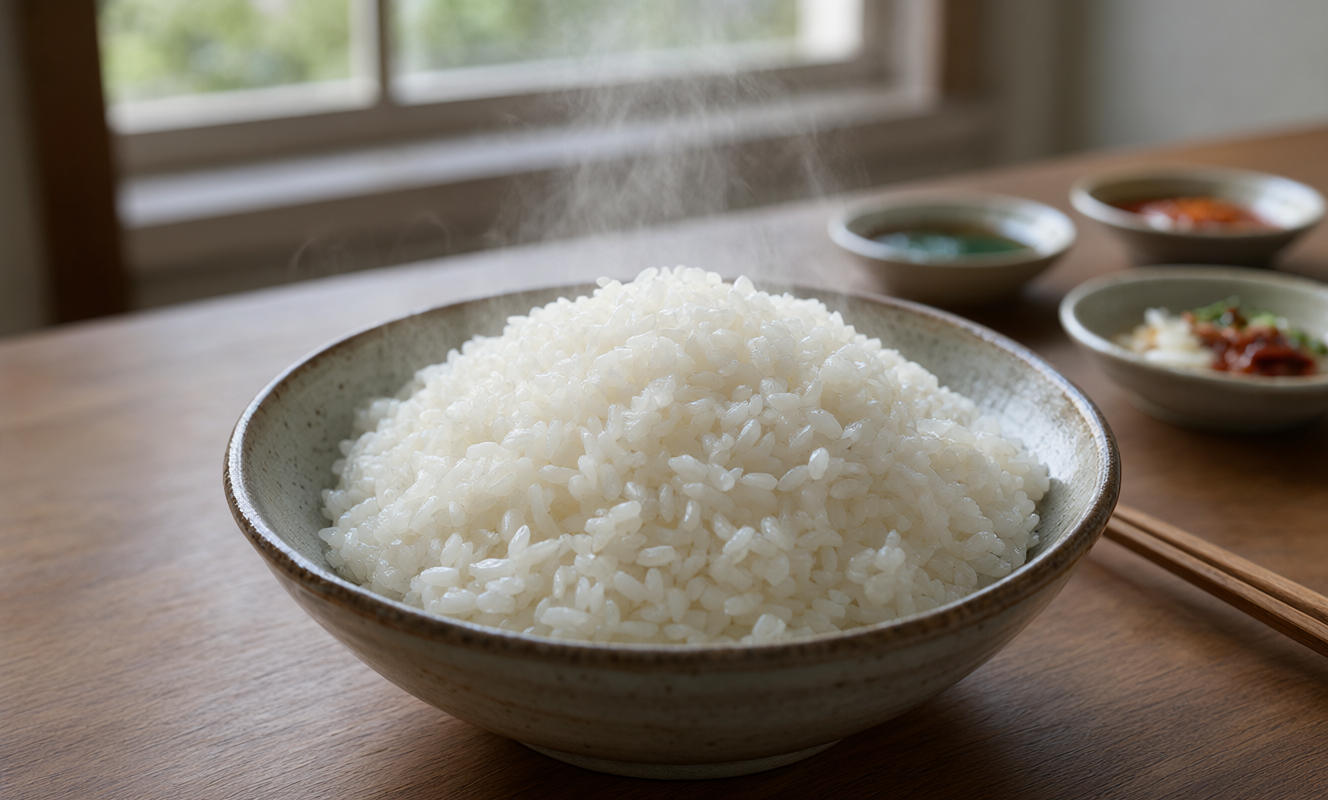
The Haenam rice pavilion is the 2026 centrepiece. It shows how the county’s rice is grown and processed, and the timetable lists rice cooking experiences, tasting, live-commerce sales and a local-food sales corner. The festival’s own list of experience programmes includes a nostalgic grill area, a multicultural experience, rice-based cooking and a sweet-potato activity. A “Ttangkkeut chrysanthemum” display and a chocolate festa in the old downtown shopping district are listed as linked events.
There is no ceremonial opening. The county says speeches and formal guest introductions were dropped for 2026, and the first day opens with a rice-harvest themed performance instead.
Programme and timetable
The official timetable splits each day across a main stage, a sub-stage and the rice pavilion. These are the items that matter for planning, all taken from the published grid.
Friday, Oct 30. Folk song and local arts performances run through the late morning. A youth performance follows from 14:00 and live-commerce sales from 15:30. The themed performance is at 17:30, then the Minam Trot Celebration Show from 18:00 to 19:30, which the county says includes Kim Yong-bin and Hong Ji-yoon and carries a hometown-donation (Korea’s local-giving scheme) element. The day ends around 20:00.
Saturday, Oct 31. The Minam trot song contest runs from 10:30 to 12:30. The kimchi bibimbap experience is at 13:00-14:30, a peddlers’ performance follows, and a youth festival called “Back to the Cheongchun” fills 15:30-18:30. The Minam Romance Concert is at 18:30-19:30, with Seong-ri and Jadu announced. The sub-stage carries live commerce, a dance show and a lifelong-learning showcase.
Sunday, Nov 1. Folk-song, hanbok and dance performances fill the morning, with a singing contest from 12:00 to 15:00. The kimchi bibimbap experience repeats at 15:00-16:30. A closing rehearsal is at 16:30 and the day ends with a 17:00 Ganggangsullae circle dance. There is no evening headliner on the last day.
The grid gives programme names but not artist names beyond the four announced singers, and it can change. Check the festival notice board on the day.
Tickets, fees and booking
Entry is listed as free, with some programmes charged separately. The festival site shows a pre-reservation section, but no source confirmed that any 2026 programme needs a booking, and no per-programme price was published. This guide therefore does not give a figure for the kimchi bibimbap event, the cooking experiences or the food hall. Ask at the booth or call the festival team on 061-530-5157 or 061-530-5158.
Getting there without a car
There is no train service to Haenam town. The practical route is an express bus from Seoul Central City Terminal to Haenam Bus Terminal. KTO’s English travel page lists about 4 hours 50 minutes with five departures a day, and a third-party timetable lists about 4 hours 20 minutes, with the first bus at 07:00 and the last at 19:30. Fares in that listing run from about 42,000 won for a standard bus to 55,000 won for premium. Treat all of that as a guide and confirm on the live booking page.
From Haenam town, use the festival shuttles below. Route 1 starts at Gunmin Square, in front of the county office, and stops at the Godori boarding point on the way to the festival site. How to get from the bus terminal to Gunmin Square was not checked, so look it up in a Korean map app before travelling.
Parking, shuttles and traffic control
If you drive, the festival lists 16 numbered parking lots in Gurim-ri and Pyeonghwal-ri. Most hold between 20 and 100 cars, and some also take buses. The three largest are in Pyeonghwal-ri and are the ones marked for shuttle service: lot 11 (about 300 cars), lot 12 (about 400) and lot 13 (about 150). The site says the arrangement may change with conditions on the day, and no fee was published.
Two shuttle routes run every 30 minutes:
- Route 1, Haenam town: Gunmin Square (in front of the county office) to the Godori stop to the festival. Oct 30 and 31, 09:00-22:00; Nov 1, 09:00-19:30.
- Route 2, Sports Park: Sports Park to the Sports Park outer car park to the festival. Oct 30 and 31, 09:00-22:00; Nov 1, 09:00-19:00.
The shuttle page does not state a fare, so do not assume it is free. With about a quarter of a million visitors last year, expect queues for the shuttle after the evening shows. No road-closure notice was found when this was written.
Day trip or overnight
The bus alone is roughly nine hours round trip from Seoul. With the 07:00 departure arriving around 11:20, you would reach the festival shortly after lunch and have to leave in time for a bus back whose last departure this guide did not verify. A day trip is therefore risky on a Friday or Saturday if you want the evening show. No accommodation was checked, so no hotel is recommended here; the county’s own tourism site has accommodation listings if you decide to stay.
Food on site and nearby
The food hall and snack pavilion are the point of the festival. Reported dishes include chicken, barley-wrapped rice, duck soup, bibimbap and Korean beef. Some of the reported items are raw, so ask before ordering if that matters to you. Dishes made from the 2026 theme crop, Haenam rice, are the ones to look for. No menu or prices were published, and vegetarian or halal options were not checked.
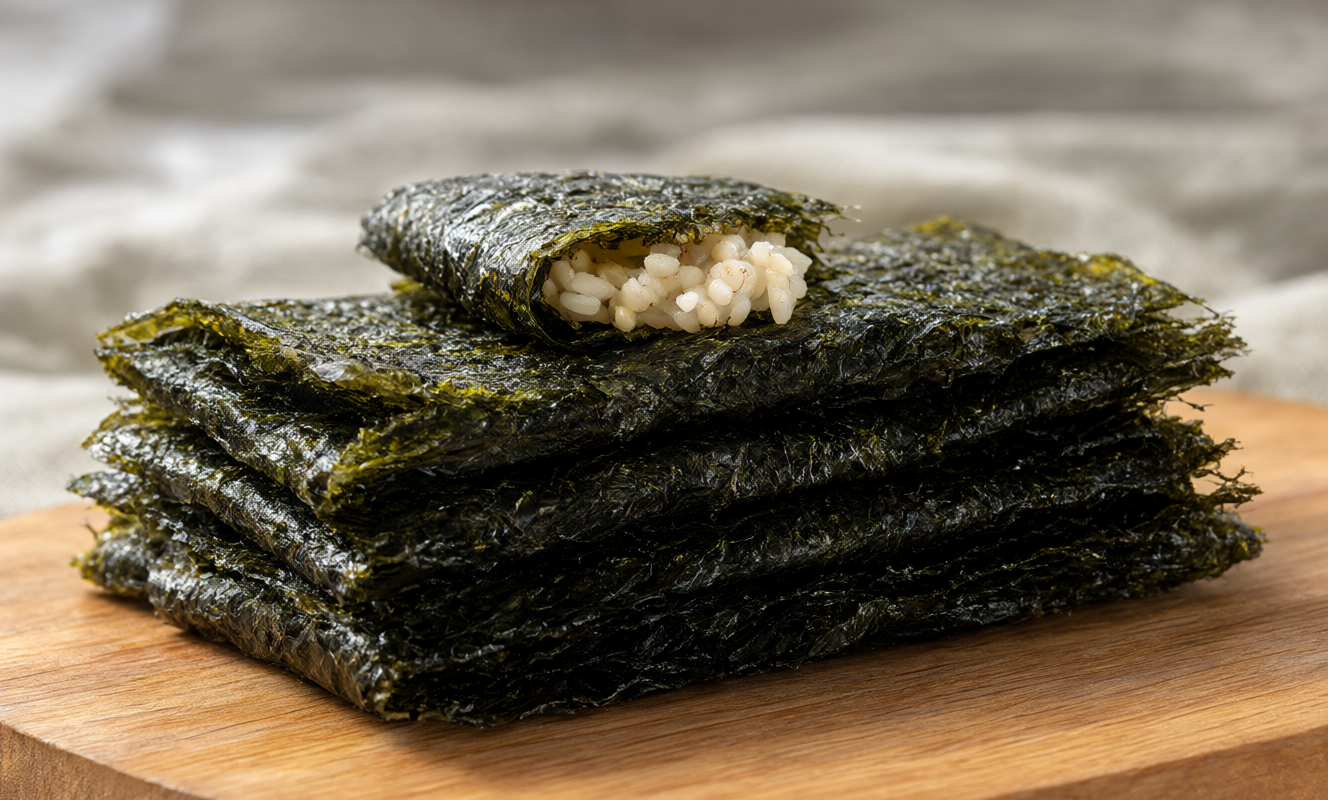
The county’s tourism material also lists Haenam laver, a southern-coast product, among its local goods. This is a regional specialty, not a promise that any stall will serve it.
Honest assessment
The strength is the combination of a clear theme, a big food hall and a setting under Duryunsan in autumn. The timetable is dense enough that you can see local folk performances, cook or taste rice and catch a trot show in one day, and the entry is free.
The weaknesses are practical. It is a long way from Seoul, the programme is largely Korean-language and no English support was checked, and the key costs (food, paid experiences, shuttle fare) are not published. The county’s published figure of about 243,000 visitors last year suggests the grounds and shuttles will be busy at peak times.
Go on Saturday if you want the most programming, or on Friday evening for the trot show. Sunday is the lightest day and ends earliest. Check the festival notice board for timetable changes before you leave.