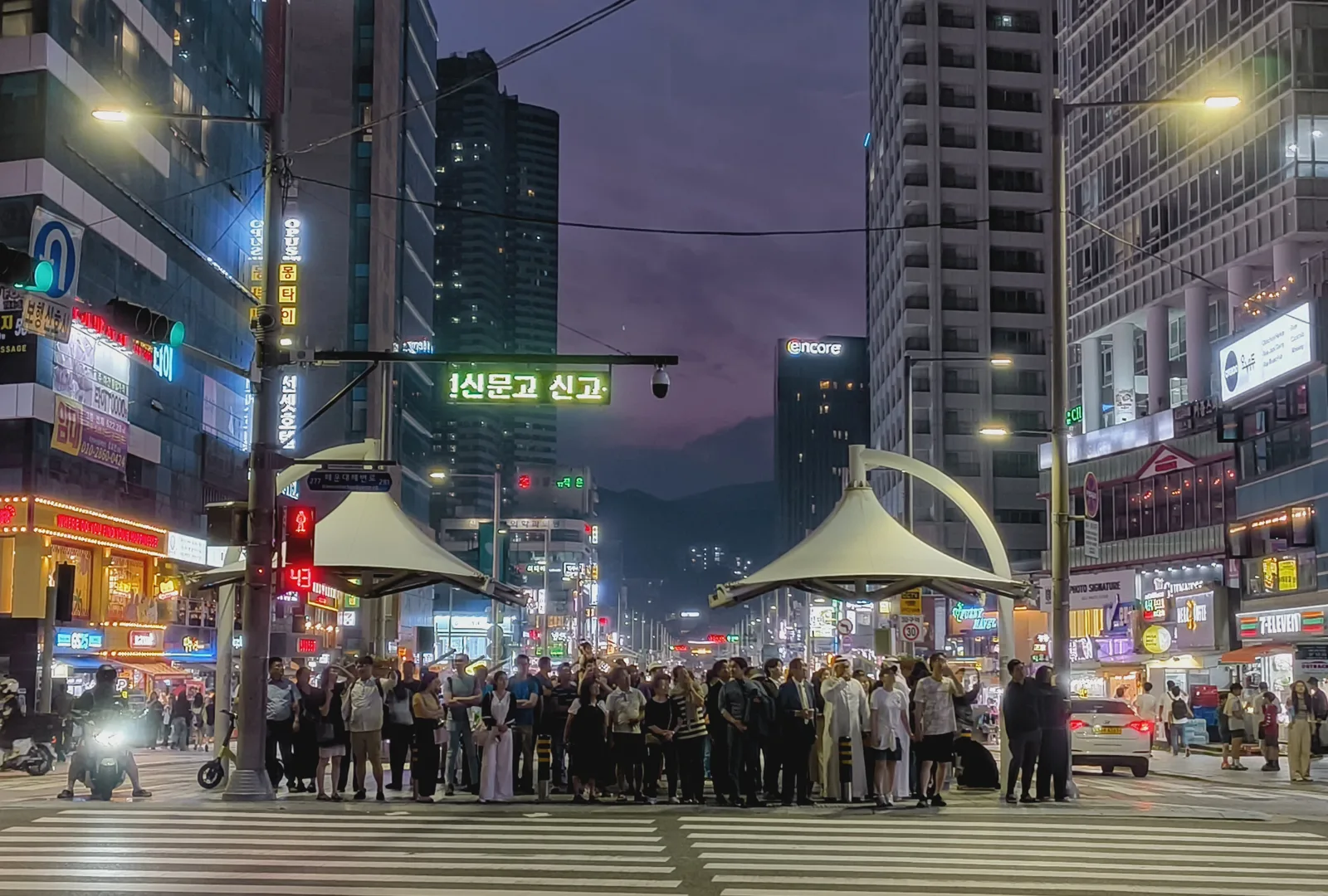
The Haeundae World Culture Festival is a small street event on Gunam-ro, the road that leads from Haeundae Station toward the beach. Haeundae District held the first edition on October 26-27, 2025, and Busan City’s own English notice for that edition uses the name given above. The 2026 edition is the second. The 2025 notice describes it as a space for residents and visitors to enjoy global experiences together, and 2026 press coverage ties it to the 2nd Global City Tourism Summit that Busan hosts in the same week.
The dates need a note. The Ministry of Culture’s annual plan lists October 24-25, but the district’s announcement, published on October 20, gives Sunday, October 25, 11:00-18:00, with city-promotion booths and stage performances also running on Monday, October 26. This guide uses the announced dates. The summit itself is a professional conference for city and tourism officials, held at a hotel; it is not part of what you walk into on Gunam-ro.
What you actually do here
The programme is split into four parts: food experience, culture experience, city promotion and stage performances.
The food booths represent four countries: Indonesia, China, Spain and Morocco. Korean reports name the dishes as chicken satay from Indonesia, a dumpling dish from China, pinchos from Spain and a chicken-and-lemon tagine from Morocco. The reported rule is that you can taste a dish for free if you have collected a stamp at one of the other experience booths.
The culture booths offer hands-on activities: making a wayang kulit (Indonesian shadow-puppet) figure, a Mongolian-costume keyring and a Korean mother-of-pearl (najeon) keyring. There is also a photo and costume corner where you can try on traditional clothing from Vietnam, Uzbekistan and the Philippines.
At the city-promotion booths, representatives from Japan, China, Vietnam, Greece, Uzbekistan and other countries present their own cities. These booths and the stage programme run on both October 25 and 26.
Programme and timetable
Announced stage programme:
- Sunday, October 25, 13:00-18:00: a gugak (Korean traditional music) performance, juggling, an international cultural performance, a popera performance and a random-play dance by a Pusan National University dance club.
- Monday, October 26, 14:00-17:00: magic, juggling, nanta (percussion-comedy) and busking.
The booths for food and hands-on activities are announced for Sunday, with the general festival hours of 11:00-18:00. Individual act times within each block, the stage location along Gunam-ro and the Monday hours of the experience and promotion booths were not published in the coverage I could find. If a particular act matters to you, check the district’s channels on the day.
Tickets, fees and booking
Entry is free and no booking is mentioned. The only price statement in the coverage is the stamp-for-tasting arrangement above. Whether a craft booth charges for materials, and whether you can buy a dish without a stamp, was not stated, so treat both as unknown. Whether booths take cards was not checked; carry some cash.
Getting there without a car
Haeundae Station on Busan Metro Line 2 is the simplest access. Busan City’s English beach page gives exits 3 or 5 for the walk toward the beach, about five minutes, and a travel guide describes Gunam-ro as the wide, walkable road that starts at those exits and runs to Haeundae Square at the beach. The announcement does not specify exactly which stretch of Gunam-ro the booths occupy, so follow the signs from the station.
From Seoul, the KTX from Seoul Station to Busan Station takes about two hours and fifteen minutes (the fastest services about two hours seventeen, per two timetable guides). From Busan Station, take Line 1 to Seomyeon and change to Line 2 toward Haeundae; one transit guide puts the whole subway leg at roughly 35-40 minutes. Check the exact trains on the day you travel.
Parking, shuttles and traffic control
The announcement coverage does not mention parking, a shuttle or road closures. Gunam-ro is a busy central street with traffic on both sides of its wide walkway, so do not assume the road is closed to cars, and do not plan to park nearby. This is a plain gap in the published information, not a statement that there is none.
Day trip or overnight
Whether a day trip from Seoul works depends on the return train, and the last departure from Busan was not checked for this guide. The festival ends at 18:00 on Sunday, and the rail trip alone is over four hours return, so a Sunday-only visit is realistic if you leave Seoul in the morning and fix a return ticket in advance. Because the stage programme starts at 13:00, arriving by early afternoon is enough. Staying overnight in Haeundae is a decision about the beach and the city rather than something this small event demands.
Food on site and nearby
On site, the announced food is four international dishes (above), and the free-tasting rule is the only access condition reported. Nothing was published about vegetarian options or allergens, so ask at the booth before eating.
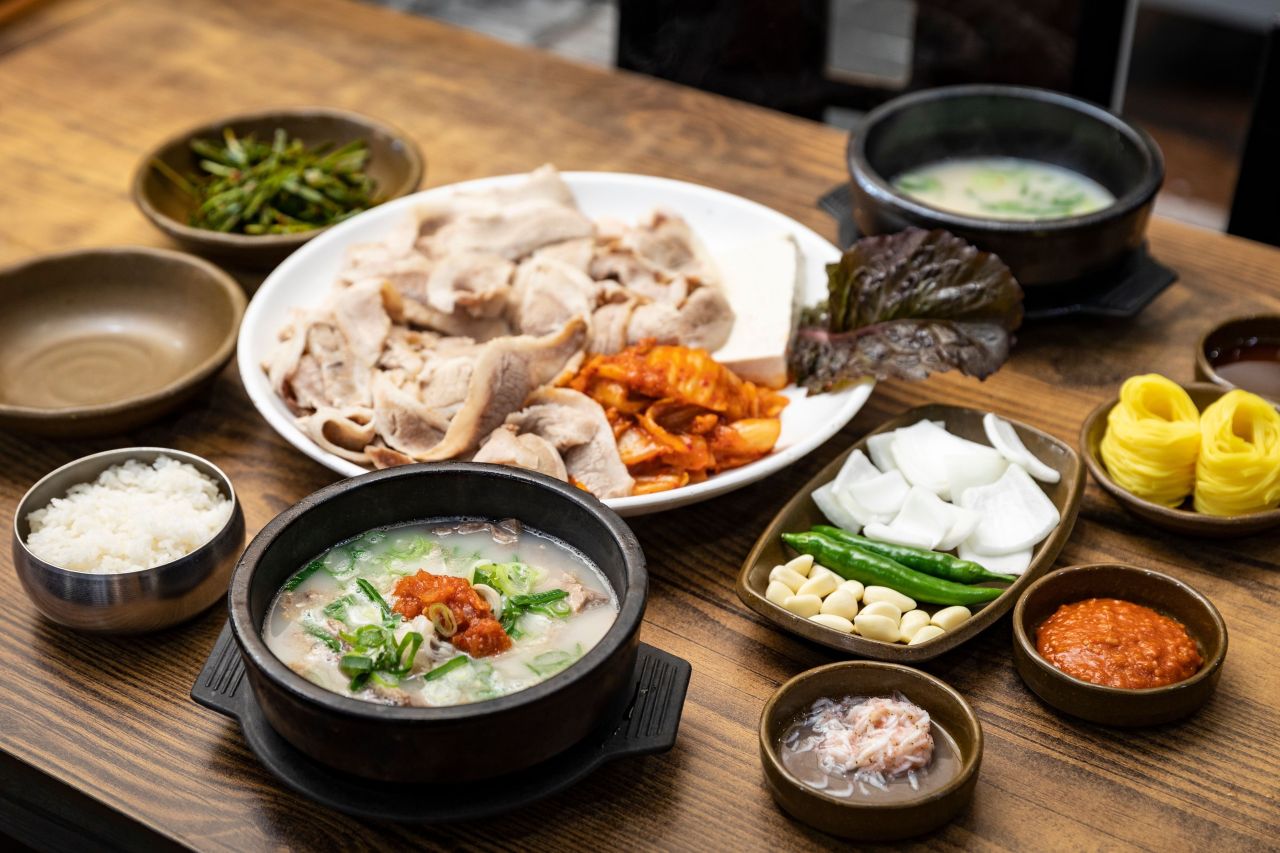
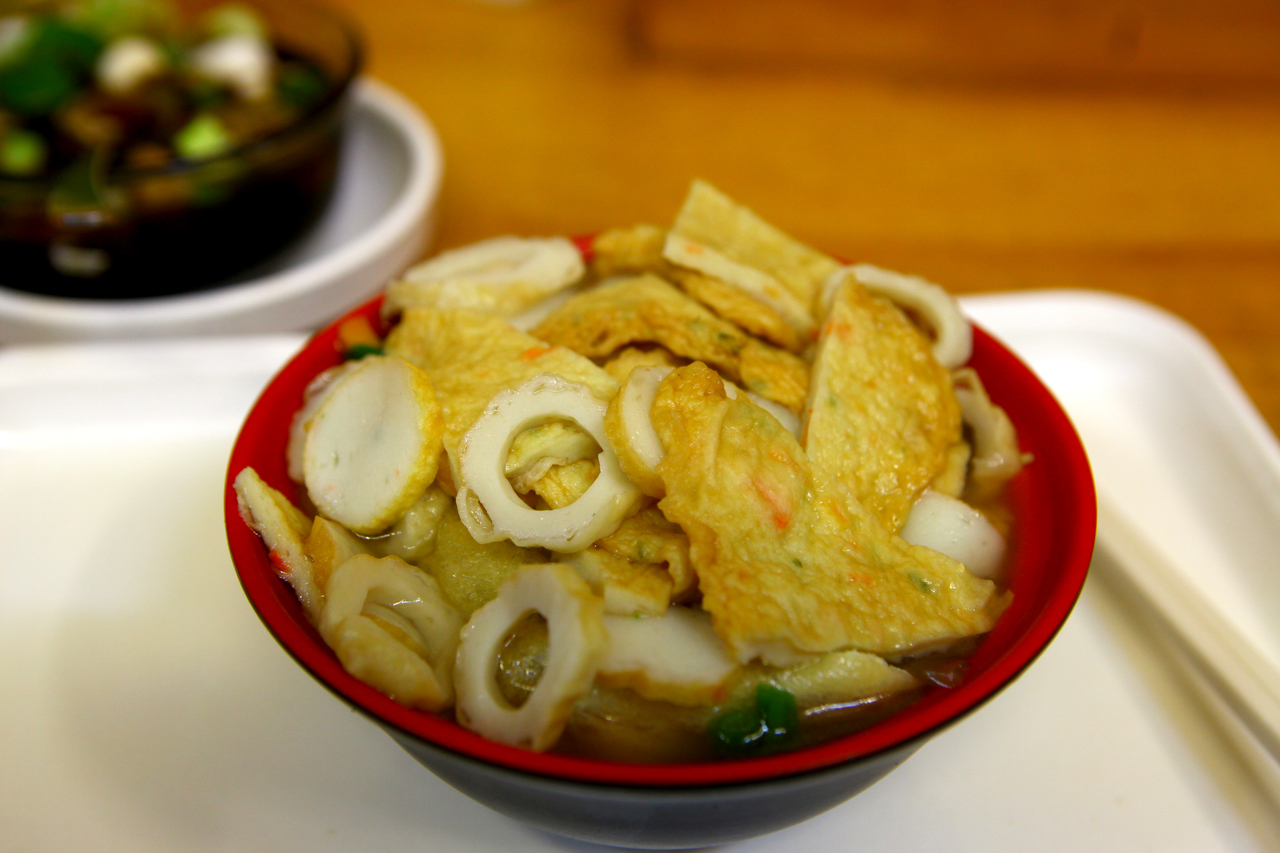
For the city’s own food, Korea Tourism Organization’s English guides identify dwaeji-gukbap (pork and rice soup) as Busan’s signature dish and Busan fish cake as a long-standing local product. Both are Busan-wide specialties, not confirmed festival items.
Honest assessment
The attraction is the setting more than the programme: a pedestrian-friendly street between a metro station and one of Korea’s best-known beaches, with a few hours of free international food samples, small crafts and short stage acts layered on top. Because entry is free and the venue is central, it works as an add-on to a Haeundae afternoon.
Its limits are clear. It is a one-street event, mostly one day, with four food booths and a few craft stations, so expect a short visit rather than a half-day destination. The Monday programme is stage and city-promotion only, in the afternoon on a workday. Language support, card payment, parking and traffic control were not published, and the date in the national plan differs from the district’s announcement. Use the Sunday afternoon if you can, come by metro, and check the district’s channels the same morning for any change.