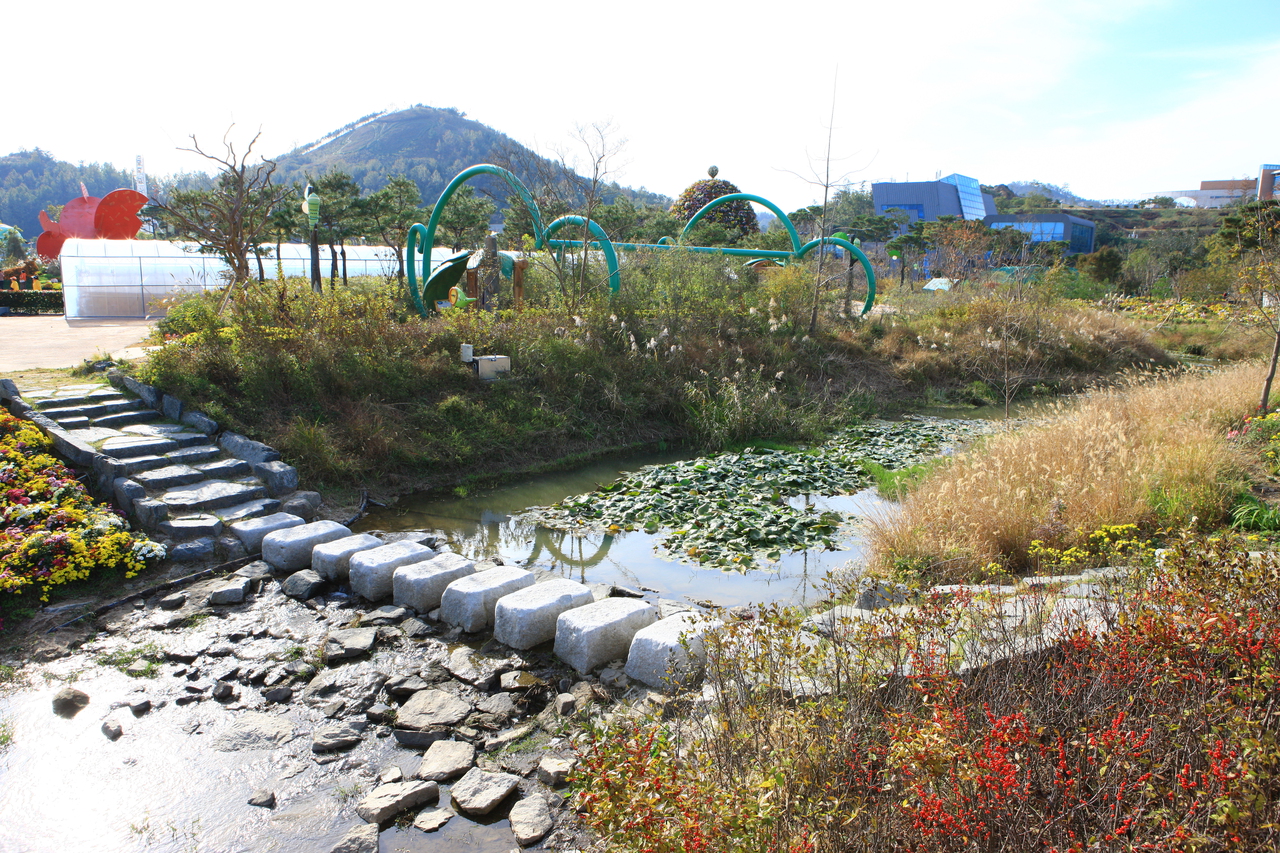
Hampyeong’s chrysanthemum festival has been held every autumn since 2004 on the grounds of Hampyeong Expo Park, a purpose-built exhibition site on the edge of Hampyeong town in the south-west. The 2026 edition runs for 17 days, October 23 to November 8, and its theme is “Shinhwa-ui Gukhwa Dongsan”, which translates roughly as the Mythical Chrysanthemum Garden. KTO lists the hours as 10:00-18:00 and classes entry as charged. Hampyeong County has spent a municipal budget of about KRW 1.16 billion on the event and reports that 177,000 people attended in 2025.
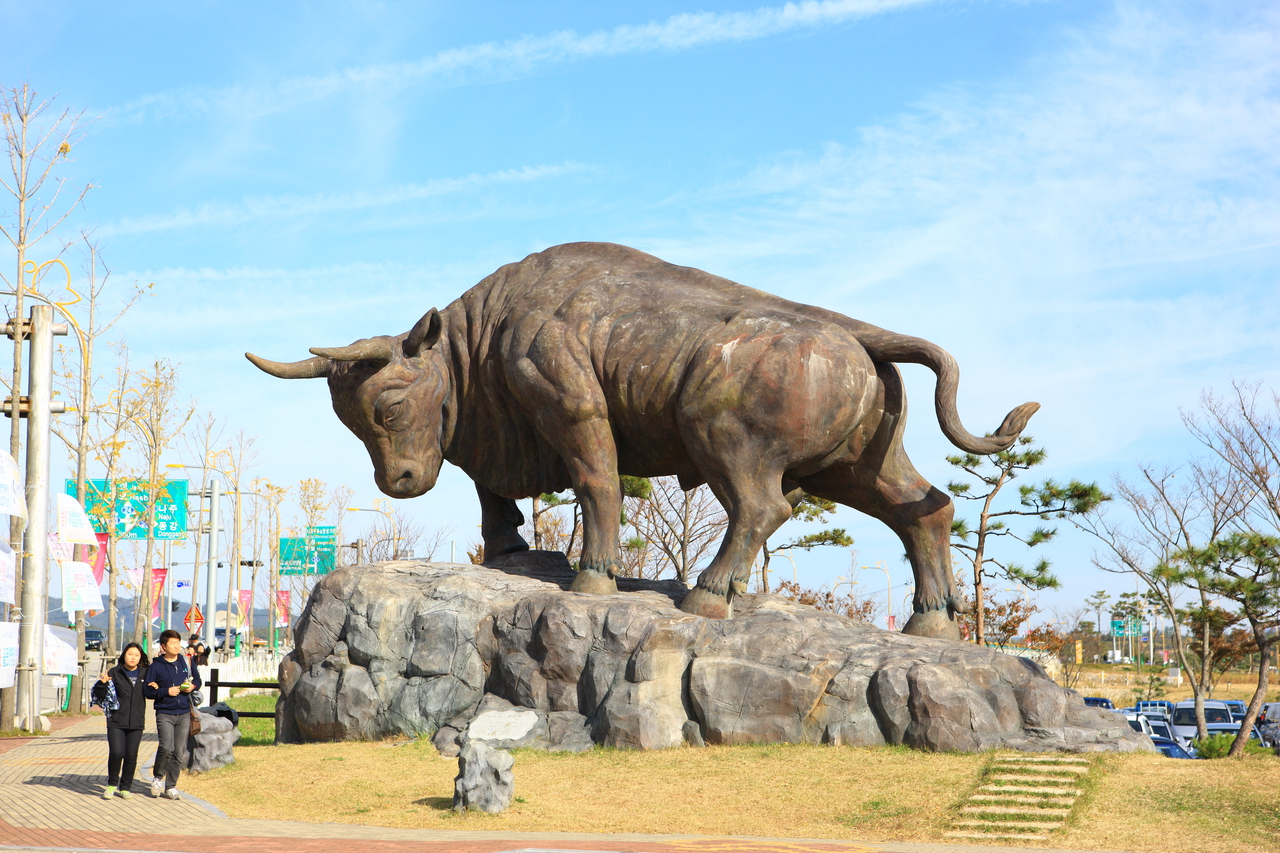
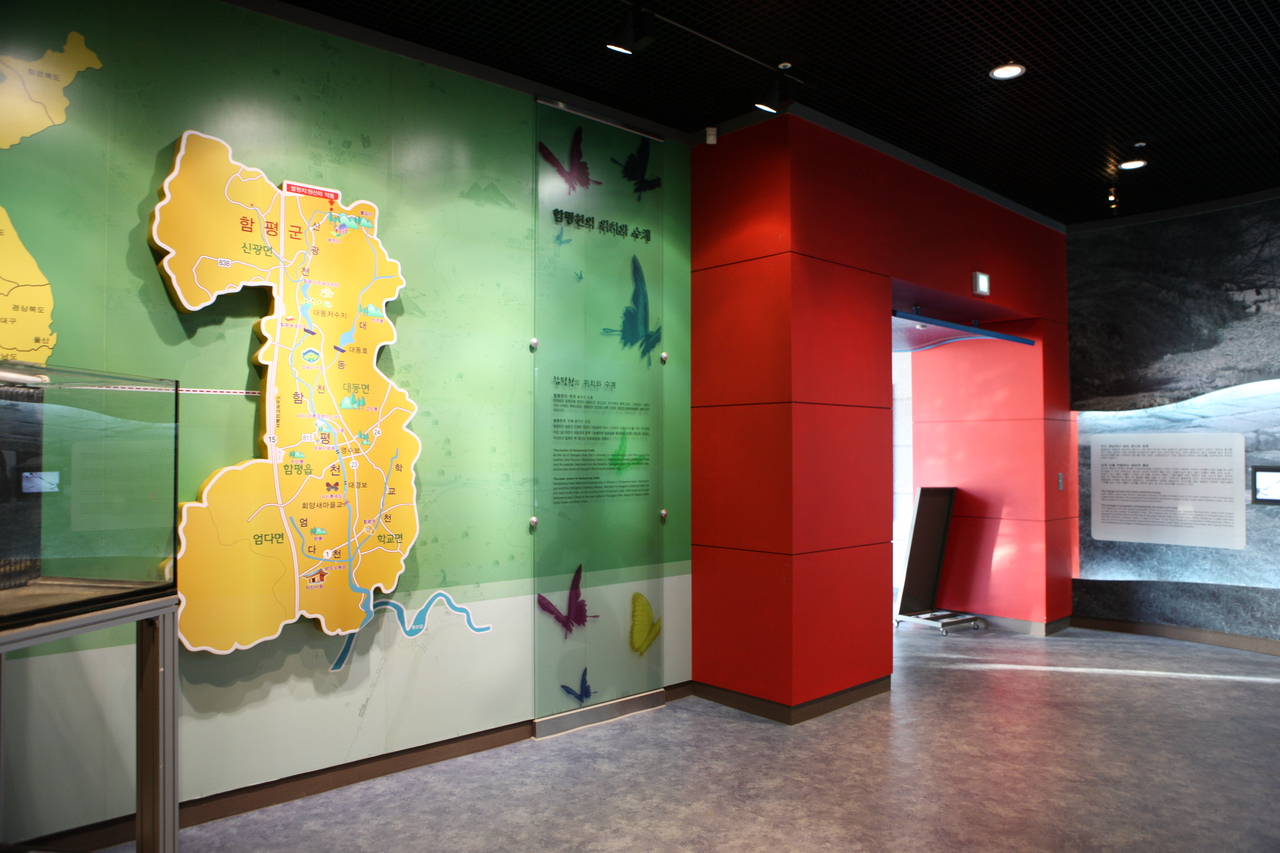
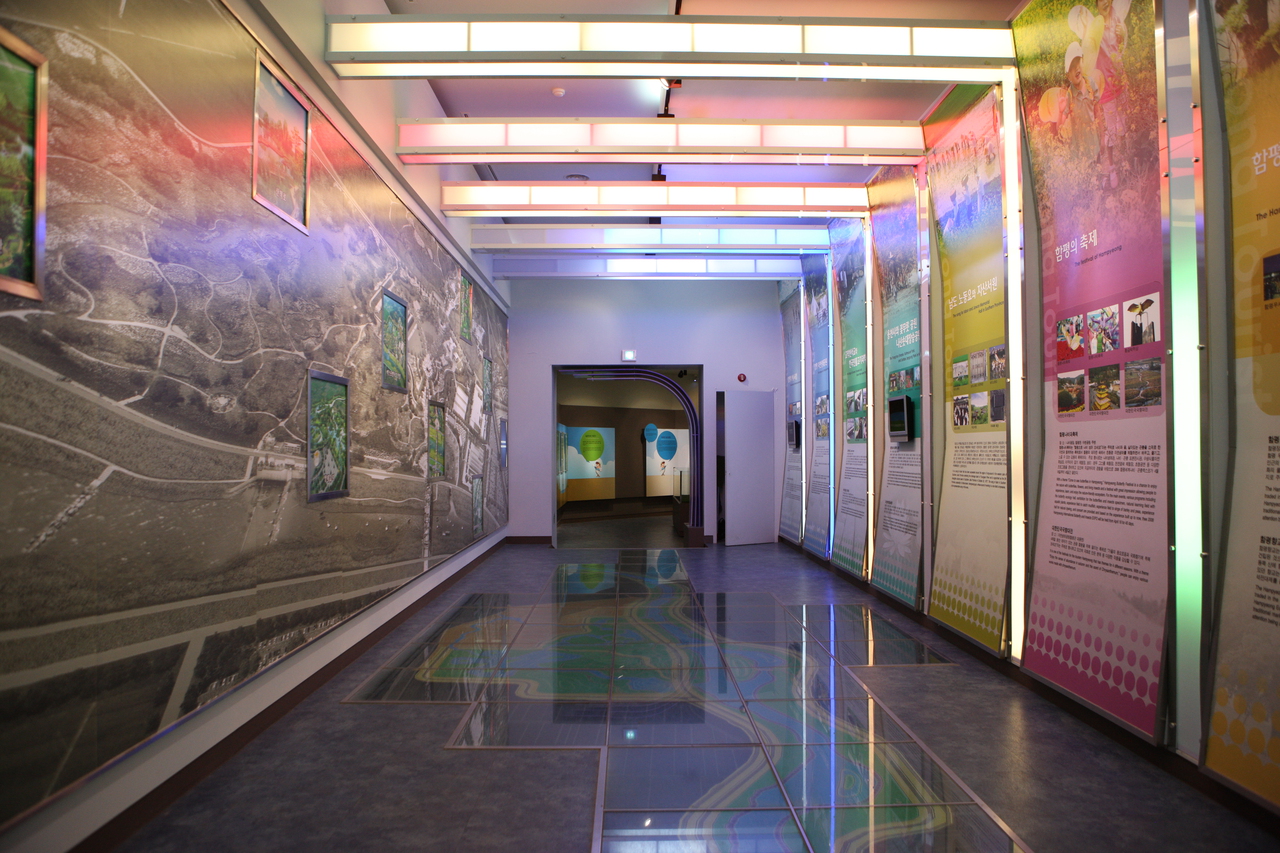
The photographs on this page are KTO gallery pictures from November 2012, filed under the festival’s name. They show the park and its indoor exhibition spaces, not the 2026 displays. We use them because they are the only freely reusable images of this festival that we could verify.
What you actually do here
This is a walking festival of flower displays and indoor exhibition halls, not a single stage show. The county’s English tourism page describes roughly 450 floral works, mostly chrysanthemum arrangements with varying petal counts, and a folklore experience centre that shows old household tools. Korean news reports on the 2026 programme list the following indoor spaces: a hall for bonsai from local chrysanthemum clubs, a hall of premium chrysanthemum bonsai, a subtropical agriculture hall, a natural ecology hall, a succulent-plant hall and a “Hampyeong memory workshop”.
The bonsai are worth understanding before you go. Reports from October 8 say members of Hampyeong’s chrysanthemum club have been growing their pieces since spring for this show, and the club says it uses varieties it has bred itself. That makes the bonsai halls a display of local amateur horticulture rather than imported or commercial arrangements. If you only want large outdoor flower sculptures, check recent photos first, since our 2012 images cannot show you what the 2026 theme looks like.
Two participatory programmes are announced: “Find the Gukhyang Kki-star”, a talent showcase, and a “Chrysanthemum Land Escape” experience. The county has not published their rules, their prices or whether they cost extra. Treat them as scheduled but unverified in detail.
Programme and timetable
Stage performances are named but not scheduled. Korean outlets on September 28 report that Seong-ri, Lee Yong, Kim Ki-tae, Lee Young-ha Band, The Vocal and the poet Na Tae-ju are due on stage, along with brass-band street performances across the grounds. No report we found gives the date or time for any of them, so none of those names has a day attached.
The one dated event is the KBS National Singing Contest, Hampyeong edition. The county announced on October 8 that preliminary applications run until October 23, that up to 300 teams will be taken at the preliminary round, and that 15 teams will go through to the finals, held on November 3 on the special stage at Hampyeong Expo Park. November 3, 2026 is a Tuesday. We have not confirmed whether spectators need a festival ticket for the finals, so ask the foundation if watching it is the point of your trip.
The calendar is also useful in a plain way: October 23 is a Friday, so the festival covers three full weekends (October 24-25, October 31-November 1 and November 7-8) plus the Friday opening day. We have no crowd data for any of them.
Tickets, fees and booking
Admission is paid, which is a useful correction if you have read older summaries calling Korean flower festivals free. On-site prices, as reported by Korean outlets, are KRW 7,000 for adults, KRW 5,000 for youth and military, and KRW 3,000 for kindergarten, children and seniors. Advance tickets are 10% cheaper: KRW 6,300, KRW 4,500 and KRW 2,700. The group rate for 20 or more people is KRW 5,400 for adults, KRW 3,600 for youth and KRW 1,800 for children.
The advance sale was open from September 23 to October 22, through NOL, Naver, or the foundation’s office inside the park. The tickets can be used from October 23 to November 8. The sale window has therefore closed or will have closed by the time most readers arrive. The on-site price is the realistic cost for anyone buying at the gate, and it is the figure we have recorded for the page. We found no confirmation of any admission coupon or voucher for 2026, so do not budget around one.
We could not confirm how late the ticket office sells entry before the 18:00 close. If you plan a late-afternoon arrival, call +82-61-320-2247 first.
Getting there without a car
From Seoul the sensible route is KTX to Gwangju-Songjeong. Two ticketing sources put it at about 2 hours 3 minutes to 2 hours 14 minutes. Hampyeong Station does exist on the conventional Honam line, but Hampyeong County’s own rail page lists only Saemaul and Mugunghwa services there, about 20 departures a day in both directions, and says that KTX does not stop. The station is in Hakgyo-myeon, not in the town centre, and is not within walking distance of the park. Ticketing sites list the conventional train from Songjeong to Hampyeong at about 24 minutes.
The alternative is an intercity bus from Gwangju’s U-Square terminal to Hampyeong’s public terminal. Two timetable sites list 16 departures a day, the first at 07:10 and the last at 20:05, and journeys of 25 to 55 minutes. Fares in those listings range from about KRW 4,500 to KRW 6,300 depending on the class and the site. The terminal is in the town, but we did not find a verified distance or travel time from the terminal to the Expo Park, so allow for a taxi or a local bus. A local bus numbered 100 is listed between the station and the town, but we have not verified its stop near the park or its current evening service.
The Gwangju-Songjeong KTX station and the U-Square bus terminal are two different places in the city, so a KTX-to-bus connection includes a cross-town transfer. We have not verified how long that takes. If you take the conventional train from Songjeong instead, you avoid that transfer, but you still need a taxi or bus from the station.
Parking, shuttles and traffic control
The County said in late September that it is preparing traffic, parking and safety measures for the crowds, but we found no published 2026 parking lot list, no parking fee, no shuttle route and no road-closure notice. This guide therefore says nothing about where to park or whether a shuttle exists. If you drive, check the foundation’s notice board and call before leaving, rather than navigating to the park and hoping for a space.
Day trip or overnight
A day trip from Seoul is technically possible on the numbers above, since KTX is about two hours each way and the festival opens at 10:00. But the final leg, the cross-town transfer in Gwangju and the 18:00 close leave a narrower window than the headline travel time suggests. We have not checked the last return KTX from Songjeong for any particular date. Look up your exact return train before you buy the outbound one.
We did not verify any accommodation in Hampyeong, so we recommend no hotel. Gwangju is the larger base, and it is where the KTX and the intercity buses meet. Whether staying there is worthwhile depends on your plans for the next day.
Food on site and nearby
Nothing in the 2026 reports describes food stalls, menus or prices inside the park. The county reports that agricultural products worth KRW 990 million were sold during the 2025 festival, which suggests produce sales take place, but that is a past figure, not a 2026 vendor list. Bring your own plan for lunch, and keep it flexible.
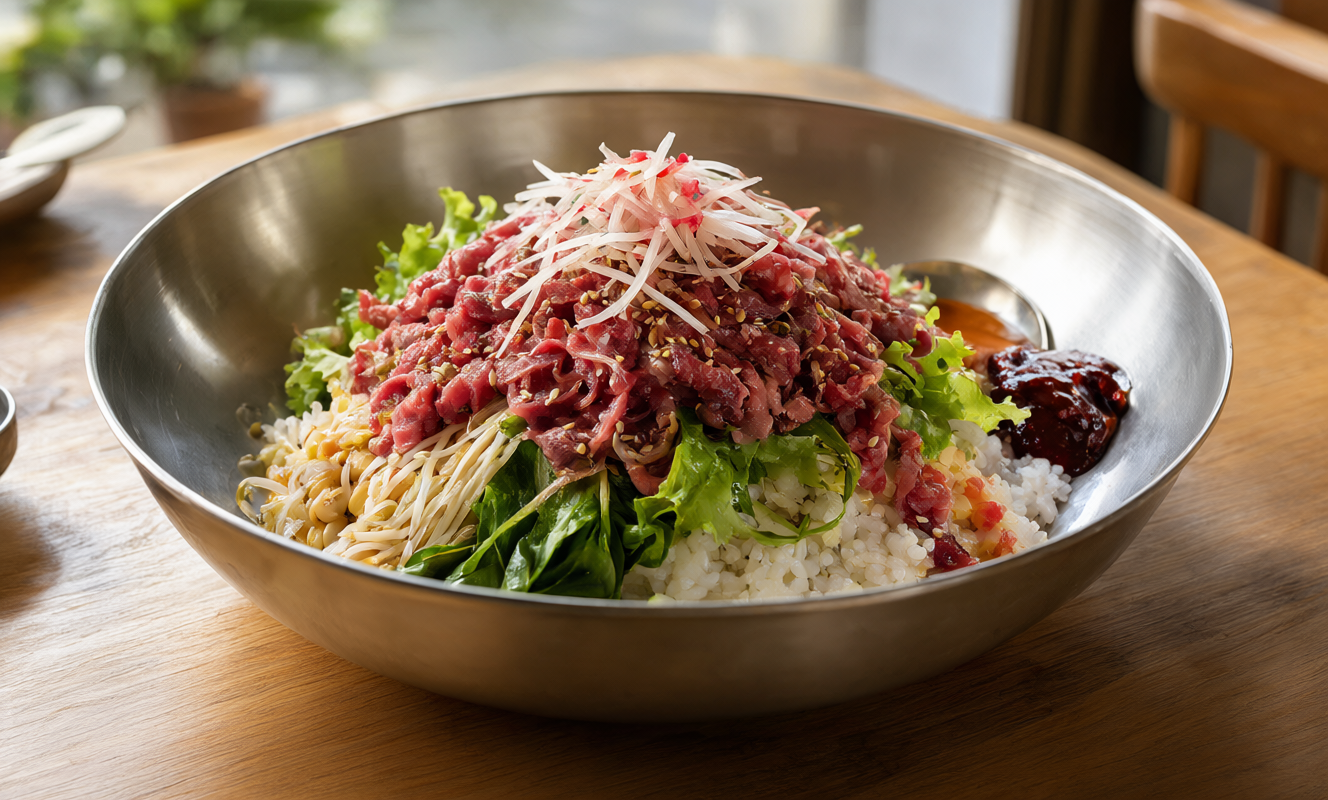
For a documented local dish, Hampyeong is known for raw-beef bibimbap. Korean reporting traces it to the town’s cattle market, which operated from 1903 and was one of the largest in the province. Fresh hanwoo beef is served raw over rice with radish, lettuce, spinach and bean sprouts. KTO named the market-area restaurants a food-theme street in 2014, and the national government made Hampyeong the first hanwoo industry special zone in July 2008. If raw beef is not for you, ask before ordering, because it is the standard version rather than a special request. This is a recommendation for the town, not a claim about what the festival sells.
Honest assessment
The festival’s strength is that it is a mature, publicly run event with an indoor-and-outdoor layout, which makes it workable on a cold or wet autumn day, and that the bonsai halls come from local growers rather than a bought-in display. The 2025 attendance of 177,000 over 17 days shows it draws a real audience.
Its weaknesses are practical ones. It is a long way from Seoul for a daytime-only event, and the last leg to the park depends on a taxi or a local bus whose details we could not verify. The performer line-up has no dates attached. Parking and shuttles are unannounced. The official foundation website, as of this writing, shows last winter’s light festival rather than a 2026 chrysanthemum page, so the 2026 detail here comes from KTO and Korean news reports. That is another reason to phone +82-61-320-2247 for anything you plan to rely on.
It is a good fit for a flower-and-garden visit that you can pair with Gwangju. It is a poor fit if you want an evening event or have only one free day from Seoul.