
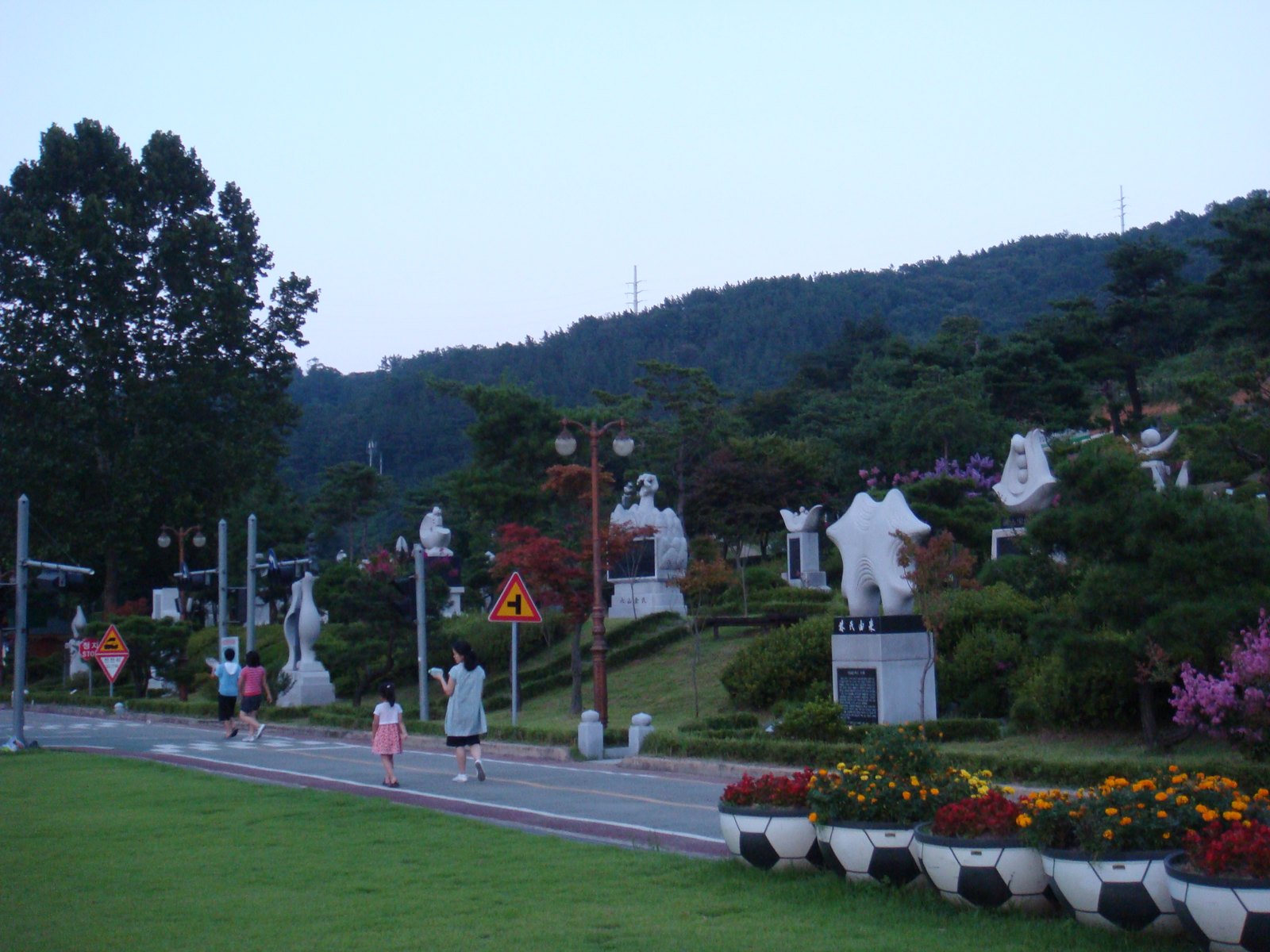
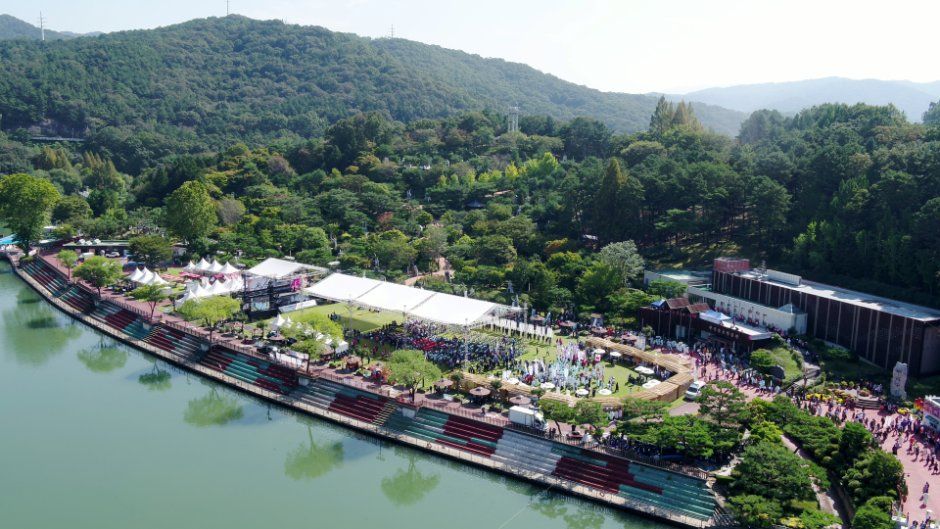
The Hyo Culture Ppuri Festival is Daejeon’s Jung-gu district festival, held at Ppuri Park on the southern edge of the city. Its subject is unusual: hyo, the Korean value of filial piety, and ppuri, meaning roots, in the sense of family origins and clan lineage. The setting explains the theme. Ppuri Park is described by the district as Korea’s only surname-themed park, opened in 1997 between Bomunsan and Banghwasan mountains, and it is filled with monuments and sculptures marking the origins of Korean family names. The festival puts clan parades, traditional performance and folk-game experiences into that park rather than into a downtown plaza.
For 2026 this is the 17th edition, and the confirmed dates are Friday to Sunday, October 2-4. The Korea Tourism Organization, the festival portal and the district’s own site all agree on those dates, and the ground operates 10:00-21:00 on each of the three days. General admission is free. The registered address is 79 Ppurigongwon-ro, in Jung-gu, and the organiser is Daejeon Jung-gu District (042-606-6290). Checked two days out, the event is going ahead as planned: the district completed a final on-site safety and traffic inspection on September 22, and no postponement, cancellation or date change had been announced.
What you actually do here
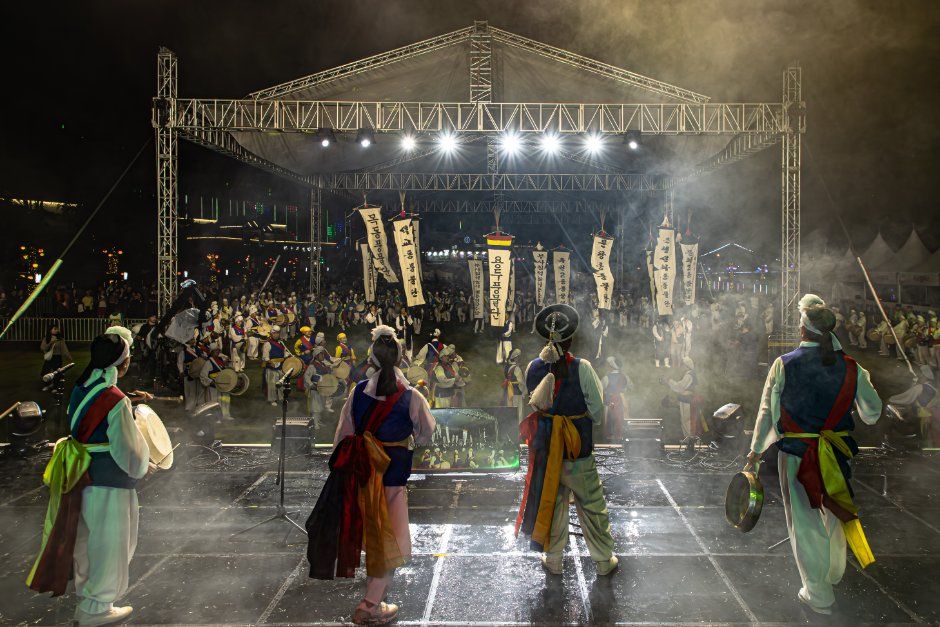
The core of a visit is walking the park and encountering the surname monuments, then dropping into whatever programme is running. The festival’s own structure separates main programmes from side programmes. The main line includes the opening and closing ceremonies, a myeongmun-ga (distinguished-family) selection event and a large communal percussion performance the festival calls the daedong pungmulje. Alongside these run clan parades, in which family associations process through the grounds, and hands-on programmes: traditional Korean folk games and a stamp tour around the park.
This is a participatory, family-oriented event more than a spectator one. The side programmes listed for 2026 include a national youth hyo-culture festival, general traditional-arts performances and busking, plus a ssireum (Korean wrestling) tournament and a yunnori folk-board-game session. None of this requires spoken Korean to enjoy, and the park layout means children have space to move between activities.
There are evening celebration performances too. In the weeks before the 2026 edition, a line-up of named singers was reported for the main stage — trot star Song Ga-in is pinned by entertainment press to the closing day, Sunday October 4. Be aware, though, that different reports list different names for the Friday and Saturday slots, and the official Jung-gu site had not posted a confirmed main-stage grid with performers and set times when this guide was updated two days out. Treat the concert element as real but check the official schedule for who is on which night; the heart of the festival is still the daytime park programmes rather than a headline act.
Programme and timetable
The operating window is 10:00 to 21:00, but that is the ground’s open time, not proof that every stage runs continuously. The detailed 2026 daily grid — which performance is on which stage at which hour — had not been published when this guide was written, so treat the official schedule page as the document to check shortly before you go.
A few timings are already fixed in the district’s 2026 recruitment notices, which is a useful anchor. The busking fringe stage runs 13:00-18:00 at the Ppuri Park fringe stage and the riverside food-market area. Sales and experience booths are listed to operate to about 20:00, and food stalls follow the full 10:00-21:00 window. The opening and closing ceremonies, the distinguished-family selection and the daedong pungmulje are the main-stage anchors; their exact 2026 start times were not confirmed, so this guide does not assign them an hour.
The festival also draws in related events around the district. Local reporting in September 2026 described a national park-golf tournament staged to mark the 17th festival, held at a separate Jung-gu course rather than at Ppuri Park, and a national janggi (Korean chess) tournament — the Jung-gu district chief’s cup — scheduled for Saturday October 3 near Ppuri Park. If a side event like that is your reason for coming, confirm its own venue and dates rather than assuming everything happens in the park.
Evening at the festival
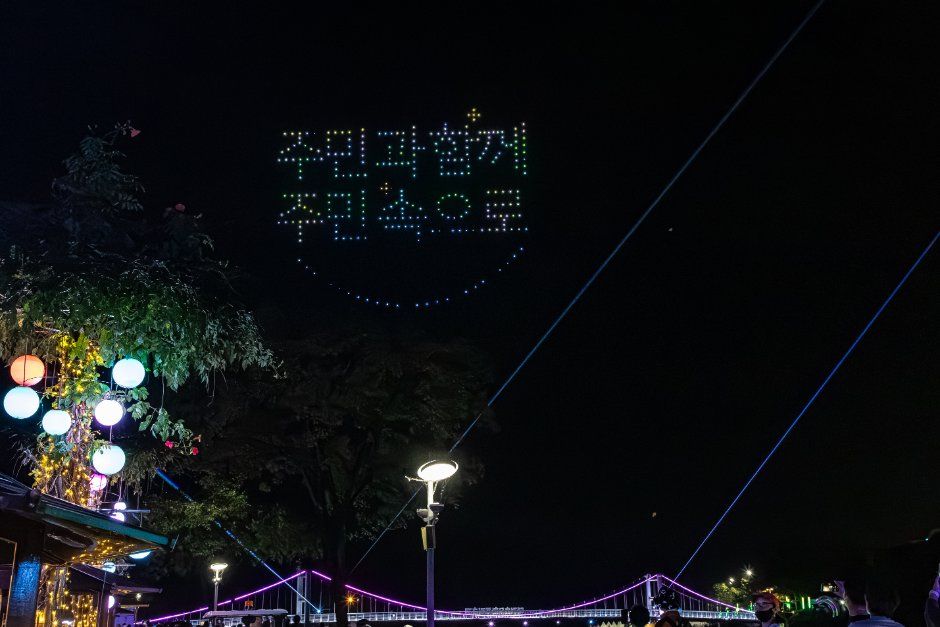
The ground stays open until 21:00, so an evening visit is part of the design rather than an afterthought. One honest caution about the night programme: the Korea Tourism Organization’s own festival photographs include an evening drone-and-light show and an illuminated bridge from a recent edition, but the confirmed 2026 programme text does not list a drone show. Past editions have leaned on evening lantern and light displays, yet a promised 2026 date and time for any such show had not been published when this guide was written. Plan your evening around the performances and the lit park, and treat a large light show as possible-but-unconfirmed until the official schedule says otherwise.
Because the park is wooded and set against the hills, the practical evening advice is ordinary but worth stating: paths are dark away from the lit stages, the site is spread over a slope, and the last useful bus back into the city matters more here than at a downtown venue. Note a meeting point before it gets dark if you are with children.
Food on site and Daejeon’s bread
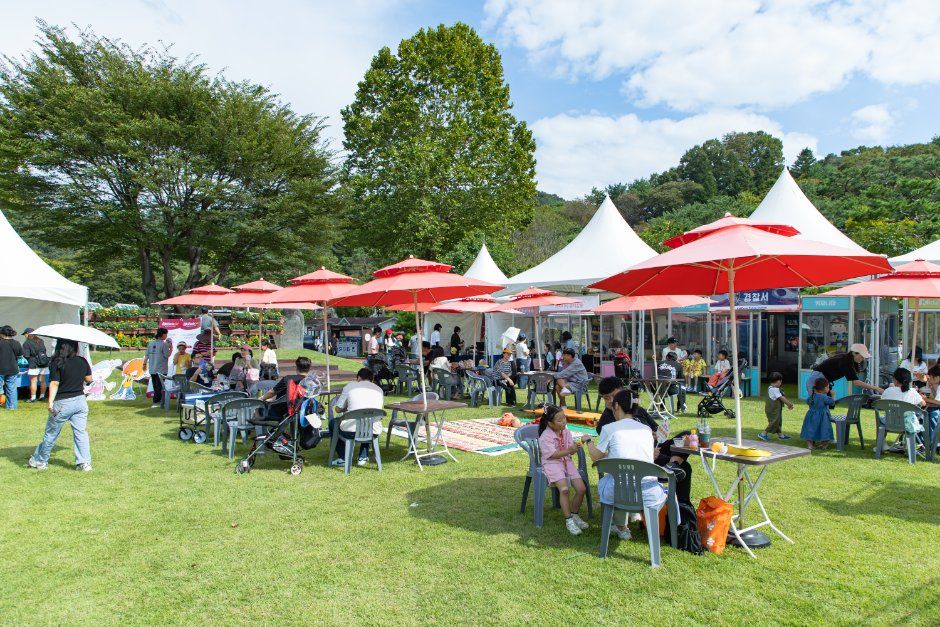
The 2026 notices confirm a real food operation rather than a vague promise. The district recruited food-truck operators and general food stalls, and it runs a bakery village among the food booths — a deliberate nod to Daejeon’s identity. What is on the menu, at what price, and whether cards are taken were not published in a reliable form, so this guide does not name a dish or a price.
For a specialty you can rely on away from the temporary stalls, look to bread. Daejeon is known nationally as Korea’s “city of bread”: the tradition traces to Korean War relief flour, and the city’s landmark bakery, Sungsimdang, opened in 1956 in Jung-gu — the same district that hosts this festival. In Consumer Insight’s 2025 national travel survey, Daejeon ranked first in the country for bread-and-dessert recommendation, well ahead of Seoul. It is a genuine regional specialty and it ties neatly to the festival’s own bakery stalls, but it is a recommendation about the city, not a claim about any single vendor on site.
Getting there without a car
From Seoul, take a KTX from Seoul Station to Daejeon Station. Current timetables put the fast trains at roughly 50 minutes to an hour, with individual services varying by their stops; check the specific train for your date rather than treating one figure as a promise. Daejeon Station sits on the city’s Metro Line 1, but the subway does not reach Ppuri Park, so the last leg is by bus.
From Daejeon Station, city bus 313 runs to its terminus at Ppuri Park in about 30 minutes; buses 312 and 313 both serve the park terminus. From Seodaejeon Station you transfer at Sanseong intersection using bus 311 or 314, also around 30 minutes. Buses 316 and 513 stop at the Hanaro agricultural centre, about a ten-minute walk from the park. Bus intervals to a terminus on the city’s edge can be long, so use a Korean map app on the day and set Ppuri Park, not simply “Daejeon”, as the destination.
A shuttle may help. In 2025 the district ran an hourly shuttle from Seodaejeon Intersection Station (exit 3) to the Ppuri Park intersection, but the 2026 shuttle plan had not been published when this guide was written. Confirm it with the Jung-gu culture and tourism division (042-606-6292) before travelling rather than assuming last year’s service. Drivers use the Ppuri Park lots and an additional riverside floodplain parking area used as the food-market zone; expect both to fill on the weekend.
Honest assessment
The festival’s strength is its specificity. Ppuri Park is a genuinely distinctive site — a whole park built around the origins of Korean family names — and the festival’s clan parades, folk games and communal percussion fit that setting rather than being generic stalls dropped anywhere. Admission is free, the KTX from Seoul is short, and the mix of daytime experiences and evening performance makes it a workable day trip for a traveller interested in Korean family and heritage culture. Daejeon’s bread scene is a real bonus in the same district.
Its weaknesses are location and unpublished detail. The park is on the southern edge of the city and needs a bus that can run at long intervals, so the transfer is the part of the day most likely to go wrong. The 2026 daily grid, the shuttle plan and any evening light show were still unconfirmed when this guide was written, and the event runs only three days, so there is little slack to reschedule around a missed performance. If you want a large concert or a compact city-centre outing, this is not it. If you want an unhurried, low-cost afternoon-into-evening in an unusual park, with folk performance and good bread nearby, it earns the trip — just confirm the final schedule and your return bus before you go.