The Icheon Ginseng Festival is a local farm-products event built around one place: the Icheon Ginseng Sales Center in Sindun-myeon, run by the Seoul-Donggyeonggi Ginseng Cooperative. KTO says it has been held annually since 2015 to promote locally grown ginseng, and that it combines sales with events. In Korean it is usually called the Icheon Ginseng Health Festival (이천인삼건강축제), and the 2026 edition is the 12th.
The confirmed dates are 9-11 October 2026: Friday to Sunday. KTO lists the venue as the Icheon Ginseng Sales Center at 160 Dunteo-ro 124beon-gil, Sindun-myeon, and admission as free. The slogan reported by the press is “Sharing happiness through Icheon ginseng, sharing health through Icheon ginseng.” Icheon City and the cooperative organise it together. Press releases describe it as a “health culture” festival meant to explain the value of Icheon ginseng and to let producers and buyers meet directly, which is why the programme leans on tasting, buying and light health activities rather than on stage shows.
What you actually do here
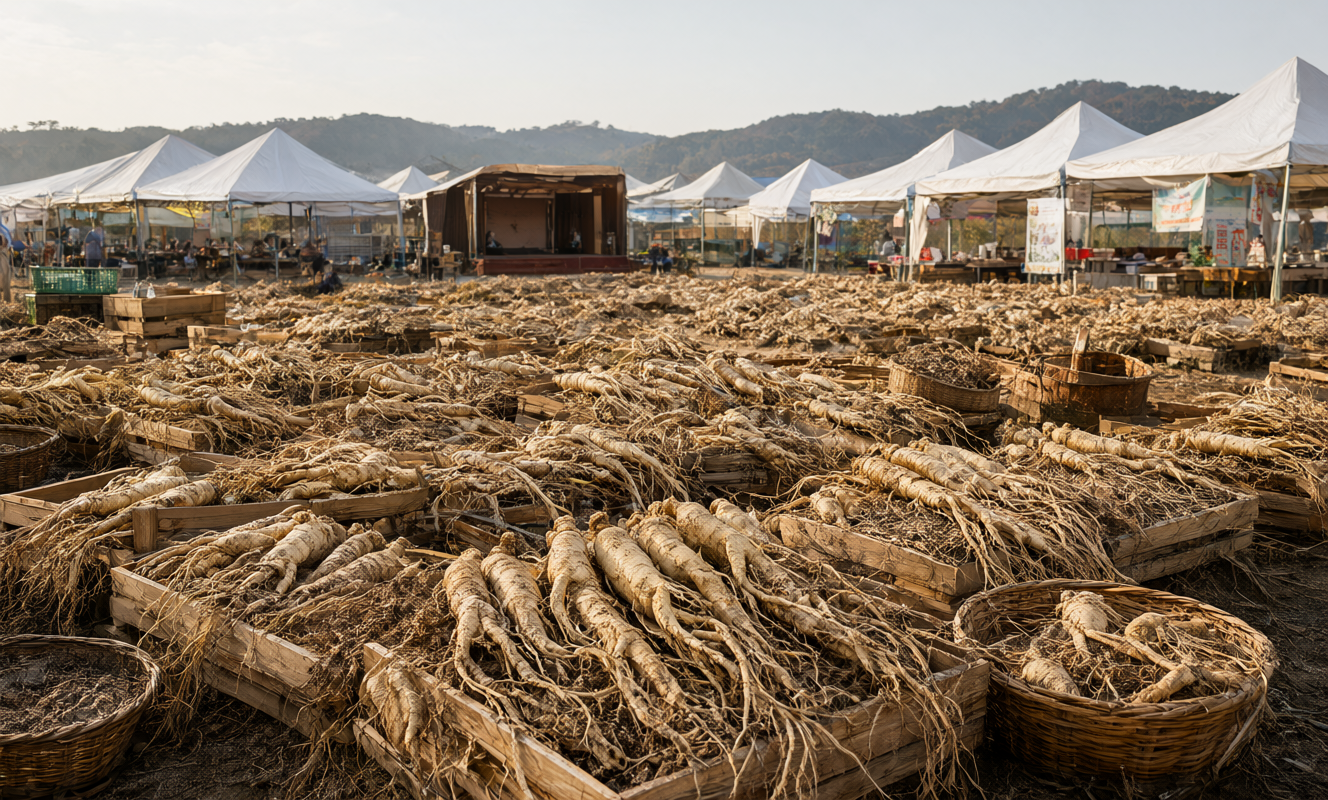
Mostly you shop and sample. The press describes booths selling Icheon ginseng, including GAP-certified six-year-old fresh roots, alongside other local products. A food market serves dishes made with ginseng. If you have ever wondered what fresh ginseng looks like before it becomes a tea bag or a red-ginseng gift box, this is a good place to see it in bulk.
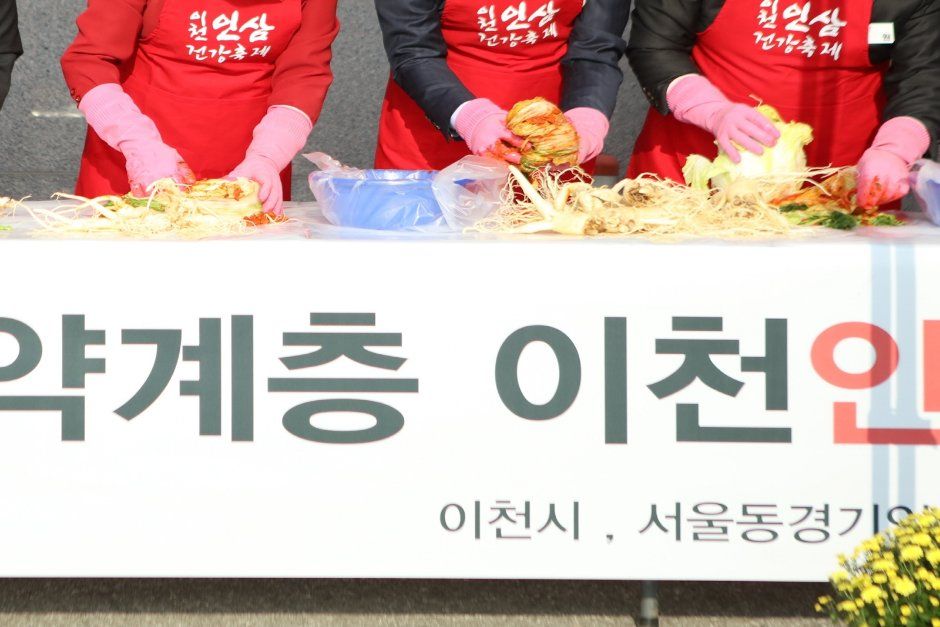
Alongside the market there are light participation programmes: a ginseng singing contest, a ginseng OX quiz, a ginseng auction, a ginseng exhibition, and family activities that the coverage lists as foot soaks, acupressure, seed sorting, weight-guessing games and face painting. The organisers frame the festival as a “health culture” event rather than only a sales fair, which fits the foot-soak and acupressure corner.
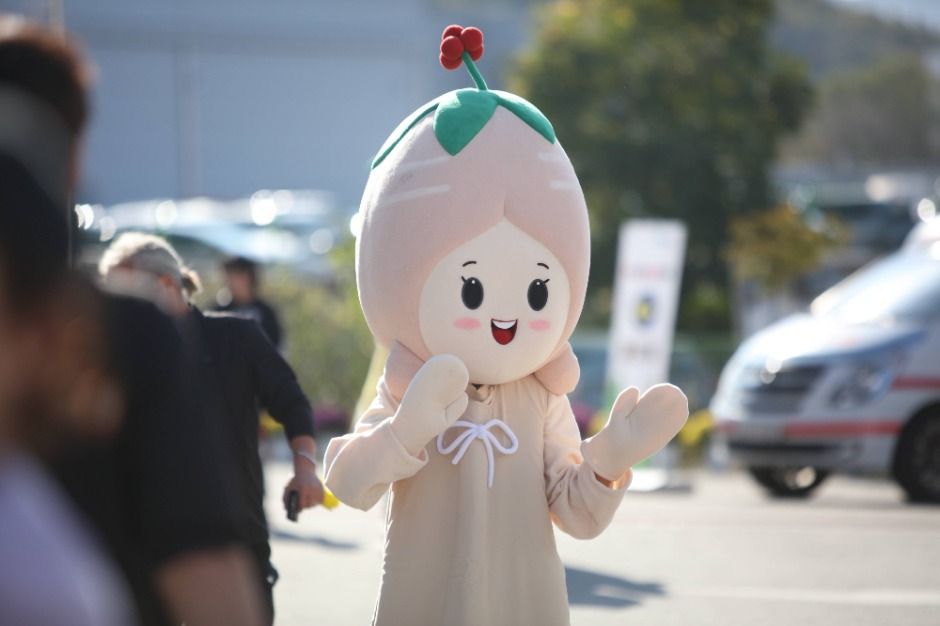
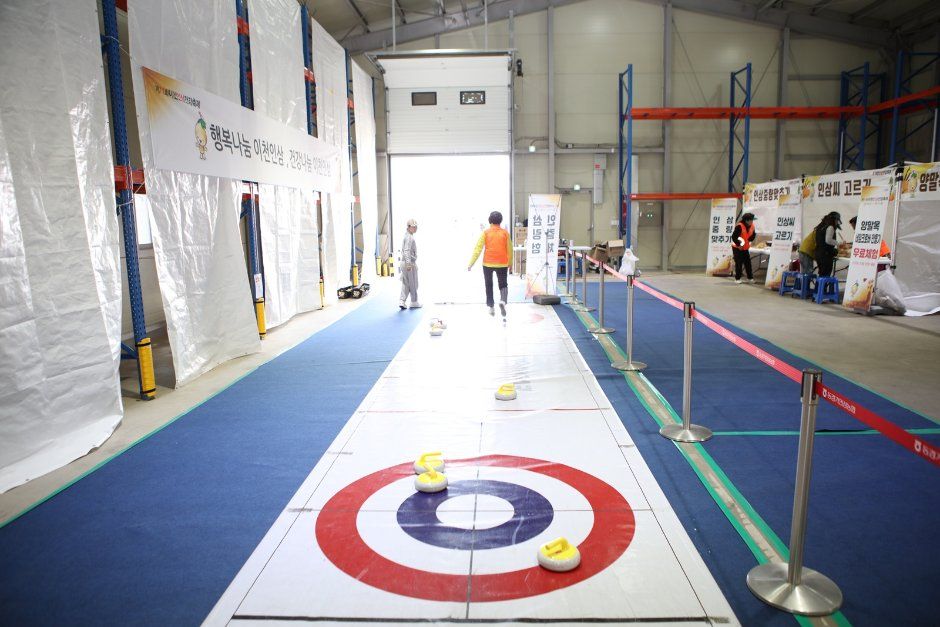
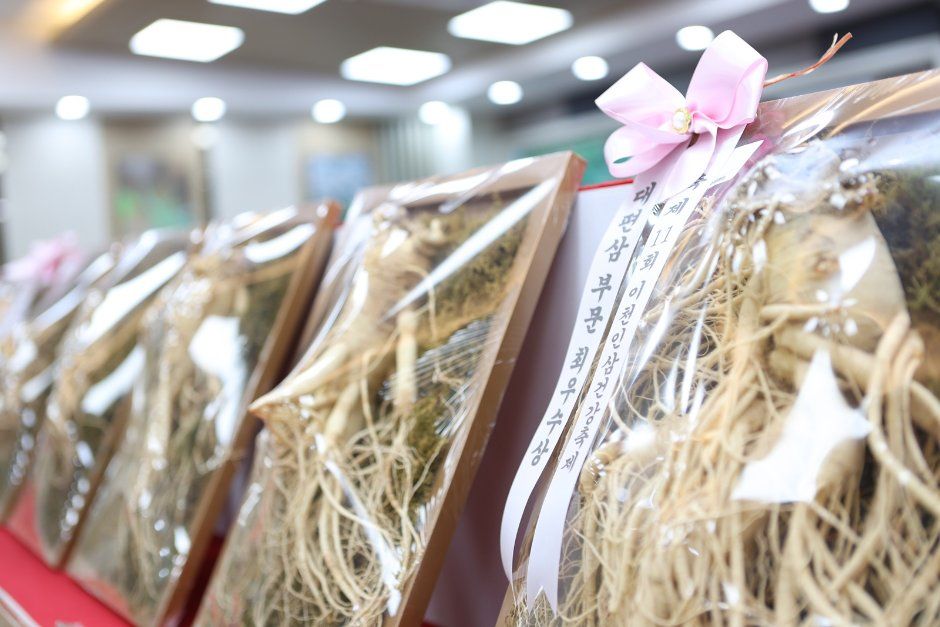
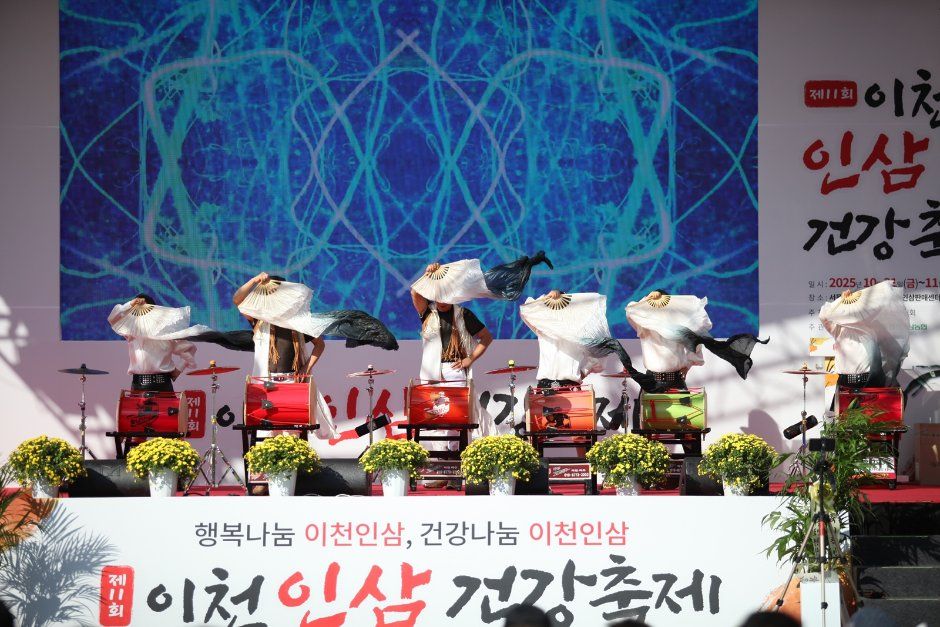
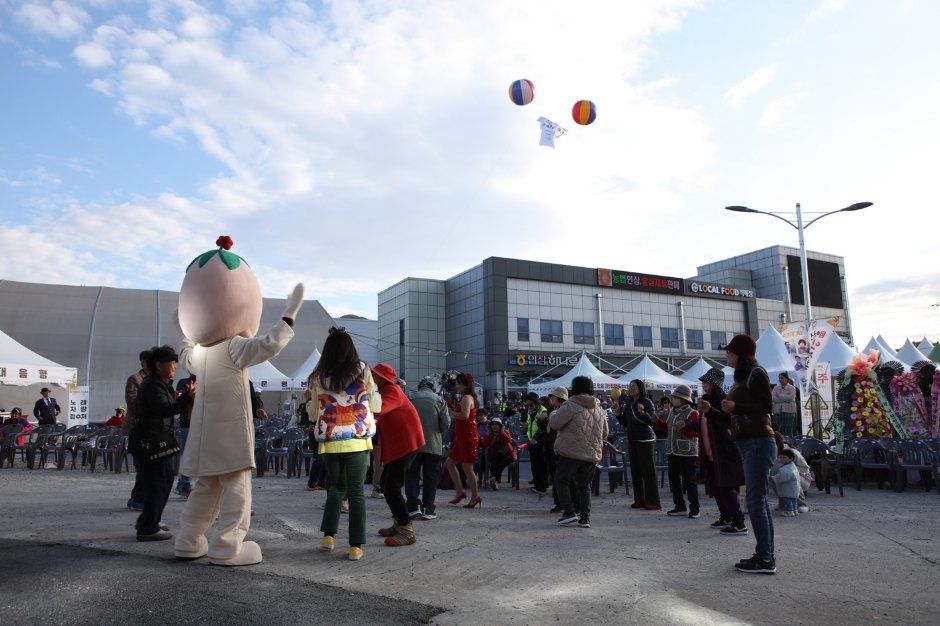
The photographs on this page are Korea Tourism Organization images of the festival, and they show the scale well: a ginseng mascot waving to a crowd in front of the cooperative’s building, tents and folding chairs around a modest outdoor stage, an indoor hall with hands-on booths and a small curling lane, ginseng roots laid out in framed displays with prize ribbons, and a drum-and-fan performance. Two of them carry “11th” (2025) banners; KTO files them under 2026, and we could not tell which year the others are from, so treat them as a guide to the format, not a preview of this year’s layout.
The hall photo is also a reminder that part of the event sits indoors. Its sign boards name the weight-guessing (“중량 맞추기”) and seed-sorting (“씨 고르기”) games, and one partly visible booth sign reads “free experience” (무료체험). That is one earlier-edition booth, not a fee policy for 2026. Mascot, stalls and a modest stage make this a local cooperative event rather than a big-city spectacle.
Programme and timetable
KTO lists the opening hours as 10:00-15:00. That is a tourism-record entry; we did not find an organiser timetable that confirms or changes it. One caution: a Korean event-listing page for an earlier edition shows 10:00-17:00, so the closing time may not be fixed from year to year. If you plan to arrive after lunch, ask before you go.
The one dated item for 2026 is opening day, Friday 9 October, which has the official opening ceremony and a guest-singer performance. No singer’s name and no start time were found. The singing contest, quiz, auction and exhibition are listed as festival programmes without individual days or times. For comparison only, the 2023 edition put the opening ceremony and concerts on day one and the singing contest on the last day, and the 2024 edition’s opening ceremony was reported for 14:00 on its first day (Asiae). Neither is confirmed for 2026. If the ceremony were again mid-afternoon it would sit awkwardly beside a 15:00 close, which is one more reason to check the day’s hours rather than assume. If you are travelling for a specific event, ask the organiser’s number first.
Tickets, fees and booking
There is no entry ticket, and no booking is needed to walk in; KTO lists admission as free. Money goes on what you buy: ginseng, processed products and food. No 2026 price lists were published in anything checked, and we do not know whether the health experiences are free or charged, so carry some cash or a card and ask at each booth. Whether the stalls take cards was not checked.
If you are reading this after the festival, Korean press also report that the agricultural cooperative’s online mall is running discounts of up to 60% on Gyeonggi ginseng products through October. That is a cooperative promotion, separate from the festival, and the terms were not checked.
Getting there without a car
From Seoul the simplest route is an express bus to Icheon. Icheon City’s terminal page gives about an hour from Icheon to Seoul, and a second timetable source gives roughly 1 hour 13 minutes from Seoul Express Bus Terminal, so plan on about an hour to an hour and a quarter before traffic. Timetable sites list Seoul Express Bus Terminal to Icheon at roughly 52 km with around twenty departures a day, and fares in the 5,000-6,500 won range depending on the terminal and listing; fares change, so treat that as an order of magnitude. The Icheon terminal is in the city centre, in Jungni-dong, not in Sindun-myeon, so you need a further leg.
For that leg, a taxi is the safe assumption. We did not verify a local bus line to the venue, nor the taxi fare or journey time, so check a Korean map app on the day and enter the street address given above or the Naver map link on this page.
The rail option is the Gyeonggang Line, which runs from Pangyo to Yeoju and has a Sindundoyechon Station in the same township (the line has Icheon Station as well, but that is in the city centre). Reports at the line’s opening in 2016 gave about 48 minutes for the full Pangyo-Yeoju run. We did not verify the walking distance or taxi time from Sindundoyechon Station to the sales centre, so treat the station as a possibility to check in a map app, not a confirmed walk.
Parking, shuttles and traffic control
We found no published 2026 plan for parking, shuttles or traffic control. In 2023 the festival ran shuttles every 15-30 minutes via Yes Park, Sindundoyechon Station, Sindun Sports Park, Icheon Central Church, Icheon Terminal, Icheon City Hall and Icheon Station. That is useful as a hint about how the event has been run, but a 2023 route is not a 2026 timetable. If you drive, call the organising committee on +82-31-637-3438 and ask where to leave the car.
Day trip or overnight
On transit time alone this is a day trip. Seoul to Icheon is about an hour, and the festival runs only until 15:00 according to KTO, so a morning start covers it. This guide has not checked last return buses, so confirm yours before you commit. Nothing found suggests you would need to stay overnight, and no accommodation was checked.
Food on site and nearby
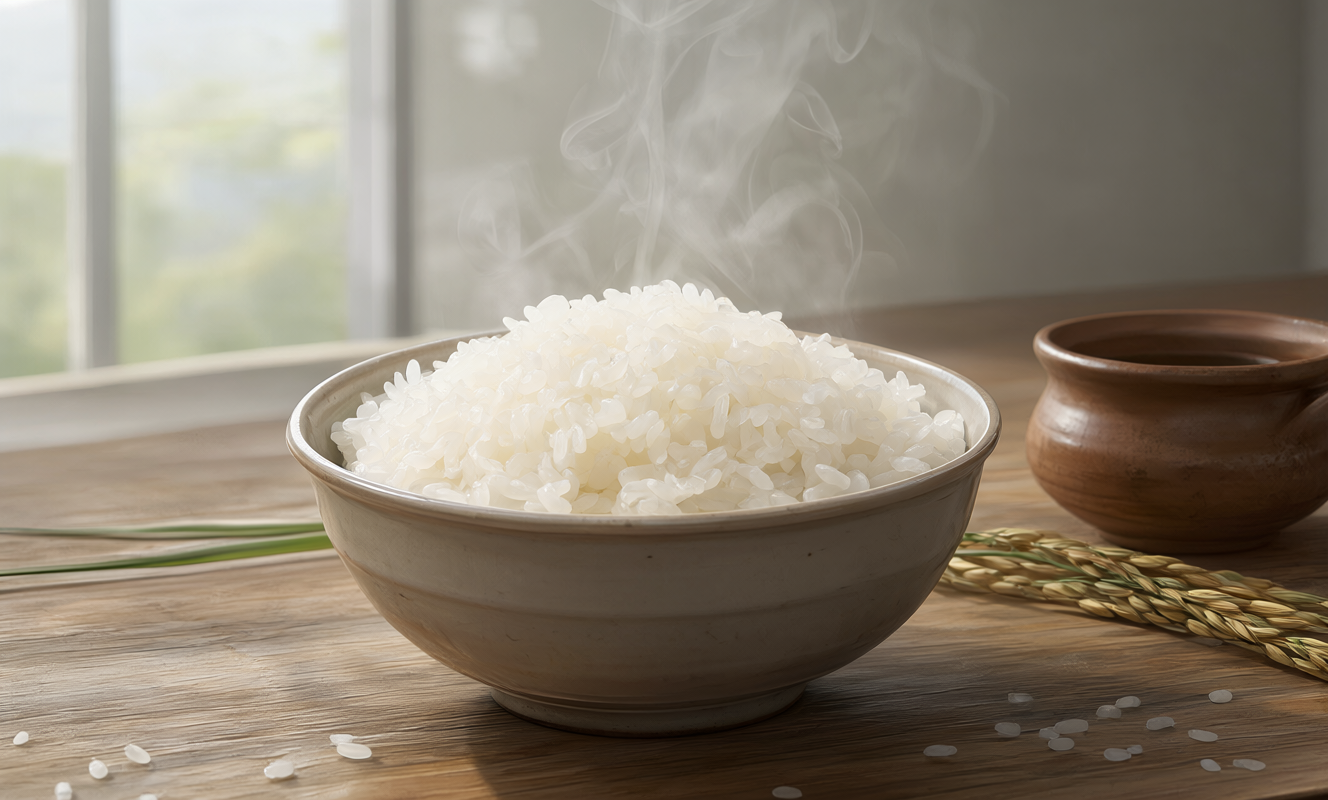
The press coverage mentions a food market with ginseng-based dishes; no menu, prices or vegetarian options were published, and we cannot say what any stall will serve. The festival itself is about ginseng, so the regional product to look for beyond it is Icheon rice. Korean press describe it as Joseon-era tribute rice, sold since the early 1990s as “Imgeumnim-pyo” (the King’s brand), and say it was the first rice registered under Korea’s geographical-indication system, in 2005. Whether it is sold at the festival was not confirmed; it is a regional recommendation, not a promise about the stalls.
Honest assessment
The festival is honest about what it is: a farmers’ cooperative event in which the main attraction is buying and tasting an Icheon product, with a few participation games and a guest singer on opening day. If you want ginseng you can see, taste and buy at the source, it works, and the small hands-on activities suit children.
What it is not is a destination festival with a full lineup. The programme is short, the only dated entertainment for 2026 is on day one, and the practical details that matter for foreign visitors are the weak spot: little English-language detail was found, no dedicated festival website turned up, and the shuttle and parking plan for this year was not published. Prices, discounts and what is on sale each day are things to ask on the spot.
Go in the morning, ask about the day’s programme at the information point, and treat the 10:00-15:00 hours as the working assumption. If you miss this edition, Pocheon and Paju hold ginseng festivals on 17-18 October and Anseong follows on 24-25 October.