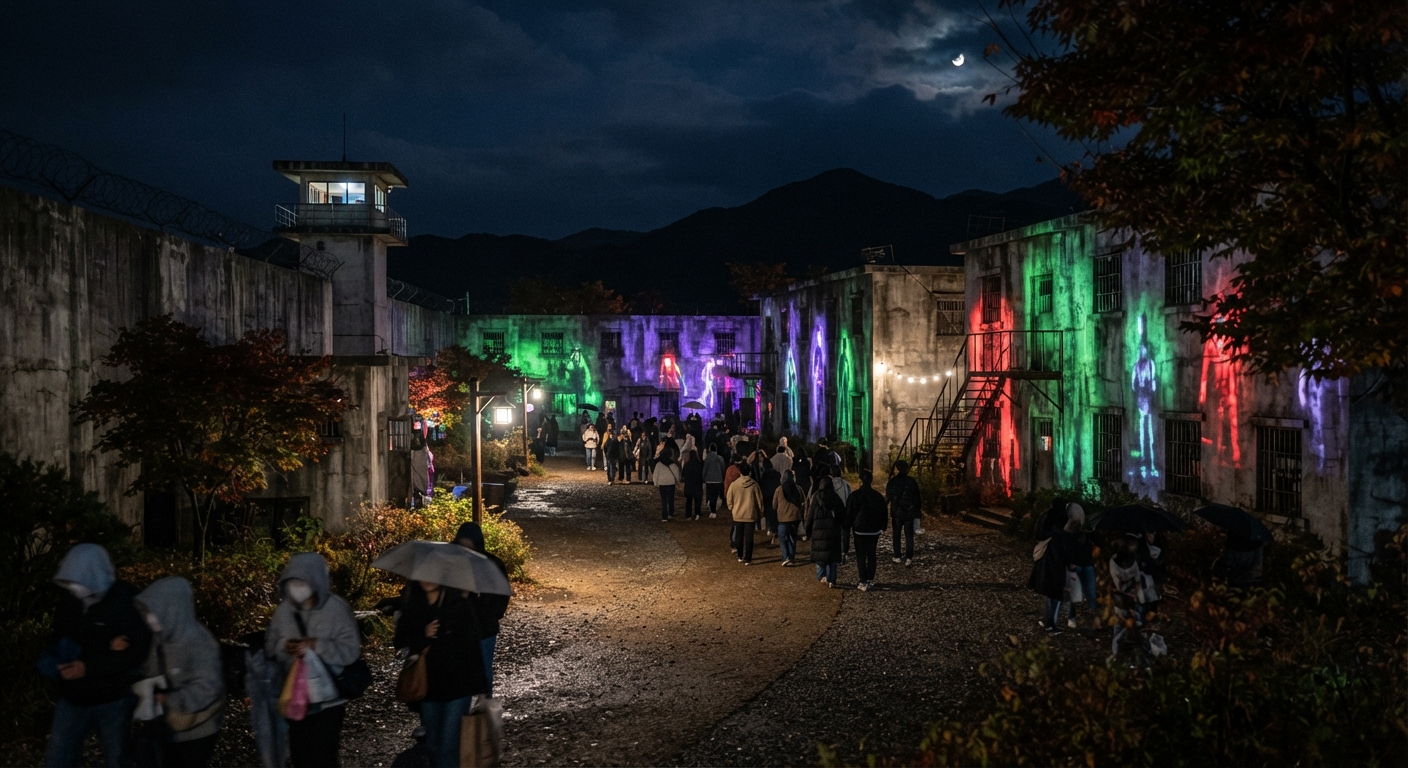
The Iksan Horror Hologram Festival takes place at the Iksan Prison Set, a permanent film set in the countryside of Seongdang-myeon, northwest of central Iksan in Jeollabuk-do. The set was built in 2005 as Korea’s first purpose-built prison location and has since stood in for a jail in a long list of films and television dramas. For roughly two weeks each September the organiser turns those concrete cell blocks, walls and watchtower into an after-dark horror event, combining hologram projection and media-facade lighting with cosplay, stage programmes and food stalls.
The most important planning fact is the shape of the run. Despite the “September 10-20” period listed by the Korea Tourism Organization, the 2026 festival is not continuous. It operates in two blocks — September 10-13 and September 18-20 — and is closed from September 14 to 17 while the site is changed over. Every operating evening runs from 18:00 to 22:00. Admission is free and open to all ages, and free pre-registration on the official site is offered rather than a paid ticket.
What you actually do here
The core of the event is the hologram-and-horror content projected onto and staged inside the prison set. The Korea Tourism Organization describes it as an immersive fear experience that mixes hologram technology with escape-room and theatrical elements, using the province’s hologram-industry expertise for its main content. Press previews for 2026 refer to a lineup built around roughly twenty experience attractions, so expect a walk-through of themed zones rather than a single seated show.
Around that main content sits a wider programme. The official listing names a cosplay contest, media-facade projections on the building exteriors and a horror quiz show, alongside side attractions including a flea market, food booths, a flash mob, a cosplay fashion show, a B2B exhibition and general stage events. These are distinct strands spread across the site and the evening, not one continuous performance, so it is worth checking the daily programme on arrival and deciding which zones and stage slots matter to you.
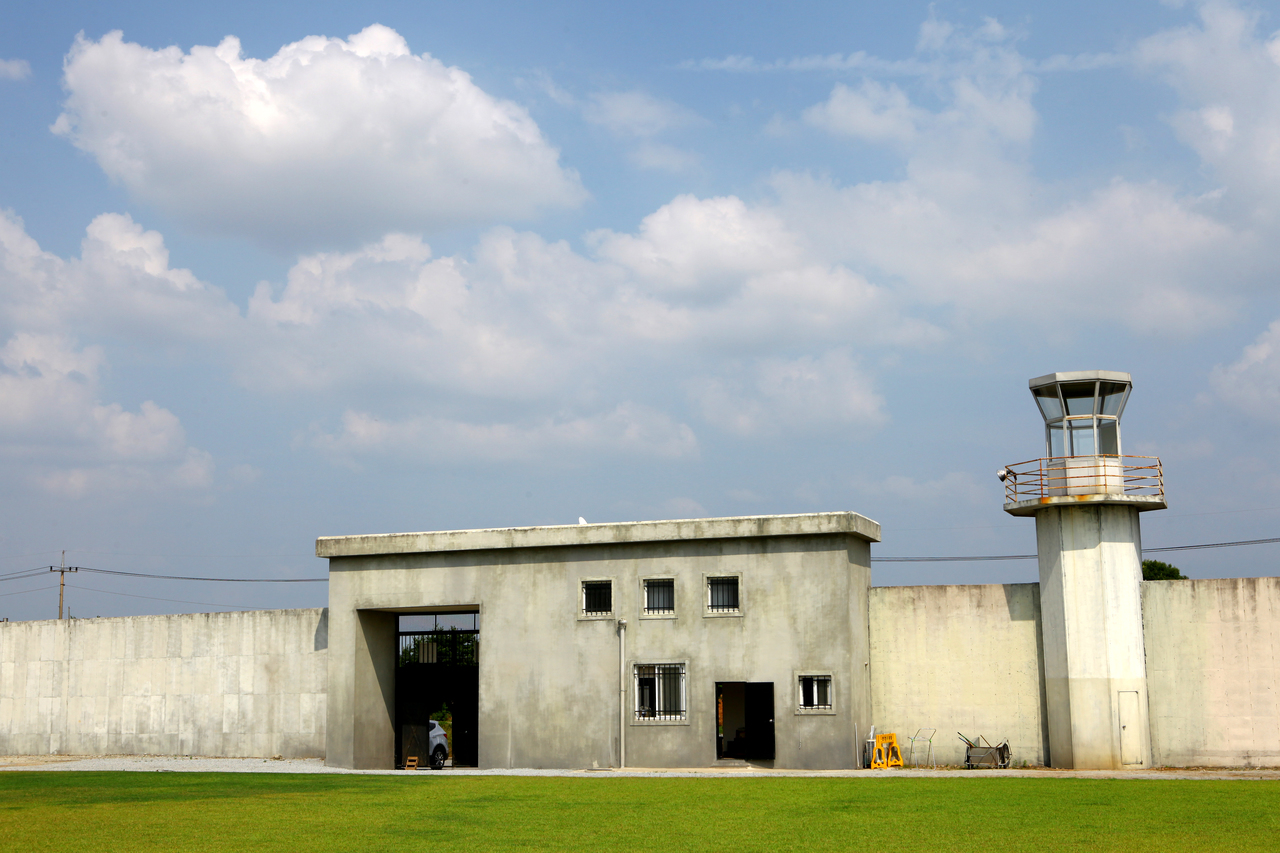
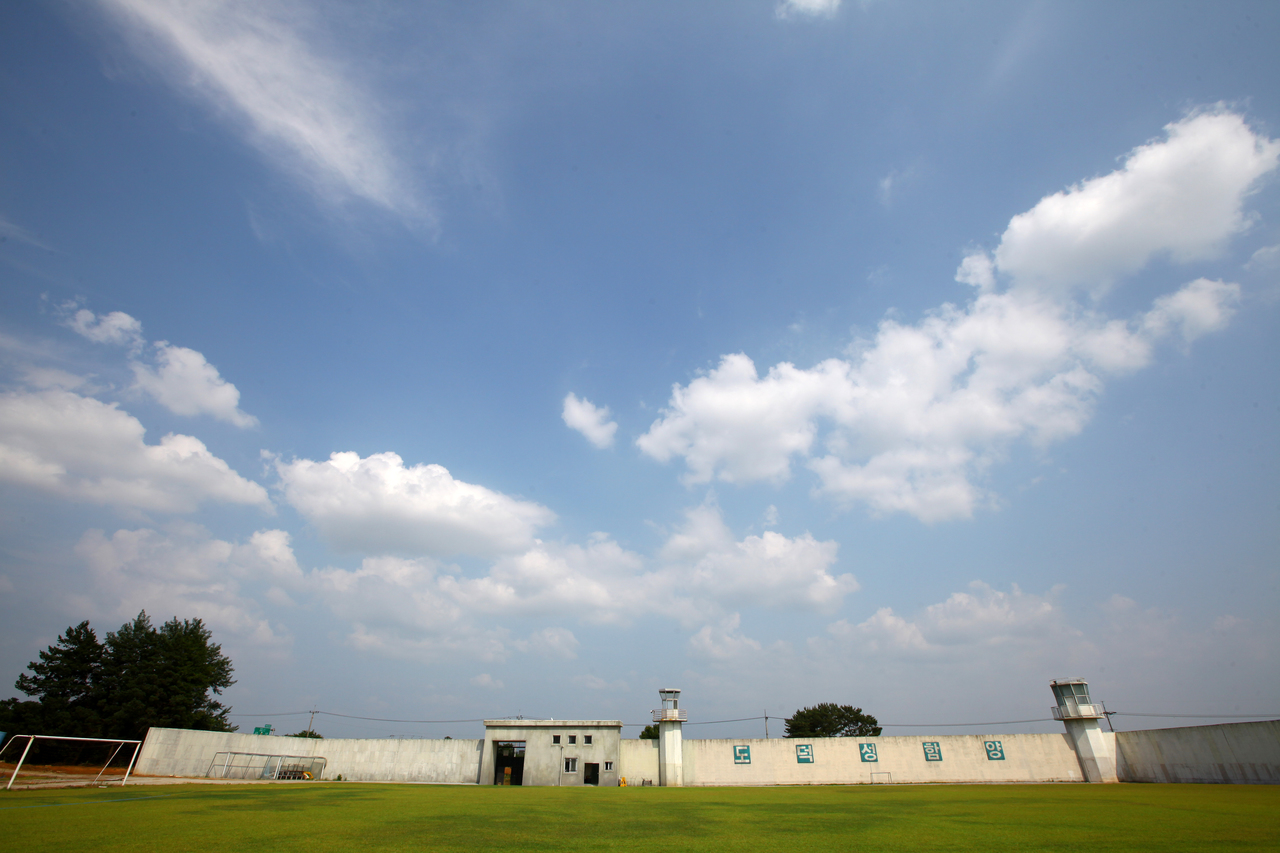
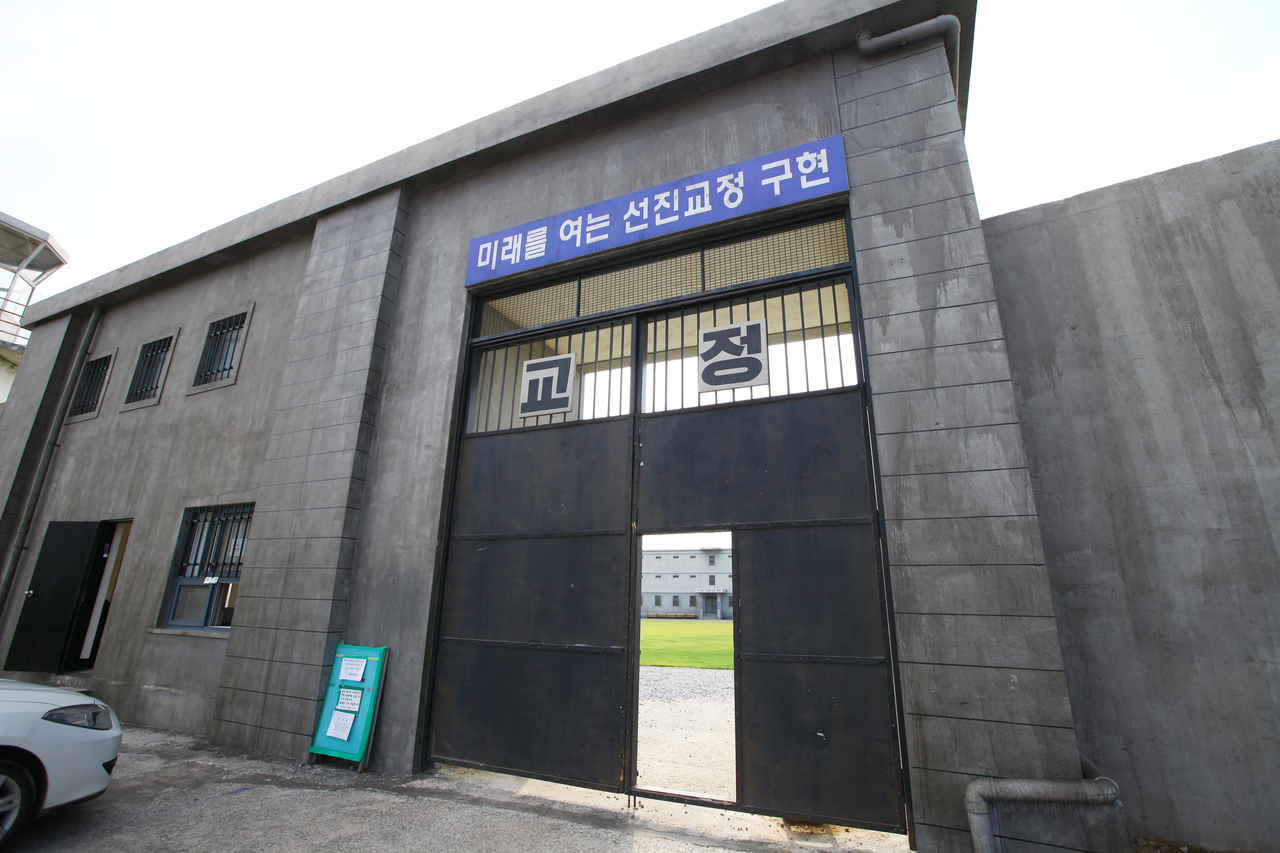
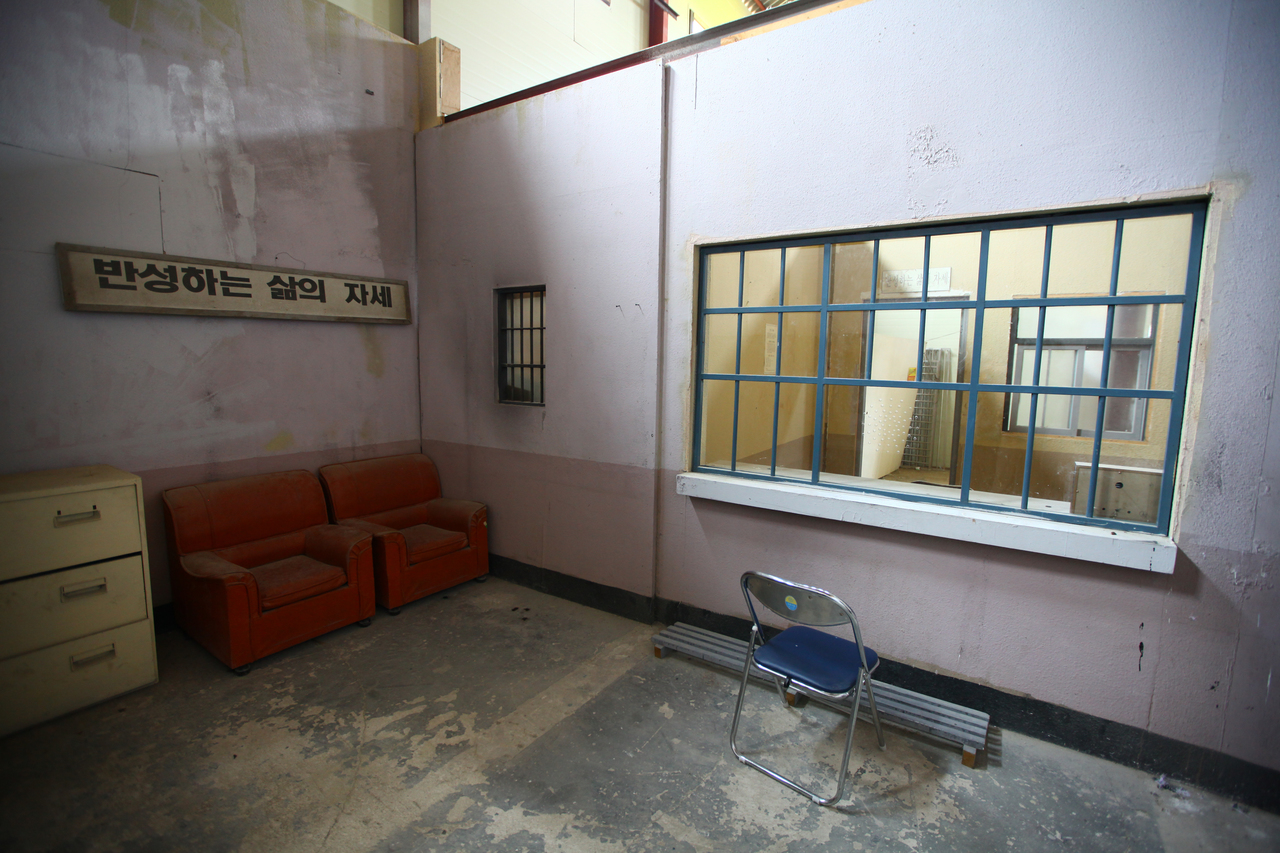
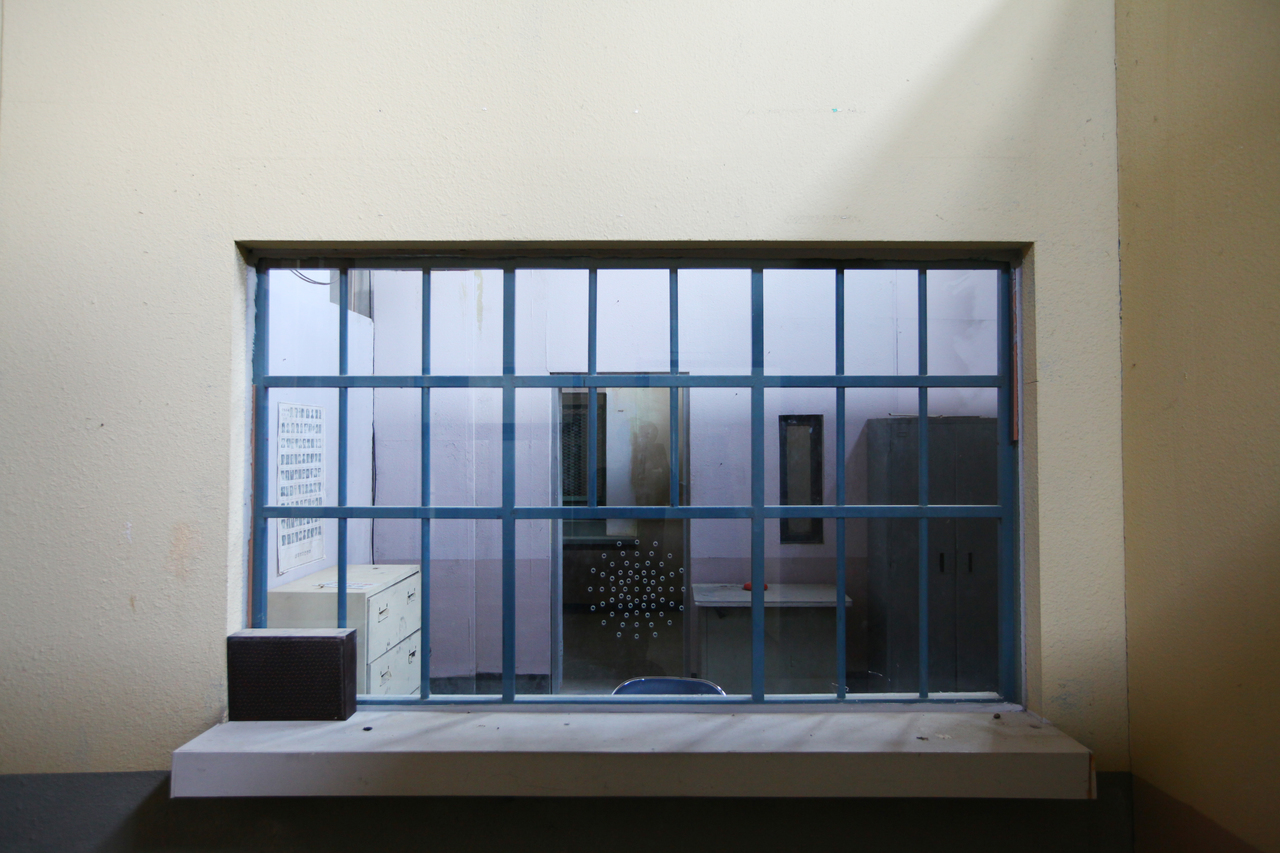
Part of the appeal is simply the location. This is a genuine, heavily-used film set rather than a temporary structure — a full concrete perimeter wall with watchtowers, a heavy steel main gate and dressed interior rooms complete with barred windows and old furniture, as the daytime photographs on this page show. Seeing that lit up at night is a large share of the experience. Because the whole event is designed to unsettle, the atmosphere is deliberately dark and theatrical; that is the point for horror fans and the reason it does not suit every visitor.
Programme and timetable
The fixed points are the two operating blocks and the nightly 18:00-22:00 window. Use those as the frame for everything else. The dark days of September 14-17 are a real gap, not a technicality — the site does not open at all, so a trip planned for that week would find nothing running. If your dates are flexible, the second block (September 18-20) falls on a Friday-to-Sunday, which is convenient but also the busiest kind of slot.
Beyond the operating hours, a full 2026 daily grid — which stage act runs when, and any timed entry for the main hologram content — had not been published in a dependable form when this guide was written. Previous editions have offered pre-registered visitors priority-access coupons for the main programmes, which is a strong hint that the headline attractions can build queues. Treat the pre-registration page as the place to lock in your access before travelling, and check the official notices close to your date for any timed-entry detail.
Tickets, admission and pre-registration
There is no gate ticket: entry is free and open to all ages. What the organiser does run is free pre-registration on the official site. In recent years this pre-registration was popular — the 2025 edition reported well over twenty thousand pre-registrants — and it has come with priority-access coupons for the main programmes rather than any charge.
The practical takeaway is that “free” here does not mean “just turn up and walk straight in”. If a specific attraction is your reason for coming, register in advance and keep whatever confirmation the site issues. The general festival grounds, stage events and food stalls do not require a ticket, but the flagship hologram content is the part most likely to be managed by pre-registration and queueing.
Getting there without a car
From Seoul the fast leg is straightforward. Iksan is a major stop on the Honam KTX line, and a KTX from Yongsan or Seoul Station to Iksan Station takes roughly 1 hour 20 minutes, though individual trains vary with their stops. Check the exact service for your date in Korail rather than treating one figure as fixed.
The complication is the final leg. The venue is a film set in rural Seongdang-myeon, well outside central Iksan, and there is no on-site visitor parking. That makes the festival shuttle the intended way in. In 2025 the organiser ran free shuttle buses to the site — including a route from Iksan Station and another from the city’s northern district office in Hamyeol — from about 17:00 until roughly 22:20, with separate parking arranged near the site only for elderly and disabled visitors who asked in advance. The 2026 previews again state that free shuttles will operate, but the confirmed 2026 stops, routes and timetable had not been posted when this guide was written. Rely on the official site’s transport notice immediately before you travel rather than on last year’s exact times.
If you do drive, plan around the no-parking-on-site rule: you will still be directed to a shuttle from a remote lot, so the car saves less time than it looks.
Day trip or overnight
A same-day return to Seoul is the awkward part of this festival, purely because of the hours. The programme does not start until 18:00 and runs to 22:00, and the fast trains from Iksan back toward Seoul leave through the evening — the last useful departures are earlier than you might hope for a night event. Once you add the shuttle ride from the set back to Iksan Station after the festival winds down, catching a same-night train can be very tight or simply impossible. Do not assume it works; look up your specific last train before buying an outbound ticket.
For most visitors an overnight in Iksan is the calmer plan. It removes the race for the last train, lets you use the full evening without watching the clock, and puts you near the station for an easy morning departure. This guide does not recommend a specific hotel or quote prices because none were verified, but staying near Iksan Station keeps the shuttle connection simple in both directions.
Food on site and nearby
The festival itself includes food booths and a flea market on the grounds, so there will be something to eat during the evening. Because the detailed 2026 vendor list, menus and prices were not published in a reliable form, this guide will not promise a particular dish, price or payment method on site — bring a payment option and treat the stalls as convenience food alongside the main attractions.
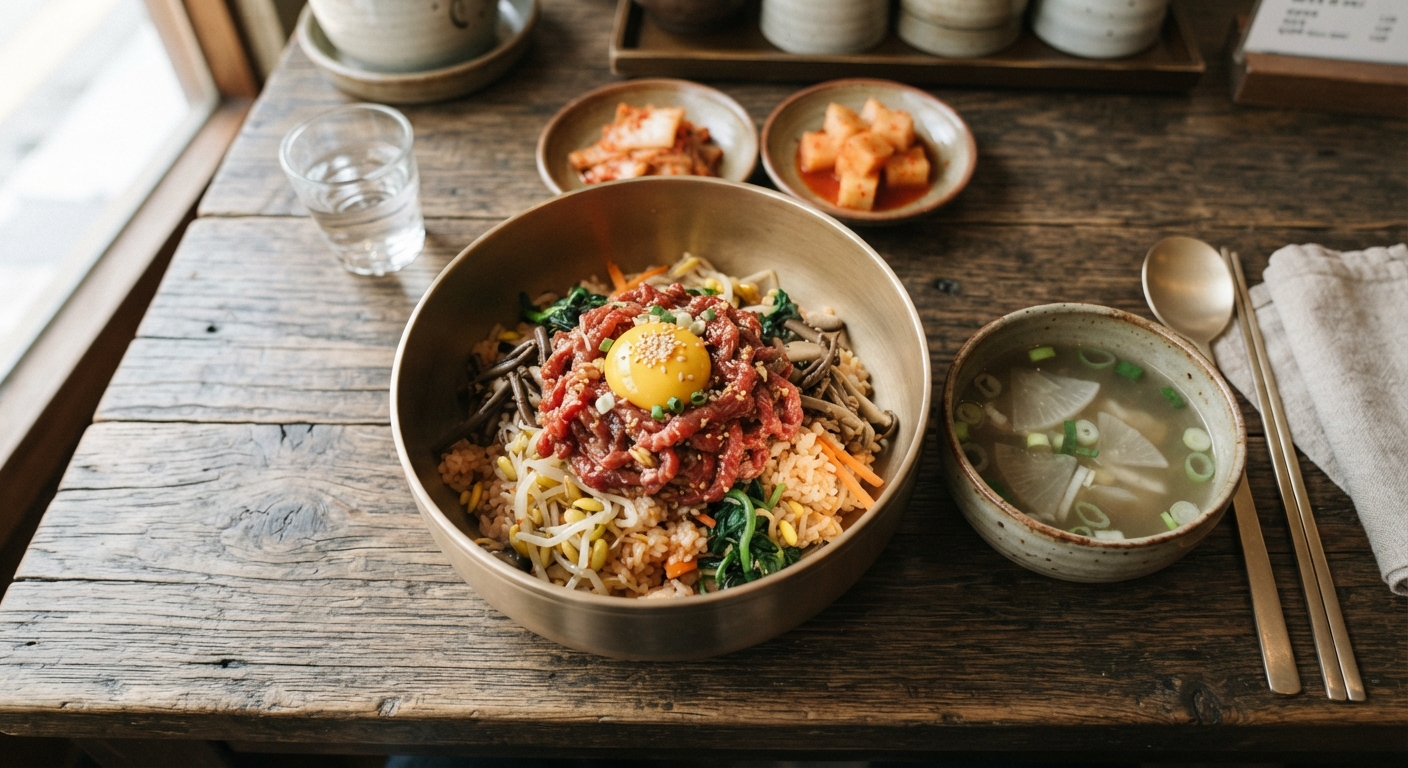
For a documented local meal away from the temporary stalls, Iksan’s best-known dish is Hwangdeung bibimbap, named after the Hwangdeung area of the city. Jeonbuk provincial tourism lists it as an Iksan specialty: warm rice pre-mixed with seasoned vegetables and beansprouts, topped with fresh seasoned raw beef and typically served with a clear beef broth on the side. It is a city specialty found at long-running Hwangdeung restaurants, not something the festival serves, and if raw beef is unsuitable for you, ask before ordering.
Honest assessment
The festival’s strength is its concept and its setting. A real prison film set, lit at night with hologram and media-facade projection and populated with cosplay and stage events, is a genuinely distinctive night out and explains why recent editions have drawn tens of thousands of visitors — the organiser reported record attendance of around forty thousand in 2025. If you like immersive horror formats, this is an unusually atmospheric example, and the free admission makes it easy to justify.
Its weaknesses are logistical rather than creative. Everything is compressed into an 18:00-22:00 evening; the venue is rural, with no on-site parking and a real dependence on a shuttle whose 2026 timetable was still unconfirmed at the time of writing; and the split run means a mistimed trip during September 14-17 would find the site shut. The same-night return to Seoul is genuinely difficult given the hours and the last-train timing.
The fair plan is to register in advance for the main content, travel down by KTX and shuttle, and stay one night in Iksan rather than gambling on the last train. Go for the horror concept and the setting; go on one of the two operating blocks, not the closed week; and if scares are not your thing, or you are bringing a small child, be honest with yourself that an all-ages policy is not the same as an all-ages experience.