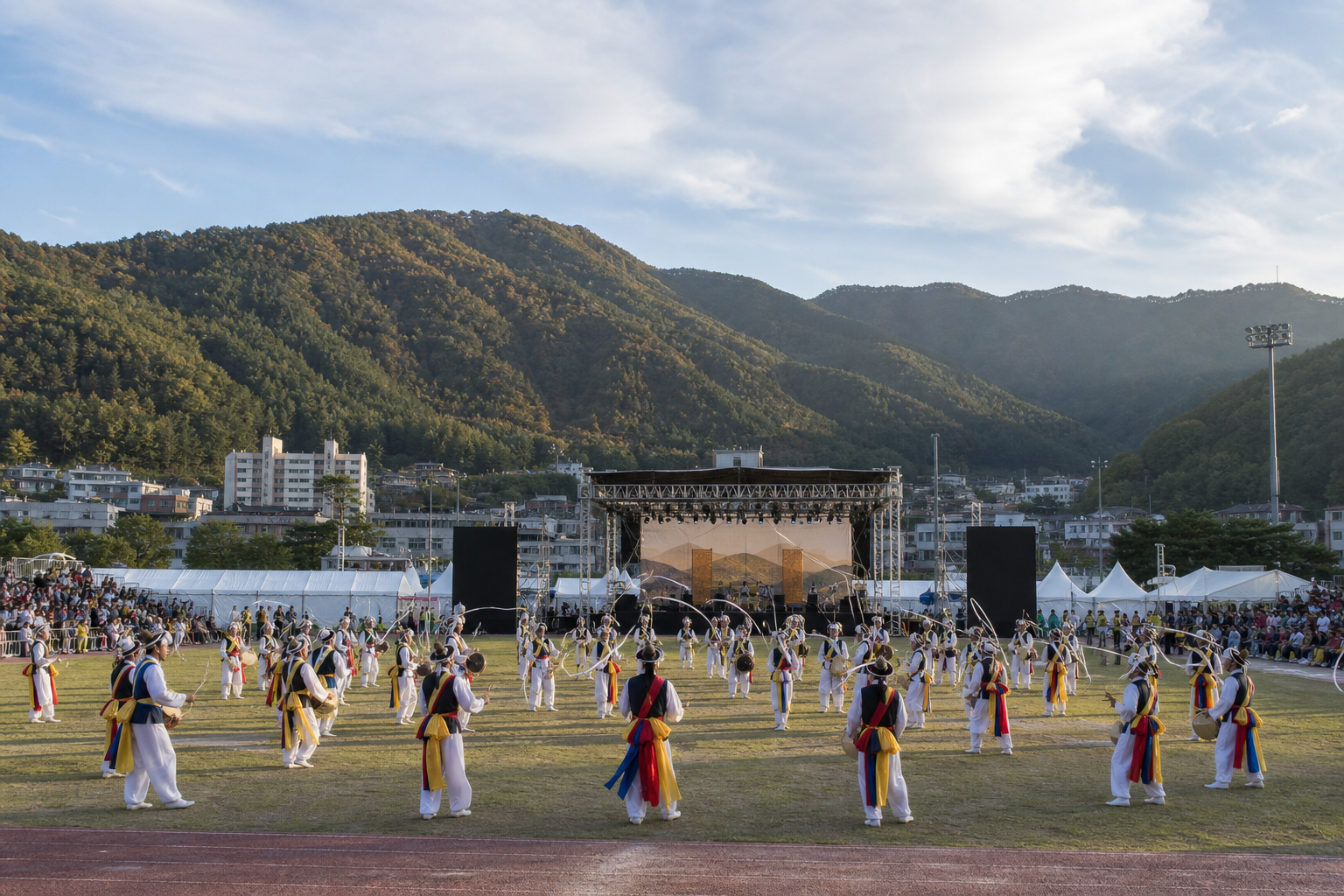
Jeongseon Arirang Festival is built around the local form of Arirang, not around a generic concert line-up with the name added on. The 51st edition runs for four days at Jeongseon Public Stadium and the surrounding festival area. It brings together formal singing contests, a memorial rite, community participation, a parade and newer interpretations of the song.
The distinction matters. “Arirang” is the name shared by many regional versions of a Korean folk song, and Arirang was inscribed on UNESCO’s Representative List of the Intangible Cultural Heritage of Humanity in 2012. This event is rooted specifically in Jeongseon’s tradition, also called Jeongseon Arari, which Jeongseon County records as a provincial intangible heritage designated in 1971. You do not need that background to follow a parade or a dance contest, but it explains why the programme puts preservation, competition and reinvention beside one another.
What you actually do here
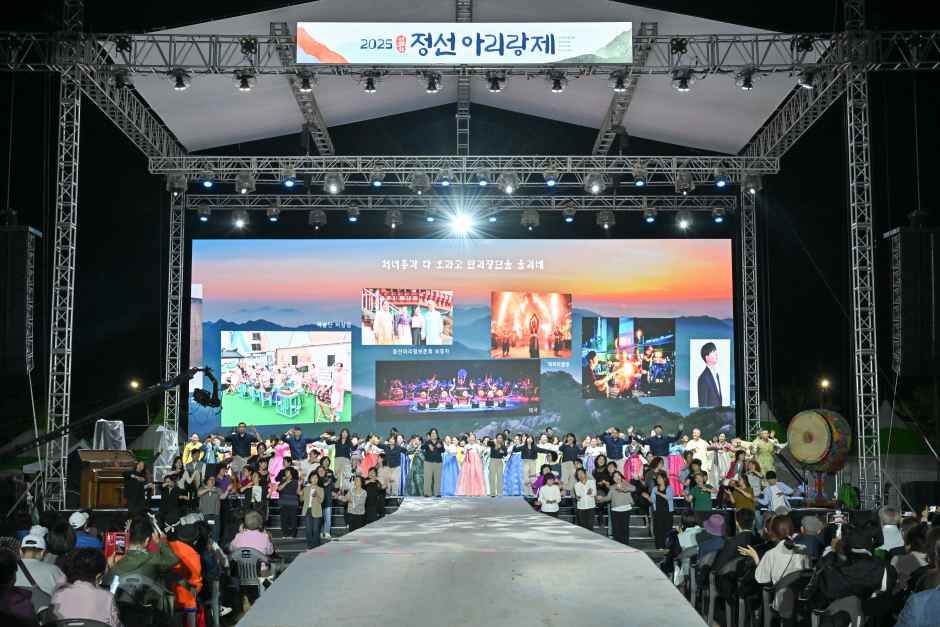
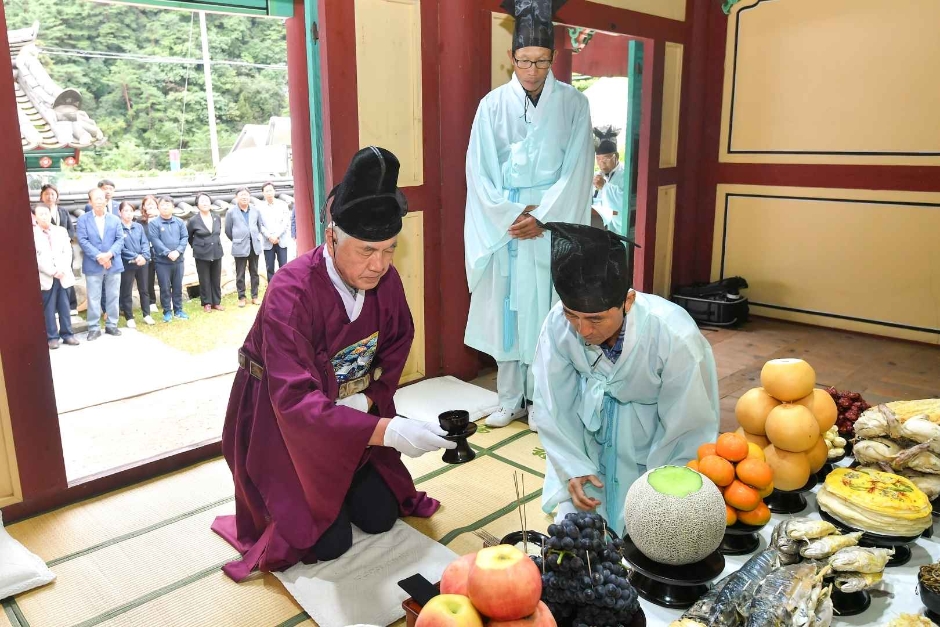
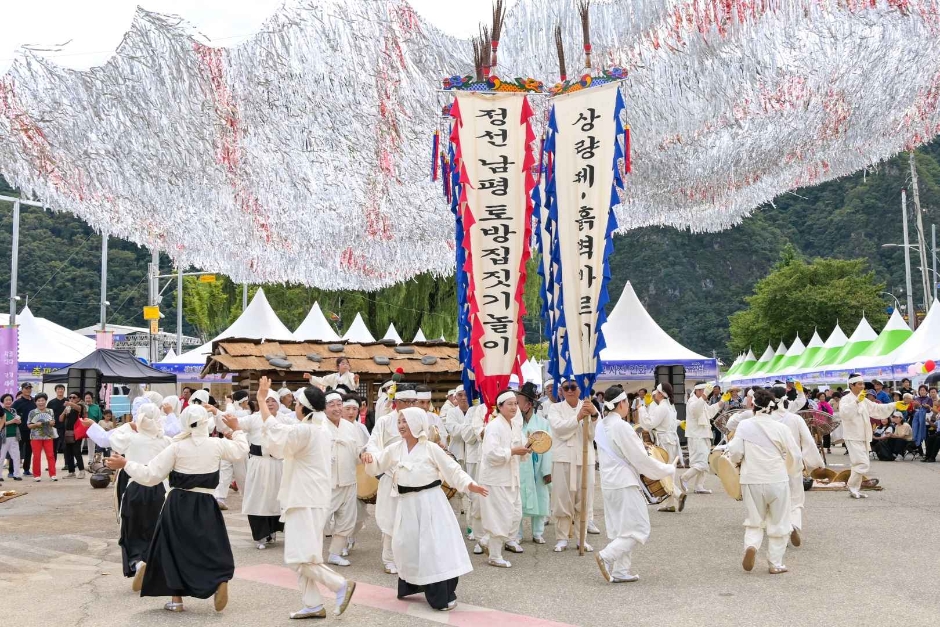
Most of a visit is spent moving between performances. The confirmed programme includes the opening and closing ceremonies, an opening themed stage production, the Arirang parade, the National Arirang Singing Contest, a national Arirang choir contest and an A-POP dance competition. The Chilhyun memorial rite is another named main event. It recalls the seven loyalists whom the county’s account links to the early history of Jeongseon Arirang after the fall of the Goryeo dynasty.
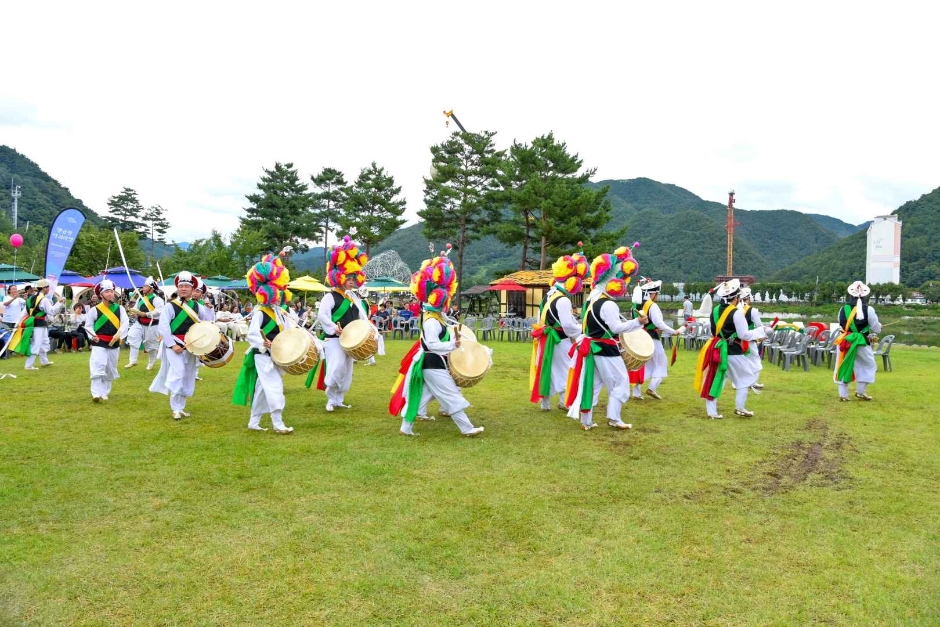
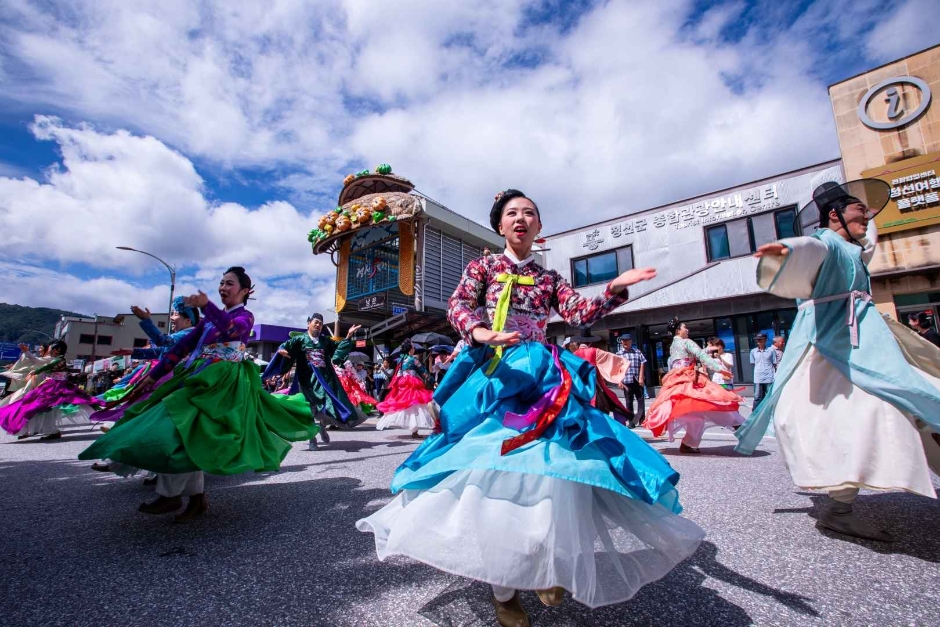
The contrast is the point: one part of the schedule treats Arirang as a tradition to be sung, preserved and judged, while the parade and A-POP competition show how performers rework it for a public festival. KTO also lists experience programmes run by participating institutions and organisations. That confirms a hands-on component, but not the exact 2026 activities or whether any individual booth charges a fee.
The organiser counts 108 events in 12 programme sections. That number describes the scale, not 108 equally substantial shows. The sensible approach is to choose two or three fixed events, then use the smaller activities between them. General admission is free, and the published daily operating window is 10:00 to 22:00.
Programme and timetable
The official site has now published the complete four-day grid. Treat 10:00–22:00 as the grounds’ operating window, not a promise that every stage runs continuously for 12 hours. The grid divides activity between the main stage, two fringe-stage columns and, on Saturday, a 42-team parade programme.
Thursday is the opening-night choice. The main-stage opening ceremony is scheduled for 19:00–19:50, followed by a 20-minute opening themed production at 20:00 and fireworks at 21:05. Friday’s main-stage programme includes the memorial service for Arirang practitioners at 11:45, a Jeongseon Arirang joint performance at 14:30 and evening music from 17:30. The separately announced National Arirang Choir Contest runs on Friday from 12:00 to 15:00.
Saturday is the clearest day for the event’s contemporary side. The A-POP final is scheduled for 14:00–15:00 on the main stage. The Arirang parade follows from 19:20–20:20, then an awards ceremony and singing performance continue the main-stage evening. The parade column lists 42 teams through the day, so the final street-style procession is only one part of that programme.
Sunday puts the National Arirang Singing Contest on the main stage in two blocks: the student division from 13:30 and the general division from 14:30. The closing sequence starts with a 20-minute themed performance at 18:30, then music and awards; the closing ceremony is listed for 20:10–20:50, with fireworks immediately after. These are the official grid times as checked six days out. The organiser prints a warning that the schedule can change, so check the same page on the day if one event determines your trip.
The National Arirang Singing Contest is a different event, built around individual or category-based vocal competition rather than choirs. The A-POP contest is different again: it asks dance teams to work with Arirang in a contemporary performance format. The organiser had posted finalist announcements and final-round notices for all three by September 2, confirming that these are active 2026 competitions rather than recycled descriptions from an older edition.
The Chilhyun memorial rite is off the stadium timetable: the official programme material places it at the Chilhyun shrine in Nam-myeon, not on the main grounds. Do not assume every named headline event happens beside the stadium. No cancellation, postponement or rain-contingency notice appeared on the official site or current county notices checked on September 25; that means no such change was found, not that outdoor performances are guaranteed regardless of weather.
Tickets, fees and booking
There is no general admission ticket: entry is free. The current KTO listing does not describe a reservation system for the grounds, and the festival overview does not advertise one. You can therefore plan around transport and performance times rather than a gate ticket.
Free admission should not be read as an all-inclusive promise. Food, merchandise and some hands-on booths may involve separate purchases, but no verified 2026 price list was published when this guide was updated. The honest budget is admission at zero won, plus whatever you choose to buy; it is not possible yet to give a responsible per-person total.
The general festival contact is 033-560-3013 to 3015 within Korea. The organiser is the Jeongseon Arirang Culture Foundation, with Jeongseon County as host. Use that contact or the official notice board for accessibility arrangements, group questions or a programme that still lacks a time. Language support and card acceptance remain unverified, so this guide makes no promise about either.
Getting there without a car
The simplest route from Seoul is a direct bus. Jeongseon County’s transport guide lists service from both Dong Seoul Bus Terminal and Seoul Express Bus Terminal, at about three hours. The county’s specific notice for the nonstop Seoul Express Bus Terminal route says it runs year-round with four daily departures in each direction. Seoul departures are listed at 07:00, 09:30, 12:40 and 18:00; Jeongseon departures are 06:30, 13:00, 15:00 and 18:20. The published adult fare is 25,000 won each way. Verify and book the actual festival date because four buses leave little margin if one sells out.
Do not assume the Jeongseon Arirang A-train is a daily direct train from Seoul. The county’s current attraction page gives its route as Jecheon–Jeongseon–Auraji and says it operates on weekends and dates ending in 2 or 7, not on ordinary weekdays. It lists a 09:02 departure from Jecheon and a 17:52 return departure from Jeongseon. This can be part of the trip only when the date and connection work; it is not a substitute for checking a through Seoul itinerary. Regular rail options using Mindungsan also leave you outside central Jeongseon and require a local road connection.
The festival address is 104 Bongyang-ri, Jeongseon-eup; the official directions page says to use Jeongseon Public Stadium as the navigation destination. The stadium and the intercity terminal are both in central Jeongseon-eup, but the published festival shuttle does not list the terminal as a stop. Use Jeongseon County’s live bus information system or a taxi for that final leg rather than assuming the shuttle will collect bus passengers.
There is now one confirmed festival shuttle, but it does not connect the intercity terminal. The official venue map shows a loop between Jeongseon Public Stadium, Jeongseon Station plaza and Jeongseon Sports Complex, with the sports-complex stop between its front gate and the indoor gymnasium. It runs from 12:00 to 22:00 at 30-minute intervals; the diagram shows about 15 minutes between successive points and 30 minutes for the loop. This is useful for rail arrivals and parking away from the main grounds, but it does not support claiming a terminal pickup.
For October 3 and 4 only, Korail has also announced a temporary Jeongseon Arirang Train from Daejeon, stopping at Sintanjin, Jochiwon, Osong, Cheongju, Ogeunjang, Cheongju Airport, Jeungpyeong and Chungju. Individual tickets are sold through Korail’s website and app, with linked tour products through partner agencies. It is an extra option for Chungcheong-region travellers, not a direct Seoul train.
Food on site and in town
KTO’s 2026 programme record confirms a night market, local food and food trucks, and the official 2026 food guide is now live. The venue map places township-run dining stalls and a self-service dining tent behind the main stage, a local-food and farmers’ market beside them, and food trucks near the fringe stage. The published material does not establish vegetarian suitability or payment methods, and temporary vendors can run out of individual items, so this guide does not promise either.
There is one additional evening option with a firmer schedule. The Moonlight Welcome Night Market runs at the Jeongseon Arirang Market performance area and Oil Market Street from 18:00 to 22:00. Its regular Friday–Saturday run will extend across Thursday, Friday and Saturday, October 1–3, for the festival. The announced foods include fried deodeok root and handmade gondre sausage, alongside non-local dishes; a craft flea market, live performance and receipt-based activities are also planned. This is a separate town-market event, not another stadium food booth.
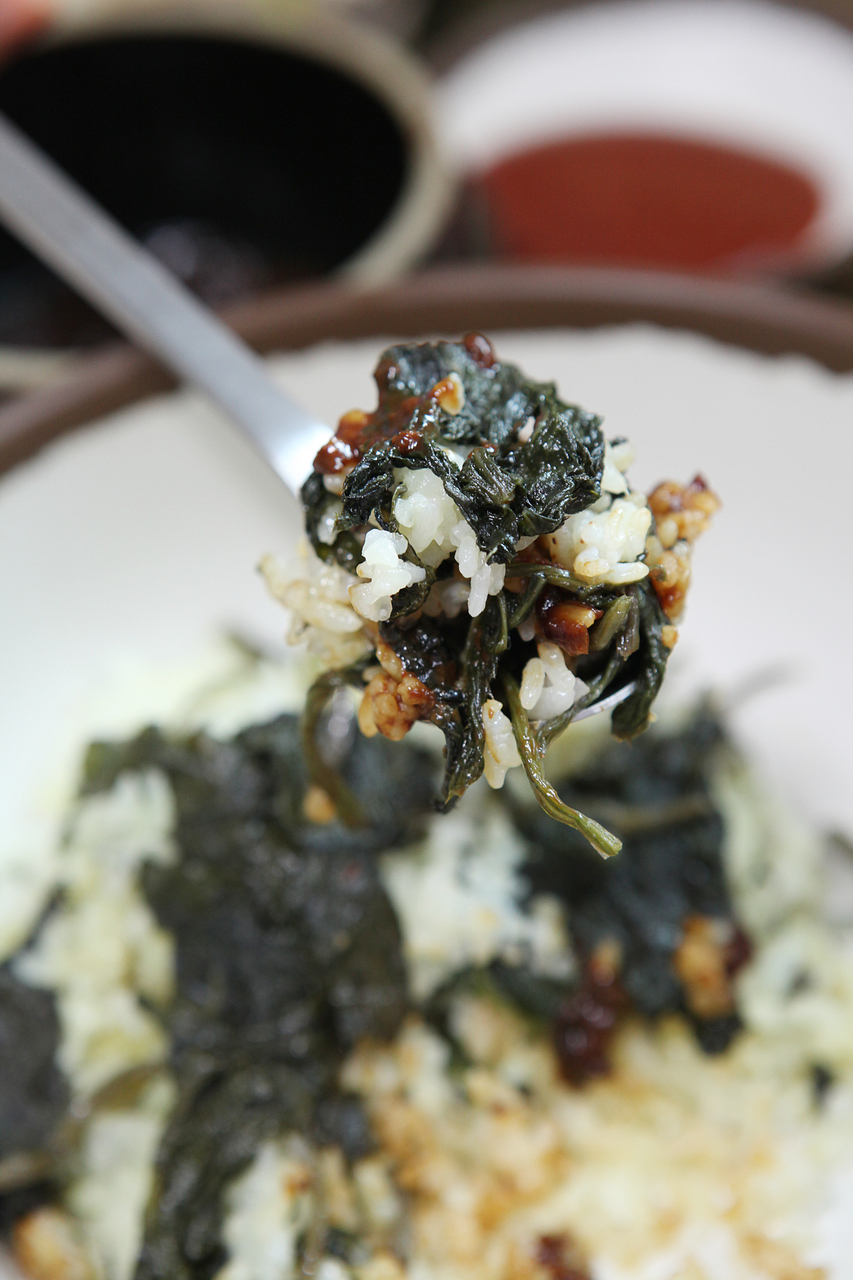
For a regional dish rather than an unconfirmed festival menu, gondre rice is the defensible choice. Jeongseon County’s tourism site identifies gondre among the area’s mountain vegetables and lists gondre rice as local food. The dish is rice cooked or served with the leafy mountain green, usually mixed at the table with seasoned soy sauce. That recommendation concerns Jeongseon’s food culture; it does not mean every temporary festival vendor will serve it.
Day trip or overnight
A daytime visit from Seoul is possible. Taking the 07:00 bus from Seoul and allowing the county’s stated three-hour journey would put you in Jeongseon around the published 10:00 opening, subject to traffic. The 18:20 return gives roughly a working day in town. This is enough for a selected contest, a meal and some unscheduled browsing, but not for a programme that begins in the evening.
For night performances, stay over. The grounds operate until 22:00, four hours after the 18:20 final direct Gangnam bus leaves Jeongseon. This conclusion uses published event and bus times rather than a general claim that Jeongseon is “too far” for a day trip. Accommodation inventory and prices were not verified, so this guide does not recommend a particular property. The practical location is central Jeongseon-eup, where you avoid another long transfer after the programme.
Driving does not remove the need to check late notices. The new venue map marks two parking areas beside the stadium and identifies Jeongseon Sports Complex as a shuttle stop, but it does not state parking capacity. No separate 2026 road-closure notice was found on the official festival or county pages checked on September 25. Follow temporary signs rather than assuming an unmarked approach road will remain open, and use the sports-complex shuttle if staff direct you away from the stadium.
Honest assessment
This festival works best if you want to hear how one song tradition changes between a formal competition, a community parade and a contemporary dance stage. The subject is specific enough to reward listening to complete performances: the vocal phrasing of a singing contestant, the collective arrangement of a choir and the rhythmic choices of an A-POP team are not interchangeable versions of the same attraction.
It is a weaker fit if you prefer an event that can be understood by wandering without checking a timetable. With 108 events spread across 12 sections, there will be activity, but scale creates overlap and small programmes are easy to miss. The final grid solves the earlier planning gap, while also making the overlaps visible: on Saturday, for example, A-POP, fringe acts and the 42-team parade programme occupy different parts of the day. Pick the main-stage anchors first and leave space between them.
The main practical constraint is the trip home. The direct Gangnam service is useful and genuinely direct, but four departures a day is a thin schedule for a four-day festival. The last return leaves well before the published closing hour. Decide on the performance first, then reserve transport; reverse that order and the bus may dictate which part of the festival you miss.
The strongest plan is selective: one heritage event, one contemporary interpretation and time for food in town. A daytime visitor can do that and return to Seoul. Anyone prioritising the opening, closing or another late programme should accept the overnight stay. That division is less glamorous than promising you can see everything, but it fits the schedule that has actually been published.