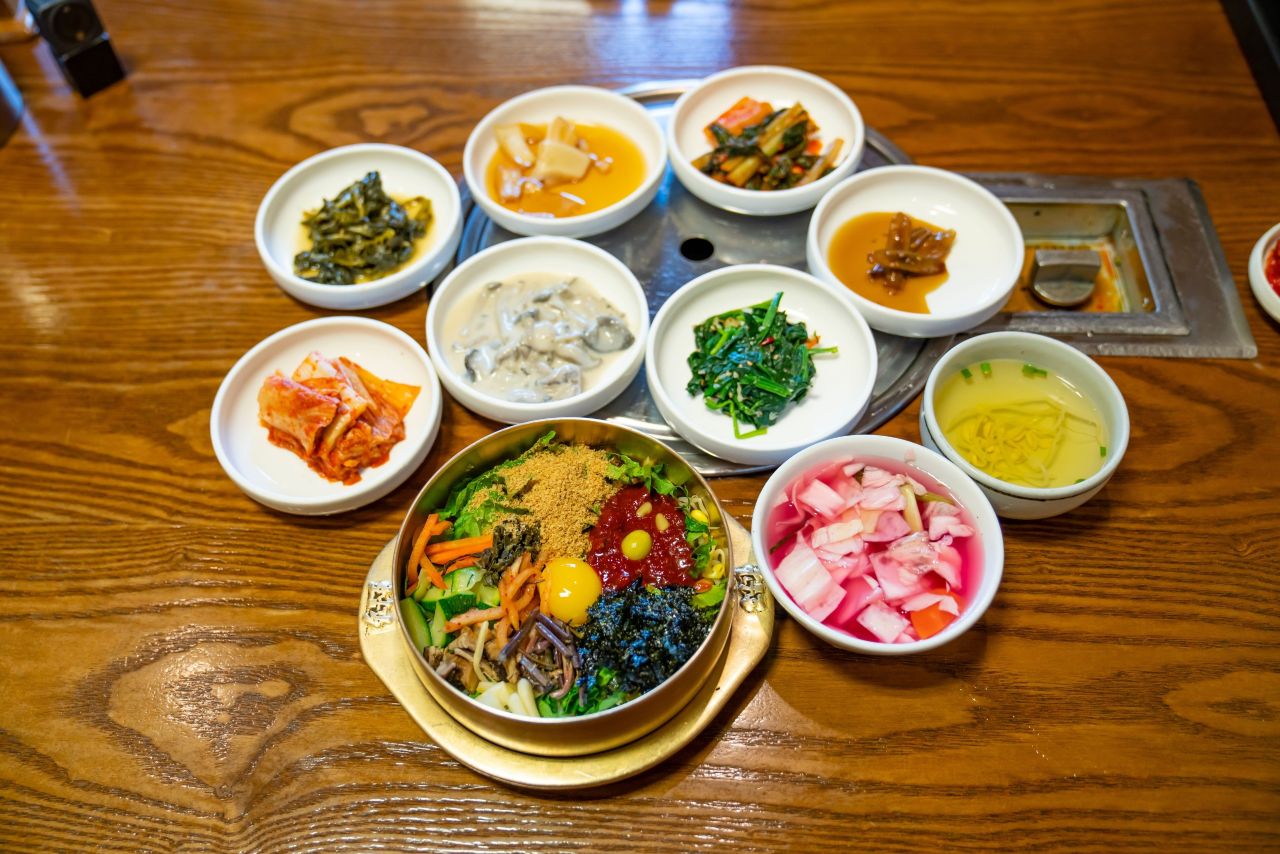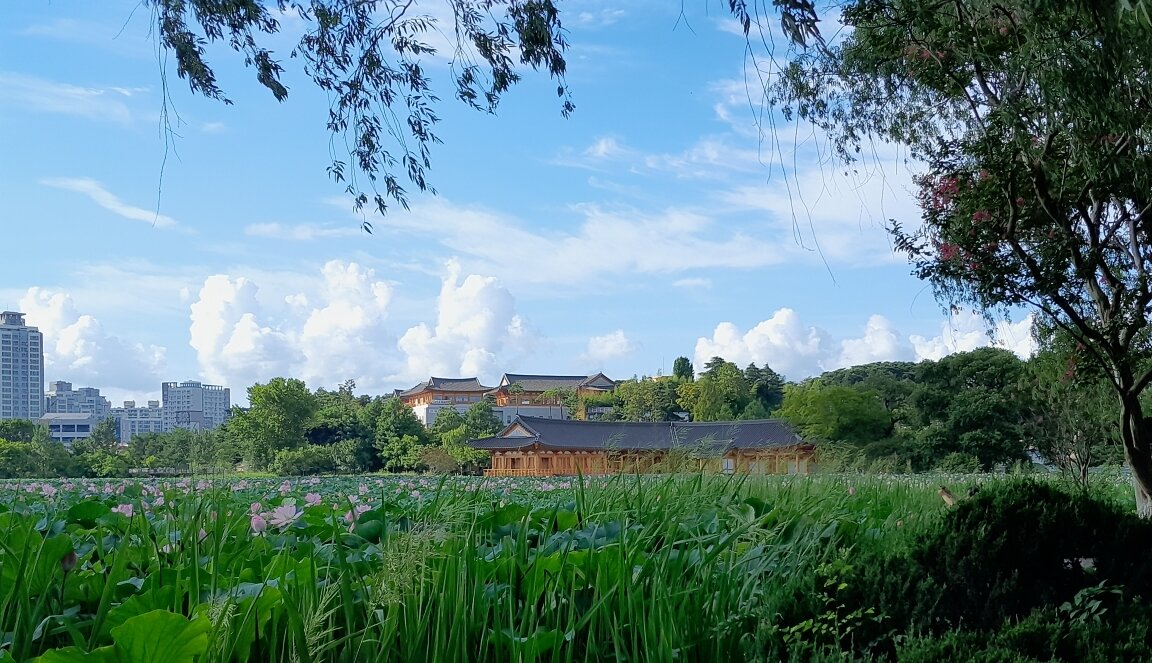
Jeonju’s bibimbap festival moves this year to Deokjin Park, the lakeside park on the north side of the city. Korean reports from the city say it is the first time the event has been held there, and that the layout trades large built facilities for the park’s trees and waterfront. The confirmed dates are Friday October 2 to Sunday October 4, 2026, daily from 11:00 to 21:00. The Korea Tourism Organization lists entry as free.
Jeonju is the right place for a food festival of this kind: it has been a UNESCO City of Gastronomy since 2012, and bibimbap is the dish most associated with it. The organisers describe about twenty programmes, built around Jeonju bibimbap but widened to regional Korean versions and bowls from other countries.
The official site is tigertrip.net. Search results also surface a separate Jeonju makgeolli (rice wine) festival held in late 2025; that is a different event with different dates and venue.
What you actually do here
The park is divided into named zones, and the official grid uses them as columns: a main stage, a Traveler’s Shelter for smaller performances and the paired tastings, a Paldo Bibim Zone for regional bibimbap from around Korea, a World Bibim Zone for dishes from abroad, a Bibim Friends Forest for children’s and family activities, and a Sangsaeng Madang, a small stage for local community acts.
Running all day in the same window are the Jeonju Bibimbap Street, where local restaurants and businesses sell their own versions, a stamp tour, a pop-up store for the festival’s characters, photo spots and a regional collaboration pavilion. A bibimbap parade is also listed in the always-on row. Reports add a flea market of small local businesses and a UNESCO Creative Cities promotion zone.
You eat your way through it. The Paldo zone runs stamp-mission reward sessions around 13:00 and 15:00 each day, which is a useful nudge to try more than one bowl. Prices for the food were not published, and neither was how payment works at the stalls, so bring a card and some cash and do not plan a budget around a figure.
Programme and timetable
The festival site publishes its schedule only as three images, one per day. These are the timed items as printed there, read on October 1. Check the festival’s Instagram and the site’s notice page for changes, since the day-before version could still be revised.
Friday, October 2. Main stage: fusion gugak at 12:00, a saxophone set from 13:30, a “Random Bibimbap” slot at 14:30, a band at 18:00, another at 19:30, then the bibimbap dance party at 20:00. Traveler’s Shelter: the bibimbap gala at 12:30, a madanggeuk (outdoor theatre) piece at 14:00, a gugak busking set at 16:30, another busker at 18:30. Sangsaeng Madang: a community concert at 17:00.
Saturday, October 3. Main stage: a cooking show with a chef at 11:30, a taekwondo demonstration at 14:30, the large bibimbap performance at 15:00-16:00, a band at 17:00, a Random Bibimbap slot at 17:30, another band at 19:30 and the dance party at 20:00. Traveler’s Shelter: the gala at 12:30, a busker at 15:00, madanggeuk at 16:30 and a talk show with the UNESCO city of Gangneung at 18:30.
Sunday, October 4. Main stage: a cooking show with a named master cook at 12:00, Random Bibimbap at 14:30, a band at 17:00, a traditional group at 18:00, a creative gugak ensemble at 19:30 and a closing act at 20:00. Traveler’s Shelter: the gala at 12:30, madanggeuk at 14:00, the Gangneung talk show at 16:30, a busker at 18:30.
Every day, the world cooking experiences are listed with advance registration at 11:30, 13:30 and 15:00, with an extra session at 16:30 on October 3 and 4. The bibim pairing, a 60-minute tasting of bibimbap with traditional alcohol, runs in two slots, 19:00 and 20:00, in the Traveler’s Shelter. Both are limited-capacity items, and this guide could not find how to sign up.
A twice-daily item at 13:00 and 16:00 also appears in the always-on row, beside the World Bibim Zone, without a name. Do not plan around it as a parade time.
Tickets, fees and booking
There is no gate ticket. Free entry is the Korea Tourism Organization’s listing, and nothing on the official site contradicts it.
Free entry does not mean every item is free. Food is bought on the spot. The world cooking experiences and the bibim pairing are the two items most likely to carry a charge or a booking, and neither has a published price. If you want one, call the organisers at 070-4155-0318, the number given by both the tourism listing and the festival site, or check the site’s notice page before you travel. The official FAQ page was empty on the day of writing.
Getting there without a car
From Seoul, the simplest route is a direct KTX from Yongsan Station to Jeonju Station. Timetable sites put the ride at roughly 1 hour 25 minutes to 1 hour 45 minutes depending on the service, with a first departure in the morning and a last return after 23:00 on one aggregator, which you should confirm on Korail for your date. From Jeonju Station, a city bus or taxi to Deokjin Park takes about 15 to 20 minutes according to travel guides.
Express buses from Seoul’s Central City terminal to Jeonju run about 2 hours 40 minutes normally, and 3 hours or more on Fridays to Sundays and holidays because of the expressway. From the East Seoul terminal the time is listed at 2 hours 20 minutes. The park is a short drive from Jeonju’s intercity bus terminal.
This is a holiday weekend: Saturday October 3 is National Foundation Day, and Monday October 5 is a substitute holiday, so the roads and trains are likely to be fuller than on an ordinary weekend. Book the return leg now.
Parking, shuttles and traffic control
No parking plan, shuttle timetable or traffic-control notice was published when this was checked. Do not assume a free lot or a shuttle from the station. The simplest low-risk plan is the train and a taxi, and to leave the car if you can.
Day trip or overnight
A day trip from Seoul is practical because the festival closes at 21:00 and the KTX ride is under two hours. Its limit is the evening: the pairing sessions at 19:00 and 20:00 and the closing acts run late, and this guide did not confirm a last train for your date, so do not count on one. One night in Jeonju is the easier plan if the evening shows are the point, and it lets you add the Hanok Village heritage night on October 2 or 3, which runs 18:00 to 22:00. Hotel prices and availability were not checked.
Food on site and nearby
Reports name three food streets: the Jeonju Bibimbap Street for local restaurants, the Paldo zone for regional versions and the World zone for dishes from abroad, plus a “Traveler’s Restaurant” that pairs live performance with eating. The 2026 menus and prices have not been published.
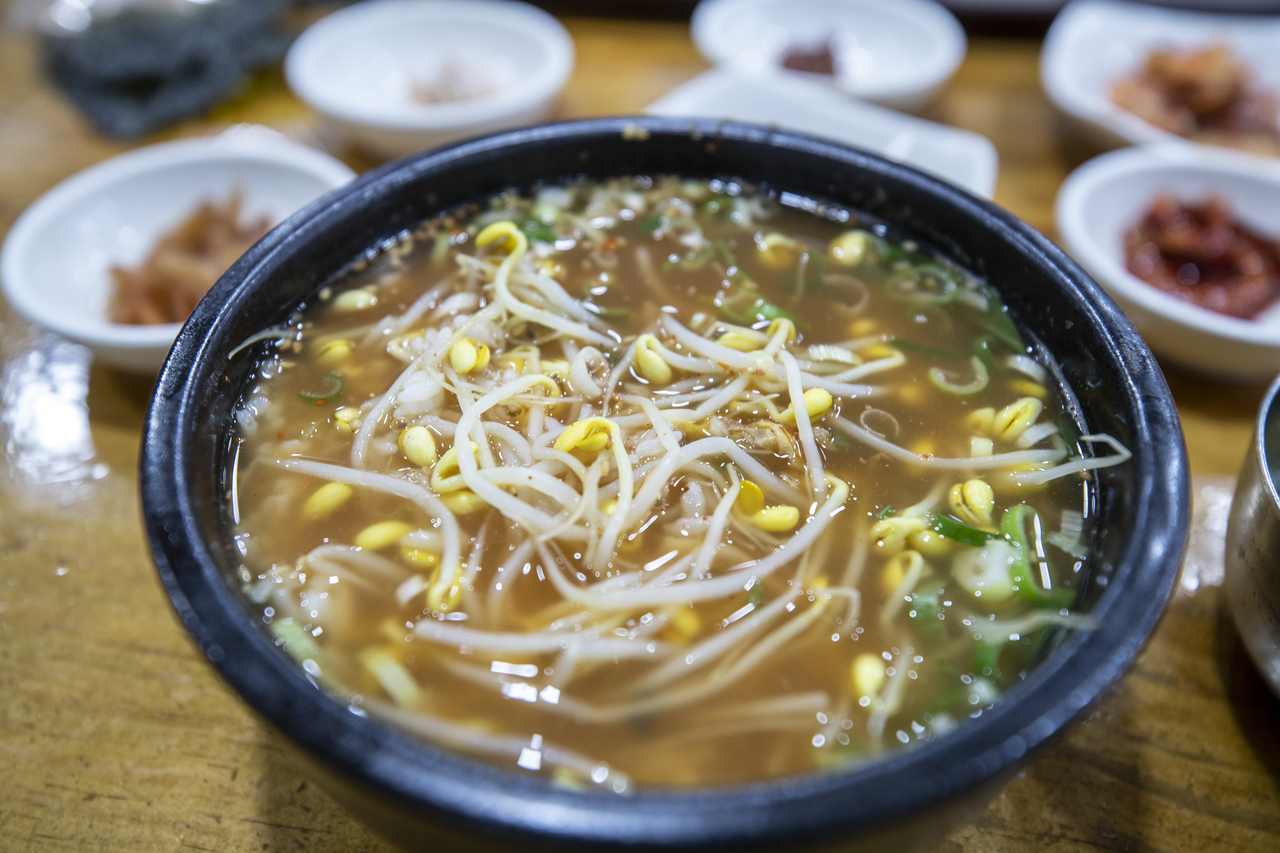
For a meal outside the park, Jeonju’s representative foods are bibimbap and kongnamul gukbap, the bean-sprout rice soup. Both lean on the same locally grown soybean sprouts. A bowl in a restaurant is a more reliable meal than a guess about the stalls.
Honest assessment
The strength is focus. A free festival with a clear theme, a published daily grid and zones organised by type of bibimbap is easy to plan around, and the structure lets a first-time visitor compare Jeonju, regional and overseas versions in one place. The park setting, with a lake and trees, suits eating outdoors.
The weaknesses are the gaps. The big bowl-building performance happens once. Prices and parking are blank. The cooking classes ask for advance registration and the sign-up method is not public, so a late arrival may find them full. The festival is also new to this park, so there is no history of how crowded it gets. The lotus bloom is an early-July sight at Deokjin, so it is not a reason to go in October.
Go for the food and the afternoon-to-evening shows. Treat the official schedule image as the plan, and the festival’s phone number as the answer to anything it leaves out.