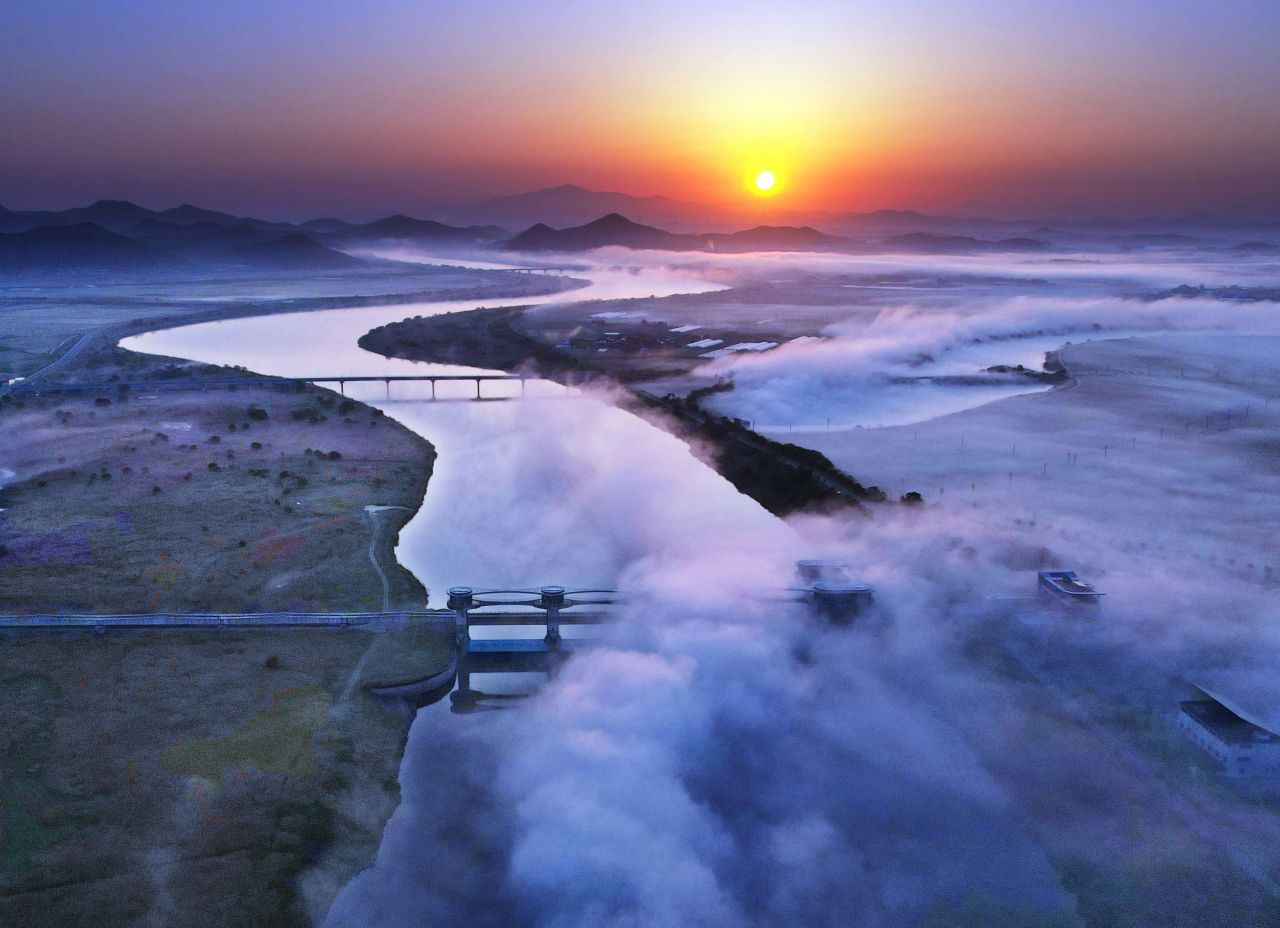
The Naju Yeongsangang Festival is the city’s flagship autumn event, held along the Yeongsan River at the riverside Yeongsangang Garden. For 2026 the confirmed dates are October 7–11, five days, under the slogan “Hello Naju Festival.” The festival was first held in 2023 and runs each year; Naju is positioning the 2026 edition as a stay-over tourism festival rather than a half-day stop.
The important thing to understand before planning is that this is not one continuous show. It is a spread of programmes across a large riverside garden: evening set-piece performances on a main stage, a daytime agriculture fair and family garden festival, a themed exhibition hall, a food hall, and hands-on and market booths. The headline acts fall on different nights, so the single most useful planning step is deciding which evening you want before you buy a train ticket.
What you actually do here
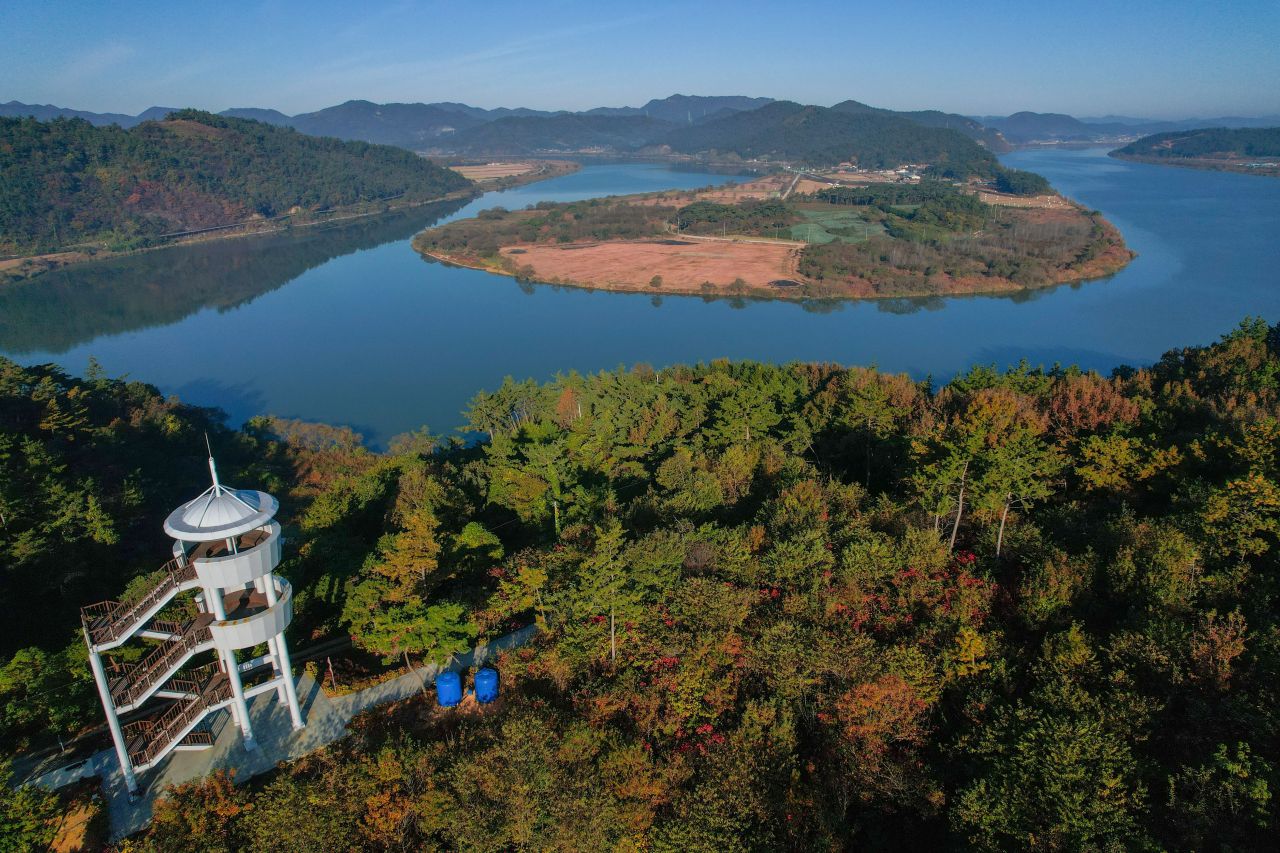
During the day, the draw is the riverside garden itself and the standing programmes around it. Naju runs a Naju Agriculture Festa and a Yeongsangang Family Garden Festival on the grounds, alongside a theme hall, a food hall, exhibition and hands-on booths, a flea market and food trucks. Reported family activities include a Kidzania-style career-experience zone (mock fire station, police station, forensic unit, flight-attendant training and more), natural-dyeing workshops and gilt-bronze crown making — the last a nod to the ancient tombs at Bannam in Naju, where gilt-bronze crowns were excavated.
After dark, the festival turns into a series of large stage events. The opening night on October 7 pairs an original musical, “Queen Janghwa” — built on Naju’s ties to the Goryeo royal court — with a drone light show and a fireworks display, plus congratulatory performances by popular singers. This is the most concentrated single evening of the five.
The two other headline nights are distinct in mood. On October 9 from 19:00, the “River Wave” water show combines hip-hop and K-pop with large-scale lighting, video and water-cannon effects on the main stage; the announced line-up includes Giriboy, Homies and the band Wishes. On October 10 from 19:00, the “Moonlight Symphony” is a crossover-classical evening headlined by Forestella with a soprano and tenor. If loud, high-energy staging is what you want, aim for the 9th; for a calmer musical night, the 10th.
Programme and timetable
The festival’s own detailed hour-by-hour grid was still being finalised when this guide was written, so treat the confirmed anchors below as fixed and check the official page for the rest.
- October 7 (opening): musical “Queen Janghwa,” drone light show and fireworks, with congratulatory stage performances.
- October 9, 19:00: “River Wave” hip-hop and K-pop water show (Giriboy, Homies, Wishes).
- October 10, 19:00: “Moonlight Symphony” crossover concert (Forestella, plus soprano and tenor soloists).
- October 11 (closing): the Republic of Korea Air Force Black Eagles aerobatic team performs an air show over the Yeongsan River as the finale.
Because the air show is an outdoor daytime event and the concerts and fireworks are after dark, the two ends of the festival call for different timing. A night-show visitor should arrive in the afternoon and stay late; someone coming specifically for the Black Eagles should confirm the exact display time on the official channel, since air shows are weather-dependent and can shift.
Other reported programme strands include a “Floating Starlight Wish Boats” night event on the river, a natural-dye fashion show, family magic and character shows, and extended-reality content. These are listed components rather than a promise of a fixed schedule, so verify anything you are travelling specifically to see.
Tickets, food and what costs extra
General admission to the grounds is reported as free, which fits the event’s structure as a public city festival on a riverside garden. That said, free entry is not the same as a free day out: the food hall, food trucks, the agriculture-fair market and some hands-on experiences are paid, and no itemised 2026 price list had been published at the time of writing. Bring a card or cash and check prices at each booth rather than planning around a single figure.
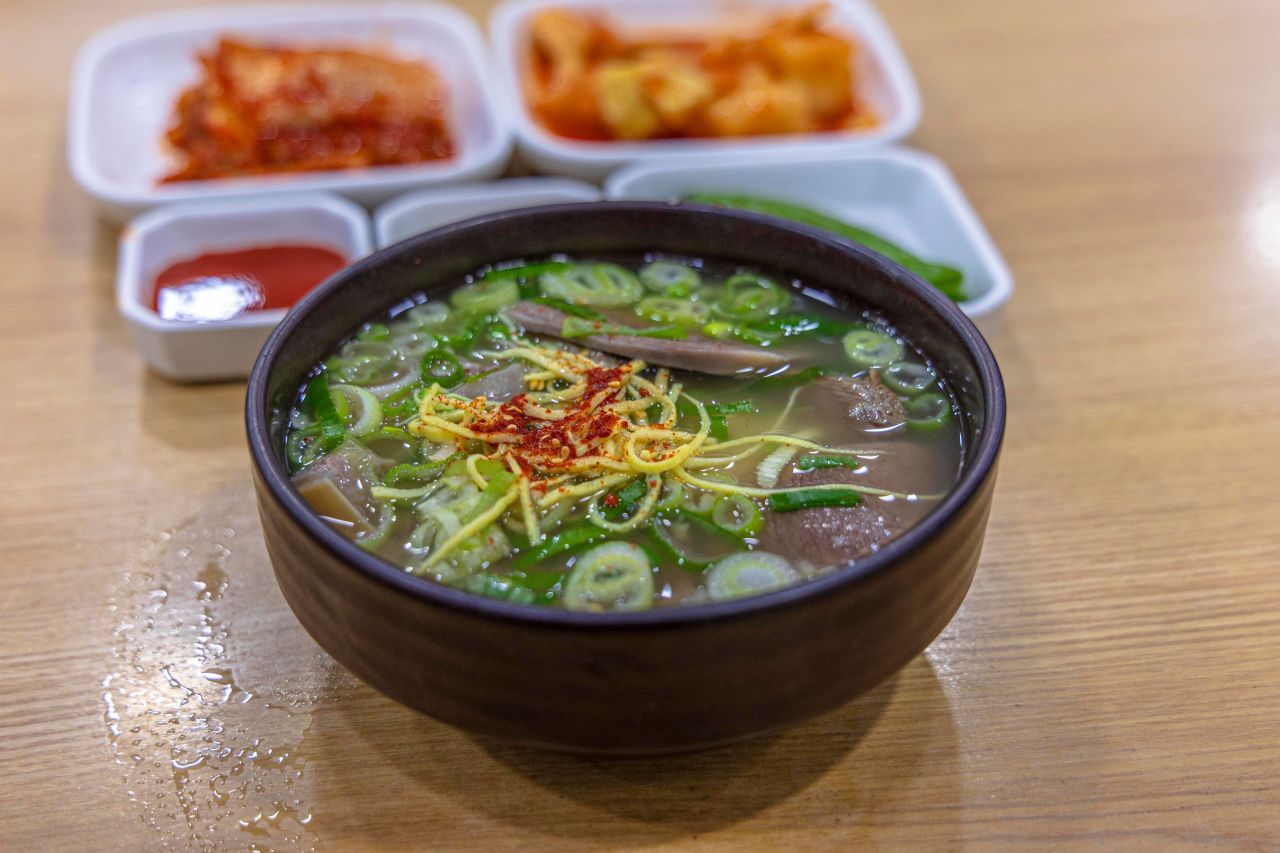
For a documented Naju meal away from the temporary stalls, the city’s own dish is Naju gomtang, a clear beef-bone soup served with rice, associated with the old market quarter. It is a year-round local food, not a festival menu, and is easy to find in central Naju.
Getting there without a car
From Seoul, the practical route is KTX or SRT to Naju Station on the Honam high-speed line. Typical journeys run around two hours, with roughly a dozen trains a day; KTX services generally leave from Yongsan, and SRT from Suseo. Search your exact travel date rather than treating one duration as a promise, and note that station-to-station times vary with the number of stops.
Naju Station is not at the festival ground. From the station you continue by taxi, a Naju city bus, or a festival shuttle to the Yeongsangang Garden site in Yeongsan-dong. If you are staying in central Naju or arriving by intercity bus, the shuttle hubs below are the simplest way in; if you arrive by KTX, a taxi is the most direct last leg.
Gwangju is close by, so an alternative base is Gwangju–Songjeong Station, a larger KTX hub, with a short onward hop to Naju. Either way, plan the final transfer to the riverside rather than expecting to step off the train onto the grounds.
Shuttles, parking and crowds
For 2026, Naju City announced direct festival shuttles from three zones — the old downtown near City Hall, Yeongsanpo (the Yeongsanpo riverside sports park), and the Bitgaram innovation city near KEPCO KDN — running at roughly 10-minute intervals with no intermediate stops. Exact stop locations, first and last departures and intervals are published on the official site and the festival’s social channels shortly before the event, so check them close to your travel date rather than relying on a previous year’s plan.
The city also said it was preparing parking and traffic-control measures for large crowds and assigning staff across the venue, but a dated 2026 lot-by-lot parking map and road-closure notice were not available when this guide was written. If you drive, follow the official traffic notice and the signed satellite parking on the day instead of navigating straight to the garden and expecting curbside space.
Crowding concentrates in the evenings, when the fireworks, water show and concerts run, and on the closing air-show day. Agree on a meeting point, keep children away from the edge of moving crowds near the stage and riverbank, and avoid booking a tight return connection immediately after a headline event.
Honest assessment
The strength of this festival is its range and its setting. The Yeongsan River and the open riverside garden give the night shows room to breathe, and the mix — a musical, a drone-and-fireworks opening, a hip-hop water show, a crossover concert and a military air show — means most visitors can find at least one evening that suits them, with a genuine daytime programme for families on top. Admission being free makes it easy to justify a visit even if you only want to walk the garden and watch one show.
Its weakness is the same spread. “Five days across a riverside garden” is not a compact plaza, the headline acts are on different nights, and the detailed daily timetable firms up late. That makes it a poor festival to attend on a whim from Seoul without checking the schedule first: the two-hour train each way plus the local transfer eats into a same-day evening, and picking the wrong night means missing the show you came for. Treat it as an afternoon-into-evening visit — ideally with one night in or near Naju if a specific headline matters — decide your date by the programme above, and confirm shuttle and event times on the official page shortly before you travel.