Paju Fair Book & Culture is a book festival in Paju Book City, the publishing district in Paju, northwest of Seoul. The English name comes from the festival’s own site, which carries “2026 PAJU FAIR BOOK & CULTURE” in its footer. The 2026 edition runs October 9-18 and is organised by the Publishing City Culture Foundation. The Ministry of Culture’s 2026 plan lists the festival as first held in 2024; the official past-events page shows an edition on September 6-8, 2024 and another on October 24-26, 2025.
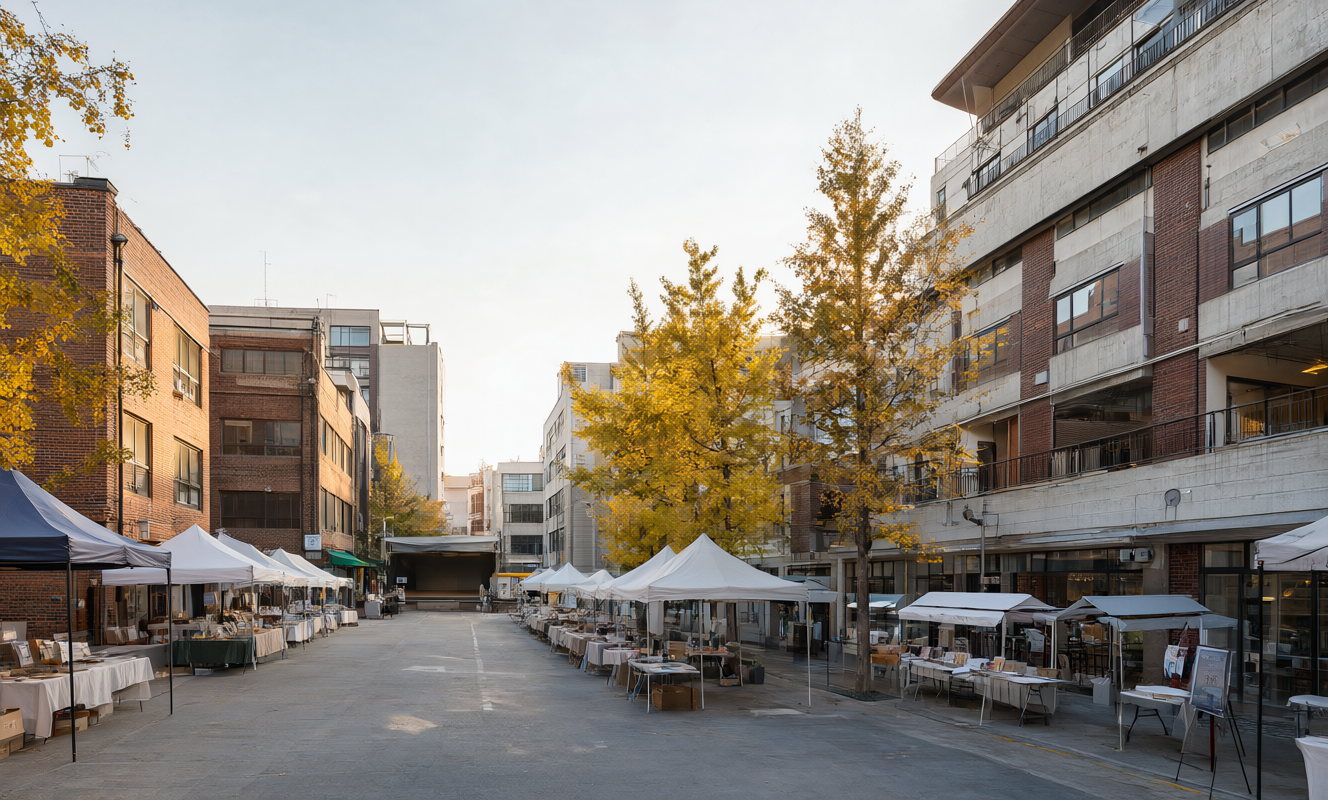
The official address is 145 Hoedong-gil, Paju, the Asia Publication Culture and Information Center. Most programmes cluster there and in nearby buildings and streets of the district. This is a festival where the location matters: you are walking between publishers’ buildings, galleries and cafés rather than entering one gated ground.
What you actually do here
Think of the festival as two weekends joined by a quieter week.
Opening weekend (October 9-11) is about performance. The opening show, “BOOKS ALIVE!”, is on Friday October 9 at 17:00 on the second-floor Event Plaza of the Asia center, with singer Car the Garden, writer Lee Seul-ah and singer Lee Chan-hee. A local pre-show starts at 16:00, with a brass ensemble from the Paju Wind Orchestra (16:00-16:20) and a dance group (16:25-16:45). On Saturday, MOBBO: Let Me Go is an indie music festival that runs from midday into the early hours; the official page says artist sets end before midnight on October 10 and a rave party continues until dawn. More than twenty acts are listed. On Sunday October 11, the Book to Move dance festival has a youth performance competition from 10:20 to 15:00 (K-pop cover groups, choreography groups and Afrobeat solos) and two masterclasses, one on waacking at 11:30 and one on Afrobeat at 14:30.
Book weekend (October 16-18) is the reading side. The book market, called Nan-jang, runs 10:00-18:00 in the Asia center’s multipurpose hall, the Forest of Wisdom second building and the Munbal Salon. It gathers publishers, independent-press makers, goods designers, bookshops and children’s publishers. The market’s slogan, “Nan-geotdeul”, roughly “things that have come up”, is illustrated with mushrooms.
Programme and timetable
Dates and times below are from the official programme pages unless stated.
- Oct 9-11, flea market: on Gwanginsa-gil, 10:00-18:00 (from 13:00 on October 9), with residents’ zones, handicraft stalls and a food zone next to the Paju Complex Culture Center car park.
- Oct 9-11, live performances: three stages on and near Gwanginsa-gil: October 9 13:30-17:30, October 10 12:00-20:00, October 11 12:00-14:30. Times can shift with weather and artists’ circumstances, as the official page warns.
- Oct 9-13, listening sessions: Money Today reported daily sessions from 17:00 to 19:00 at Ardium Café, with 100 seats per session. This is a single press source, not matched on the official site.
- Oct 14-26, exhibition: a themed exhibition by artist Lee Seung-yeon, 10:00-18:00, in the gallery corridor, the Munbal Salon garden and around the book-market booths.
- Oct 16-18, book talks: nine talks at 11:00, 13:30 and 16:00, 60 minutes each, in Forest of Wisdom building 1, marked advance sign-up.
- Oct 16-18, workshops: the official site describes 104 programmes at 11:00, 13:00, 15:00 and 17:00. Sign-up varies, and some allow on-site waiting from 20 minutes before the start.
- Oct 16 and 17, industry days: a publishing and IP export meeting (October 16, 09:40-18:00) and an international forum (October 17, 09:00-13:00). These read as trade events; we did not confirm public access.
- Oct 17, listening session: a silent-disco style session on the outdoor steps of the Asia center, 11:00-17:00, with five DJs. It is marked walk-in, and headsets are lent first come, first served at a booth on the first floor.
Book talks and workshops
The nine talks are pairings of writers, poets, editors and publishers, each billed as a message to “the next generation of makers”. On Friday October 16, the 11:00 slot is the novelist Koo Byung-mo with the poet and publisher Seo Hyo-in, and the 16:00 slot pairs the poet Lee Hwon with the singer-writer Kim Sawol. Saturday’s 11:00 talk is the poet Moon Bo-young with the writer Woo Da-young; Sunday’s is the journalist Jang Il-ho with the writer Choi Hyun-sook (names romanised by us from the Korean programme). All are in Korean as far as the programme shows.
The 104 market workshops are small and hands-on: postcard writing, zine folding, keyring making and similar. A separate neighbourhood strand, run with residents of Munbal-dong at the Seohojeongsa hall on October 16-18, takes sign-ups through a Google form and charges fees on some sessions, such as 5,000 won for an October 16 morning book talk and drawing workshop.
Tickets, fees and booking
The opening show appears on the festival’s ticketing page with a 0 won price, a limit of four tickets per person and an elementary-school-and-up age note. Whether walk-ins are admitted was not stated, so reserve if you want that show. The book market, flea market and street performances showed no entrance fee on the pages we read, but we did not find an explicit “free entry” statement for the whole festival, which is why the fact card says “mixed”.
Paid items: MOBBO is labelled a paid performance and we could not find its price. The listening sessions on October 9-13 were reported at 15,000 won including a drink. Some local workshops have small fees: one October 16 session is 5,000 won with a 5,000 won coupon in return. Buy-and-collect rewards at the book market are limited; every 10,000 won spent earns a sticker, redeemable for a pencil (1), a tote (5) or a T-shirt (10) until stock runs out.
Getting there without a car
The festival’s directions are specific. By bus, take 2200 or 2200-1 from Hapjeong Station Exit 1. Two secondary sources, a Namuwiki article and a transport blog, put the ride at about 25-30 minutes. They disagree about how often buses run, so we do not give a frequency. By rail, take GTX-A to Unjeong Jungang Station, leave by Exit 1 and board village bus 081, about 15 minutes. Other village buses (20, 77-3, 073, 074, 078, 083, 087) also serve the district.
By car, the official advice is to take Jayu-ro from Seoul toward Ilsan and Paju and leave at Jangwol IC onto the Book City access road. We found no published parking plan or shuttle, so for the busier days, especially MOBBO and the book weekend, public transport is the safer plan.
Day trip or overnight
A day trip from Seoul is realistic for the daytime programmes, since the Hapjeong bus ride is short. The October 16-18 book market closes at 18:00, so it fits an ordinary day. MOBBO is different: its artist sets run until before midnight and the party continues until dawn. This guide did not verify late-night return buses, so check a live timetable before planning to leave after dark. Accommodation was not researched and no hotel is recommended.
Food on site and nearby
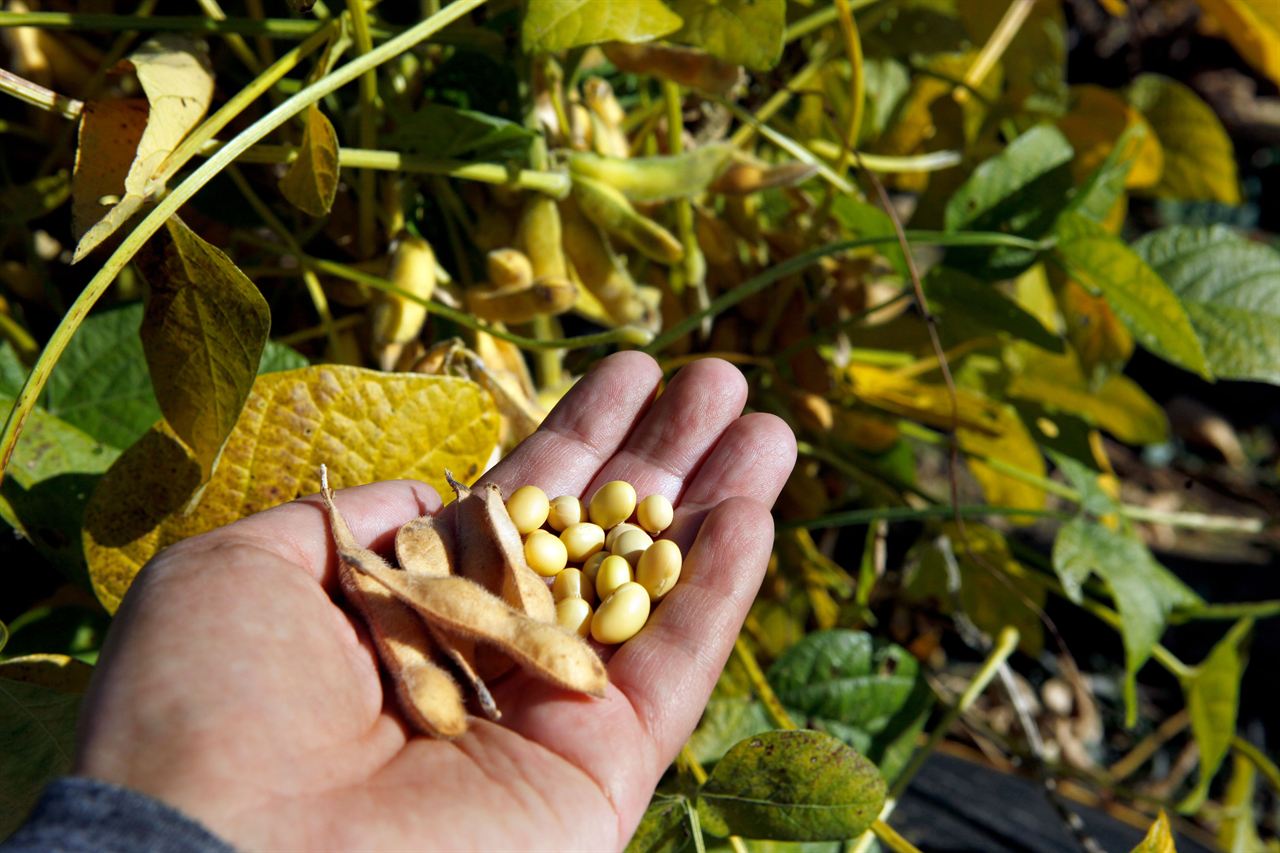
The flea market’s food zone on Gwanginsa-gil lists a residents’ association stall and sellers of madeleines, drinks, non-alcoholic slush, cheese and cookies. The October 17 listening session has a non-alcoholic cocktail and tea bar. Beyond that, no restaurant list was verified. For a regional dish, see Jangdan soybeans: Paju City’s tourism pages and Korea’s national culture portal both name them as a local product. A neighbourhood programme at the festival also mentions tasting new tofu dishes, though that is a local workshop and not a food stall.
Honest assessment
The festival’s strength is breadth in a compact, well-planned district: book market, talks, exhibitions, street performances and live music in one place, from a foundation that has run it since at least 2024. The standalone events, MOBBO, the dance festival and the book talks, give it more shape than a simple book sale.
Its weaknesses are practical. The programme is spread across many buildings and two weekends, the official pages are Korean-only, several parts need advance sign-up, and we could not confirm parking, shuttles, MOBBO’s price or entry rules for the opening show. If you do not read Korean, treat it as a market-and-atmosphere visit and use a translation app for the talks and workshops. Outdoor items run in October, so check the weather and the notice board on the day.