
Autumn · Gyeongsangbuk-do · Field listing
Pohang Sunrise Noodle Festival 2026
The essentials first: whether it is open, what it costs, how hard it is to reach and what to expect if you do not speak Korean.
When
Oct 2 — 4ConfirmedConfirmed dates
Where
Guryongpo Ara Plaza, PohangGyeongsangbuk-do
Admission
FREEGeneral entry is free. Food and any separately priced activities are not included; no complete 2026 menu or activity price list was published in the sources checked.
From Seoul
About 3 h 20 m, plus transfer timeTake KTX from Seoul Station to Pohang Station, then the direct 9000 bus toward Guryongpo. Get off in central Guryongpo and walk to Ara Plaza.
Hours
14:00-22:00
Organiser
+82-54-270-8282
Is this one for you?
Who it suits. This suits hungry travelers who want to graze across many noodle styles rather than chase one signature dish, and who like having music, a cooking competition and family zones to fill the gaps between bowls. It is a weaker fit if you need a fixed daily timetable, confirmed prices or a named chef, since none of that was published, and it is awkward for anyone put off by the roughly hour-long local bus that follows the KTX for what is still a food event.
When to go. The grounds run from 2 pm to 10 pm and the programme peaks after dark with three differently themed music nights, so an evening visit catches the fullest atmosphere but also the busiest eating period. Coming nearer the afternoon opening gives you more time to learn the QR ordering and compare stalls before the dinner crowd, though no queue forecast was published. If one music theme matters to you, wait for the final daily grid, because the themes were not yet mapped to specific dates.
LOCAL WEATHER
Weather near the festival
The festival date is outside the current forecast window. Check again closer to your trip.
Korea Meteorological Administration forecast
Need something we do not list — a stall menu, a parking gate, a last bus? The Korea Travel Helpline answers in English around the clock: dial 1330 inside Korea, or +82-2-1330 from abroad.
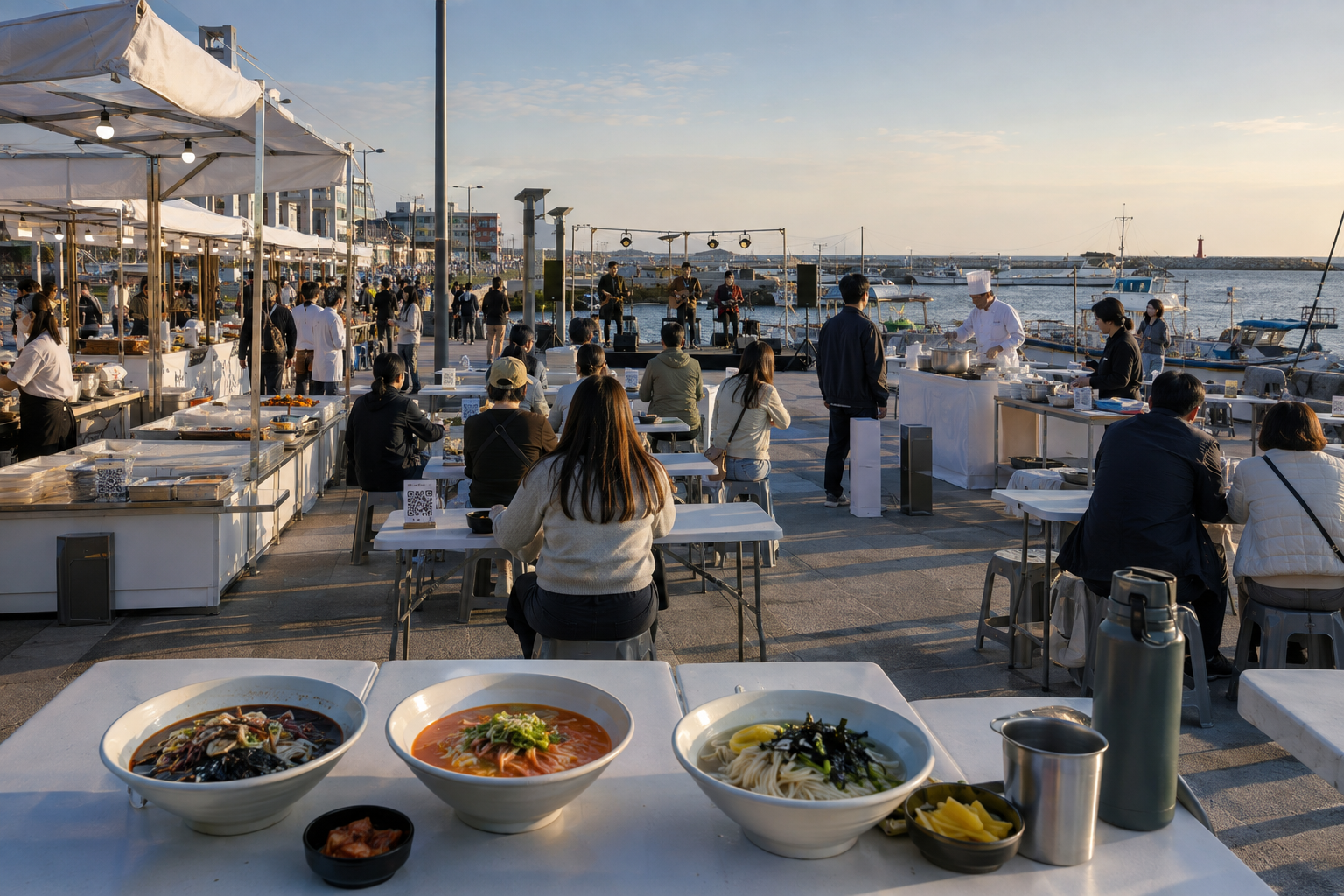
Pohang is building this three-day festival around noodles from the city and farther afield, with Guryongpo harbor as the setting. The confirmed outline is straightforward: local noodle shops, regional Korean styles, international noodle dishes and chef recipes share the grounds with music, a cooking competition and family activities. It runs from 14:00 to 22:00 on October 2–4, and general entry is free.
This is the first edition under this name, so there is no archive of last year’s queues or traffic arrangements. The current Korea Tourism Organization listing details programme categories but not a day-by-day running order or individual prices. Recheck close to departure if one performance or competition is essential.
What you actually do here
Come hungry and compare bowls rather than expecting one signature dish. Pohang selected ten local noodle restaurants in May 2026 after field assessments by citizen participants and unannounced evaluations by expert judges. The city said the selected businesses would receive priority placement at the festival. That does not prove that every one will ultimately attend, but the current festival listing does confirm a “Pohang top ten” food zone featuring local styles such as mori-guksu, mul-makhoe-guksu and chicken cold noodles.
The next layer covers noodles from elsewhere in Korea: Jeju meat noodles, Busan milmyeon and Chuncheon makguksu are the published examples. There are also international-noodle and chef-recipe sections. These are headings, not a final vendor list; the official material does not yet name the international cuisines, chefs, portions or prices.
Ordering is planned through a smart QR system, and the organiser says reusable containers will be used. A QR system may reduce the need to queue separately at a cashier, but the official listing does not explain whether a Korean phone number, account or particular payment method is required. This guide therefore does not claim that foreign cards work or that every transaction can be completed in English. Keep enough flexibility to ask staff at the order point if the process is unclear.
Between meals, the confirmed programme includes three differently themed music nights, a national noodle-cooking competition, a speed-eating event and retro games. Children have a separate sea-themed activity area. These activities make it possible to pause between bowls, but they also mean this is not simply a seated tasting event: expect to move between food, stage and activity zones around Ara Plaza.
Programme and timetable
The grounds are scheduled to operate 14:00–22:00 on all three days. The published “three days, three colours” music programme assigns broad themes rather than exact artists and times: an opening ceremony and K-trot programme, a performance aimed at people in their twenties and thirties, and an EDM party. The source does not map those themes to specific dates, except that the opening ceremony logically belongs to the opening programme; wait for the final grid before choosing a day for a particular music style.
The National Sunrise Noodle Competition is the cooking strand. The title and existence of the competition are confirmed, but entry rules, judging time, viewing arrangements and finalist list were not published in the sources checked. Treat it as part of the programme rather than assuming visitors can enter on the day.
The eating contest is more specific. The official listing names mukbang creator Yasigi and describes a noodle speed-eating match plus on-site events. Its cited subscriber count of 1.16 million is a snapshot, not a live count. The participation method and time remain unannounced.
For families, the retro playground lists ttakji tile-flipping and the stop-and-go game commonly called “The Mugunghwa Flower Has Bloomed.” The separate Sea, Let’s Play zone is described as a children’s experience. No age limits, session capacity or booking method were available. These omissions matter if you are travelling with children: check the final notice rather than promising a specific workshop to them in advance.
Tickets, fees and ordering
There is no general admission charge. You can enter the plaza and watch the open programme without buying an entrance ticket. Food is not included. Neither KTO nor the city material checked for this update publishes a complete bowl-by-bowl price list, and no reliable price was available for optional activities.
“Free festival” can be misleading for a food event. Budget for each dish as a separate purchase and decide how many styles to share. Dessert and experience booths may add more paid choices, but without a price sheet this guide will not assign them a cost or call them free.
The QR ordering plan is confirmed; the payment details are not. cardsAccepted and language-support fields remain deliberately unfilled on this page. If ordering accessibility is decisive, call the organiser at 054-270-8282 before travelling. That is the contact number in the updated KTO record.
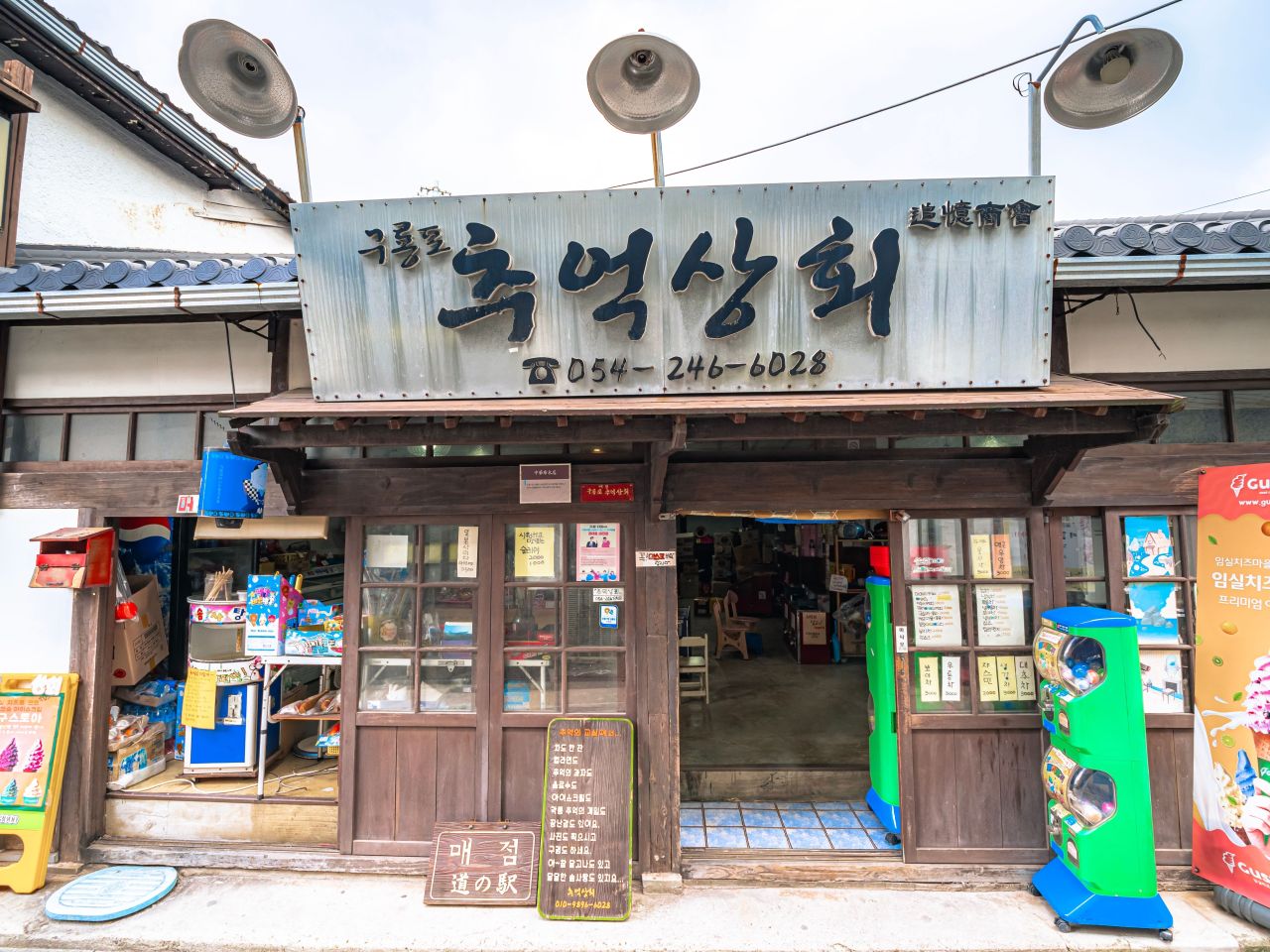
Food on site and what the labels mean
Three local names in the official preview deserve a plain explanation. Mori-guksu is presented as one of the Pohang noodle styles; mul-makhoe-guksu combines noodles with the city’s cold raw-fish preparation; and dak-naeng-guksu is a cold chicken noodle style. The festival source confirms these labels but not one mandatory recipe. Individual vendors can differ, so ask at the stall about fish, meat, spice and allergens rather than treating the English shorthand as a complete ingredient list.
The nationwide section is easier to recognize by place: Jeju meat noodles, Busan milmyeon and Chuncheon makguksu are the three examples named by the organiser. “International noodles” and “secret recipes with chefs” remain broader headings. The listing also mentions desserts and experience booths but gives no specific dessert or workshop. This article does not turn those placeholders into a fictional menu.
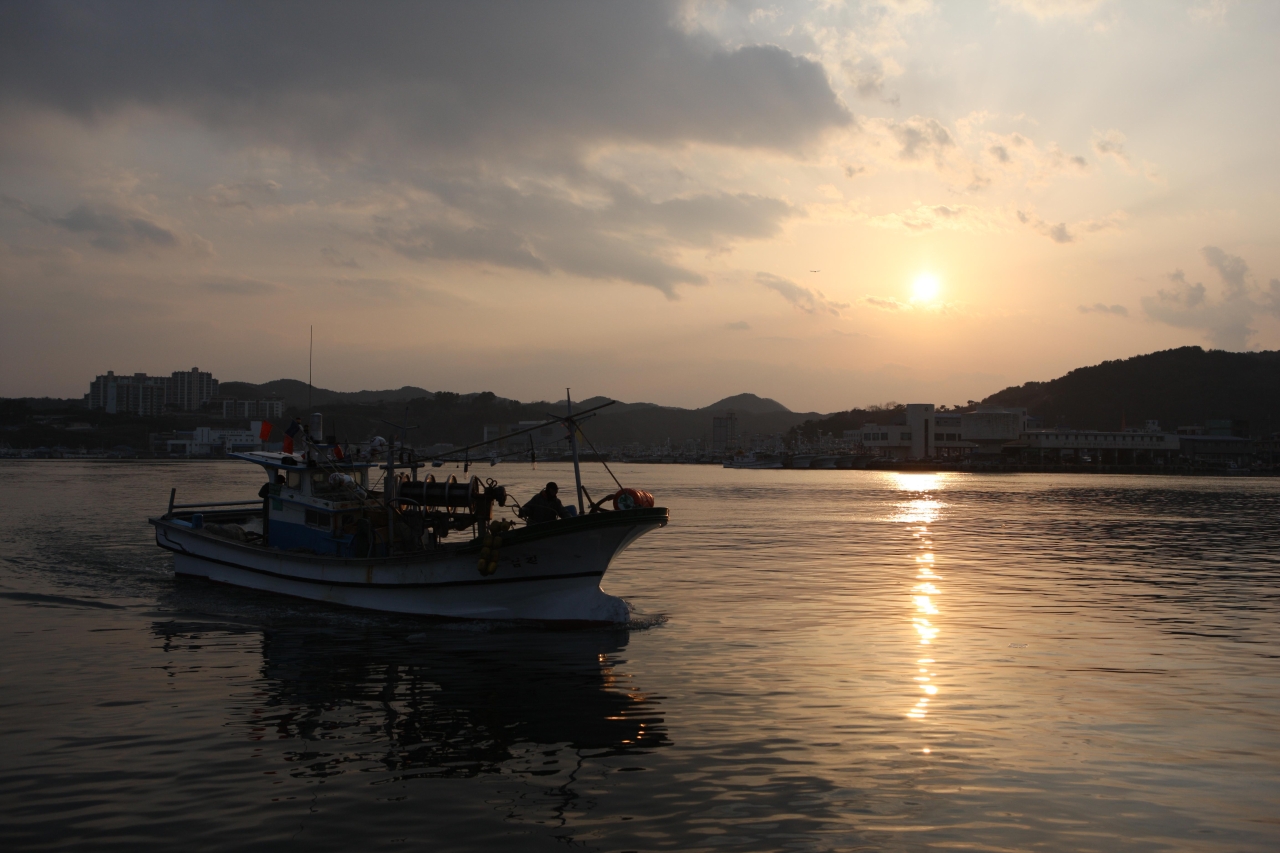
Outside the event, Guryongpo is strongly associated with gwamegi, split Pacific saury or herring dried in cold coastal air. Pohang City’s Gwamegi Culture Center calls Guryongpo the product’s principal base and documents the preparation process. Gwamegi is included here as a local specialty, not as a promised festival dish. October is also earlier than the coldest part of the traditional drying season, so do not assume a noodle booth will sell it merely because the festival is in Guryongpo.
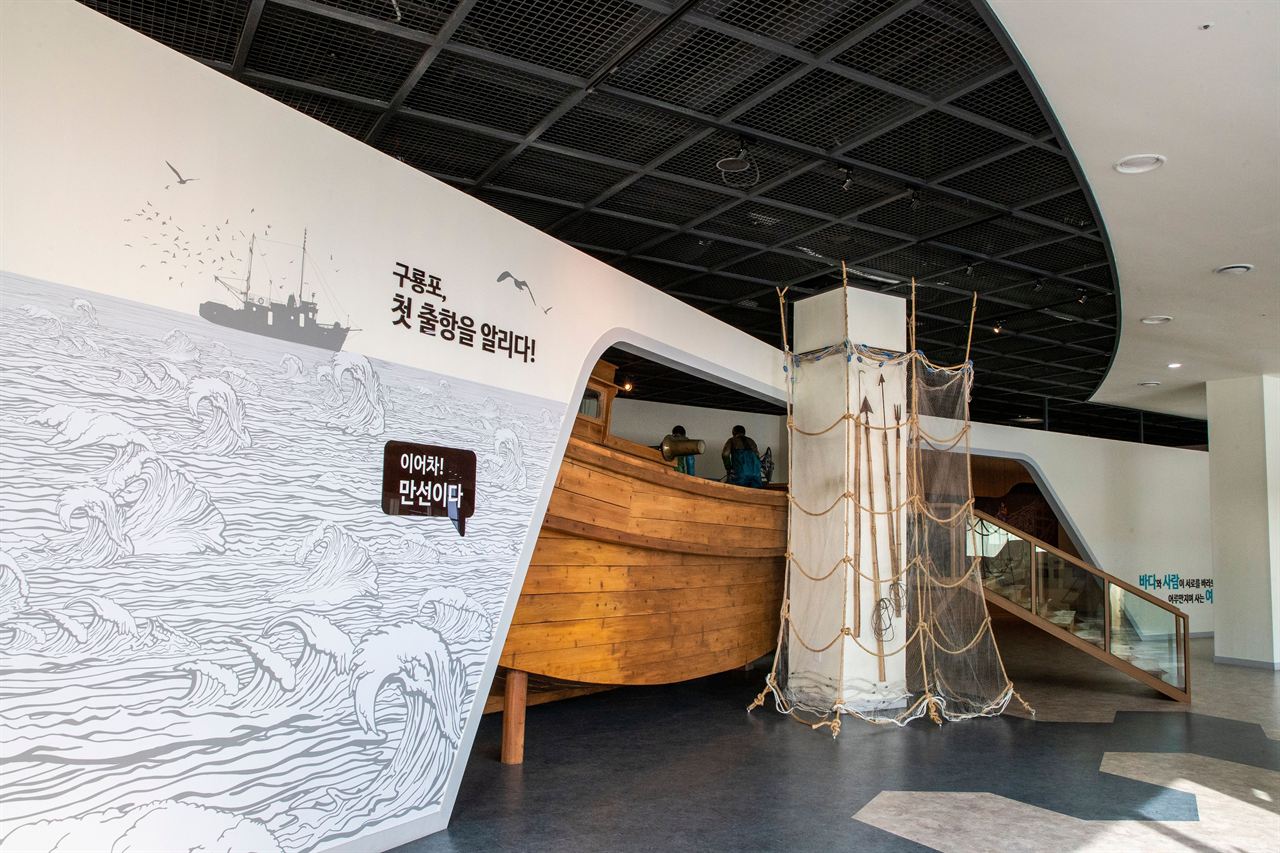
Getting there without a car
Take KTX from Seoul Station to Pohang Station. Pohang City’s transport information describes the rail leg as about two hours; individual trains vary by stopping pattern, so allow roughly two to two and a half hours rather than planning to the city’s rounded figure. From the station, the 9000 bus runs toward Guryongpo without a transfer. Pohang’s current route page lists the service at roughly 41–45-minute intervals, not as a turn-up-and-go city route. A KTX Magazine guide to Guryongpo also directs visitors to take the 9000 from Exit 1 at Pohang Station.
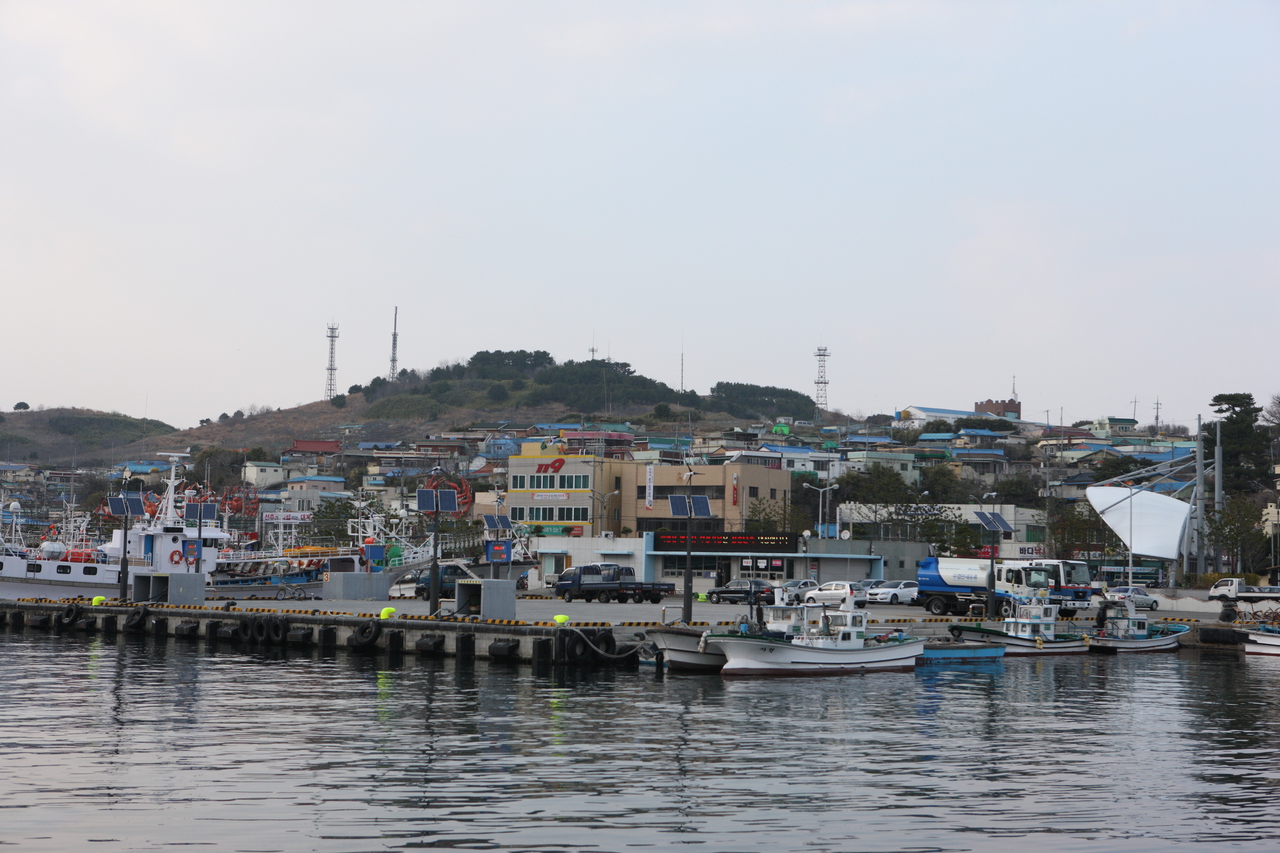
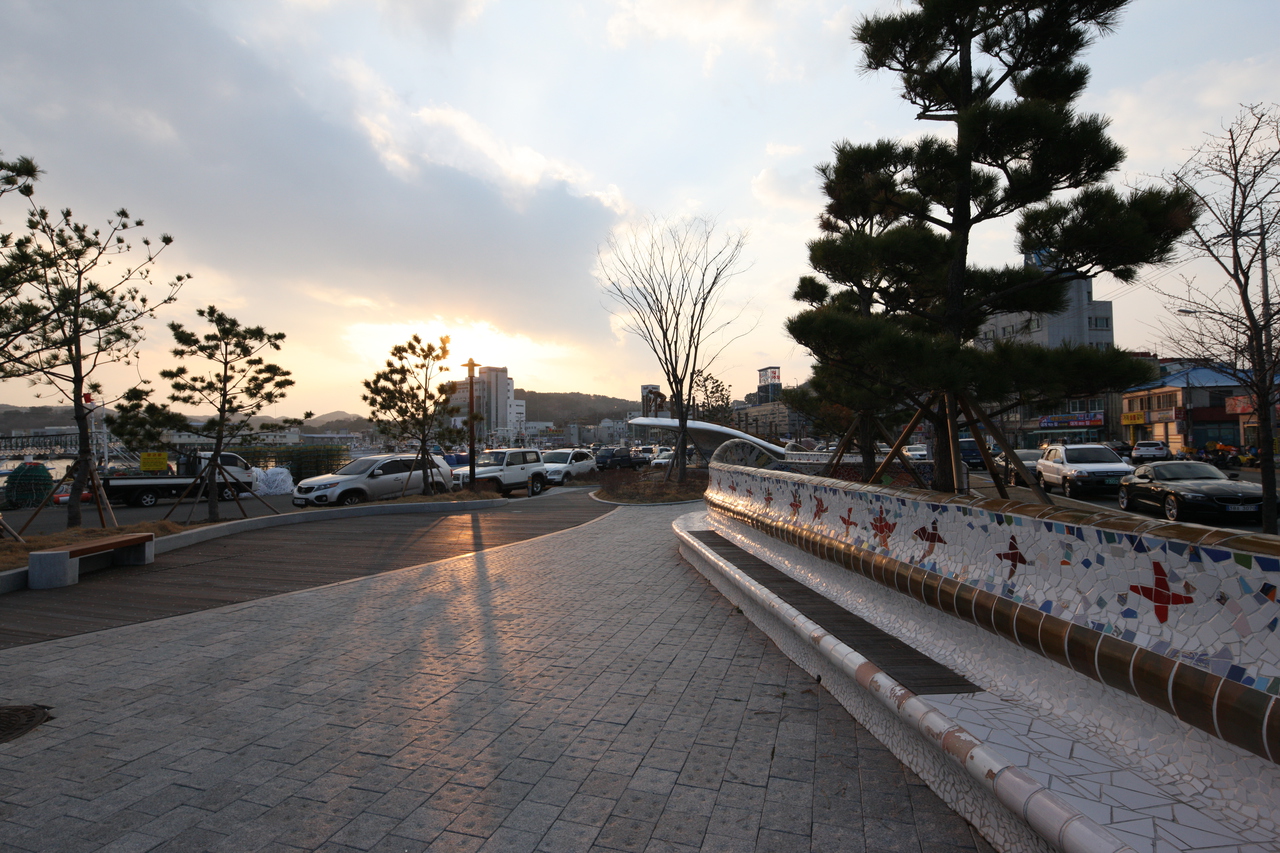
Current route guides put the station-to-Guryongpo ride at roughly 50 to 60 minutes. Get off in central Guryongpo and walk to Ara Plaza by the harbor. Check the stop name and live arrival display when boarding, because the 9000 continues beyond central Guryongpo on some trips. With a wait and the walk, a sensible Seoul-to-festival estimate is about 3 hours 20 minutes plus transfer margin; it can be longer if the bus has just left.
An intercity or express bus to Pohang is another option, but it still leaves the local trip to Guryongpo. The 900 serves the intercity-terminal corridor and Guryongpo; the city also identifies both 900 and 9000 as Guryongpo-bound services at Pohang-Gyeongju Airport. For a Seoul arrival by rail, the direct 9000 remains the simpler documented connection.
Check the live city-bus information before leaving Pohang Station and again before the return trip. The festival closes at 22:00, but the sources checked did not provide a festival-specific late bus or shuttle schedule. The city’s route table shows operating spans and intervals, but those are not proof that a useful bus leaves Ara Plaza after every evening programme. Confirm the actual stop departure before settling in for the final stage.
Day trip or overnight
A day trip from Seoul is technically possible if you choose an early train and leave Guryongpo well before the programme ends. It is not a compact day: the rail and local-bus legs together consume more than three hours each way once transfers are included. A late-afternoon food visit followed by the 22:00 close is especially awkward because no festival shuttle or guaranteed connection to a late Seoul train had been announced by this update.
One night in Pohang removes the pressure to match a local bus to a reserved KTX. Staying in central Pohang gives more accommodation choice but leaves the hour-long local trip on festival day; staying in or near Guryongpo reduces that transfer. No particular hotel, festival package or room availability was verified, so this page does not recommend one. If you do stay locally, the nearby harbor streets can fill the morning before the 14:00 opening without pretending the festival itself is an all-day event.
Driving may look simpler, but no 2026 festival parking map, overflow lot, road closure or shuttle plan was found in the official material checked. Ara Plaza is in an established harbor district rather than an isolated fairground. Do not rely on an unverified claim that a particular public lot will remain open or free during the event; check Pohang City’s final traffic notice and be prepared to use whatever signed arrangement is operating that day.
Honest assessment
This is a new food festival with a clear idea but no operating history under this title. There are no defensible attendance figures, sell-out records or past crowd patterns. Food service is the obvious pressure point, especially around a normal dinner period, but that is practical planning judgment rather than a published crowd forecast. Arriving near the 14:00 opening gives you more time to understand the QR system and compare stalls; it does not guarantee shorter queues.
The strongest part of the plan is the range. Local, other Korean and international categories create a reason to share several smaller orders, while competitions and music provide breaks from eating. The weak point is missing operational detail: there is still no final menu, price sheet, artist timetable, parking plan or last-mile shuttle notice. Visitors who care mainly about one chef, the EDM programme or the eating contest should wait for the daily schedule rather than guessing.
The other trade-off is distance. Guryongpo is not central Pohang: after the KTX ride, you still have about an hour on a local bus, potentially plus most of one service interval. That makes a rushed Seoul day trip possible but unattractive. The harbor setting makes more sense as part of an overnight Pohang trip, although the evidence does not justify marking an overnight as compulsory. The honest choice is between a shorter afternoon visit with a conservative return plan and a stay that lets you use the full evening programme.
Local specialties to try
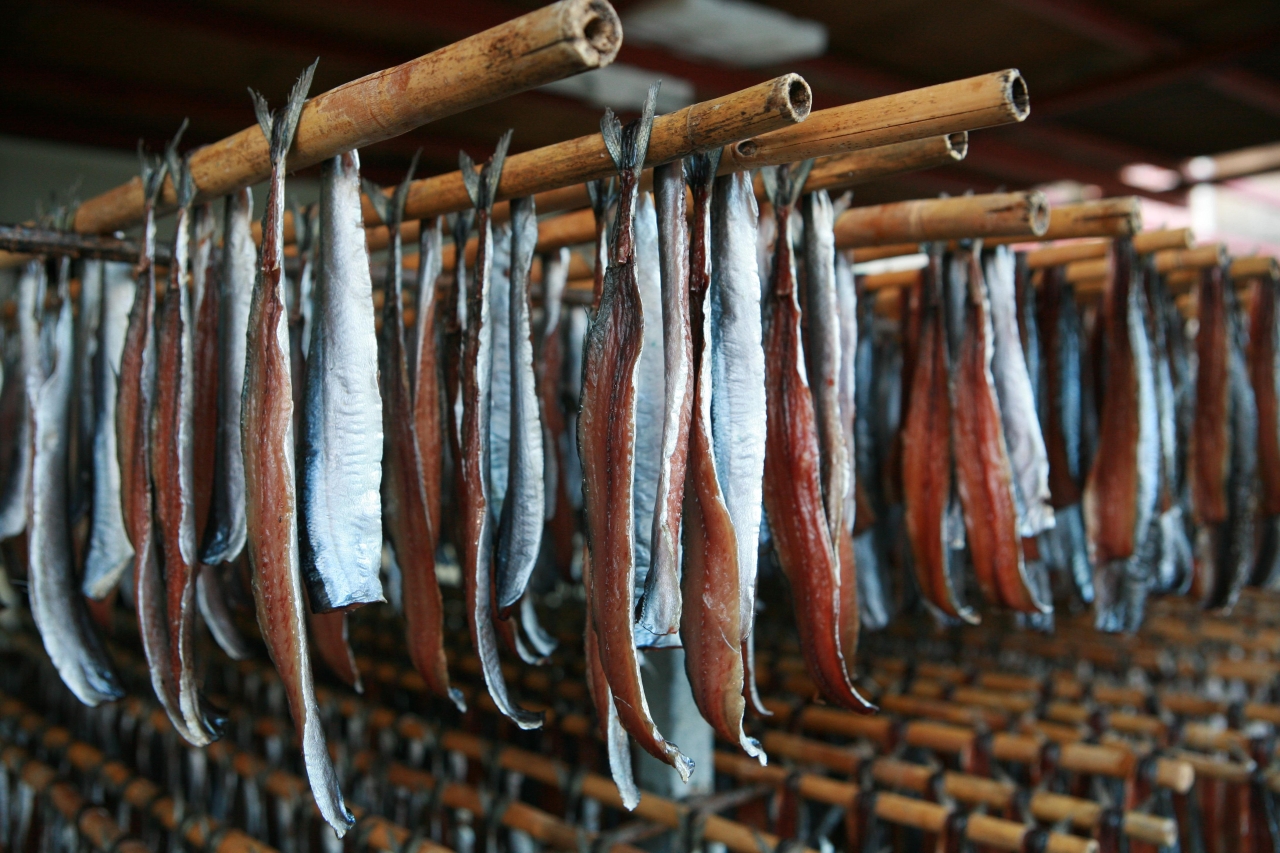
Guryongpo gwamegi (구룡포 과메기)
Gwamegi is split Pacific saury or herring dried in cold coastal air. Pohang City's Gwamegi Culture Center identifies Guryongpo as its main production base and explains that the modern split form is cleaned, opened and usually dried for about four days. It is commonly served in strips with seaweed and vegetables.
Questions worth asking
Is admission free, or do the noodle tastings have a ticket?
General entry is free. The bowls themselves are purchases, and the organizers had not published a complete 2026 menu-price list when this page was checked. Do not read free admission as unlimited free tastings.
Can I get there from Seoul without a car?
Yes. KTX takes about 2 hours 20 minutes from Seoul to Pohang, and bus 9000 runs directly from Pohang Station toward Guryongpo. Allow roughly another hour on the bus and extra transfer time; check the current bus arrival display when you reach Pohang.
When is the practical time to visit?
The published hours are 14:00-22:00. The detailed daily stage and cooking-competition timetable was not available in the sources checked, so choose your day only after checking the festival portal again. For eating, arriving before the evening meal period is a sensible way to reduce your exposure to queues, but no crowd forecast has been published.
Before you goFestival Etiquette in Korea: What Visitors Get WrongBooking KTX Trains and Intercity Buses as a Foreign VisitorGetting Out of Incheon Airport and On to a FestivalKorean Festivals With Children: Toilets, Strollers and TimingStaying Online in Korea: SIM, eSIM and the Apps That MatterEating at a Korean Festival Without Speaking KoreanRain, Typhoons and Cancelled Festivals: How to Plan Around ThemHow to Pay for Things in KoreaT-money and Transit Cards in KoreaWhat to Wear to a Korean Festival, Season by Season
LAST UPDATED · Sep 10, 2026