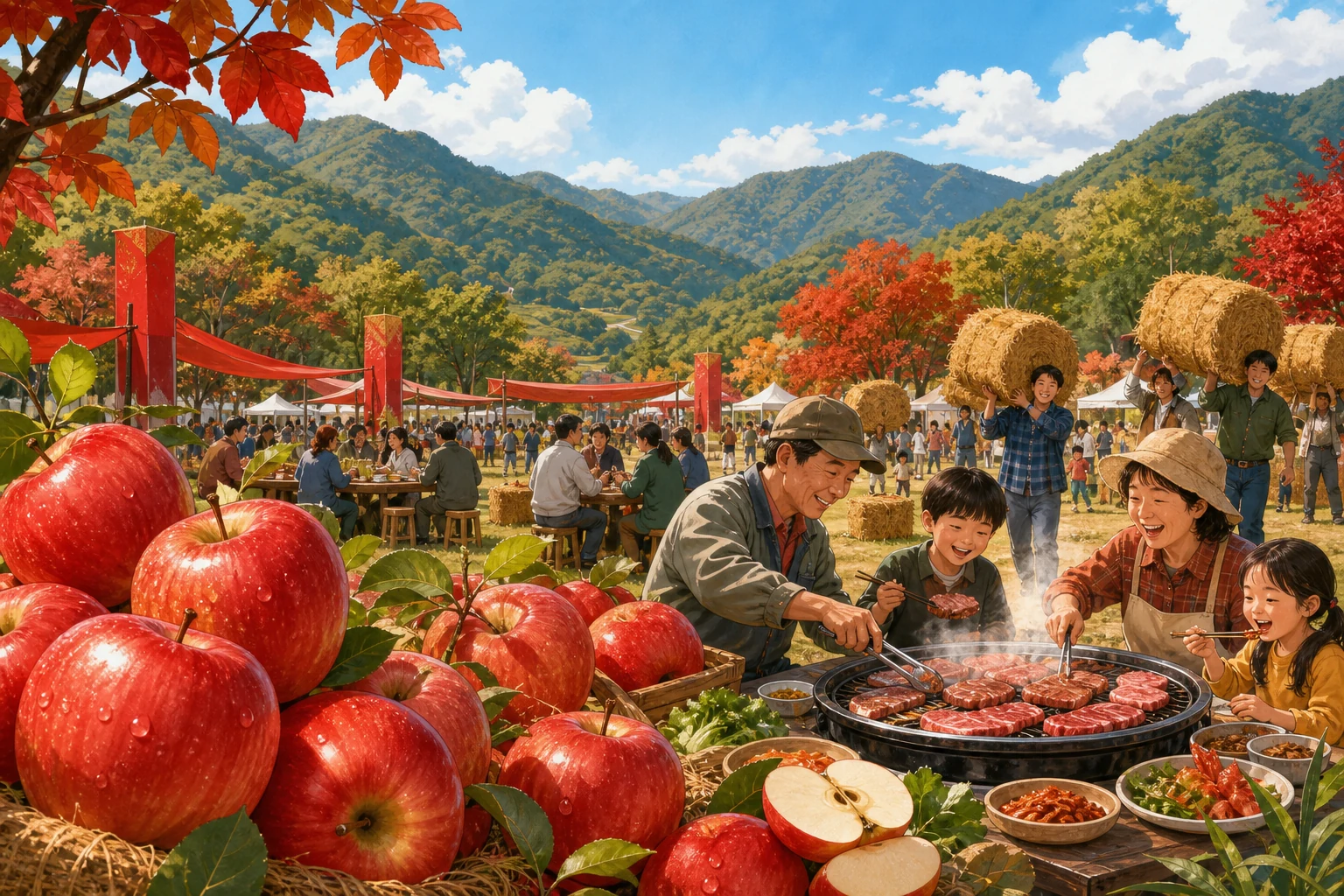
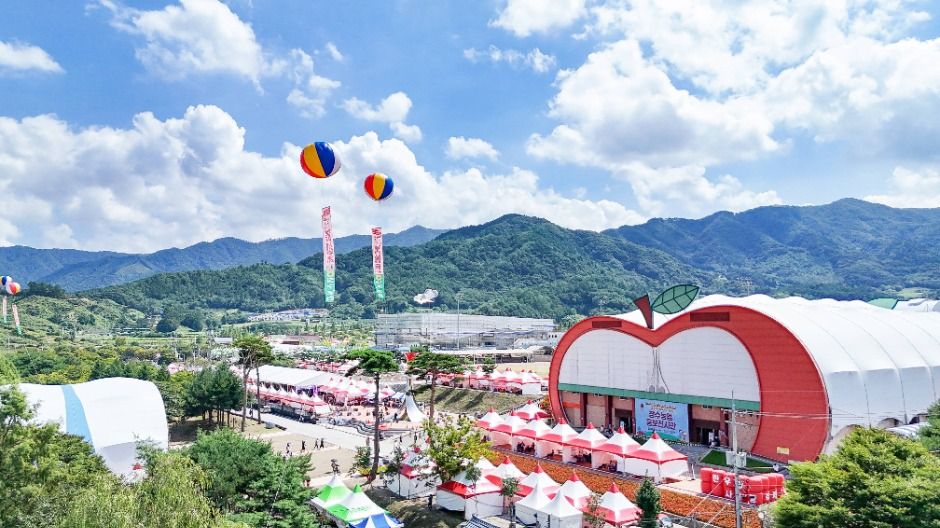
Jangsu’s main food festival started with two local products — Korean beef and apples — and now groups them with tomatoes and omija berries under the “red food” label. The 2026 edition is the twentieth and runs across Uiam Park, Nuri Park and the neighboring sports-ground area in Jangsu-eup from September 10 to 13, under the slogan “fall for the colour, get drunk on the taste.” This is primarily a place to buy, cook and eat regional produce, with performances and family activities arranged around that core rather than a single ticketed show.
What you actually do here
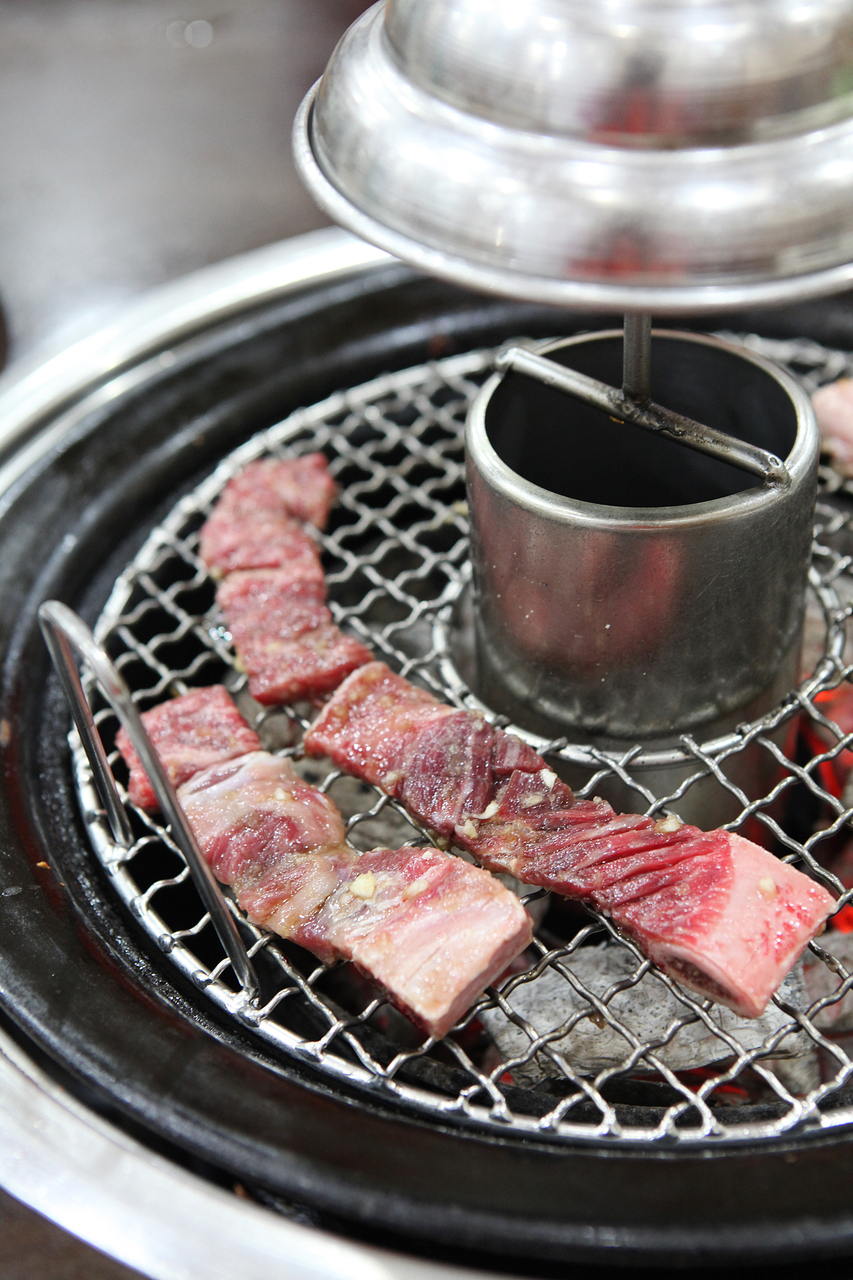
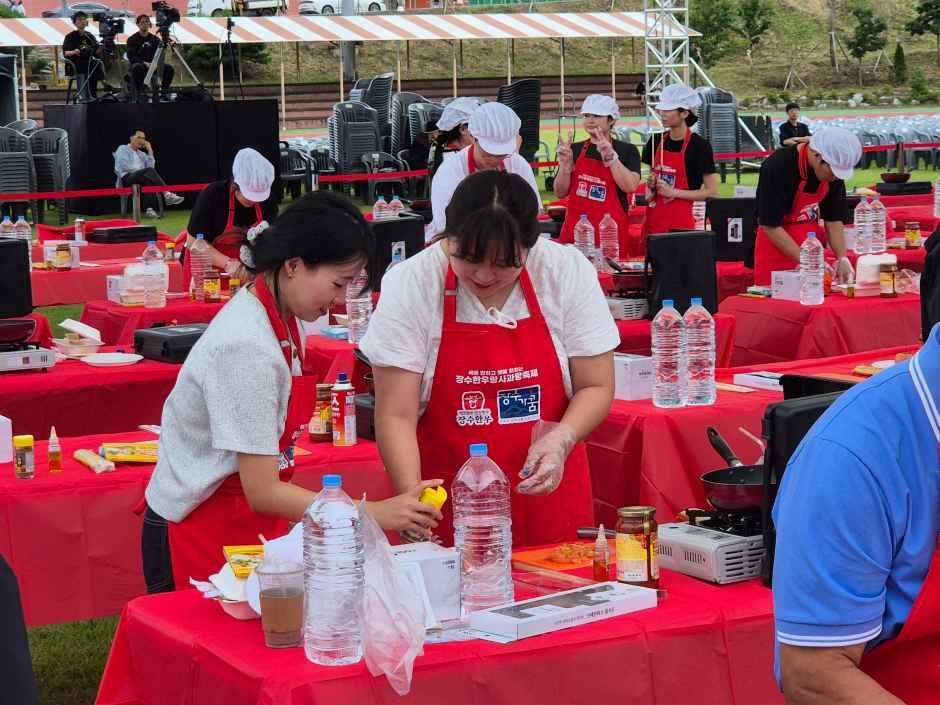
The practical centerpiece is Jangsu Hanu Madang, beside the sports ground. You select beef from one of the participating local cooperatives or sellers, then take it to a self-service seating area where the grill, seasoning and vegetables are sold separately. The official schedule lists this area from 10:00 to 20:00 on all four days. Treat it as a cook-your-own meal, not a free sample attached to admission.
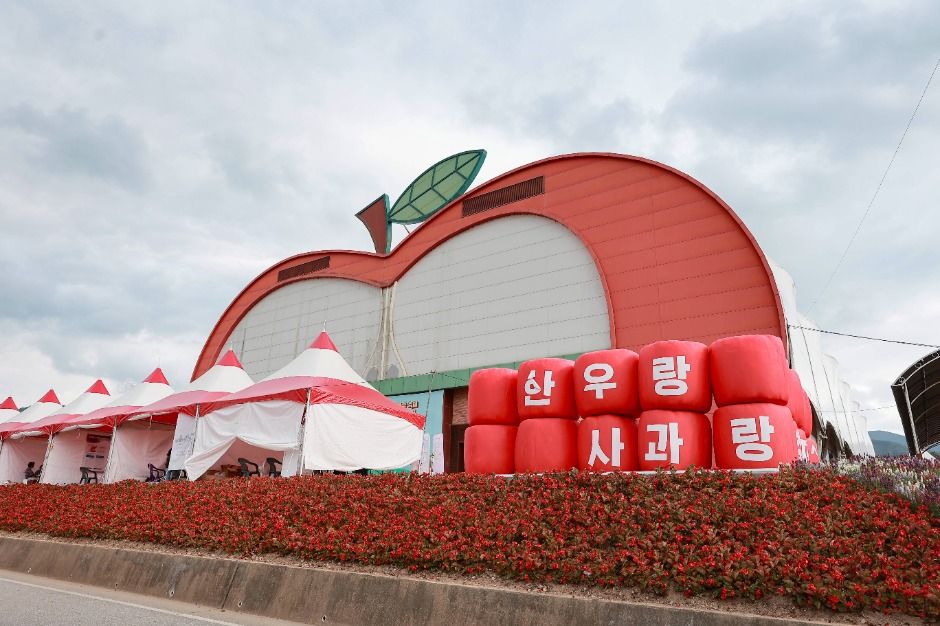
The broader grounds have an apple area and a Red Food Zone built around apples, tomatoes, omija and beef. The Korea Tourism Organization’s 2026 program also lists apple-themed crafts and games — apple keyrings, apple golf, apple fishing and apple-and-omija rice-cake pounding — plus a display of a 1,700-kilogram breeding bull that visitors can approach. Exact prices are not published for most of these activities, so there is no honest all-in budget to quote beyond free general entry.
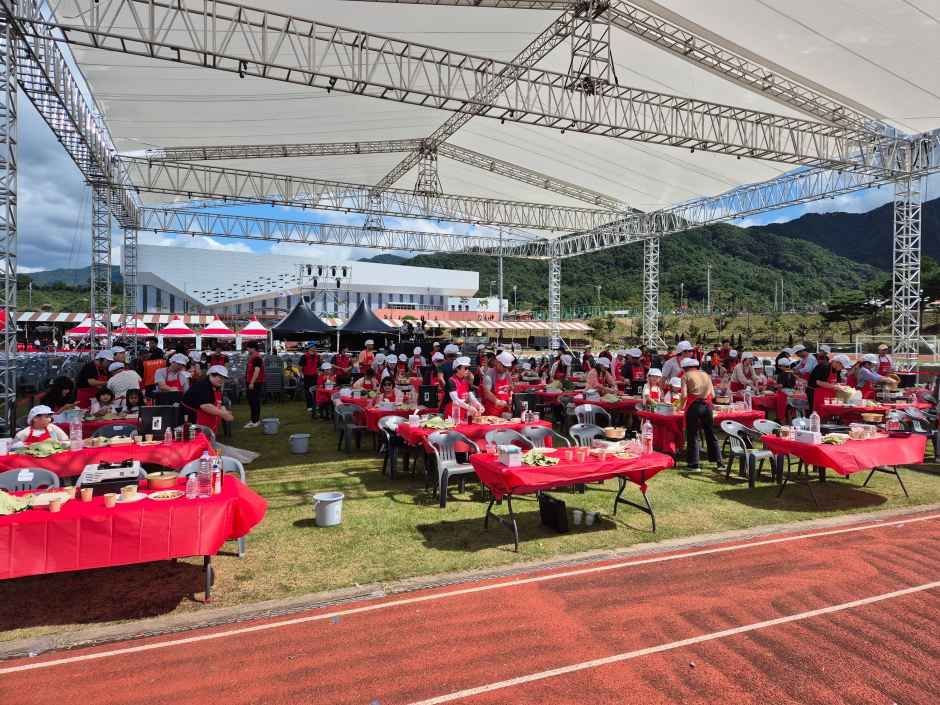
Two scheduled cooking sessions have firmer details. On Saturday, September 12, a red-food class led by television personality Hong Seok-cheon is scheduled using beef, tomatoes, apples and omija; the fee is 10,000 won per team. A temple-food session led by a Buddhist practitioner is scheduled on Sunday, September 13, also at 10,000 won per team. Both divide capacity between advance reservations on the official website and limited on-site registration. If you care about either one, reserve rather than counting on a walk-in place.
Programme and timetable
The general operating window listed by KTO is 10:00 to 18:00, but that is the headline figure, not the full picture: the beef hall runs to 20:00 and the concerts are evening events. Use the official daily schedule to plan around a specific programme rather than assuming everything closes at six.
The four days are structured loosely rather than around one opening ceremony on day one. Multiple county press releases describe a college-song-festival “returns” stage on opening day, September 10, featuring veteran groups Sand Pebbles and Oxen 80. The main opening concert is scheduled for September 11, with an announced line-up that several outlets reported identically: trot singer Kim Yeon-ja, county goodwill ambassador and singer Choi Jae-myeong, Son Bin-a, Bae Ki-sung, the group UNIS and Jung Yoon-young. Park Hyun-bin and further acts are listed across September 12–13. Concert line-ups are announcements, not guarantees, so treat these names as current intentions and confirm the official schedule before travelling for one performer.
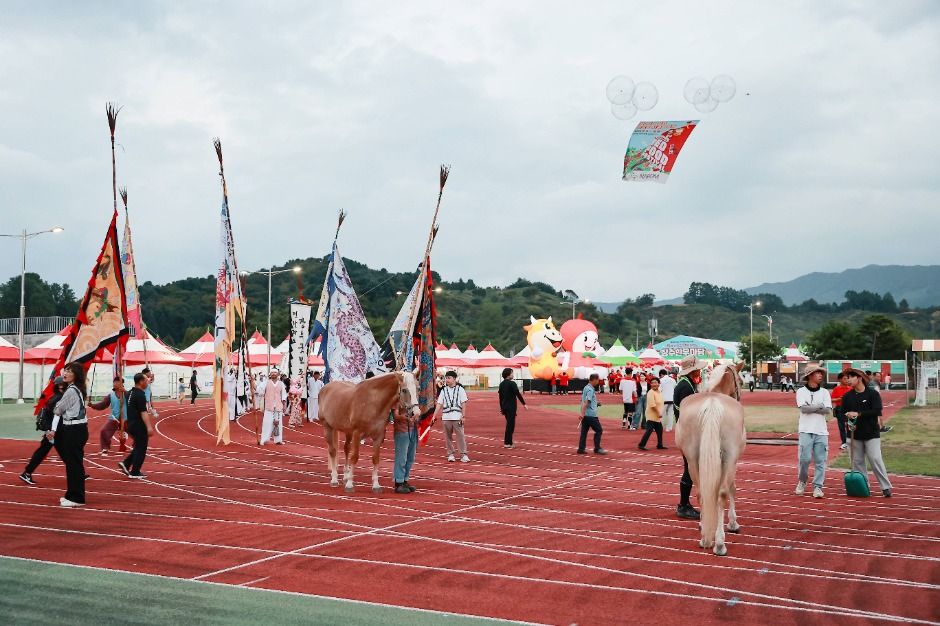
Alongside the stages, the organiser lists a set of participatory and demonstration events that recur through the festival. Confirmed elements include a nationwide Korean-beef bale-carrying contest (han-u gonpo narigi), a traditional flag-play performance from the Jangsu Cultural Centre, a community orchestra, and hands-on booths for apple crafts, apple golf, apple fishing and rice-cake pounding with apple and omija. The 1,700-kilogram breeding-bull display is presented as a distinct attraction. None of these are ticketed stage shows with fixed seat counts; they are drop-in activities distributed across the grounds.
Tickets, fees and booking
General admission is free, confirmed by both the Korea Tourism Organization and the Ministry of Culture. That means you can walk the produce areas, watch the concerts and see the demonstrations without a gate ticket. It does not mean the day is free: the beef, grill setup, side items and most hands-on booths are separate purchases, and no stable 2026 price list has been published for the food stalls.
The clearest paid items are the two cooking classes, each 10,000 won per team, with capacity split between advance online booking and same-day registration. The organiser ran an advance-reservation call for hands-on programmes before the festival, so some experiences are designed to be booked ahead rather than joined on the day. If a specific class or experience is your reason for coming, use the official reservation page; if it is not, treat any workshop place as a bonus and build the visit around the open food areas.
One practical note: the county recruited external merchant and food-stall operators for 2026, so expect commercial vendors alongside the producer stalls. Carry some cash and do not assume every booth is a county cooperative.
Getting there without a car
The straightforward route from Seoul is a direct intercity bus from Seoul Nambu Bus Terminal to Jangsu Public Bus Terminal. Jangsu Cultural Center and Korea Tourism Organization travel guidance list the direct connection, while current public-data timetable services put the run at about three and a half hours toward Jangsu and closer to four hours on some return services. There is no useful direct train route into Jangsu-eup.
The important constraint is frequency. Official visitor information has historically listed four buses a day, while current late-summer timetable sources show only three or four depending on the date and disagree about the final return. That is too thin to improvise around. Check the actual festival date in the intercity-bus booking system and reserve both directions before setting out; do not copy a departure time from a general travel page.
Once in Jangsu, the transfer is simple. Uiam Park is roughly 700–800 metres from Jangsu Public Bus Terminal, about a ten-minute walk for most visitors. Search the Korean festival name in Naver Map and follow the entrance shown for the day’s program, because the event spreads beyond the park into Nuri Park and the sports-ground parking area.
A Seoul day trip is possible, but the bus timetable controls the visit. Current return listings place the last direct Seoul-bound bus in the afternoon, and the exact time is inconsistent across timetable providers. If an evening concert matters, stay in Jangsu or confirm a different onward route rather than assuming there will be a late direct bus.
Parking, shuttles and traffic control
If you do arrive by car, the official site publishes three numbered parking zones with live capacity counters. Zone 1 covers the town-office area and Gaya Stadium (245–250 Jangcheon-ro), with about 300 spaces; Zone 2 is beside the grounds at 378 Hannuri-ro, with about 400; and Zone 3 is at the agri-industrial complex (21-76 Balbanggol-gil), with about 500. Press coverage adds that part of the public sports complex is used to expand parking near the site. Because the grounds sit in a small town centre, following the assigned zone matters more than navigating straight to the park entrance.
For visitors without a car, the honest position is that parking is well documented but the shuttle is not. County tourism references and past editions mention in-county shuttle buses between the terminal and the grounds, but the official 2026 transport page did not publish a dated shuttle route or timetable when this guide was checked, so do not build a plan around a shuttle you cannot confirm. The safer approach is to walk the 700–800 metres from the terminal and check the official transport notice again immediately before travel.
There is evidence that crowd and traffic management are taken seriously here. The county’s safety review for a recent edition specifically covered parking, traffic control and concentrated visitor flows, and in the run-up to 2026 a local environmental campaign was organised around the festival grounds. None of that fixes a precise 2026 crowd level, but it does suggest arriving near opening time for the food areas and leaving margin before the last afternoon bus rather than making a tight connection after a concert.
Food on site and nearby
The reason to come is the food, and the format is specific. At the Jangsu Hanu hall you buy raw beef from a producer, then pay separately for the grill, seasoning and vegetables in the self-service area — a cook-your-own meal rather than a tasting ticket. Around it, the Red Food Zone brings together the county’s four themed products (beef, apples, tomatoes and omija) and their processed versions. The festival overview specifically mentions apple beer, apple soju, apple bread and omija liquor among the goods on sale, which is part of how the event has broadened from raw produce toward processed local food.
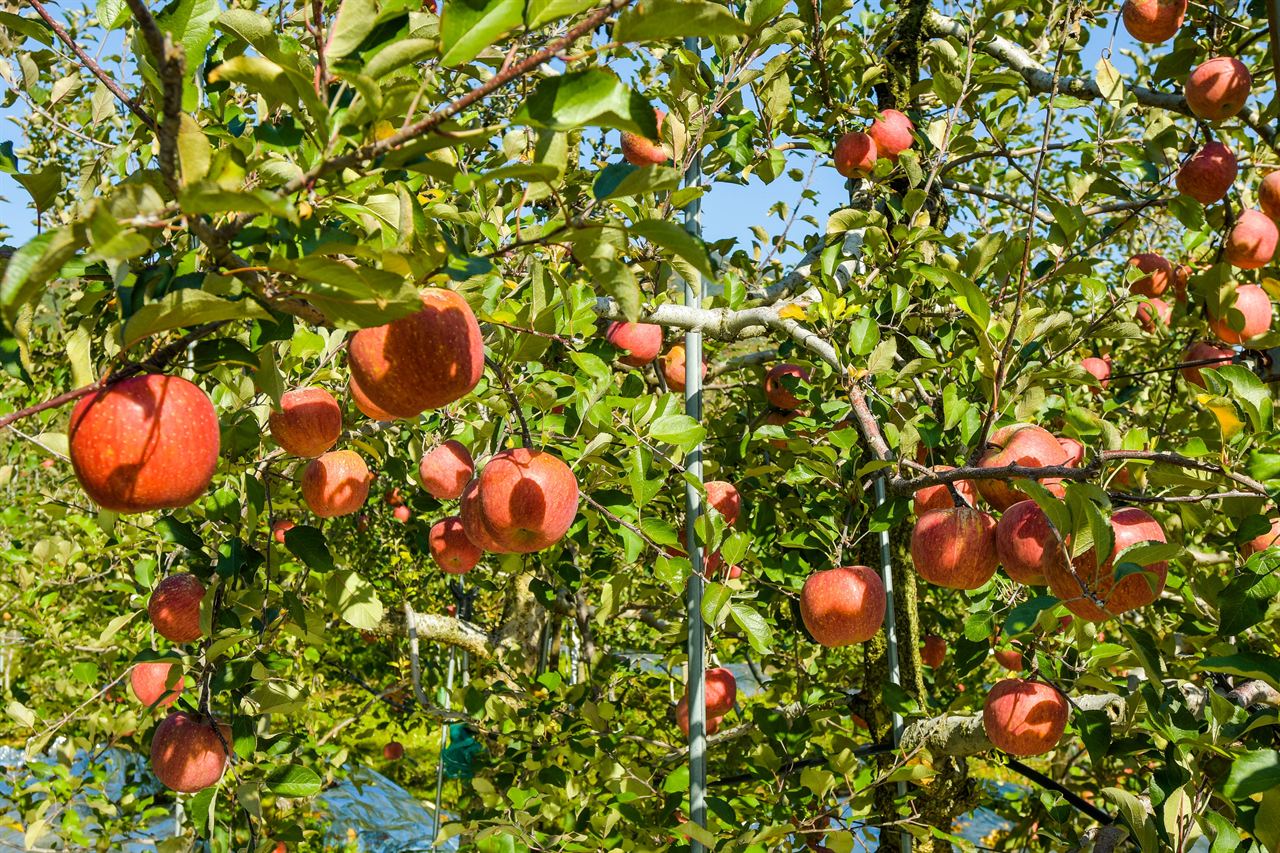
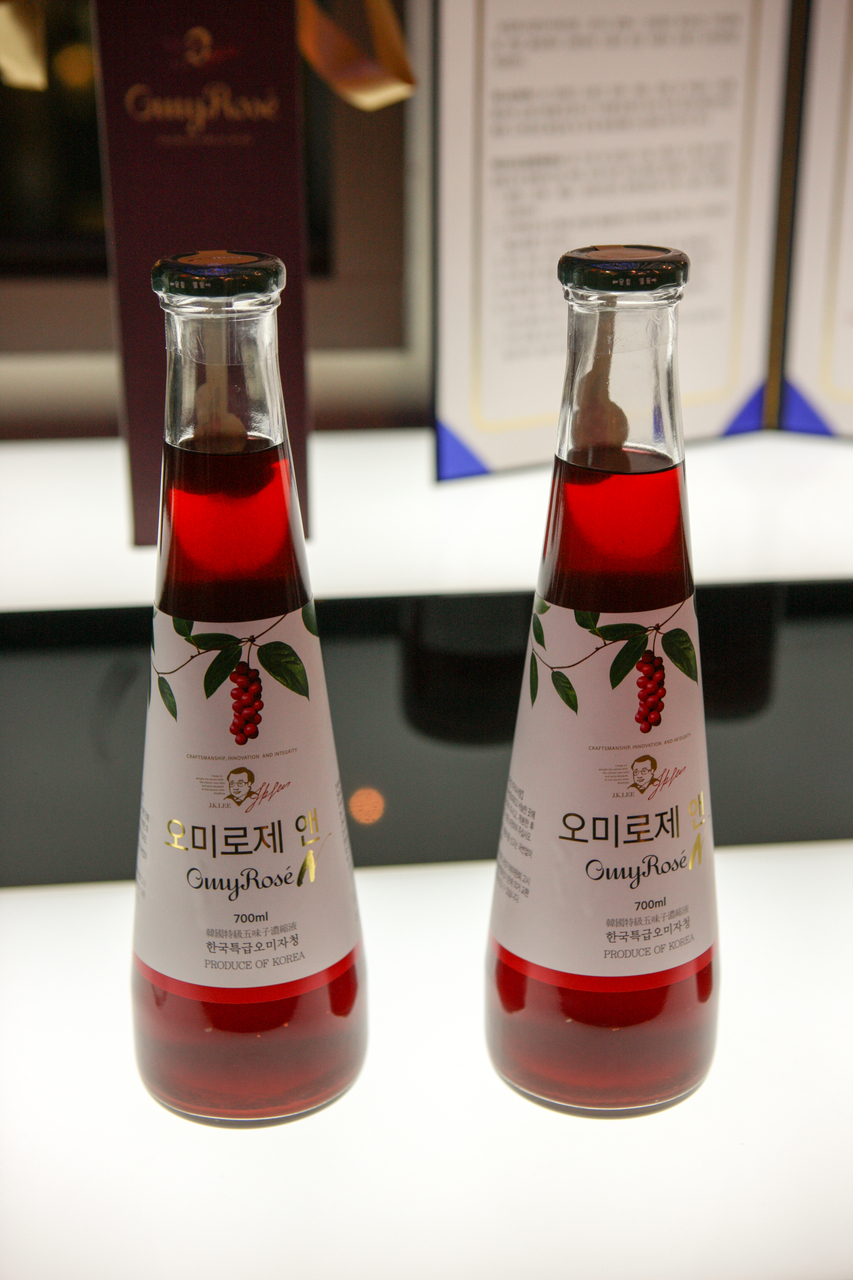
Beyond the temporary stalls, Jangsu’s standing specialties are worth knowing because they are county products year-round, not just festival props. Jangsu apple is listed by the county tourism office as a signature crop, its sweetness attributed to the wide day-to-night temperature range at the county’s altitude. Jangsu Korean beef (hanu) is the county’s headline livestock product and the basis of the beef hall. Omija, the tart five-flavour berry, grows among the county’s medicinal crops and appears both fresh and as syrup or liquor. Each is documented on Jangsu County’s own tourism pages; the photographs here are representative Korea Tourism Organization images of the food, not pictures from this festival.
Honest assessment
Come for a regional food fair, not for a polished sightseeing production. The strongest reason to travel is specific: buying Jangsu beef and cooking it on site, then trying or purchasing the county’s apples, tomatoes and omija products in the same place. If those foods are not the point, the seven-to-eight-hour round trip from Seoul is difficult to justify on performances alone — even with a named trot line-up, the same singers tour many autumn festivals.
The self-service format also needs a little planning. Free admission does not mean a free meal, and the beef, grill setup and side items are separate purchases. Prices for the beef and most booths have not been published in a stable 2026 list, so arrive with a flexible food budget rather than relying on an old festival price, and carry cash for the external vendor stalls.
For a car-free visitor, the logistics are the real friction. Parking is documented in detail, but that helps drivers, not you; the bus is infrequent, the last afternoon departure is inconsistent across sources, and the 2026 shuttle timetable was not published when this guide was checked. The safer practical move is to walk from the terminal, arrive near opening time for the food areas, and avoid making a tight connection to the final bus. The two headline cooking sessions are small enough that a walk-in plan is a gamble: their official capacity is only 100 teams on Saturday and about 70 on Sunday, much of it allocated in advance. Reserve first if a class is your main objective; otherwise build the visit around the open food areas and regard any workshop place as a bonus.