The Samrangseong Historical Culture Festival takes place inside Jeondeungsa Temple on Ganghwa Island from October 3 to 11, 2026. The English title here is not a translation made for this article: it is the wording printed on the organiser’s 2026 poster. Ganghwa County’s English site uses a slightly different form, “Samnangseong History & Culture Festival,” so both spellings may appear in searches.
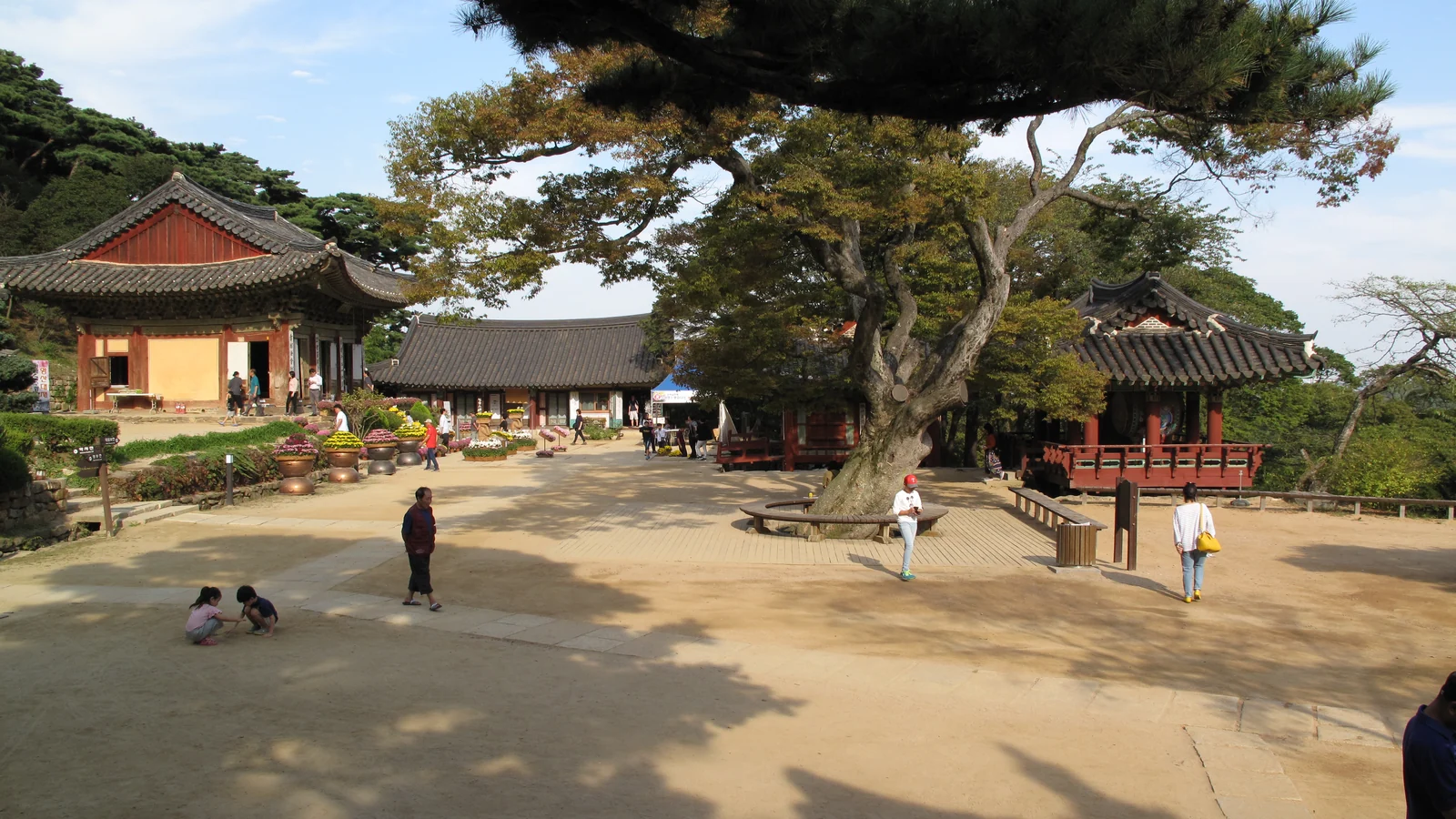
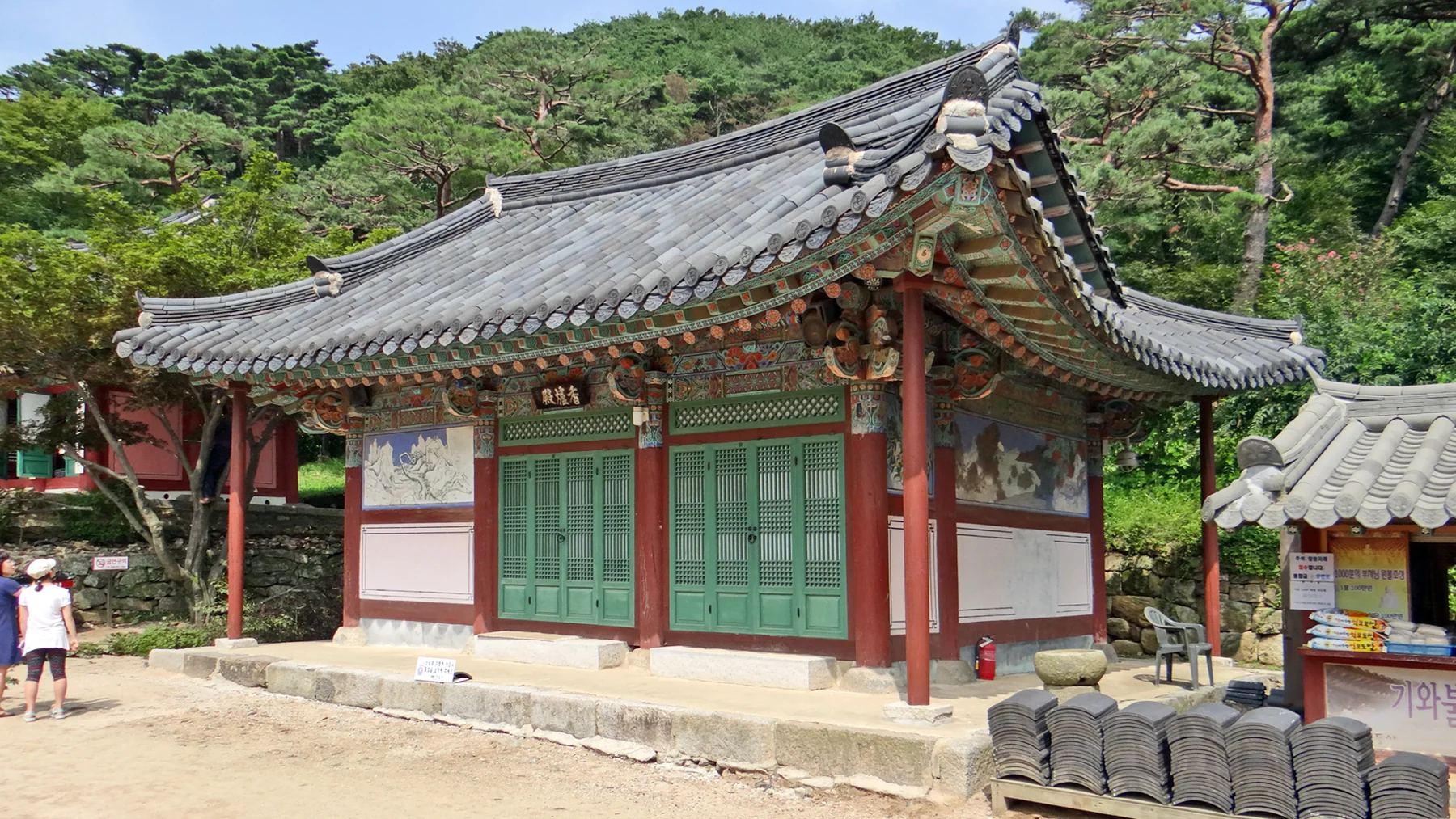
This is the festival’s 26th edition, a number confirmed on the current organiser material. Its setting matters more than a generic “history festival” label suggests. Jeondeungsa sits within Samrangseong, also called Jeongjoksanseong, and the programme uses the temple courtyard, special stage, education hall, exhibition spaces and south-gate area rather than a single fenced event field. You are visiting an active Buddhist temple and historic complex while performances, exhibitions and temporary booths occupy several points inside it.
General admission is free. Jeondeungsa abolished its temple admission fee in May 2023, and the 2026 festival listing also states free entry. That does not make a car free: the temple’s current visitor page lists parking at 3,000 won for a small vehicle and 8,000 won for a large vehicle.
What you actually do here
The programme divides naturally into four parts: scheduled traditional performances, two exhibitions, activity booths, and two market periods. It is not a continuous stage festival where the same attractions repeat every day. Your choice of date determines the main event you can see.
The opening Saturday has the most conventional concert format. An evening Buddhist service begins at 18:00, the opening ceremony follows at 18:30, and the Jeondeungsa Autumn Concert runs 19:00-21:00 on the special stage. The announced singers are Shin Yong-jae, KCM, Solji and musical-theatre performer Min Woo-hyuk. The organiser says the concert will also be streamed on YouTube, but visitors going in person should plan for the late finish and the island journey home.
The second festival weekend turns toward ritual and folk performance. Yeongsan Daejae is scheduled for October 9 from 13:00 to 15:00 on the special stage. The programme presents it as a Buddhist ritual performance commemorating spirits who defended the country, with ritual dance, cymbals, drumming and ceremonial elements. This is a religious rite in temple grounds, not simply a costumed stage number; watch without blocking the ritual area and follow staff instructions about photography.
On October 10, the Juldagi Preservation Society presents tightrope walking from 13:00 to 14:00 in the Jeondeungsa courtyard. The following day, the Ugeumchi troupe performs the participatory madanggeuk “The Rabbit Startled While Sleeping” from 13:00 to 14:00 on the special stage. The organiser describes it as family-oriented outdoor theatre with audience responses built into the performance.
The activity booths run from October 3 through 11 around the temple precinct. Official examples include traditional knot craft, pottery, waterwheel-related activity and metal craft. The programme does not publish a booth-by-booth price list, booking system or daily operating hours, so do not assume every material is included merely because entry is free.
Programme and timetable
The fixed schedule is short enough to plan around:
- October 3: national student art contest at 10:00; evening service at 18:00; opening ceremony at 18:30; autumn concert 19:00-21:00.
- October 4: academic seminar on Samrangseong’s cultural heritage, 14:00-16:00 at the History and Culture Education Hall. The summary poster gives 13:00, while the detailed official programme gives 14:00; this guide uses the detailed page but flags the discrepancy so you can recheck before travelling specifically for it.
- October 9: Yeongsan Daejae, 13:00-15:00 on the special stage.
- October 10: tightrope walking, 13:00-14:00 in the temple courtyard.
- October 11: madanggeuk, 13:00-14:00 on the special stage.
Two exhibitions cover different date ranges. A group exhibition by ten contemporary artists runs October 3-18 in the special exhibition hall at the reconstructed Jeongjoksago archive. A Buddhist photography exhibition titled “Walking Through a Thousand Years of Time” runs October 3-11 in the Museoljeon courtyard. The art show therefore remains open for a week after the festival’s official final day, but no dependable daily gallery hours were published on the programme page.
The Samrangseong flea market and food market are split into October 3-5 and October 9-11, around the south gate and inner courtyard. This gap matters: arriving on October 6, 7 or 8 should still give access to the exhibitions and activity period, but not the temporary market described in the official schedule. No verified vendor or menu list was available, so the market should not be the basis of a dietary plan.
Tickets, parking and booking
There is no general festival ticket and no advance reservation system listed for ordinary visitors. The concert, rituals and folk performances are presented as part of the free festival. The student art contest is different from casual participation: the official notice is a competition with its own rules, not an open craft station to join after arrival.
For drivers, Jeondeungsa operates east-gate and south-gate car parks. Its current visitor information lists parking operations from 09:00 to 17:30, payment by cash or card, and charges of 3,000 won for small vehicles and 8,000 won for large vehicles. Those are temple parking details, not proof that temporary festival capacity will be sufficient. The organiser had not published a 2026 overflow lot, shuttle, closure map or reservation system when this guide was checked.
The October 3 concert ends at 21:00, later than the normal parking-operation window shown on the temple page. The festival material does not explain exit handling after the concert, so drivers should confirm the evening arrangement with the organiser rather than assuming the ordinary 17:30 line answers it.
Getting there without a car
Ganghwa Island has no railway station, so the final leg is by road. From central Seoul, the temple’s public-transport guidance sends visitors toward Gurae Station on the Gimpo Goldline, then onto bus 70 for Jeondeungsa Dongmun. The same page gives M6117 from the Sinchon or Hongdae area to Gurae as one route, though visitors should use a live Seoul-area route planner because metropolitan bus stopping patterns can change.
The other verified option is bus 60-5 from Gimpo Airport to Jeondeungsa Dongmun. Ganghwa County’s route page, updated in April 2026, confirms that the bus serves Gimpo Airport, Jeondeungsa, Onsu-ri and Ganghwa Terminal. It lists 17 daily runs over the full route and explicitly warns that weekend and holiday congestion on National Route 356 near Choji Bridge can prevent the bus from keeping its timetable.
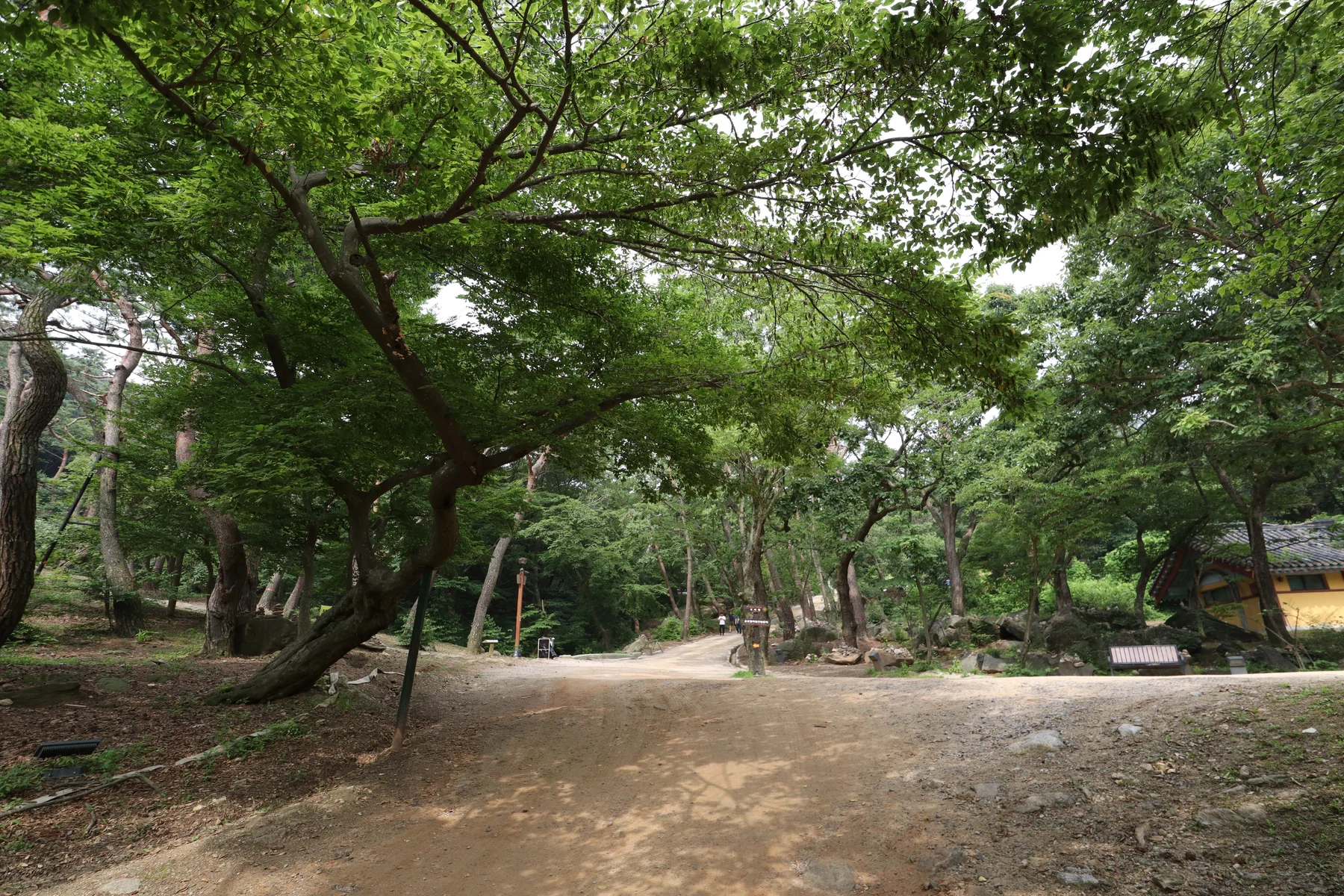
Jeondeungsa says the walk from the east- or south-gate bus stop to the temple takes about ten minutes; from Onsu-ri it is about 15 minutes. The approach continues uphill through the gate area, so this is not a platform-to-plaza transfer. Allow roughly two to three hours from central Seoul depending on your starting point, the interchange and road traffic, and do not build a tight arrival around a 13:00 performance.
For the return, check the live 70 or 60-5 departure before walking into the complex. This is especially important after the October 3 concert: the official festival page confirms the 21:00 finish but does not publish a dedicated late shuttle. A taxi to a rail connection may be possible, but no fixed fare or festival taxi rank has been confirmed here.
Food on site and a Ganghwa specialty
The festival’s food market operates only on October 3-5 and 9-11. The organiser says it is run near the temple entrance to provide food at moderate prices, but it does not name vendors, dishes, allergy information, vegetarian coverage or payment methods. Bring a backup snack if you have strict dietary requirements, and remember that Jeondeungsa remains a temple even when market tents are operating.
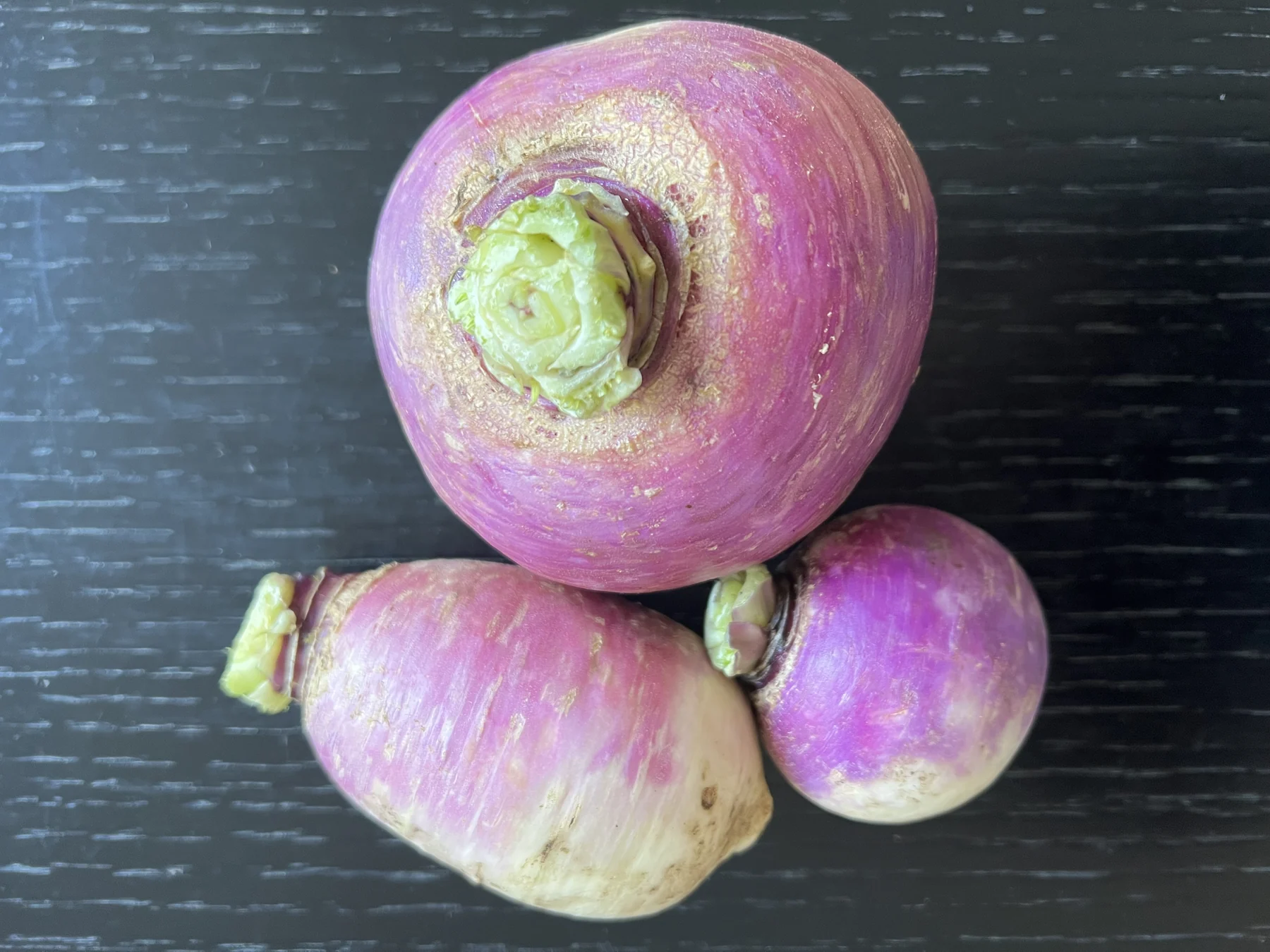
Away from temporary stalls, Ganghwa turnip is one documented regional product. Ganghwa County describes the local root as rounded, with a violet upper part and a pale lower section, and notes its sweet taste with a mustard-like or ginseng-like aroma. It is commonly made into turnip kimchi, sometimes with local salted seafood. This article does not claim that a particular festival stall will sell it; look for origin information when buying products elsewhere on the island.
Honest assessment
This is a focused temple festival, not a nine-day succession of headline shows. Its best feature is that the programme fits the place: a Buddhist rite, folk performance, heritage seminar and exhibitions sit within the fortress and temple complex that give the event its subject. A visitor can combine one scheduled event with the permanent architecture and wooded grounds instead of moving between unrelated temporary stages.
The tradeoff is timing. Most named performances happen once, on four separate dates, and the market skips the middle weekdays. If you arrive without checking the date, you may find exhibitions and booths but no major stage event. The October 3 concert has the broadest popular lineup; October 9-11 is the stronger choice for ritual and traditional performance.
Public transport is workable but not forgiving. The final bus rides share roads with weekend traffic, and Ganghwa County itself warns of delays near Choji Bridge. Leave a full connection margin, save the return route before entering, and do not count on an unpublished shuttle. For drivers, ordinary parking prices are clear but festival overflow arrangements are not.
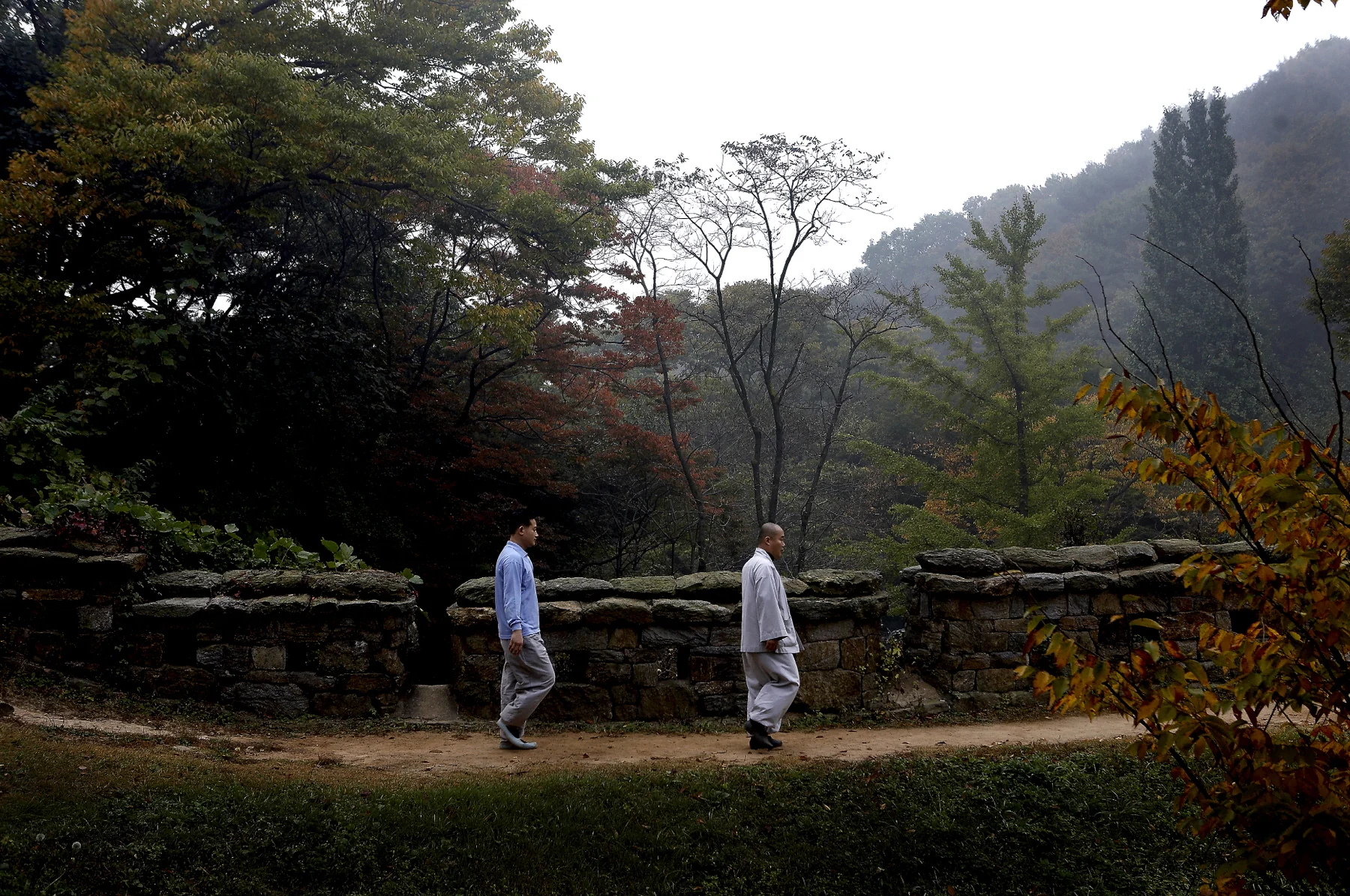
The site also deserves ordinary temple etiquette. Keep voices down away from performance areas, do not treat worship spaces as stage sets, and leave clear access during Yeongsan Daejae. Visitors comfortable with those constraints get a coherent half-day or full-day visit. Those seeking a large commercial festival with constant entertainment, extensive food listings and rail access will likely find the programme too small and the journey too involved.