
Autumn · Seoul · Field listing
Seoul Architecture Festival 2026
The essentials first: whether it is open, what it costs, how hard it is to reach and what to expect if you do not speak Korean.
When
Sep 15 — Oct 11ConfirmedConfirmed dates
Where
Bium Hall, B3, Seoul Hall of Urbanism and Architecture, Jung-guSeoul
Admission
FREEGeneral admission to the exhibition and festival venue is free. The confirmed 2026 open class, architecture forum, office visits and award-building tours are also free, but the limited-capacity citizen programmes require advance online reservations.
From Seoul
About 10 minutesTake Seoul Subway Line 1 one stop from Seoul Station to City Hall Station, then use Exit 3; the exhibition hall is about 90 metres from the exit.
Day trip
DOABLE IN A DAYThis is a central-Seoul daytime event: the main hall closes at 18:00 and is one subway stop from Seoul Station. No overnight stay is needed specifically for the festival.
Hours
10:00-18:00
Organiser
070-7178-5840
Is this one for you?
Who it suits. This suits visitors who already care about architecture, urban planning or how Seoul changes, and who are comfortable reading drawings and project displays at their own pace. It is a weak choice for anyone wanting food stalls, performances or an outdoor spectacle, since the confirmed core is an indoor awards exhibition and discussion programme. Families expecting a lively street festival will likely leave disappointed.
When to go. The free Bium Hall exhibition can be seen on any open day within the September 15 to October 11 run, though the venue's standing information says it closes on Mondays, so avoid September 21 and 28 and October 5 unless you have confirmed otherwise. The richer moments are the limited-capacity sessions, such as the September 18 evening open class and the September 22 and 23 building and office tours, which fill on first-come reservations and are worth booking well ahead. Come for the exhibition alone if you cannot secure one of those places.
LOCAL WEATHER
Weather near the festival
The festival date is outside the current forecast window. Check again closer to your trip.
Korea Meteorological Administration forecast
Need something we do not list — a stall menu, a parking gate, a last bus? The Korea Travel Helpline answers in English around the clock: dial 1330 inside Korea, or +82-2-1330 from abroad.
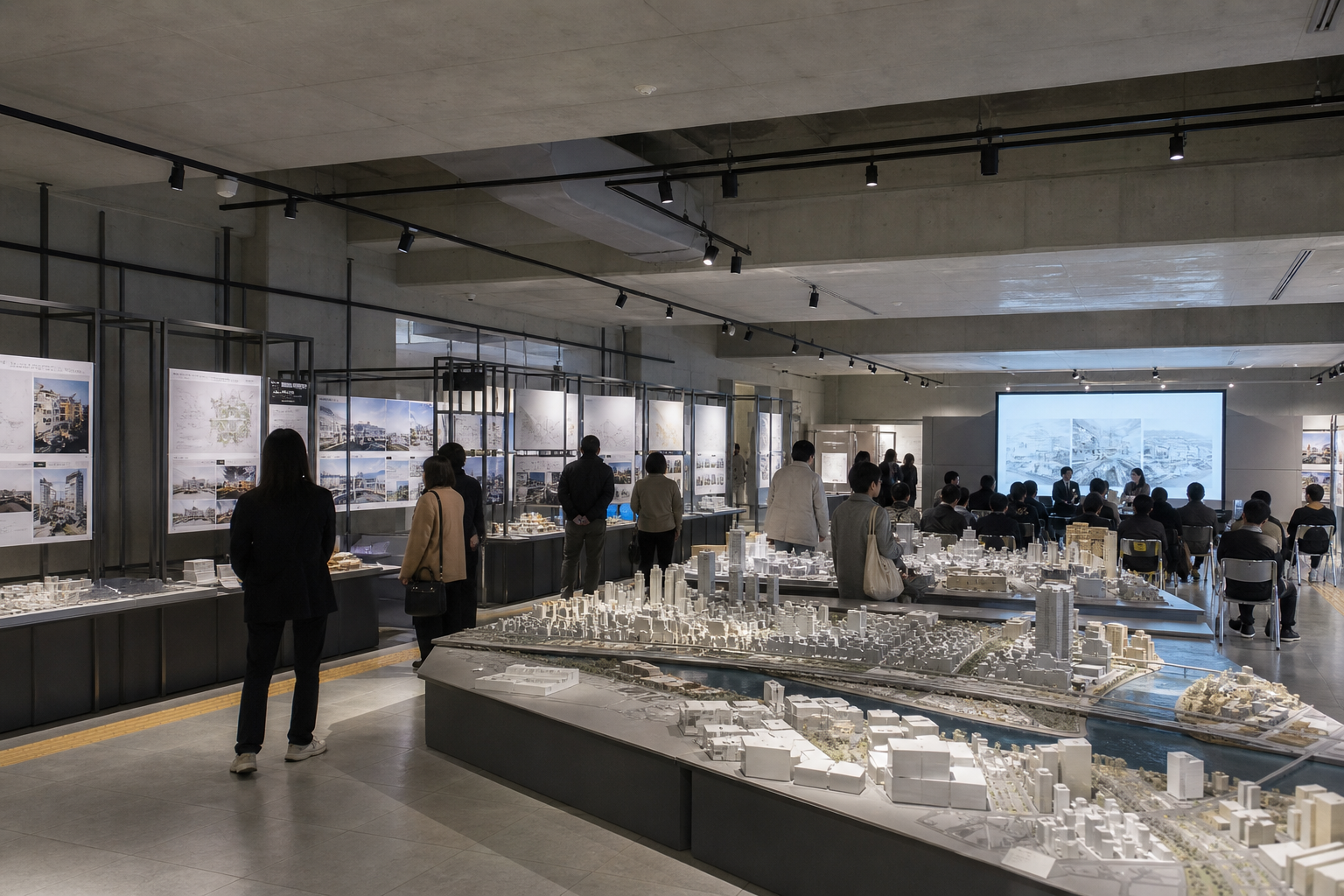
Seoul Architecture Festival is a 27-day indoor exhibition and public programme rather than a conventional street celebration. The 2026 edition is the eighteenth, and its core material comes from the 44th Seoul Architecture Awards. Ten completed projects and ten student proposals were selected this year, then placed in a wider programme of talks, building visits and professional-office visits about how Seoul is designed and changed.
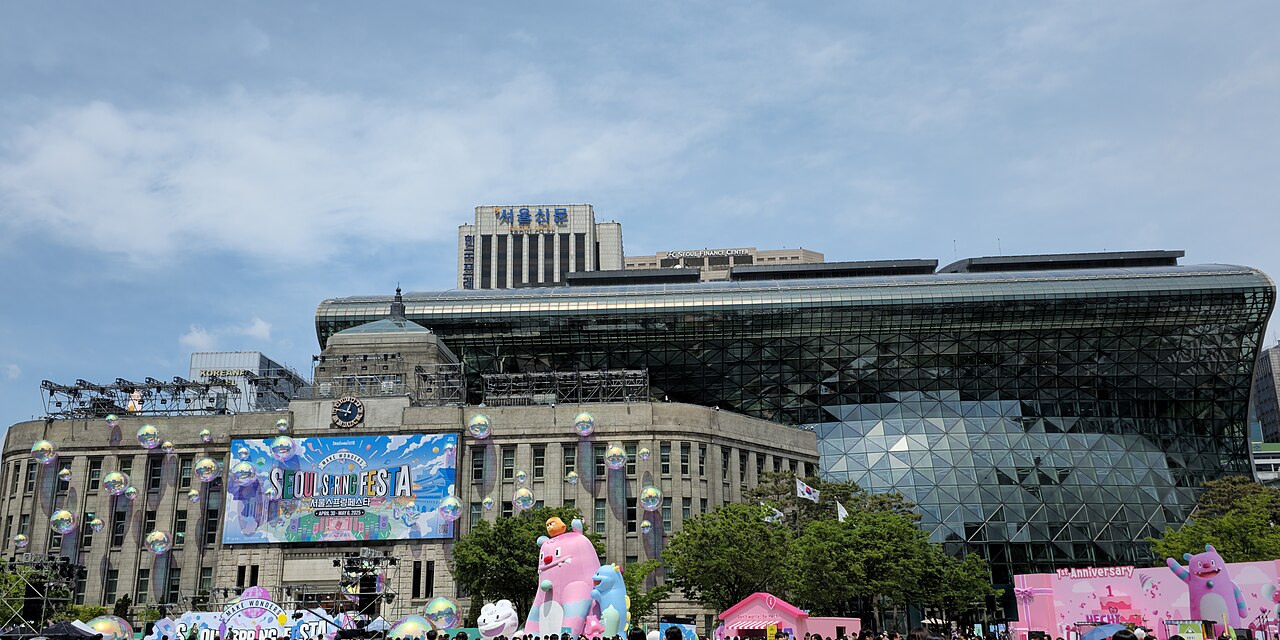
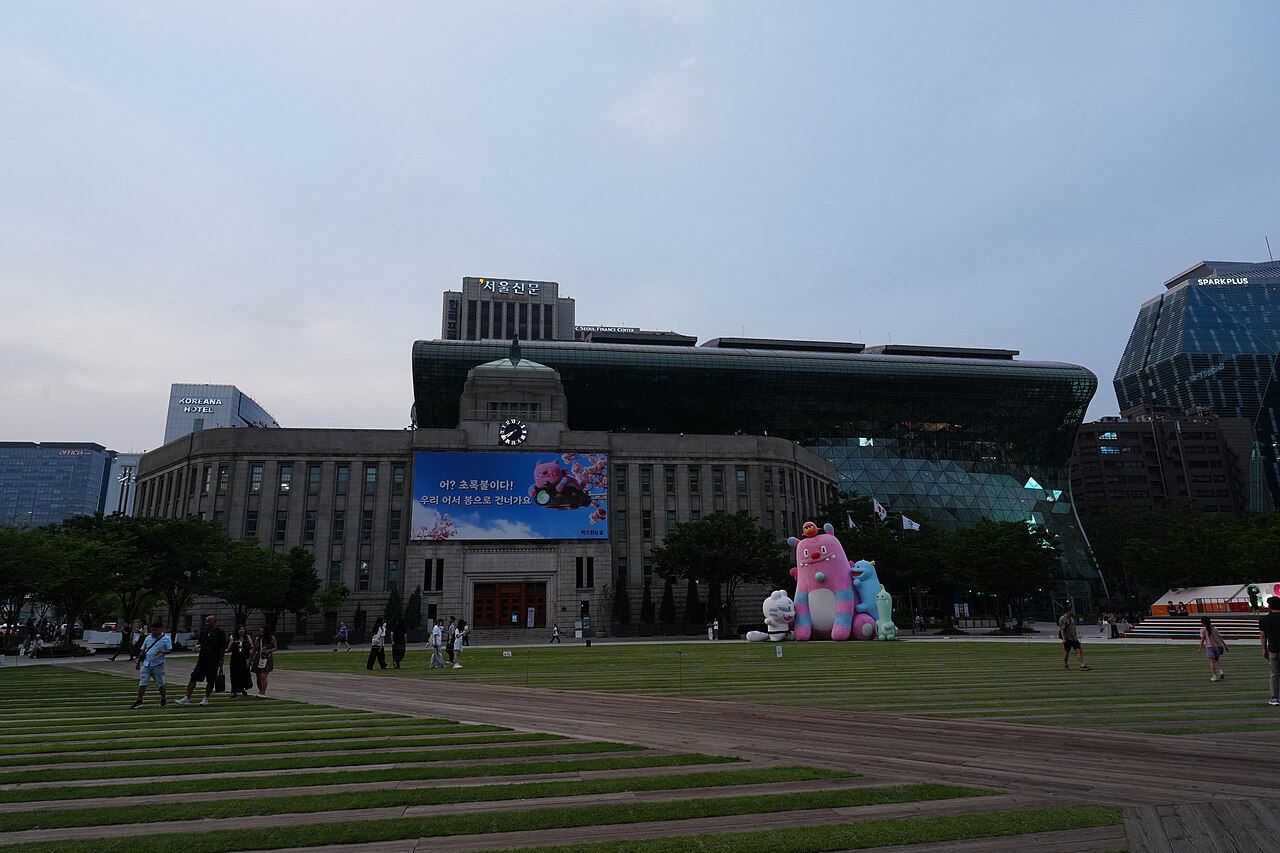
The main venue is Bium Hall on basement level 3 of the Seoul Hall of Urbanism and Architecture, beside Seoul Plaza. Several bookable sessions take place elsewhere. An “award-building tour” meets at the building named on its reservation page, not automatically at Bium Hall.
What you actually do here
Start with the architecture-award exhibition in Bium Hall. This is the part you can visit at your own pace. The city has confirmed 20 award selections across two categories: ten completed buildings and ten student ideas. The completed category includes the grand-prize Seosoul Museum of Art in Geumcheon-gu, two top-prize projects—the new Seoul Metropolitan Office of Education building and Art Center RIM—and seven other award recipients. The student category, introduced this year, ranges from a proposal about restoring and using the Hanyang City Wall to ideas for shared urban cores, ecological systems and leftover city spaces.
The exhibition puts public buildings, cultural facilities, houses, offices and speculative student work in the same room. Drawings, photographs and presentation material let you compare what was built with what younger designers think Seoul could become. The city also says the award exhibition includes selected UAUS university pavilion work first shown at Gwanghwamun Square in August. Only the award-winning work, not all 25 original pavilions, is promised.
The theme is “Assembling Seoul: Discovering Seoul.” The city’s theme statement frames Seoul through three connected ideas: the density produced by layers of history, culture and locality; rapid adaptation built on what the city has already accumulated; and the meeting of local context with global architectural currents. In practical terms, read the displays for how each project deals with its street, neighbourhood and users, rather than treating the buildings as isolated objects.
Allow about 60 to 90 minutes for an unhurried pass through the exhibition. That is an editorial planning allowance, not an official timed route. Add more time only when you have a confirmed reservation or a published forum time; the 10:00-18:00 venue hours do not mean talks run continuously.
Programme and timetable
The confirmed public programme has three layers. The exhibition runs from September 15 to October 11, with published venue hours of 10:00-18:00. Seoul’s standing venue guide says the hall closes on Mondays. Because the festival listing does not publish a separate Monday exception, check before attempting a visit on September 21 or 28, or October 5.
The clearest fixed event at the main venue is the open class on Friday, September 18, 17:00-19:00 in Bium Hall. It brings together festival director Hyung-gul Kook and the architects behind the three highest-ranked completed works: Chanjoong Kim of The System Lab for the Seosoul Museum of Art, Wonseok Lee of W Architects for the Seoul Metropolitan Office of Education building, and Jungho Kim of MONO Architects for Art Center RIM. The session is described as a discussion of design intent, design ideas and architectural value. Capacity is 80.
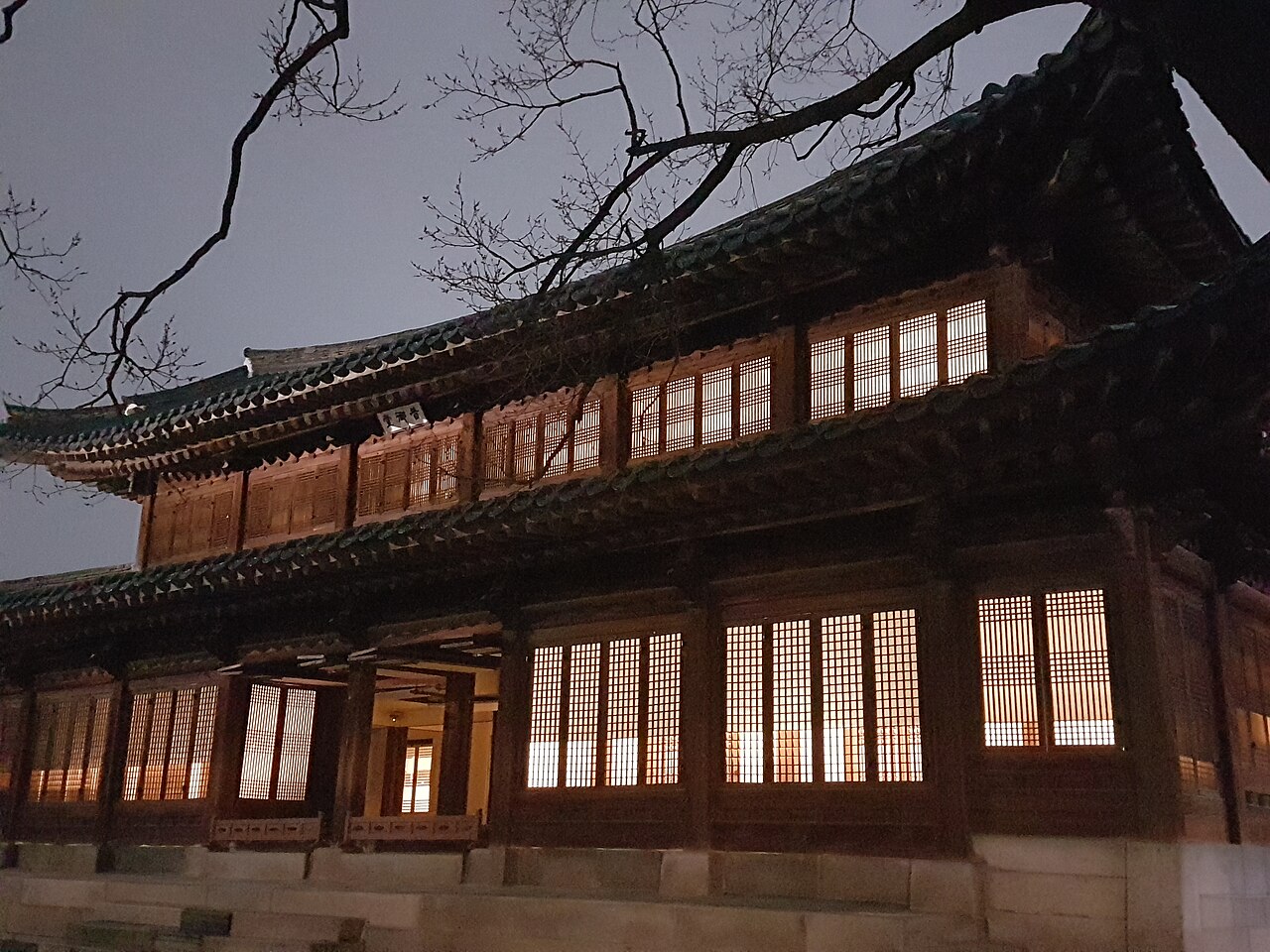
Small off-site sessions turn the awards into actual building visits. A confirmed open-office visit goes to The System Lab in Seongsu at 14:00 on Tuesday, September 22. The confirmed grand-prize building tour visits the Seosoul Museum of Art at 14:00 on Wednesday, September 23; its meeting point is the museum in Geumcheon-gu, 266 metres from Geumcheon-gu Office Station Exit 1. The reservation system also lists tours of the Seoul Metropolitan Office of Education building, Studio Paranoid Office and Seoul Theater Creation Center, plus a W Architects office visit and an architecture forum. Check their individual pages for the date and meeting point rather than assuming all sessions happen at City Hall.
The Korea Tourism Organization additionally names an architecture culture forum, open classes and support programming for prospective young architects. Those categories are confirmed, but a single complete English day-by-day grid was not available at this update. This guide therefore does not assign unverified times to the forum or youth programme.
Tickets, fees and booking
General admission is free, and ordinary exhibition viewing does not have a published reservation requirement. The scheduled citizen programmes are also listed as free, but free does not mean walk-in. Seoul Public Service Reservation marks them first-come, online reservations with small capacities.
For the September 18 open class, applications run from 10:00 on September 4 to 17:00 on September 17, subject to the 80-person limit. The System Lab office visit accepts no more than 15 participants and lists applications through 17:00 on September 21. The Seosoul Museum of Art tour likewise has a maximum of 15 participants and lists applications through 17:00 on September 22. Each reservation permits one applicant, and cancellation is available until one day before the session.
The booking notice says first-time users of Seoul’s reservation service must create an integrated Seoul account and complete mobile-phone identity verification. That is a practical barrier for some short-term visitors, so do not build the whole visit around a limited session until the booking has actually gone through. If a reserved participant cannot attend, the city asks them to cancel online; cancellation by separate phone call or email is not offered. The notice also warns that an unexplained no-show can affect access to other public reservation programmes.
Photography is another point worth knowing before booking. The city states that citizen sessions may be photographed for content production and records, and participation is treated as agreement to use one’s likeness; declining may make participation in part of the programme difficult. That applies to the organised sessions described in the reservation notice, not a claim about a general ban or permission for visitor photography in every exhibition area.
Getting there without a car
From Seoul Station, take Line 1 one stop to City Hall Station. The train ride itself is about two minutes; the official city tourism guide places the Seoul Hall of Urbanism and Architecture 90 metres from Exit 3. Allow roughly ten minutes once waiting and the short walk are included.
Several city buses also stop around Seoul Plaza and City Hall. The official reservation page lists airport buses 6005 and 6701; trunk routes 103, 150, 172, 401, 402, 405, 406 and 472; branch routes 1711, 7016 and 7022; and Jongno village buses 09 and 11. Routes can change, so use the stop information as a cross-check rather than a substitute for live navigation.
The subway remains the simplest arrival from the main rail station. The hall is at 119 Sejong-daero, directly beside Seoul Plaza, and the festival space is downstairs in Bium Hall on B3. City Hall Station serves both Lines 1 and 2, which also makes this an easy short visit from Jongno, Euljiro or western Seoul without returning to Seoul Station first.
Do not use the main-venue directions for an off-site reservation. The September 22 office visit meets in Seongsu, and the September 23 museum tour meets in Geumcheon-gu. The reservation page gives the exact address and nearest exit for each. Treat these as separate journeys across Seoul and leave transfer time between them and Bium Hall.
Parking and traffic
There is no festival shuttle to plan around. More importantly, the official open-class notice explicitly says parking is not available at the Bium Hall programme and asks participants to use public transport. The off-site notices similarly recommend transit and say the organiser cannot support parking fees; the System Lab listing states that parking is unavailable there as well.
That is enough reason to leave a car out of the plan even without predicting road congestion. Seoul Plaza, City Hall and Deoksugung concentrate civic buildings, bus stops and visitors in a compact area, while the entrance is only a one-minute walk from City Hall Station Exit 3 according to the reservation page. No 2026 festival-specific road closure has been published, so this guide does not claim one.
Food nearby and a Seoul specialty
The confirmed programme is an exhibition-and-talk event, and no official 2026 source checked for this update promises a festival food zone. Eat outside the venue rather than arriving with the expectation of stalls in Bium Hall.
For a documented Seoul food, seolleongtang is the relevant local specialty in this guide. Seoul Future Heritage identifies the milky beef-and-bone soup as a native Seoul dish that spread through the city in the early twentieth century. It is normally served with rice and sliced beef, with seasoning adjusted at the table. That is regional context, not a claim that the festival sells it or that one particular nearby restaurant has been checked.
Day trip or overnight
This is firmly a day-trip event for anyone already staying in Seoul. The main exhibition closes at 18:00 and sits one subway stop from Seoul Station, so the festival creates no transport reason to book a separate night. A straightforward plan is the exhibition followed by Deoksugung, Seoul Plaza or another central museum; verify those attractions’ own admission and closing days separately.
If a booked architecture tour is the priority, structure the day around its actual district. Seongsu and Geumcheon-gu are not extensions of a short City Hall walk. Visit the central exhibition before or after only when the transit time and 18:00 closing hour leave a comfortable margin.
Honest assessment
This is a useful stop if you already care about buildings, planning or how Seoul changes. It is less convincing as a general festival outing: the confirmed core is an indoor awards exhibition and discussion programme, not food stalls, performances or a large outdoor spectacle. Its advantage is precision. You can compare 20 award selections in one place, then hear the highest-ranked architects explain their own work or reserve a visit to a building or studio.
The small-group programme is also the main limitation. Fifteen places for an office or building visit can disappear quickly, and the required Seoul account and phone verification may make booking awkward for an overseas visitor. The exhibition is the dependable fallback: it is free, central and does not carry the same published reservation requirement.
Do not turn up for a particular talk or tour based only on the overall 10:00-18:00 opening hours. Those hours describe the festival venue; scheduled programmes have their own times, capacities and meeting points. Monday also needs checking because the hall’s normal visitor information says it closes Mondays while the festival record does not spell out a separate exception.
Crowd claims need proportion. The city reports 12,612 visitors for the 2025 festival and 36,635 for 2024, but those editions used different venues, durations and formats, so neither number predicts an hour-by-hour 2026 crowd. The evidence that matters more is the published capacity: 80 for the open class and 15 for individual tours. Reserve those promptly, but there is no verified basis for describing the ordinary Bium Hall exhibition as continuously packed.
Local specialties to try
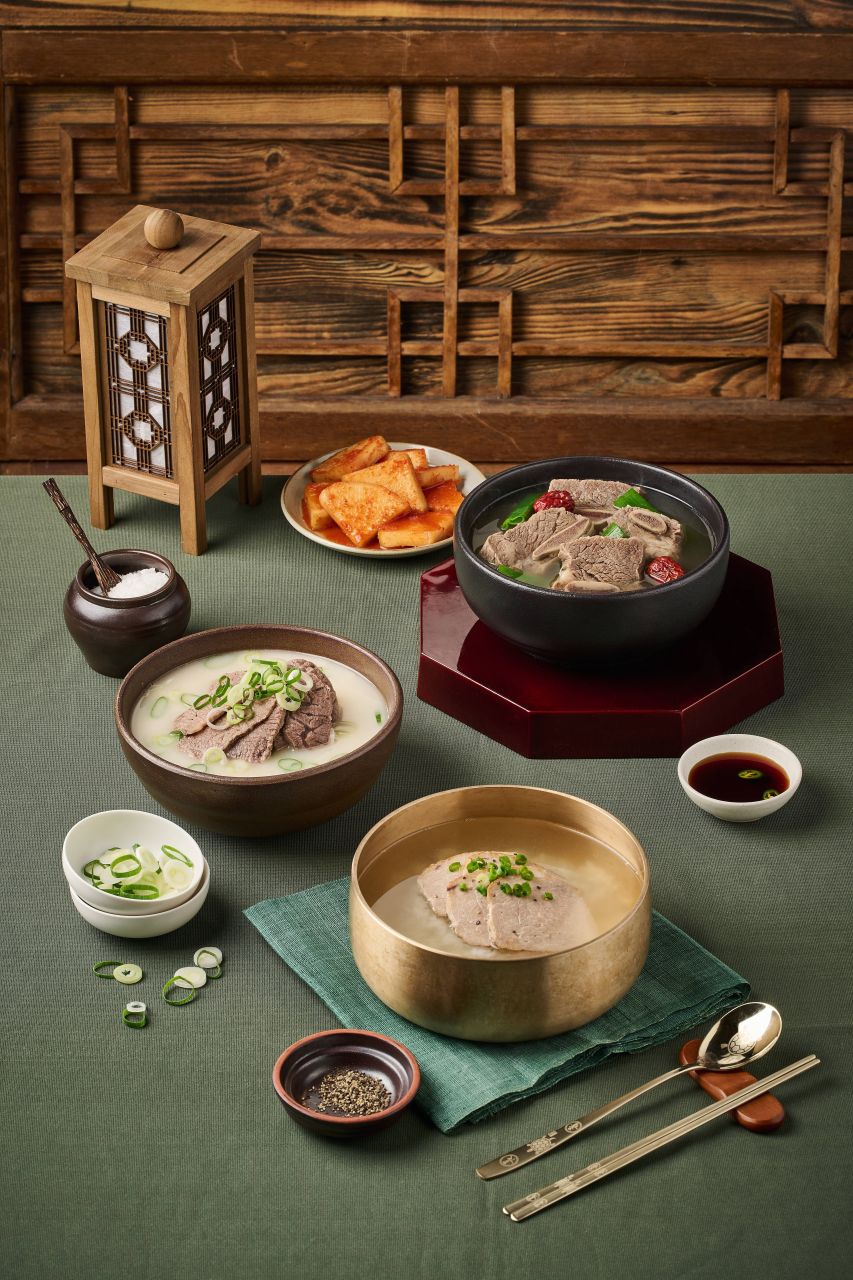
Seolleongtang (설렁탕)
A long-simmered beef-and-bone soup with a pale, milky broth, usually served with rice and sliced beef. Seoul Future Heritage identifies it as a native Seoul food that spread across the city from the early twentieth century.
Questions worth asking
Is this an outdoor street festival?
No. The confirmed main venue is Bium Hall on basement level 3 of the Seoul Hall of Urbanism and Architecture. The 2026 tourism listing describes an exhibition and forum rather than a street fair.
What is the 2026 theme?
The Seoul Metropolitan Government gives the theme as ‘Assembling Seoul: Discovering Seoul.’ Its architecture-award notice says the festival examines Seoul's own urban experience through local context, everyday life and its intersection with wider architectural currents.
Can I visit on a Monday?
Do not assume so. The venue's standing visitor information says it closes on Mondays, while the festival's tourism record gives 10:00-18:00 without listing day-by-day exceptions. Check the official notice before planning for September 21 or 28, or October 5.
Do I need to reserve?
Not for ordinary exhibition viewing. Reserve the limited citizen programmes separately through Seoul Public Service Reservation: the confirmed open class takes 80 people, while the listed office visits and award-building tours take no more than 15 people per session and close on a first-come basis.
Is parking available at the festival venue?
The official reservation notice says parking is not available for the Bium Hall programme and asks visitors to use public transport. It also says parking fees at off-site programme locations are not supported.
Before you goFestival Etiquette in Korea: What Visitors Get WrongBooking KTX Trains and Intercity Buses as a Foreign VisitorGetting Out of Incheon Airport and On to a FestivalKorean Festivals With Children: Toilets, Strollers and TimingStaying Online in Korea: SIM, eSIM and the Apps That MatterEating at a Korean Festival Without Speaking KoreanRain, Typhoons and Cancelled Festivals: How to Plan Around ThemHow to Pay for Things in KoreaT-money and Transit Cards in KoreaWhat to Wear to a Korean Festival, Season by Season
LAST UPDATED · Sep 10, 2026