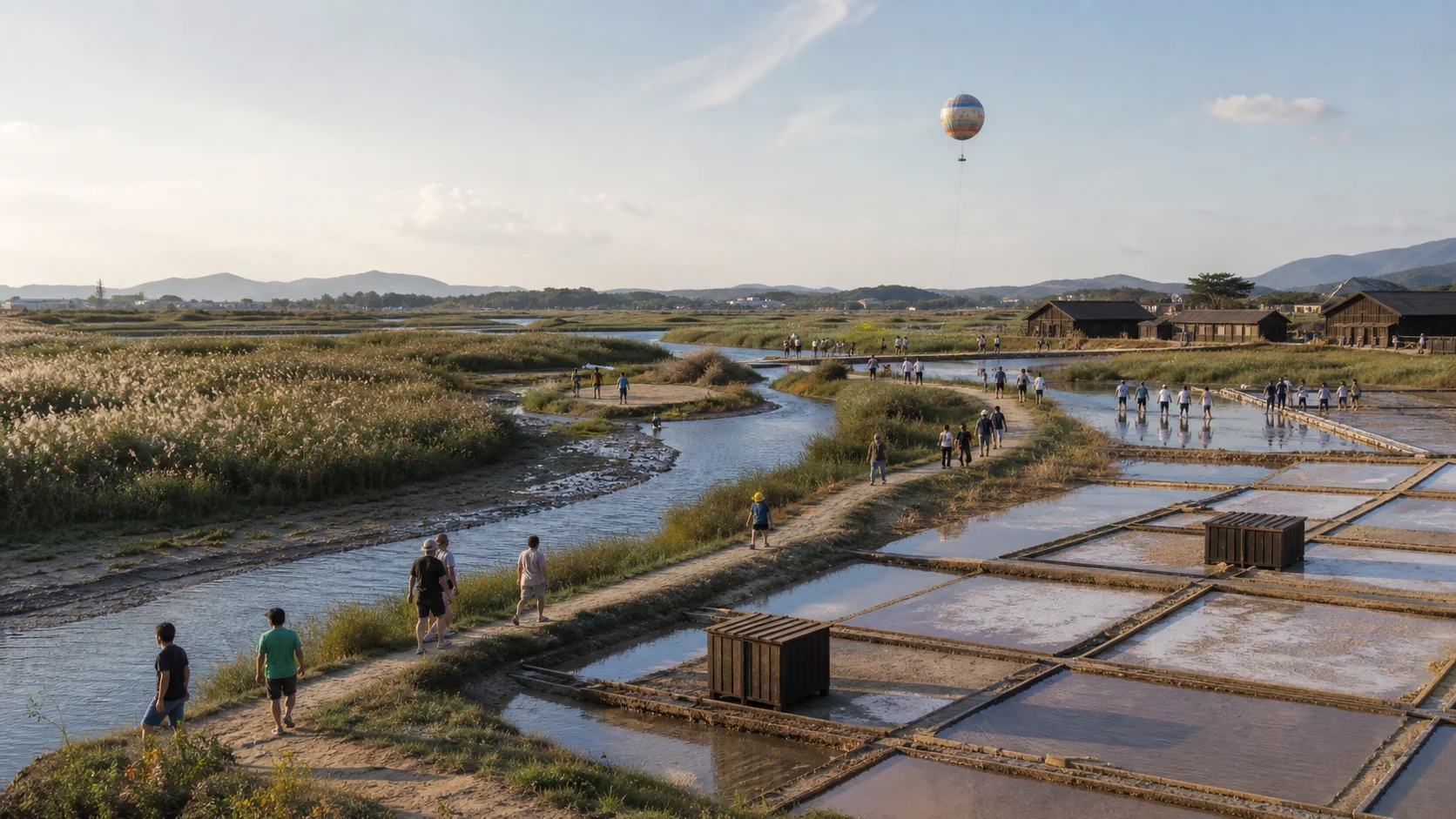
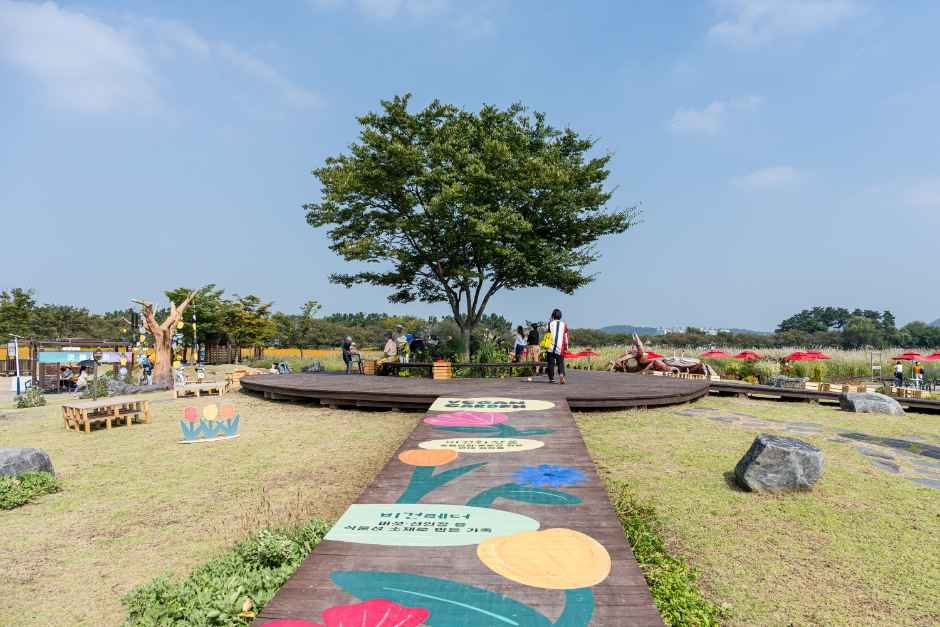
Siheung Gaetgol Festival uses a wetland park and former salt fields rather than a paved town centre. Its programme centres on salt-making, ecology, outdoor music and a nightly salt-pan performance. It is close enough to Seoul for a day trip, but the last leg requires a festival shuttle. The 2026 event runs September 18-20, daily from 09:00 to 21:30; a re-check eight days out (10 September) confirmed the dates are unchanged and the event has not been postponed or cancelled. Siheung City runs this year under the theme “Paths drawn by the sea, art made by the wind”, laying out 21 programmes along eight named theme roads.

What you actually do here
During the day, start around the old salt pans. The guided salt-farm activity lets participants use the traditional long-handled tool to gather salt while hearing an explanation of the process. It runs in 40-minute sessions from 10:00 to 16:40, with a midday break. Capacity is 40 people per session, and wristbands are distributed on site on a first-come basis. Sunday sessions from 13:00 to 16:00 are omitted while the Siheung Salt Festival uses the salt pans.
The less structured alternative is Salt Play and the Barefoot Salt Road, open from 10:00 to 17:00. It requires no advance reservation or fixed session; visitors use the designated salt-play area under staff direction. Operation can change after rain or when the condition of the salt pan is unsuitable. That qualification matters more here than at a paved craft booth.
Families have several programmes that do not depend on the salt pan. Gaetgol Exploration groups start at 13:00 and 15:00, while the playground operates from 10:00 to 17:00 without advance booking. The Sea Pool combines water play with DJ sets and a 15:00 magic show; aqua shoes and adult supervision for children are required.
The salt-warehouse puppet theatre is a small-capacity option on Saturday and Sunday: 30-minute performances begin at 11:00, 13:00 and 15:00, with 40 places per session. Tickets for the first two shows are distributed from 10:00 and tickets for the last show from 14:00. They are free, but the organiser releases only five standby numbers after a session fills and can reassign a place if its holder has not arrived five minutes before curtain time.
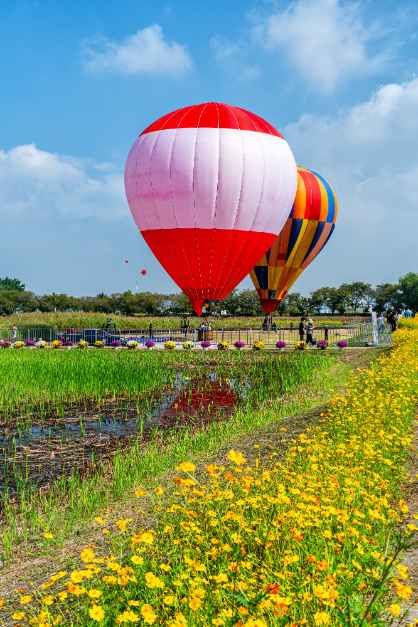
The tethered hot-air-balloon is the most visible paid activity. Sessions run 09:00-12:00 and 16:00-21:00, registration is in person, and the price is 10,000 won per rider. It is a five- to ten-minute tethered ascent to about 30 metres, not a free-flying trip. Wind and rain can suspend it.
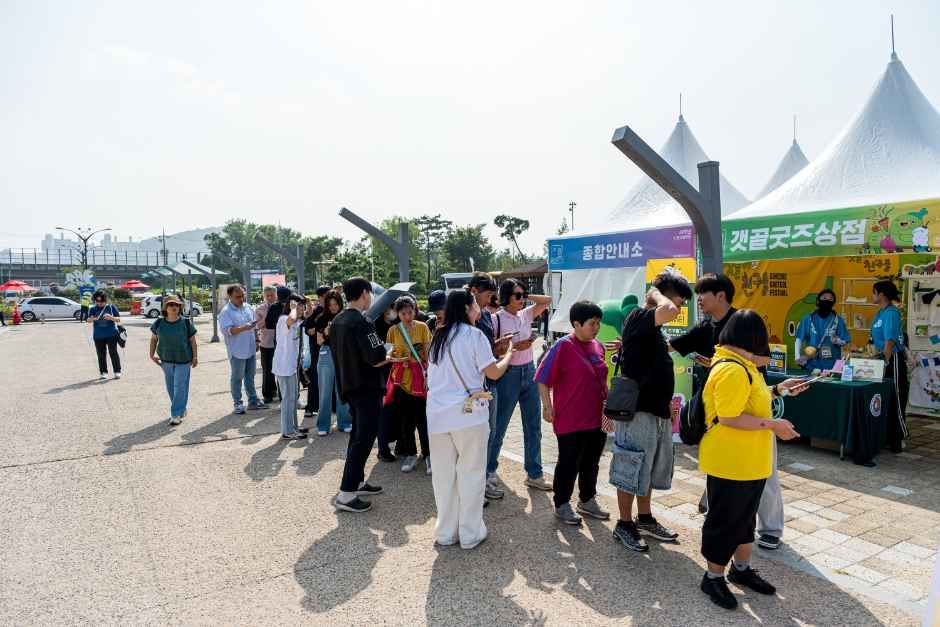
The 2026 layout is organised along eight named theme roads—Gaetgol-daero, the Ecology, Life and Salt-Pan roads, Wind Road (the balloon area), Lawn Road (the concert stage), Food Road and the “Home” route—so choose a few activities instead of treating the festival as one compact row of booths. The stamp rally is a practical way to make a circuit: collect the dedicated postcard at the information centre, visit four marked stations and return there for completion. Rewards are limited and first-come, so the route remains available even after prizes run out.
Programme and timetable
The schedule contains 51 timed entries over three days, plus activities that run continuously from 10:00 to 17:00. Friday has 13 timed entries; Saturday and Sunday each have 19. Across all three days the basic rhythm is stable: balloon rides begin at 09:00, salt play and salt-farm sessions start at 10:00, afternoon family activities and small performances overlap, the lawn concert begins at 18:30, and the night ends on the salt-pan stage.
The concert line-up changes by date. Friday’s confirmed openers are local and regional acts—the Kim Si-young Band, Sim Myeong-gi, Trinity and the Hanultari acoustic-guitar group; Saturday brings Zoo, Bicycle Riding Scenery and Travel Sketch; Sunday lists Park Hye-kyung and Seo Young-eun. Each concert occupies the lawn from 18:30 to 20:30.
Memories of Salt, Dance of Water follows every night on the salt-pan stage. Part one runs 20:30-20:55; part two runs 21:00-21:25. That five-minute break does not create useful transfer time—it is one two-part finale at the same venue. The official daily operating window ends five minutes later at 21:30.
The pine-grove music festival is a smaller daytime option at 14:00 and 15:30, with free viewing and no reservation. Ensembles vary by day, and weather can alter these outdoor performances.
Sunday has one event tied directly to the site’s history. The ninth Siheung Salt Festival begins at 14:00 at the salt-experience area and replaces the usual afternoon salt-gathering sessions. Siheung City announced traditional salt-making culture and performances for that event; it is part of the Sunday programme, not a separate venue elsewhere in the city.

Tickets, fees and booking
There is no general gate ticket. KTO records admission as free with some paid experiences, and the organiser publishes 10,000 won per person for the balloon. No complete 2026 price table covers all 21 programme types, so this guide does not convert “free entry” into a promise that every booth is free.
Several activities have clear participation rules. Salt-farm sessions and the puppet theatre are free but capacity-controlled through same-day wristbands or tickets. The balloon is paid and accepts same-day registration. Salt play, the playground and pine-grove concerts require no advance reservation. The slow post office is limited to 500 visitors across the three days and sends its supplied postcard one year later.
The walking event uses advance applications. Friday’s routes from Siheung City Hall and Sinhyeon stations are limited to Siheung residents. Saturday’s approximately 4.8-kilometre park walk is open to visitors, is free, and also takes same-day registration from 09:30. Do not plan Friday’s walk as a general tourist transfer.
Food on site and nearby
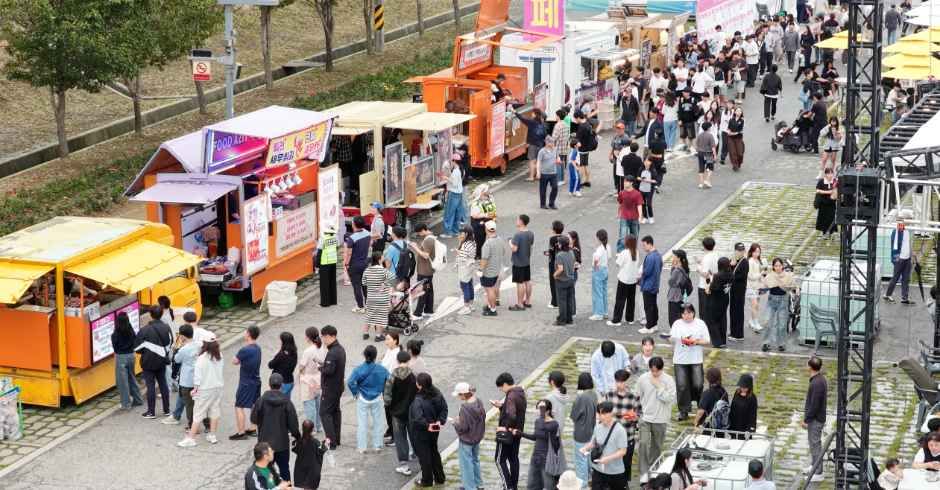
The 2026 map confirms food zones on Misik-ro and the salt-pan route, along with a farmers’ market, sharing market and flea market. It does not yet publish a vendor-by-vendor menu, prices, dietary labels or payment methods. Bring enough flexibility to eat what is actually posted on the day, and do not rely on a particular dish being sold inside.
On Saturday and Sunday, some stamp-rally finishers can choose a mini water-parsley chicken burger voucher. It is a limited reward rather than a reliable meal plan; other promotional items replace it when the allocation is gone.
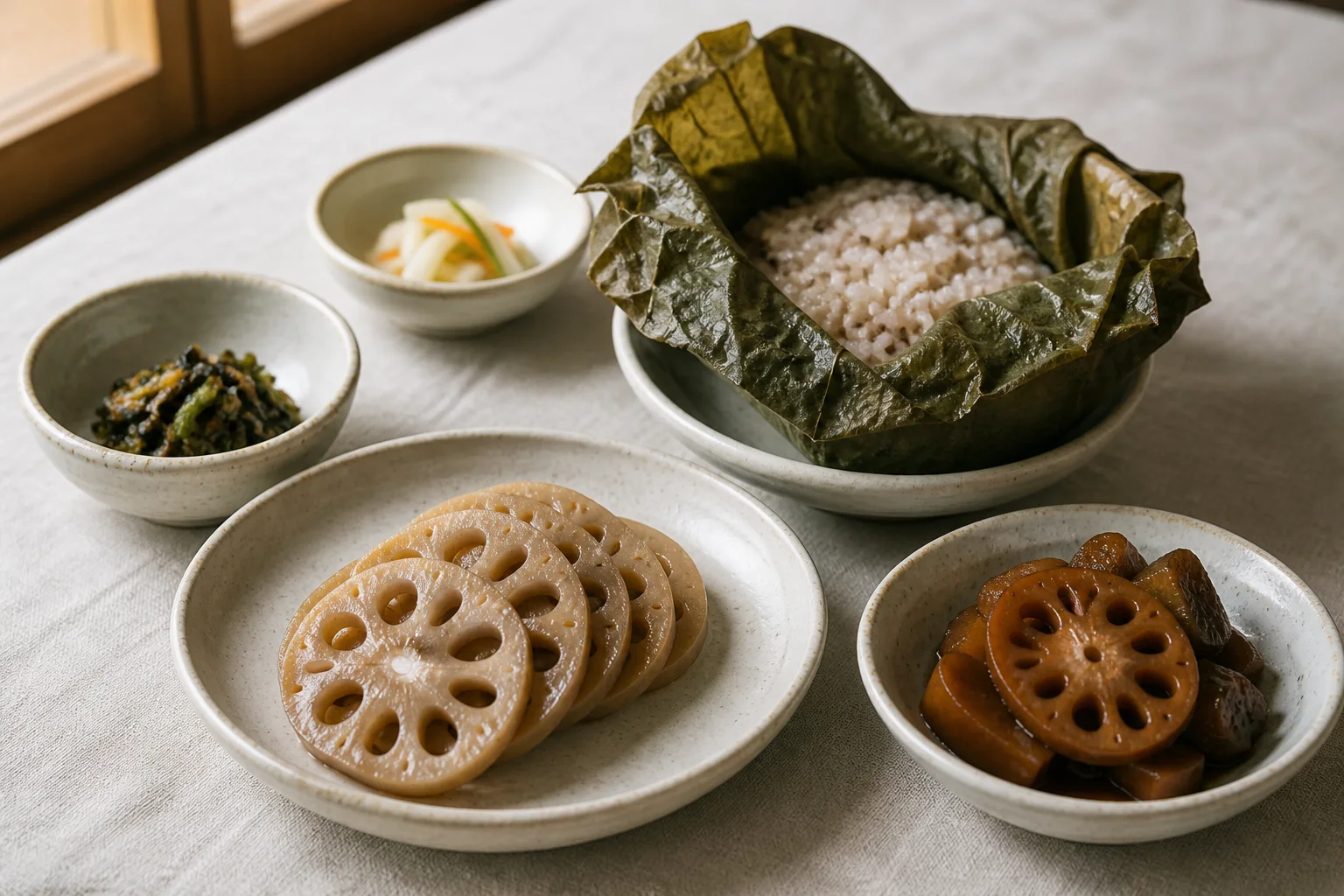
For a regional specialty away from the temporary stalls, Siheung’s lotus-food tradition is the defensible choice. Lotus cultivated around historic Gwankokji is used locally in preparations involving root, leaf and seed. The form varies—this is a category of local cooking, not one standard plate—and the festival has not promised that it will appear in its food zone.
Getting there without a car
From Seoul Station, take Subway Line 1 toward Incheon to Sosa, then change to the Seohae Line for Siheung City Hall Station. Published route estimates put the rail journey at around an hour depending on the connection. Allow about 90 minutes from Seoul Station to the festival in a trip plan because that includes the interchange, walk to the shuttle stop and an unpredictable last-mile wait; it is not a guaranteed end-to-end timetable.
Cross from the station to Siheung City Hall’s main gate for the dedicated shuttle. On Friday, this is the only one of the four festival shuttle routes operating: buses run every 15 minutes from 08:30 to 22:00. On Saturday and Sunday, the same route runs as frequently as demand requires at roughly five- to ten-minute intervals. Weekend-only shuttles also serve Oido Station exit 2 via Lotte Mart Baegot, Sincheon Station exit 5 via the stop opposite Eungye Breeze Hill, and Mokgam Eoullim Center. Those three run every 30 minutes from 09:00 to 22:00.
The nightly programme ends at 21:30. Current Seohae Line service continues from Siheung City Hall later than that, making a Seoul return possible, but leave slack for the shuttle and the change at Sosa instead of aiming for a specific train immediately after the final performance.
Parking, shuttles and traffic control
“Car-free” describes the festival grounds, not a complete prohibition on arriving in Siheung by car. For 2026 the organiser has confirmed a fleet of 44 hydrogen-electric shuttle buses serving the four routes above, and Siheung City has announced full vehicle traffic control on the roads immediately around the eco park while the festival runs—another reason to arrive by shuttle rather than drive to the entrance. Only 20 accessible parking spaces are listed inside the venue. Everyone else is directed to distributed parking in Janghyeon-dong, Janggok-dong or Neunggok-dong, then continues by shuttle, on foot or by subway and shuttle.
The largest cluster is Janghyeon-dong: 1,317 spaces at City Hall plus 128 in three public lots, connected by shuttle. Janggok-dong has 585 listed spaces and is the walk-in cluster. Neunggok-dong has 210, but drivers must continue by subway to Siheung City Hall and then use the shuttle.
These numbers describe supply, not a promise of an available bay. School lots have restricted hours, some Friday access begins only in the late afternoon, and the distributed plan itself shows why driving to the park entrance is the wrong strategy. Check the official transport page on departure day and navigate to the named satellite lot, not simply to “Gaetgol Eco Park.”
Day trip or overnight
A Seoul day trip is workable. The main City Hall shuttle runs until 22:00, the finale finishes at 21:25 and the Seohae Line continues afterward. The margin is adequate on paper, but it includes no guarantee about the queue that forms when the same audience leaves the salt-pan performance. Stay aware of the route back through the park and do not book a separate late-evening commitment in Seoul.
An overnight stay is optional. It may suit visitors combining early balloon registration with the full night performance, but there is no official festival accommodation programme or preferred hotel list.
Honest assessment
This is strongest for visitors who want the setting as much as the stage programme. The tidal creek, reeds and old salt pans are the point; if you only want a concert, the rail transfer and shuttle add more effort than a Seoul event would. The programme is spread across multiple landscape zones, and the open wetland means more walking and less shelter than the word “park” may suggest.
There is no defensible 2026 attendance forecast. Still, the operating rules identify real pressure points: balloon riders register and queue on site, puppet-theatre capacity is only 40 per session, and the evening audience moves from the lawn concert ending at 20:30 to the salt-pan performance beginning at exactly 20:30. If the finale matters more, leave the concert before its published finish or choose a position that makes the transfer practical.
Weather is not a minor footnote here. Wind or rain can stop the balloon, rain or poor salt-pan condition can restrict salt play, and outdoor concerts may change. A failed balloon attempt does not ruin the day because the salt, ecology and stage programmes provide alternatives, but anyone visiting mainly for that ride should check the official notice and be prepared to change plans.
The most balanced visit starts before lunch, secures any limited same-day ticket first, uses the middle of the day for the salt-pan and ecology areas, eats before the main concert, and commits to one evening stage plan. That approach fits what the organiser has actually published. Claims about easy English service, card acceptance, short queues or guaranteed balloon flights do not; none of those has been checked here.