Soraepogu Festival spreads across Haeoreum Square beside an old fishing port in southern Incheon. It is a large waterfront event rather than a quiet market day: the confirmed 2026 outline includes ecological activities, resident-run programs, performances and exhibitions, night lighting, a family game program and fireworks. A seafood cooking competition using shrimp and blue crab is also scheduled for the opening morning.
What you actually do here
Walk the themed areas around Haeoreum Square, choose among the hands-on ecology programs, and stop at the performance and exhibition spaces. The festival runs from 09:00 to 21:00, so the visit changes character after dark when the lighting and fireworks become the focus. General entry is free, but individual activities can cost extra.
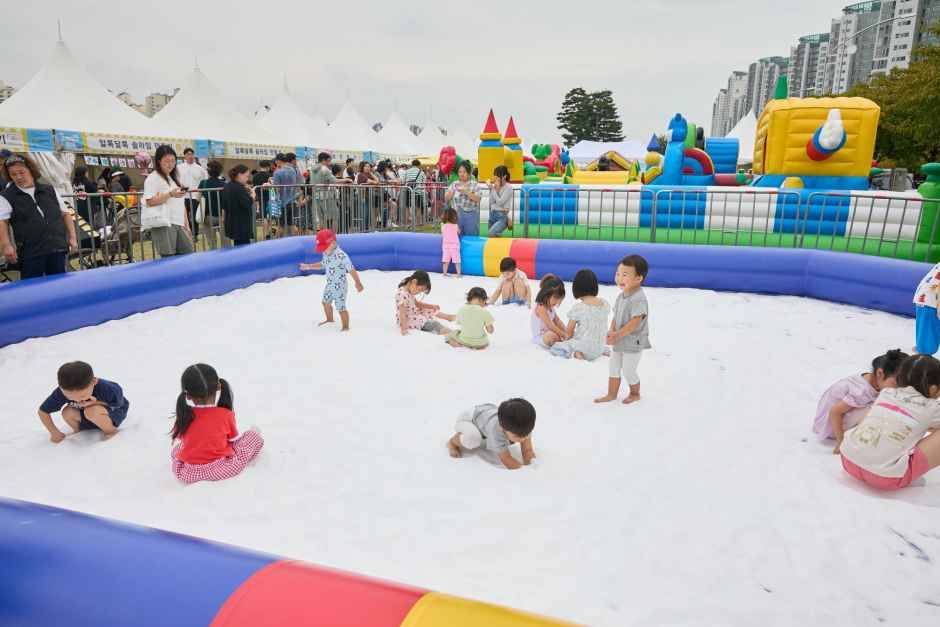
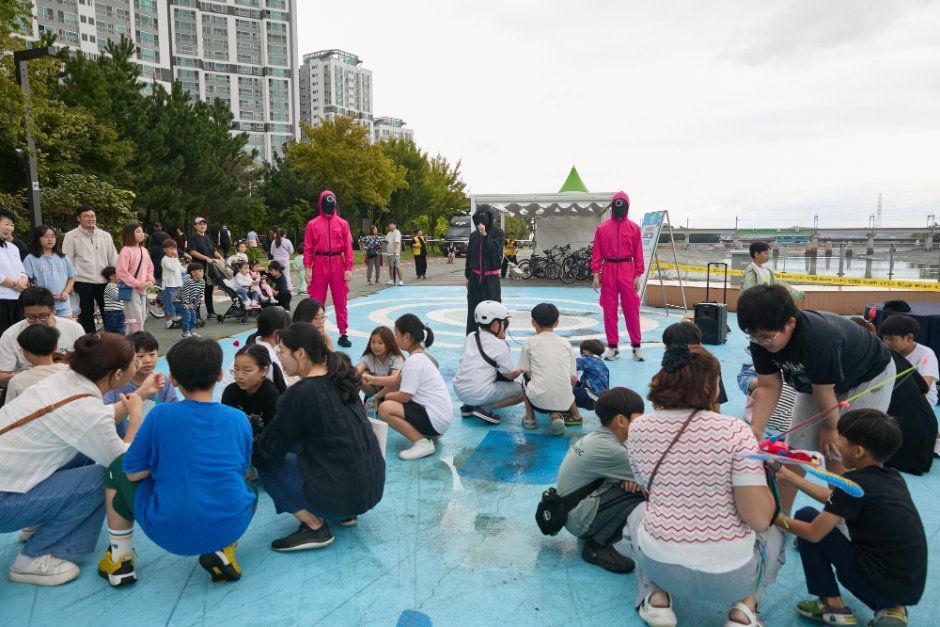
The confirmed ecology activities make the theme more concrete. The 2026 outline names a children’s mudflat playground, a children’s salt playground and a live prawn-catching activity. Resident participation includes making fish-shaped lanterns and a Soraepogu youth drawing contest. A family game programme, cultural performances and exhibitions fill out the day. These are announced programme categories, not a promise that every activity runs continuously or accepts walk-ups; the session grid and registration rules were not available at this update.
The port and fish markets are nearby, but buying seafood is not required to take part in the festival. If you do shop or eat there, ask for the weight and total price before agreeing to an order. The district introduced inspections and published festival-food prices in 2025 after complaints about overcharging and aggressive solicitation; that history makes checking the number before the food is prepared a reasonable precaution.
Programme and timetable
The festival is open 09:00-21:00 on all three days, Friday October 2 through Sunday October 4. Within those hours, only one 2026 event has a reliably published session time so far: the Soraepogu Seafood Cooking Competition final runs on Friday from 09:00 to 13:00 at the festival site around Haeoreum Square. Twenty teams selected through a document-screening round are due to cook dishes based on Sorae seafood such as shrimp and crab. It is a judged competition rather than a visitor cooking class, so do not plan on joining it without having entered during the summer recruitment period.
The wider grounds are divided into themed areas described as a main-stage zone, booth zone, experience zone, art zone, landscape-lighting zone and children’s zone. That layout matters more than it first appears: this is not a single stage where staying in one seat reveals the whole festival. A family prioritising mudflat and salt play should begin at the children’s and experience areas. Someone visiting for performances should locate the main-stage board on arrival, then allow walking time between the waterfront installations and market district.
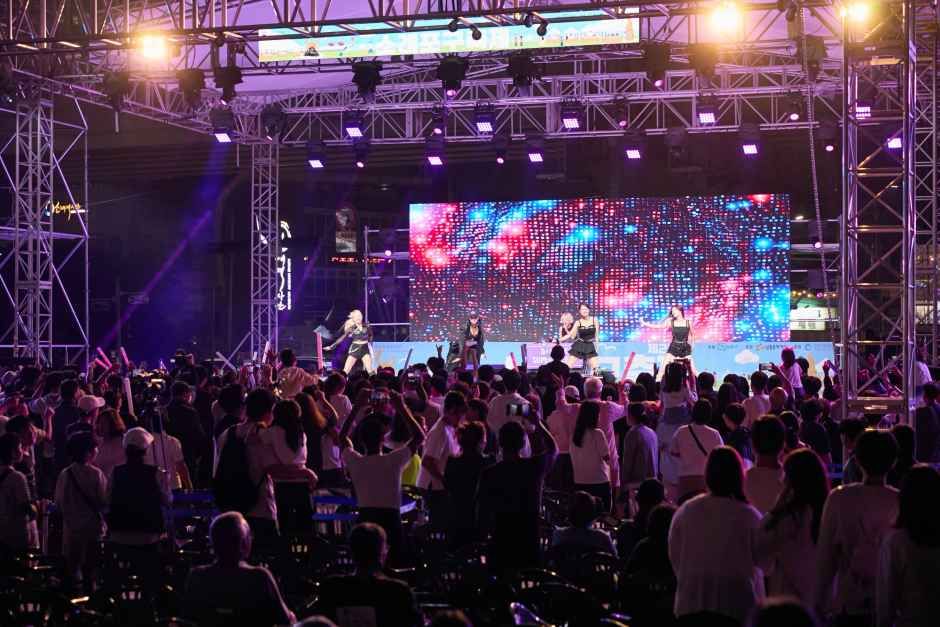
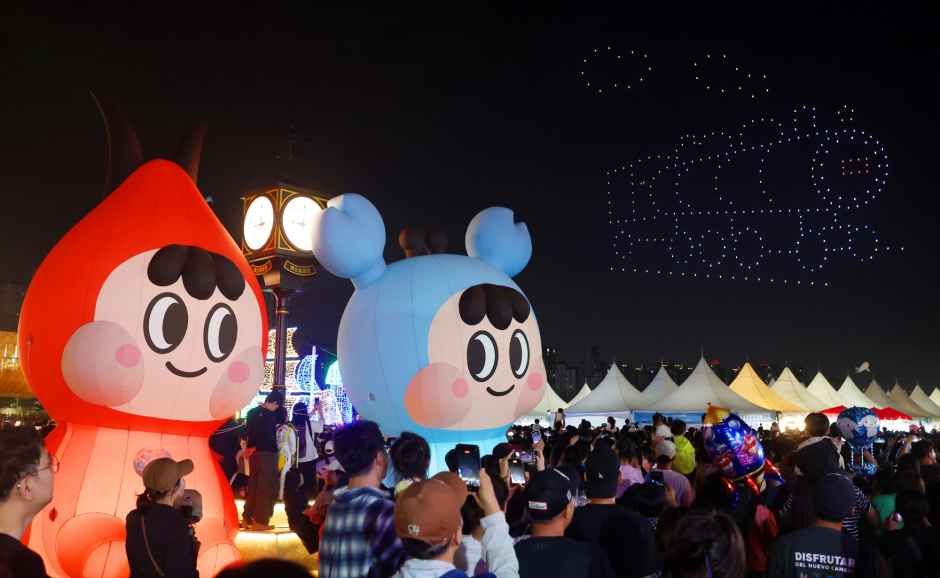
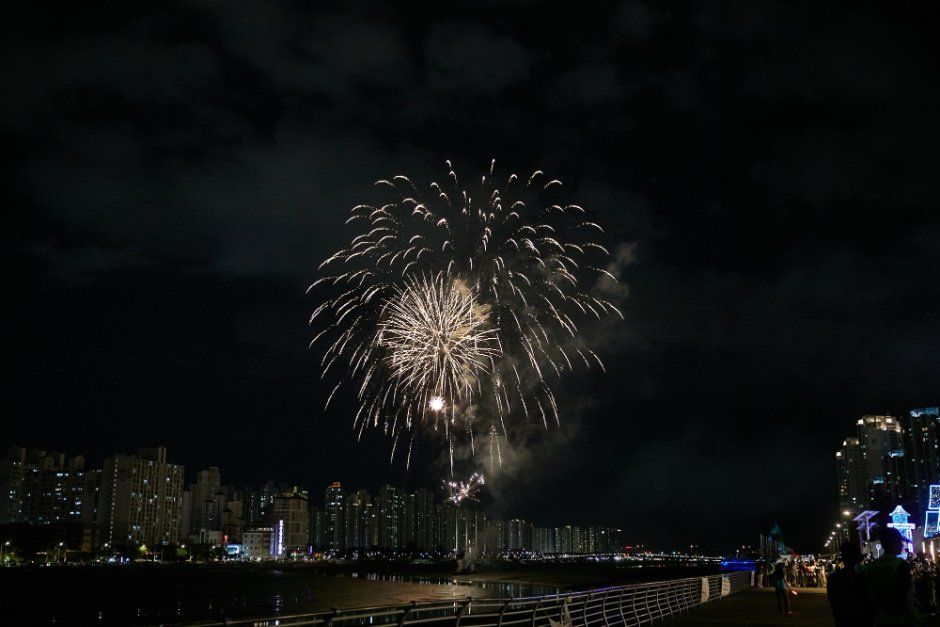
The organiser has announced a fireworks show and nighttime landscape content, but had not posted the exact 2026 firework date or time as of September 7. The same is true of the singer line-up and daily stage grid. Search demand around “2026 line-up” is high, but an unofficial timetable is not a substitute for a programme notice. Check the official blog immediately before the trip, especially if one performer or the fireworks is the only reason for going.
Tickets, fees and booking
General admission is free and there is no gate ticket. The Incheon cultural-event listing gives the event price as free, while the KTO record adds the important qualification that individual activities may charge separately. No complete 2026 booth-by-booth price list or public booking page had been issued when this guide was checked, so budget for optional activities without relying on a guessed amount.
The main festival contact listed for 2026 is +82-70-8820-4038. Use it for accessibility, booking or programme questions that the final online schedule does not answer. The site has not been field-checked for English service, and this guide makes no promise about the language in which a telephone enquiry can be handled.
Getting there without a car
Use the metropolitan subway. Soraepogu Station is on the Suin-Bundang Line, and a trip from central Seoul is roughly 1 hour 30 minutes, depending on where you start and how the transfers line up. The festival’s own directions put the walk from the station to the venue at about 10 minutes.
Local buses are also documented by the organizer: routes 20 and 52 stop at Sorae History Museum, about three minutes on foot from the grounds, while routes 16-1, 27 and 537 stop about ten minutes away. For a visitor coming from Seoul, the subway is simpler because it avoids festival traffic around the port.
One independent route planner puts a Yongsan-Suwon rail connection followed by the Suin-Bundang Line at about 1 hour 39 minutes. An all-subway journey from another district can be shorter or longer, so use the about 1 hour 30 minute estimate for allocating the day and check a live route from your actual accommodation.
Soraepogu Station is the useful rail stop, not Incheon Station or Incheon Airport. Central-Seoul routes usually require at least one transfer, so leave a margin for interchange walking. Once above ground, Haeoreum Square is roughly ten minutes away on foot.
Parking and traffic
The festival website lists ten public car parks with 1,313 spaces, eight private lots with 549 spaces, and four festival-period roadside sections with 1,140 spaces. Several public lots are described as temporarily free; three municipal lots list 600 won for the first 30 minutes and 300 won per additional 15 minutes. Against a past three-day attendance estimate of 500,000 visits, however, that is not a guarantee of space. A separate 2026 traffic-control or shuttle notice had not appeared by this update, so confirm any roadside section before relying on it and do not assume a shuttle.
If you must drive, save the exact lot address rather than navigating only to “Soraepogu Festival.” Haeoreum Square is itself part of the pedestrian event zone, and the closest approach can be the slowest. Arriving near 09:00 offers the best chance of using a formal lot before evening visitors gather for the lighting and fireworks. The subway remains the more predictable choice from Seoul.
Food on site and nearby
Friday’s cooking competition uses Soraepogu seafood, explicitly including shrimp and crab. The adjacent markets sell fresh seafood, salted seafood and prepared dishes. Neither fact confirms which competition food visitors may taste or which temporary vendor will trade, so this guide does not invent a tasting programme or stall menu.
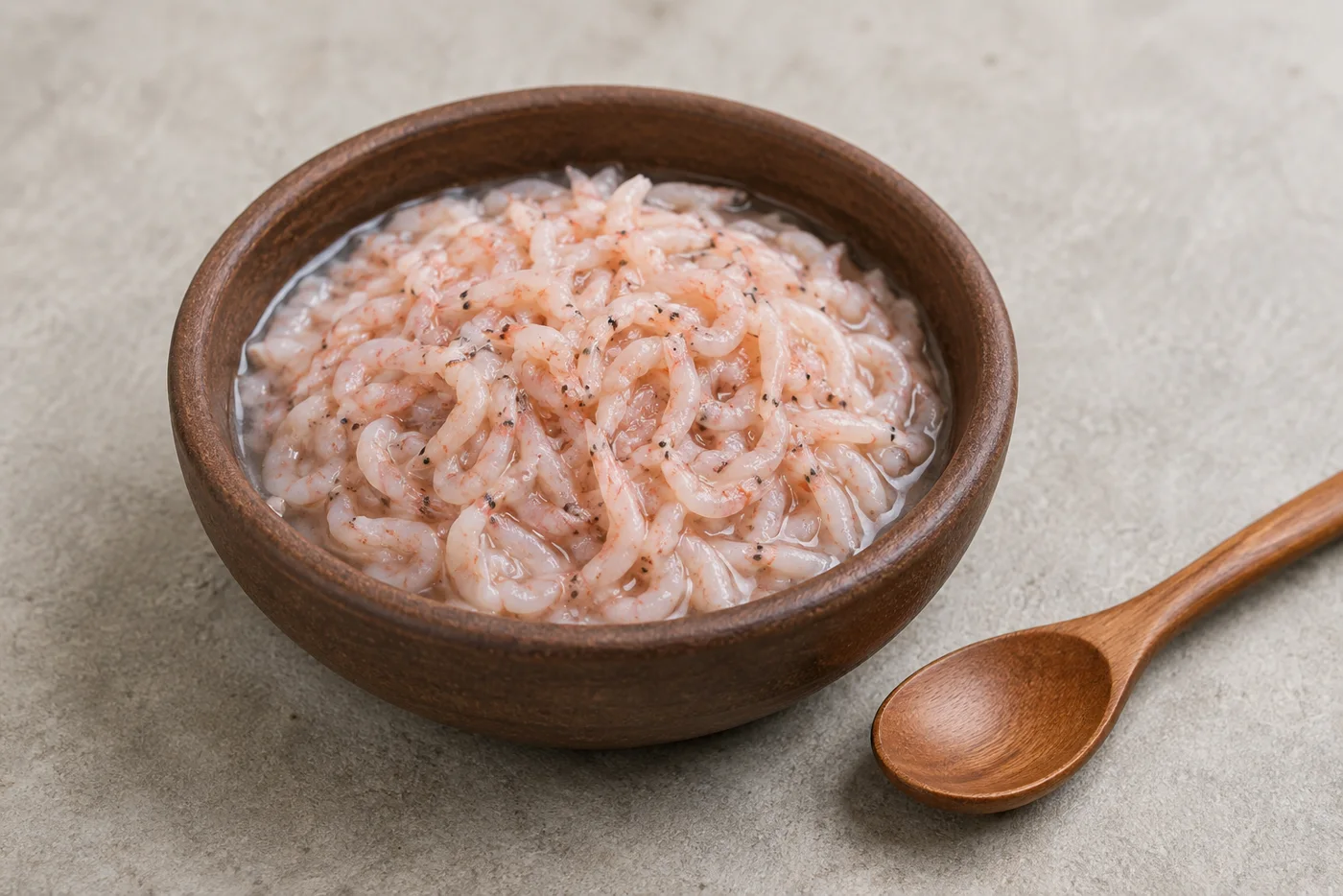
The most defensible local specialty is Sorae saeujeot, tiny shrimp preserved in salt and normally used in small amounts to season kimchi, soups and other dishes. Incheon Tourism traces the port’s modern shrimp trade to the period after Incheon Inner Port opened in 1974, when small shrimp boats shifted to Sorae; local producers carried their salted shrimp by the narrow-gauge Suin railway to Incheon, Suwon, Bupyeong and Seoul. KTO likewise records that the market grew into a major metropolitan seafood market through saeujeot sales in the 1970s.
Names such as ojeot, yukjeot and chujeot distinguish shrimp caught in different seasons and of different sizes. If you want to buy some, ask what grade and weight is being quoted and remember that this is a concentrated seasoning, not something ordinarily eaten by the spoonful. The old market, general fish market and festival food zone are separate commercial spaces even when the crowd makes them feel continuous.
Day trip or overnight
This is a practical day trip from Seoul. Allow roughly 1 hour 30 minutes each way, add the ten-minute station walk, and choose either a daytime family visit or an afternoon-to-evening visit. Since the grounds close at 21:00 and the metropolitan subway generally operates until around midnight, returning the same night is normally workable. The precise last useful connection depends on where in Seoul you need to reach, so check it on the day rather than treating midnight as a guaranteed departure from Soraepogu.
An overnight stay is optional. It is useful for an unhurried market visit or adding Sorae Wetland Ecological Park. The festival website lists registered lodging around Nonhyeon-dong, but this guide has not verified festival-weekend availability or rates.
Honest assessment
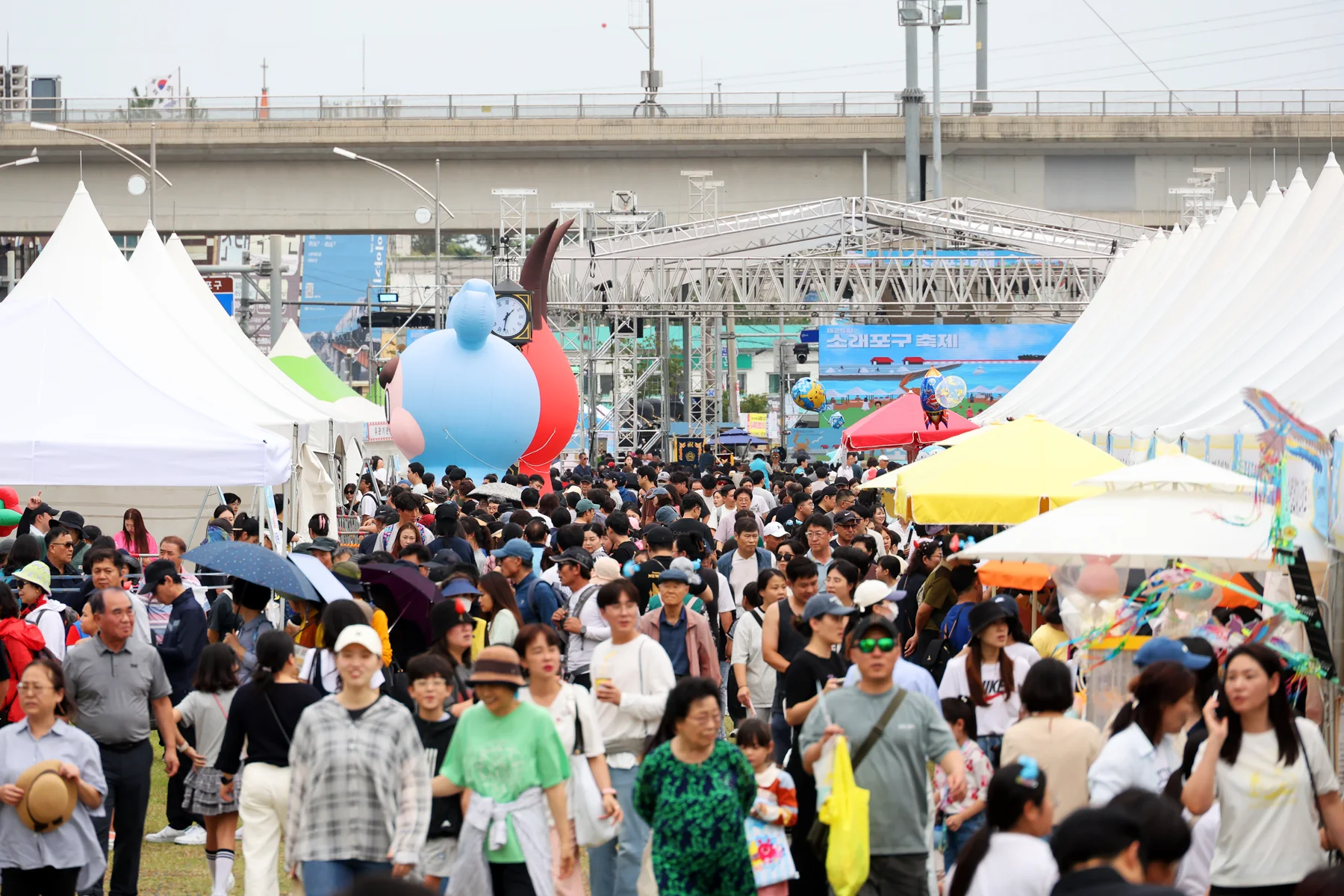
Come for a busy, family-oriented waterfront fair with a working fish-market district next door, not for an uncrowded harbor stroll. Namdong-gu estimated 500,000 visits over three days in 2024, and the official gallery from 2025 shows the main aisles packed shoulder to shoulder. The useful strategy is straightforward: arrive near 09:00 for activities and market browsing, or come later for the night program and accept the heavier crowd.
The programme is broad rather than tightly curated around one performance. That works well for families who want short activities, food and a stage show in one place. The trade-off is uncertainty until the final daily grid appears: “cultural performances” does not tell you which singer performs on which night, and “fireworks show” does not establish a time. Visitors mainly interested in the harbour should see the market before the afternoon crowd builds, then move to Haeoreum Square rather than trying to do both at peak time.
The shrimp trade, salted-seafood market, former narrow-gauge railway and nearby wetland give the event a real working-port story. For a balanced visit, spend the morning around the market and historical waterfront, then return to the square when the evening lighting begins. Families should bring clothes and shoes that can handle hands-on play, but not assume changing facilities are provided until the final guidance says so.
The honest reason to go is convenience and variety: a large coastal district festival reachable on the metropolitan subway, with ecology activities, local participation, a market and a night programme in one area. The honest reason to skip peak evening is the same scale. If shoulder-to-shoulder aisles and an uncertain stage view would spoil the experience, arrive at opening and leave before the night audience builds—or wait until the official timetable identifies a specific evening worth accepting the crowd for.