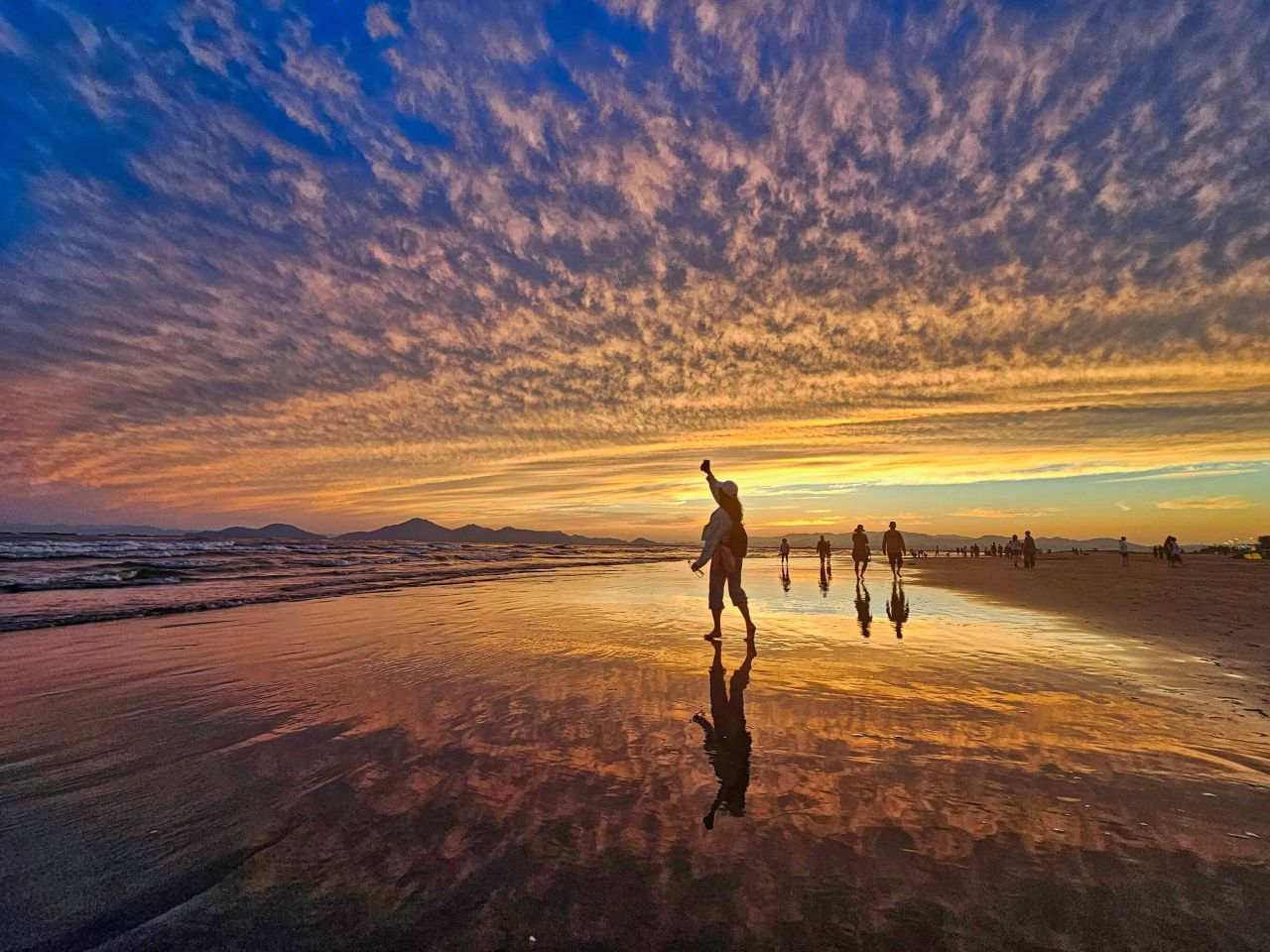
This is a six-evening program at Dadaepo Beach Park, built around the west-facing beach at sunset rather than an all-day street festival. It runs on three consecutive Friday-Saturday pairs — September 4-5, 11-12 and 18-19 — from 17:00 to 22:00. Do not read the September 4-19 range as daily opening.
What you actually do here
The program divides the park’s first three plazas among food at sunset, live music with a camping-style picnic setup, activities for visitors with dogs, and a wellness program. The practical rhythm is straightforward: arrive before sunset, eat outdoors, then stay for the music after dark.
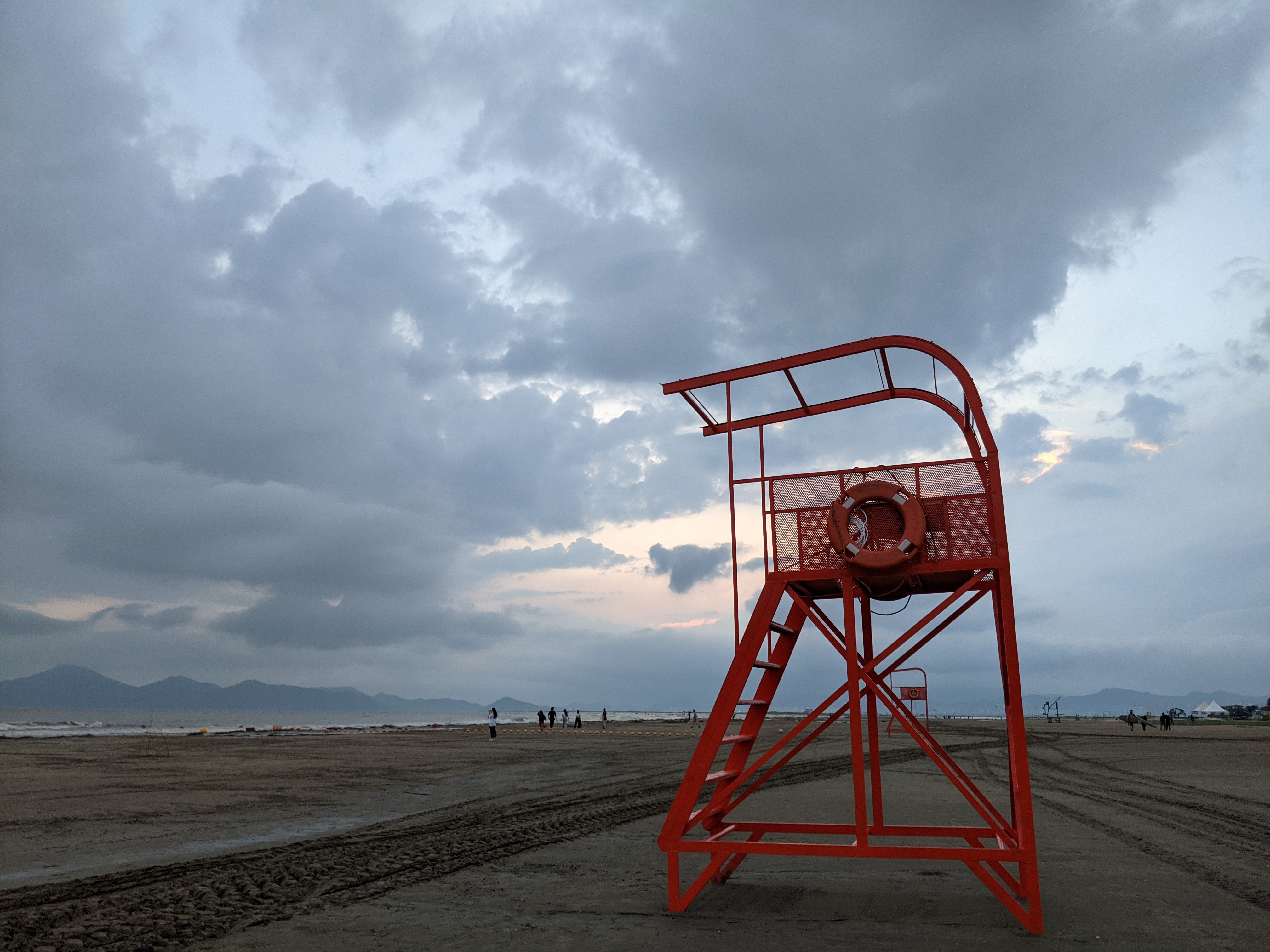
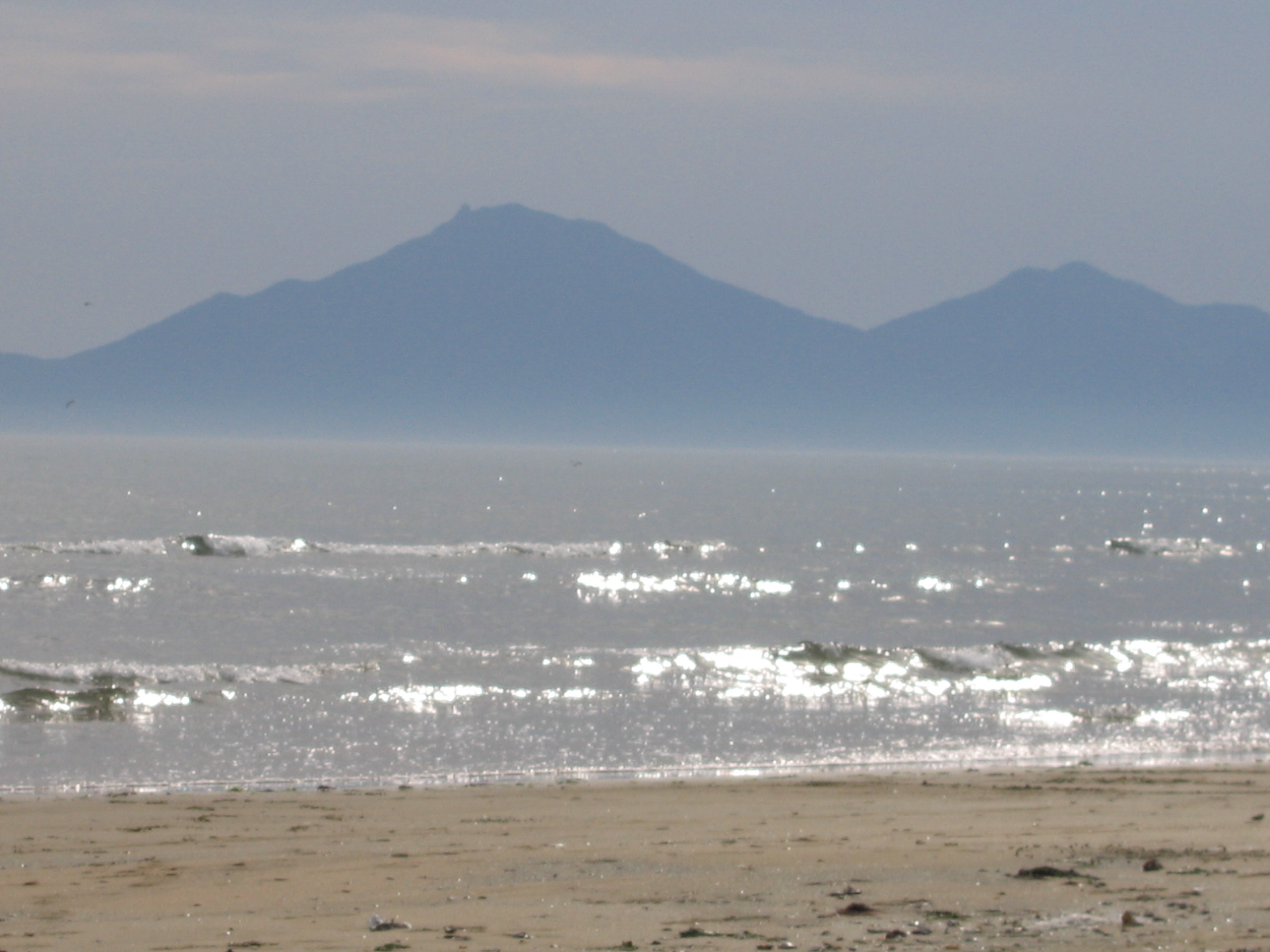
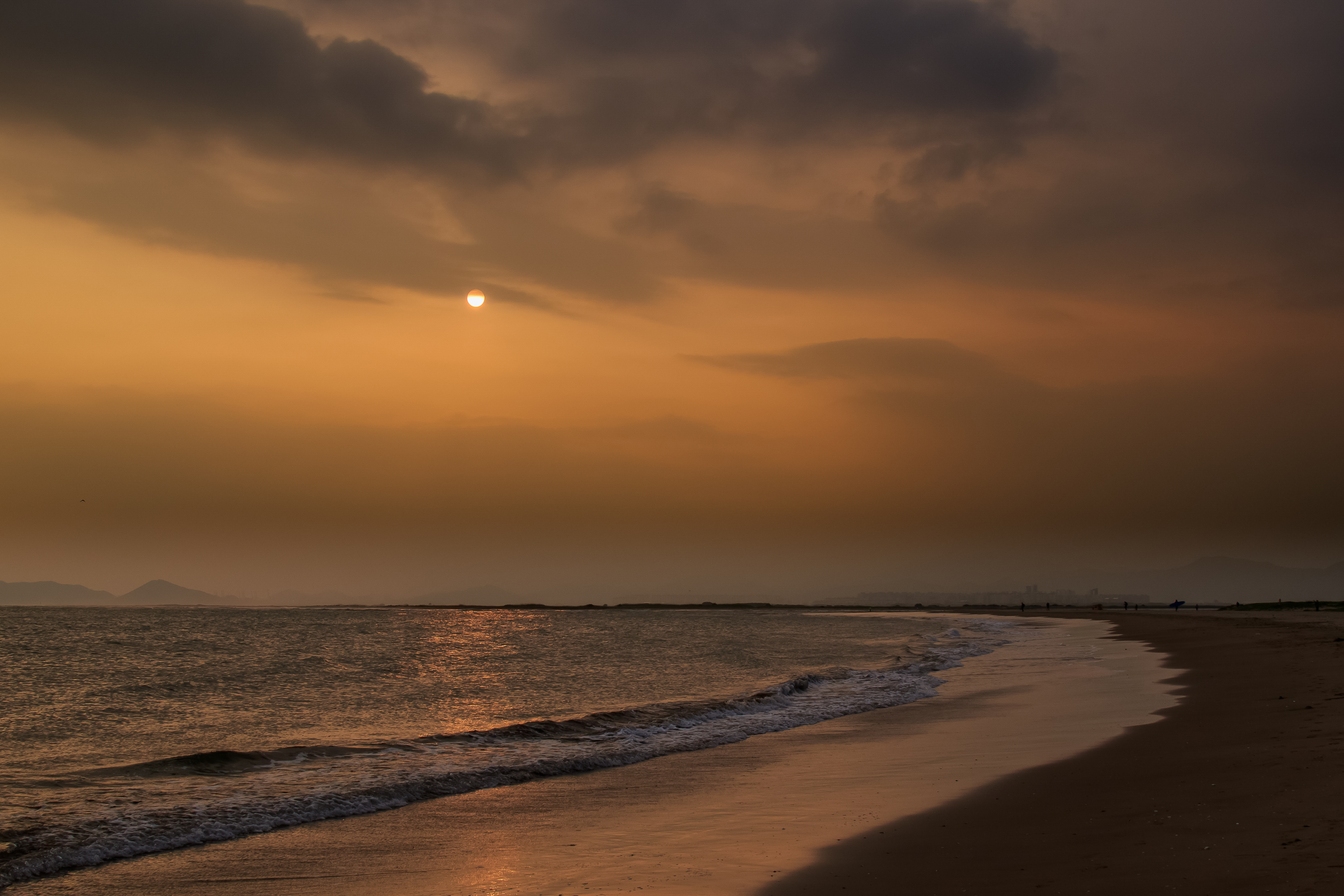
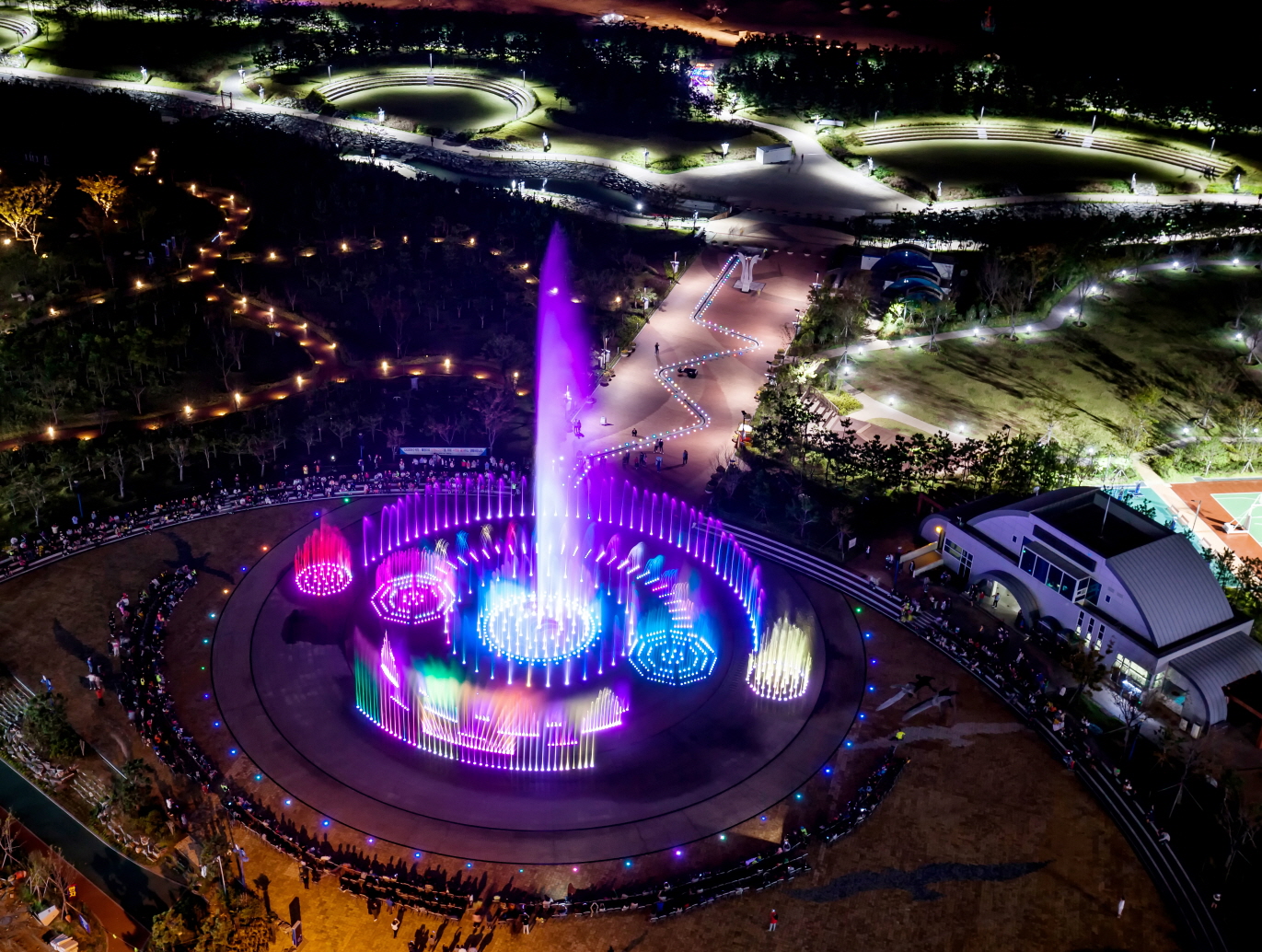
The photographs on this page are of the venue rather than the event: the west-facing beach, its wide shoreline and the Dadaepo Sunset Fountain of Dreams, a permanent installation in the same park. They show why the programme is built around sunset and nightfall, but none of them was taken at a 2026 session, so treat them as a guide to the setting rather than to a particular evening’s crowd or stage.
The published ticket price applies to the live performance: 13,000 won for adults and 5,000 won for children. The official information does not spell out the child age cutoff or exactly which other activities that ticket includes. Treat those details as something to confirm on the reservation page, not as part of the price by default.
The layout matters because these are not interchangeable versions of one programme. Plaza 1 is Sunset Eatnic, the food area. Plaza 2 is Night Music Campnic, the stage and camping-style seating area. Plaza 3 is Play Pupnic, designed for visitors with dogs. A stamp tour links all three, but you can use the music and food areas without bringing a pet.
At Plaza 1, the city says local operators will run food booths and that 16 dining tents will provide places to sit. There are also event and photo areas. This confirms that dinner is possible on the grounds; it does not confirm every vendor on every date, individual menu prices or dietary provision. Arriving near 17:00 gives you time to work out the food setup before the main after-dark programme.
Plaza 3 has a dog play area, an obstacle-course experience built around a dog sports day, a photo area and hygiene-care activities involving Tongmyong University and the Busan Institute of Science and Technology. A separate programme called Pupness Therapy is scheduled for September 19. The city also says some Play Pupnic programmes charge a fee, so pet owners should not assume that general access covers each activity.
Programme and timetable
All six event dates use the same published 17:00–22:00 operating window, but the music theme changes by weekend. The three weekly themes are Energy, Relax and Afterglow, with K-pop dance, jazz and pop among the announced performance styles. The city release does not provide a complete act-by-act grid, so choose a date by the broad theme only after checking the organiser’s current Instagram channel, @starrynightbusan, for the daily card.
The September 4 opening had comedian Heo Kyung-hwan as special host. That detail is useful for understanding the first evening but should not be read as a six-night appearance. The remaining sessions are live-programme evenings rather than repeats of the opening ceremony.
Several smaller activities run alongside the stage. The stamp tour asks visitors to collect stamps across all three plazas and complete a satisfaction survey; finishers receive a small commemorative gift. Basketball-hoop-shaped waste-sorting bins operate at Plaza 1 on all six dates. Slow Jogging is a dated programme rather than a daily one: it is announced for September 18. Participation instructions for that activity were not detailed in the city release, so check before arriving in running clothes specifically for it.
This division suggests a sensible sequence without pretending there is a mandatory route: start at the food plaza while there is daylight, cross to the beach for sunset, then settle at Plaza 2 for music. Visit Plaza 3 only if its dog activities are relevant or you are completing the stamp tour. Since the park programme finishes at 22:00, leave enough time at the end to find Exit 4 rather than walking along the beach in the wrong direction.
Tickets, fees and booking
The official Visit Busan notice links directly to a Naver Smart Store reservation page and gives 051-626-8816~7 for booking enquiries. The priced live-programme zone is 13,000 won for an adult and 5,000 won for a child. Busan City’s fuller announcement says the paid area is close to the main stage and includes camping-style seating plus a Campnic package containing beer, snacks and other items.
There are still important limits to what has been published. Neither the child age boundary nor the precise package inventory is stated in the sources checked. The city also says some Night Music Campnic and Play Pupnic programmes are paid without publishing a complete activity-by-activity table. For that reason, do not multiply the headline ticket price into a family budget until the reservation page shows the category that applies to each participant.
The presence of beer in the adult package also does not establish a substitution policy for non-drinkers, nor does an online shop prove that walk-up sales will remain available. Reserve the dated product you want, retain the booking confirmation and use the enquiry number for package or age questions. Cards accepted at temporary booths have not been checked and are deliberately not claimed here.
Food on site and a Busan meal beyond it
Sunset Eatnic is more structured than a generic row of festival trucks: the official plan names food booths, 16 dining tents, an eating area and event space at Plaza 1. Two businesses were named in the city announcement, but a pre-event vendor mention is not a guarantee of what will be open later in the run. Use the tents as confirmed infrastructure and inspect the posted menu and price before ordering.
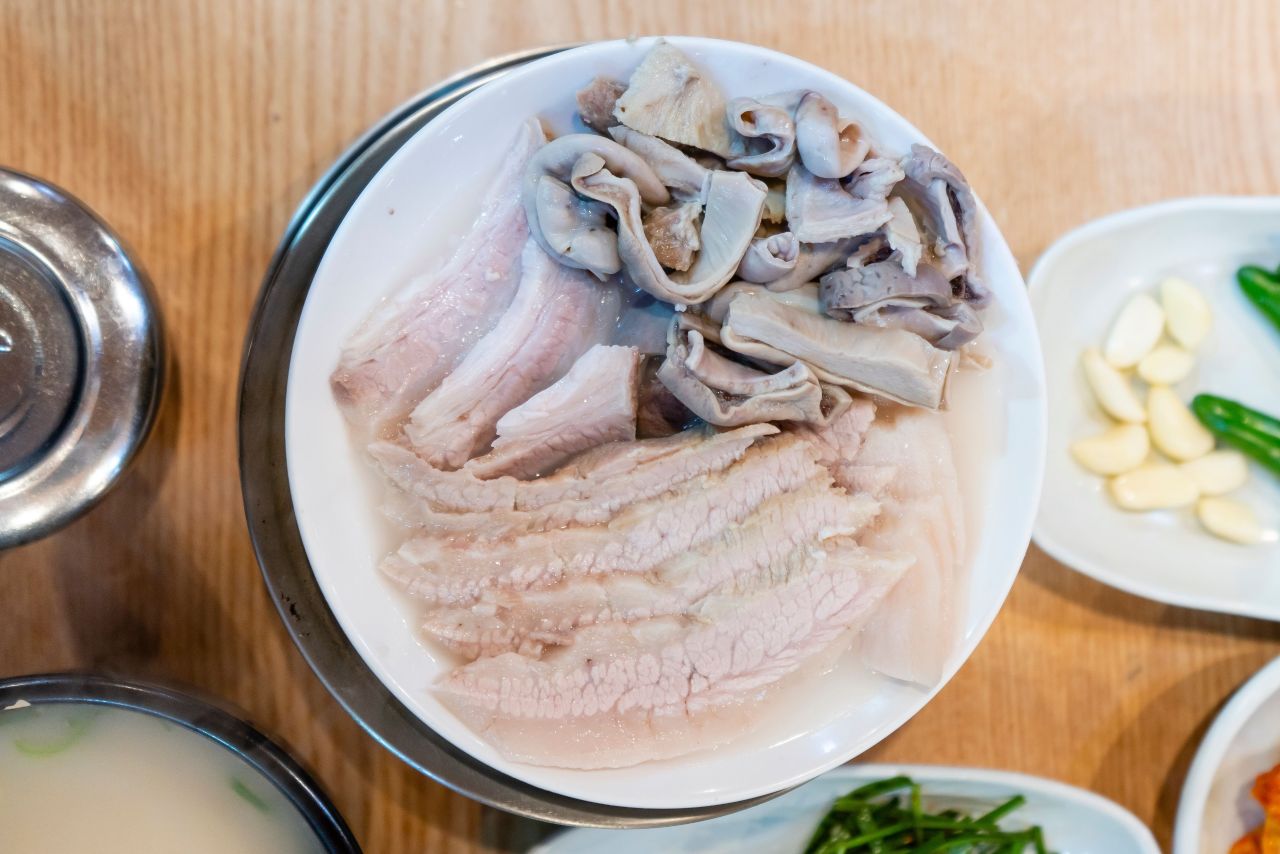
For a regional meal elsewhere in the city, dwaeji-gukbap is better documented than any attempt to label a temporary booth as traditional. Busan City treats the pork-and-rice soup as a local food tied to everyday life in the city, and Visit Busan calls it a representative Busan dish. It is generally a bowl of pork and broth with rice, with diners adjusting it using accompaniments such as chives and salted shrimp. That recommendation is about Busan, not a claim that Sunset Eatnic serves it.
Getting there without a car
From Seoul Station, take KTX to Busan Station. Current Korail schedules vary by train, with the fastest services taking a little over two hours and slower KTX services taking closer to three. At Busan Station, transfer to Busan Metro Line 1 in the direction of Dadaepo Beach and stay on it to the terminus. The metro ride is about 42 minutes.
The event notice directs visitors to Dadaepo Beach Station Exit 4 and gives the walk as about four minutes; Busan City’s beach guide uses Exit 2 and gives the same walking time. Either route brings you to the beach area, but follow the event signs for Plazas 1-3 once outside.
The bus alternative from Seoul Express Bus Terminal to Busan Central Bus Terminal takes about four hours before traffic delays. That terminal is at Nopo, the opposite end of Metro Line 1 from Dadaepo, so it adds a long cross-city ride. KTX is the more practical choice for this particular venue.
The return metro is much less restrictive than the return train to Seoul. Busan Transportation Corporation’s current timetable shows trains from Dadaepo Beach toward Nopo continuing after the event: departures are listed at 22:09, 22:21, 22:33, 22:45 and 22:55, with a final 23:11 departure on both Friday and Saturday. Those times make a central Busan hotel realistic after the full programme. They do not make a Seoul return safe, because the subway still takes about 42 minutes to Busan Station and the KTX platforms require an additional transfer and boarding margin.
Parking and crowd planning
None of the current official event notices checked for this update publishes a dedicated parking lot, road-control map or festival shuttle. That absence is practical information: do not drive expecting a remote lot and shuttle simply because other Korean festivals use them. The organiser instead highlights the Line 1 terminus and four-minute walk.
The city reported roughly 15,000 visitors across four days in 2025. That is evidence of a substantial established audience, but it is not a forecast for a particular 2026 evening and does not justify inventing a peak-hour crowd figure. The paid area near the stage also means a reservation settles access to that zone, not necessarily a quick meal queue or an empty subway carriage. Arrive before sunset rather than timing your arrival to the first performance minute.
Day trip or overnight
Stay overnight in Busan if you want the event as designed: sunset, dinner and music through the 22:00 close. Even the quick Seoul route combines a KTX journey of a little over two hours with about 42 minutes on Line 1, the walk and transfer time. After a 22:00 finish, the later metro departures can get you back toward central Busan, but not onto a dependable same-night KTX to Seoul.
Where to stay depends on the rest of the trip. A room near Busan Station simplifies the next morning’s rail departure and keeps the post-event ride to one subway line. Haeundae and Gwangalli are workable only if you accept another cross-city transfer after reaching the central part of Line 1. No specific hotel or late check-in arrangement has been verified here.
Honest assessment
This works best as one evening within a Busan trip, not as a standalone day trip from Seoul. The journey from Seoul Station to the park is roughly three hours twenty minutes at the quick end, while the event itself starts at 17:00 and ends at 22:00. Returning to Seoul after the full program leaves too little margin for the metro ride and station transfer.
The setting is the main reason to choose it: Dadaepo gives you sunset, food and an outdoor concert in one place, with a direct subway ride and no local bus puzzle. The trade-off is distance. Dadaepo sits at the far end of Line 1, so a hotel near Haeundae or Gwangalli makes this a substantial cross-city outing too.
This is also a scheduled, reservable music program rather than a large free-roaming festival. The food plaza and dog area broaden it, but the closest seating and package are attached to a paid zone. Check the dated reservation product before crossing the city, especially if the stage is the main reason for going.
The strongest plan is to arrive near opening, eat before queues build, watch the actual sunset and use the later hours for music. The weakest plan is a same-day Seoul return built around the 22:00 finish. Bring a layer for several hours beside the water, but treat that as ordinary outdoor preparation rather than a weather forecast. The organisers had not published a useful rain-cancellation rule, a dedicated parking scheme or dependable language-support information when this guide was updated; those omissions are left visible rather than filled with guesses.