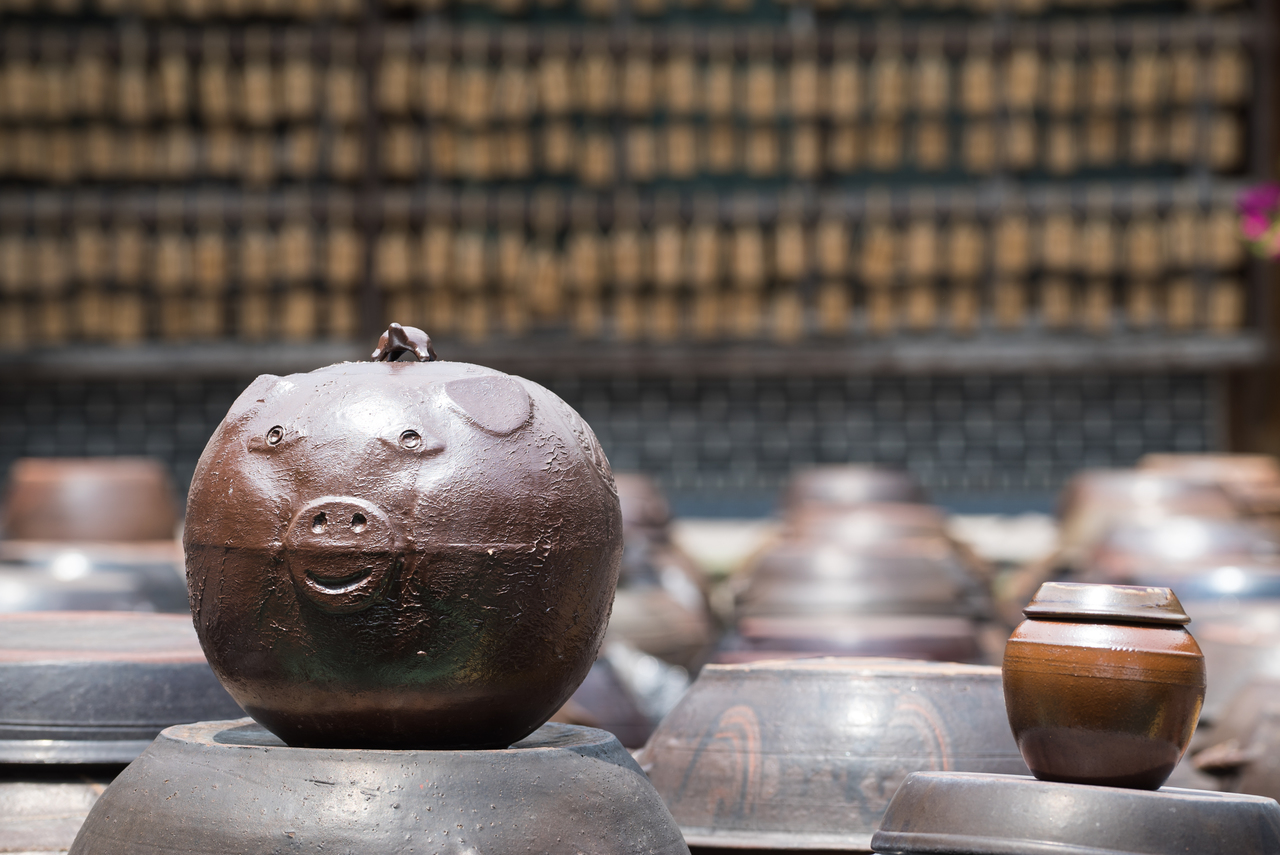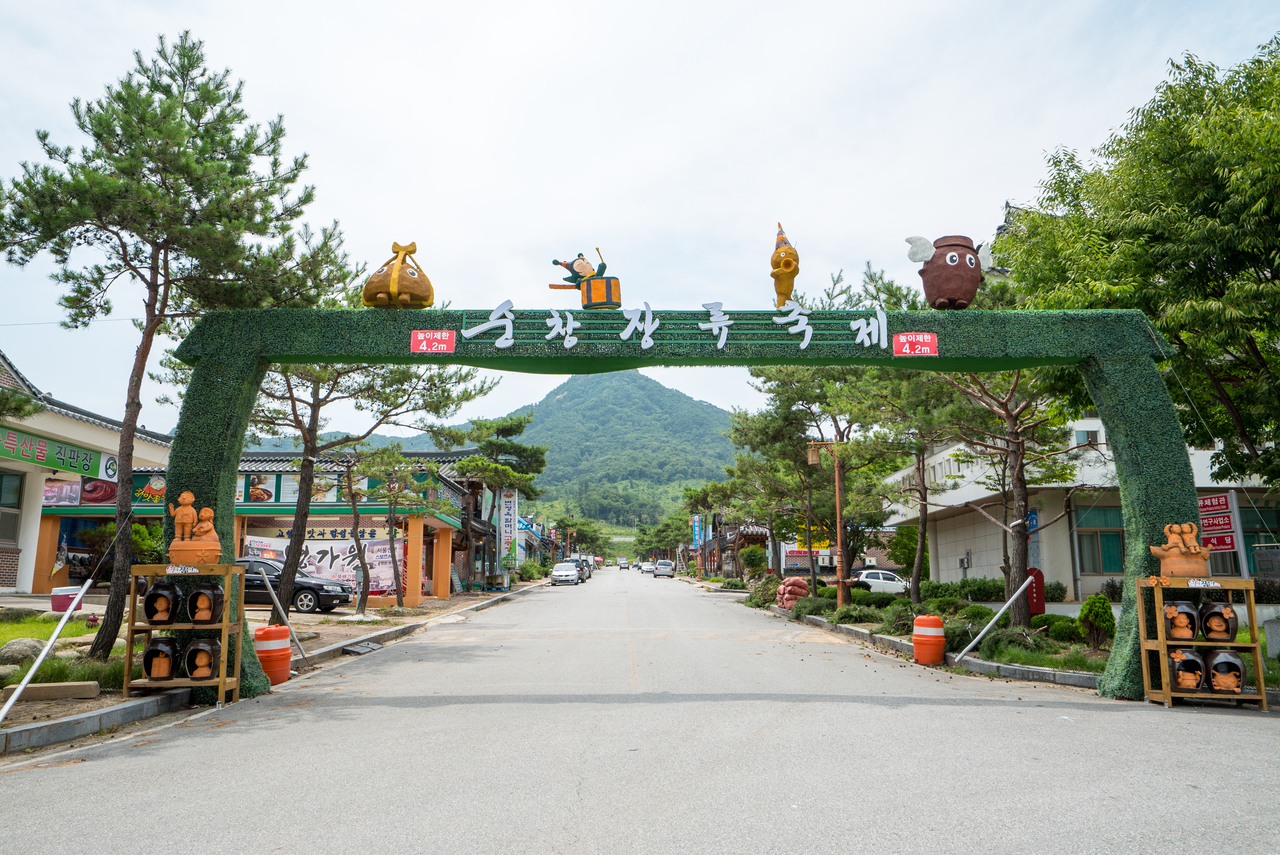
Sunchang is a county in Jeollabuk-do that is known across Korea for gochujang, the fermented red chili paste. Its festival is built around that single product and the wider culture of fermented sauces. The official programme page tells the origin story this way: late in the Goryeo period the future founder of the Joseon dynasty, Yi Seong-gye, tasted gochujang in a village home on his way to a temple, and after he became king he had Sunchang’s paste sent to him. Treat that as the local account rather than documented history, but it explains why the festival’s main parade is a staged tribute to the king.
For 2026 the dates are 15 to 18 October, held at the Sunchang Traditional Gochujang Folk Village and the Sunchang Fermentation Theme Park. This is the 21st edition. The official site describes it as last year’s top-rated festival in a Jeollabuk-do regional evaluation, says it has been picked as a Ministry of Culture “preliminary global festival” for 2026, and counts about 60 programmes. Those are the organisers’ own claims; they are not independently checked here. Watching is free and some hands-on sessions are paid.
What you actually do here
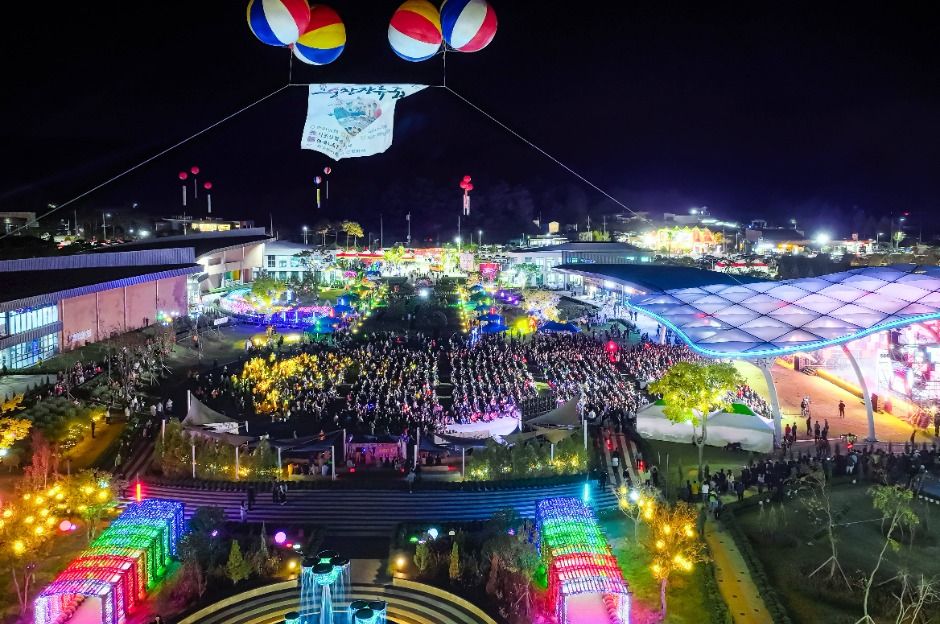
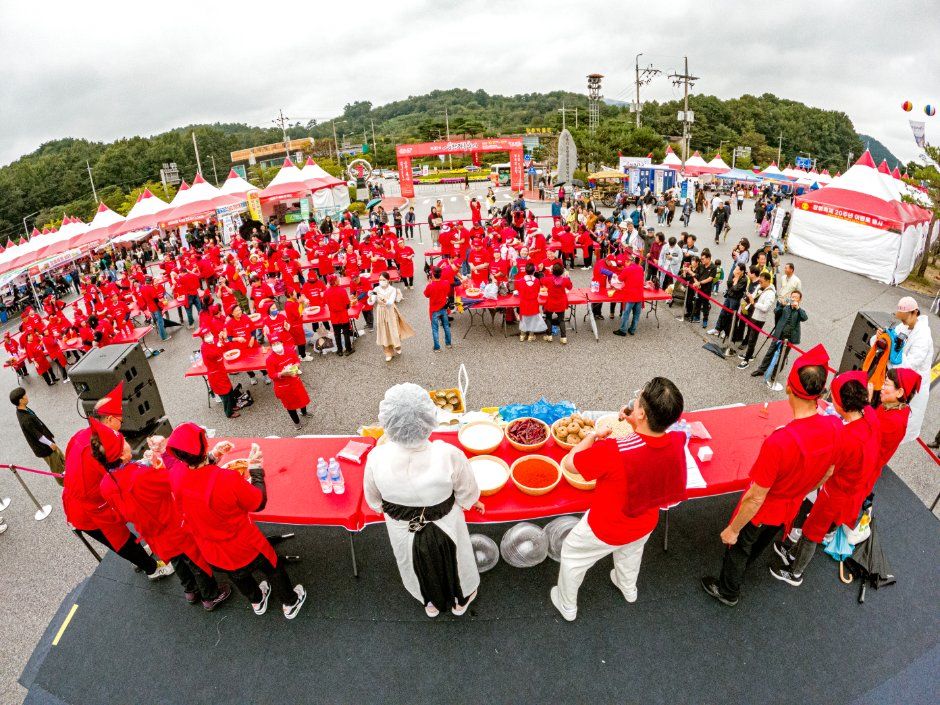
Two things are going on at once. The first is a village festival. The folk village is where gochujang makers work, and the festival uses its main street, a main stage, an open stage and rows of stalls. The second is a more modern layer built on top of it: a sauce expo, a K-food market and activities pitched at foreign visitors, such as a K-pop contest for overseas entrants and a global cooking contest.
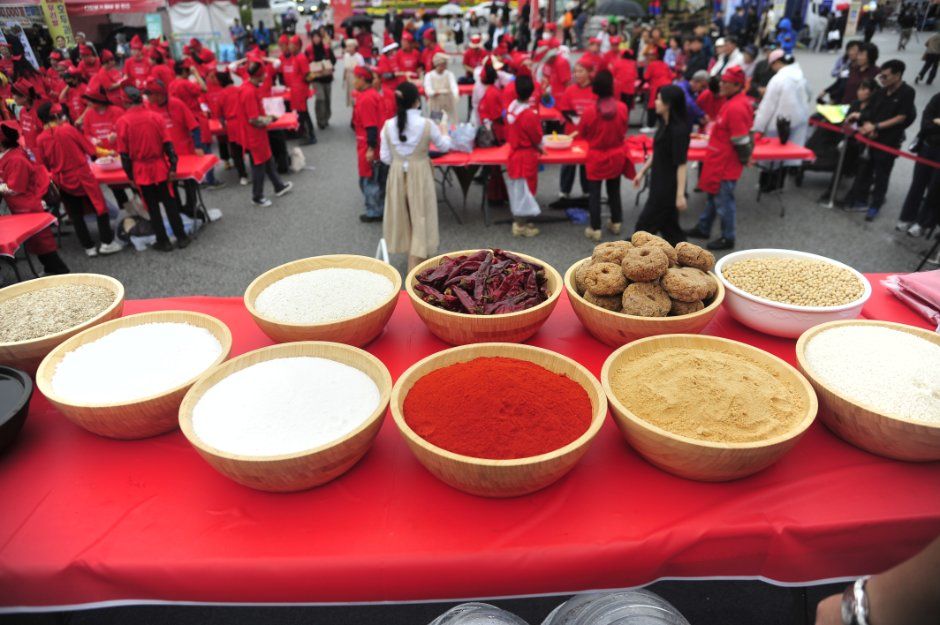
The hands-on programmes are the reason to come rather than only watch. The official page lists making meju, the fermented soybean blocks that start the process, and boiling and pounding soybeans into doughnut-shaped blocks. It lists a tofu demonstration and tasting by a family said to have made tofu in Sunchang for three generations, a kimchi-making and tasting session, a colourful makgeolli-making session using local fruit, and a jangajji pickle-making session. Several of these run on all four days. On 1 October the organisers posted a notice that pre-registration for the traditional kimchi session is by phone, at 010-8476-5590.
KTO’s Korean listing also mentions an augmented-reality mission game called Jangchuwang-eul Chajara (“find the Jangchu king”). The official schedule does not give times or a location for it, so treat it as a listed extra rather than something to plan around.
Programme and timetable
The official daily grid, read on 2 October, gives the following. Times are Korea time.
Thursday 15 October. A traditional trumpet-and-drum procession opens at 13:00 on the open stage. An opening performance runs 15:00-17:00 on the main stage. The opening ceremony and celebration performances run 18:00-21:00, with fireworks 21:00-21:30.
Friday 16 October. Morning has a folk-games contest at the theme park. Global Gochujang Making runs 14:00-16:00 at the theme-park sub stage. In the evening, a gugak-and-classical concert, titled Jang-i Igeoganeun Gugakgwa Keullaesikui Mannam, runs 18:30-20:30 on the main stage, followed by a short DJ and EDM light show.
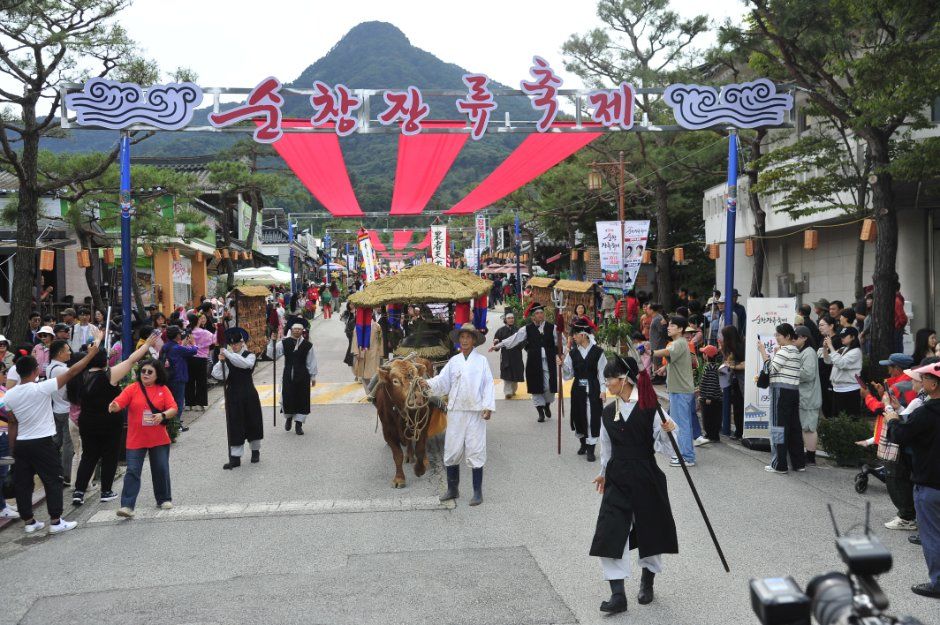
Saturday 17 October. This is the densest day. A global-chef cooking show starts at 10:00, a sing-along show is on the main stage at 11:00, and a performance of the UNESCO-listed soy-sauce-making tradition is staged at 13:00. The tribute procession and a chef-led cooking class are at 14:00. A second gochujang-making session and a second cooking show are in the late afternoon, and the Global K-POP contest is on the main stage in the evening.
Sunday 18 October. A farmers’ band contest and a global sauce-cooking contest run in the morning. The tribute procession repeats in the afternoon, and the closing ceremony and autumn concert run 19:00-20:30 on the main stage.
Two small events repeat on the open stage on all four days: a hot-taste contest at 16:30 and a “Find the golden meju” draw at 17:00. The trumpet-and-drum procession at 13:00 appears on the first two days only. The golden-meju draw is for visitors who hang a wish on Meju Street; the official page lists 31 winners a day, 1,000 draw tickets handed out first-come, and a gold-bar prize among the rewards.
The grid and the main-programme page disagree on some start times, and I have not tried to resolve them. The tribute procession and the K-pop contest differ, as covered in the FAQ. Global Gochujang Making is on Friday at 14:00 on both pages but on Saturday 16:00-17:00 on the grid and 16:00-18:00 on the programme page. If one session matters to your trip, call 063-650-1624 before you travel.
Tickets, fees and booking
There is no general admission fee. KTO describes it as free with some paid programmes, and the official page says the same. The paid items the official page prices are modest. Global Gochujang Making is 10,000 won and includes gochujang, tteokbokki milk tea, a commemorative tea and a hat. The Fermentation Village 1997 activity, where visitors and residents spell out the year with rice cakes, is 5,000 won with a commemorative tea. The Global Jang Culture School, with traditional gochujang, rice cake and tteokbokki making at a producer’s premises, is 15,000 won and includes 500 g of gochujang.
Booking methods vary. The 1997 activity and the Jang Culture School are listed as pre-registration only, and gochujang making accepts both pre-registration and on-site sign-up. Prices for the K-food experiences and stalls were not published, so do not assume a number for them.
Getting there without a car
The most useful documented connection is the free festival shuttle from Namwon Station. According to the official parking and shuttle page it runs about every 30 minutes, with the first departure at 08:30 and the last from the station at 20:00. From the festival side the first run is 08:30 and the last is 21:30. Namwon Station is on the KTX network: two timetable sources put the train from Seoul or Yongsan at roughly two to two and a half hours, with only a handful of direct trains a day. How long the shuttle ride itself takes is not stated, so keep a margin.
Two other official shuttles run from larger cities: Jeonju (3,900 won, from near the Rahan Hotel) and Gwangju (2,900 won, from the Biennale main gate). The page posts separate timetables for Thursday-Friday and for the weekend, with a few departures a day, and says times may change depending on conditions on site. The layout of the posted table does not make the return runs clear, so check it before you plan to rely on a particular return.
The alternative is a direct express bus from Seoul to Sunchang bus terminal. The two timetables I found put the ride at about 3 h 20 m and about 4 h respectively, and they disagree on how many buses run each day, so check a live booking page. The listed fares were about 18,000 to 24,000 won. One source describes the festival site as a short taxi ride from the terminal; I could not confirm whether the terminal is a stop on the town shuttle loops.
Parking, shuttles and traffic control
Driving is possible but the official page discourages parking at the venue. It says the festival days are expected to be congested and lots may fill early, and it asks visitors to use temporary and public lots and then take a shuttle. It lists 19 lots across the town, from the county office, with 182 surface and 40 underground spaces, down to small lots with 10 to 15 cars. The total is roughly 700 spaces, which is small for a four-day festival.
Three free loop shuttles circle the town, running 09:00-22:00 about every 20 minutes. The routes link the festival entrance with places such as the sports centre, the police station and Ilpum Park, which is one of the larger lots, with 76 spaces. No road-closure plan was published in the sources reached, so check the festival’s notice board before you drive.
Day trip or overnight
A day trip from Seoul is possible on paper but tight. With about two to two and a half hours to Namwon and a shuttle still to come, the most rewarding programmes cluster in the late afternoon and evening, and I did not verify the last train back from Namwon, so I do not state one. Look up the exact return in Korail before buying an outbound ticket. The festival-side Namwon shuttle runs until 21:30, which only helps if your train still connects.
Accommodation was not checked, and no hotel is recommended here. The official tips page notes that the Jeonbuk Tour Pass gives free or discounted use of dozens of paid facilities and up to 70 percent off some meals, lodging and experiences in the county, but I did not verify which venues take it.
Food on site and nearby
The official programme page lists a K-food market open 10:00-20:00 each day, with last orders at 19:00 and no break time. Dishes include gochujang bibimbap, gochujang bulgogi, a jangajji set meal, tteokbokki, and chicken and beer. Food is bought separately and eaten in a dining zone. KTO warns that its own food listing still describes 2025, so treat the menu as indicative.
KTO’s English record also suggests trying tteokbokki made with Sunchang’s fermented sauces and names a “Sunchang Tteokbokki Town”. That tip is based on 2025 information and was not re-verified. If you want a quieter meal, the kimchi and tofu sessions run all four days and include tasting. Vegetarian and vegan options were not published; gochujang-based dishes may contain animal ingredients, so ask before you order.
Honest assessment
This is a festival for people who like food culture and want to do something with their hands. The subject is clear and the setting is a real place where the product is still made. The programme page lists real activities with prices, so you can budget before you go.
It is weaker if you want a large concert or easy transit. No guest singers were published in the sources reached, and the town is small. The bus and shuttle connections work, but they rely on a few departures a day and a posted timetable that is hard to read for return trips. Parking is thin. Two official pages also disagree on times for the procession, the K-pop contest and gochujang making, and the venue map still dates from 2025.
Go on Saturday if you want the most programmes in one day, and be on site early if the procession or the cooking class is your reason for coming. Go on Thursday evening if you want the opening ceremony and fireworks. Whichever day you choose, confirm the start time with the organisers, and do not assume that a free-entry festival means free activities.