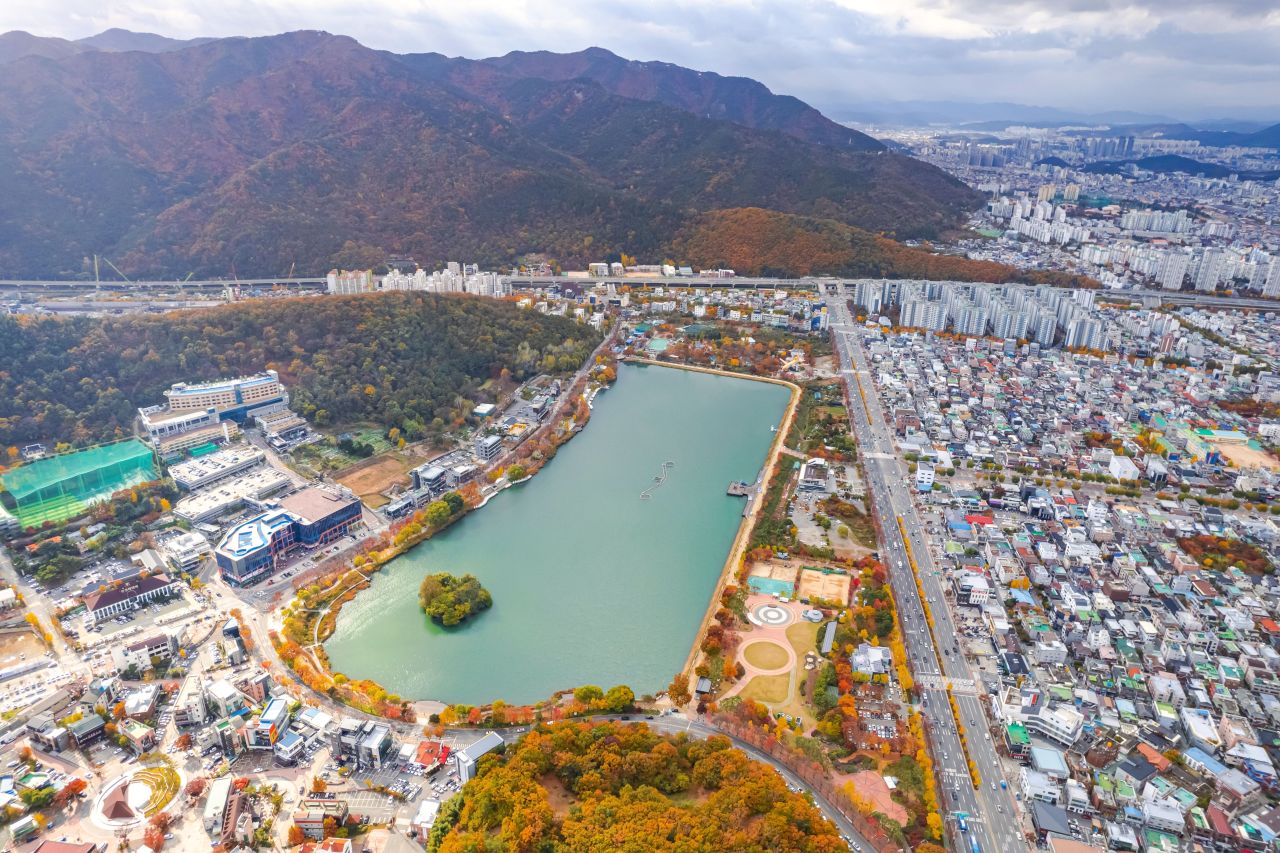
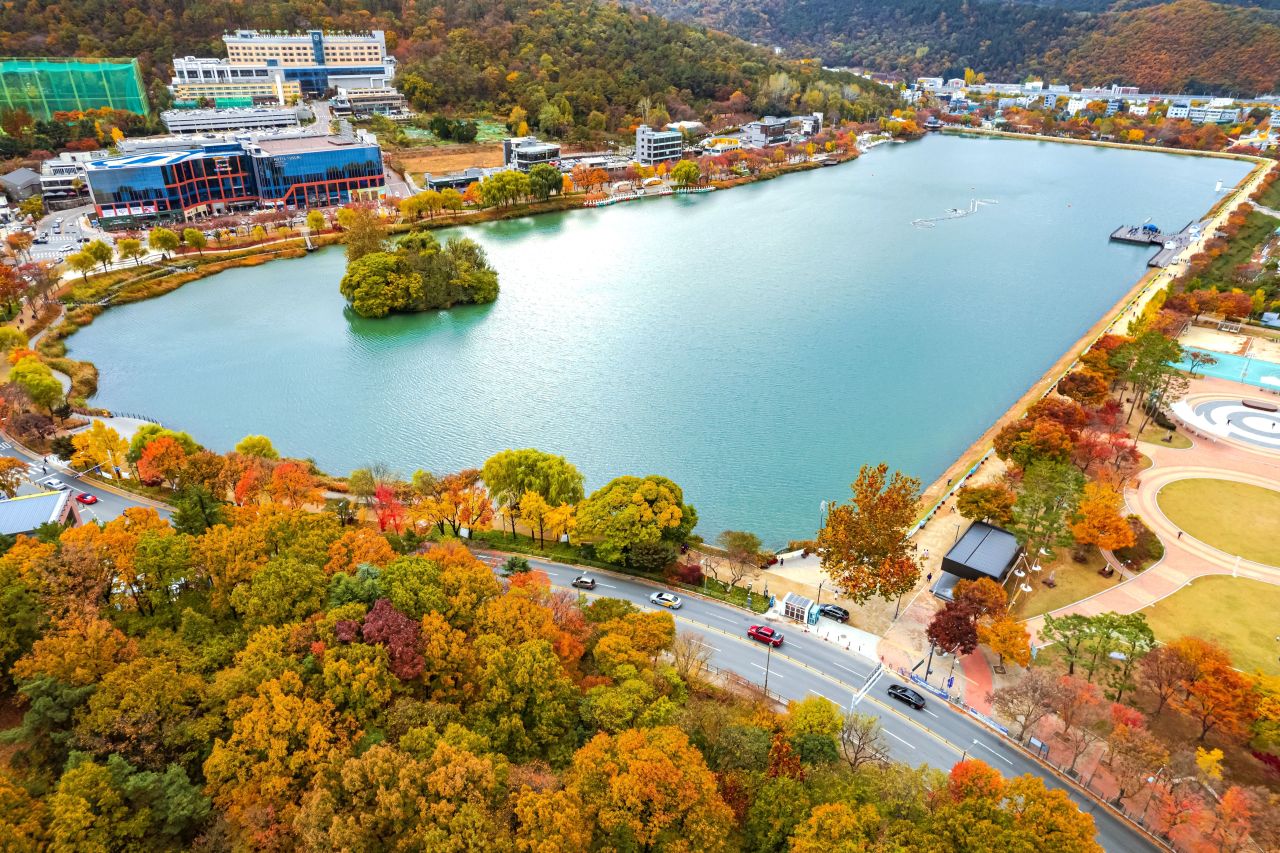
The Suseong Lake Festival is Daegu’s main autumn festival on Suseongmot, a reservoir-turned-park in the city’s Suseong-gu district. For 2026 it runs September 18-20, spread around the lake rather than staged in one plaza. The confirmed venues include a hillside garden (상화동산), a floating water stage (수상무대), the royal cherry-tree promenade (왕벚나무 산책로) and a lakeside culture plaza (울루루문화광장). General admission is free.
One point of confusion is worth clearing up first: this September lake festival is not the same event as the December “Suseong Light Art Festival” (수성빛예술제), a separate winter illumination held on the same lake. If you are planning around lantern-and-light photographs, check which event you mean before you book.
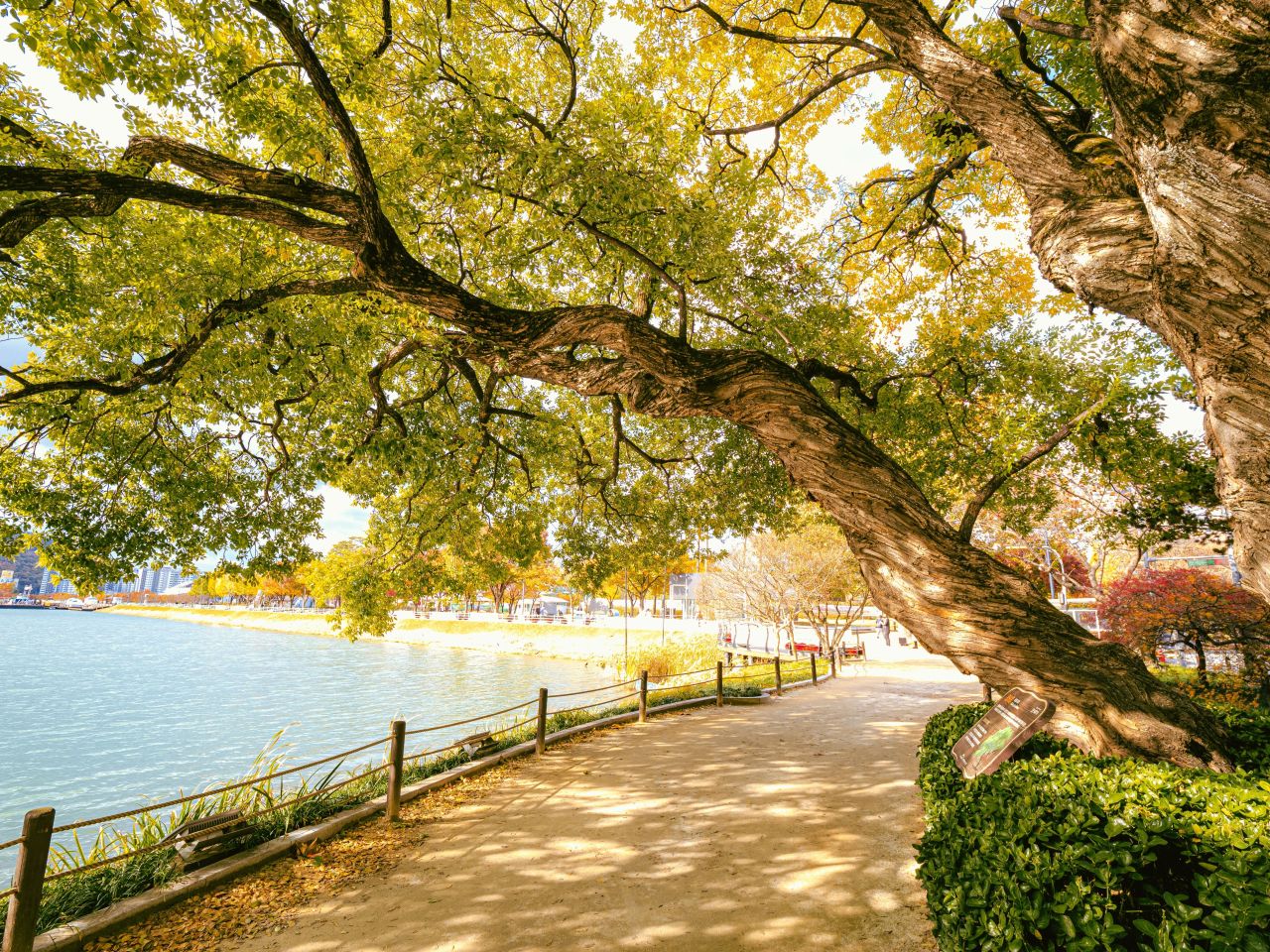
Suseongmot itself is an easy place to spend an evening even outside festival dates — a walking and cycling loop rings the water, with cafés and cherry trees along the banks. The festival adds concerts, a food street and a fireworks show to that setting rather than fencing off a separate ground.
What you actually do here
The core of a visit is a walk around the lake between staged events, not one seated show. Performances are placed at different points on the loop — the water stage sits out on the lake, while other programmes run at the hillside garden and the plaza — so you move between them along the promenade. Coming in daylight first makes the layout much easier to read before the evening programme starts.
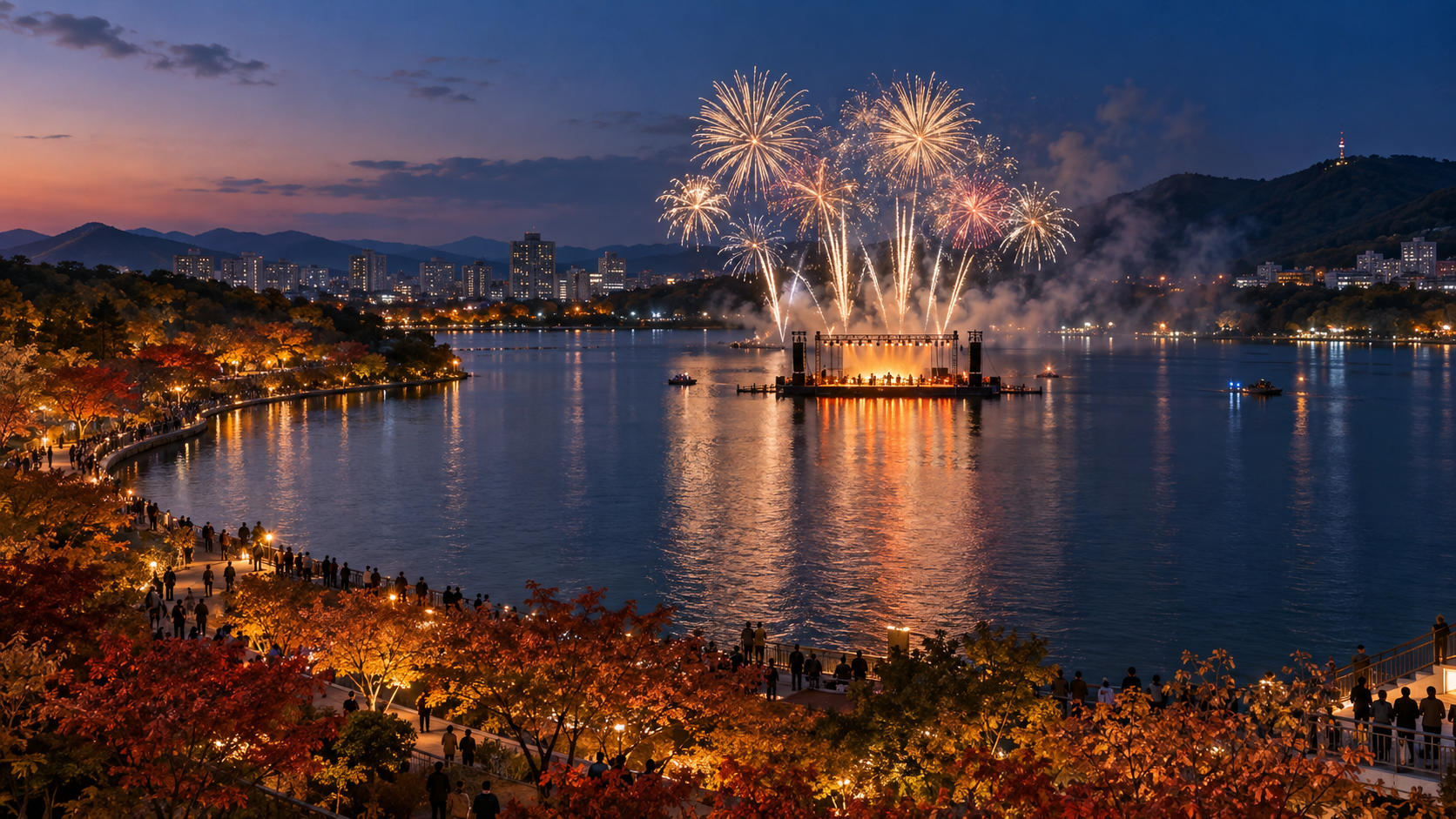
September 2026 preview coverage describes several fixed anchor events. A music-fireworks show is listed on the opening and closing days, September 18 and 20, at around 21:00 from the floating water stage. A concert on the water is set for September 19 at 20:00, with a local youth orchestra and two classical soloists. A “K-Arts Fantasy” evening opens the festival on September 18 at around 19:00 at the hillside garden, built around a regional traditional-music orchestra and dance companies. These are scheduled events, not continuous attractions, so the timing matters.
You can enjoy the lake and the free stages without spending anything, but the food side is a paid, separate affair. Treat the walk, the water views and the evening concerts as the free backbone of a visit, and the food street as the optional extra.
Programme and timetable
The operating window for 2026 is given as 13:00 to 22:00 across the three days. That is the window the grounds are active, not proof that every stage runs the whole time. The single most useful planning document is the final daily schedule, and that is exactly the piece most likely to change close to opening day, so use the official site or the festival’s Instagram and Facebook accounts to confirm start times before you commit to a tight plan.
The Deuran-gil K-food festival is the food anchor and has its own window: Saturday, September 19, from 12:00 to 22:00, running along a stretch of the Deuran-gil restaurant district near the lake, with skewers as the stated 2026 theme. That makes Saturday the fullest single day — the food festival by day and afternoon, then the water concert at 20:00 — but also the most crowded.
Because the fireworks are listed only for Friday and Sunday, the choice of day genuinely changes what you see. A Friday or Sunday evening is built around the fireworks and an opening or closing stage event; Saturday trades the fireworks for the food festival and the concert on the water. There is no single day that has everything, so pick the element you care about most.
The named performers come from that September 2026 preview: the water concert lists soprano Ma Hye-sun and tenor Lee Hyun alongside a local youth orchestra. If a specific act is your reason for travelling, wait for the official line-up confirmation rather than relying on the preview alone, since programmes at this kind of civic festival are often finalised late.
Tickets, food and money
There is no admission ticket. You can walk the whole lakeside festival area, watch the free stages and see the fireworks from the public banks without paying. Free entry is not the same as an all-inclusive festival, though: food, drink and the K-food street are paid on the spot, and hands-on booths may charge separately. No reliable 2026 price list had been published when this guide was written, so bring a payment method and do not budget around figures from an earlier year.
Card acceptance at temporary festival stalls has not been checked for this event, so carry some cash as a backup for food and drink. This guide leaves that field blank rather than guessing.
Local food beyond the stalls
Daegu has a well-documented food identity that is easy to find away from the temporary stands. Daegu City’s official food office promotes a list it calls the “Daegu Ten Tastes,” and two of them travel well as a visitor meal.
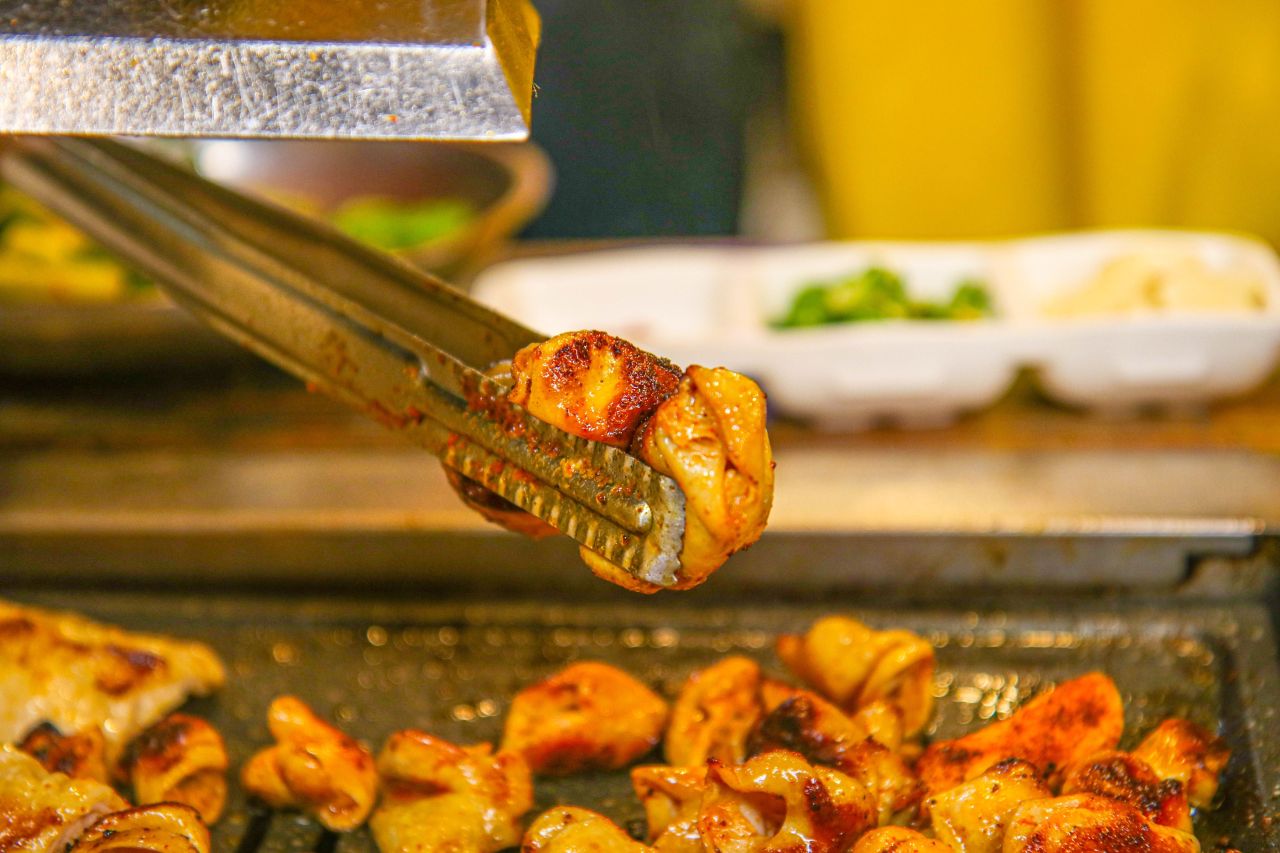
The first is Daegu’s flat dumpling (납작만두): a thin wrapper with only a little glass-noodle filling, boiled and then pan-fried and served with soy sauce, spring onion and chili flakes. The city’s food office describes this flattened style as specific to Daegu. The second is grilled makchang (막창), seasoned beef or pork offal cooked over a hot plate; the Anjirang grilled-offal alley in the city’s Nam-gu district is its best-known home. Both are city specialties rather than festival dishes, so treat them as a reason to eat elsewhere in Daegu, not a claim about what a lakeside stall will serve.
Getting there without a car
The cleanest arrival is by train and metro. Take a KTX from Seoul Station to Dongdaegu; current timetables put the fastest services around 1 hour 34 minutes and the average near 1 hour 40 minutes, with dozens of departures a day. Dongdaegu is a major hub, so search your exact travel date rather than assuming one duration.
From Dongdaegu, the lake is on the far side of the city’s rail arrivals, not beside them. The public-transport route is Daegu Metro Line 1 to Myeongdeok, then a transfer to Line 3 to Suseongmot Station, roughly half an hour in total by independent route data, and the lake is a short walk from the station. A taxi is quicker for the same leg — about 6-7 kilometres, usually 10-15 minutes depending on traffic — and is worth it if you are carrying bags or arriving late.
Line 3 is Daegu’s elevated monorail, and Suseongmot Station drops you close to the water, which makes the metro the practical default for the festival. A detailed 2026 parking and road-closure plan had not been published when this guide was written, so this article does not promise a lot assignment or a shuttle; if you must drive, check the official traffic notice shortly before travelling and expect controls around the lake on the busiest evenings.
Day trip or overnight
A day trip from Seoul is genuinely workable here, which is not true of every regional festival. The rail leg is under two hours each way and the metre-gauge transfer inside Daegu is quick, so an afternoon arrival leaves time for the promenade, an evening stage event and, on the 18th or 20th, the fireworks. The one thing to pin down is your return: the festival runs to 22:00 and the fireworks are listed near 21:00, so confirm the last KTX from Dongdaegu to Seoul before you buy the outbound ticket rather than assuming a late service.
An overnight stay makes more sense if you want both the fireworks and a relaxed Saturday at the food festival, or if you plan to add other Daegu sights. Central Daegu and the Suseong-gu area around the lake both have plenty of accommodation, but availability and prices were not independently verified for these dates, so this guide does not recommend a specific hotel. Book earlier for the weekend nights, when the festival draws the largest crowds.
Honest assessment
The festival’s strength is its setting and its price. A free evening on a lit lake, with a concert floating on the water and fireworks reflected off it, is a genuinely pleasant few hours, and the walking loop means you are never locked into one spot. Because entry is free and the metro drops you at the water, it is also one of the lower-effort autumn festivals to reach from Seoul.
Its limits are worth stating plainly. This is a civic, community-scale festival, not a destination music event: the confirmed 2026 line-up is regional classical, traditional and youth ensembles, so anyone expecting a famous headliner will be disappointed. The programme is also spread around the lake and, at the time of writing, the final daily grid, the parking plan and the exact fireworks timing were still the pieces most likely to change. Use the confirmed dates, the free entry and the metro route to plan now, then check the official channels close to the date for the specific stage times. Come for a calm lakeside evening and the fireworks, keep some cash for food, and it rewards the trip; come expecting a big-ticket concert and it will not.