Taehwagang National Garden is a long riverside park in Ulsan’s Jung-gu, laid out on both banks of the Taehwa River. It was designated a national garden in 2019, the second in Korea after Suncheon Bay, and it takes in a bamboo forest, riverside lawns and a naturalistic garden designed by the Dutch designer Piet Oudolf. The autumn festival is a seasonal event staged inside that space rather than a separate, fenced attraction.
For 2026, Ulsan City’s events list gives October 30 to November 1, a Friday to Sunday, and names the whole garden as the venue. The city’s calendar and the Ministry of Culture’s regional-festival plan agree on that range. Here is the catch: at the time of writing, October 25, the city’s calendar showed only the festival’s name and dates. No programme, stage line-up, daily hours, parking plan or shuttle plan had been published, and this guide does not fill that gap with guesses.
What you actually do here
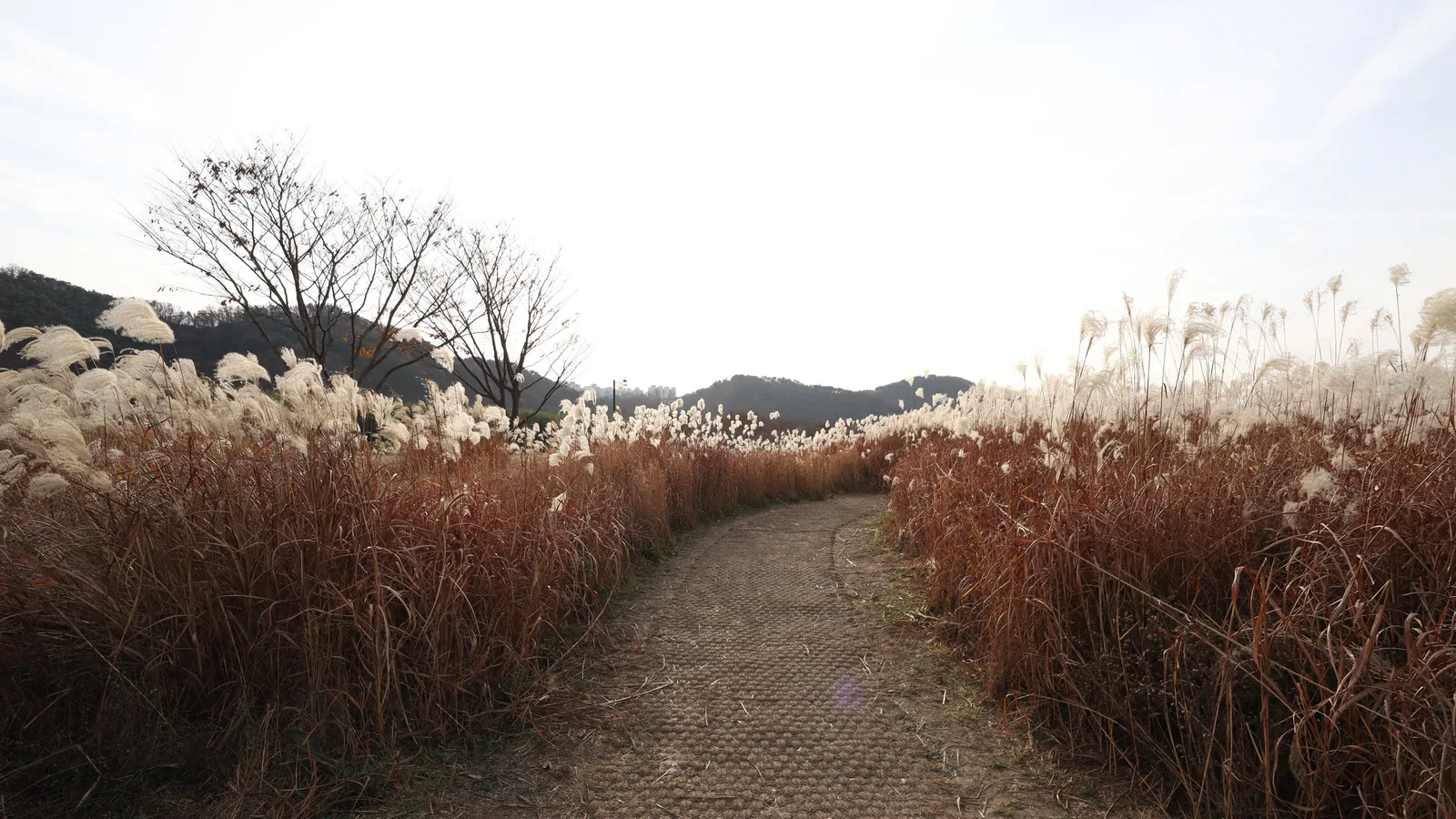
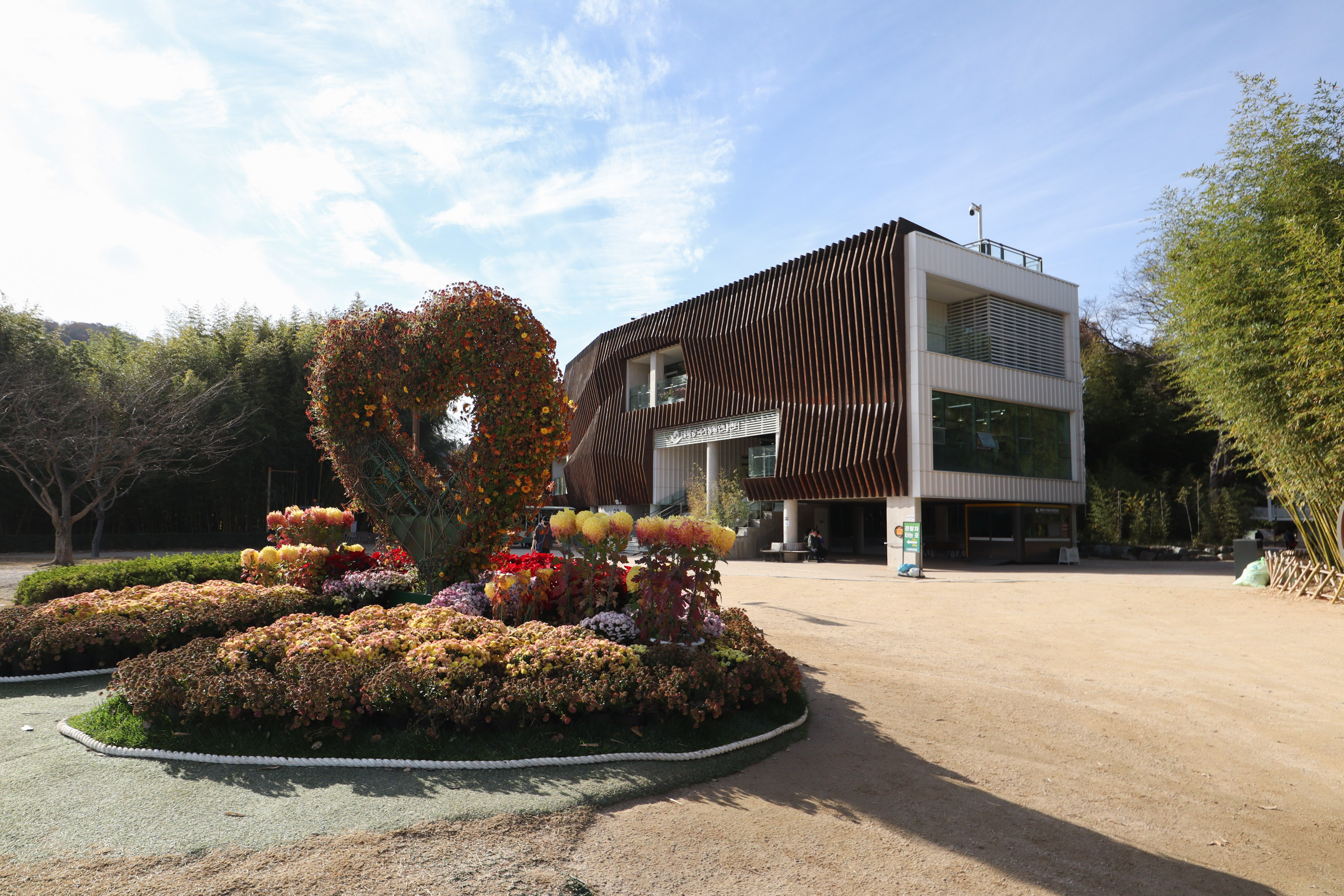
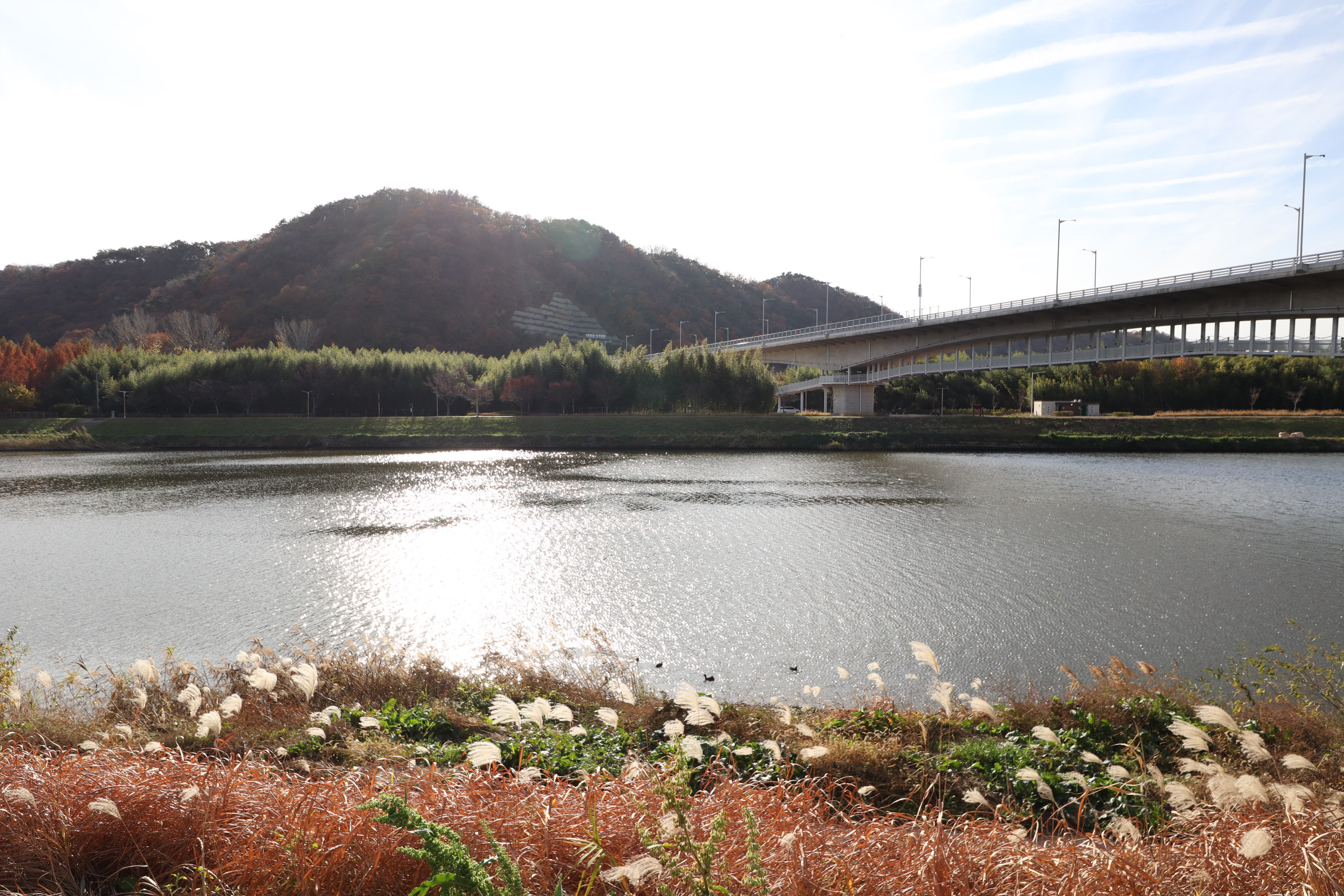
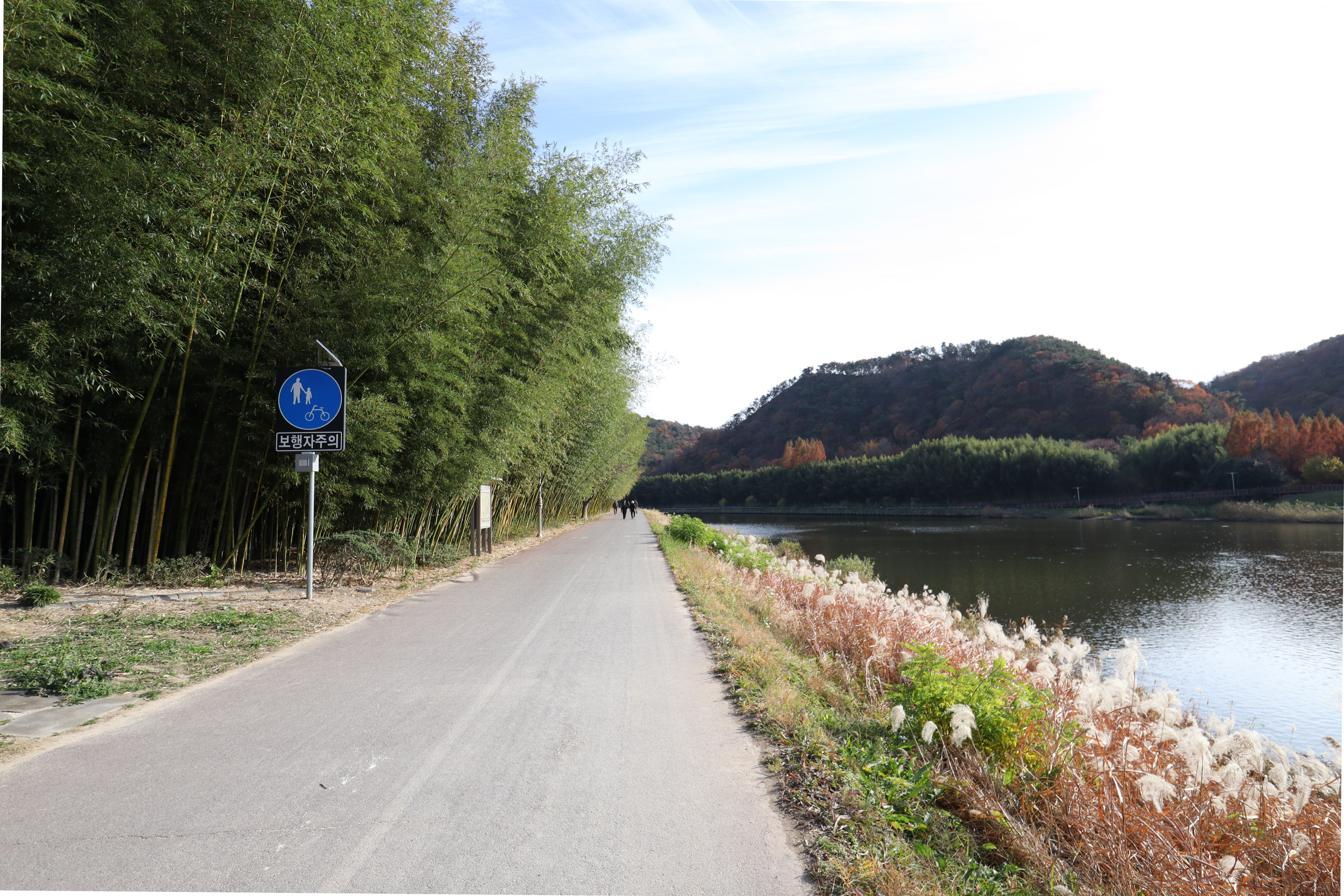
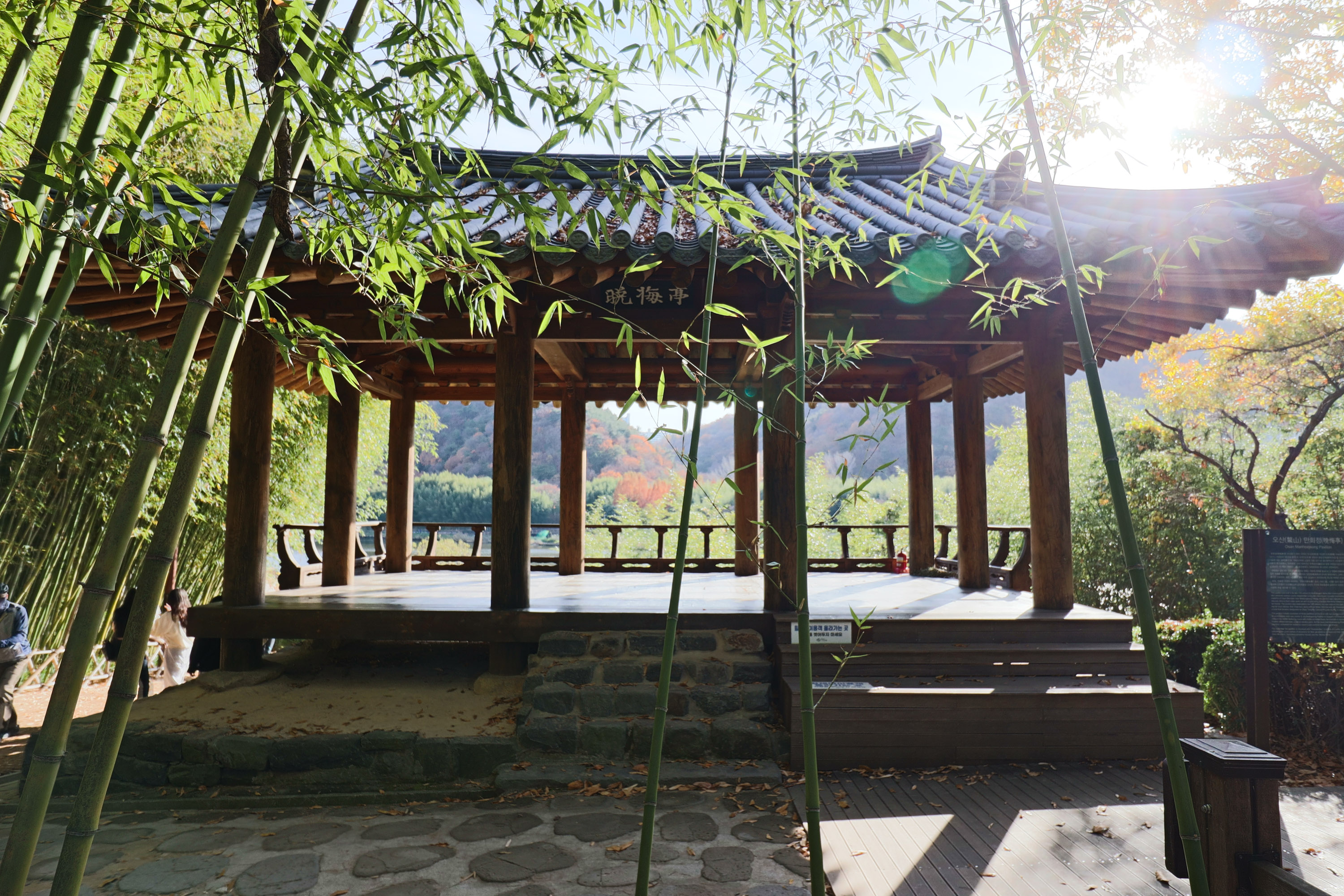
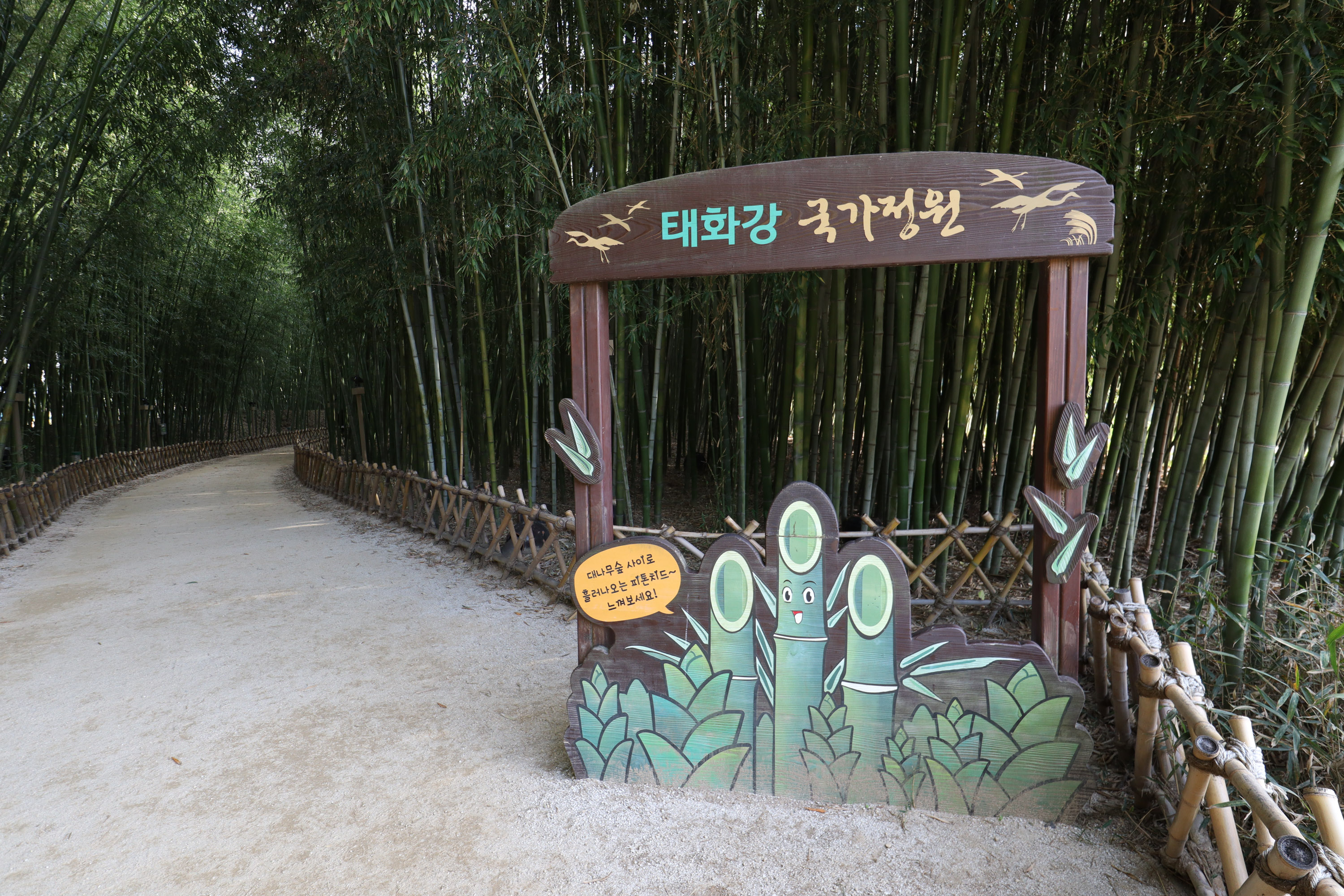
The core of this festival is walking through the garden at the time of year when its plantings change. In the garden’s own promotion of past autumn editions, the plants are chrysanthemums, pink muhly, pampas grass, cosmos and silver grass, with the naturalistic garden and the riverside stretches for the grasses. The photographs on this page, taken in late November 2022, show the shape of the place: beds near the visitor centre, silver grass along the river, a bamboo path and a pavilion in the trees.
The festival layer sits on top of that. At the 2025 edition (October 24-26, themed “Where the Wind Rests, the Autumn Garden”), English-language reports describe a programme built around participation instead of a large stage show: family flower-planting, a novice gardener contest, children’s gardening sessions, spring-seed planting and seed-bomb throwing on a first-come basis, silver-grass bouquet making, healing meditation, photo zones, a flea market and evening lighting along a tree-lined trail. Korean press added horse-riding experiences and talk shows. Treat that as a picture of how earlier editions worked, not as a 2026 listing.
Programme and timetable
There is nothing dependable to report for 2026 yet. What the record does show about earlier years is the pattern: the 2023 edition (October 27-29) was announced with the theme “Autumn, Stay in the Garden” and opening performances; the 2025 opening ceremony was held on the first evening, at 18:40 on the main stage at the willow plaza. Neither tells you the 2026 timing. If a particular activity is your reason for going, wait for the official announcement rather than planning around last year’s timetable.
The garden’s official Instagram account, @ulsan_garden, is where the city’s team posts notices; I could not read it for this update, so check it yourself in the days before you go.
Tickets, fees and booking
Entry to the garden is free and it is open all year. That is stated by two independent travel sources. There is therefore no festival ticket to buy.
Activities are the open question. At the 2025 edition, the family garden-making session was reported to have filled the moment registration opened, which tells you that some hands-on programmes are limited and need advance sign-up. For 2026, no activity list, price or booking method had been published. For questions, the city lists 052-229-7564 for this festival; the Taehwagang National Garden Division is on 052-229-7565, and the Ulsan Garden Support Center on 052-229-3147~8. Those are Korean-language lines, so a hotel front desk or a translation app will help.
Getting there without a car
From Seoul, the usual route is a KTX from Seoul Station to KTX Ulsan Station. Timetable aggregators put the fastest services at a little over two hours, with the typical trip closer to two and a quarter hours. That station is outside the city proper, so you need a second leg: a taxi, which timetable aggregators put at about 25 minutes, or a bus. Bus 5003, an express, runs from KTX Ulsan Station towards the garden area, and bus 357 is also listed by Korea.net and a travel blogger. Allow up to about 50 minutes if you go by regular bus. Bus numbers and stops can change, so check a Korean map app on the day.
The alternative is the KTX-Eum, which runs from Seoul’s Cheongnyangni Station to Taehwagang Station in Ulsan. Seoul Economic Daily reported in December 2025 that the trip would take about 2 hours 54 minutes with more daily services. It is slower than the KTX on paper, but the station is named for the river and sits in the city, so you can skip the transfer from Ulju. Check its current timetable and walking distance to the garden entrance you plan to use, because the garden stretches along the river.
Searching your map app for “태화강국가정원” (Taehwagang National Garden) works better than “Ulsan”.
Parking, shuttles and traffic control
Nothing for 2026 had been announced. The garden has several car parks, but a festival-weekend traffic plan, any temporary road closures and any shuttle have not been published. With a park this size and an event that, in 2024, reportedly drew about 220,000 visitors over three days, parking near the garden can reasonably be expected to be tight. That is my inference from the 2024 figure, not an official 2026 warning. Arriving by rail and bus avoids the question entirely.
What may be in bloom
The festival’s dates fall a week later than the 2025 edition (October 24-26), and that matters for the plants. Korean travel guides put pink muhly’s deepest colour in early to mid October, so by October 30 it may be fading. Silver grass and chrysanthemums are the plants to expect later in the month, and the photograph record from November 2022 shows silver grass still standing in the last week of that month. No 2026 bloom report existed at writing, so check a recent photo from the garden’s official channel before assuming a particular colour.
Day trip or overnight
A day trip from Seoul is physically possible: two hours or so each way by KTX, then a short taxi or bus ride. Whether it is worthwhile depends on the festival’s 2026 hours, which are not known, and on your last train back, which varies by date and which this guide does not state. Check your exact return in Korail before buying the outbound ticket. If you want to see the garden at both daylight and after dark, an overnight in Ulsan is the safer plan. No hotel is recommended here, because availability and prices were not checked.
Food on site and nearby
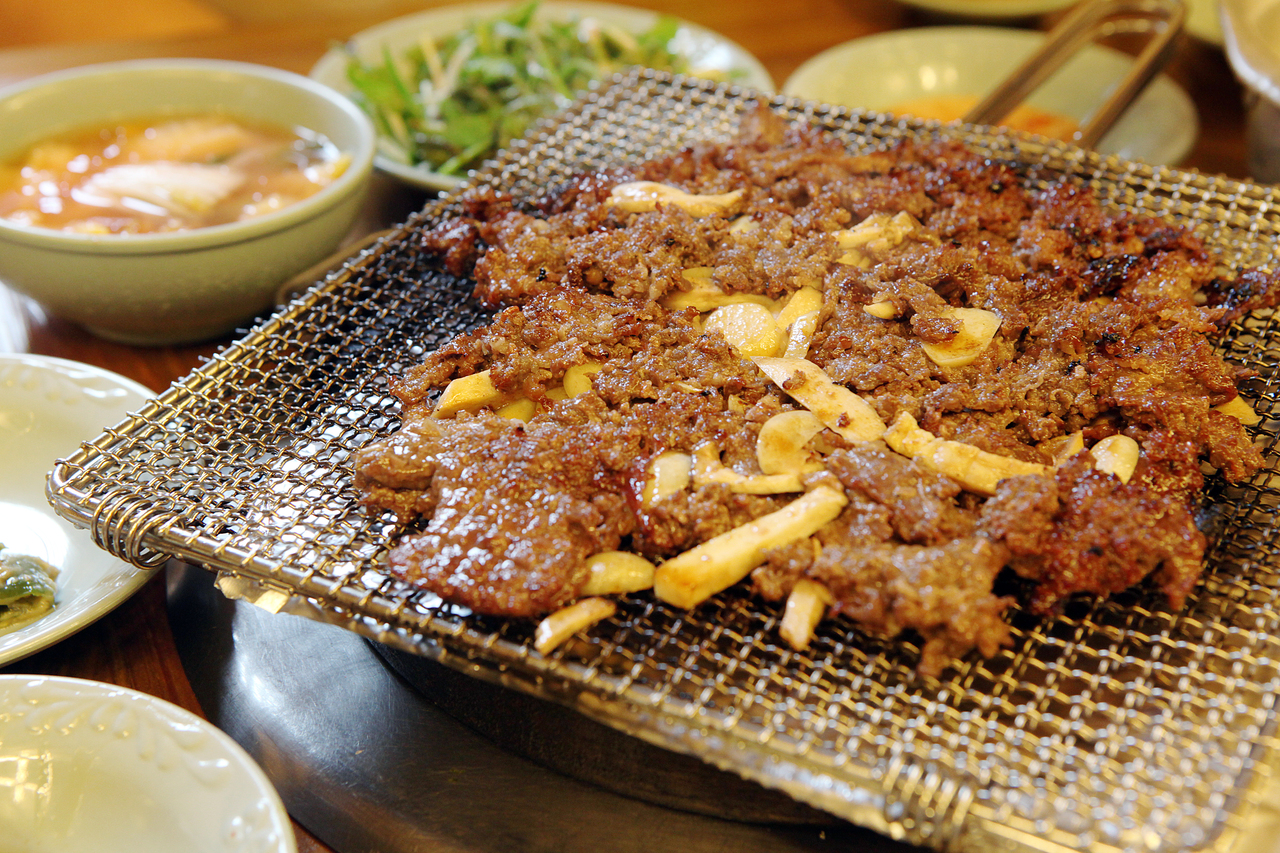
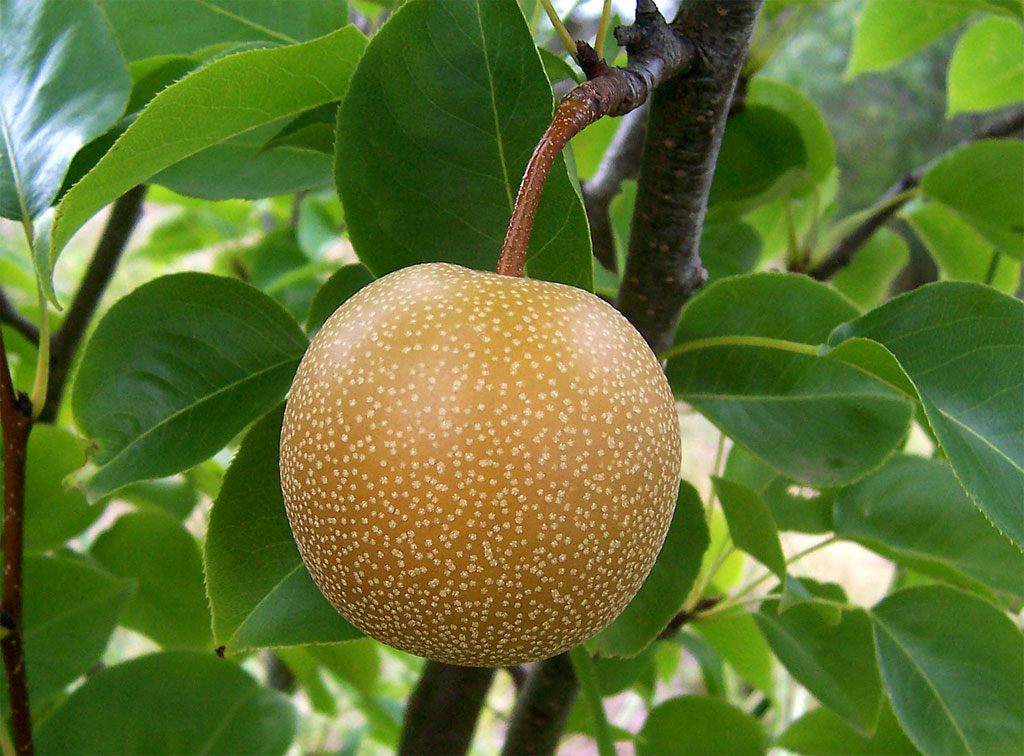
No food vendors, menus or prices for 2026 had been published. Past editions had a flea market, but this guide cannot say what will be sold. For a dish with a documented local identity, Eonyang-style hanu bulgogi from Ulju-gun, to the west of the city, is the best-known: thin, lightly seasoned beef grilled over charcoal. The Seosaeng pear from the coast near Ganjeolgot is an autumn local product. Both are regional specialties, not a promise about the festival’s stalls. Ulju is a separate trip from the garden, so plan the journey if you want the bulgogi.
Honest assessment
The strength of this festival is the setting. The garden is enormous, free and open all year, so the visit does not depend on any single announced event, and the bamboo forest and riverside paths are worth the trip on their own. A festival weekend adds activities and company.
The weakness is how little was known when this was written: no 2026 programme, hours, parking or shuttle details, and no way to confirm which plants will be at their best on October 30. The dates are firm and the garden is a safe destination, but anyone building a trip around a particular show or workshop should wait for the official notices. If you can be flexible, go on the Friday for more space, bring a layer for the riverside, and treat the programme as a bonus rather than the reason to travel.