The Tamna Culture Festival is Jeju’s long-running civic culture festival, and 2026 is its 65th edition. KTO describes the aim as reinterpreting the cultural heritage and community spirit left by earlier generations of islanders and pairing that with Jeju’s own arts. This year it also has a practical twist: it has been tied to the 107th National Sports Festival, which runs in Jeju from 16 to 22 October, and the festival site has been moved next to the sports complex to catch those crowds.
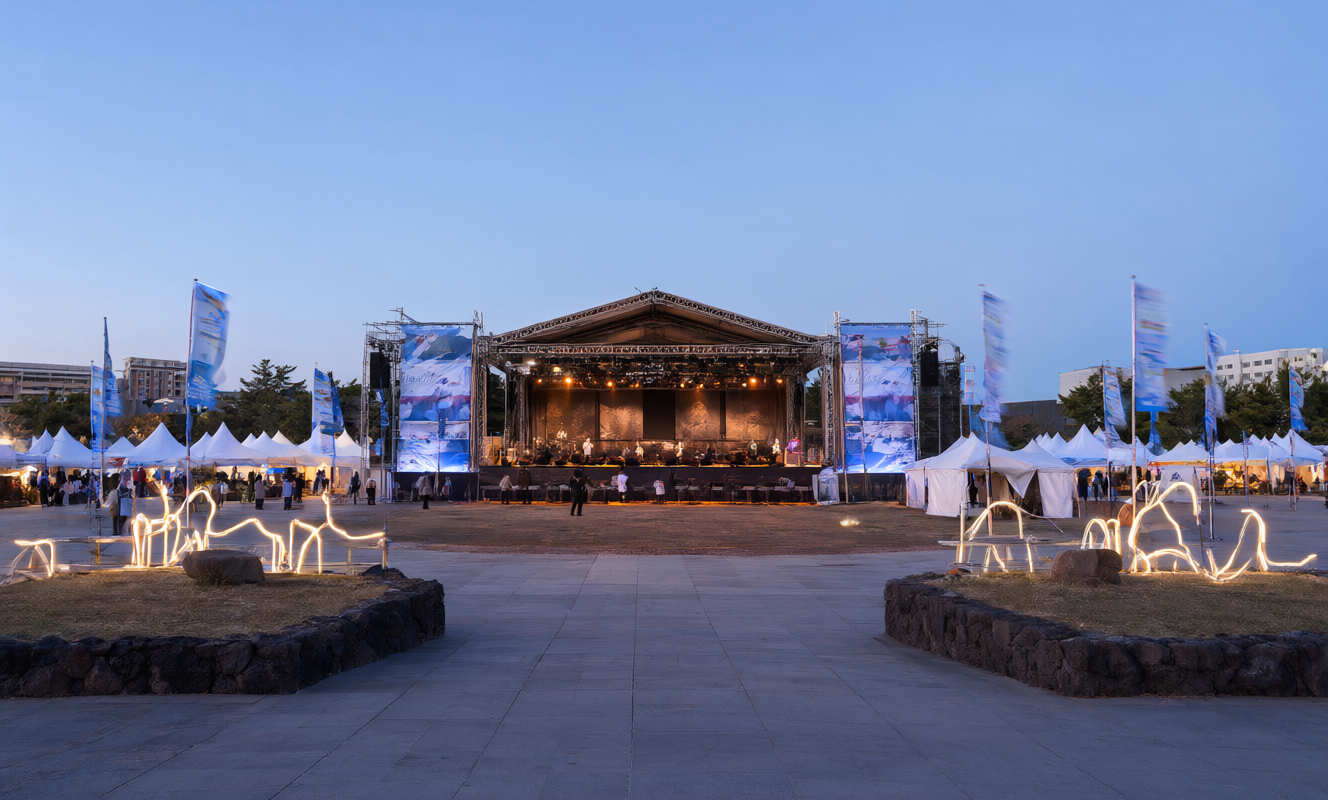
The 2026 dates are 17-21 October, with KTO listing operating hours of 10:00-22:00 and admission as free. The theme reported by local press is “The Breath of Tamna, the Passion of the Games, One Jeju”. The main venue is Jeju Citizens’ Welfare Town Plaza at 286 Yeonsam-ro in Jeju City. A pre-event on 10 October at the Chilsipri Outdoor Stage in Seogwipo has already taken place.
One honest caveat first: the festival’s own website could not be loaded when this guide was researched. The times below come from several Korean local news reports of the organiser’s programme and from KTO’s records, not from the official timetable page. Treat them as good planning figures and confirm them before you travel.
What you actually do here
This is a plaza festival, not a single show. Press coverage says the move to the plaza is meant to let you take performances, exhibitions, hands-on activities and evening content in one place, and the festival is organised into four themed zones with 16 programmes in total.
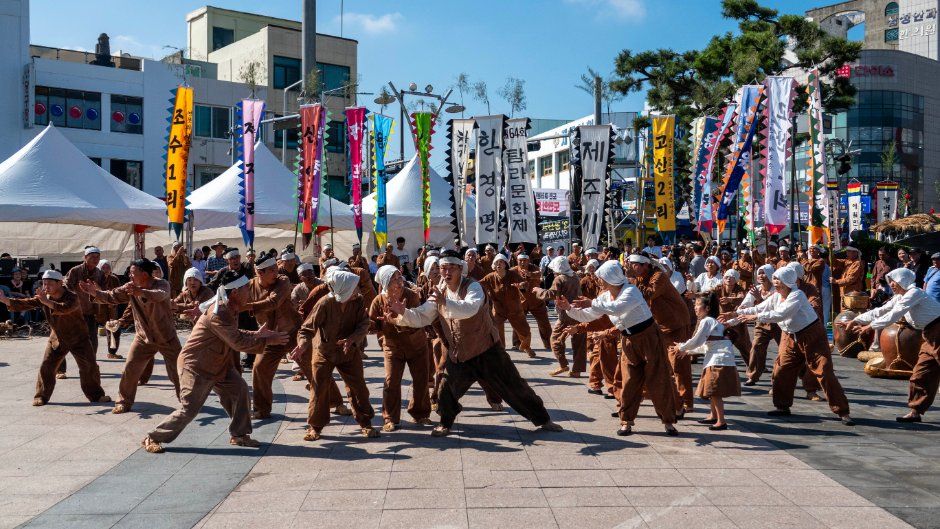
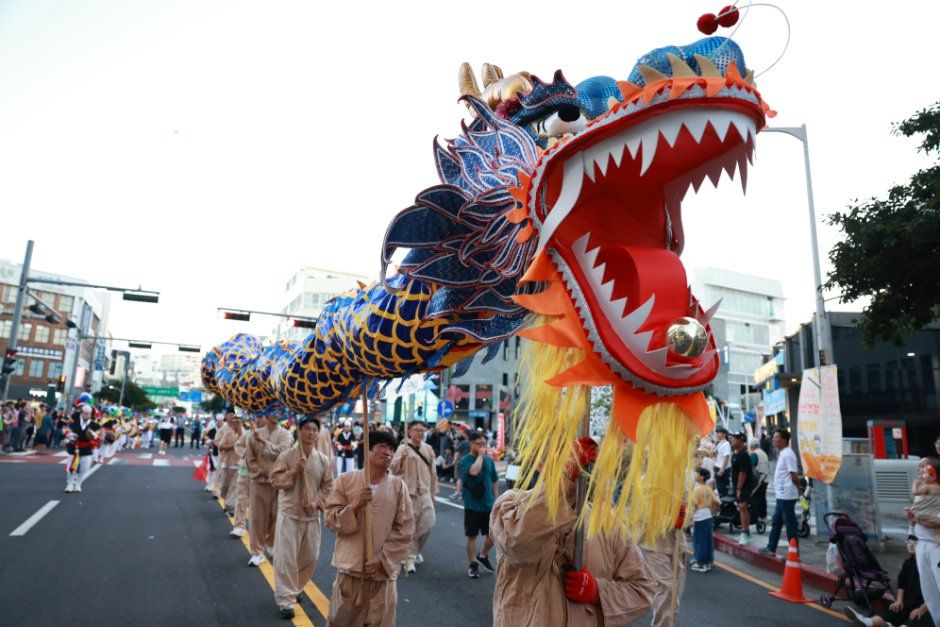
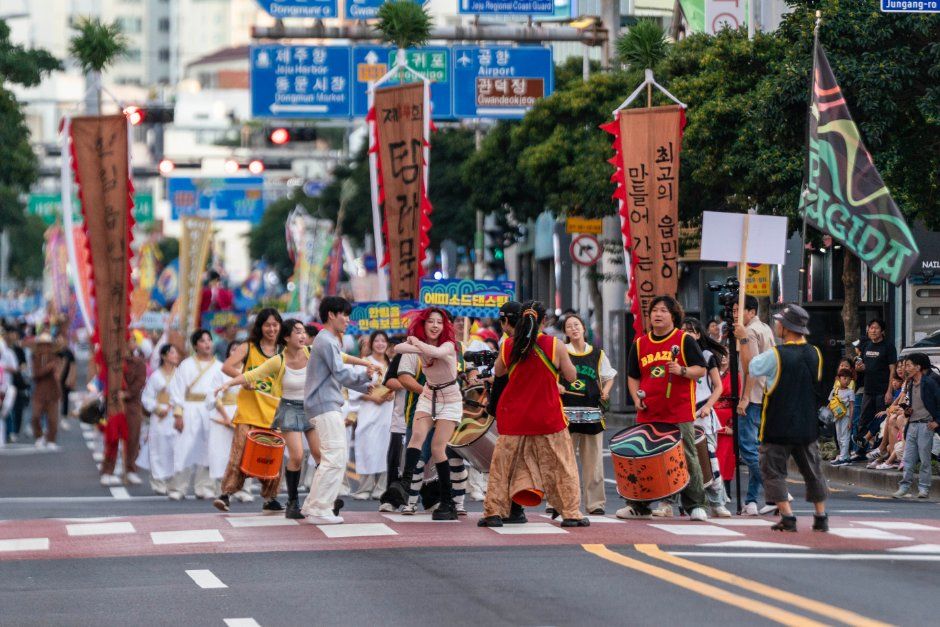
The Roots zone carries the formal side: a pre-event folk arts programme, the ritual known as Tamna Gaebyeok Sinwije (press reports it as held at Samseonghyeol, the historic site in Jeju City, though no time was found), the opening and closing ceremonies, and the Tamna Night Theatre. The Play zone is the most visitor-friendly: the Tamna Pungmul parade and performance, the Tamna Sports Arena where you can try traditional folk games, and a volunteer-supporter programme.
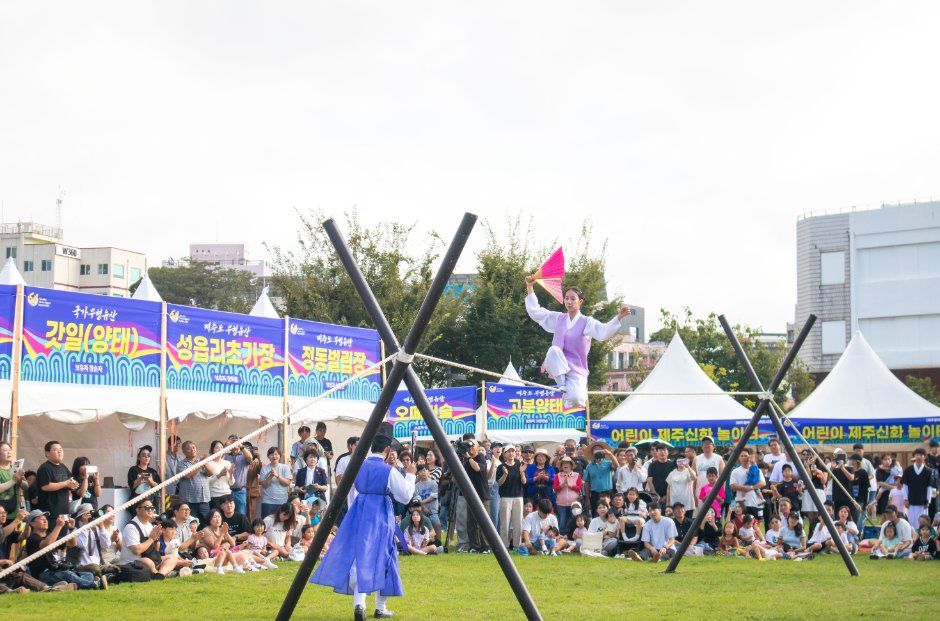
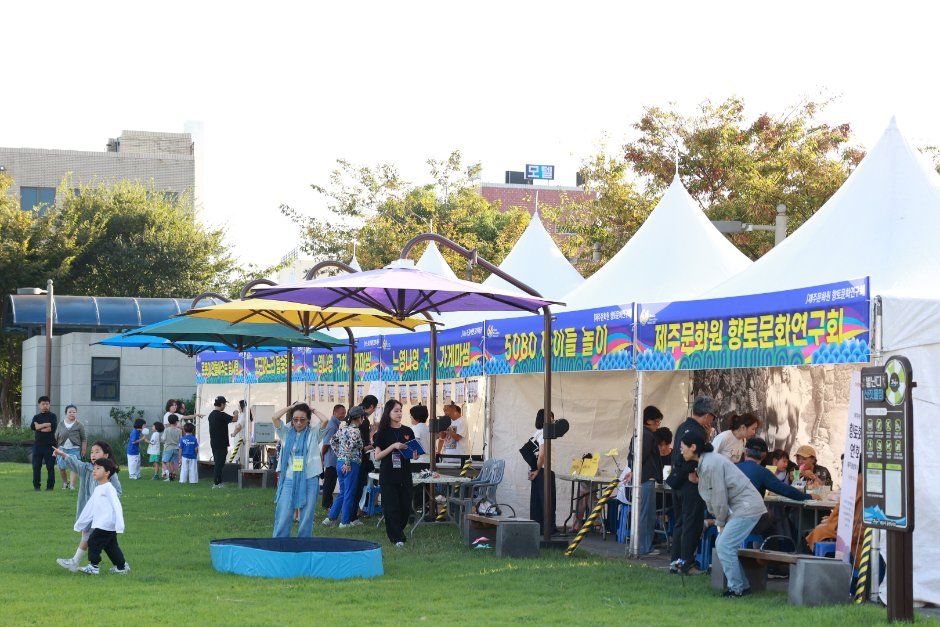
The Harmony zone is where the evening tourism content lives: Culture Connection performances by exchange cities, the Tamna Intangible Heritage Festival with performances by transmitters of Jeju heritage skills, the Tamna Nadeuri art market, and Neon Tamna Rock, a citizen-participation media-art installation. The Dream Light zone covers the Waeung-waeung Festival for youth and club contests, Dynamic Tamna, an exhibition of islanders’ own creative work, the Tamna Mendorong food market, and Tamna Yuram, a mission-style programme that reports describe as an evening walk built around Jeju myths.
Programme and timetable
The reports agree on a few fixed points. On 17 October, the Tamna Pungmul parade is reported for 17:00 and the opening ceremony for 19:30 on the Tamna Stage. The parade starts at Aehyang Stadium in the Jeju Sports Complex and ends at the plaza, passing the sports-complex intersections and the Jeju health centre intersection.
From 18 to 20 October, the Tamna Night Theatre is reported daily at 20:00 on the Tamna Stage. It stages the original musical drama Daughter of the Wind, Becomes an Island, which retells Jeju myth and history with contemporary performance and media art. One report lists the youth contest at 10:00 on 18 October and the heritage-holder performances on 20 October, but only a single source gave those, so treat them as provisional. The closing ceremony is reported for 17:00 on 21 October.
The Tamna Nadeuri art market is reported to run all five days, 17-21 October, from 13:00 to 22:00. Most other programmes were named in the sources without individual start times, so the safest plan is to download the programme book from the official site, which advertises one, or check the timetable page before you leave.
Tickets, fees and booking
KTO lists admission as free, and none of the sources mentioned a ticket or booking requirement for general entry. You do not need to reserve a place to walk around the plaza.
What is not known is the cost of things inside it. The food market, the art-market goods and any experience stalls are separate from admission, and no prices were published. If a particular activity matters, call the organiser on 064-753-3287.
Getting there without a car
From Seoul, Jeju is a flight, not a train ride. Public route listings put the Gimpo to Jeju flight at about 1 hour 15 minutes, and there are well over a hundred flights a day on the route, so schedule is rarely the problem. Book early anyway: the National Sports Festival is bringing tens of thousands of visitors to Jeju (Kyunghyang reported an expectation of about 30,000), though this guide could not verify fares or seat availability.
After landing, you still need to reach the plaza on Yeonsam-ro in Jeju City. The sources did not give a reliable bus route or journey time from the airport, so this guide does not name one. A taxi is the simplest option, and a Korean map app (Naver Map or Kakao Map) will show the live bus options for the day. Search for the plaza by its Korean name, Jeju Simin Bokji Taun Gwangjang (the “Citizens’ Welfare Town Plaza”), or by the Yeonsam-ro address rather than just “Jeju”.
Parking, shuttles and traffic control
No parking plan or festival shuttle was found. What is documented is a parade-day road closure: on 17 October, vehicle traffic along the parade route, between the sports complex and the plaza, is reported closed from 15:00 to 19:00. Anyone driving or taking a taxi that afternoon should expect detours and set the plaza itself, not a nearby street, as their destination.
With the National Sports Festival taking place right next door, the area will see extra traffic throughout the week. Public transport and walking are safer bets than hoping for a nearby car space, but check the official transport notices before you go, as this guide cannot name a lot or a stop.
Day trip or overnight
A day trip from Seoul is physically possible, since the flight is about 1 hour 15 minutes each way. The practical limits are what you cannot yet check: the airport-to-plaza time, the last flight on your date, and how long the festival’s evening content keeps you there. This guide does not name a last flight.
Late arrivals at Jeju Airport matter too. During the National Sports Festival, authorities raised a late-night airport taxi subsidy (for trips between 21:00 and 01:00, from 15 October to 14 November) because night-time taxi supply is thin, and said extra late-night airport buses would only start in November. That suggests a late return from the plaza to the airport may not be easy. If you want the evening programmes, which end around 22:00, plan a night on the island rather than a tight same-day return. Hotel prices and availability were not verified.
Food on site and nearby
The Tamna Mendorong Market is the festival’s food programme. Reports describe it as a small-scale showcase of Jeju food and ingredients, with local-food promotion booths and snack bars. There are no confirmed stall names, prices, vegetarian options or payment methods, so eat elsewhere if a reliable meal matters.
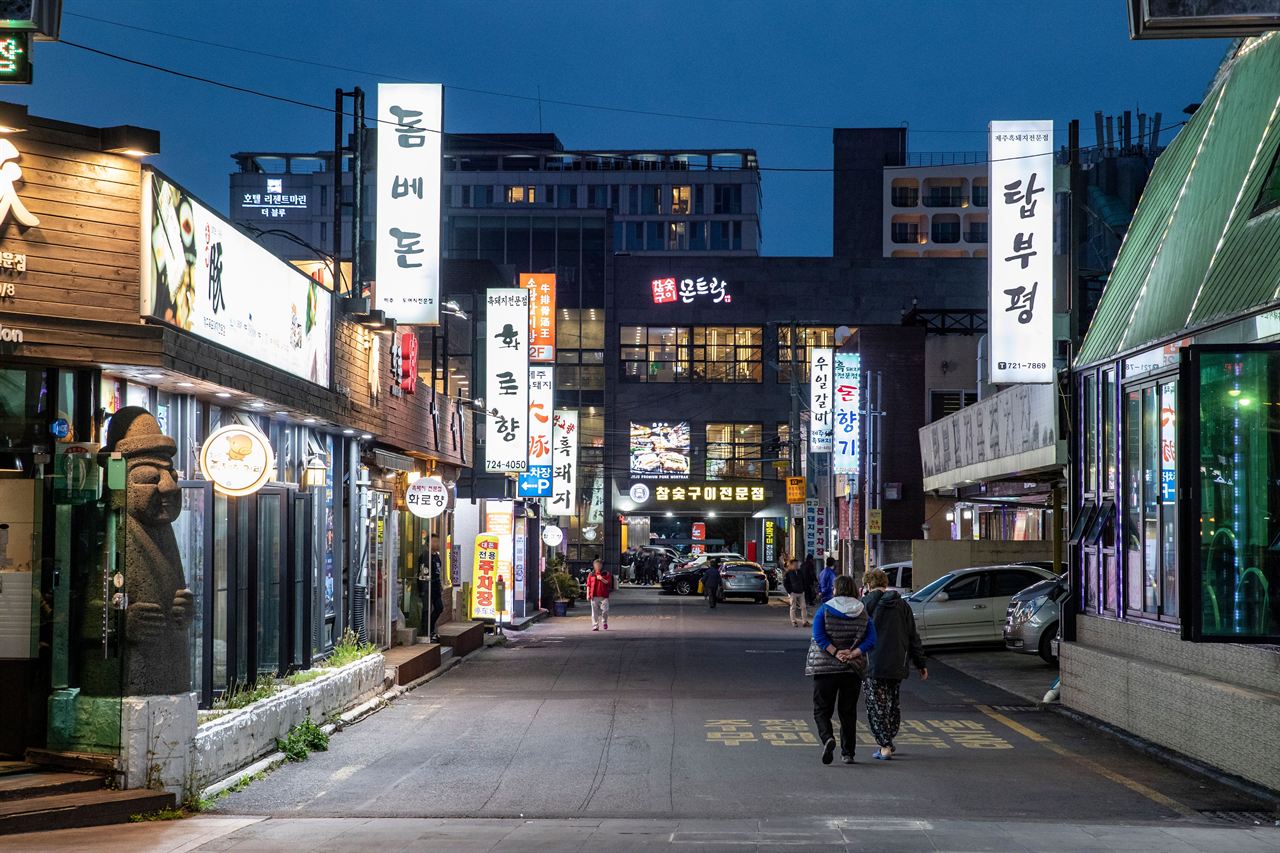
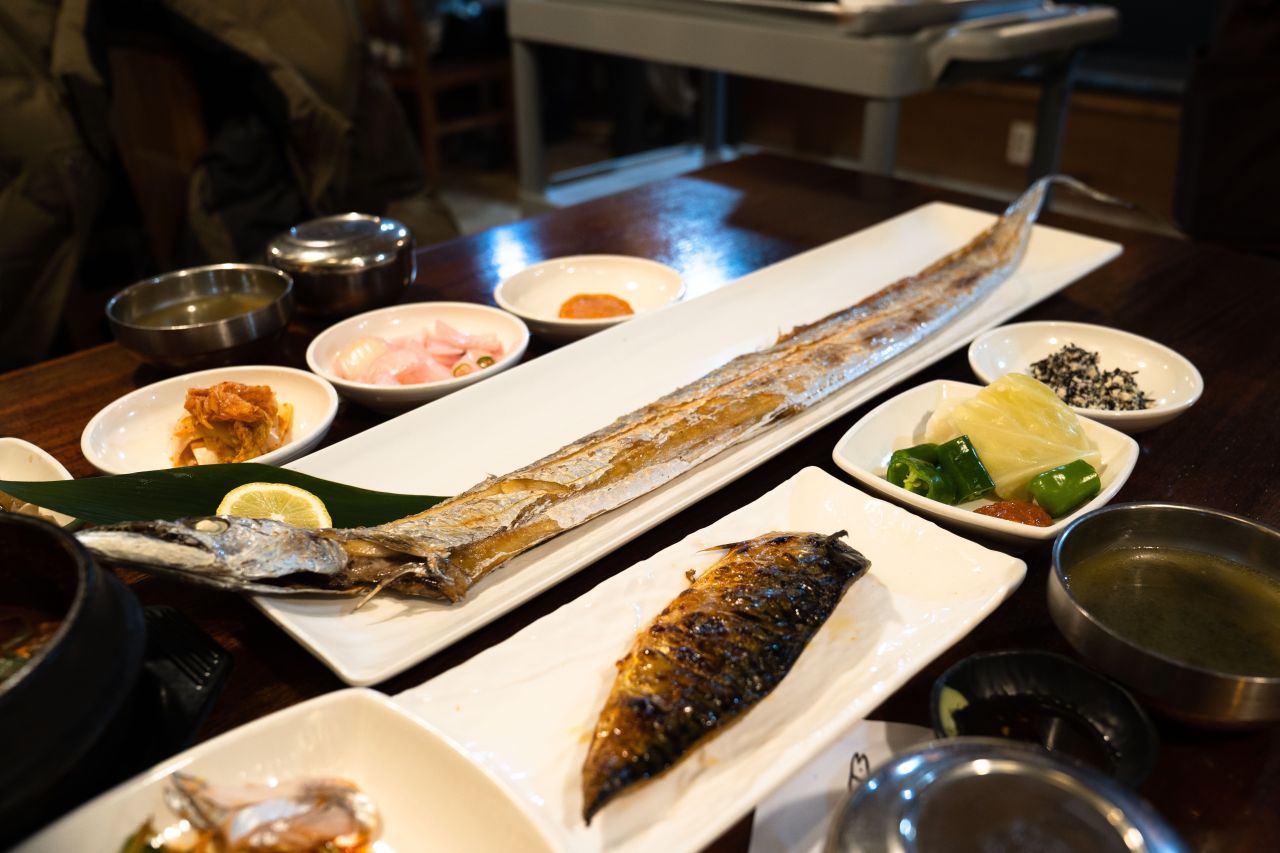
For food that Jeju is known for beyond the festival, two options are well documented. Jeju black pork is promoted by the island’s tourism portal as a signature dish, normally grilled at the table, and Jeju City has a dedicated black pork street. Silver cutlassfish, caught off Jeju, is widely sold grilled, braised or as sashimi. Neither is a claim about what the festival’s stalls will serve.
Honest assessment
The festival’s strength is that it is a genuinely local event. The programme is built around Jeju’s folk performance, heritage-holders, myths and islanders’ own creative work, rather than imported entertainment. Being free, with a compact plaza and evening theatre and lights, makes it easy to drop in for an hour or two while you are already in the city.
Its weak points are mostly about information and crowds. The times in this guide were reconstructed from news reports because the official site would not load, many programmes have no published start time, and there is no confirmed parking, shuttle or airport bus information. The festival is also sharing the city with a national sporting event, so expect busier roads, and possibly tighter transport and rooms, than a normal October week.
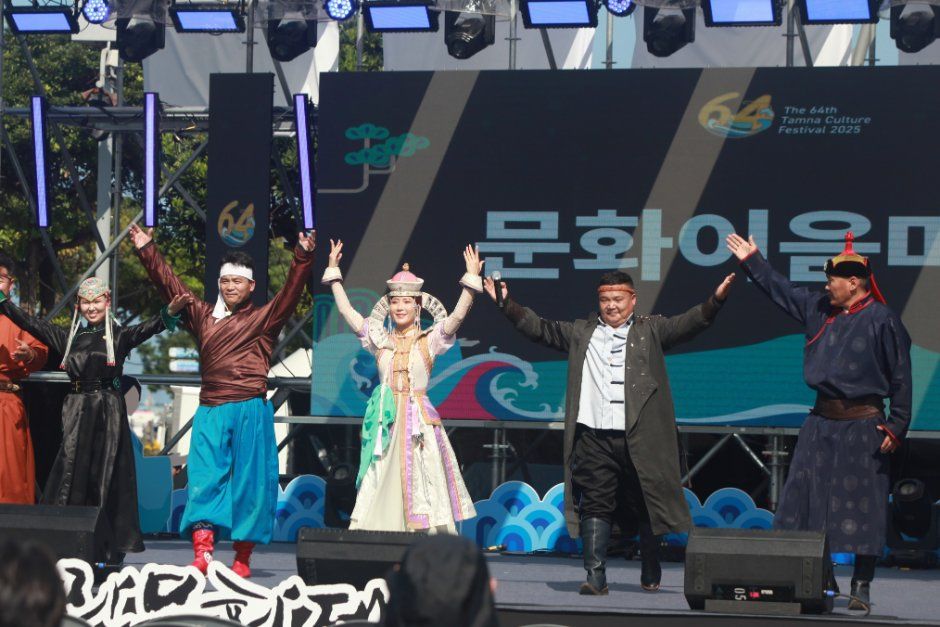
The photographs in this article are from KTO’s gallery for the festival. They are labelled 2026, but at least one shows signage from the 64th festival in 2025, so treat them as a sense of the festival’s style rather than a picture of this year’s layout. If you can only go once, go in the evening of 17 or 18-20 October, when the ceremony or the night theatre is on, and check the official notices on the day for any change.