
Autumn · Gyeongsangnam-do · Field listing
National Heritage Media Art at Tongdosa Temple 2026
The essentials first: whether it is open, what it costs, how hard it is to reach and what to expect if you do not speak Korean.
When
Sep 28 — Oct 18ConfirmedConfirmed dates
Where
Tongdosa Temple, YangsanGyeongsangnam-do
Type
History & tradition
Admission
FREEViewing the media-art route is free and no reservation is needed, according to Yangsan City's 2026 announcement. Temple grounds carry no separate cultural-heritage admission charge, but the two car parks near the ticket booth are the temple's own lots and may charge for parking. There is no verified 2026 price for any add-on, so nothing here is treated as paid.
From Seoul
About 2 h 20 m by KTX to Ulsan Station, then a local bus or taxiTake a KTX from Seoul Station to Ulsan Station (whose official subtitle is 'Tongdosa'); Trip.com's Korail listing gives about 2 hours 20 minutes and roughly 53,500 won. From the station, Yangsan city bus 13 runs to the Tongdosa Sinpyeong bus terminal every 25–30 minutes, or take a taxi. From the terminal it is a walk to the mountain gate, and the media-art route itself then follows the pine-lined Mupung Hansol-ro path.
Hours
19:00–21:00 nightly
Is this one for you?
Who it suits. This suits travellers who like a quiet, atmospheric night walk through a working 1,300-year-old temple, and who are happy that the 'show' is projection and light on old buildings rather than a stage act, rides or food stalls. It is a poor fit if you cannot manage roughly an hour on foot in the dark on uneven temple paths, if you want a loud festival atmosphere, or if you need a same-day return to Seoul, because the route only runs 19:00–21:00 and the last public transport out is tight.
When to go. Go on a weekday evening if you can. Arrive around the 19:00 opening, or a little before, so you can walk the roughly 20-minute pine path in without rushing; the full route takes about an hour and everything closes at 21:00. Last year's edition drew about 230,000 people over 27 nights, so weekends concentrate the crowd. Do not turn up near 20:30 — you will be hurried through and may miss the hologram-and-laser finale at Haejangbogak.
LOCAL WEATHER
Weather near the festival
Korea Meteorological Administration forecast
Need something we do not list — a stall menu, a parking gate, a last bus? The Korea Travel Helpline answers in English around the clock: dial 1330 inside Korea, or +82-2-1330 from abroad.
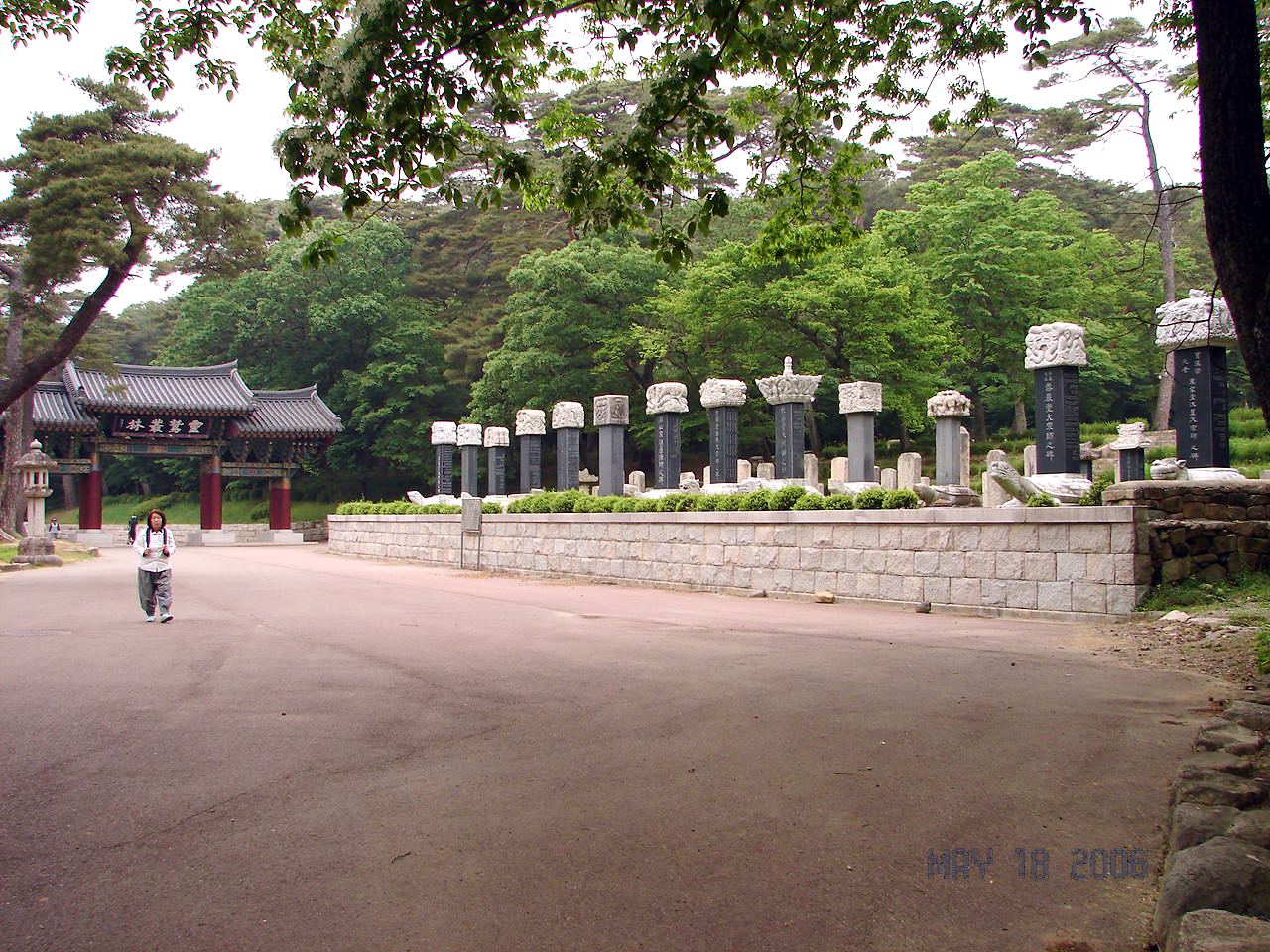
Tongdosa is one of Korea’s three principal “jewel” temples, founded in 646 and set at the foot of Yeongchuksan in Yangsan, Gyeongsangnam-do. For three weeks each autumn its gates and halls become the canvas for National Heritage Media Art, a nationwide night-time programme run by the Korea Heritage Service and its promotion agency across a dozen historic sites. The Tongdosa edition is organised by Yangsan City, which won it through the national competition, and 2026 is its third year.
For 2026 the confirmed run is September 28 to October 18, every evening from 19:00 to 21:00. Admission is free and Yangsan City says no reservation is needed. The theme this year translates roughly as “Tongdo, reaching stillness,” and the material is the temple’s own 1,300-year history retold in light and projected image rather than any imported spectacle.
This is fundamentally a slow evening walk, not a seated event. If you come expecting a stage, food stalls and a crowd-pleasing programme, the tone will feel wrong. If you come expecting a quiet, dark temple lit deliberately, it matches.
What you actually do here
The visit is built as a single walking route, presented in four stages that the organisers describe as entering, looking, soaking in, and blossoming. You start along Mupung Hansol-ro, the old pine-lined approach path, which takes about twenty minutes on foot before the media-art content proper begins at the Yeongchuk Chongnim gate. That opening walk is part of the design rather than dead time: it separates the car park and the road from the lit temple ahead.
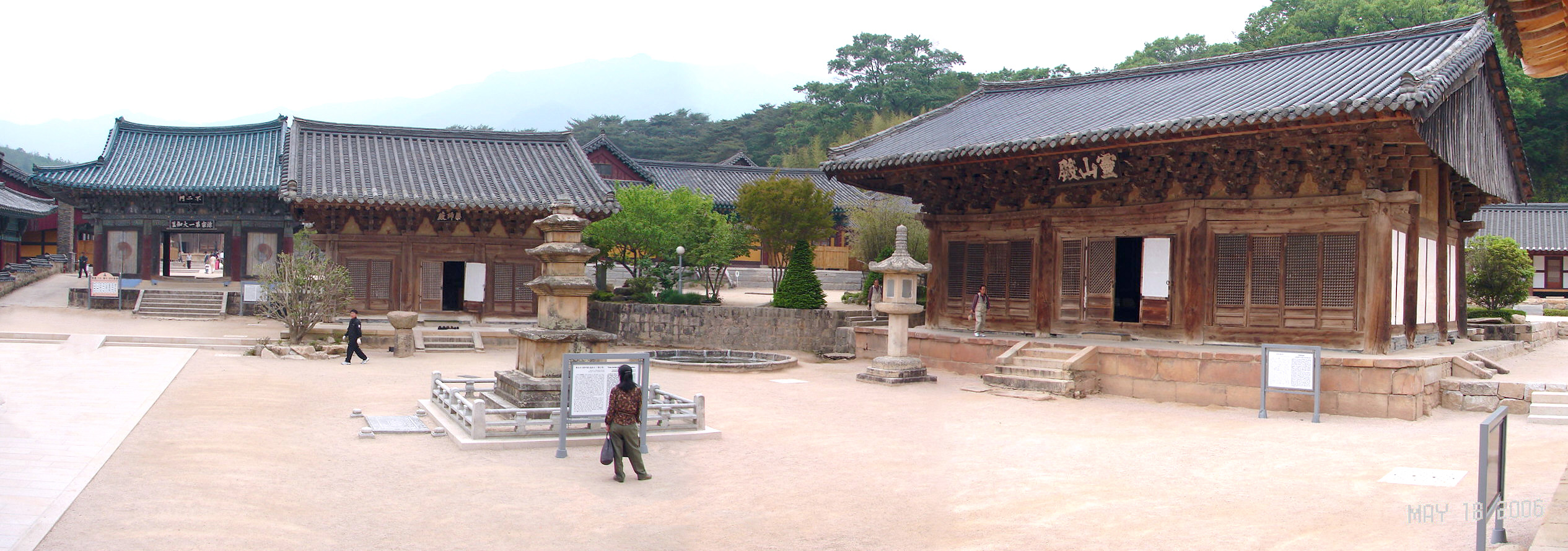
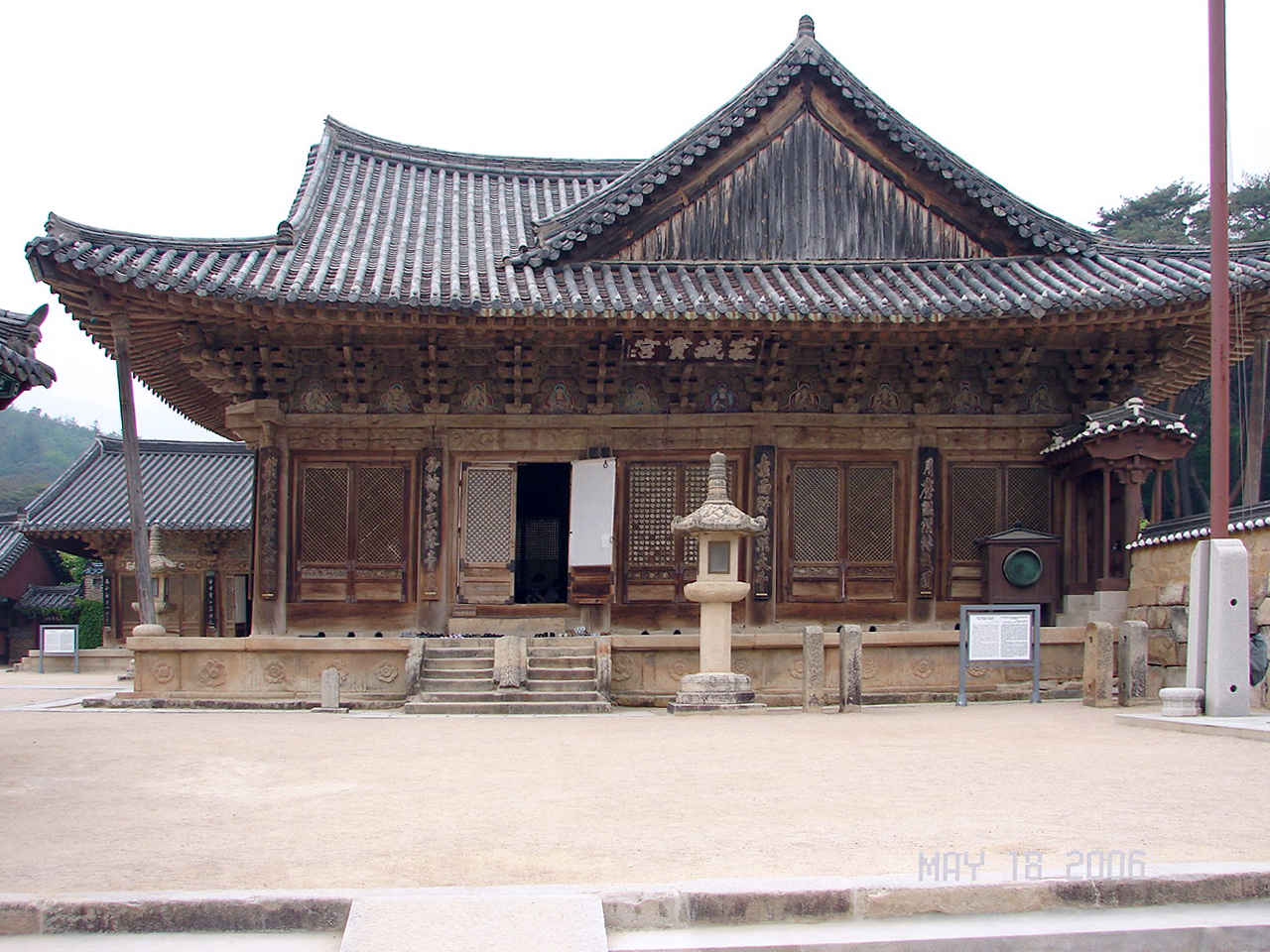
From the gate the route moves through the temple complex. The important 2026 change is that it has been extended. In earlier years the lit section stopped around the Buril Gate; this year it continues past it to take in the Gwaneumjeon and the open area in front of the Daeungjeon, Tongdosa’s main hall, which is National Treasure No. 290. The set-piece finale is staged at Haejangbogak, where the press describe a sky hologram combined with a laser sequence. Plan on roughly an hour to walk the whole circuit at a normal pace.
Because it is projection and light on real architecture, the experience rewards patience over checklist-ticking. The buildings you pass in the dark are genuine, centuries-old wooden halls, and the media layer is added on top of them rather than replacing them. That is the point of difference from a purpose-built light park.
Tickets, timing and reservation
There is no ticket to buy for the media-art route and no booking system: you arrive and walk it during the nightly window. Yangsan City’s announcement is explicit that entry is free. Tongdosa, like other temples inside national parks, no longer charges a separate cultural-heritage admission fee, so the walk itself carries no gate cost.
The one place money can appear is parking. The event directs drivers to the temple’s own lots near the ticket booth (details below), and those are ordinary paid temple car parks rather than a free event overflow. No 2026 parking price was published in the material checked here, so treat it as “bring a card or cash” rather than a known figure.
Timing is the real constraint. The route is only lit from 19:00 to 21:00, and it takes about an hour end to end including the approach walk. Arriving much after 20:00 means finishing in a hurry, and the Haejangbogak finale is the part most likely to be cut short if you are racing the clock.
Getting there without a car
The nearest high-speed rail stop is Ulsan Station, which the national rail operator officially subtitles “Tongdosa.” From Seoul Station the KTX takes about 2 hours 20 minutes, with Trip.com’s Korail listing showing a fare around 53,500 won and services running from early morning until late evening. Search your exact date in Korail rather than treating one time as fixed.
From Ulsan Station to the temple, Yangsan city bus 13 runs to the Tongdosa Sinpyeong bus terminal, with a listed interval of about 25–30 minutes. Namu Wiki’s route record shows first and last buses in the early morning and around the 21:00 mark, which matters here: the event ends at 21:00, and the last bus back toward Ulsan Station leaves the Tongdosa side at roughly the same time. A taxi from the station is the simpler option if you are watching the finale to the end. From the Sinpyeong terminal you still reach the mountain gate on foot, and the route then continues along Mupung Hansol-ro.
An intercity alternative exists from Busan — Tongdosa sits between Ulsan and Busan — but the KTX-plus-local-bus combination from Seoul is the most predictable. Whichever you choose, the honest planning point is the return: with a 21:00 finish, a same-day trip back to Seoul is not realistic, and even a return to central Ulsan or Busan needs the last departure checked in advance.
Parking
If you drive, Yangsan City points visitors to two lots near the temple ticket booth: the Sanmun car park and the Fantasia car park. These are the temple’s own parking areas, so plan for a parking charge and for a walk from the lot to the mountain gate, since the media-art route deliberately begins out at the pine path rather than at a building. A dated 2026 traffic-control notice was not part of the confirmed material, so on a busy weekend evening allow extra time and follow on-the-day signage rather than driving straight to a hall entrance.
A local specialty nearby
Away from the temple, the Yangsan region’s best-known produce is Wondong maesil, the Korean green plum grown in Wondong-myeon. Yangsan City lists plum among its representative crops, and the Wondong orchards — most famously Sunmaewon beside the Nakdong River — have a plum-growing history running back more than a hundred years. The fruit is generally turned into plum juice, syrup and vinegar rather than eaten raw. Wondong is also known locally for its water parsley (minari). Neither is a festival food and neither is sold as part of the media-art event; they are simply what the surrounding district is known for if you are already travelling through Yangsan by day.
Honest assessment
The strength of this event is its restraint and its setting. A real Three-Jewel temple, lit carefully in the dark along a pine approach, is a genuinely different experience from a commercial light installation, and the free, no-booking format makes it easy to fit into an evening. The 2026 extension of the route to the Gwaneumjeon and the front of the Daeungjeon adds real ground to cover rather than padding.
The weaknesses are all practical. It is short — about an hour — and it is far: two hours or more of rail from Seoul, then a bus or taxi, then a walk, for a two-hour nightly window. Last year’s roughly 230,000 visitors across 27 nights signal that popular evenings and weekends get crowded on paths that are dark and, in places, uneven. And the timing is unforgiving: the route stops at 21:00, and public transport back stops soon after, so the trip really wants an overnight in the area rather than a dash back the same night.
Come for a slow, atmospheric temple walk on a weekday evening, arrive near opening, and let the hour run at its own pace. Treat it as the anchor of an overnight in Yangsan, Ulsan or Busan rather than a same-day errand from Seoul, and check the last bus and last train before you commit to how the night ends.
Local specialties to try
Wondong maesil (Korean green plum) (원동 매실)
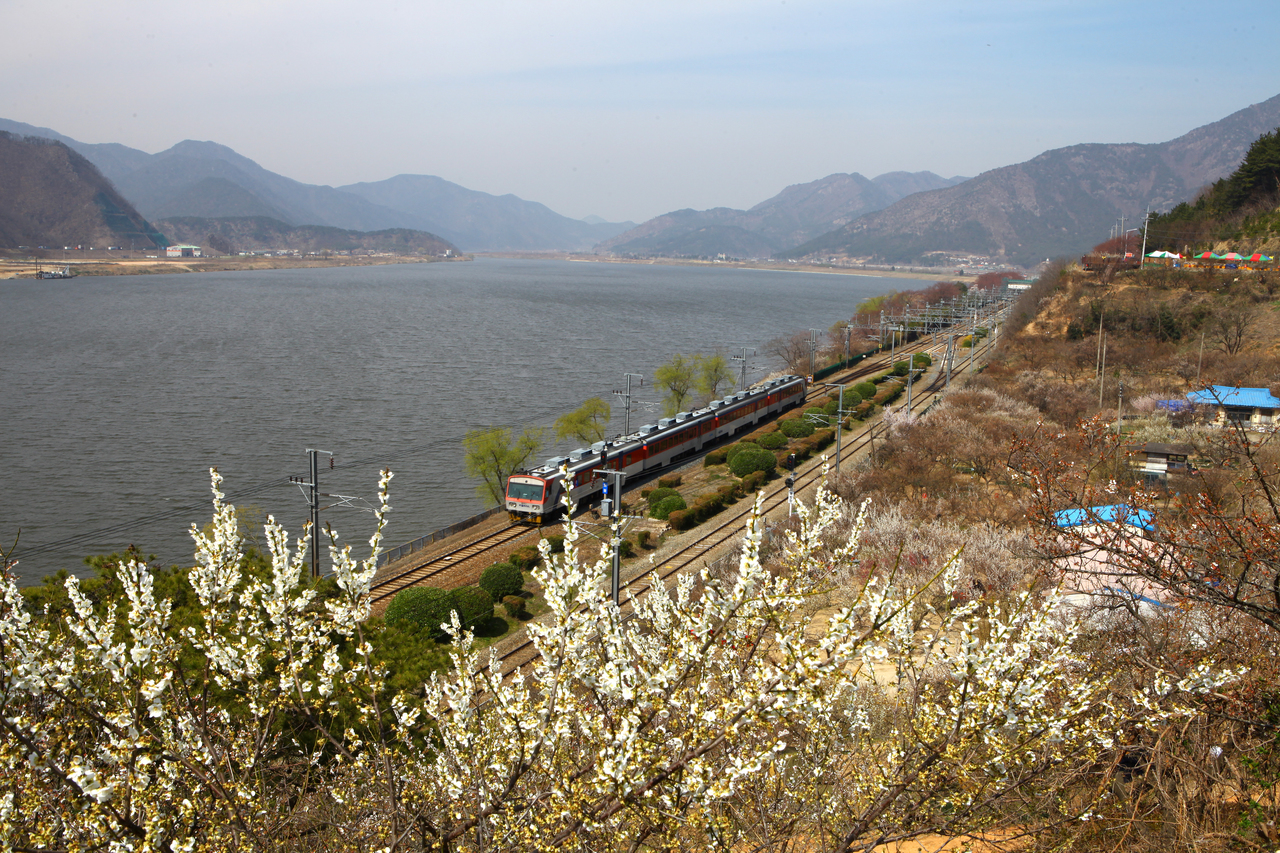
Yangsan's Wondong-myeon district has grown maesil, the Korean green plum, for over a century, and Yangsan City lists plum as a representative local crop grown mainly in Wondong. The plums are processed into juice, syrup and vinegar rather than eaten raw. The Sunmaewon orchard beside the Nakdong River, shown here, is the best-known plum spot in Yangsan — famous for its spring blossom and early-summer harvest. This is a regional specialty, not a claim about what is sold at the temple.
Questions worth asking
Is the Tongdosa media art free, and do I need to book?
Yangsan City's 2026 announcement says viewing is free and no reservation is required — you simply walk the route during opening hours. The temple's car parks are a separate matter and may charge for parking.
What time does it run?
Every evening from 19:00 to 21:00, from September 28 to October 18, 2026. Allow about an hour to complete the full route, so arriving after about 20:00 leaves little margin before the 21:00 close.
How do I get there from Seoul without a car?
Take a KTX from Seoul Station to Ulsan Station — its official subtitle is 'Tongdosa' — which is about 2 hours 20 minutes. From the station, Yangsan city bus 13 runs to the Tongdosa Sinpyeong terminal every 25–30 minutes, or take a taxi. Because the event ends at 21:00, check the last bus and last KTX carefully before planning a same-day return.
How long is the walk, and is it accessible?
The route follows the pine-lined Mupung Hansol-ro path for roughly 20 minutes before the media-art content begins, and the whole circuit takes about an hour. It is an outdoor temple path in the dark, so wear proper shoes and bring a light layer; it is not well suited to anyone who cannot walk that distance on uneven ground.
What will I actually see?
Projection mapping and lighting across the temple's gates and halls, arranged as a four-stage journey. For 2026 the route has been extended past the Buril Gate to include the Gwaneumjeon and the area in front of the Daeungjeon main hall, with a hologram-and-laser finale at Haejangbogak.
Before you goFestival Etiquette in Korea: What Visitors Get WrongBooking KTX Trains and Intercity Buses as a Foreign VisitorGetting Out of Incheon Airport and On to a FestivalKorean Festivals With Children: Toilets, Strollers and TimingStaying Online in Korea: SIM, eSIM and the Apps That MatterEating at a Korean Festival Without Speaking KoreanRain, Typhoons and Cancelled Festivals: How to Plan Around ThemHow to Pay for Things in KoreaT-money and Transit Cards in KoreaWhat to Wear to a Korean Festival, Season by Season
LAST UPDATED · Sep 21, 2026