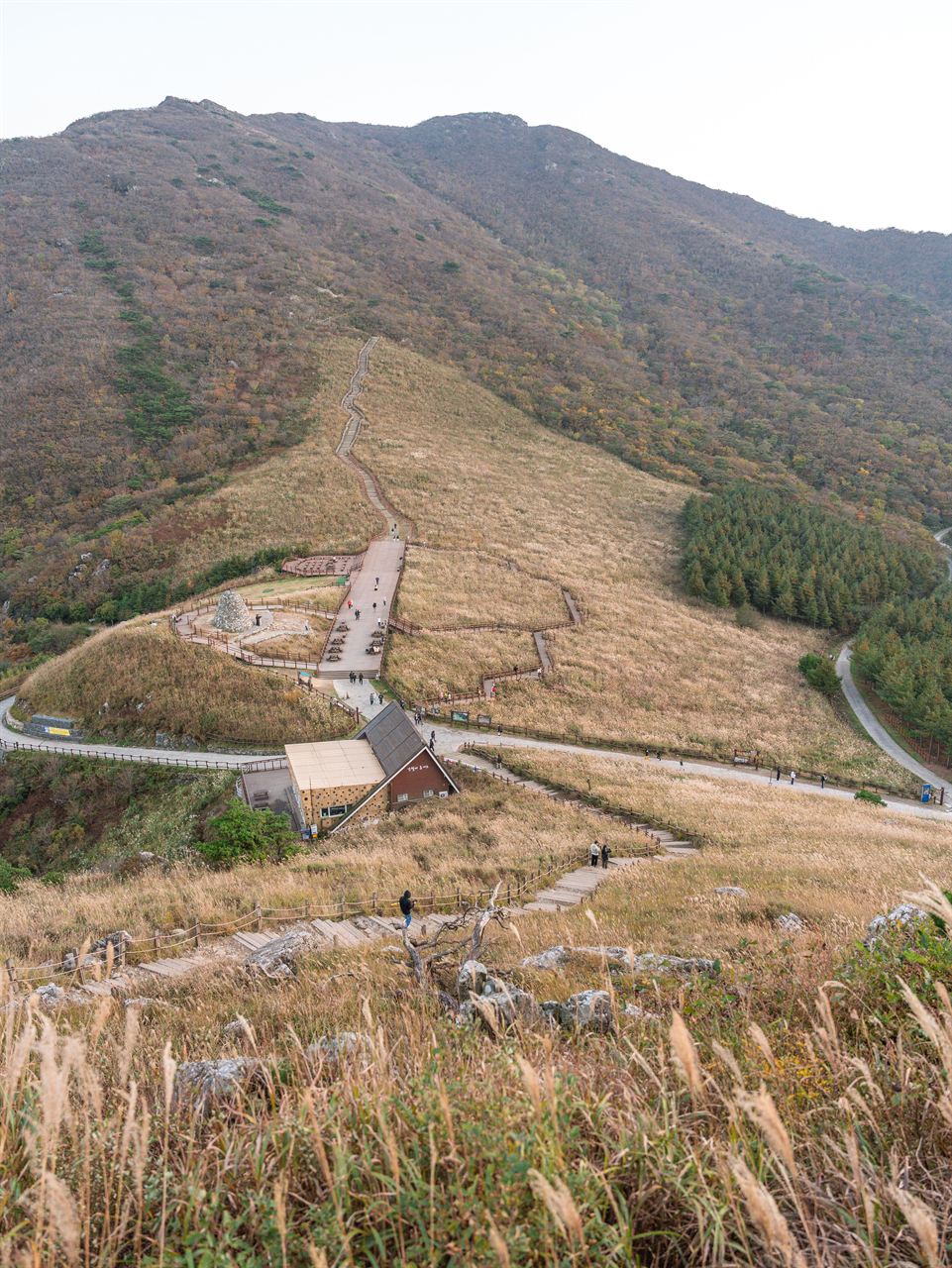
The Ulsan Ulju Mountain Film Festival, branded UMFF, is described by the Korea Herald and by Korean press as the country’s only international mountain film festival. Its eleventh edition runs September 18-22, 2026 at the Yeongnam Alps Complex Welcome Center in Sangbuk-myeon, Ulju-gun, on the Ulsan side of the Yeongnam Alps mountain range. The programme is built around films that deal with mountains, climbing, nature and the environment, and the festival is a member of the International Alliance for Mountain Film. Its executive committee is chaired by the mountaineer Um Hong-gil, which tells you how closely the event ties itself to real climbing rather than to cinema alone.
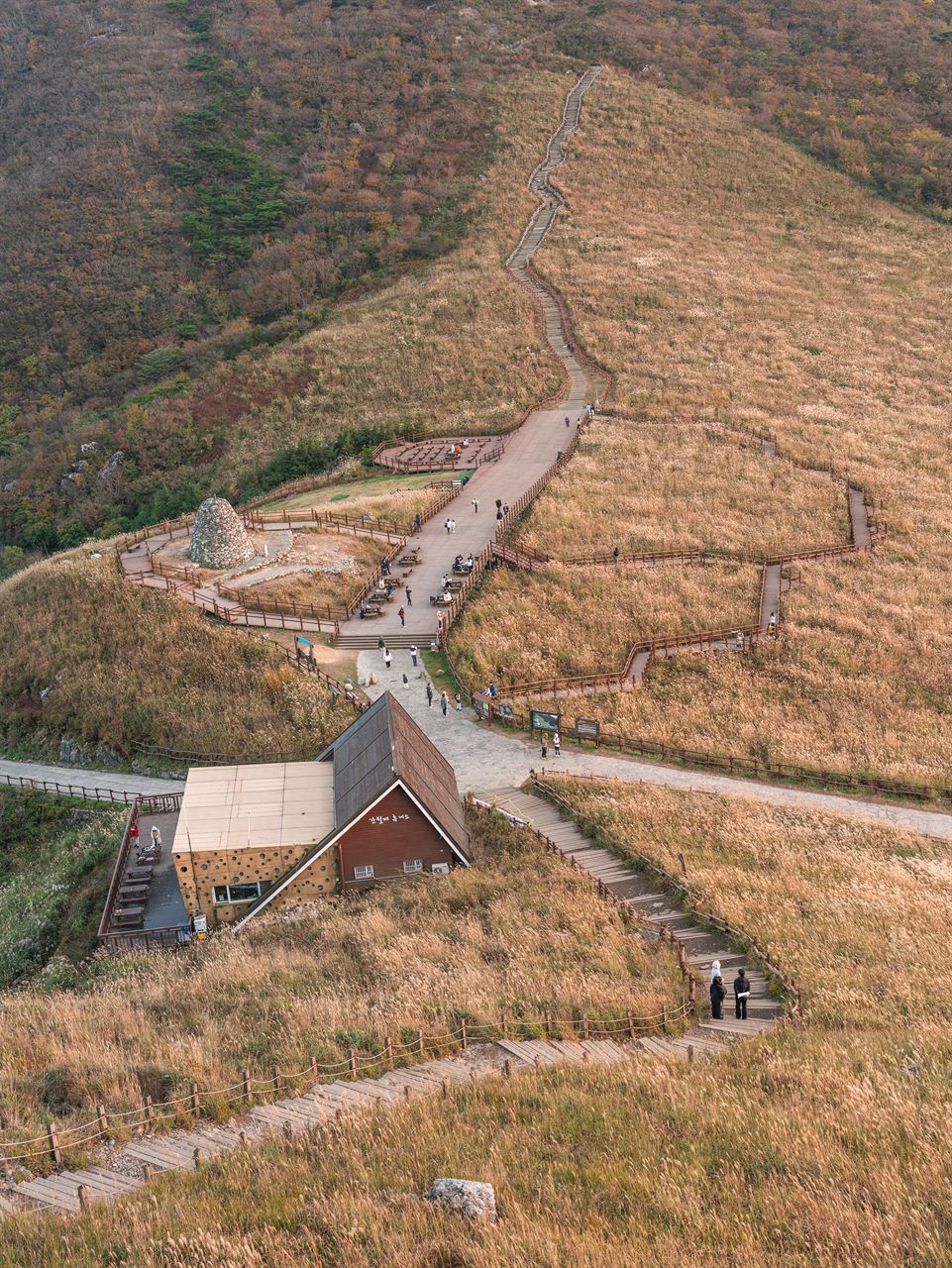
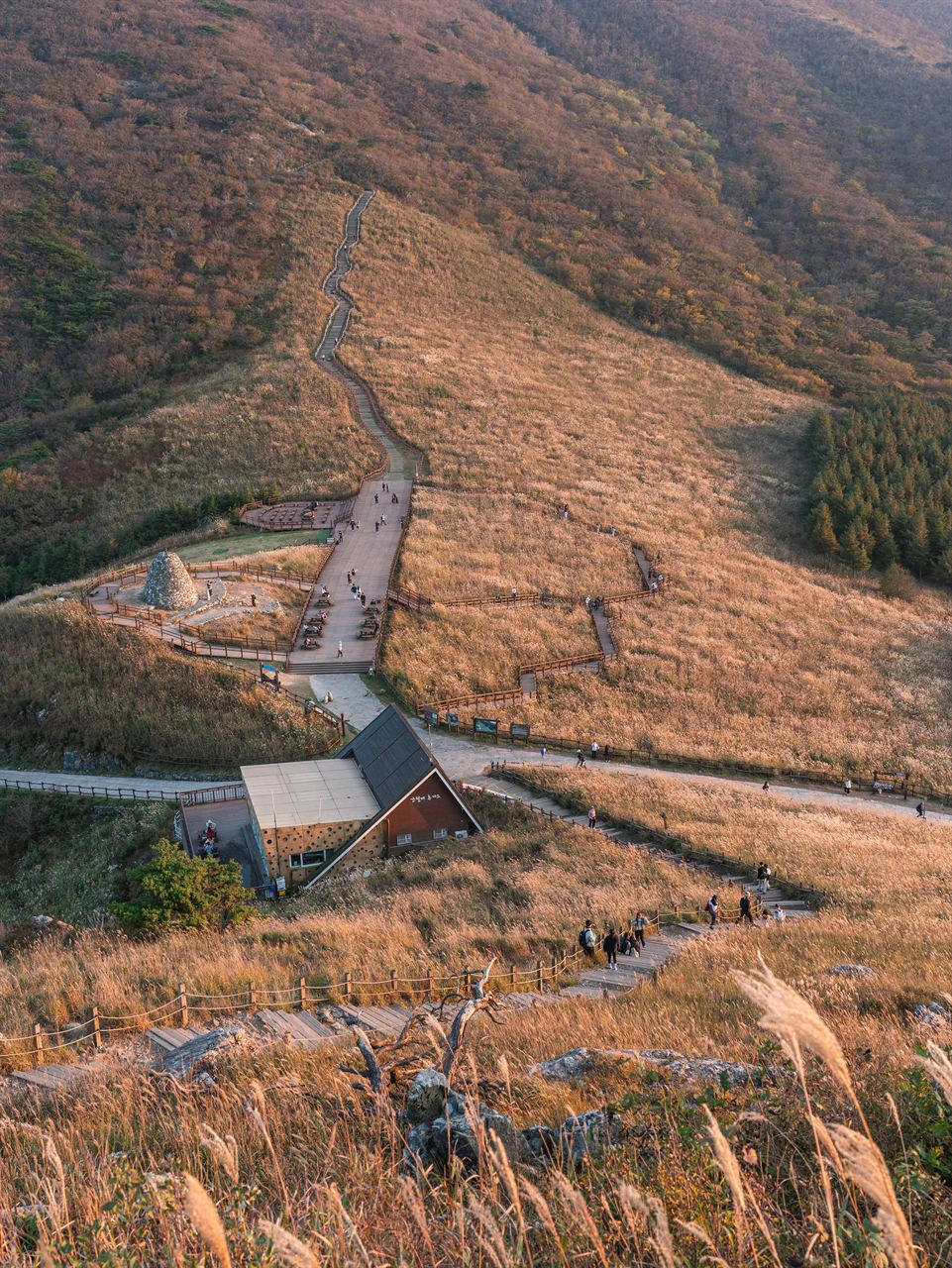
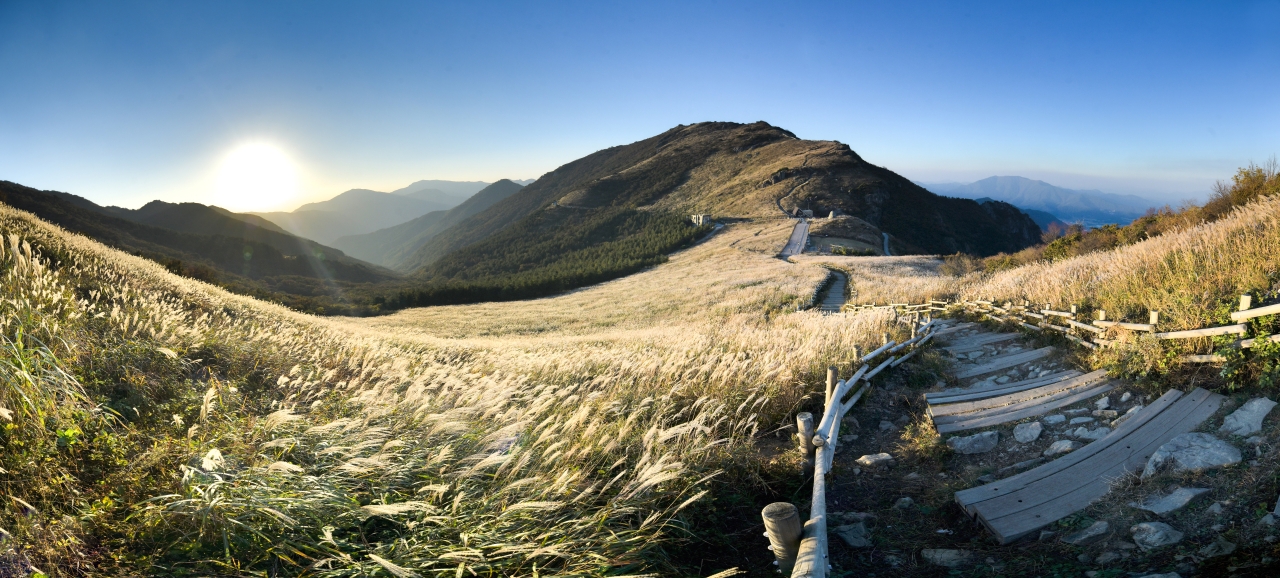
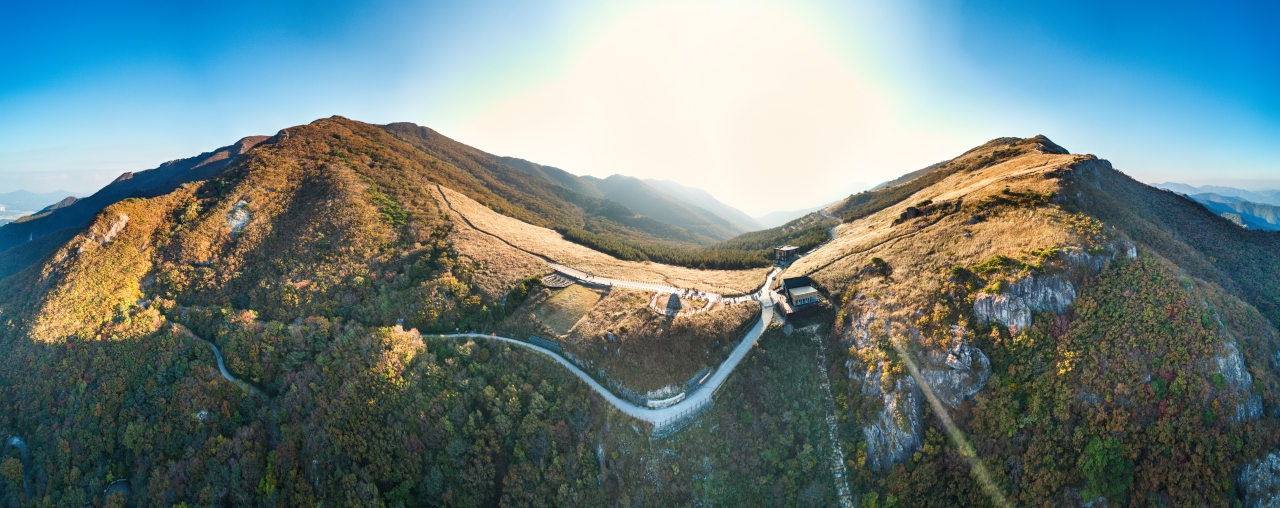
The practical point to grasp first is the setting. This is not a downtown cinema festival. The venue is a rural mountain complex at the foot of the Yeongnam Alps, with an Alps cinema, a climbing centre and culture facilities, and the programme spreads outdoors into the forest and the hillsides. That shapes everything from how you get there to how you should dress in the evening.
What you actually do here
The core of the festival is the Screening Program. The official site lists strands including an International Competition, an Asian Competition, and themed sections grouped under mountains, nature and people, plus a guest-country focus and special screenings. Slovenia is presented as a 2026 guest-country element, and a Patagonia retrospective appears in the line-up; confirm the exact section titles and times on the official schedule, because a festival this size finalises its grid close to opening.
Around the films runs a Festival Program of outdoor activities, grouped by the organiser into “talking,” “viewing,” “playing” and “singing” in nature. In practice that means guest talks and forums, the UMCA art exhibition, pop-singer and street performances, and a long list of hands-on experiences: forest journeys in the Yeongnam Alps, slackline and climbing tasters, star-gazing sessions, craft workshops and children’s activities. There are also night-time programmes such as night running and night yoga, which is why the grounds stay open until midnight.
You can therefore make a full day of it without watching a single film, or build the day around two or three screenings with outdoor events in between. Families in particular have a lot to do here, which is less true of most film festivals.
Programme and timetable
The grounds operate 09:00 to 24:00 across the five days. The screenings and festival programme both run September 18-22, while the art exhibitions open earlier, with the Korea Tourism Organization listing an exhibition window from early September at the welcome center and a second gallery space. Treat the late hours as real: some screenings, including camping screenings, are scheduled after dark, and the night activities are part of the appeal rather than an afterthought.
The festival has announced a notable closing-day event. On September 22, the final day, it will hold a special free screening of a 2026 Korean box-office hit directed by Jang Hang-jun, followed by a guest talk with the director and festival figures including executive chair Um Hong-gil. This was reported by multiple Korean outlets in early September and attributed to the festival’s own announcement; because it sits outside the ticketed screenings, check the official notice board for the venue, start time and any seating limit before relying on it.
What is not yet public in full is the day-by-day grid with every title and set time, and a named music line-up. The most-searched questions about this festival in Korean include its singers, its opening ceremony and its performance schedule, which is exactly the information that firms up last. If a particular film, guest or performer is your reason for travelling, wait for the final schedule on the official site rather than an earlier news report.
Tickets, fees and booking
Admission works on a mixed model. Entry to the grounds and the outdoor festival programme is free, while screenings and a few specific items are ticketed. The Korea Tourism Organization listing gives the following 2026 prices: 3,000 won for a single film or festival programme, 12,000 won for a one-day ticket, 15,000 won for a UMFF pass, and 10,000 won for a bivouac or car-camping screening. Tickets are sold through the festival’s official online booking system.
Because the free outdoor programme is genuinely substantial, you do not need to buy anything to enjoy a visit. Buy a ticket when a specific screening matters, and weigh the one-day ticket or pass only if you plan to see several films in a day. Prices and products can change between announcement and the event, so confirm them on the official booking page rather than from this guide alone.
Getting there without a car
From Seoul, take a KTX from Seoul Station to Ulsan Station. Timetable aggregators put the fastest services at just over two hours and typical journeys at around two and a quarter to two and a half hours; check the exact train for your date in Korail. A useful quirk here is that Ulsan Station — also signed as Ulsan-Tongdosa — is not in central Ulsan at all. It sits in Ulju-gun near Eonyang, which puts it on the same side of the region as the festival.
From the station, the simplest transfer to the Yeongnam Alps Complex Welcome Center is a taxi, listed by a local travel guide at about 20 minutes; allow 20 to 30 minutes and confirm with the driver. City and intercity buses also run through Sangbuk-myeon, but routes and stops can change and are not a reliable thing to pre-plan from abroad, so use a Korean map app on the day. The festival site refers to a shuttle-bus service; if its 2026 pickup points and timetable are published, that is the cleanest option, but this guide does not assume a schedule that was not confirmed.
An express bus from Seoul to Ulsan is the alternative, but it runs roughly four and a half hours to the city’s bus terminal and still leaves you a transfer out to Ulju, so the KTX is the clear choice for this particular venue.
Food on site and nearby
There is food on the festival grounds, but the Korea Tourism Organization does not publish a confirmed 2026 vendor or menu list, so this guide will not promise a particular dish, price or payment method on site. Bring a payment option and treat the stalls as a convenience.
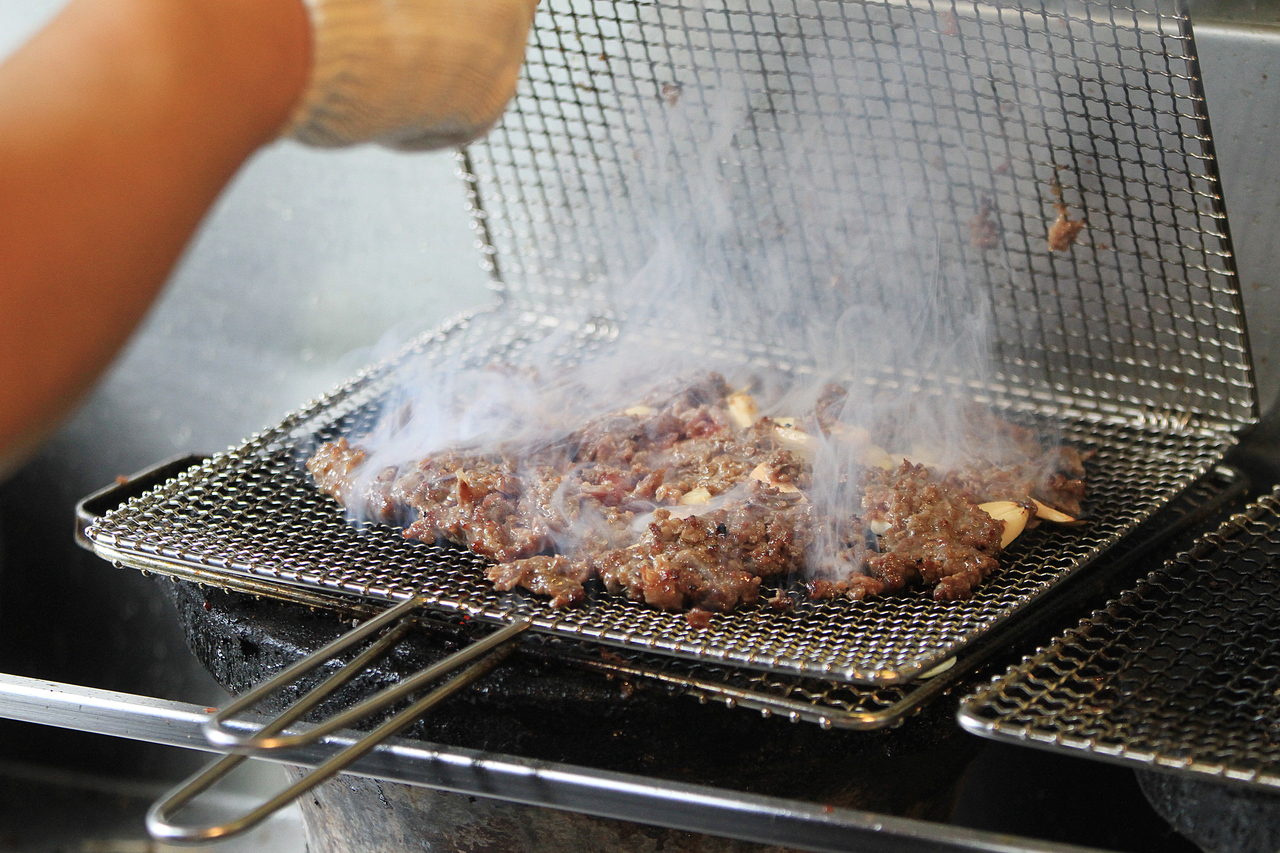
For a documented local meal, the area’s own specialty is close at hand. Eonyang bulgogi — charcoal-grilled beef from Eonyang, in the same Ulju-gun district — is known across Korea, and its restaurant cluster sits near Ulsan Station, which you pass through on the way in. The Korea Tourism Organization and Ulsan’s tourism material describe it as finely worked beef, mildly seasoned and grilled flat over charcoal. It is an area specialty worth planning around your station transfer, not a claim that the festival stalls will serve it.
Day trip or overnight
A Seoul day trip is workable if your aim is daytime screenings, the exhibitions and a few outdoor experiences, since the rail leg is about two hours each way. It is a poor fit for the evening, which is when the performances, the night programmes and some screenings happen, and for the closing-day free screening. Two hours of KTX plus a 20 to 30 minute transfer at each end eats into any late plan, and this guide does not quote a last train because it depends on your date — check the actual return before committing.
An overnight makes far more sense if an evening event is the point of the trip. Staying in the Eonyang or Ulju area keeps you close to both the venue and the KTX station, and lets you eat Eonyang bulgogi without a long detour. Availability and prices were not independently verified here, so no specific accommodation is recommended.
Honest assessment
The strength of this festival is its setting and its mix. It is the one Korean festival that puts mountain and adventure cinema where it belongs — at the foot of real mountains — and surrounds the films with climbing, forest walks and night-time activities rather than just a red carpet. The free outdoor programme is generous enough that a ticketless visit still fills a day, and the family programming is unusually strong for a film festival.
The weaknesses are mostly logistical and seasonal. The venue is rural, so arrival means a taxi or shuttle beyond Ulsan Station, and the late-running evening programme argues against a rushed same-day return from Seoul. The detailed schedule and any music line-up firm up close to opening, so a trip built around one named act or film is a gamble until the final grid appears. And if the Yeongnam Alps silver grass is what drew you to the photographs, note that it peaks in October, a little after these September dates — you will have the mountains, but not that particular display. Come for the combination of films and the outdoors, plan an overnight if the evenings matter, and confirm the screening grid and any shuttle on the official site before you travel.