The Ulsan Industrial Festival is the annual civic festival of Korea’s heavy-industry capital, held on the Taehwa River embankment in Nam-gu and at sites across the city. For 2026 it runs October 8–11 (Thursday to Sunday) under the vision “All In! Ulsan” and the slogan “When Ulsan moves, Korea changes.” The event first ran in 1967, lapsed in the late 1980s, and was revived in 2023; the city has since promoted it as its flagship festival, drawing crowds in the hundreds of thousands.
Two things are worth knowing before you plan. First, the “official page” that circulates for this festival in some tourism feeds actually belongs to a separate Seongnam-dong coffee event with different dates — the reliable dates are the ones the city itself announced (October 8–11) and reconfirmed at a preparation review in late August 2026. Second, the festival’s future is politically contested: the incoming city administration has signalled it wants to scrap or reshape the event, and a citizen jury in late September 2026 recommended cutting it. None of that stops the 2026 edition, but it means this may not be a festival that returns unchanged.
What you actually do here
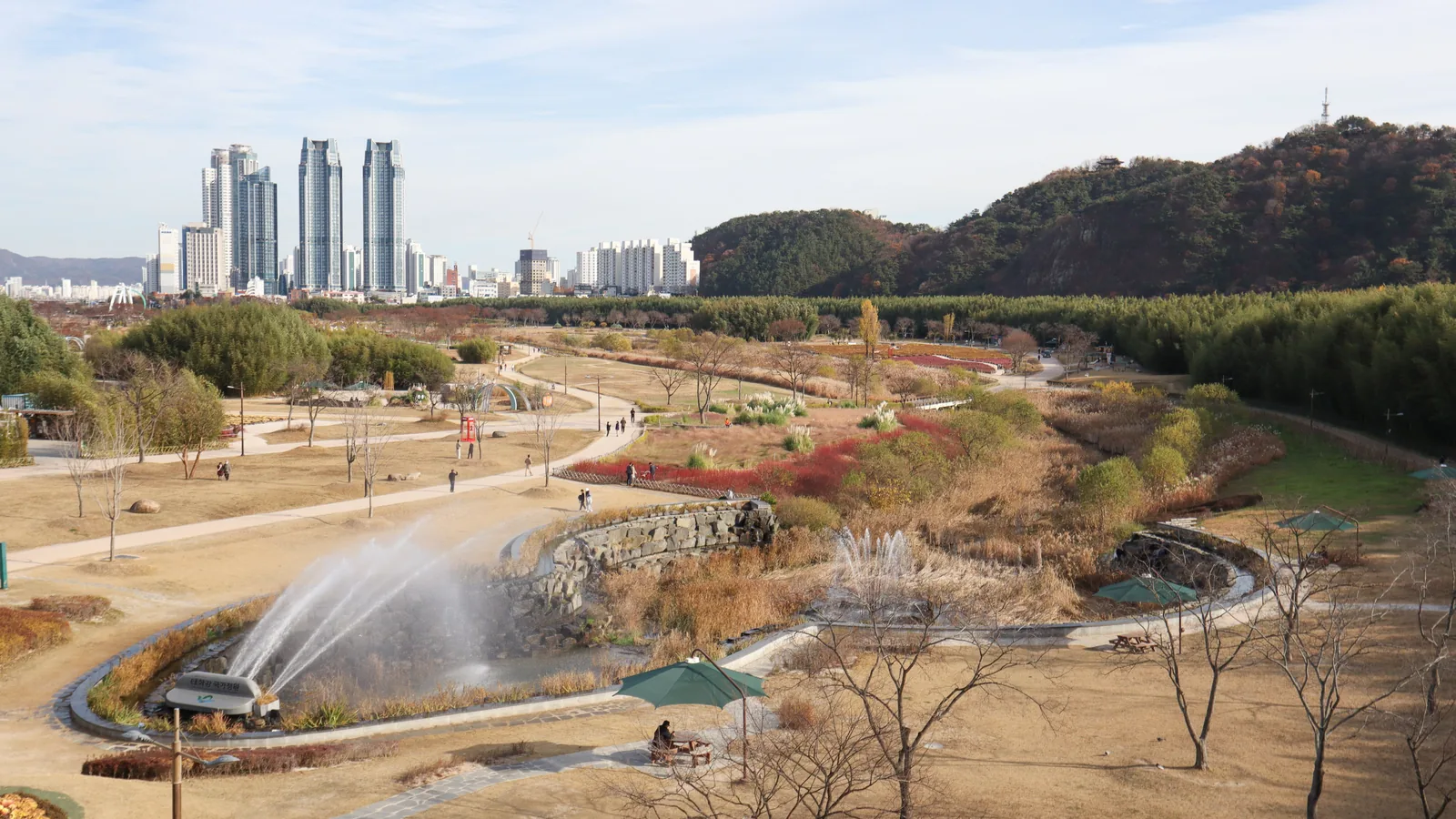
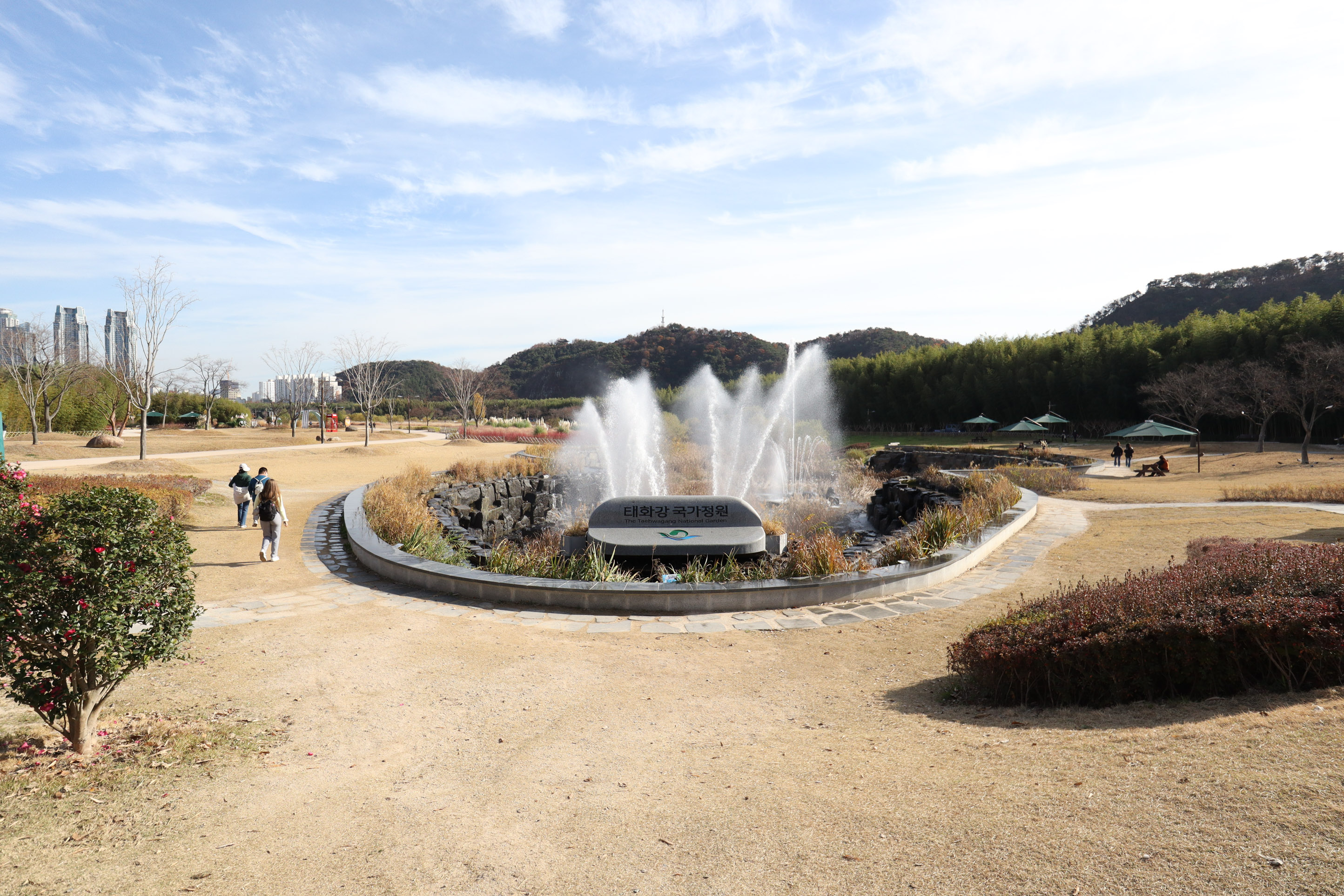
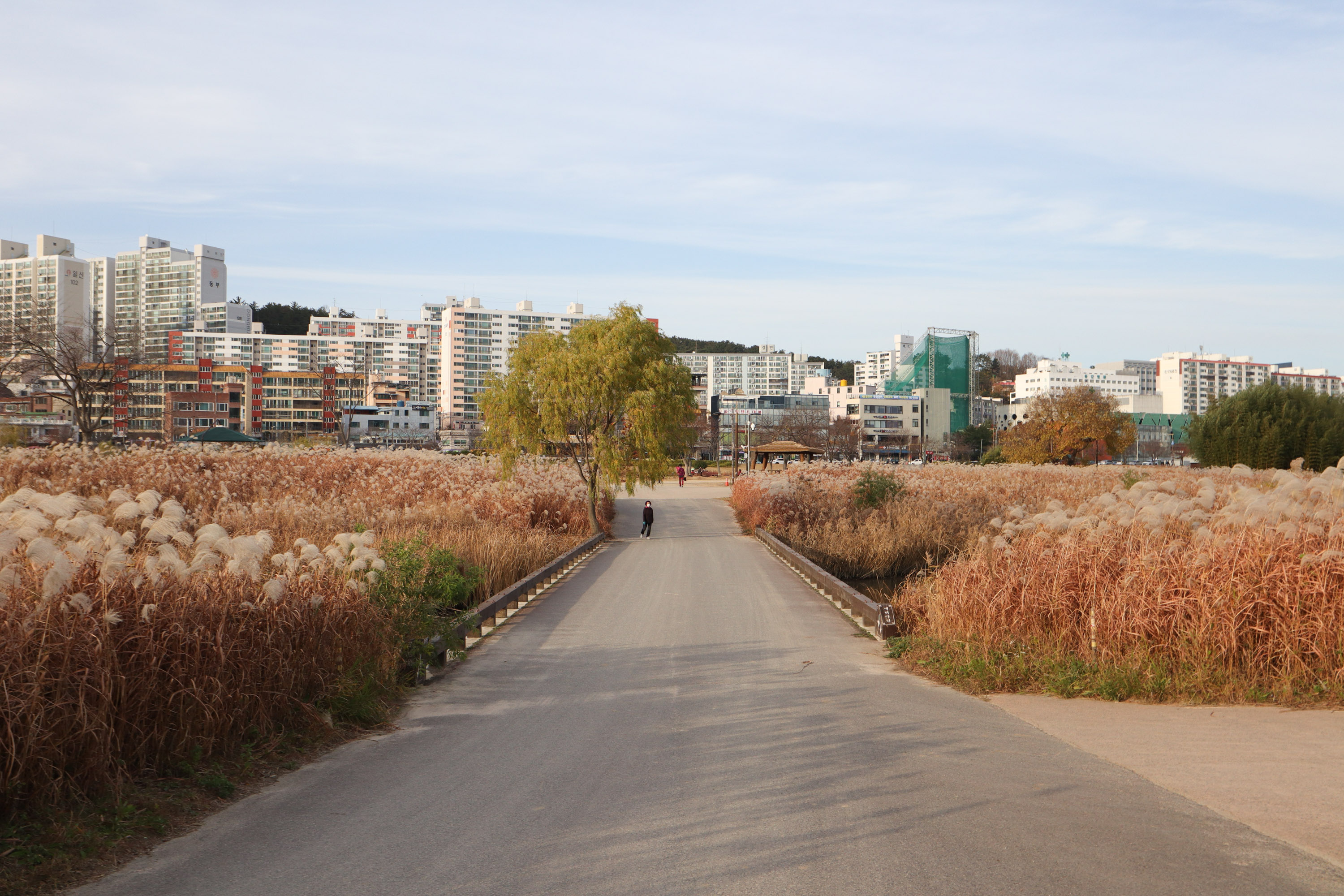
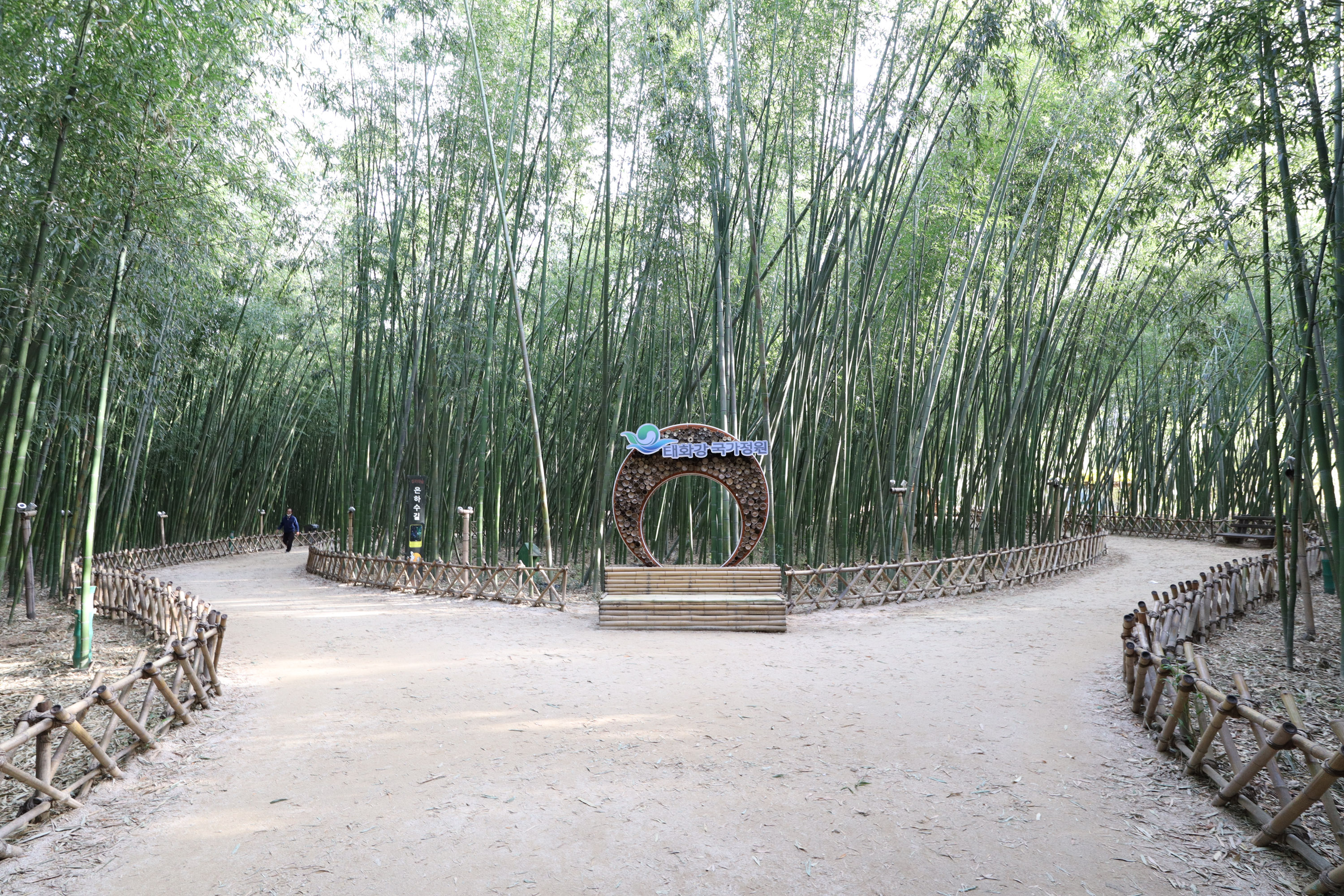
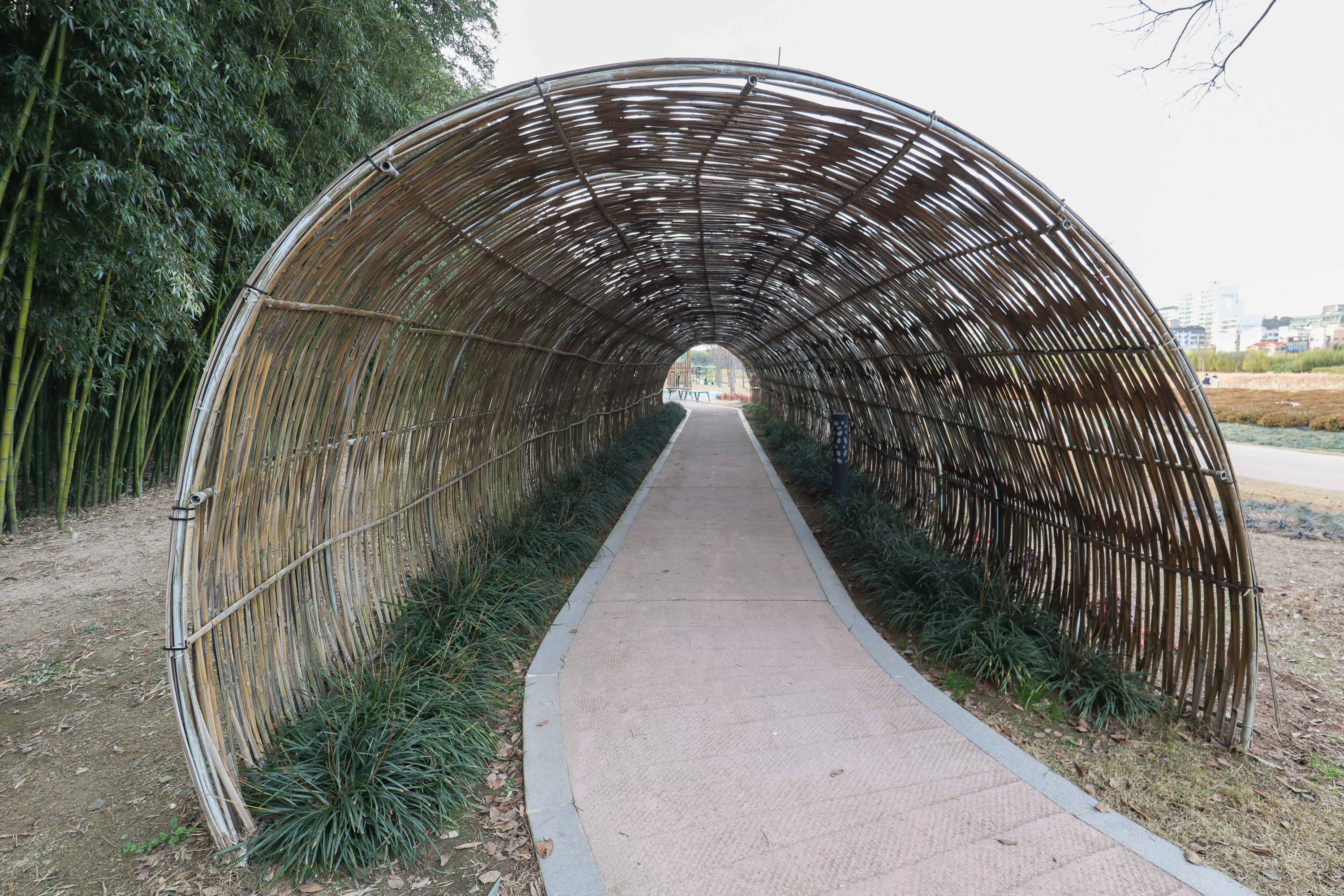
This is a spread-out, open-air festival rather than a ticketed show in one hall. The core of it sits on the Taehwa River (Taehwagang) National Garden riverside in Nam-gu — flat parkland beside the water, roughly twice the size of Seoul’s Yeouido Park, with a well-known bamboo forest (Simnidae) along one bank. That is where the main stage, food stalls and experience zones are set up.
The programme the city has announced for 2026 includes a street parade, the opening ceremony, celebratory performances, a drone show, the Ulsan fireworks, a “U-Culture” festival strand, AI experience zones tied to Ulsan’s push from heavy industry toward an AI-industry identity, a “9988 march of youth,” a future-industry expo, food areas and a night tent-bar zone. In practice you wander the riverside grounds by day for the stalls, exhibits and hands-on zones, and come back in the evening for the staged events. Because the festival deliberately frames Ulsan’s “past, present and future” — shipyards and refineries through to robotics and AI — the exhibition side is more industry-and-technology themed than most Korean city festivals, which is either the appeal or the reason to skip it, depending on what you came for.
Programme and what is confirmed for 2026
The dates, the main riverside venue and the headline elements above are confirmed by the city’s own announcements. What is not yet public is the detailed daily grid — which act plays which stage at which hour — and the singer line-up, despite “line-up” and “singers” being among the most-searched questions about the event. Past editions have run concerts alongside the opening ceremony, but no 2026 names were published when this guide was written, so none are listed here. If a specific performer is your reason to travel, wait for the official schedule.
One change for 2026 is the parade route. The opening procession has moved off its old Industrial-Tower-to-City-Hall line because of construction at the Industrial Tower rotary connected to the city’s new subway line; the city has set the parade on the Art Center intersection-to-City Hall stretch instead. If you are trying to find a spot to watch the parade, use the current-year route rather than photos from earlier editions.
Admission and money
There is no gate ticket. The festival is staged on public riverside ground and at open sites around the city, so the parade, opening ceremony, drone show and fireworks are free to watch — consistent with the Korea Tourism Organization’s registered value and previous years. What costs money is the usual: food and drink at the stalls, and possibly some hands-on experiences. No 2026 price list for paid extras had been published at writing, so this guide does not quote figures; bring a card and some cash and treat the grounds themselves as free.
Getting there without a car
From Seoul, the standard route is a KTX from Seoul Station (or an SRT from Suseo) to Ulsan Station, about two hours, with frequent departures. The catch is that Ulsan Station is out in Ulju-gun, not in the city, so you then transfer into Nam-gu by limousine bus (routes 5001–5005) or taxi, roughly 30–40 minutes. Bus 5001, for example, links Ulsan Station toward Taehwagang Station on a regular headway for a few thousand won.
If you would rather arrive closer to the riverside grounds, KTX-Eum on the Jungang line runs from Cheongnyangni to Taehwagang Station, which is much nearer the Nam-gu venues — but it operates only a few times a day, so it suits a planned outbound trip more than a flexible return. Once you are in Nam-gu, the main grounds are a short taxi or local-bus hop, and the riverside itself is walkable and flat.
Plan the fireworks leg separately. They are staged at Gangdong beach on the east coast, on the opposite side of the city from the Taehwa River grounds, so getting out there and back is its own trip — factor in extra travel time and heavy post-event crowds, and confirm the night and time before you go.
Day trip or overnight
A Seoul day trip is technically possible — the rail leg is about two hours each way — but it is a weak plan if the evening programme is why you are coming. The opening ceremony, drone show and fireworks are night events, the fireworks are at a far-side beach, and the last fast trains back to Seoul leave in the evening. If you want to see the fireworks or an opening-night concert without watching the clock, stay a night in Ulsan and travel back the next morning. If you only want the daytime grounds, exhibits and a meal, a day trip works. This guide does not recommend a specific hotel because none was checked.
Food on site and nearby
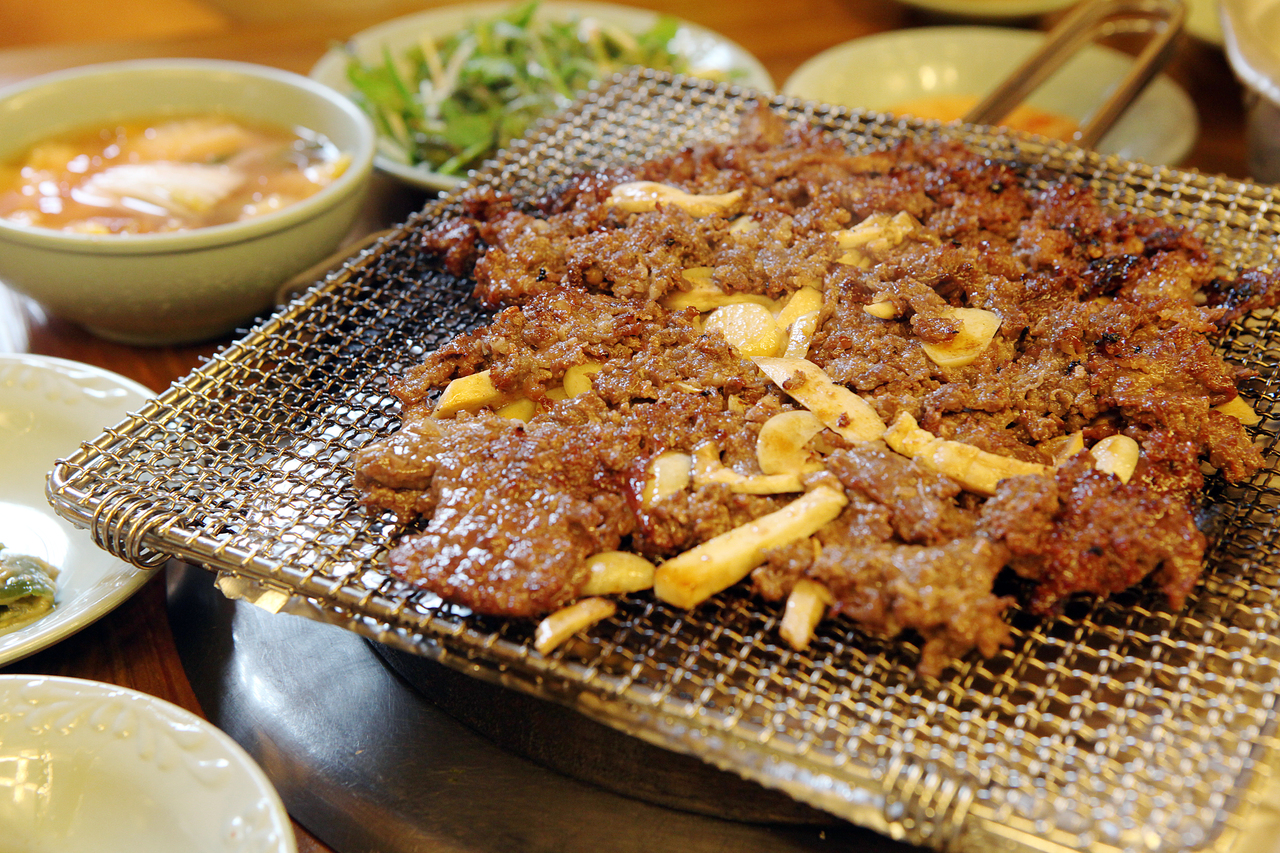
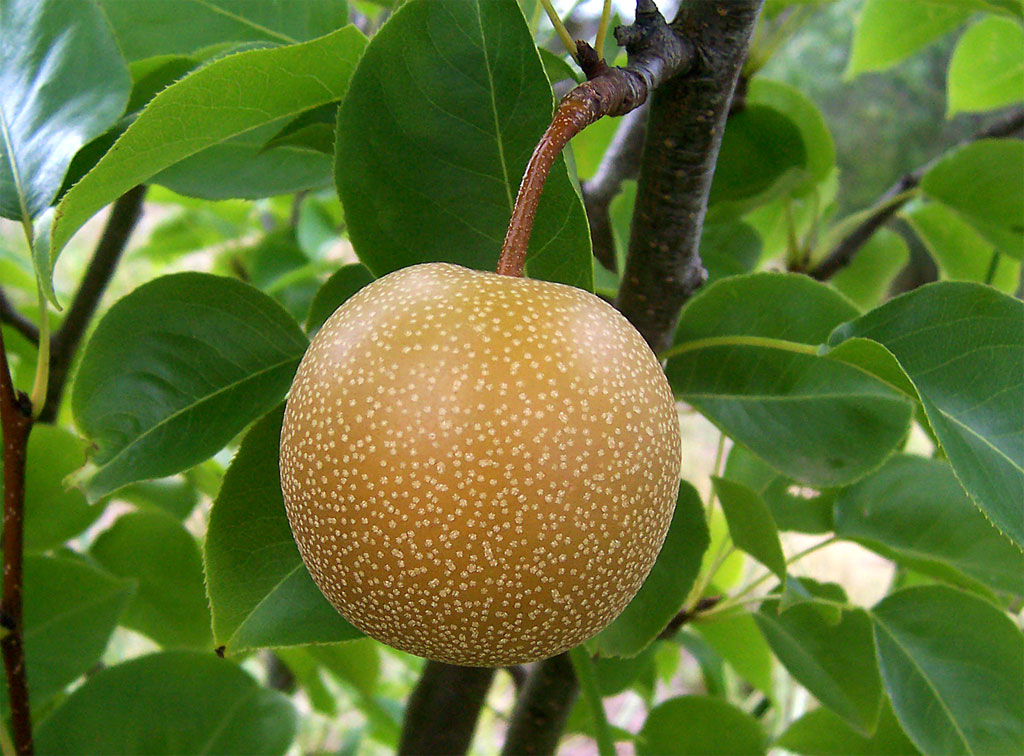
There will be food stalls and a night tent-bar zone on the grounds; the festival is large enough that eating on site is straightforward, though a specific menu, vendor or price cannot be promised in advance. For a meal with a genuine local claim, look to Ulsan’s own specialties rather than the temporary stalls. Eonyang and Bonggye hanu bulgogi — thinly sliced, lightly seasoned Korean beef grilled over charcoal on a fine wire mesh — is the region’s signature dish, from the beef-grilling district in Ulju-gun below the Yeongnam Alps. Ulju pears, especially from Seosaeng near Ganjeolgot, are a noted local fruit and were the first pears registered under Korea’s geographical-indication scheme; October is pear season, so they are easy to find fresh. Both are regional recommendations, not claims about what any particular festival stall will sell.
Honest assessment
Taken on its own terms, the 2026 Ulsan Industrial Festival is a large, free, open-air civic event with a strong evening spectacle — a street parade, a drone show and a substantial fireworks finale — set on pleasant riverside parkland. If you like the energy of a whole industrial city turning out for a party, and you time your visit for the evening, it delivers that. Families are well served by the flat grounds, food and hands-on zones, and the technology and AI exhibits give it a distinct flavour among Korean city festivals.
Be clear-eyed about the weaknesses. This is not a heritage or fine-arts festival; the “industry to AI” framing is central, and the programme is scattered across the city, with the marquee fireworks staged at a beach far from the main grounds. Crowds are large, and the daily grid and line-up were still unpublished close to the dates, so precise planning is hard. Above all, the event sits under a real political cloud: Ulsan’s incoming administration has signalled it wants to abolish or overhaul the festival — its mayor-elect argued that a large parade centred on the head of local government risks being distorted for political ends — and a citizen jury in late September 2026 recommended scrapping it, a recommendation the city says it will weigh in the 2027 budget. The 2026 edition is going ahead, but treat it as possibly a last outing in this form rather than a fixture you can plan around for future years. Come for the 2026 festival if the free evening spectacle appeals; do not build a longer Korea itinerary on the assumption it will be back.