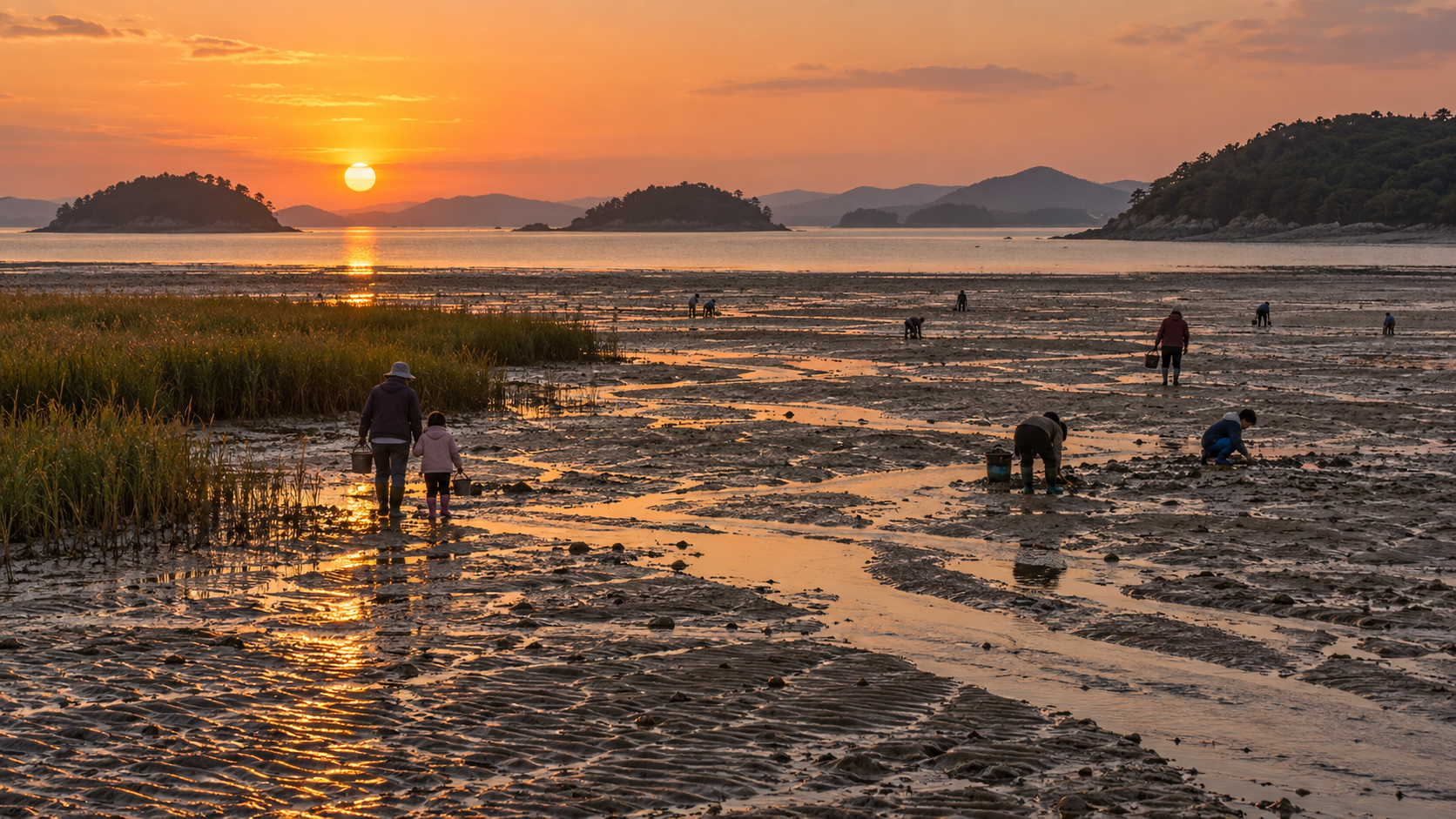
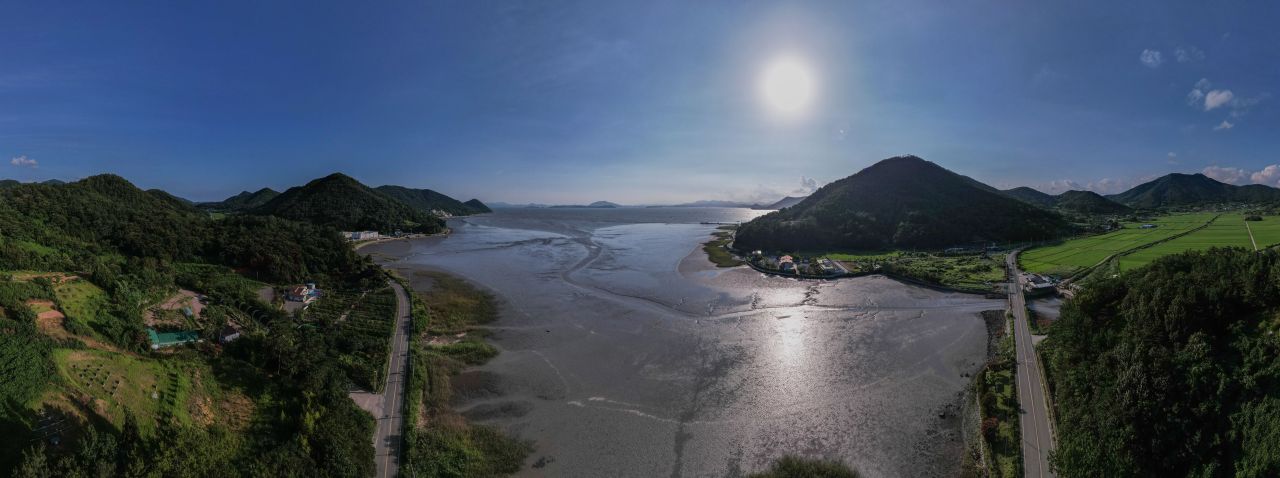
The Yeojaman Bay Twilight Festival is a two-day, family-focused ecology event on the tidal flats of Yeoja Bay, on the south coast in Yeosu. It is not a stage festival with a mudflat backdrop; the mud is the venue. Over September 12–13, 2026 — its 17th edition — visitors walk out onto the flats to dig for shellfish, fish for gobies and, when the tide allows, cross a sea path that opens toward a small offshore island, then stay for concerts and a sunset song festival as the light goes down over the water.
The setting carries real weight. In July 2026, UNESCO extended the “Getbol, Korean Tidal Flats” World Heritage property at its committee session in Busan, adding the Yeosu, Goheung, Muan and Seosan tidal flats to the 2021 inscription; the Yeosu flats sit within the enlarged Boseong–Suncheon–Yeosu–Goheung component. That is why the 2026 coverage repeatedly frames Yeoja Bay as newly recognised World Heritage — a fair description, though it refers to the tidal-flat property as a whole rather than to this festival.
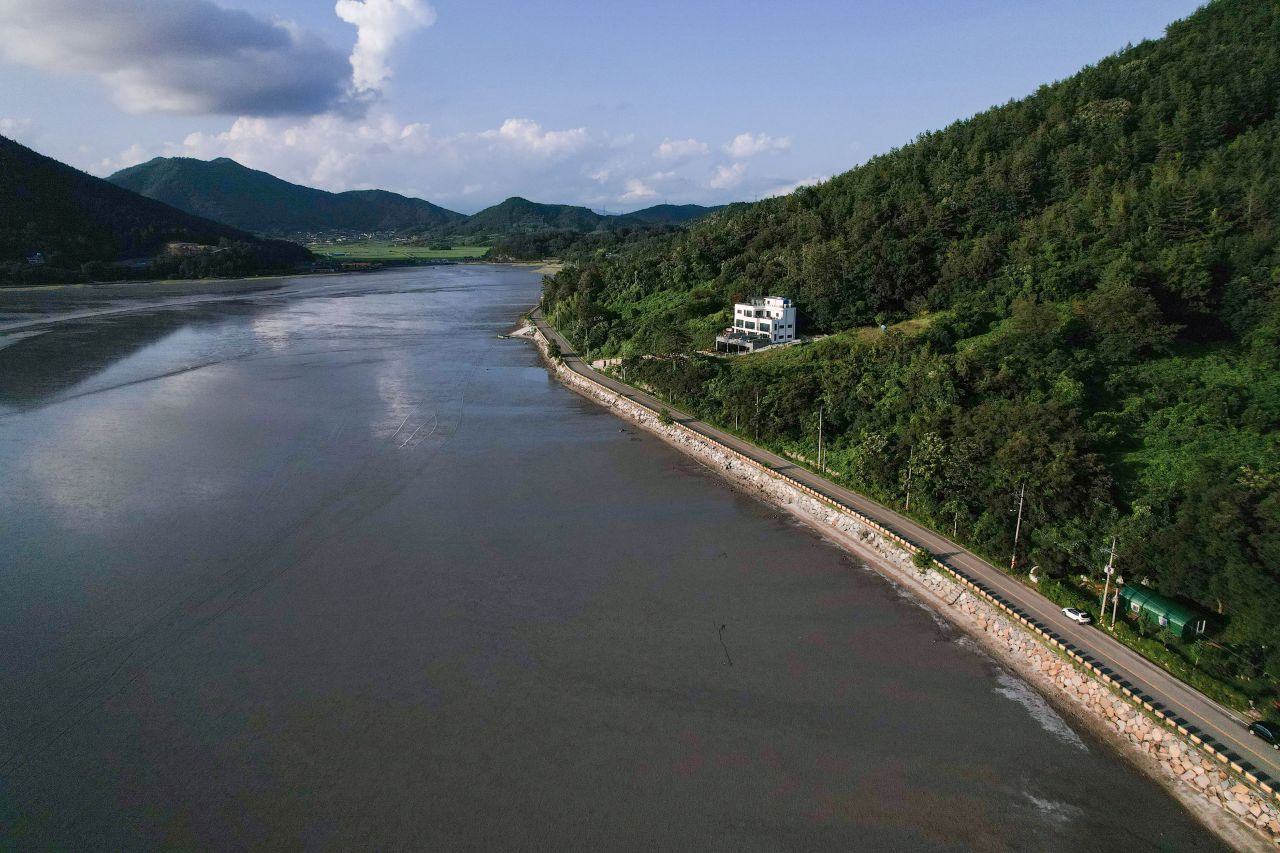
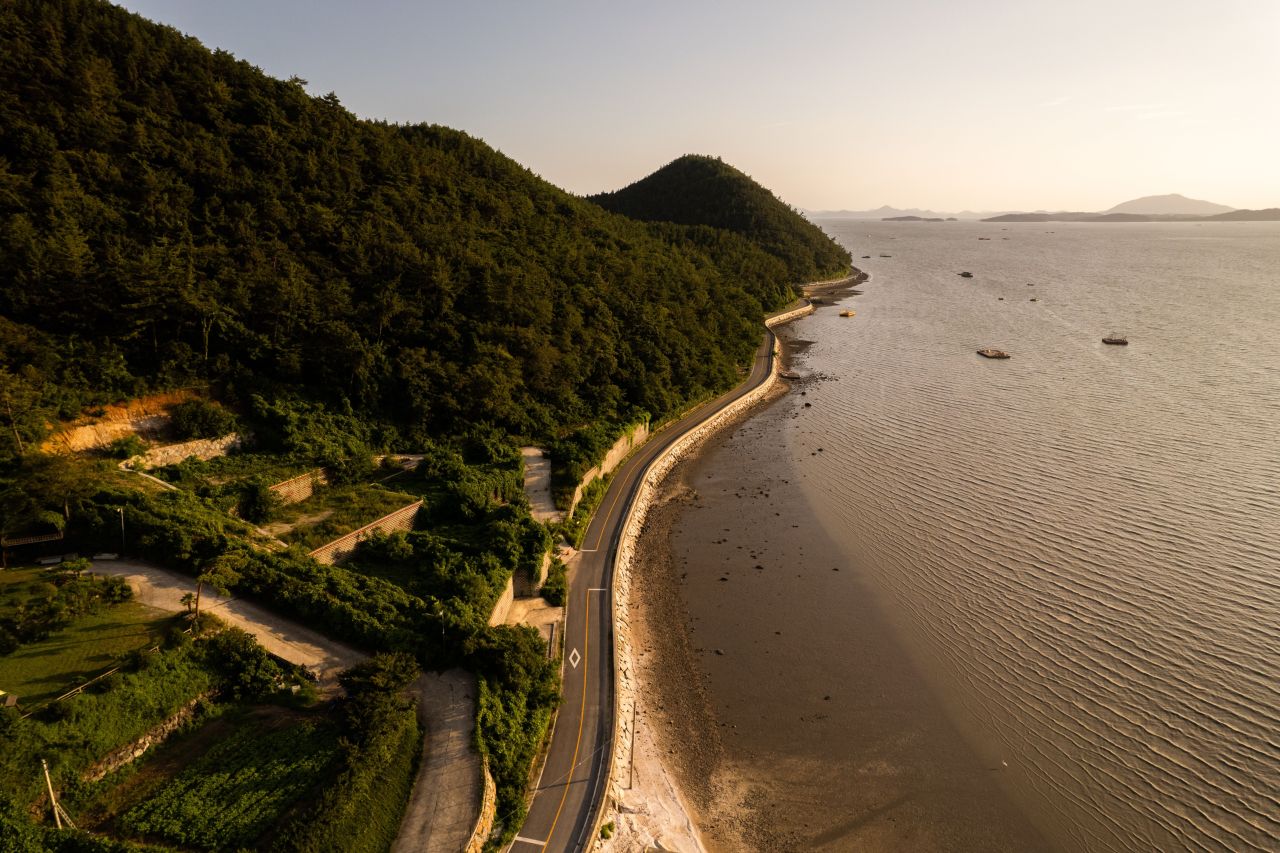
The venue is Jangcheok Village in Sora-myeon, along a shoreline the local material calls Haeneomi-gil, or “Sunset Road.” This is rural coast, not central Yeosu, which shapes almost every practical decision below.
What you actually do here
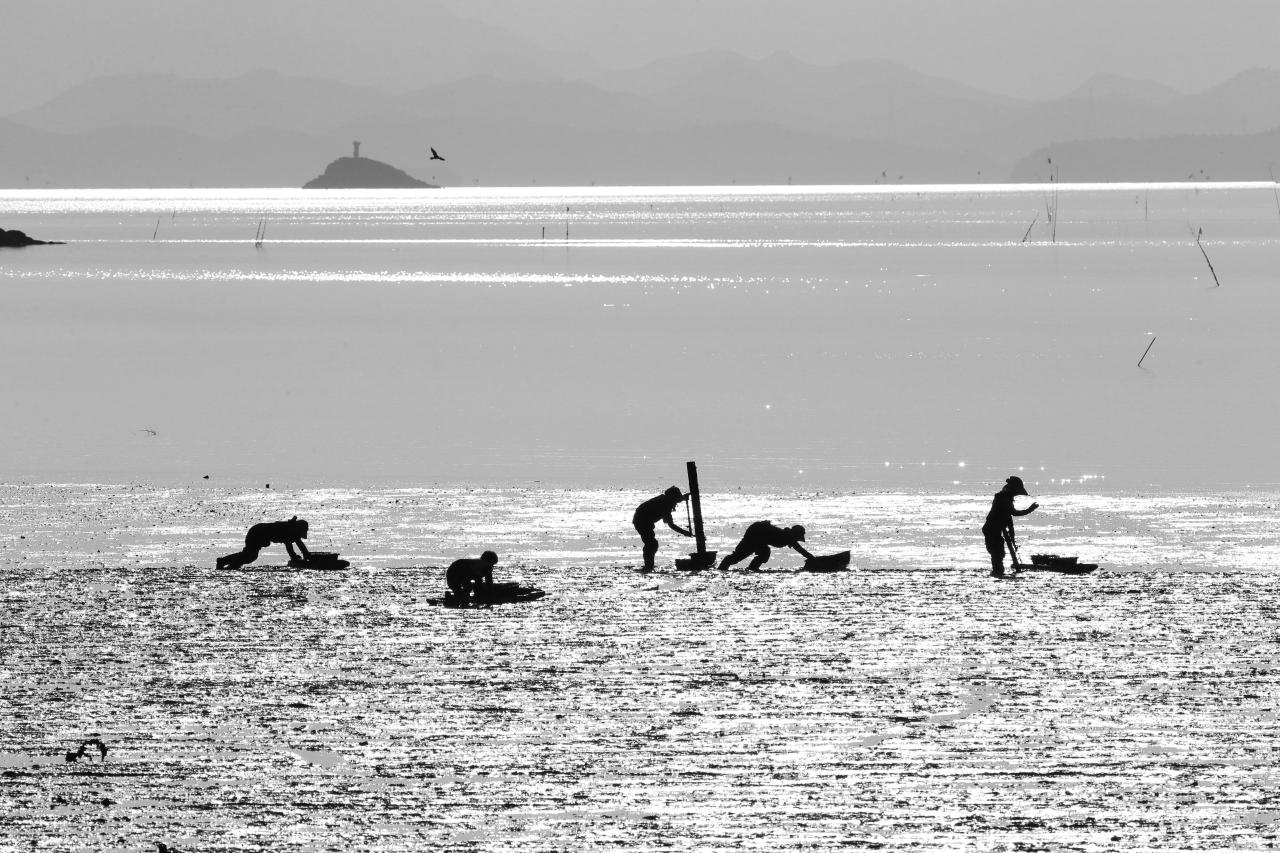
The core of the festival is hands-on and tide-driven. The published programme lists bamboo-rod fishing for mudskippers (gobies) in the mornings, and bare-handed fish catching and clam digging in the afternoons, each scheduled to the tide rather than to a convenient hour. You go out onto the flats, in the mud, and gather or catch what you find; this is the part that justifies the “experience” in the festival’s Korean name.
When the water drops far enough, a roughly 500-metre sea path opens between the event site and Bokgae Island, and the festival runs a “Bokgae Island treasure hunt” along it. Whether you can walk it depends entirely on the tide on the day, so treat it as an opportunity that may or may not appear during your visit rather than a fixed attraction.
Around the mudflat activities sit the things you can watch without getting dirty. The opening day begins with village rituals — a good-catch rite (pungeoje), a village-guardian rite (dangsanje) and a street procession (gilnori) — and both days include mudflat concerts. The festival’s headline evening event is a sunset song festival (noeul gayoje), with its final on the second night. There is also a Jeollanam student landscape-painting contest, a youth dance event and a flea market, which together make the daytime programme workable for families waiting for the next low-tide session.
Programme and timetable
The official 2026 timetable gives concrete times, with the important caveat that the organiser states programmes can change with the weather and that the mudflat sessions follow the tide.
Saturday, September 12
- 09:00–12:00 — bamboo-rod goby fishing
- 10:00–10:40 — good-catch rite, village-guardian rite and street procession
- 10:00–11:00 — painting-contest registration
- 11:30–12:30 — mudflat concert
- 13:50–14:50 — bare-handed fish catching
- 14:50–16:20 — clam digging
- 18:30–19:00 — opening ceremony
- 19:30–20:00 — celebratory performance
Sunday, September 13
- 09:30–12:30 — bamboo-rod goby fishing
- 14:00–15:30 — mudflat concert
- 14:20–15:20 — bare-handed fish catching
- 19:00–20:30 — sunset song festival final
Read that grid around the tide, not the clock face. The paid mudflat sessions cluster in the early-to-mid afternoon on both days, and the sunset programme lands in the evening — so the natural shape of a visit is an afternoon on the flats followed by dinner and the evening concert. If you can only come for a few hours, choose an afternoon low-tide window over a mid-morning arrival.
Tickets, fees and booking
There is no gate ticket for the festival itself. You can enter the grounds, watch the rituals and concerts, join the flea market and see the sunset song festival without paying, which makes the free elements genuinely free rather than nominal.
The hands-on mudflat programmes are the paid part. The official festival page lists an experience fee of about ₩7,000 plus about ₩3,000 for equipment rental. What the fee covers session by session, and whether it is booked in advance or paid on the day, was not spelled out clearly enough to promise here, so confirm at the booth or with the organiser. No verified online reservation product was found for 2026; for anything time-sensitive, contact 061-659-1091 rather than relying on a resale listing.
Getting there without a car
From Seoul, the intercity leg is straightforward: a KTX from Seoul Station to Yeosu-Expo Station, which current timetable aggregators put at roughly 2 hours 50 minutes to 3 hours 15 minutes, with about four departures a day. Fares for a standard seat are in the region of ₩48,000–₩58,000. Individual services vary, so check the specific train for your date in Korail rather than treating one figure as fixed.
The catch is the second leg. Yeosu-Expo Station sits in the city; the festival is out at Jangcheok Village in Sora-myeon, rural coast some distance away. Without a car, plan on a taxi or a local bus from central Yeosu, and allow real time for it — this is not a walk from the platform. A Korean map app set to the venue (not merely “Yeosu”) is the reliable way to judge the transfer on the day, because the festival’s own shuttle is organised for drivers rather than for rail arrivals (see below).
Parking, shuttles and traffic control
For drivers, local press reported about 600 temporary parking spaces spread across lots near the venue, along the coastal road, and at the Sagok branch of Sora Elementary School, with a shuttle bus running from the Sagok branch lot to the site. The clean way to read this is as a park-and-ride: drive to the outer lot, leave the car, and ride in. It is not a connection from Yeosu station, so carless visitors should not count on it for the trip out from the city.
Because the site is a working tidal flat, access is controlled by conditions rather than by a turnstile. Organisers said safety staff are posted on the flats and entry is regulated by water level, which is another reason the schedule bends to the tide. Follow the marshals, keep children close to the tide line, and don’t plan a tight onward connection immediately after the evening programme; a rural venue with a single shuttle route empties slowly.
Food on site and nearby
Expect festival food stalls typical of a two-day local event, but the official page did not publish a 2026 vendor or menu list, so this guide will not name a dish, a price or a payment method on site. Bring a payment option and treat what is operating as a convenience.
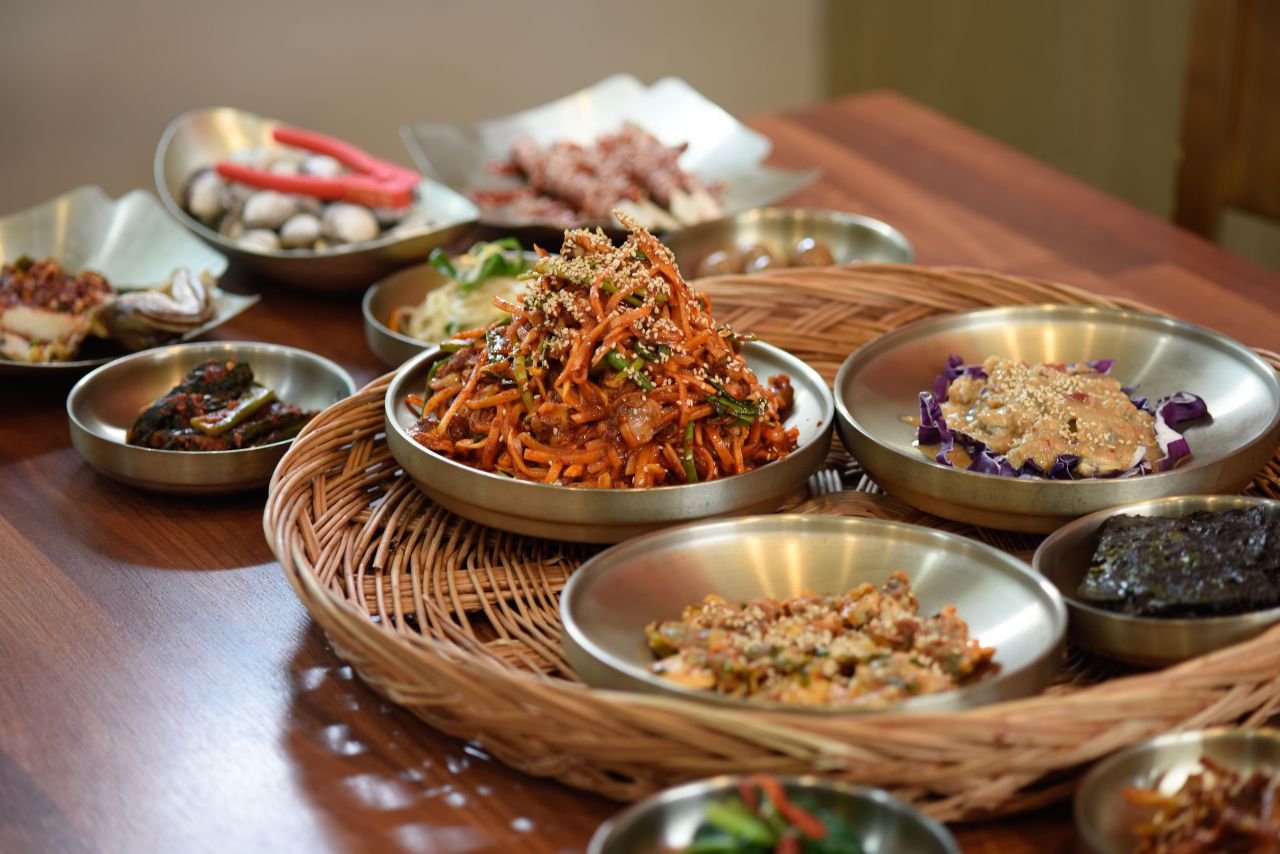
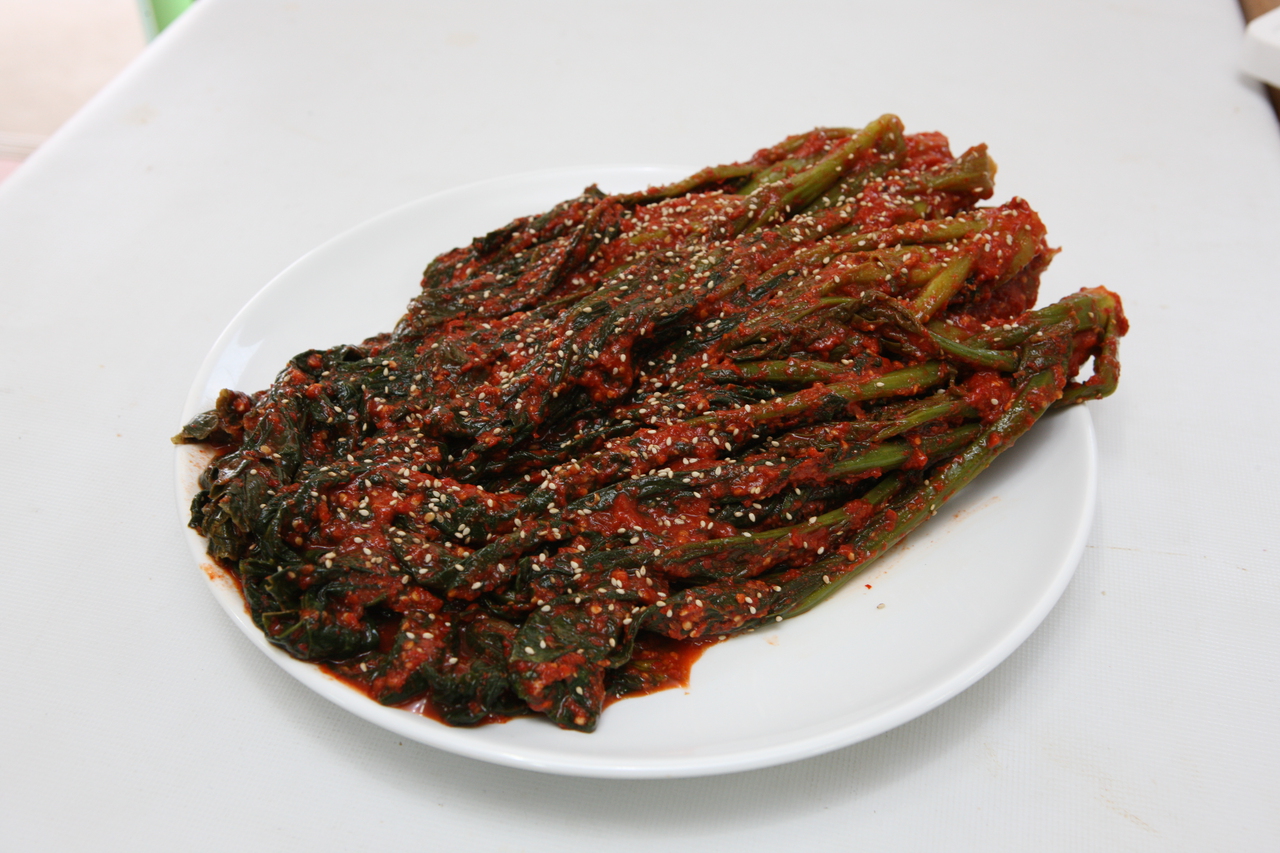
For a documented local meal, look to what Yeoja Bay and Yeosu are actually known for. The bay is a cockle (kkomak) ground — the Digital Yeosu Cultural Encyclopedia records cockle farming in the Hwayang-myeon villages on this same water and links the autumn tidal-flat festivals here to cockle gathering. Boiled and dressed with soy and chilli, cockles are the shellfish most tied to these flats. Away from the coast, Yeosu’s signature preserved food is Dolsan gat-kimchi, made from the pungent mustard leaf grown on Dolsan island; the Korea Tourism Organization even documents a dedicated hands-on centre for it. Both are regional-specialty recommendations, not claims about the festival’s own stalls.
Honest assessment
The festival’s strength is that it is genuinely participatory in a way many “ecology” events are not. You get out onto a World Heritage tidal flat, do something with your hands, and then watch the sun set over the same water — a combination that works especially well for families with children old enough to enjoy mud. The recent UNESCO extension gives the setting real standing, and the free performances and sunset song festival mean there is a reason to stay past the tide.
The weaknesses are practical and worth taking seriously. This is a small, rural, two-day event: the mudflat sessions run to the tide, so a poorly timed arrival can leave you looking at water instead of flats, and the location is hard to reach without a car despite the park-and-ride shuttle. It is not a polished, all-weather attraction — the mud is real mud, the schedule can move with the weather, and much of the fine detail (exactly what the experience fee covers, precise bus connections) is best confirmed close to the day.
The fair plan is to come for an afternoon low-tide session, get muddy, eat, and stay for the evening concert and the sunset. Wear clothes you can ruin, check the tide before you leave, and give yourself margin on the way home. Approached that way it is a rewarding, low-key day on a remarkable stretch of coast; approached as a rushed, clean, fixed-time outing from Seoul it will disappoint.