
Autumn · Gyeongsangbuk-do · Field listing
Yeongcheon Traditional Korean Medicine Festival 2026
The essentials first: whether it is open, what it costs, how hard it is to reach and what to expect if you do not speak Korean.
When
Oct 2 — 4ConfirmedConfirmed dates
Where
Yeongcheon Riverside Park, YeongcheonGyeongsangbuk-do
Type
Food & local produce
Admission
FREEGeneral admission is free; food and drink are paid separately. The city describes several of the health-and-wellness activities run with Daegu Haany University — brainwave measurement, an acupuncture treatment, health massage and medicinal-food tasting in the K-MEDI health-experience zone and DHU oriental-medicine wellness zone — as offered free of charge. No reliable per-activity price list was published for any add-on experiences, so none is quoted here.
From Seoul
About 3 hours by trainA direct KTX-Eum on the Jungang line now stops at Yeongcheon Station (the Dodam–Yeongcheon double-track section opened at the end of 2025); Cheongnyangni to Andong runs about two hours and Yeongcheon is a few stops further. The alternative is a KTX from Seoul Station to Dongdaegu, roughly 1 hour 45 minutes, then a connecting Mugunghwa/ITX to Yeongcheon of about 26 minutes. From Yeongcheon Station or the intercity bus terminal, the riverside-park festival site is a short taxi or local-bus ride. Check exact departures on Korail for your date rather than treating one figure as fixed.
Organiser
Traditional Korean Medicine Festival Organizing Committee, 054-339-7281~2
Is this one for you?
Who it suits. This suits visitors who want a relaxed, hands-on afternoon and evening by the river — oriental-medicine and wellness try-outs, medicinal food, local wine and grilled Yeongcheon beef, with a stage programme after dark. It works well for families, since much of the day is participatory and several health experiences are free. It is a weak choice if you want a single headline attraction or a famous performer: this is a combined community festival spread across a riverside park, not a ticketed concert, and travelling three hours each way only for the opening-night singers would be a poor trade.
When to go. The stage events are in the evening — the opening ceremony begins at 18:30 on October 2 and the Wangpyeong Song Contest final at 18:00 on October 4 — so arrive in the afternoon for the wellness zones, medicinal-food stalls and the wine and beef areas while it is light, then stay for the stage. A same-day return from Seoul is tight against the evening programme; check your last train before planning to see the closing contest.
LOCAL WEATHER
Weather near the festival
The festival date is outside the current forecast window. Check again closer to your trip.
Korea Meteorological Administration forecast
Need something we do not list — a stall menu, a parking gate, a last bus? The Korea Travel Helpline answers in English around the clock: dial 1330 inside Korea, or +82-2-1330 from abroad.
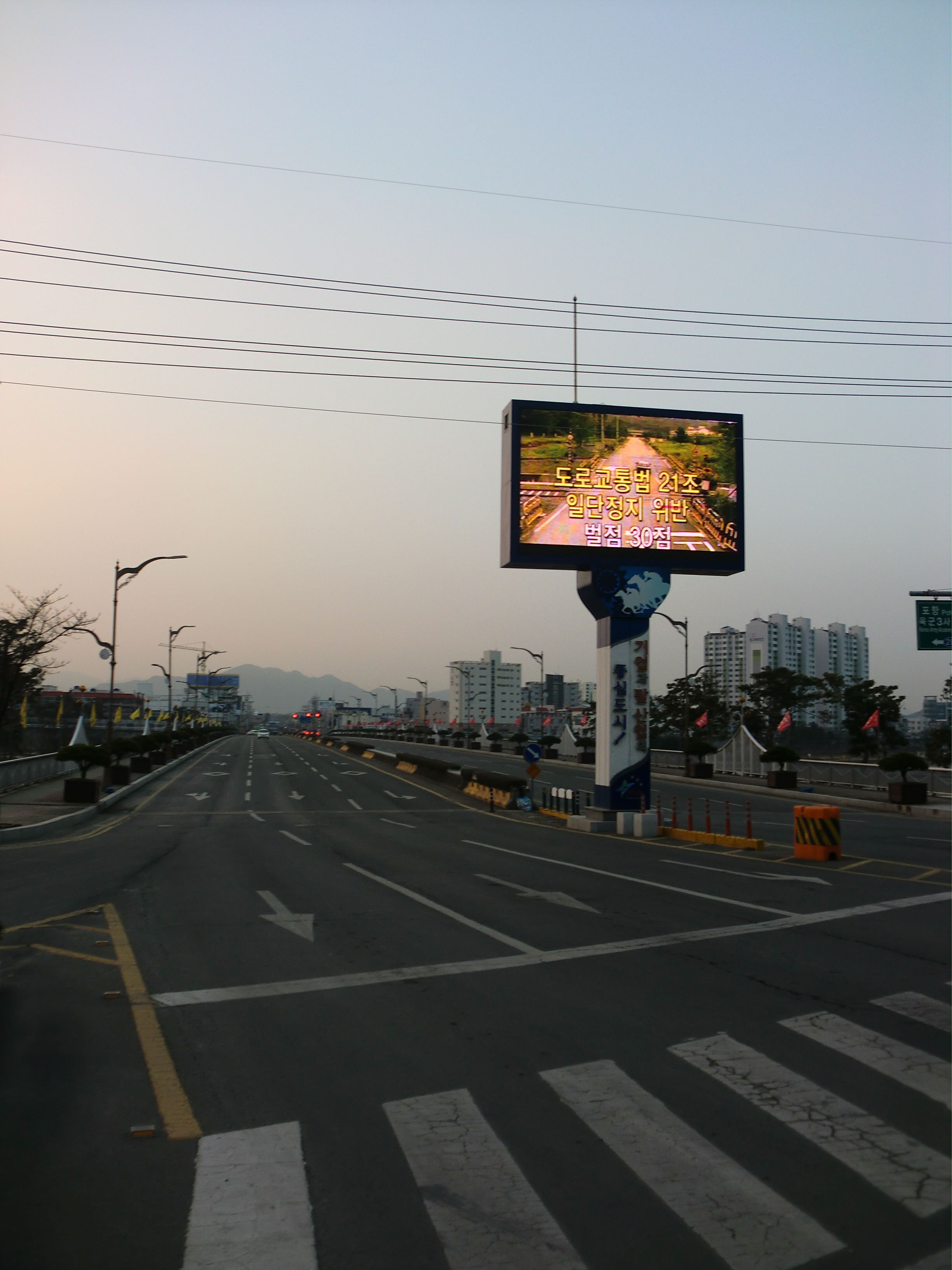
Yeongcheon’s Traditional Korean Medicine Festival — known in Korean as Yeongcheon Hanyak Chukje, and locally also as the Yeongcheon herbal-medicine (hanbang) festival — is a riverside event built around oriental medicine: health consultations with doctors of Korean medicine, hands-on wellness try-outs, medicinal food and herb crafts, with space for families to play and rest. For 2026 it is the 24th edition, and it runs October 2–4 at Yeongcheon Riverside Park, along the river beside Yeongdong Bridge in the middle of the city.
The important thing to understand before you go is that this is not a standalone event. For 2026 the city has combined four of its autumn festivals on the same riverside grounds and the same three dates: the 52nd Yeongcheon Culture and Arts Festival, the 24th herbal-medicine festival, the Yeongcheon Wine Festa and the Byeolbit Hanwu grilled-beef festival. Local reporting says the site has been widened this year, stretching from under Yeongdong Bridge up toward the Yeongcheon Cultural Center, which gives the combined programme more room. In practice you will move between medicine, wine, beef and stage areas rather than attending one gated show.
What you actually do here
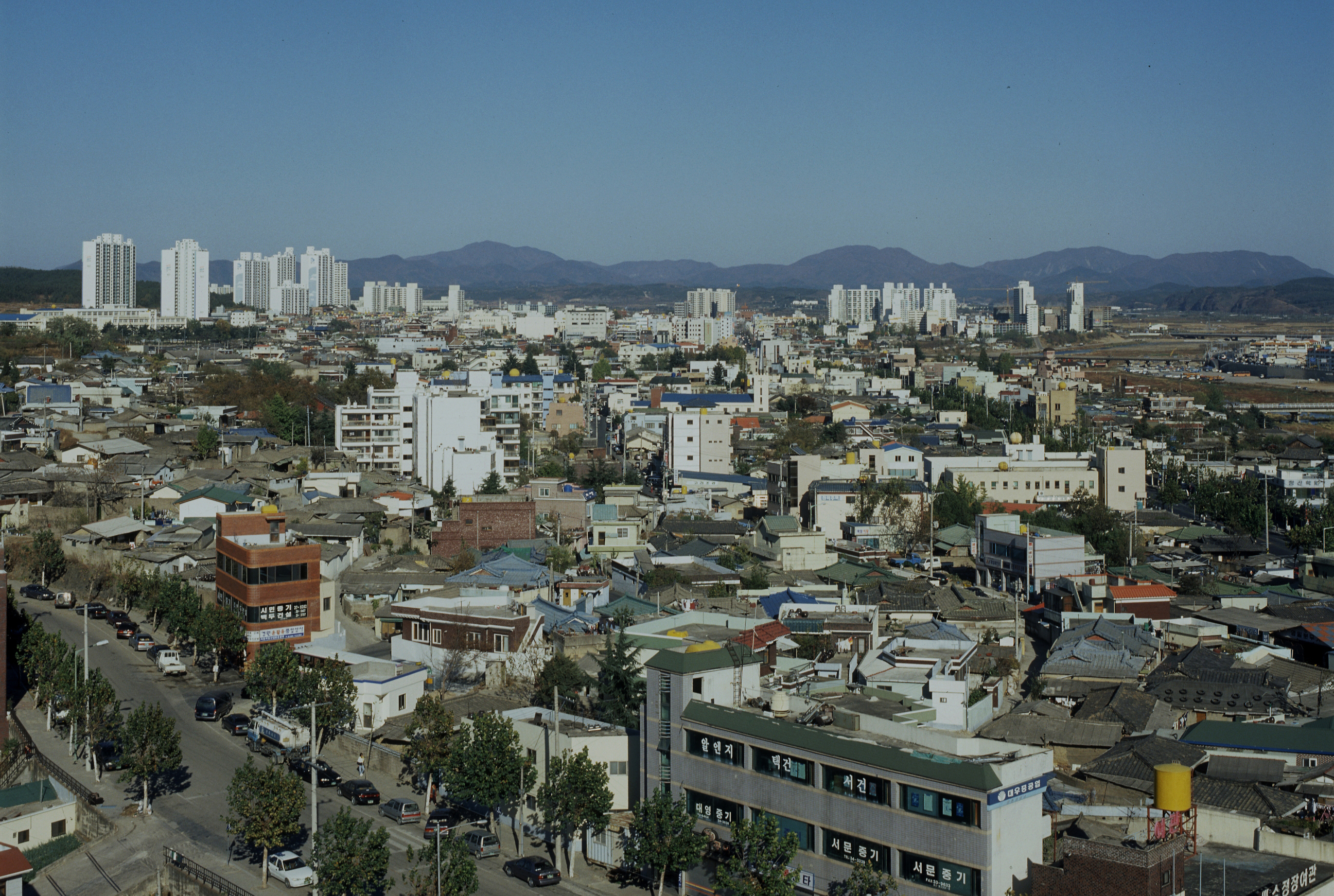
The core of the medicine festival is participation. The oriental-medicine zone, set up near the Yeongcheon Cultural Center end of the park, offers health consultations and experiences, medicinal-food (yaksun) tasting, herbal crafts and family play-and-rest space. Listed hands-on activities include herbal-tea tasting, making medicinal herbs and scented pouches, and skin, beauty and healing experiences. This is designed so visitors of different ages can try something rather than only watch.
For 2026 the city is running the wellness programming with Daegu Haany University, a Korean-medicine university, under two named areas: a K-MEDI health-experience zone and a DHU oriental-medicine wellness zone. Between them the city lists brainwave (EEG) measurement, an acupuncture treatment, health massage and medicinal food, and describes these as available free of charge. There is also an “herb bar” mission game led by costumed “herbal players,” and a garlic-themed children’s playground tied to Yeongcheon’s local garlic. Treat the free-experience list as the city’s plan; queues and daily capacity for something like an acupuncture try-out are the kind of detail that only becomes clear on site.
Because the four festivals share the grounds, the rest of the day fills quickly. The culture-and-arts side adds a nanta and folk-percussion (pungmul) competition, a pumba (busking-comedy) festival, neighbourhood folk games, and family shows. The wine festa runs tastings and a label-decorating activity, and the beef festival sells grilled local Hanwu outdoors. You can plan a full afternoon and evening without ever buying a headline ticket.
Programme and timetable
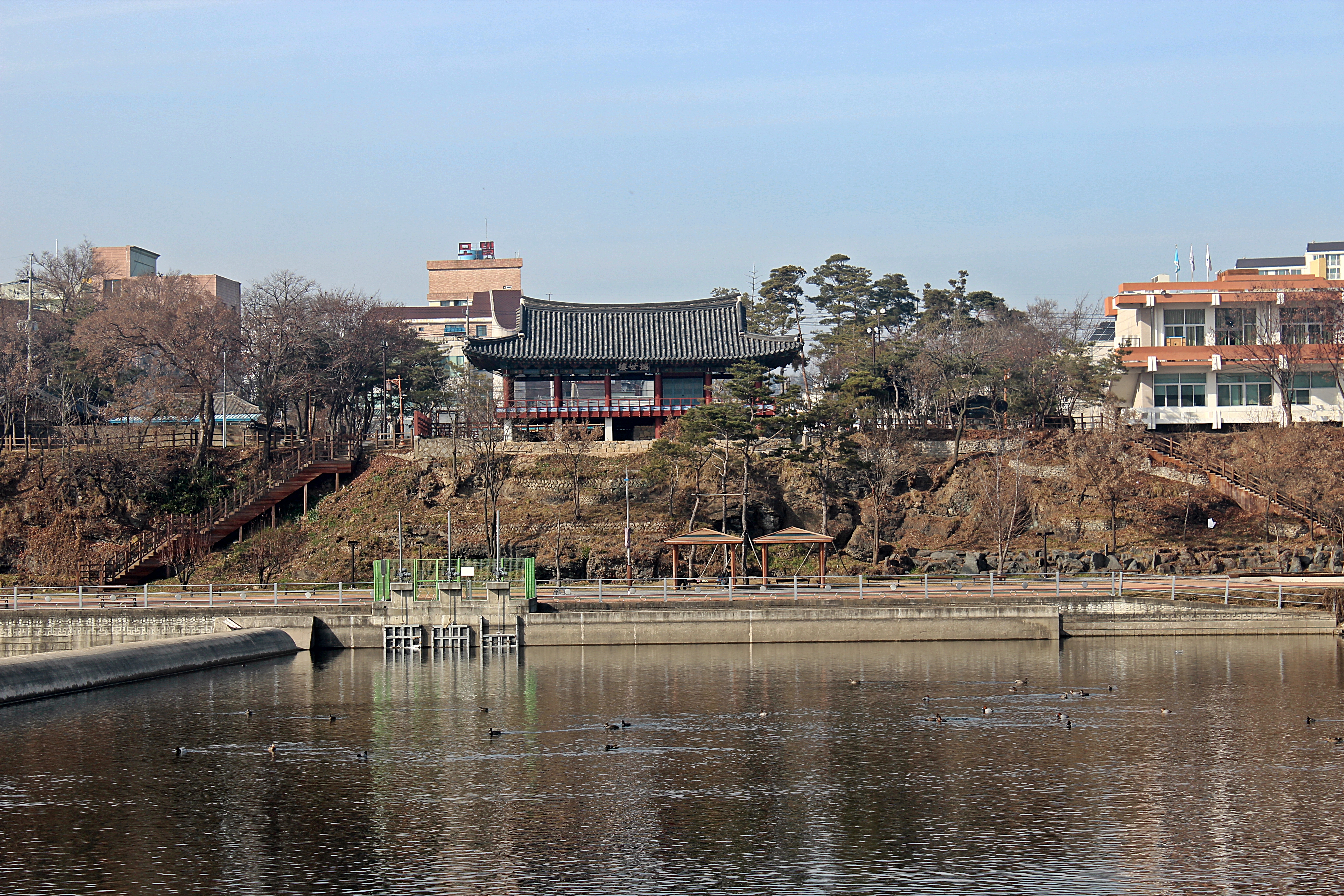
The stage programme is an evening event. The opening ceremony begins at 18:30 on Friday, October 2 at the riverside main stage, opening with nanta and a cappella pre-shows before singers Cheon Rok-dam, Solji and Lee So-na perform. That is the busiest single moment of the opening night.
The other fixed anchor is the National Wangpyeong Song Contest, whose final is at 18:00 on Sunday, October 4. This is a long-running national amateur singing competition — 2026 marks its 30th year — with twelve finalists selected from across the country, and it doubles as the festival’s closing evening. Between the opening and closing, the daytime is where the medicine, wine and food experiences sit.
What has not been published is a complete hour-by-hour grid for every zone and stage. The official Yeongcheon City festival page carries the festival’s structure but, when checked, had no populated 2026 daily schedule, and the news coverage gives the two evening anchors rather than a full timetable. If a specific activity or performer is the reason for your trip, confirm the time on the official page or by phone before travelling.
Tickets and what is free
General admission is free. The only routine cost is food and drink, which is paid at the stalls. Several of the medicine-festival wellness experiences are, per the city, free of charge — the brainwave measurement, acupuncture treatment, health massage and medicinal-food tasting inside the K-MEDI and DHU zones. That makes it genuinely possible to try a few things without a budget.
Free admission is not the same as everything being free. There will be paid food, paid wine by the glass at the wine festa, and paid beef at the grill-restaurant. A dependable per-item or per-experience price list was not published in a form worth quoting here, so this guide does not put numbers on individual activities. Bring a normal payment method and treat any figure on an old blog with caution.
Getting there without a car
Yeongcheon has its own station, and rail is the simplest approach. Since the end of 2025, when the Jungang line’s Dodam–Yeongcheon double-track section opened, a direct KTX-Eum from Cheongnyangni runs down the line and stops at Yeongcheon. Cheongnyangni to Andong is about two hours and Yeongcheon is a few stops beyond, so plan on roughly three hours; check the exact time for your date on Korail rather than assuming.
The well-worn alternative is to take a KTX from Seoul Station to Dongdaegu — about 1 hour 45 minutes — and change to a connecting Mugunghwa or ITX service to Yeongcheon, which takes around 26 minutes. Either way you arrive at Yeongcheon Station, which is not on the riverside itself; the festival grounds are a short taxi or local-bus hop away. The intercity bus terminal is another arrival option in the same part of town.
A note on logistics: one search summary described a 15-minute shuttle bus linking festival venues, but that detail could not be confirmed in any of the news articles or the official page, so this guide does not rely on it. If you are driving, check the official page for a 2026 parking and traffic notice close to the dates rather than navigating straight to the riverbank.
Food, wine and local specialties
The food here is part of the point, and two Yeongcheon products stand out beyond the temporary stalls. Yeongcheon wine is the more surprising one: Yeongcheon is Korea’s largest grape-growing region and its best-known domestic wine area, with roughly 18 wineries and a shared Yeongcheon Wine label. The Wine Festa that runs alongside the medicine festival is where this shows up directly, with tasting and a label-decorating activity. Korean grape wine is milder and often sweeter than the Western wines it is sometimes compared to, so treat a tasting as its own thing rather than a substitute.
The second is Yeongcheon Byeolbit Hanwu — “star-light” Korean beef — the city’s local beef brand, run by the Yeongcheon Livestock Cooperative, which opened a dedicated Hanwu Plaza retail hub in December 2025. During the festival an outdoor grill-restaurant sells this beef on site, reported at a 10–30% discount over the festival period. If grilled Hanwu is a draw for you, this is the practical place to eat it here. As always, these are regional-specialty recommendations, not guarantees about a specific stall, cut or price on the day you visit.
Honest assessment
The strength of this festival is that it is genuinely hands-on and mostly free to sample. You can measure your brainwaves, try acupuncture or a massage, taste medicinal food, drink local wine and eat local beef, all in one riverside park, and none of that requires a ticket. Combining four festivals on the same grounds means a single afternoon-and-evening visit has more to do than the medicine festival alone would, and the setting — a widened riverside park in the middle of a small Gyeongbuk city — is easy to walk.
The weakness is the flip side of the same thing. This is a community festival, not a headline event, and the published detail is thin: two fixed evening stage times, a list of experiences, and not much more. There is no complete daily grid, the “free” experiences are the city’s stated plan rather than something field-checked, and a widely repeated shuttle claim could not be verified. The opening-night singers are regional-circuit performers, not a reason in themselves to travel three hours each way.
The fair way to use it: go for the afternoon experiences, the wine and the beef, treat the evening stage as a bonus rather than the reason for the trip, and go in the daytime if you can so you see the wellness and food zones before the light fades. As a day trip from Seoul it is doable but tight against the evening programme; if you want the closing Wangpyeong contest at 18:00 on October 4, check your last train before you commit. Confirm the current programme on the official Yeongcheon City page shortly before you travel, since the 2026 daily schedule was still being filled in when this guide was written.
Local specialties to try
Yeongcheon wine (영천와인)
Yeongcheon is Korea's largest grape-growing area and its best-known domestic wine region, sometimes called an 'Eastern Bordeaux'; the city's low rainfall and high sunshine suit wine grapes, and roughly 18 wineries operate here. Grape wine is produced under the shared Yeongcheon Wine name (ycwine.or.kr), and the festival runs alongside a dedicated Yeongcheon Wine Festa with tasting and label-decorating. This is a regional product, not a claim about what any single festival stall will pour.
Yeongcheon Byeolbit Hanwu (star-light beef) (영천별빛한우)
Byeolbit Hanwu is Yeongcheon's local Korean-beef brand, run by the Yeongcheon Livestock Cooperative, which opened a dedicated Hanwu Plaza retail hub in December 2025. During the festival an outdoor grill-restaurant sells Yeongcheon Byeolbit Hanwu on site at a reported 10–30% discount. It is a local specialty recommendation, not a promise about prices or availability on any given day.
Questions worth asking
When is the 2026 Yeongcheon Traditional Korean Medicine Festival?
October 2–4, 2026 (Friday to Sunday), at Yeongcheon Riverside Park. For 2026 the 24th herbal-medicine festival runs together with the 52nd Yeongcheon Culture and Arts Festival, the Yeongcheon Wine Festa and the Byeolbit Hanwu grilled-beef festival on the same riverside grounds.
Is admission free?
Yes. General admission is free and only food and drink are paid separately. The city also describes several of the wellness experiences run with Daegu Haany University — brainwave measurement, an acupuncture treatment, health massage and medicinal-food tasting — as free of charge. No dependable price list for any other add-on experience was published.
What is there to do at the herbal-medicine part of the festival?
The oriental-medicine zone near the Yeongcheon Cultural Center offers health consultations and hands-on experiences, herbal-tea tasting, making medicinal herbs and scented pouches, skin/beauty and healing try-outs, and family crafts. Run with Daegu Haany University, the K-MEDI health-experience zone and DHU wellness zone add brainwave measurement, acupuncture, massage and medicinal food; there is also an 'herb bar' mission game and a garlic-themed kids' playground.
Who is performing, and when are the main stage events?
The opening ceremony is at 18:30 on October 2 at the main stage, opening with nanta and a cappella pre-shows and singers Cheon Rok-dam, Solji and Lee So-na. The 30th National Wangpyeong Song Contest final — twelve entrants selected nationwide — is at 18:00 on October 4. A full day-by-day grid was not published, so check the official page for other times.
Can I do this as a day trip from Seoul?
It is possible but tight. The rail trip is about three hours each way, and the headline stage events are in the evening. Several daytime experiences, the wine area and the beef grill work well within a day, but seeing the October 4 closing contest at 18:00 means checking your last train carefully. This guide does not assume a specific return departure.
Before you goFestival Etiquette in Korea: What Visitors Get WrongBooking KTX Trains and Intercity Buses as a Foreign VisitorGetting Out of Incheon Airport and On to a FestivalKorean Festivals With Children: Toilets, Strollers and TimingStaying Online in Korea: SIM, eSIM and the Apps That MatterEating at a Korean Festival Without Speaking KoreanRain, Typhoons and Cancelled Festivals: How to Plan Around ThemHow to Pay for Things in KoreaT-money and Transit Cards in KoreaWhat to Wear to a Korean Festival, Season by Season
LAST UPDATED · Sep 30, 2026