The Yeongdodaegyo Bridge Festival (Yeongdodari Chukje) is one of Busan’s most distinctive maritime heritage gatherings, commemorating the poignant history and cultural spirit of Korea’s first bascule drawbridge. Connecting the bustling mainland commercial core of Nampo-dong to the rugged island district of Yeongdo-gu, the bridge stands as a profound symbol of mid-twentieth-century industrialization, wartime survival, and naval tradition.
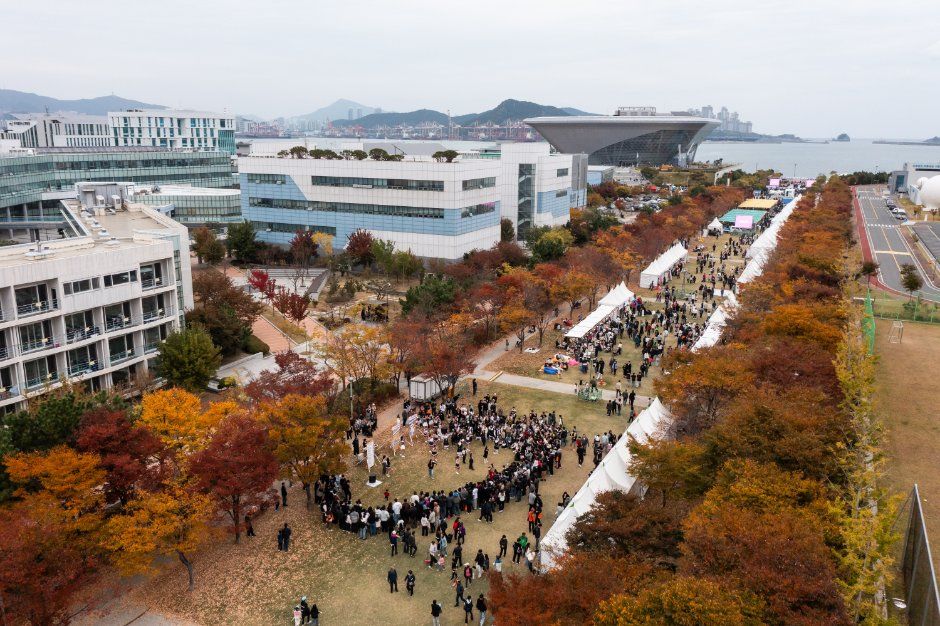
The 34th edition takes place over three full days from Friday, 30 October to Sunday, 1 November 2026, operating daily from 10:00 to 20:00. The Korea Tourism Organization and the Yeongdo-gu municipal office designate general admission as free, with the festival split between two key coastal areas: the raw, converted shipyard warehouses of Bongnae-dong Mulyangjang (Bongnae Quay) and the green coastal grounds of Amir Park.
The legend of the bridge lifting and the refugees’ promise
Behind the steel trusses and mechanical gears of Yeongdo Bridge lies one of the most heartbreaking chapters in modern Korean history, recorded in national historical archives and the Encyclopedia of Korean Local Culture (Academy of Korean Studies).
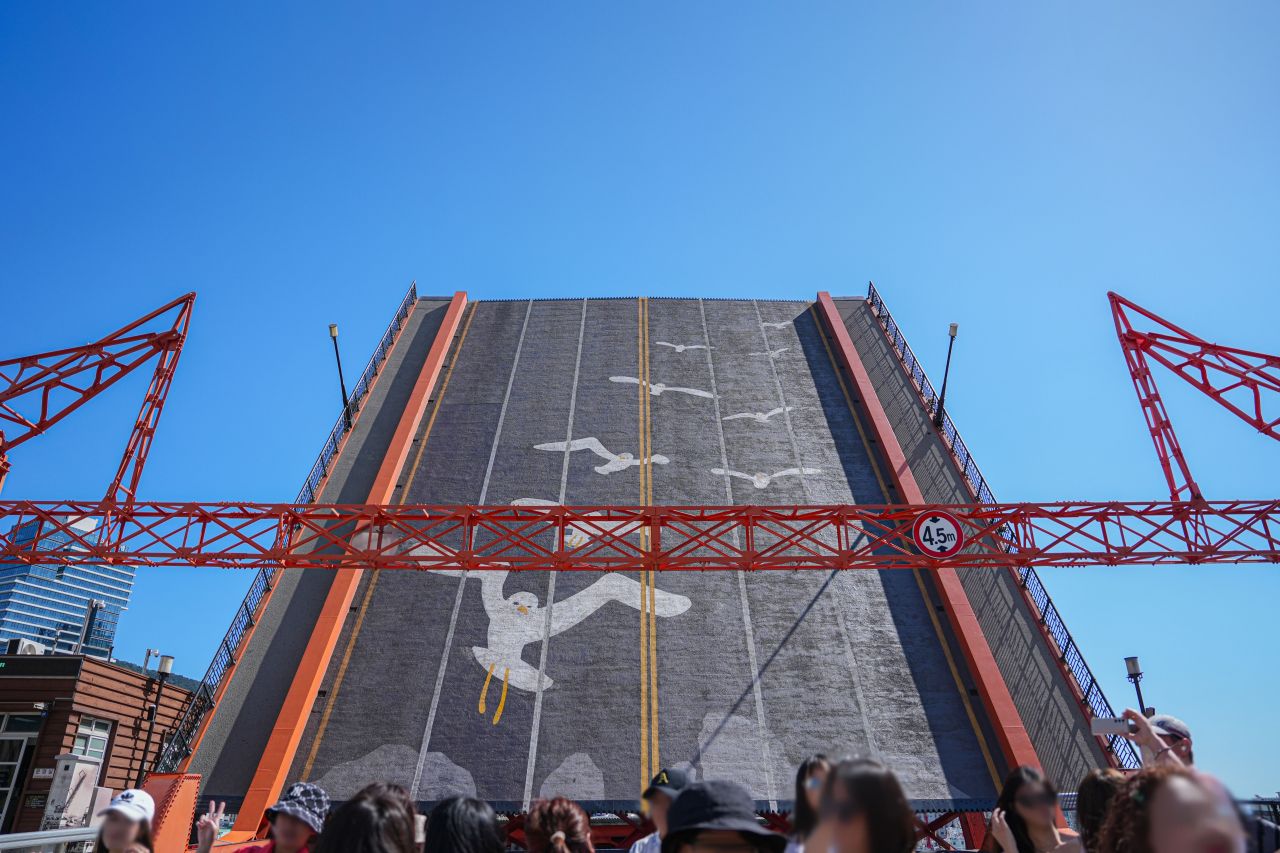
Completed in November 1934, Yeongdo Bridge was the very first lifting bascule bridge built in Korea. Up to seven times each day, sirens wailed across Busan Harbour, vehicular traffic stopped, and one half of the entire bridge roadway hoisted 55 degrees into the sky to allow large commercial cargo vessels and fishing fleets to navigate freely between the North and South Harbours. To onlookers in the 1930s and 1940s, a giant bridge rising towards the clouds seemed like an unbelievable engineering miracle.
When the Korean War erupted in June 1950 and the peninsula was overrun, hundreds of thousands of refugees retreated southward to Busan, the nation’s wartime temporary capital. In the chaotic panic of the Hungnam Evacuation and sudden evacuations from northern provinces, families torn apart by war made one solemn, desperate pact before losing each other: “If we are separated in the chaos, let us meet under the handrails of Yeongdo Bridge.”
For three years, the railings and stone piers of Yeongdo Bridge were smothered in thousands of weathered, handwritten slips of paper bearing the names, hometowns, and ages of lost spouses, children, and parents. Under the shaded arches of the bridge abutments, dozens of fortune tellers pitched canvas tents (Jeombachi Golmok), offering anxious refugees their only shred of hope regarding whether missing loved ones were still alive. To this day, the underside of the bridge carries this enduring legacy of reunion, devotion, and resilience.
What you actually do here
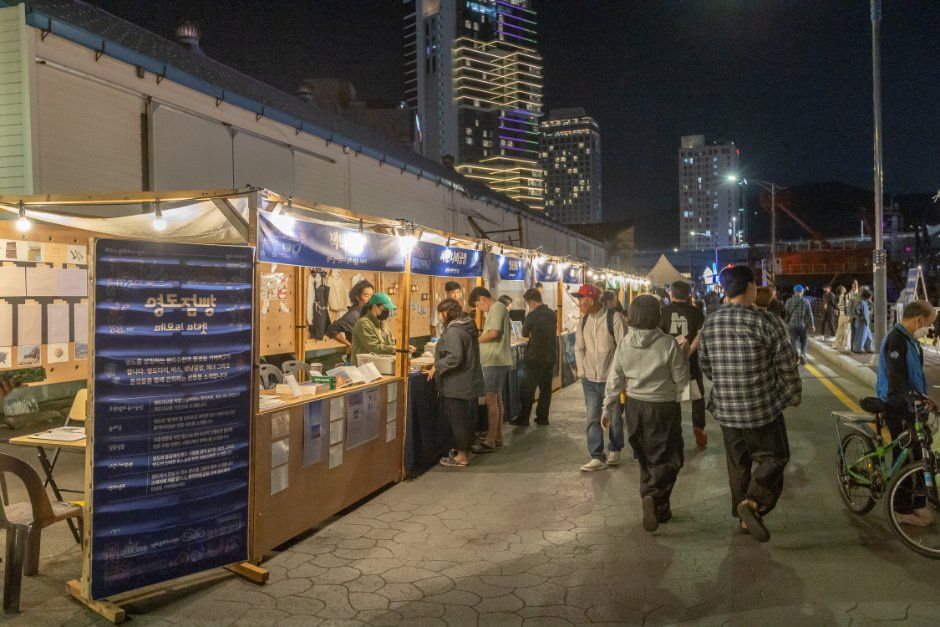
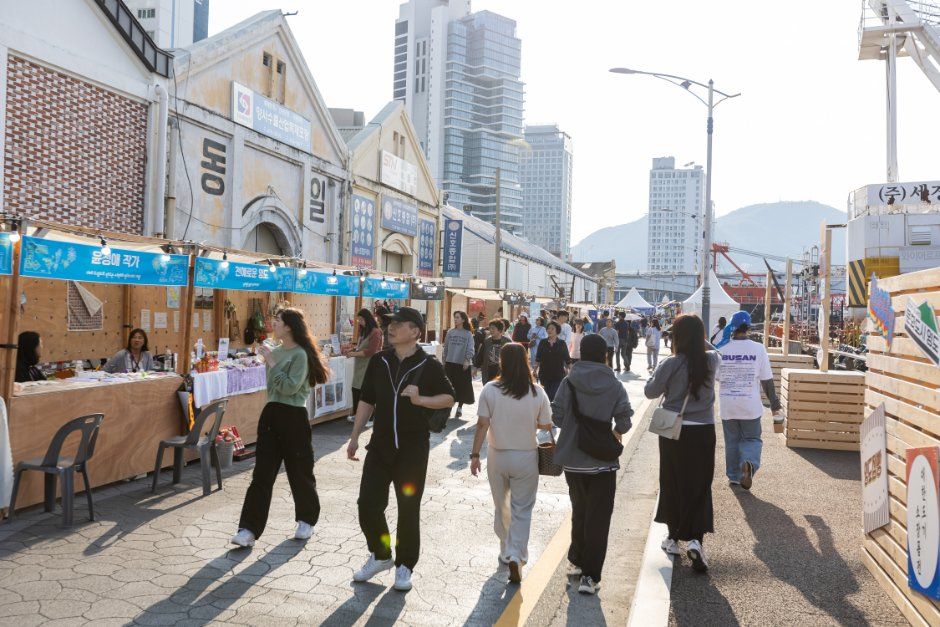
Visiting the festival is primarily a walking journey along the working docks and maritime cultural spaces of Yeongdo. Rather than being confined to a closed stadium, visitors move freely along the breezy waterfront of Bongnae Quay, where former shipyard warehouses and marine equipment factories have been repurposed into artisan cafes, exhibition halls, and open-air stages.
The festival programme is carefully split across two main venues to balance historic heritage and contemporary civic recreation:
At Bongnae-dong Mulyangjang (Quay), the atmosphere leans heavily into nostalgic maritime culture:
- Heritage and Street Theatre: Open-air theatrical productions such as Memories of the Black Rubber Shoes, silent film cinema screenings beside the docks, and busking performances.
- K-POP and Retro EDM: Evening performances transitioning from daytime folk and gala concerts to twilight DJ and youth dance sessions overlooking the moored ships.
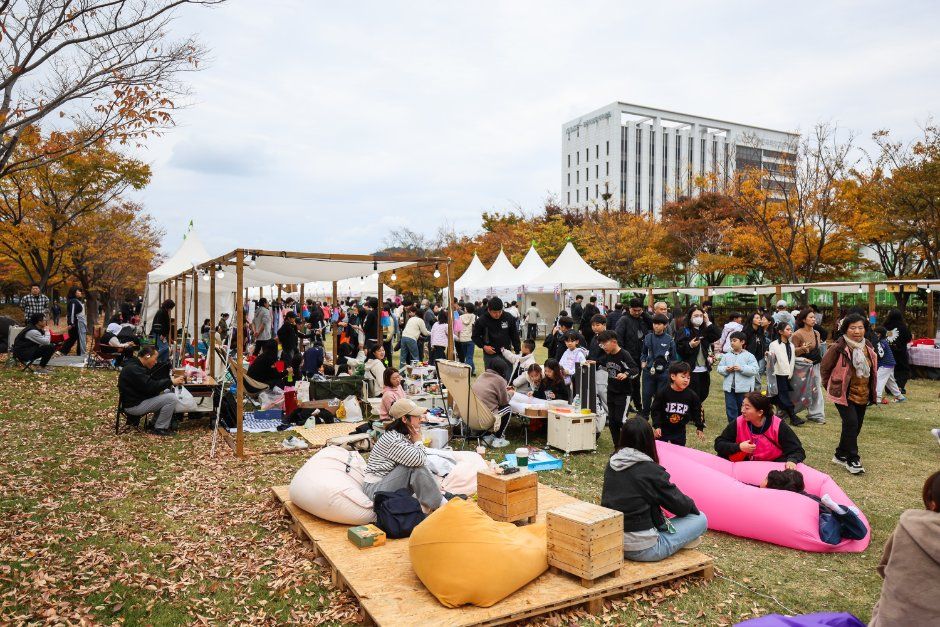
- Craft Beer and Quayside Dining: The Blueport 2021 food zone and craft beer rest area, providing seating along the water where visitors can enjoy local snacks and drinks as tugboats idle in the harbour.
At Amir Park (National Maritime Museum area), the programme caters to families and wider community culture:
- Family Entertainment: Celebrity chef cooking demonstrations, magic and bubble shows, and the Children’s Maritime Festival.
- Yeongdodari Singing Contest: The long-running public singing competition, alongside hands-on ecological workshops and the historic Yeongdo Memory Postbox.
Programme and timetable
The grounds are accessible from 10:00 to 20:00 throughout the three-day weekend. While daytime busking and craft flea markets operate continuously, major anchor events structure the timetable:
- Friday, 30 October (Opening Day): Opening ceremony, evening lantern lighting along the quay, and the headline opening musical performances starting around 18:00.
- Saturday, 31 October: Daytime waterfront busking and children’s programmes, followed by the afternoon bridge draw ceremony, the Retro EDM quayside concert, and evening maritime light displays.
- Sunday, 1 November (Closing Day): The final rounds of the Yeongdodari Singing Contest, youth dance competitions, and the evening closing ceremony at 19:00.
Check the festival information boards at the entrance to Bongnae Quay on the day of your visit for the exact schedule of that day’s bridge draw, as wind conditions and harbour traffic can affect maritime demonstration timings.
Tickets, fees and booking
General admission to both Bongnae Quay and Amir Park is completely free, and no advance reservations are needed to explore the quayside or view the performances.
Optional on-site spending includes:
- Purchases from artisan flea market vendors and craft stalls.
- Meals, seafood snacks, and craft beer purchased in the Blueport 2021 dining zone or from participating food trucks.
- Minor workshop material fees for specific hands-on traditional craft activities.
Cash and major Korean domestic credit cards are widely accepted at market stalls. International credit cards work reliably at established permanent cafes and food trucks throughout the venue.

Getting there without a car
Yeongdo Bridge is exceptionally convenient for intercity rail passengers arriving at Busan Station:
- From Seoul by KTX: Take a direct KTX train from Seoul Station to Busan Station (typical travel time is 2 hours 15 minutes to 2 hours 30 minutes).
- From Busan Station to the Festival: Exit the station toward the central bus transit lane on Jungang-daero. Board city bus 66, 88, or 101. The bus travels south through Nampo-dong and crosses Yeongdo Bridge in roughly 10 to 12 minutes. Alight at the Yeongdo Police Station (Yeongdo Gyeongchalseo) or Bongnae Market (Bongnae Sijang) stop, just a two-minute walk to the waterfront.
- By Subway: Take Busan Metro Line 1 to Nampo Station (Exit 6 or 8). From the station exit, you can walk directly onto Yeongdo Bridge and cross into Yeongdo on foot in about 7 to 10 minutes, enjoying views of Jagalchi Fish Market on the right and Busan Port on the left.
- By Taxi: A taxi ride from Busan Station to Bongnae Quay takes less than 10 minutes and costs approximately 5,000 to 6,000 won under normal traffic conditions.
Food on site and nearby
Dining in Yeongdo connects directly to Korea’s twentieth-century food history:
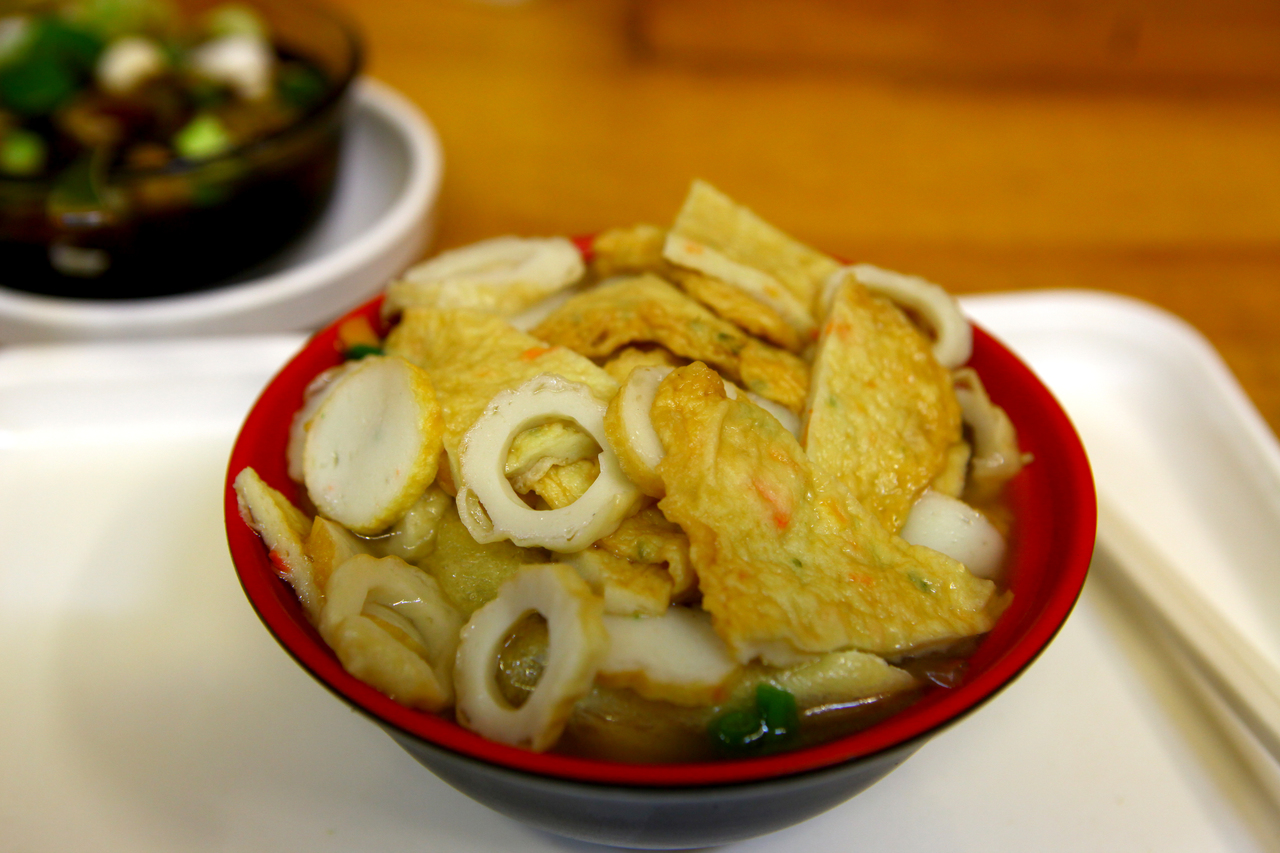
- Busan Eomuk (Artisan Fish Cakes): Just a five-minute walk from Bongnae Quay stands the flagship store and bakery-museum of Samjin Eomuk (founded in 1953). Unlike industrial factory fish cakes, their hot, freshly fried cakes feature whole shrimp, melted cheese, peppers, and squid wrapped in dense, springy ground sea fish.
- Yeongdo Haenyo Coastal Seafood: Along the southern cliffs of Yeongdo, active women divers (haenyeo) serve freshly harvested sea cucumber, abalone, and sea urchin over cold noodles.
- Waterfront Cafes and Craft Brews: The streets adjoining Bongnae Quay host prominent converted-factory coffee roasteries (such as Momos Coffee Yeongdo and P.ARK), offering panoramic views of shipyards and incoming cargo vessels.
Honest assessment
The strength of the Yeongdodaegyo Bridge Festival is its authentic, lived-in harbour atmosphere. Unlike synthetic festival plazas built purely for tourists, Bongnae Quay is an active maritime waterfront where commercial vessels moor beside festival stages, and the historic lifting bridge is a genuine relic of modern Korean survival and triumph. The proximity to Busan KTX Station and Nampo-dong makes it one of the easiest regional autumn festivals to visit on public transit.
Its main weakness is open coastal weather. The quayside venues can experience stiff, chilly autumn sea breezes, especially once the sun sets over Busan Harbour after 17:30. Visitors should bring a windbreaker or warm extra layer. The festival footprint is also split between Bongnae Quay and Amir Park (which are about 5 kilometres apart), so if you wish to see both venues, plan to use a local taxi or city bus connection rather than attempting to walk between them. Focus your time around Bongnae Quay for the richest concentration of history, bridge views, and culinary experiences.